
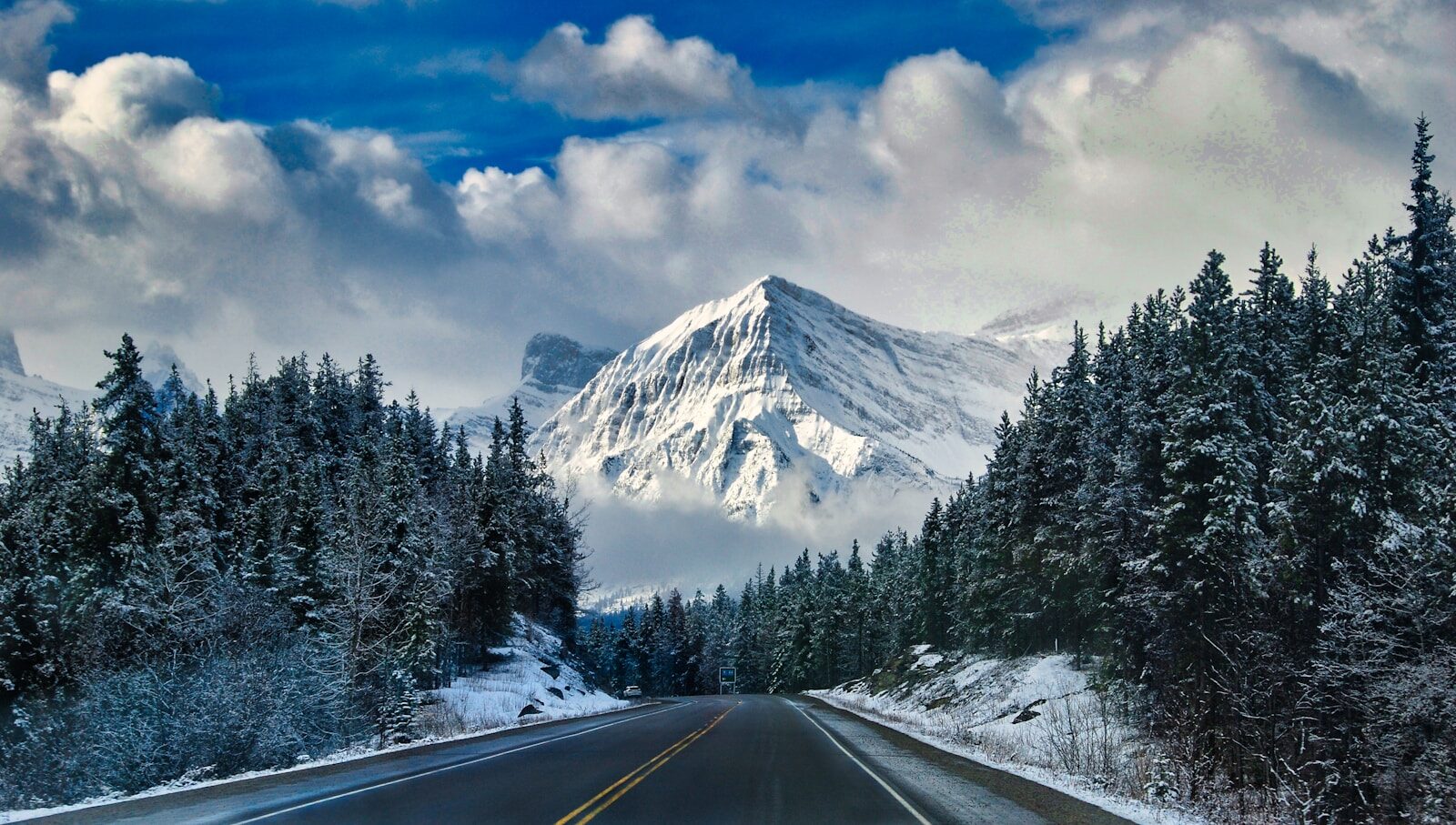
Canada is one of the best countries in the world for a road trip. Its highways pass through mountains, forests, lakes, open prairies and coastal landscapes, while many famous destinations are easiest to reach by car.
At the same time, planning a road trip in Canada can be more difficult than it first appears. The country is enormous, services may be far apart, mobile coverage is not always reliable, and weather can change quickly.
A route that looks simple on a map may become tiring once fuel stops, meals, parking, road construction and scenic viewpoints are included.
Here are seven common mistakes tourists make when planning a Canadian road trip and how to avoid them.
1. Underestimating the distances
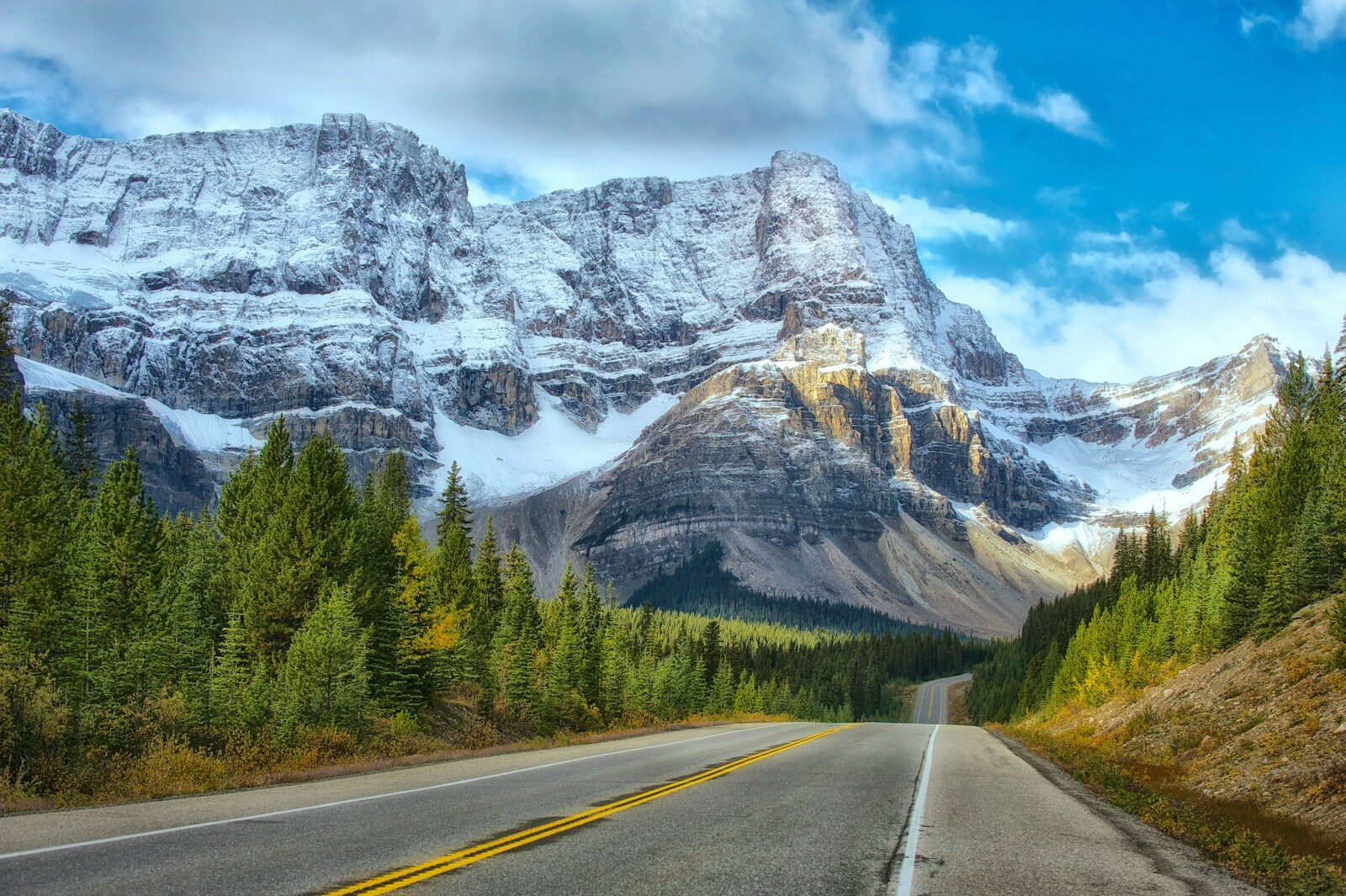
The most common mistake is assuming that destinations in Canada are closer together than they really are.
Two places may appear nearby on a map but still require several hours of driving. Visitors sometimes try to combine Toronto, Banff and Vancouver within one short holiday, even though these destinations are separated by thousands of kilometres.
Navigation apps also show only the estimated driving time. They usually do not include:
- fuel stops;
- meals and coffee breaks;
- road construction;
- parking;
- scenic stops;
- wildlife delays;
- short walks and attractions.
A five-hour route can easily take seven hours in real life.
Realistic road-trip timing
| Map estimate | More realistic total time | Best use |
|---|---|---|
| 1–2 hours | 2–3 hours | Relaxed sightseeing day |
| 3–4 hours | 4–6 hours | Driving with several stops |
| 5–6 hours | 7–8 hours | Mostly a transfer day |
| 7+ hours | Full day | Better followed by a lighter day |
Instead of trying to see the entire country, choose one region and explore it properly. The Canadian Rockies, southern Ontario, Vancouver Island, Manitoba’s lake country or Atlantic Canada can each fill an entire trip.
2. Planning every day around long drives
Being able to drive eight hours does not mean every day of the trip should include eight hours behind the wheel.
Long-distance days are sometimes necessary, especially when crossing the Prairies or travelling between remote destinations. Problems begin when the entire itinerary is built around maximum driving time.
After several long days, travellers often become tired and stop enjoying scenic viewpoints, small towns and roadside attractions.
A better itinerary includes different types of days.
| Day type | Driving time | Purpose |
|---|---|---|
| Transfer day | 5–8 hours | Covering a long distance |
| Exploration day | 2–5 hours | Visiting attractions and viewpoints |
| Rest day | 0–2 hours | Enjoying one destination |
Alternating these types of days makes the trip more comfortable.
It can also help to compare map estimates with routes that have already been completed. Travellers looking for realistic Canadian itineraries and tested driving distances can consult the road-trip guides published by Explorer Canada.
3. Assuming fuel and mobile service are always nearby
Along major highways and near large cities, fuel stations, restaurants and mobile coverage are usually easy to find. In rural and northern areas, the situation may be very different.
A fuel station shown online may close early or operate only seasonally. Mobile service can disappear between small communities, and some roads may have very few places to stop.
Before entering a remote area:
- download offline maps;
- fill the fuel tank;
- carry water and snacks;
- save accommodation details;
- charge phones and power banks;
- identify more than one fuel stop;
- check whether the road is paved.
Electric-vehicle drivers should also verify charging speed, connector compatibility and backup charging locations.
In remote parts of Canada, it is better to refuel when the opportunity appears rather than waiting until the tank is almost empty.
4. Booking accommodation without checking the route
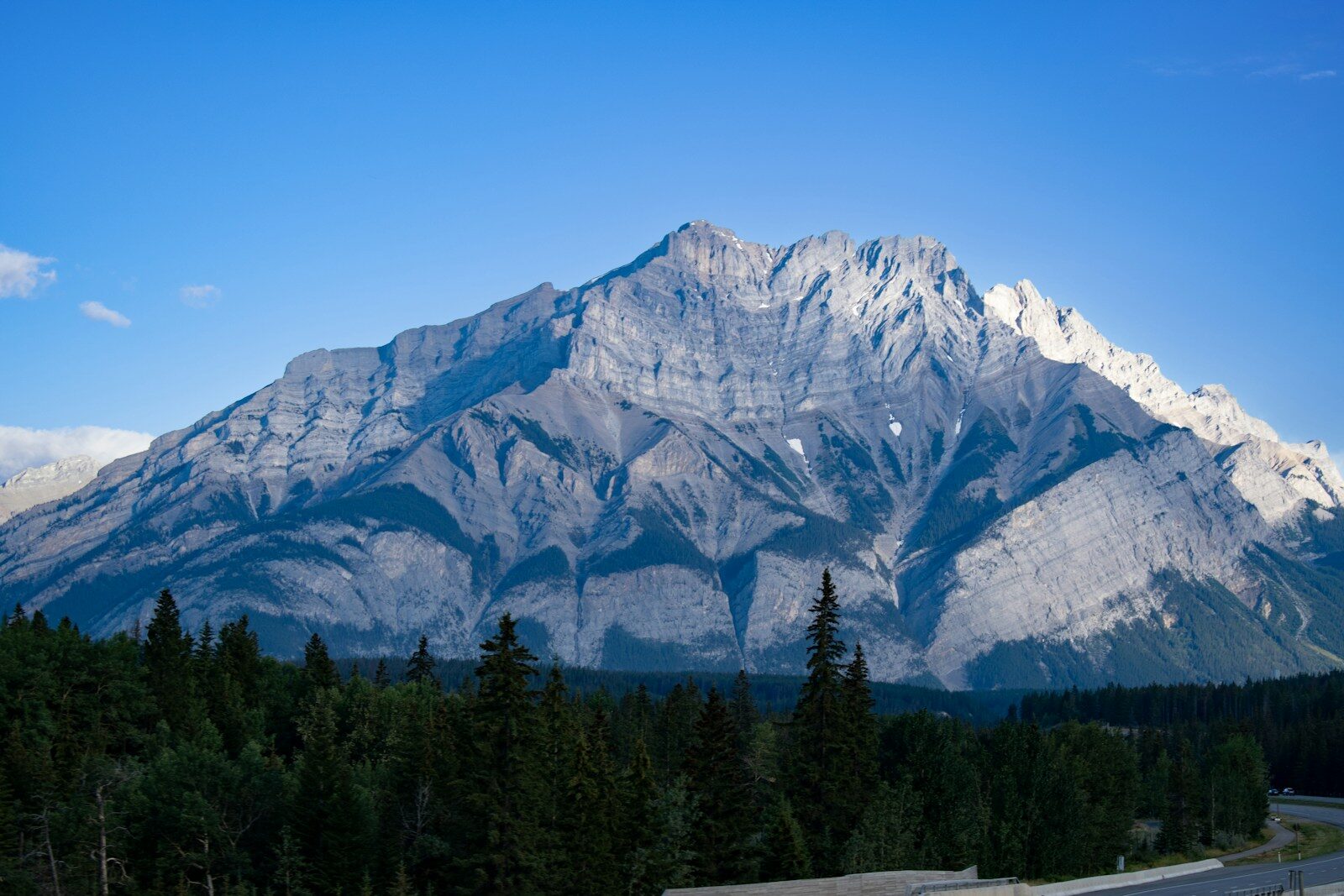
A hotel described as being “near” a park or attraction may still be far from the exact place you want to visit.
Before booking, check the real driving route between:
- the hotel;
- the main attractions;
- the next destination;
- fuel and food stops.
A cheaper hotel may become less convenient after adding extra fuel, parking fees and an early departure.
The side of a city or park also matters. Staying on the wrong side can add significant time in morning traffic.
It is usually wise to reserve the most important nights in advance, especially:
- weekends;
- national parks;
- resort towns;
- public holidays;
- remote destinations;
- the final night before a flight.
Campers should also confirm whether reservations are required and whether the campground provides water, washrooms, showers and pet access.
5. Ignoring weather and seasonal conditions
Canadian weather can change quickly, especially in mountain and northern regions.
A warm day in a nearby city does not guarantee good conditions at a mountain pass or lakeshore. Travellers may encounter heavy rain, strong winds, wildfire smoke, sudden cold or even snow at higher elevations.
Before driving, check:
- the forecast for the entire route;
- road-condition reports;
- wildfire information;
- construction notices;
- daylight hours;
- seasonal closures.
Useful items to keep in the car include a waterproof jacket, warm clothing, drinking water, sunscreen, a flashlight and a basic emergency kit.
It is also sensible to prepare a backup plan for bad weather. A long hike can be replaced with a scenic drive, museum, visitor centre or shorter walk.
Winter road trips require much more preparation. Snow, ice, limited daylight and extreme cold can make ordinary routes significantly more difficult.
6. Treating wildlife like a roadside attraction
Wildlife is one of the highlights of travelling through Canada, but it can also create dangerous situations.
Drivers sometimes stop suddenly or leave the vehicle to photograph bears, moose, elk, deer or bison. This can block traffic and place both people and animals at risk.
When wildlife appears:
- slow down gradually;
- avoid sudden braking;
- stay inside the vehicle when appropriate;
- use a designated pullout;
- keep a safe distance;
- never feed an animal;
- do not approach young animals.
Wildlife is especially active around dawn and dusk. Road signs warning about animal crossings should always be taken seriously.
A good wildlife encounter is one that does not disturb the animal’s natural behaviour.
7. Trying to visit too many famous places
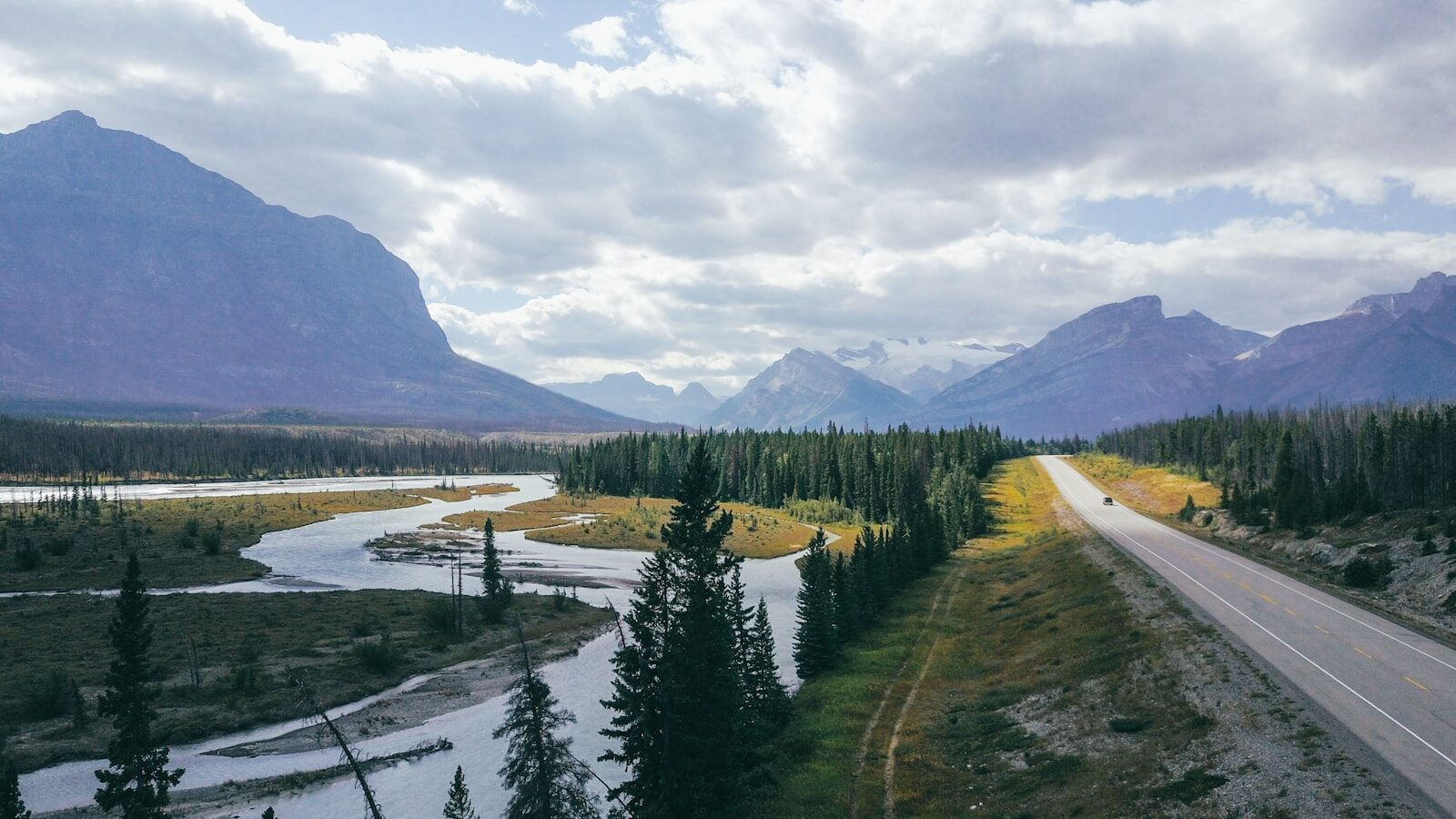
Many travellers begin with a long list of well-known destinations: Banff, Jasper, Lake Louise, Niagara Falls, Vancouver, Toronto and Québec City.
The problem is not that these places are uninteresting. The problem is trying to fit too many of them into one short trip.
Famous attractions often require extra time for parking, shuttles, ticket lines, crowds and walking between viewpoints.
Instead of asking how many attractions can fit into the itinerary, ask:
- Which places matter most?
- How many full days do we want outside the car?
- Do we prefer cities, nature or hiking?
- Are we comfortable with long transfer days?
- Which smaller places can be included along the way?
Provincial parks, small towns, local museums, beaches and roadside viewpoints often become some of the most memorable parts of a Canadian road trip.
Quick planning checklist
| Question | Why it matters |
|---|---|
| Is the daily driving time realistic? | Map estimates do not include stops |
| Are fuel stations available? | Services may be far apart |
| Is the hotel on the actual route? | A cheaper room may add extra driving |
| Are offline maps downloaded? | Mobile service may disappear |
| Is there a weather backup plan? | Conditions can change quickly |
| Are important nights reserved? | Popular destinations may sell out |
| Is there enough rest time? | Several long days can cause fatigue |
Frequently Asked Questions
How many hours should I drive per day in Canada?
For a sightseeing trip, three to five hours of actual driving is comfortable for many travellers. Once meals, fuel stops and viewpoints are included, this can already fill most of the day.
Longer drives are possible, but they are better used as occasional transfer days.
How many days do I need for a Canadian road trip?
Seven to ten days are usually enough for one focused region. Two to three weeks allow more flexibility and longer routes.
Trying to cross large parts of Canada in one week usually means spending most of the holiday inside the vehicle.
Is driving in Canada difficult?
Major highways are generally easy to navigate. The main challenges are long distances, weather, wildlife, winter conditions and limited services in remote areas.
International visitors should also review the driving rules of the province they plan to visit.
Do I need to book accommodation in advance?
Advance booking is recommended for national parks, resort towns, weekends, holidays and remote areas with limited accommodation.
In less popular regions, some flexibility may be possible.
Is mobile coverage available everywhere?
No. Coverage may be weak or unavailable in mountain, northern and rural regions. Offline maps and saved travel information are strongly recommended.
What is the best season for a Canadian road trip?
Summer offers warm weather and long daylight hours, but it is also the busiest season.
Late spring and early autumn may have fewer crowds, although some roads and attractions operate seasonally.
Conclusion
Planning a road trip in Canada requires more than choosing destinations and following the fastest route on a map.
The best itineraries include realistic driving times, regular rest days, carefully selected accommodation, fuel planning, offline maps and flexibility for weather.
Trying to see fewer places often leads to a better experience. It creates more time for scenic stops, small towns and unexpected discoveries along the way.
Canada’s roads are not simply a way to travel between attractions. The forests, lakes, mountain passes and communities between the major destinations are an important part of the journey.
By avoiding these seven common mistakes, travellers can create a safer, more comfortable and more memorable road trip through Canada.