
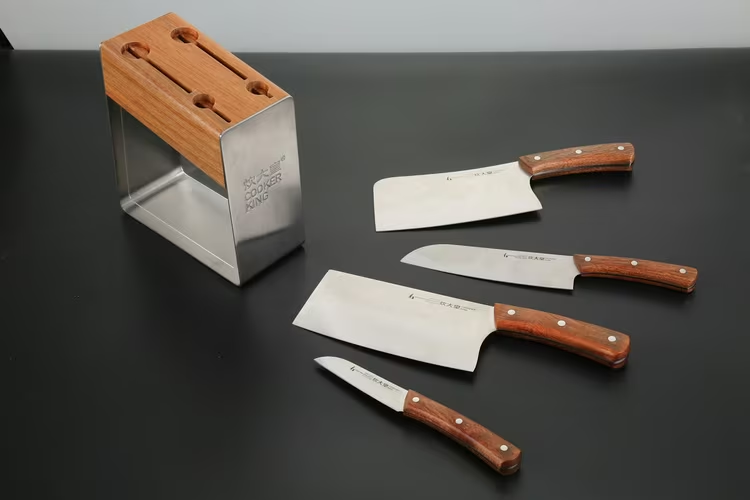
🔪 Knife Sharpeners – Precision and Passion for Perfect Edges
Have you ever wondered why even the most expensive knife suddenly feels dull, making cutting vegetables or meat a frustrating task? The answer usually isn’t the blade itself but the way it’s maintained. That’s why I’ve spent a lot of time exploring knife sharpeners and discovered how much difference a high-quality sharpener really makes. I still remember the first time I sharpened my chef’s knife properly—it felt like holding an entirely new tool. Many people underestimate how much the longevity and performance of a knife depend on consistent care. In this article, I’ll share my personal experience, introduce some of the best sharpening systems, and explain why the right tool can completely change your cooking experience. To build a balanced overview, I’ve combined hands-on testing with insights from experts like America’s Test Kitchen and the knife specialists at Zwilling. This way you’ll get both personal impressions and reliable data.
📊 Comparison of the Most Popular Sharpening Systems
The choice of knife sharpeners is huge—from classic honing rods to manual pull-through sharpeners and highly precise professional setups. To make things easier, I’ve put together a table with some of the most trusted and efficient systems available.
| Name | Type | Key Features | Rating |
|---|---|---|---|
| Hapstone R2 | Professional System | Modular, adjustable angles, compatible with diamond and water stones | ⭐⭐⭐⭐⭐ |
| Edge Pro Apex 4 | Semi-professional | Easy to use, stable angle guide, versatile | ⭐⭐⭐⭐ |
| Work Sharp Ken Onion Edition | Electric | Belt grinder, variable speed, quick results | ⭐⭐⭐⭐ |
| Zwilling Twinsharp | Simple Hand Sharpener | Two stages, compact, beginner-friendly | ⭐⭐⭐ |
| Victorinox Honing Steel | Classic | Realigns the edge, durable, affordable | ⭐⭐ |
Personally, the modular design of Hapstone impressed me the most. The ability to control angles and swap sharpening stones freely gives every knife a like-new edge.
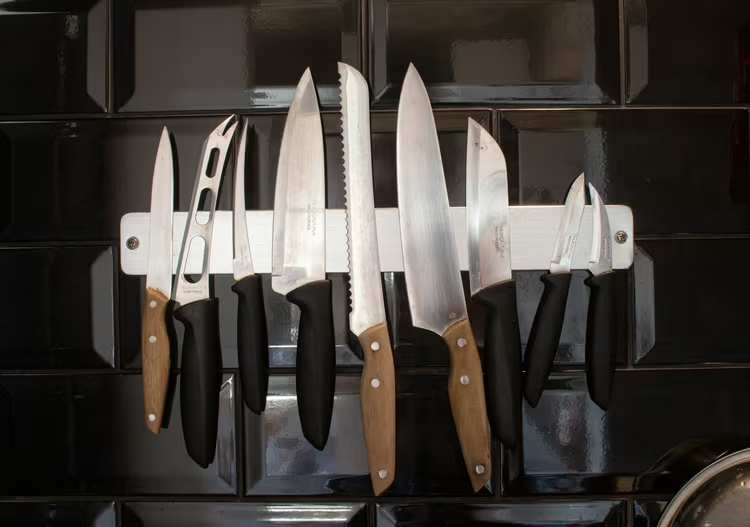
⚙️ Strengths and Weaknesses of the Systems
Each sharpening solution has its pros and cons. Electric sharpeners deliver results quickly but tend to remove too much metal. Manual guided systems like Hapstone or Edge Pro provide unmatched precision but require more time and patience. Honing steels, on the other hand, are great for everyday touch-ups but don’t actually sharpen—they simply realign the blade. For me, the winning combination is a honing steel for quick maintenance and a precision system like Hapstone for full service. This balance keeps my knives razor sharp and extends their lifespan dramatically.
🔍 Differences in Sharpening Techniques
Many people assume sharpening is just about making the blade “sharp” again, but technique plays a huge role in how long the edge lasts. The sharpening angle is the most critical factor. Japanese knives, like those from Shun, are often ground at smaller angles (around 15°), while European models such as Wüsthof typically use 20°. The choice of stone also matters. Diamond stones are extremely durable and effective for harder steels, while water stones offer a fine finish and allow for a mirror polish. From my own experience, selecting the right stone for the steel type significantly extends edge retention. 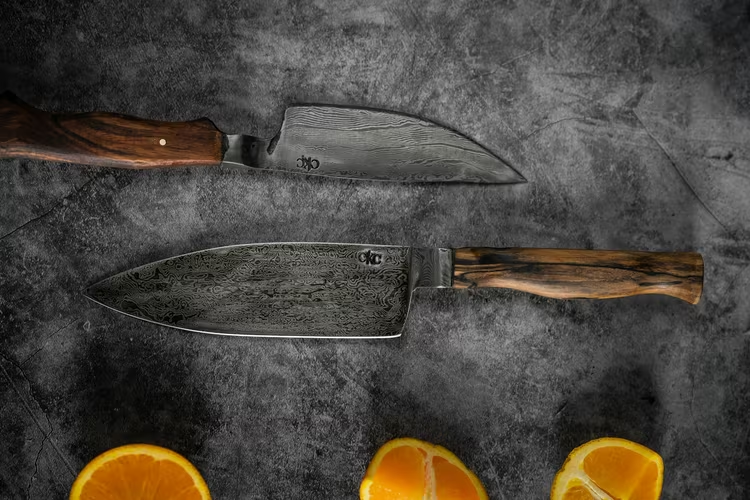
📈 Measurable Benefits of Precision Systems
A fascinating fact I found: research from Cook’s Illustrated shows that knives sharpened on professional systems stay sharp up to 3 times longer than those sharpened with simple pull-through devices. This finding matches my personal kitchen results. Here’s a clear comparison:
| Method | Average Edge Retention | Material Removal | Precision |
|---|---|---|---|
| Professional System (e.g., Hapstone) | 6–8 weeks | Minimal | Very high |
| Electric Sharpener | 3–4 weeks | High | Medium |
| Simple Pull-through Sharpener | 2–3 weeks | Medium | Low |
| Honing Steel | Only days | None | Very low |
When I began tracking performance systematically, I was surprised by the size of the differences. For premium knives, especially Damascus steel, precision is everything—one poor sharpening can ruin a blade worth hundreds of dollars.
🏆 Recommendations by Use Case
Not every sharpener fits every user. A hobby cook with two knives doesn’t need a $300 setup, while a professional kitchen can’t survive without precision. Based on experience, here’s my overview:
| User Profile | Recommended Solution | Reason |
|---|---|---|
| Casual user | Simple Pull-through | Fast, cheap, easy |
| Hobby cook | Work Sharp or Zwilling Twinsharp | Flexible, good value |
| Professional chef | Hapstone R2 or Edge Pro Apex | Precision, durability |
| Outdoor enthusiast | Victorinox Honing Steel | Compact, portable |
| Knife collector | Hapstone R2 with water stones | Ultimate control, finest polish |
🌍 Global Trends and Market Leaders
Looking at the global market, it becomes clear that sharpeners are essential not only in kitchens but also in professional workshops and restaurants. Brands like Tormek from Sweden dominate the electric wet grinder segment, while Hapstone from Europe sets the standard for modular precision systems. According to Grand View Research, the global knife sharpener market is projected to grow by more than 4% annually through 2030. This growth reflects not only household demand but also the increasing awareness of sustainability. Instead of constantly buying new knives, more people are learning to maintain what they already own—saving money and reducing waste.
📊 Real Market Prices (as of 2023)
Here’s a snapshot of average retail prices in the U.S. and Europe. Data is based on official retailer listings and gives a fair mid-market perspective:
| Product | Type | Avg. Price (USD) | Key Feature |
|---|---|---|---|
| Hapstone R2 | Professional | $295–320 | Modular, top precision |
| Edge Pro Apex 4 | Semi-pro | $250–280 | Versatile, durable |
| Work Sharp Ken Onion | Electric | $140–160 | Variable speed belt grinder |
| Zwilling Twinsharp | Handheld | $45–55 | Beginner-friendly |
| Victorinox Honing Steel | Classic | $25–30 | Simple, durable |
The price-performance ratio is striking: a reliable honing steel costs less than a dinner out, yet it extends the life of your knives for years.
🧩 Personal Impressions in Daily Use
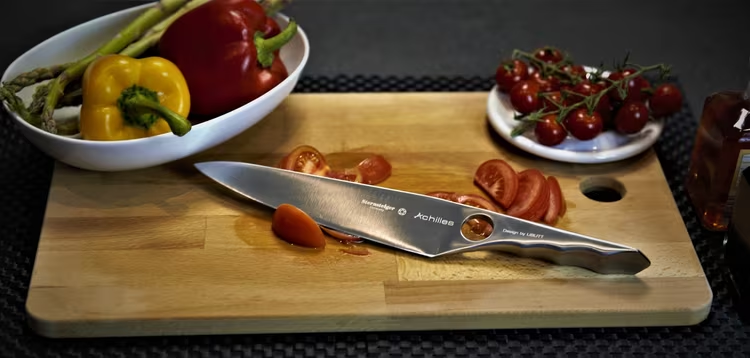
Since switching to a Hapstone system, I’ve noticed not just sharper knives but also a completely different cutting feel. Tomatoes slice cleanly without pressure, meat keeps its structure, and herbs are cut without bruising. That said, professional setups take time, space, and patience. For quick jobs, I often use a honing steel or compact Zwilling sharpener. This mix keeps me flexible and ensures my knives are always ready for action.
📌 Key Buying Considerations
From my perspective, three main factors matter most:
- Precision & angle control – vital for premium knives.
- Speed & convenience – electric systems save time.
- Long-term costs – expensive setups can be cheaper in the long run by protecting valuable blades.
Balancing these criteria helps avoid disappointment and ensures you pick the right sharpener for your lifestyle.
⁉️🤔 Frequently Asked Questions and Answers
- How often should you sharpen knives?
With regular use, I recommend every 6–8 weeks using a precision system like Hapstone. In between, a honing steel is enough.
- Can an electric sharpener damage a knife?
Yes, if used too often or too aggressively. They remove more material and are less precise.
- What’s the ideal angle for kitchen knives?
Japanese knives: 12–15°. European knives: 18–20°. Consistency matters most.
- Do Damascus knives need special stones?
Yes, water stones are best, as they allow for controlled sharpening and a very fine finish.
- Is a honing steel the same as a sharpener?
No, it only realigns the edge. True sharpening requires a dedicated system.
- Is an expensive system worth it for hobby cooks?
If you own only a couple of knives, a mid-range model may suffice. Collectors or professionals benefit most from premium systems.
- Which brands are leaders in the market?
Hapstone, Edge Pro, Work Sharp, Tormek, and Zwilling are the most trusted and widely used.
- Can you sharpen pocket knives with these systems?
Yes, though compact sharpeners or portable honing rods are often more convenient outdoors.
💎 Conclusions and Final Thoughts
Knife sharpeners are much more than kitchen gadgets—they’re tools that can elevate your cooking experience. From budget-friendly handhelds to precision professional setups, there’s a solution for everyone. My experience shows that regular sharpening saves money, protects valuable knives, and restores the pure joy of effortless cutting. Modular systems like Hapstone stand out to me because they combine versatility with absolute control. Whether you’re a casual cook, a professional chef, or an outdoor enthusiast, the right choice depends on your needs, budget, and expectations. With the right sharpener, every knife can remain a reliable partner for years.