🏡🔌 How to Travel Without Stress: Essential Tips for Protecting Your Home Appliances Before Leaving
✈️🏠 The Hidden Risks of Leaving Home Unprepared
Have you ever returned from a dream vacation only to find a flooded kitchen, a burnt-out appliance, or a sky-high electricity bill? Many travelers forget that their home appliances need attention before departure. A few precautions can prevent unexpected disasters and costly repairs. To ensure your peace of mind while traveling, we've gathered expert advice from professionals in appliance repair. Whether you're leaving for a weekend getaway or an extended vacation, these simple steps will help you safeguard your home appliances, minimize energy waste, and avoid potential hazards. 
🔌🚰 What Can Go Wrong With Home Appliances While You're Away?
Many homeowners underestimate the risks of leaving appliances unattended. Here are the most common problems:
- Water Leaks & Pipe Bursts – Dishwashers, washing machines, and refrigerators with water dispensers can leak, causing costly damage.
- Electrical Hazards – Power surges or short circuits can damage appliances or even cause fires.
- Energy Drain – Many devices continue consuming electricity even when turned off, leading to unnecessary costs.
- Spoiled Food – Refrigerators left in normal mode may malfunction due to power fluctuations, spoiling stored food.
Understanding these risks is the first step toward prevention. In the following sections, we’ll cover specific actions you can take before traveling.
📝🔍 Pre-Travel Checklist: Securing Your Home Appliances
Before you lock the door and head to the airport, go through this essential checklist:
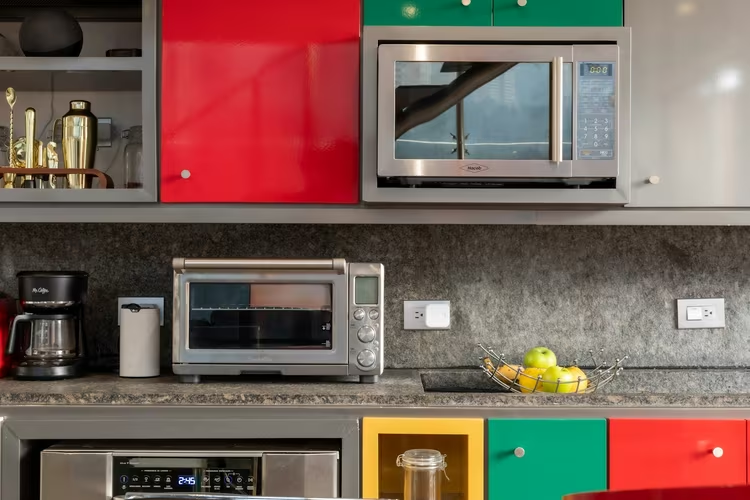
- Unplug Unnecessary Devices – TVs, gaming consoles, microwaves, and coffee makers should be unplugged to prevent electrical issues and save energy.
- Adjust Refrigerator Settings – If leaving for more than a week, set it to energy-saving mode. If leaving for a month, empty it and unplug it entirely.
- Shut Off the Water Supply – Prevent leaks by turning off the main water valve or individual supply lines for washing machines and dishwashers.
- Set Your HVAC System – Adjust the thermostat to an efficient setting (e.g., 85°F in summer, 60°F in winter) to prevent extreme temperatures inside.
- Use Smart Plugs & Timers – Set timers for security lights and smart plugs to remotely control essential appliances.
By following these steps, you can prevent most home appliance-related travel disasters.
⚠️🔥 Power Surges & Electrical Safety: How to Protect Your Appliances
One of the biggest threats to home appliances during your absence is a power surge. Whether caused by lightning strikes, grid fluctuations, or faulty wiring, surges can severely damage electronics and even lead to house fires. 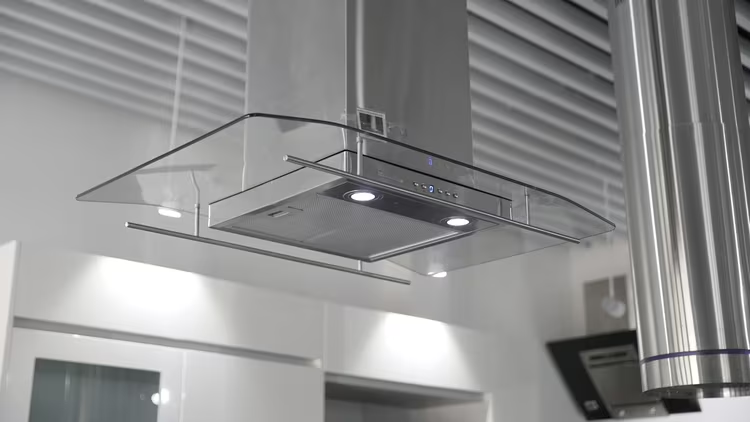
🛡️ How to Safeguard Your Appliances from Power Surges
- Use Surge Protectors – Invest in high-quality surge protectors for expensive electronics like televisions, gaming consoles, and computers.
- Unplug Sensitive Devices – If possible, disconnect non-essential electronics from power outlets to eliminate the risk entirely.
- Install a Whole-House Surge Protector – These devices, installed at your electrical panel, provide an extra layer of defense.
- Check Your Circuit Breaker – A faulty circuit breaker can cause unexpected power issues. Test and reset it before leaving.
💡 Should You Turn Off the Main Breaker Before Traveling?
While turning off the main circuit breaker might seem like the best way to prevent electrical risks, it’s not always recommended. Your refrigerator, security system, or automated lights might need power while you're away. Instead, only switch off non-essential circuits, such as those powering your entertainment system or laundry room.
❄️🛑 Refrigerator & Freezer: Avoid Spoiled Food & Wasted Energy
A common travel mistake is leaving food in the refrigerator without considering power outages or malfunction risks. Spoiled food can create an unbearable mess and attract pests. 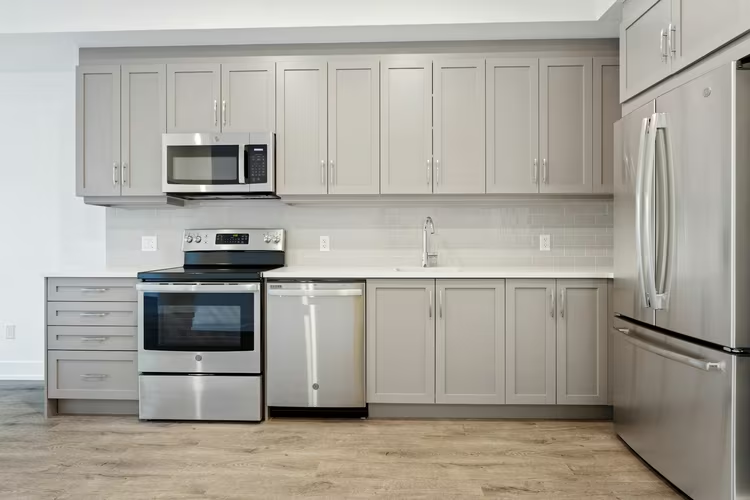
🏠 What to Do With Your Fridge Before a Trip
- Short Trip (Up to 1 Week): Keep the fridge running but set it to an energy-efficient mode.
- Long Trip (1 Week – 1 Month): Reduce perishables and set the temperature lower to prevent spoilage.
- Extended Absence (Over 1 Month): Empty, unplug, and leave the doors slightly open to prevent mold and odors.
🥶 Freezer Tips
If you're leaving frozen food in the freezer, use the coin trick:
- Freeze a small cup of water.
- Place a coin on top of the ice.
- If the coin sinks to the bottom when you return, your freezer experienced an extended power outage, and food may have spoiled.
🚰💦 Water-Related Risks: Preventing Leaks and Floods While Away
Water damage is one of the most expensive home disasters, and appliances connected to the water supply (such as washing machines, dishwashers, and refrigerators with ice makers) are frequent culprits. A small unnoticed leak can lead to major structural damage and mold growth in just a few days. 
🚿 How to Prevent Water Leaks Before Traveling
- Turn Off the Main Water Supply – This is the best way to eliminate the risk of leaks while you're away.
- Inspect Hoses and Pipes – Look for cracks or weak spots in washing machine and dishwasher hoses. Replace them if necessary.
- Use Leak Detectors – Install smart water sensors near appliances. These devices send alerts to your phone if they detect moisture.
- Empty the Dishwasher and Washing Machine – Standing water inside appliances can lead to bad odors and mold growth. Run an empty cycle with vinegar before leaving.
If you expect freezing temperatures while away, leave your cabinet doors open under sinks to allow warm air to circulate around the pipes and prevent freezing.
📊🏆 Best Smart Home Solutions for Appliance Safety While Traveling
Smart technology can provide extra peace of mind when you're away from home. Here’s a comparison of the best smart devices to help protect your appliances:
| Device | Function | Best For | Rating |
|---|---|---|---|
| Sense Energy Monitor | Tracks power usage & alerts on unusual activity | Preventing appliance failures | ⭐⭐⭐⭐⭐ |
| Eve Energy Smart Plug | Remotely turns appliances on/off | Reducing energy waste | ⭐⭐⭐⭐⭐ |
| Flo by Moen Smart Water Shutoff | Detects leaks & shuts off water automatically | Preventing floods | ⭐⭐⭐⭐⭐ |
| Kasa Smart Wi-Fi Plug | Controls small appliances remotely | Coffee makers, fans, lamps | ⭐⭐⭐⭐ |
| Ring Alarm Flood & Freeze Sensor | Alerts you to water leaks and freezing temperatures | Preventing water damage | ⭐⭐⭐⭐ |
Investing in smart home safety devices can help you avoid costly damage and provide real-time monitoring while traveling.
⁉️🤔 Popular Questions and Answers
- Should I unplug all my appliances before leaving for a trip?
Not all appliances need to be unplugged. Unplugging non-essential devices like TVs, gaming consoles, and coffee makers can help save energy and prevent electrical issues. However, refrigerators and security systems should remain powered.
- How can I tell if my freezer had a power outage while I was away?
Use the coin trick: Freeze a cup of water and place a coin on top. If the coin sinks to the bottom by the time you return, the freezer was off long enough for the ice to melt and refreeze, indicating a prolonged outage.
- Is it safe to turn off the main water supply when traveling?
Yes, shutting off the main water valve significantly reduces the risk of leaks and floods. If that’s not an option, turn off individual supply lines for washing machines, dishwashers, and refrigerators.
- Will my refrigerator work efficiently if I lower the temperature before traveling?
Yes, for short trips, setting the fridge to an energy-efficient mode or slightly lower temperature helps reduce energy use while keeping food fresh. For extended trips, emptying and unplugging it is recommended.
- What’s the best temperature setting for my home while I’m away?
Set your thermostat to 85°F (29°C) in summer and 60°F (16°C) in winter to balance energy savings and home protection.
- Can a surge protector prevent all power-related issues?
Surge protectors are helpful for protecting sensitive electronics, but whole-house surge protectors offer better protection against severe power fluctuations.
- Are smart home devices worth investing in for home appliance safety?
Yes, smart plugs, leak detectors, and energy monitors provide remote control and alerts, helping prevent problems before they escalate.
💎 Conclusions and Takeaways
Leaving your home unprepared before a trip can lead to unnecessary stress and costly appliance failures. By taking a few proactive steps—unplugging non-essential devices, securing water connections, adjusting your thermostat, and using smart monitoring tools—you can ensure your appliances remain safe and energy-efficient. For maximum peace of mind, consider installing smart home devices that provide real-time alerts and automation. Taking these precautions will let you fully enjoy your trip without worrying about what’s happening back home.