
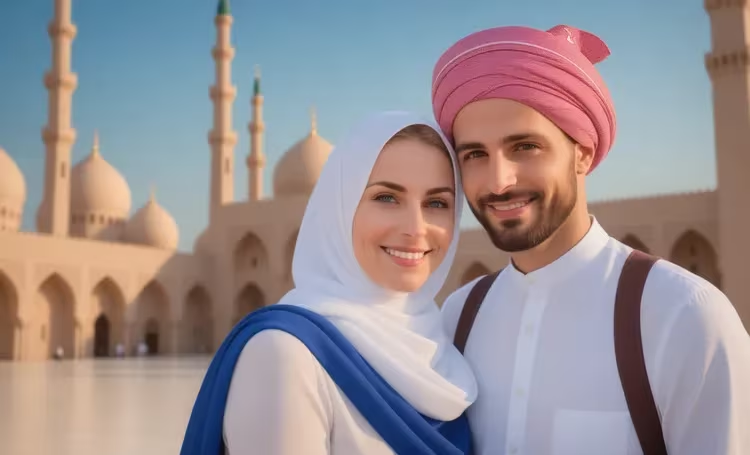
🕌 Traveling during Ramadan: 10 important tips for tourists 🌙
Ramadan is a Muslim fast, one of the strictest in world religions. During daylight hours, not a single crumb of food, not a single drop (even water!) will leak through the lips of a Muslim believer. From dawn to dusk, adherents of Islam refuse any kind of intimacy and entertainment, smokers – from the slightest puff. And so they spend a whole month every year: in 2025 from February 28 to March 29.
Of course, during Ramadan tourism businesses have to adjust their work, at a minimum, allocate time for prayer for their employees. Strict fasting also entails a reduction in the working day of believers. It’s clear here, try delivering orders in a restaurant without water or food for 9 hours.
The restrictions for Muslims are understandable, but what about tourists?
The main thing is not to worry. In Islamic countries, all tourist sites operate as usual during Ramadan. Hotels – 100%. The employees observe the fast in such a way that the guests do not even notice it. Food and drinks are served without restrictions at any time of the day or night.
As for restaurants, cafes, museums, amusement parks outside hotels, their opening hours usually change. Employees are given time for prayers and meals after sunset. During the day, it becomes harder to find a place where you can drink alcohol, and in some places, even eat. But as soon as the sun sets, mosques announce the end of the day's fast, restaurants, bars and cafes are filled with local residents. Traffic jams often occur on the streets of large cities.
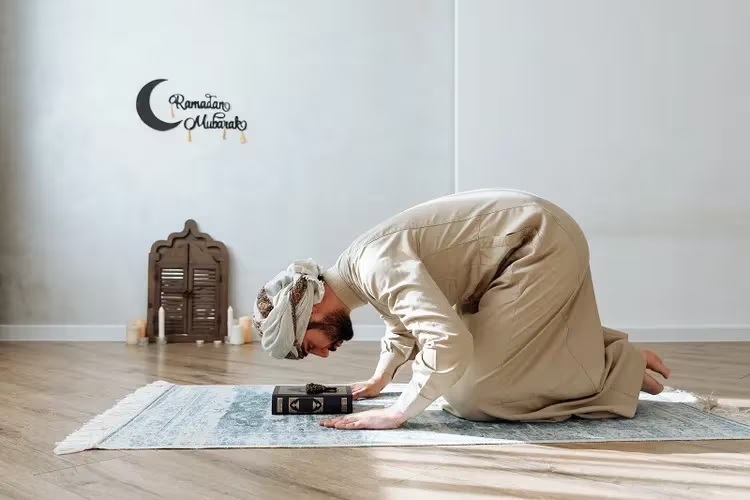
By the way, about transport. The trains still go as they used to go. It's the same issue with the bus. Taxis operate just like any other month of the year. The only time your taxi may stop during the trip is to listen to the singing from the mosque. You should be delicate enough to wait these few minutes. He will definitely return and take you to your destination.
There are also some BUTs in this whole picture called “Ramadan”
It is known that in the UAE there is a punishment for breaking the fast by everyone, including tourists. Outside hotels, visitors must adhere to the same restrictions as local worshipers. One unusual thing is that you can’t chew gum. Well, clothes should be closed and not tight-fitting. The police usually punish rule breakers only with warnings. No one remembers any incidents where tourists were detained.
A strong argument in favor of traveling to the UAE during Ramadan is the almost universal reduction in prices. Hotels are lightly occupied, as are restaurants. The cost per room is often halved, as are the price tags in establishments. Local boutiques are also full of discounts.
Turkey is considered the most democratic country during this period. On the resort coast, the rhythm of life does not change at all. The only thing is that you, as a tourist, will not be able to get into the country’s major mosques.
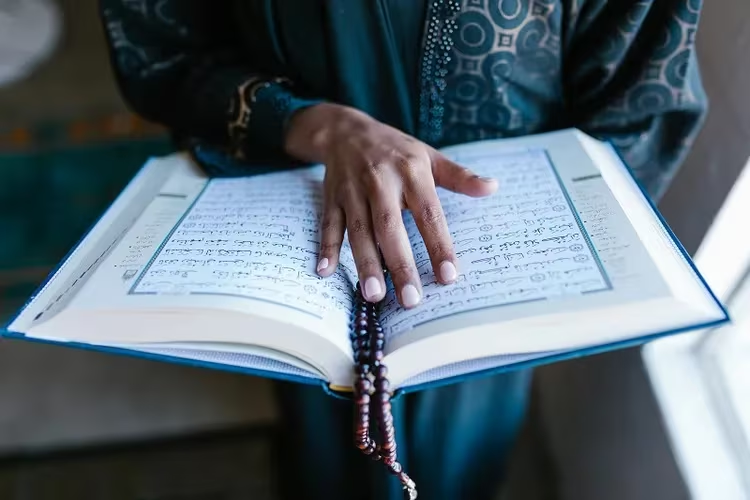
In Egypt the situation is approximately the same. We observe rules and restrictions only during excursions and visiting attractions, and, of course, when leaving the hotel. Here, by the way, even outside of Ramadan you cannot walk along the local streets with bare shoulders and knees.
Tunisia closes the top three countries of Islam, where the conditions for tourists to stay during fasting are considered democratic. I won’t say anything new, everything is the same: in hotels and on resort coasts – no changes, behind the “fence” – be kind, respect the traditions of a hospitable country.