More local information about Berlin — have you ever wondered what really makes Berlin tick for travelers beyond the postcards and guidebooks? As someone who has wandered its streets at dawn, lingered over coffee in quiet courtyards, and navigated its vibrant neighborhoods from Mitte to Kreuzberg, I’ve found that the real Berlin experience is rooted in local services and city insights that most travelers overlook. In this guide, I’m sharing the practical, the delightful, and the indispensable local knowledge that transforms a trip into something unforgettable.
From understanding transport options like the official BVG Berlin transit system to finding trusted local experiences on platforms like GetYourGuide and Airbnb Experiences, we’ll explore resources that help you plan your days, connect with local culture, and stay informed.
Would you rather discover the best neighborhood cafés, find emergency services, or know where to rent bikes and scooters? I’ve arranged everything into clear sections so you can get the most out of your time in Berlin without stress.
🗺️ Essential City Services for Visitors
Berlin is full of services designed to make life easier for tourists and locals alike. Whether you’re picking up a SIM card, locating a pharmacy, or booking a walking tour, knowing where and how to access these services will save you time and help you feel more confident navigating the city.
One of the most praised local services for travelers is the official BVG transit app, which provides real-time U-bahn, S-bahn, tram, and bus schedules. For those who want deeper insights into neighborhood vibes and local recommendations, platforms like Airbnb Experiences offer tours led by residents.
Below is my curated table of useful services every Berlin visitor should consider, ranked by convenience and traveler satisfaction.
| Service | Type | Best For | Rating |
|---|---|---|---|
| BVG Official Transit (BVG.de) | Public Transport | Navigation & Tickets | ⭐⭐⭐⭐⭐ |
| GetYourGuide Berlin Tours | Tour Bookings | Attractions & Experiences | ⭐⭐⭐⭐☆ |
| Airbnb Experiences Berlin | Local Tours | Authentic Resident Guides | ⭐⭐⭐⭐☆ |
| Berlin WelcomeCard | City Pass | Discounts & Transit | ⭐⭐⭐⭐ |
| Deutsche Bahn (DB) | Train Services | Regional Travel | ⭐⭐⭐⭐ |
🧠 My Take on These Services
I rely heavily on BVG Official Transit whenever I explore Berlin — it’s fast, accurate, and covers the entire urban area. The Berlin WelcomeCard often pays for itself with transit inclusions and museum discounts. Services like GetYourGuide are excellent for pre-booking popular attractions, though they can be pricier than local alternatives.
🛏️ Accommodation and Local Experiences
Finding the right place to stay can define your Berlin experience. From historic boutique hotels to cozy apartments, Berlin’s accommodation spectrum caters to all budgets and preferences.
- Boutique Hotels often provide personalized service and easy access to attractions.
- Apartments and Studio Rentals give a residential feel and access to kitchens and laundry.
- Hostels and Shared Spaces are great for budget travelers and social experiences.
Platforms like Booking.com and Airbnb remain reliable starting points, but don’t overlook smaller local agencies that often offer deals or unique spaces not listed on major sites.
📌 What to Do When You Arrive
Before you head out into the city, here’s what I always do:
- Download the BVG app for transit routes and tickets.
- Bookmark trusted local guides and services.
- Identify nearby pharmacies and emergency services using Google Maps.
- Pick up a local SIM card at the airport or main station.
🚇 Getting Around Berlin Like a Local
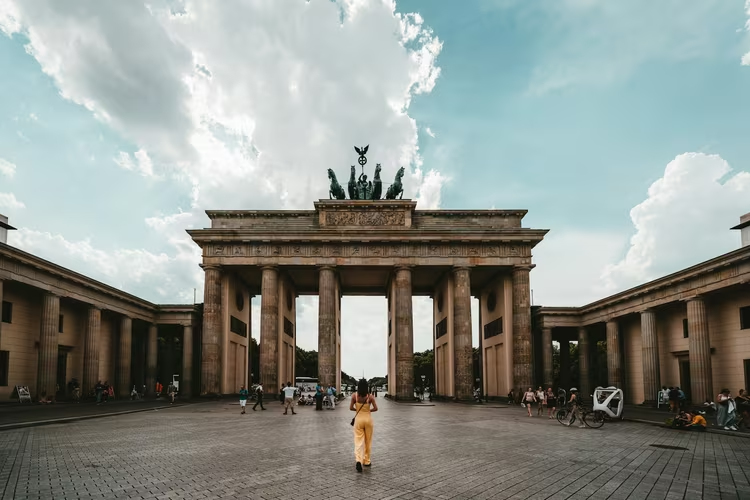
How much of a city do you really see if moving around feels confusing or stressful? Berlin rewards those who understand its transport logic early. I’ve learned that mobility here is not just about speed, but about freedom — the freedom to jump between neighborhoods with completely different atmospheres in minutes.
Berlin’s public transport network is one of the most extensive in Europe. The U-Bahn, S-Bahn, trams, and buses form a seamless grid operated mainly by BVG and Deutsche Bahn. A single ticket can cover multiple transport types, which is invaluable for tourists trying to maximize time.
What surprised me most was how bike-friendly the city is. Services like Nextbike and Lime allow spontaneous rides across parks, riversides, and historic streets. This flexibility makes Berlin feel personal and approachable, not overwhelming.
🚲 Transport Options Compared
| Option | Coverage | Average Cost | Best Use Case |
|---|---|---|---|
| U-Bahn & S-Bahn | City & Suburbs | $3.50 per ride | Fast cross-city travel |
| Trams | Central & East Berlin | Included in ticket | Scenic local routes |
| Buses | Entire City | Included in ticket | Late-night travel |
| Bike Sharing | Inner City | $1–$3 per ride | Short, flexible trips |
| E-Scooters | Tourist Areas | $2–$5 per ride | Quick last-mile moves |
In my experience, combining public transport with biking creates the most efficient rhythm for sightseeing without fatigue.
🏥 Safety, Health, and Practical Support
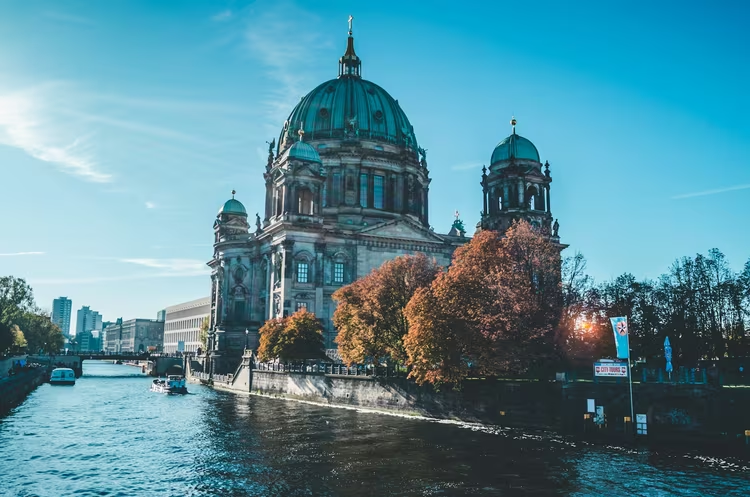
Feeling safe changes how deeply you engage with a city. Berlin excels here, especially for tourists who need clear access to healthcare and emergency support.
Pharmacies (Apotheke) are widespread and clearly marked with green cross signs. For medical emergencies, hospitals like Charité – Universitätsmedizin Berlin are internationally recognized for quality care.
“Berlin is one of the few major capitals where I felt comfortable exploring late into the night, knowing services and help were always nearby.”
Emergency numbers are straightforward: 112 for medical or fire emergencies and 110 for police assistance. This clarity reduces anxiety, especially for first-time visitors.
🧾 Digital Tools and City Information
Berlin runs on information, and having the right digital tools makes everything smoother. I always recommend bookmarking official city portals and trusted guides before arrival.
- Berlin.de — the official city portal for events, services, and updates.
- VisitBerlin — official tourism information and event listings.
- Google Maps — extremely accurate for Berlin public transport and walking routes.
These platforms help you avoid outdated advice and focus on current, reliable information.
🔑 Key Decision Factors for Tourists
When choosing services in Berlin, I focus on three main factors:
- Accessibility — multilingual support and clear instructions.
- Integration — services that work together (tickets, apps, routes).
- Local Trust — official or widely used platforms.
This approach has consistently saved me time, money, and frustration.
🍽️ Culture, Food, and Everyday Life in Berlin
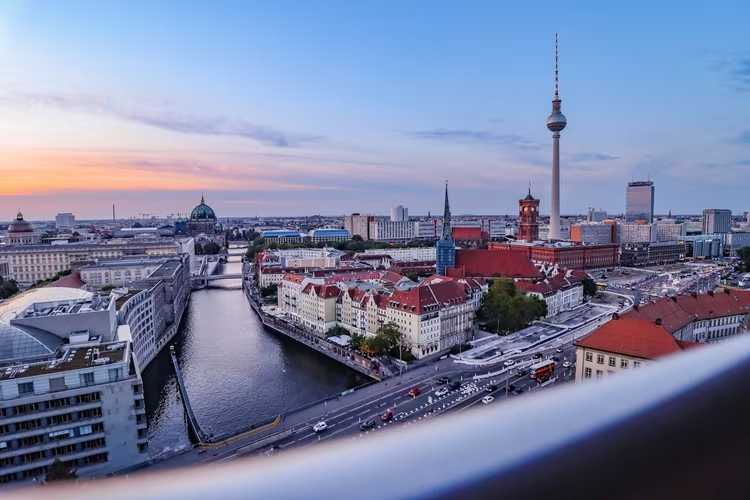
What does a city reveal when you stop chasing landmarks and start observing daily rituals? Berlin opens up through its cafés, markets, and neighborhood rhythms. I’ve always believed that food and everyday routines explain a city better than any museum guide.
Berlin’s culinary scene reflects its multicultural identity. From classic Currywurst stands to Middle Eastern bakeries and vegan bistros, the city offers variety without pretension. Local markets like Markthalle Neun are perfect examples of how locals shop, eat, and socialize.
What stands out is affordability compared to other European capitals. A satisfying street meal often costs under $8–$10, and high-quality coffee remains accessible across districts. This balance makes longer stays comfortable and encourages exploration without constant budget anxiety.
🛍️ Local Spots That Define the Experience
| Place | Category | Why It Matters | Rating |
|---|---|---|---|
| Markthalle Neun | Food Market | Local produce & street food | ⭐⭐⭐⭐⭐ |
| Prenzlauer Berg Cafés | Café Culture | Relaxed neighborhood vibe | ⭐⭐⭐⭐☆ |
| Kreuzberg Street Food | Local Cuisine | Multicultural flavors | ⭐⭐⭐⭐☆ |
| Mauerpark Flea Market | Local Market | Music & vintage culture | ⭐⭐⭐⭐ |
I’ve spent entire afternoons moving between cafés and parks, noticing how Berliners value time, conversation, and personal space. This rhythm is contagious and invites visitors to slow down.
🏙️ Neighborhoods Worth Understanding
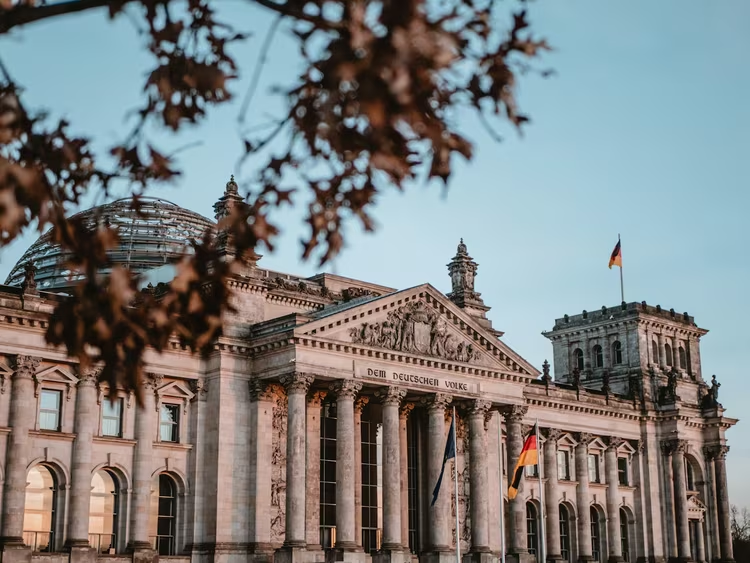
Berlin is not a single city — it’s a mosaic of districts, each with its own character. Understanding neighborhoods changes how you plan your days and where you choose to stay.
- Mitte feels historical and central, ideal for first-time visitors.
- Kreuzberg thrives on diversity, nightlife, and creative energy.
- Prenzlauer Berg offers calm streets, cafés, and family-friendly parks.
- Charlottenburg leans elegant and traditional, with shopping avenues.
Rather than trying to “see everything,” I recommend choosing two or three districts and living them fully — walking, eating, and observing.
📊 When Certain Services Make More Sense
Based on my experience, different tools fit different travel styles. Here’s how I personally match services to situations:
| Situation | Best Choice | Reason |
|---|---|---|
| Short City Break | Berlin WelcomeCard | Transit + attractions |
| Long Stay | Monthly BVG Pass | Cost efficiency |
| Cultural Exploration | Airbnb Experiences | Local perspective |
| Night Travel | BVG Night Buses | Reliable coverage |
This approach keeps decisions simple and flexible, especially when plans change spontaneously.
🧭 Personal Reflections on Berlin
Berlin rewards curiosity more than planning. The strongest memories I have didn’t come from famous landmarks, but from conversations in cafés, unexpected street performances, and quiet evenings along the Spree River.
The city’s greatest strength lies in its openness and structure coexisting — creative freedom supported by reliable infrastructure. Its weakness? Sometimes the sheer scale can feel overwhelming if you rush instead of letting the city unfold naturally.
⁉️🤔 Popular Questions and Answers
- What is the best way for tourists to get around Berlin?
Public transport operated by BVG is the most reliable option, especially when combined with occasional bike or scooter rentals for short distances.
- Is Berlin an expensive city for travelers?
Compared to many European capitals, Berlin remains relatively affordable, especially for food, transport, and cultural activities.
- Are English-language services widely available?
Yes, most public services, museums, hotels, and transport tools provide clear English-language support.
- Which neighborhoods are best for first-time visitors?
Mitte and Prenzlauer Berg offer a balanced mix of attractions, walkability, and dining options.
- Is Berlin safe for solo travelers?
Berlin is considered one of the safer major cities, with clear emergency services and well-lit public areas.
- Do tourists need cash, or are cards accepted everywhere?
Card payments are common, but small cafés and markets still prefer cash, so carrying some dollars exchanged to euros is practical.
- Where can I find official city updates and events?
The official city portal Berlin.de and VisitBerlin provide the most accurate and current information.
- Are local tours worth booking in advance?
Popular experiences often sell out, so booking ahead via trusted platforms helps secure availability.
💎Key Takeaways and Final Thoughts
Berlin reveals itself gradually, rewarding travelers who value understanding over rushing. From efficient transport and digital city tools to vibrant neighborhoods and everyday culture, the city offers a rare balance of structure and creative freedom. What I appreciate most is how accessible everything feels — reliable services support spontaneous exploration rather than limiting it.
For tourists, the key is not to overplan but to choose dependable local resources, understand neighborhood dynamics, and leave space for discovery. Berlin is not just a destination to visit; it’s a city to experience on your own terms, guided by curiosity and informed choices.