

















A glass of wine at altitude: what happens to your heart and sleep on a plane
A glass of wine on a plane hits harder than on the ground. It's not about habit, it's about cabin pressure: at cruising altitude it stays at the level of air on a mountain 2,438 meters high (as of 09/2026, DLR study).
Alcohol dilates blood vessels and speeds up your pulse, while the thin cabin air takes away oxygen. Together they put strain on the heart and disrupt sleep even in young, healthy people.
Below we'll break down what happens to the body, why a drunk seatmate is a danger to the whole cabin, and what fines await a disruptive passenger. You'll see where relaxation ends and risk begins.
Why alcohol hits harder in the air
💡 In short:
- Cabin pressure is lower than on the ground, and alcohol speeds up your pulse, so together they overload the heart.
- Blood oxygen drops, deep and REM sleep shrink, so you won't feel rested after the flight.
- You can't drink your own Duty Free alcohol in the cabin; only drinks served by the airline are allowed.
On the ground, the liver and breathing gradually dilute alcohol in the blood. On a plane, conditions are harsher. At cruising altitude, cabin pressure stays at the level of about 2,438 meters, and blood gets less oxygen. At the same time, alcohol dilates blood vessels and drives the pulse up. So two factors combine into one hit on the heart and blood vessels.
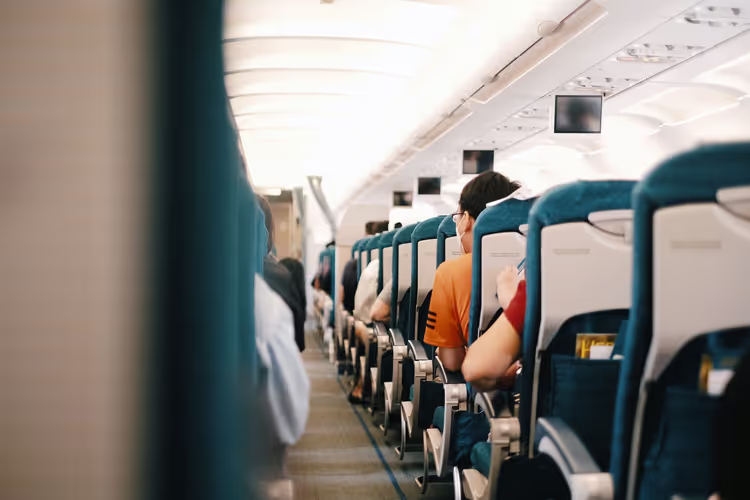
Another layer of the problem is dehydration. Dry cabin air and alcohol together pull water out of the body. Dehydration amplifies fatigue, so after a glass in flight you feel more wiped out than at home.
What research shows about the heart and sleep
For a long time, the harm of alcohol at altitude remained guesswork. In 2024, the DLR Institute of Aerospace Medicine ran the first controlled study of this effect (according to DLR). Participants were given alcohol equal to two cans of beer or two 175 ml glasses of wine (as of 09/2026, Thorax).
Sleep metric | Without alcohol | After alcohol |
|---|---|---|
Blood oxygen | normal | drops to 85% |
Pulse | calm | around 88 beats per minute |
Deep and REM sleep | recovery happens | noticeably shorter |
As of 09/2026, DLR.
Forty-eight people aged 18 to 40 slept for four hours. Even in them, the combination of alcohol and low pressure caused a drop in oxygen and a rise in pulse (as of 09/2026, DLR). In older passengers and people with heart or lung conditions, the effect will be stronger, the researchers themselves acknowledge.
Why a drunk passenger is a danger to the cabin
The most visible risk is behavior. A drunk person in a confined cabin loses control over their voice and body. Arguments and fights break out, panic spreads to neighbors, and parents fear for their children. Flight attendants can't isolate the offender: there's no separate space on board, and they don't have the authority to restrain a passenger. Persuasion doesn't always work.
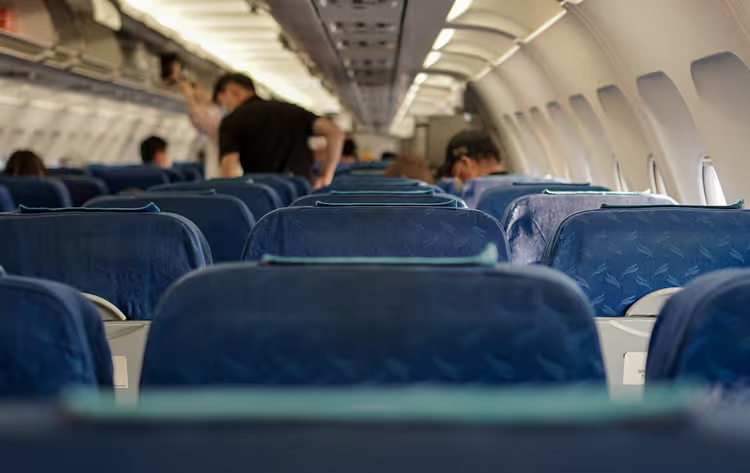
Aviation authorities are responding more and more harshly. The FAA regulator maintains a zero-tolerance policy toward unruly passengers on board (as of 09/2026, FAA). If a drunk seatmate is bothering you and others, the crew has the right to call police to the jet bridge.
What airlines do about drunk passengers
The rules on board are stricter than they seem. You can carry your own alcohol in carry-on luggage only if it was bought after security. The bottle must be sealed in a STEB bag with a receipt and no stronger than 70% (as of 09/2026, APH). For other liquids in carry-on luggage in the EU, the limit is 100 ml per container. Opening and drinking such a bottle in flight is banned by almost all carriers.
The easiest way around the rule is before boarding, since you can drink at a terminal bar and then get on the plane. That's why some airlines are calling for limits on alcohol sales in the sterile zone. In 2024-2025, Alaska Airlines let 11 intoxicated passengers on board, and the FAA proposed a fine of 165 thousand dollars for it (as of 09/2026, Simple Flying).
Responsibility also lies with the carriers themselves, since the regulator can fine an airline for putting a drunk person on a flight. Control starts at the check-in counter and at the gate, not in the air.
What fines and bans await an offender
Measure | Who applies it | What it means |
|---|---|---|
Monetary fine | regulator or court | thousands of dollars or euros for disruptive behavior |
Blacklist | airline | refusal to book on its flights |
No-fly ban | carrier or state | refusal on a specific route |
Lifetime ban | carrier | the right to fly with this airline is lost forever |
Punishment escalates in steps: first a fine, then a carrier blacklist, then a full flight ban. Individual companies ban an offender from flying with them for years or for life. British airlines and the government are discussing a single national list of disruptive passengers with a lifetime ban across all carriers in the country (as of 09/2026, Aerospace Global News).
If you cause a disturbance on board, you'll answer for it on the ground, and that's the main practical takeaway for a passenger.
How to drink in flight if you really want to
Total abstinence isn't mandatory if you're healthy. Here's what reduces the risk:
- Drink water: for every glass of alcohol, have a glass of water, because dry cabin air worsens dehydration.
- Eat before and during the flight, since food slows the absorption of alcohol into the blood.
- Skip coffee and energy drinks after alcohol; they raise your pulse, and it's already high at altitude.
- Don't bring your own alcohol into the cabin: a sealed Duty Free bottle can be carried, but opening it in flight is not allowed.
- Know your limit: if you take medication or have a heart condition, choose a non-alcoholic option.
- Plan your rest, because even without alcohol, sleep at altitude is shorter, and don't push yourself after landing.
⁉️🤔 Frequently asked questions
Can you bring alcohol on board a plane?
A sealed Duty Free bottle in a transparent bag with a receipt can be carried if it's no stronger than 70% (as of 09/2026, APH). Drinking it in the cabin is banned by almost every carrier. Drinks offered by a flight attendant are allowed. That's the difference between carrying and consuming.
What happens if you drink your own alcohol in the cabin?
A flight attendant has the right to demand you stop and report it to the crew. Police may meet you at the arrival airport, and the airline will put the passenger on a blacklist. In some countries, drunk behavior on board can lead to a fine or even criminal charges. The outcome depends on whether the passenger is disturbing others.
Is it true that alcohol hits harder at altitude?
Yes. Cabin pressure is lower than on the ground, so there's less oxygen in the blood (as of 09/2026, DLR). In older people and patients with heart conditions, the effect is stronger.
Why is a drunk seatmate dangerous for other passengers?
Because they lose control. Arguments and fights in a confined cabin scare neighbors and spread panic. Flight attendants can't isolate the offender: there's no separate space on board.
What does an airline face for a drunk passenger on board?
Regulators fine the carrier too. The FAA can issue a fine to a company for letting an intoxicated person on board. That's why control starts at check-in.
In short: how to fly without risk
If you have a long flight ahead, bring water, eat before boarding, and leave your own alcohol sealed. If you take medication or have a heart condition, the best choice is non-alcoholic drinks.
If you're on a short flight: one drink is enough to feel the altitude effect.
Remember that disruptive behavior can lead to a fine, a blacklist, and a flight ban. You can relax without a glass, and then you'll arrive rested.

A small editorial team writing guides for independent travel. We travel ourselves, but we haven’t been everywhere, so we check prices, opening hours and how to get there against official sources.