
















The road from Berlin to Munich: what is cheaper and faster in 2026
From Berlin to Munich you can get there by bus, train, or plane. Each of these options differs in price and travel time.
The difference is significant: the trip takes from an hour by plane to 8 hours by bus, and the ticket price varies several times over. Below we compared all three options by cost, speed, and convenience so you can choose the right one and avoid overpaying.
Ad: this article contains affiliate links, we earn a commission if you book through them, at no extra cost to you.
What to choose: train, bus, or plane
💡 In short:
- The ICE train takes about 4 hours, tickets from €17.90 (DB fares).
- The FlixBus bus takes about 8 hours, prices from €15 (FlixBus trips).
- The plane takes about an hour (Lufthansa flight).
- Prices and schedules checked 09/2026 on carrier websites (DB trip planner).
Option | Time | Price | What to consider |
|---|---|---|---|
Bus, FlixBus | about 8 hours | from €15 (FlixBus buses) | cheapest, but slow |
Train, ICE | about 4 hours | from €17.90 (ICE prices) | faster, but gets more expensive closer to the date |
Plane, Lufthansa | about an hour | from €146 round trip (Lufthansa tickets) | plus travel to the airports |
The bus is the cheapest, the train saves time, and the plane is the fastest but also requires getting to the airport. Below we break down each option separately.
Bus: cheap, but slow
The bus remains the most budget-friendly way to get to Munich, but it also takes the most time.
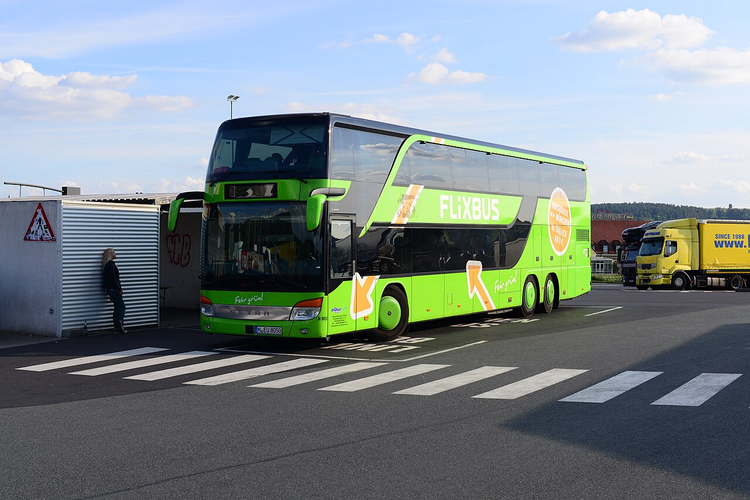 © Laura Hoffmann · CC BYPhoto: Laura Hoffmann, CC BY (https://creativecommons.org/licenses/by/2.0), Wikimedia Commons
The main carrier on this route, FlixBus, runs several departures a day, so finding a convenient time is easy. We checked prices and schedules on 09/2026 on the FlixBus trip page.
In Berlin, boarding is at the ZOB bus station on Messedamm, and some departures leave from Südkreuz. In Munich, the bus arrives at the ZOB next to Hackerbrücke station, where you can easily catch an S-Bahn into the center. The trip takes about 8 hours (as of 09/2026, FlixBus website).
On board there is Wi-Fi and power outlets. A carry-on bag and one suitcase are included in the ticket price. Extra or oversized luggage costs extra, so check the dimensions when you buy your ticket. You can sit in any free seat at no extra charge, but reserving a specific seat costs extra. So it is better to arrive early and not rush to find a free seat.
A night departure helps you save: you leave in the evening and arrive in the morning without paying for a hotel. Daytime departures are more convenient for those who sleep poorly on the road.
Who else used to carry passengers
ADAC Postbus and Mein Fernbus used to operate on this route. The first left the market, the second became part of FlixBus. Berlin Linien Bus is also closed, so FlixBus now handles most of the traffic.
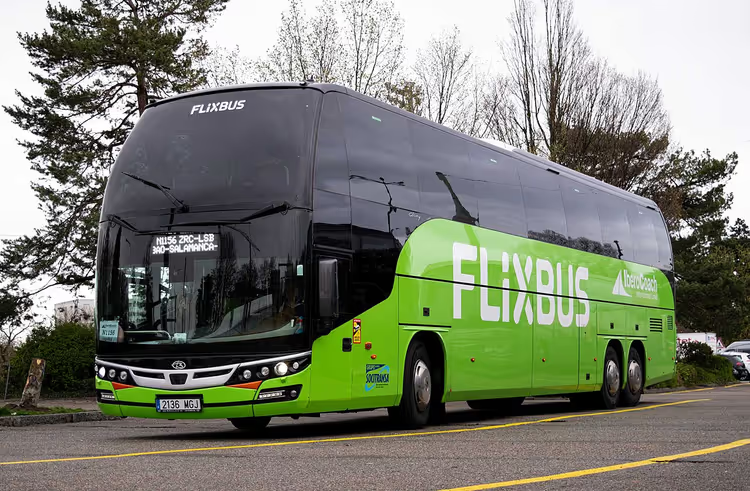 © Emile Donzel · CC BY-SAPhoto: Emile Donzel, CC BY-SA (https://creativecommons.org/licenses/by-sa/4.0), Wikimedia Commons
Train: fast and without traffic jams
The train offers the most reliable travel time, and it beats the bus here. The high-speed ICE takes about 4 hours from Berlin Hbf to München Hbf (DB schedule), and trains depart regularly throughout the day.
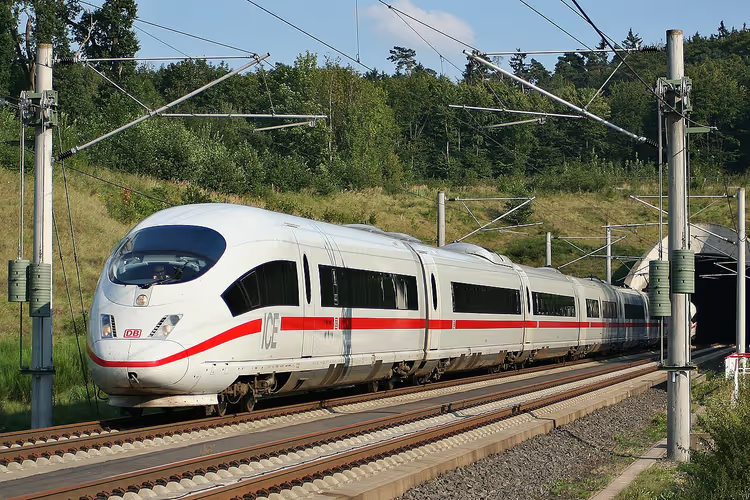 © Sebastian Terfloth User:Sese_Ingolstadt · CC BY-SAPhoto: Sebastian Terfloth User:Sese_Ingolstadt, CC BY-SA (https://creativecommons.org/licenses/by-sa/3.0), Wikimedia Commons
The price depends on the ticket type. A Super Sparpreis ticket starts at 17.90 € if you buy it in advance (Super Sparpreis fare), while a regular Flexpreis costs noticeably more and rises even higher on days with high demand.
Seat reservations are booked separately, but you can travel without one. Luggage on the train is free, and bicycles require a separate ticket with a seat reservation. It makes sense to buy your ticket several weeks ahead, because the choice of cheap fares is wider then.
Schedules and train tickets are easy to check on Trip.com: train tickets on Trip.com.
Plane: an hour in the air
The plane covers the distance faster than any other option. Lufthansa operates direct flights from BER to MUC, the flight time is about an hour, and a round-trip ticket starts at 146 € (as of 09/2026, Lufthansa website).
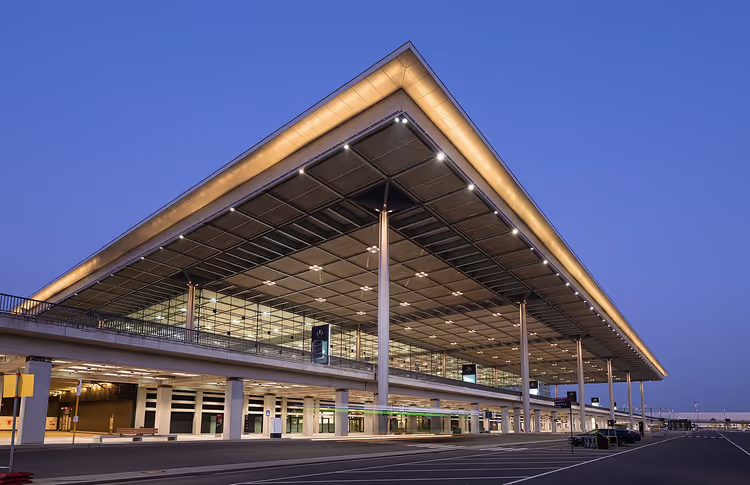 © Arne Müseler · CC BY-SAPhoto: Arne Müseler, CC BY-SA (https://creativecommons.org/licenses/by-sa/3.0/de/deed.en), Wikimedia Commons
The actual trip is longer than the flight, because you have to add the trip to the airport, security, and waiting at the gate. It is better to arrive at BER early, especially if you check luggage at the counter.
From central Berlin, BER airport is served by FEX and RE trains. BER airport replaced the old Tegel and Schönefeld airports. In Munich, you arrive via MUC airport, with S-Bahn lines S1 and S8 connecting it to the city.
The easiest way to find flights is on Kiwi.com: find flights on Kiwi.com.
What affects the ticket price
The cost of a trip to Munich depends on several factors. The earlier you buy your ticket, the lower the price, because cheap fares always sell out first.
The day of the week also matters. On Fridays and Sundays demand is higher, so tickets get more expensive. Public holidays and the start of school breaks in Germany push prices up even more.
For trains, the ticket type plays the main role. The flexible Flexpreis lets you change trains but costs several times more than the fixed Sparpreis. For buses, large luggage and seat selection come at an extra cost. For flights, checked baggage and late booking drive the price up.
Every extra factor adds to the base price, so it is worth comparing options by the final total rather than the first number you see in search results.
⁉️🤔 Frequently asked questions
How much does it cost to get from Berlin to Munich?
The cheapest option is the FlixBus, with the train on a Sparpreis fare slightly more expensive (as of 09/2026, DB price list). Flying costs the most, but it can also be cheap if you book early. The final price depends on the date and how far in advance you book.
Which is faster, train or plane?
In the air, the flight takes about an hour (Lufthansa flight), while the ICE takes roughly four hours to reach Munich (ICE travel time). Factoring in the trip to the airport, the train from city center to city center is often no slower than flying.
Are there overnight buses?
Yes, FlixBus runs overnight services on this route (FlixBus overnight services). Pick a seat away from the aisle if you want to sleep more comfortably.
How to get from Munich airport to the city?
MUC airport is connected to the center by S-Bahn lines S1 and S8 (Munich airport). Trains run regularly, and tickets can be bought at a machine or in the app. From München Hbf to the terminal you can travel without transfers, just check which terminal you need in advance.
When should you buy tickets to get them cheaper?
Buying early is almost always cheaper. Sparpreis train tickets go on sale in advance (Sparpreis terms). Bus tickets also get more expensive closer to the departure date. Book a few weeks ahead if your dates are already set.
In short: what is worth booking
The choice depends on your budget and time. If price matters most, take the bus. If you want a balance of time and price, choose the train. If speed matters most, fly.
- Taking the train: train schedules on Trip.com.
- Flying: flight search on Kiwi.com.
Compare dates on these services and book your ticket in advance.

A small editorial team writing guides for independent travel. We travel ourselves, but we haven’t been everywhere, so we check prices, opening hours and how to get there against official sources.