
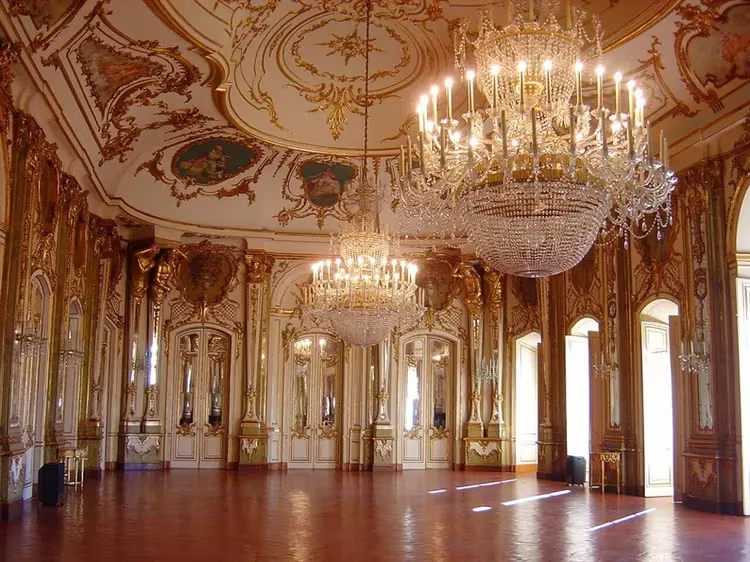
Lush and grandiose palaces sprawl along the Grand Canal. The famous Ca' Rezzonico mansion is located in the Dorsoduro area. The external and internal decoration of the palazzo embodies the elegance of the aristocratic taste of the Venetian nobility of the 18th century. Today Ca' Rezzonico is a popular museum in Venice. The halls of the palace store unique works of famous artists and sculptors. Carved furniture, decorated carpets, vases, dishes, as well as amazing wall and ceiling frescoes allow you to feel the atmosphere of that era.
Construction history
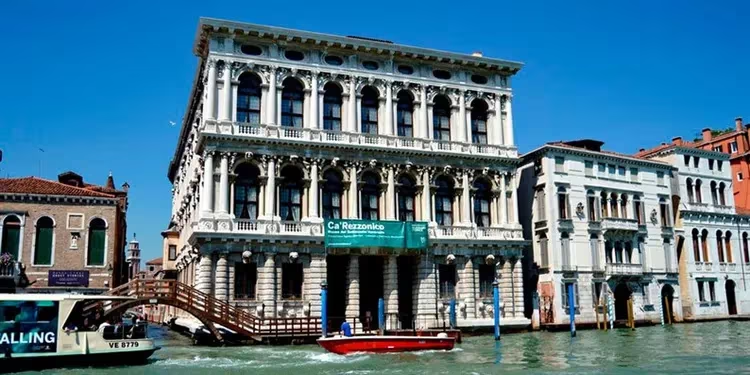
In 1649, the construction of the odious palazzo began. Initially, the palace was intended for the noble Venetian Filippo Bona. The main architect was already a fairly well-known architect of that time – Baldassare Longen. The first floor of the house served for the implementation of commercial activities. There were offices and warehouses. For business visits, the entrance to the palace with a pier from the side of the Grand Canal was provided. Construction was carried out successfully until 1682. Dramatic circumstances made their own adjustments – Filippo Bon suffered a financial fiasco, and the architect Baldassare Longen died suddenly. Only two floors were built.
In 1751, the unfinished building was purchased by the Rezzonico family from Lombardy. The head of the Giambattista family, being a rich and enterprising man, provides significant financial support to Venice during the war with Turkey. Solid monetary contributions to the treasury of the city allowed the Lombard to take a privileged place among the Venetian nobility. To resume the construction of the palace, Rezzonico attracted the architect Giorgio Massari, who completed the construction of a luxurious baroque palazzo within five years. The owner generously spent money on decorating the premises. The rooms were decorated with art objects, the walls and ceilings of the halls were covered with frescoes by the best masters and artists of that time.
In 1756, the grand opening of the palace took place. Half a century later, the influence of the Giambattista family gradually began to fade. The fall of the Venetian Republic led to the ruin of the family. The rich halls of the palazzo were empty. The palace was put up for sale. The house attracted wealthy tenants who treated the interior decorations casually.
Many valuables and carved furniture were sold. Among the last owners of the palace was the famous English poet and playwright Robert Browning. In 1935, the municipality acquired the mansion to house collections of works of art, antique furniture and items of Venetian life of the 18th century. Today, the halls of the palace are a museum where the splendor and splendor of aristocratic Venice are preserved.
Architecture and interior
The three-storey palace made of white marble represents the Baroque style. The abundance of decorative elements give the palazzo pomposity. The facade is decorated with balconies, arched windows with columns and bas-reliefs. On the ground floor in the center there is a covered gallery framed by window openings. Behind the mansion is a beautiful garden with a fountain and statues. The luxurious main staircase, decorated with sculptures, leads to the apartments of the palace, where the interior of the life of the Venetian nobility is meticulously recreated.
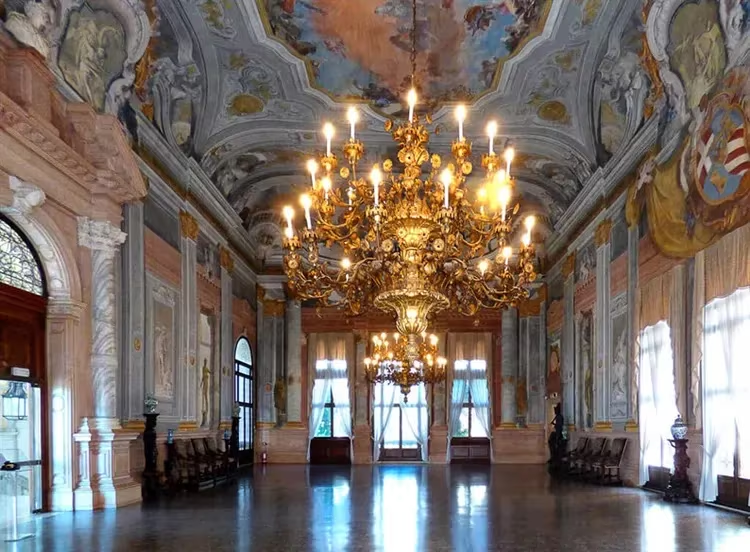
The large halls of the palazzo are furnished with elegant carved furniture, porcelain dishes, vases and sculptures. The ceilings are frescoed with gilded cornices. The walls are decorated with paintings by famous masters such as Pietro Longhi, Francesco Guardi, Gianbatista and Giandomenico Tiepolo.
Museum of 18th century Venice
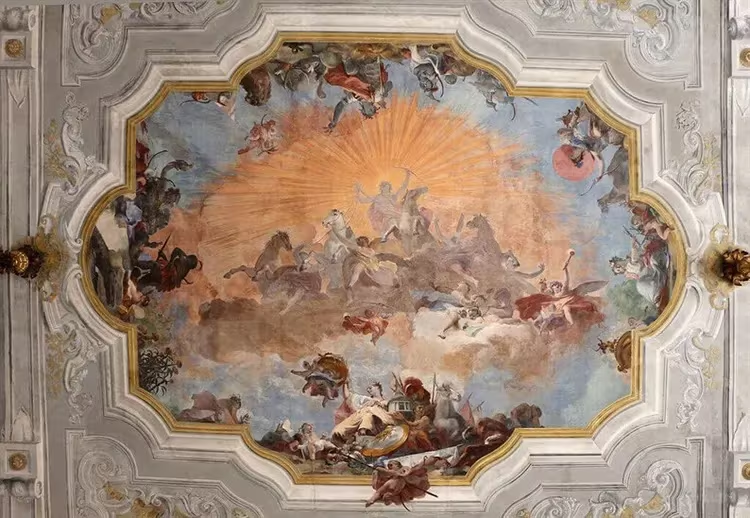
The elegant apartments of Ca' Rezzonico contain many unique works of art. Separate rooms are dedicated to tapestries and pastel paintings. Collections of marble busts, vases, tableware, Venetian glass, clothes and theater puppets complete the image of Venice in the 18th century. The unique art gallery will leave a pleasant impression for museum visitors.
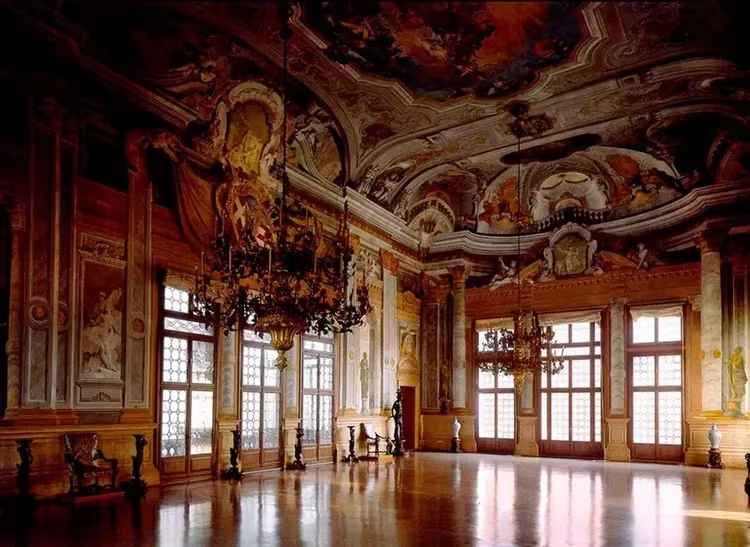
On the ground floor is the main attraction of the palace – a huge Ballroom. Its walls are lined with gray pilasters with gilded capitals. The hall is furnished with walnut furniture with decorative figurines of Ethiopian warriors and wooden vase statues. The ceiling is decorated with a relief ornament depicting Apollo on a chariot.
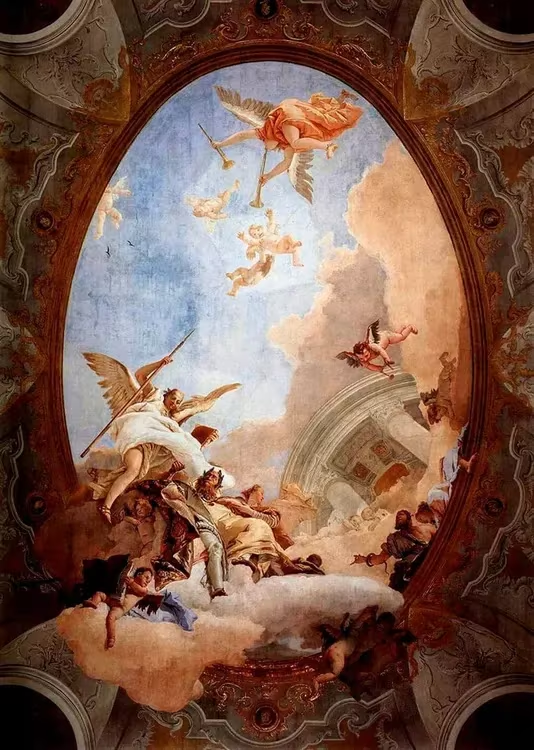
The Throne Room is striking, the walls of which are covered with red velvet. The room embodies the wealth and grandeur of the aristocracy of Venice. Here you can see a carved throne, chairs decorated with sculptural compositions, and a table with a service. Ceiling frescoes and panels by Gianbatista Tiepolo are masterpieces that adorn the halls of the palazzo.
His works of the 18th century turned to allegory and mythology. Saturated paintings in blue and beige hues depict the figures of young women, men and angels against the background of clouds. Particularly striking works are “Allegory of Marriage”, “Allegory of Merit”, “Luck and Wisdom”. In the palace you can see the amazing large panel of Giandomenico Tiepolo “The New World“. Standing in front of this picture, the viewer sees the backs of people looking at unknown and distant worlds.
The museum houses more than 50 works of art by Pietro Longhi. His paintings reflect the private life of the Venetians, who dance, drink coffee, nurse children, play music and walk around in masquerade masks.
Opening hours and ticket prices
The doors of the museum are open to the public from 10:00 to 18:00 in summer and until 17:00 in winter. The ticket price is 10 euros. As befits museum tradition, the box office closes an hour before closing, so visitors should plan their visit in advance.
Where to be and how to get there
Ca' Rezzonico is located in the Dorsoduro area along the Grand Canal. The facade of the palazzo faces the water. A water bus (vaporetto) with a route number one will take tourists directly to the pier of the palace.