
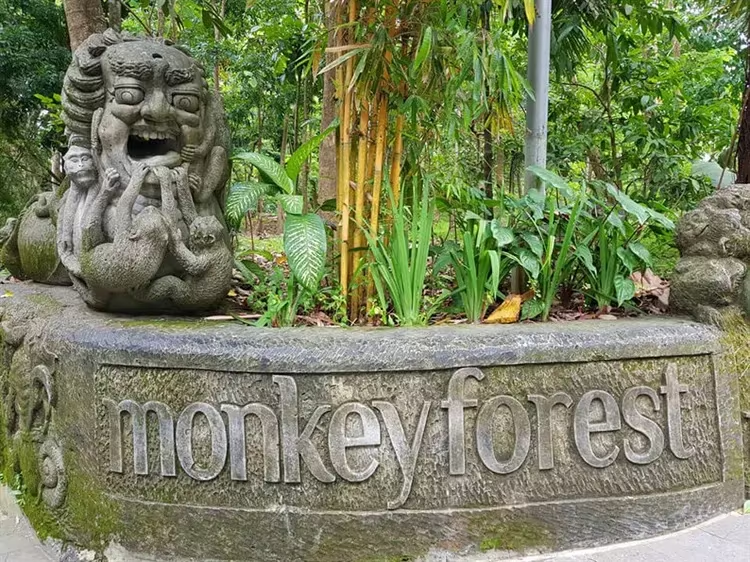
Monkey Forest in Ubud, Bali – photo, description, how to get there, map
The Indonesian island of Bali is considered one of the most popular tourist destinations in the world. In the center of the island is the city of Ubud, which differs in many ways from other resort areas in Bali. There are no paradise sandy beaches with palm trees washed by the emerald ocean, luxury hotels and restaurants. This small town, located at an altitude of 600 meters above sea level, is surrounded by the magnificent nature of the tropical jungle. The local humid climate creates favorable conditions for evergreen forests, plants, and also for animals. The main attraction in Ubud is the Monkey Forest. Among the thickets, shrubs, large trees, many macaques live. In addition to local primates, the area is famous for its temples and stone sculptures.
What is interesting
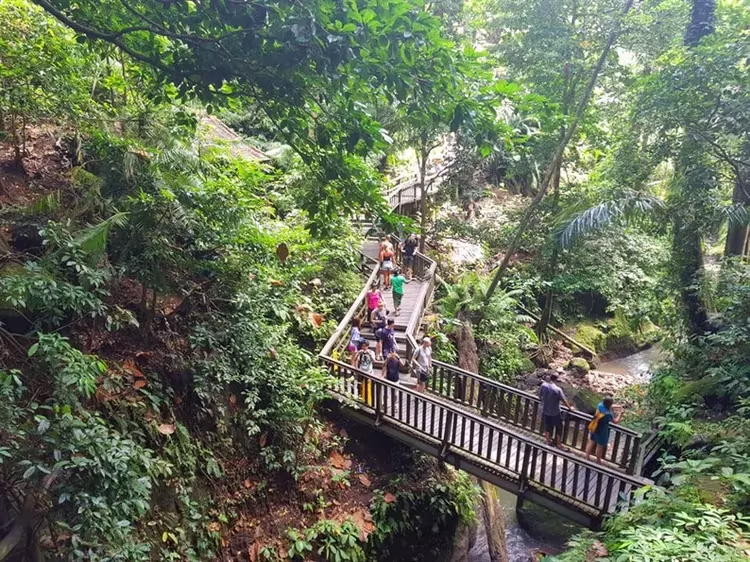
The Monkey Forest is a natural, protected and tourist area with an area of more than 100,000 square meters, which is home to about 1,000 primates. The state ensures the implementation of a number of environmental protection programs for the protection and care of these creatures. Hinduism is practiced in Bali. In this religious direction, monkeys are declared sacred animals.
Entering the park, tourists find themselves in the land of monkeys in their natural habitat. Huge banyan trees (trees with hanging roots), creepers, dense thickets with various plants, stones covered with green moss – such an environment contributes to the carefree life of primates. These dexterous “acrobats” jump from branch to branch, climb trees, rocks, and also swim in the local reservoir. They imposingly walk along the paths of the park, play and frolic with each other.
Macaques do whatever they see fit for themselves. The owners of the forest can easily jump on a person, climb a leg on a shoulder, sit on their head. With curiosity, they will examine every detail of the traveler's wardrobe: the button, the collar of the garment, jewelry, eyeglasses, backpacks and bags.
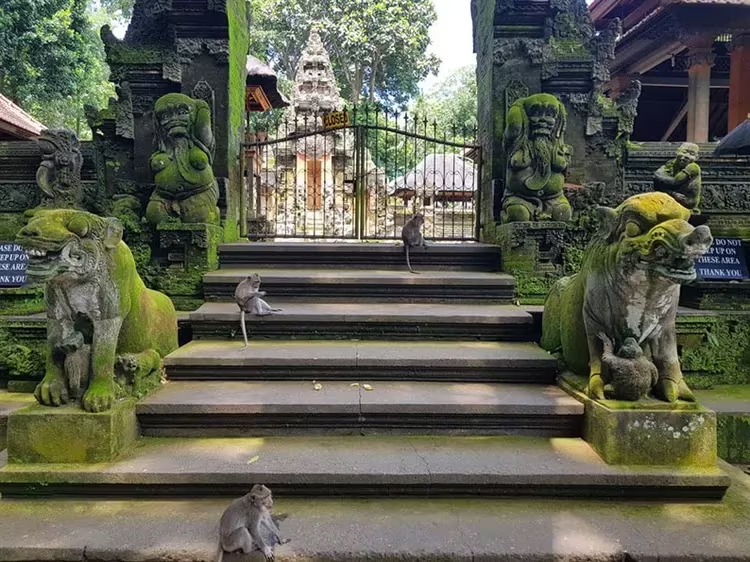
The city of Ubud is the cultural center of Bali, where creative people settled. Temples and museums were built here. The creativity of the Balinese is original, beautiful and unusual. On the territory of the monkey forest there are many stone sculptures depicting macaques, lions, dogs, bulls, dragons, elephants and even pigs. Most of the statues are covered with moss, which gives the local area a special flavor.
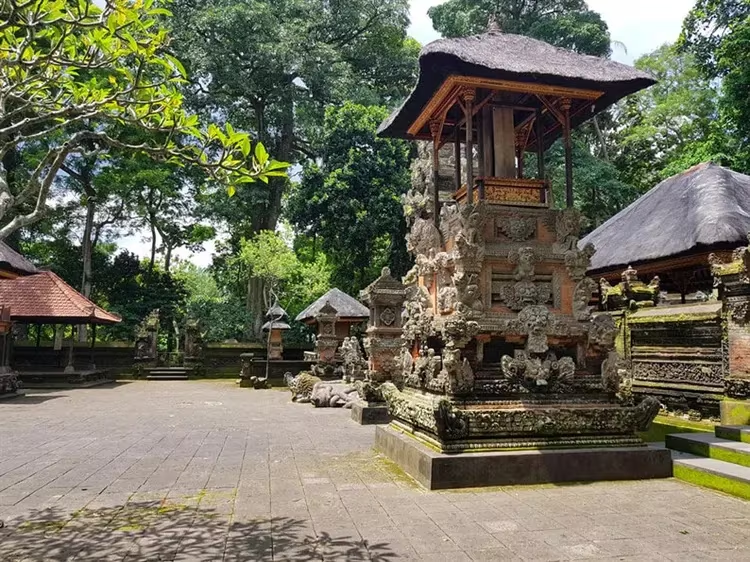
In the depths of the reserve there are three temples, a small waterfall and a holy spring. According to legend, monkeys are the guardians of sacred relics in this protected area. A special staff of the park staff ensures safe communication between humans and monkeys. Primates always feel the gaze of the guards on themselves. If you do not show aggression towards the monkeys and follow the rules, then tourists are guaranteed a safe and enjoyable pastime in the forest.
Behavior rules
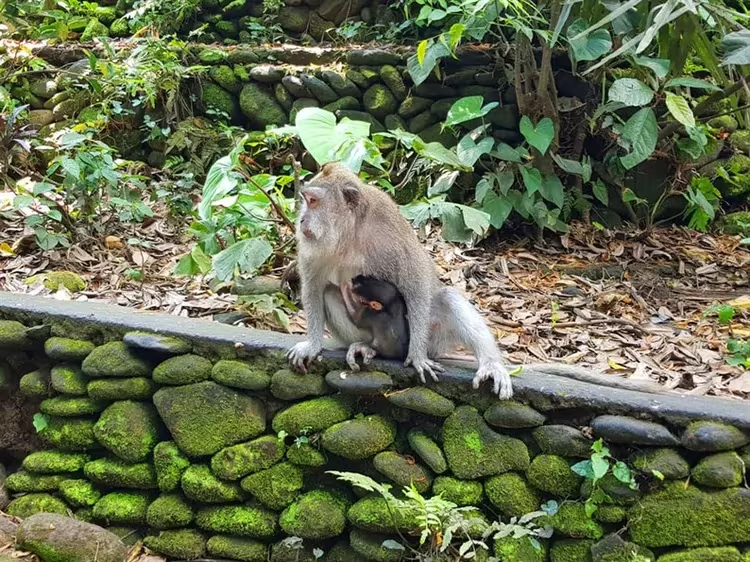
The local primates are very good-natured-looking creatures. However, it is important to be extremely careful in dealing with them. Do not forget that these are wild animals, whose behavior can be unpredictable. In the concept of monkeys, man is the guest. In front of the entrance to the park there is a stand with instructions on how tourists should behave in the society of macaques:
By adhering to these rules, a person is not threatened by a monkey bite. Tourists need to pay special attention to feeding primates. Giving food to monkeys is not recommended. Many guests of the reserve neglect these tips. Food brought by man attracts the increased attention of monkeys. The main thing is not to tease or deceive the animal.
For example, if there is such a joker who decides to show the monkeys a banana and then hide it, then aggression from the primates is guaranteed. Deprivation of hope to get a treat causes the desire of the monkeys to punish the guest with a bite.
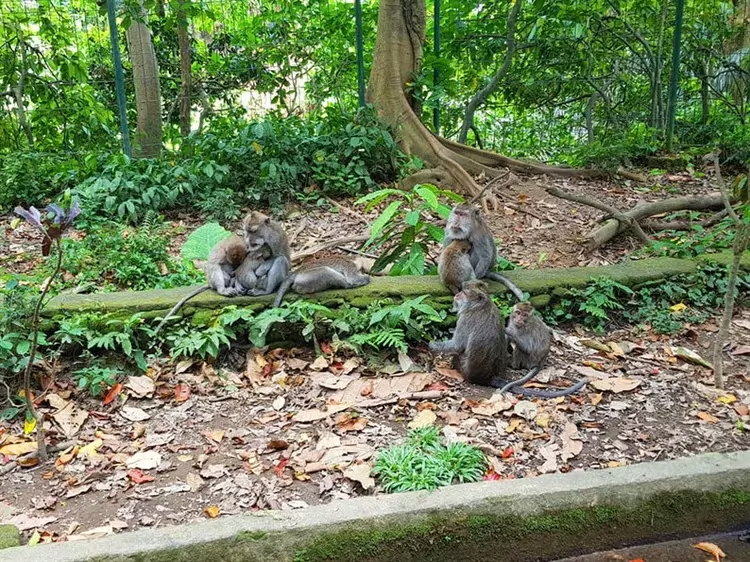
Monkeys in the reserve do not starve. In addition to the availability of food supplies, obtained independently in the forest, the animals are fed by the park staff. Primates are very fond of sweet potatoes (yam). Before entering the forest, it is recommended to remove jewelry, earrings, watches, glasses, and securely close the backpack. Otherwise, you can lose your property overnight. Monkeys are accustomed to the constant human flow of visitors. They behave peacefully enough, but curiosity for bright trinkets is inherent in the genes of primates. Tourists need to be extremely vigilant.
How to get there
Getting to Ubud is quite easy. From the resort coastal areas, the distance to the forest is an average of 40 km. Local tourist offices organize bus services from Denpasar Airport, as well as from other parts of the island to Ubud. The fare is about $5. You can also use taxi services. Ordering a car will cost about $20 one way. Every year travel for tourists to Bali becomes more expensive. The local bus stations and travel agencies deliberately increase the fare, taking advantage of the constant growth in demand for this type of service.
To move along the narrow paths of the island, tourists can rent a scooter. This type of transport is very popular. The rental price is from $4 to $6 per day. The price depends on the model of the scooter, as well as on its condition. Ubud's main street, Jalan Monkey Forest, leads to the Monkey Forest. You can get to it on foot. This is a popular place located in the city center, so it is impossible to get lost. According to statistics, the forest is visited by about 10,000 tourists per month.
Opening hours and ticket prices
Monkey Forest in Ubud is open to visitors from 8:30 am to 6:00 pm. The cost of one ticket is $4. Two hours of walking in the reserve is enough to watch the monkeys and take a beautiful photo with them.