🇱🇰 Colombo and Kandy: guide to the main cities of Sri Lanka
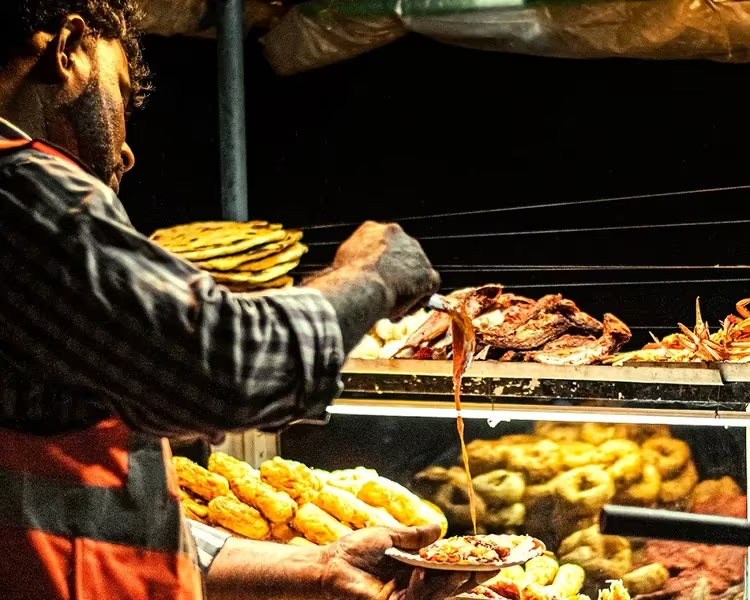
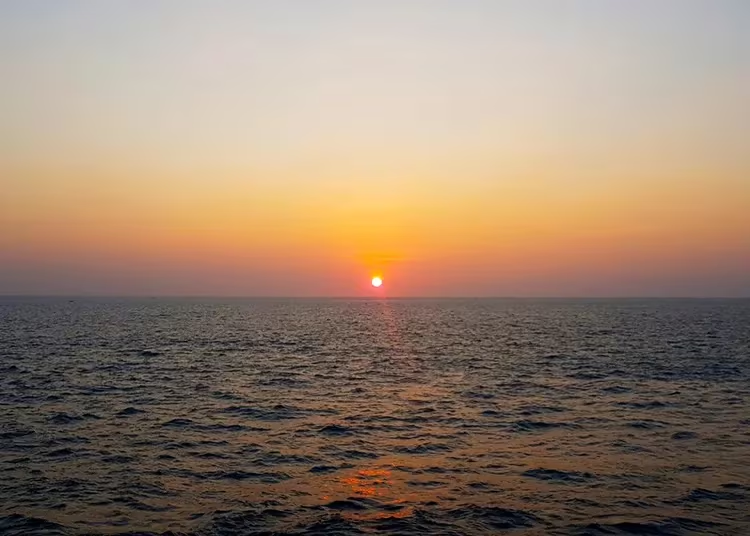
High-rise buildings against the backdrop of slums, Buddhist temples mixed with Christian ones, traffic jams of honking tuk-tuks, the rich smell of street food and the sun drowning in the endless ocean – this is how Colombo appeared before me. Many people begin their acquaintance with Sri Lanka from this city, because the main airport of the island is located here.
Colombo
About forty years ago, Colombo was the capital of the country. Now this title is borne by the neighboring town with a long name – Sri Jayawardenepuru Kotte. But government and main business life remained in Colombo.
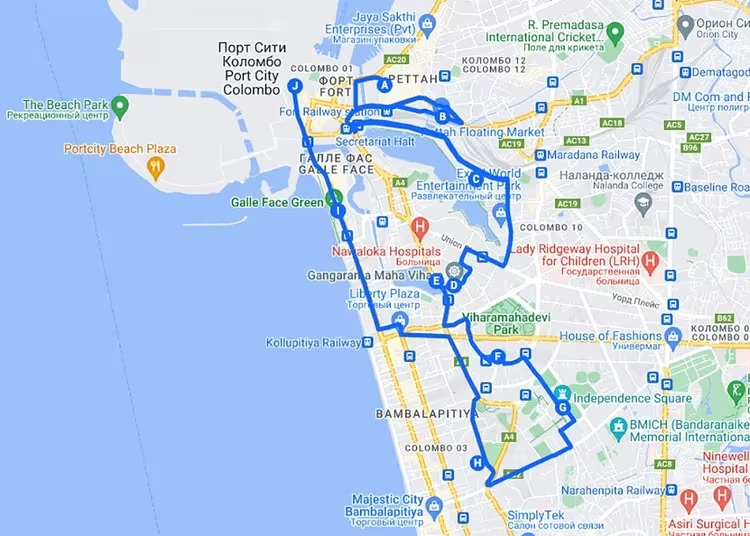
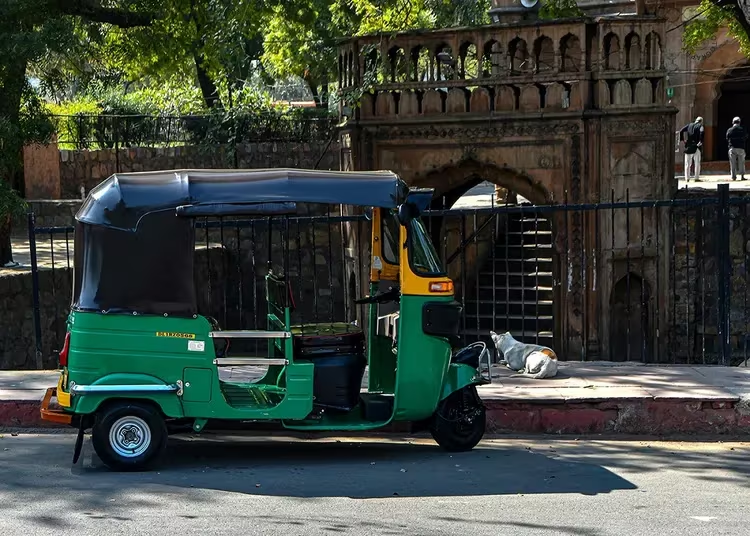
About a million people now live in the “mango harbor” – this is how the name of the city is translated according to one version. The main attractions of Colombo seem close only on the map. In reality, they are scattered throughout the metropolis – between them there is from 1 to 5 km. I recommend renting a tuk-tuk and exploring the city on it. At each location the driver can wait.
A. Pettah Market
To experience the true flavor of Sri Lankan life, you should definitely visit the market. Food, clothing, souvenirs – all this in a noisy and vibrant atmosphere in the heart of the city. It is difficult to leave such a place empty-handed. Don’t forget to bargain – in Asia this is an additional entertainment; sometimes you can reduce the price tag by half.
B. Pettah Floating Market
Another must-visit market is located near the railway station. Shops with goods here are located right on the water. Some time ago there were only abandoned warehouses here, and the canals were very swampy. But the territory was turned into an interesting place with delicious street food and Sri Lankan souvenirs.
C. Colombo Lotus Tower
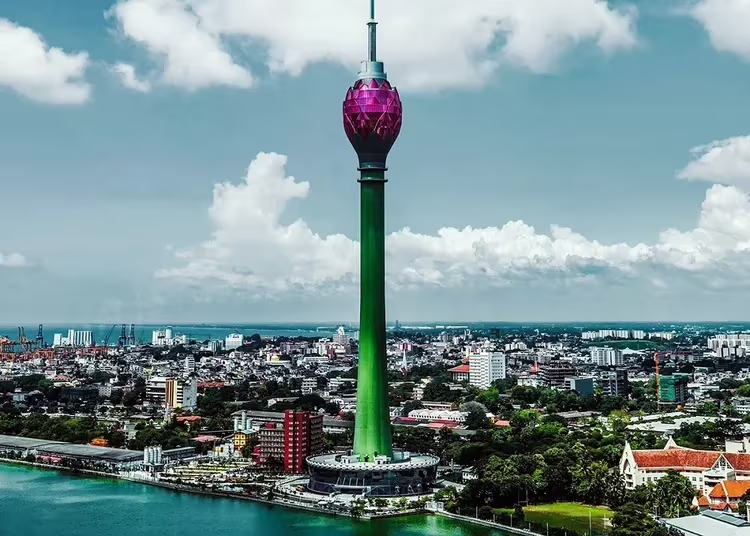
In colonial times, Lake Beira, located behind the railway, divided the city into two parts. Europeans lived near the port. They pushed the indigenous population behind the reservoir. By the lake, you can't help but notice the 350-meter tower. The top of this structure resembles a lotus flower. The TV tower has observation decks, retail outlets and restaurants.
D. Gangaramaya Temple
The Buddhist temple of Gangaramaya is known for its unique architecture – it harmoniously combines elements of Chinese, Indian, Thai and Sri Lankan styles. The sanctuary was built at the end of the 19th century. It consists of several buildings.
E. Sima Malaka Temple (Gangarama Sima Malaka)
Not far from the main Gangaramaya temple you will see a lake with a park area in the center. The pond is decorated with a Buddhist sanctuary. This part of the architectural ensemble is used for meditation.
F. Colombo National Museum
To get acquainted with the history of the island, its cultural and natural features, it is worth visiting the National Museum. I haven’t been to its halls, but I plan to fix that on my next trip.
G. Independence Square
In the mid-20th century, when Sri Lanka gained independence from Britain, this pavilion was built. Now all national celebrations take place here. It is worth saying that the Memorial Hall stands in the center of the former Cinnamon Gardens. Vast plantations were abandoned back in the 19th century, when Ceylon found it unprofitable to trade cinnamon.
H. University of Colombo
Not far from Independence Square there is a large student quarter. Here are the buildings of the country's main university and several colleges.
I. Galle Face Green
The Galle Face Green promenade is a favorite activity for tourists. On one side there is a view of the Indian Ocean, on the other there are stalls with souvenirs and food.
J. Colombo Lighthouse
Colombo is home to the country's largest deep-water harbor. There used to be a Porto Gali fort here, but nothing remains of it. But the old lighthouse has been preserved. It no longer works, but you can climb it – it’s great to watch sunsets here.
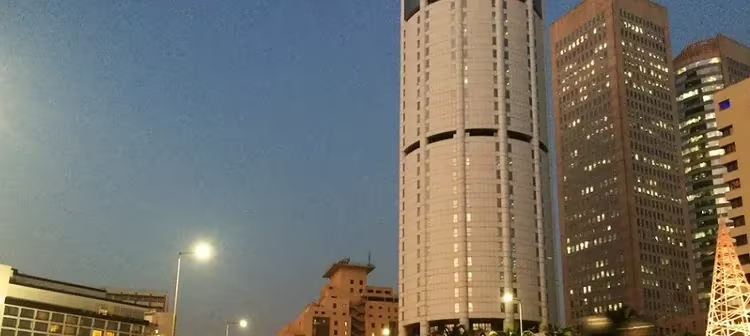
Near the port is the main administrative quarter of Sri Lanka with bank offices, brand stores, luxury hotels and expensive restaurants.
Kandy
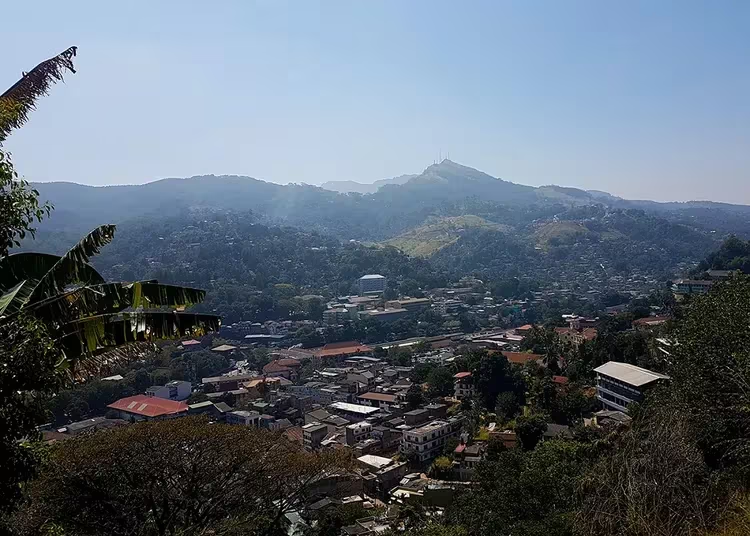
Another favorite city for tourists is located in the highlands in the very center of Sri Lanka. You can get from Colombo to Kandy by train or bus – there are about 110 km between them. The road here is a special pleasure. Such landscapes, just wow!
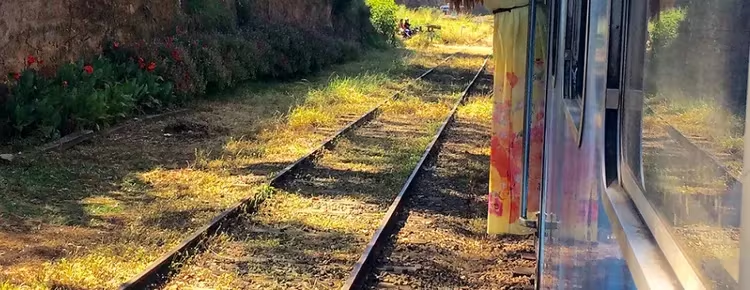
From the 15th century, when the Portuguese discovered the coast of Ceylon, until 1815, when the entire island was captured by the British, Kandy was the residence of the Sinhala kings. Now this city is called the cultural capital of the country.
Kandy is much smaller than Colombo – about 150 thousand people live here. But to explore some of the sights, you will still need an auto rickshaw. A huge Buddha statue, for example, is located on a mountain that would be difficult to climb on foot. And the Royal Botanical Garden and Ceylon tea factories are located outside the city.
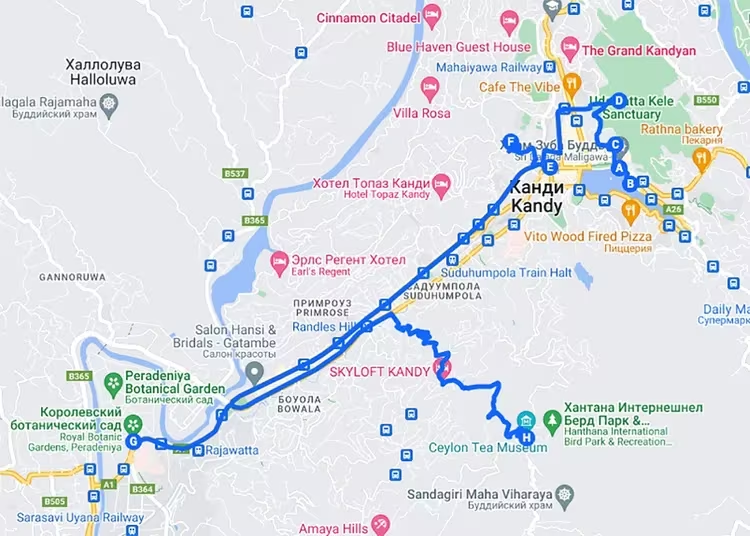
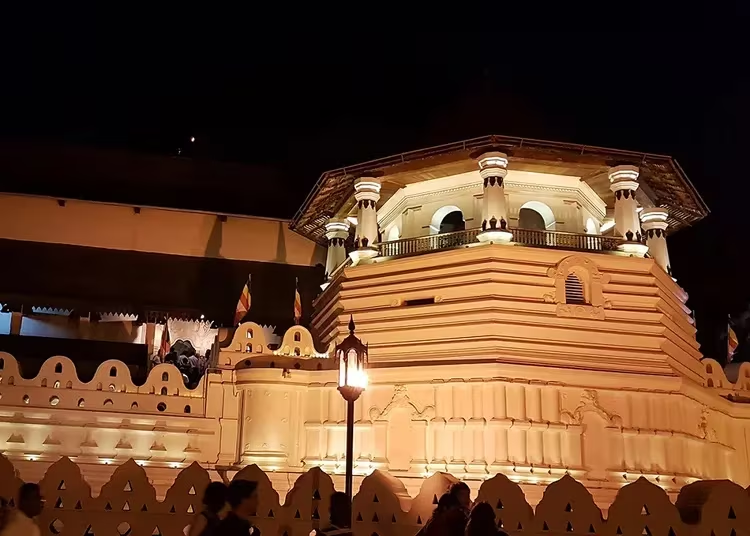
A. Sri Dalada Maligawa Temple
Kandy is famous for the temple that houses the tooth of Buddha. This relic was found 500 BC. e. in the ashes at the cremation site of the spiritual mentor. The tooth was brought to Sri Lanka from India in the 4th century, and brought to Kandy after the Portuguese captured the Sri Lankan coast.
During British colonization, the shrine was transported to Goa. There are rumors that Catholics burned it there, but the Ceylonese deny this. According to their version, a prop was sent to India, and the real Buddha tooth was hidden on the island. Now the relic is kept on the top floor of the temple. The tooth is in seven gold boxes decorated with precious stones. The shrine was seen only by British explorers and the monarchs who ruled Ceylon – it is not accessible to tourists, but the temple is still one of the most important places for Buddhists around the world.
Like other Buddhist temples, at Sri Dalada Maligawa you must take off your shoes at the entrance and wear clothing that covers your knees and shoulders. Access to the shrine territory is paid.
B. Bogambara Lake
The Temple of the Tooth Relic is located on the shores of Lake Bogambara. This artificial reservoir was dug on the site of a rice field in the early 19th century by order of the last Sinhala ruler. The area of the lake is 19 hectares, depth is 18 meters. There is an island in the middle of the pond. They say there was a royal house there, which could be reached through an underwater tunnel.
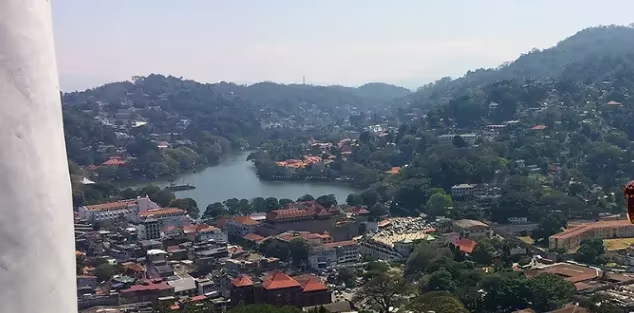
C. Old Royal Palace
The main residence of the last king of Kandy is located on the other side of the Temple of the Tooth Relic. This palace dates back to the 14th century. In the 17th century, the Portuguese destroyed the castle and had to rebuild it from scratch. After the British invasion and to this day, the former royal apartments are used by government agencies. The oldest surviving part of the complex was given over to the exhibition of the Museum of Archeology.
D. Udawattakele Sanctuary
The park near the royal residence was closed to the local population for many years. But now Kandy residents and visitors can, for a small fee, walk the same hillside trails that the royal nobility used to walk. There are several Buddhist temples and hermitages preserved in the park, as well as a pond, a cave and a cemetery. A giant vine about 300 years old grows in the reserve.
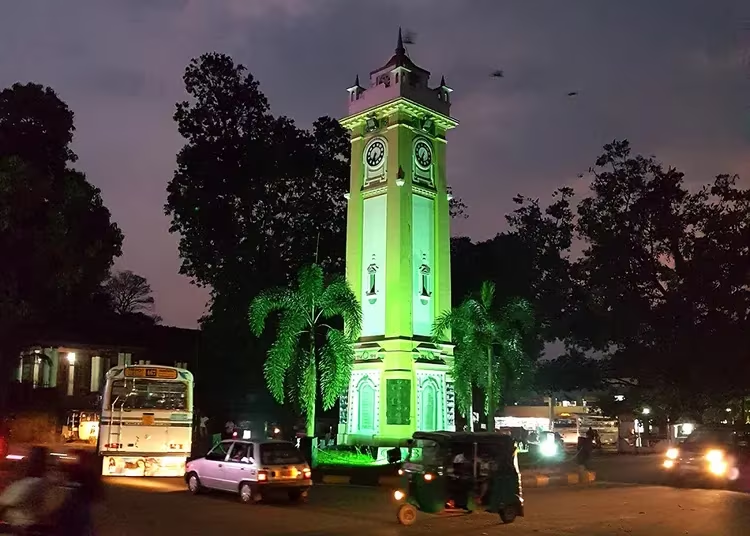
E. Ismail Clock Tower
In the mid-20th century, the city experienced a flood that caused serious landslides. Under one of them, the son of a major entrepreneur found himself buried alive in a car. In his memory, Ismail erected a clock tower in Kandy.
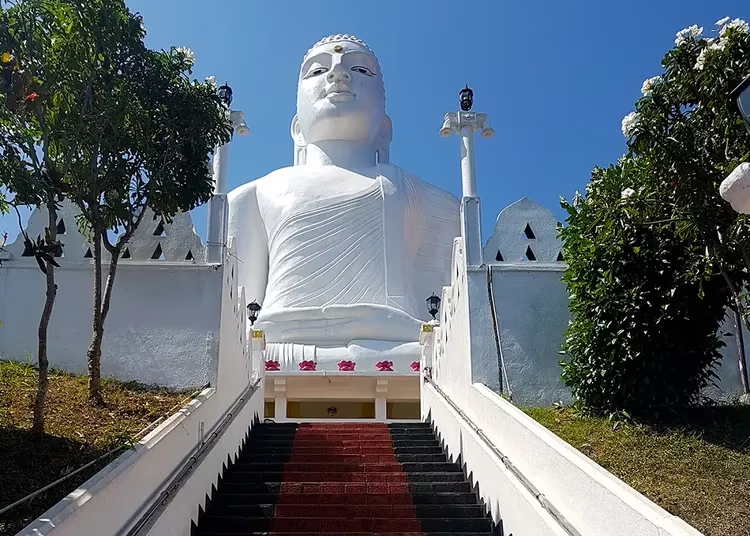
F. Temple with Bahirawa Kanda Buddha Statue
From almost anywhere in the city you can see a huge Buddha sitting in a meditation position. The height of the statue is almost 27 meters. The observation decks offer beautiful views of the city and the surrounding mountain ranges.
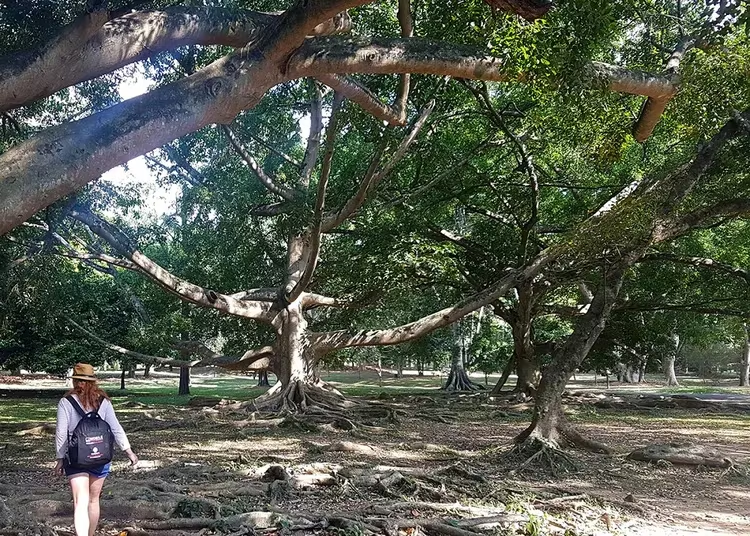
G. Royal Botanical Gardens, Peradeniya
This is one of the most visited tourist places in Sri Lanka. The botanical garden is located 6 km from Kandy. It occupies about 60 hectares of land. This huge park grew out of a small garden founded by the Sinhalese king at the bend of the longest river in Ceylon back in the 14th century. The park acquired its main scope during the British colonization, when specimens of plants from all over the island and Foggy Albion itself were planted here. Now the collection of the botanical garden contains about 5 thousand species of plants. The park is home to a large population of bats that hang upside down on branches during the day.
H. Ceylon Tea Museum
I told a lot of interesting things about Ceylon tea in a separate publication. You can find out its history and production technology in the museum located near Kandy. At the beginning of the 20th century, this building housed a tea factory. And at the beginning of the 21st, the Tea Council and the Planters' Association of Sri Lanka created a huge exhibition here, founded a library and opened a tea shop and cafe.
If you are planning a trip to Sri Lanka, you should definitely read my article about the best places for a beach holiday on the Indian Ocean. Have a great trip!