
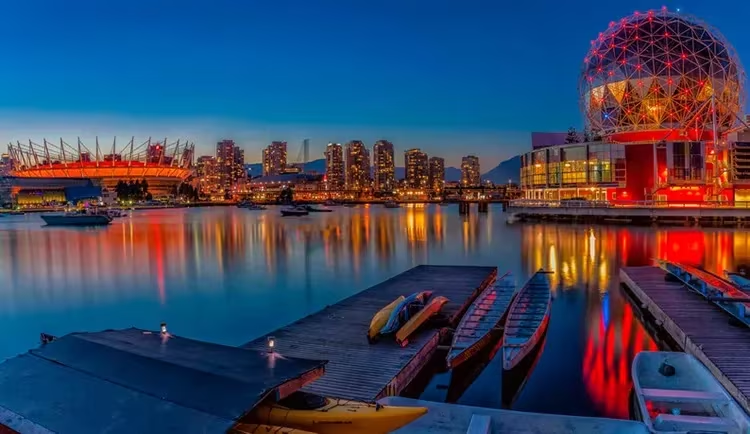
25 best sights of Vancouver – photo and description, what to see in Vancouver
Vancouver is now considered one of the most livable cities on Earth, not without reason that it is a three-time winner of the title of “Best City on Earth” according to The Economist magazine (UK). The third largest city in Canada, located on the west coast of North America, attracts tens of thousands of tourists from all over the world with its diversity. This applies to both natural wealth and the abundance of attractions. The mountains and forests that surround Vancouver make the air clean and the climate almost ideal for living. Vancouver's attractions combine historic buildings and mixed-use modern high-rise buildings, art galleries and research centers, Catholic cathedrals and sports facilities, Pacific coast city beaches and ski resorts.
Vancouver Island
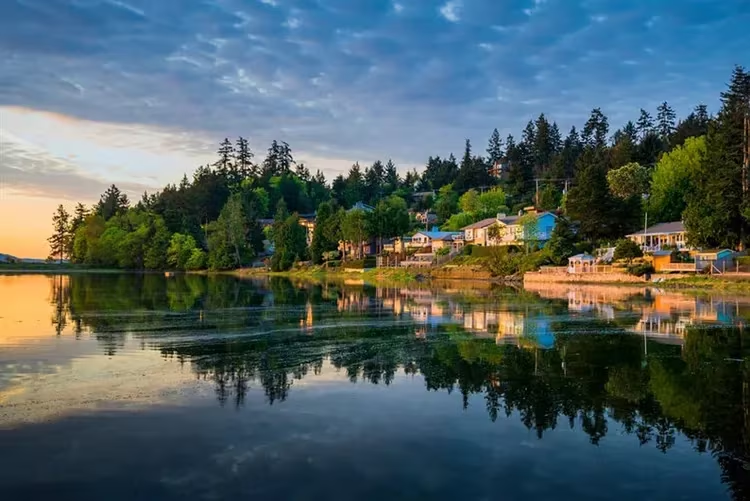
Vancouver is located in the district of British Columbia, and nearby, right across the strait, is the island of the same name with the capital with the proud name of Victoria. For several centuries now, the island has been considered one of the most picturesque corners of the Western Hemisphere. First, the sailors who landed on the island in search of provisions, and later the numerous tourists who come here for new experiences, all without exception were captivated by the beauty and unusual landscapes of these places.
Even today here you can find places that have remained untouched by man. This country is considered one of the most ardent defenders of wildlife. By the way, the island also has its own attraction – the largest tree in all of Canada grows on the west coast! Just imagine, the height of the Setka spruce in question, according to the latest measurements, reaches 95 meters! But acquaintance with the island is not limited to a trip to the ancient tree. You can also visit the Strathcona Park, on the site of which there was once an ordinary swamp. This place got its name thanks to a generous gift from Lord Strathcon, who erected a unique fountain here at his own expense.
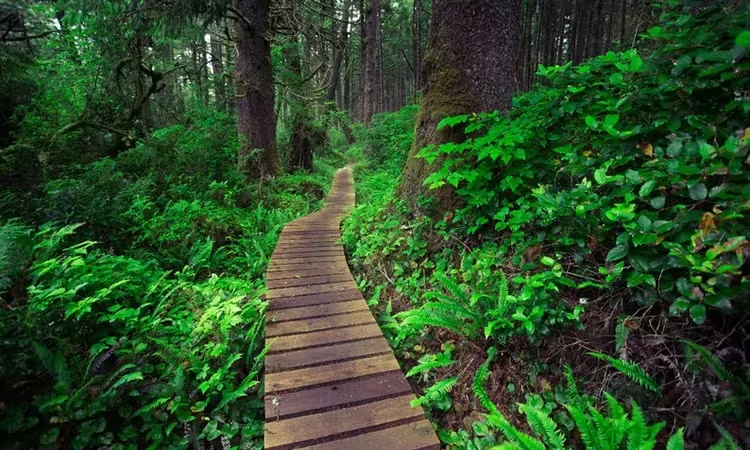
For hiking enthusiasts, the picturesque West Coast Trail is very handy, which includes a number of bridges and stairs that pass at great heights above the gorges. The total length of the route is an impressive 75 km, which can take up to one week to overcome. And to get over some gorges, you will have to use special trailers.
There is a place on the island for those who like to travel in comfort. For such tourists, hotels have been built here, offering both a budget option for recreation and a luxury vacation. Most of the hotels are located right on the Pacific coast, and their windows offer breathtaking landscapes of the endless expanses of the sea. If you're lucky, you can even see a real whale right from your room!
Capilano Suspension Bridge
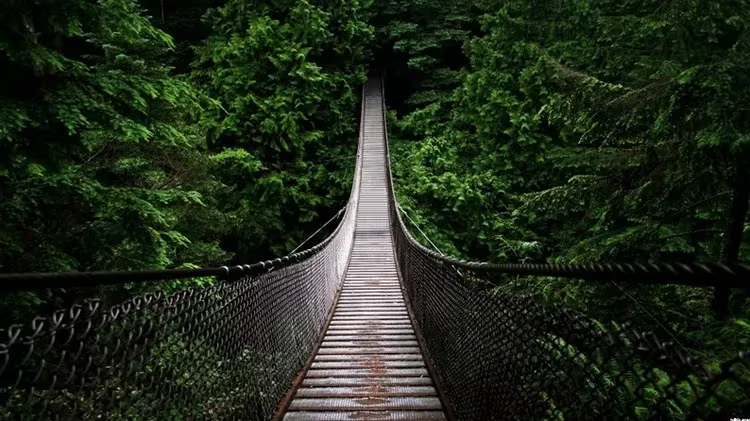
If Vancouver Island itself is of tourist interest, then acquaintance with the city begins with the famous Capilano Bridge. We note right away that we have the second version of the hanging crossing, which was created after the predecessor fell into disrepair. The bridge was originally made of hemp rope and cedar boards and was custom-designed by the brilliant Scottish specialist George Grand McCain back in 1889. The parameters of the crossing are amazing: the length reaches 137 meters, and the height above the river of the same name is 70 meters. But the main surprise for tourists lies ahead.
As it turned out, the Capilano Bridge is not part of the reserve or an object to which the competence of the state extends. It is privately owned by a certain Nancy Stibbart, who owns all rights to this engineering marvel. What is so amazing about the Capilano Suspension Bridge? And you go through it first! Not every tourist has the courage to look down, leaning over the flimsy railing! What-what, and a rapid heartbeat and stuffy breathing is guaranteed to everyone! By the way, the locals try to avoid this place, but no one knows why…
Area Gestown
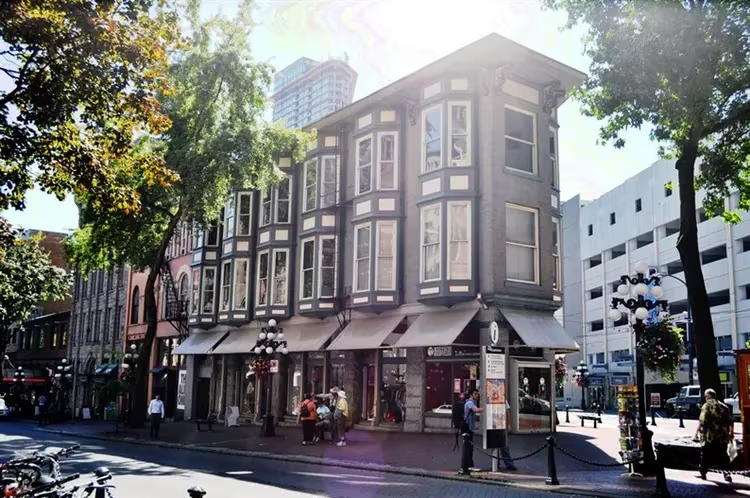
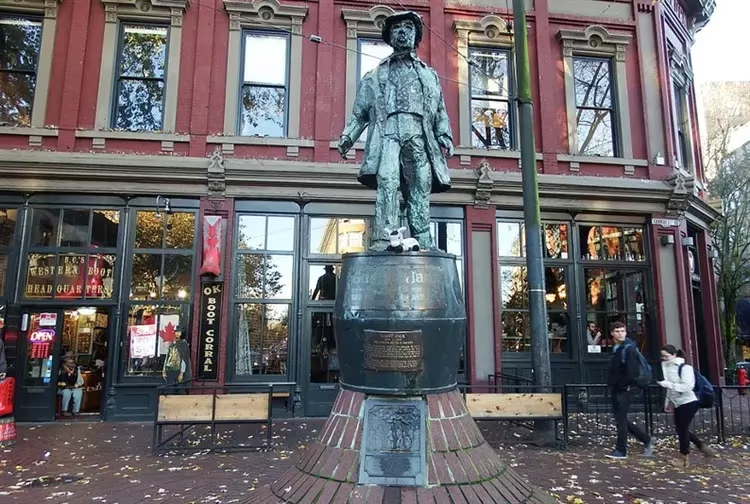
It is under this name that one of the oldest districts of Vancouver is known. Everyone who is looking for something unusual, likes to look behind the “backstage of history” should go here. Immediately, we note that this part of the city is strikingly different from all other areas. The architecture and exterior decoration of the buildings here seem to have remained in that distant era when the British Queen Victoria ruled these overseas lands. In addition, tourists are attracted by unusual sights. For example, a statue of Chatty Jack. There is a legend that the name of the district comes from the word “gessi”, that is, “chatty”. And Jack himself, who received this nickname, was the first inhabitant of this region and was remembered for the fact that he loved to chat a lot and in vain. You can see the statue in Maple Tree Square, where a lot of onlookers and tourists always gather near this attraction.
There is also a steam clock, which can rightfully be called the symbol of the whole of Vancouver. Interestingly, this ingenious mechanism, which is powered by steam, was built in protest against the policies of the authorities. The latter planned to demolish Gestown, as they considered it obsolete. Every fifteen minutes, the clock gives off a deafening chime, and once an hour, a whole steam cloud escapes through a special hole, causing enthusiastic exclamations from witnesses.
I strongly recommend visiting the police museum, which is located here. Although outwardly this complex does not arouse much interest, nevertheless, those exhibits that are presented in the museum make it possible to form a certain impression about the work of the Vancouver police. Visitors will be able to get acquainted with samples of counterfeit money, take a look at firearms from different periods, and also get acquainted with the materials of cases that the law enforcement officers have not been able to disclose.
Museum “World of Science”
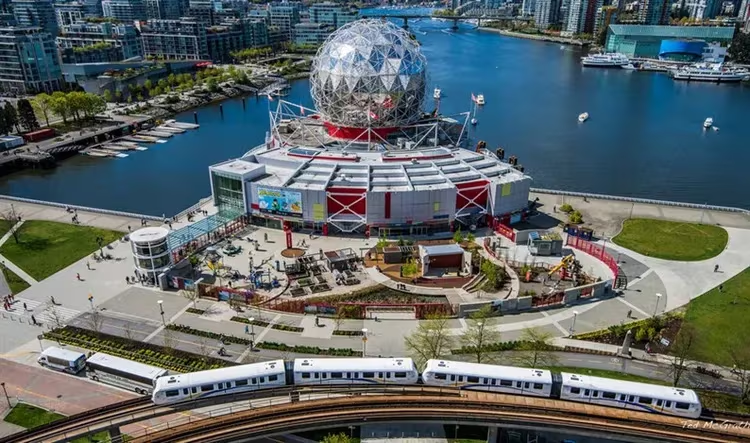
Do you like unusual exhibitions and unique developments? Then you should visit the Science Museum in Vancouver. For the first time, the thematic exhibition “Expo” was held in a Canadian city back in 1986, after which the idea of creating a whole museum dedicated to the achievements of science was born. It will take a whole day to get around all six huge themed pavilions.
Museum “World of Science”, opened in 1986, is a complex of several pavilions, specializing in certain topics. The museum offers its visitors to master various educational programs in the technical field. The main pavilion “Eureka” introduces guests to the physical laws of nature in detail, including experimentally: the museum's exhibits are interactive, visitors can and should interact with them.
Of particular interest to tourists is the Body Works pavilion, which allows you to scientifically substantiate the capabilities of your body. The Illusion Pavilion invites you to get acquainted with the wonders of the play of light and the distortion of a picture in a mirror image, while the exhibitions of the Our World Gallery are aimed at studying the structure of animals and humans. The museum is open daily from 10:00 to 18:00, but depending on the month, the opening hours may vary. The entrance ticket costs 25 dollars, a system of benefits is provided for various segments of the population.
BBC Stadium
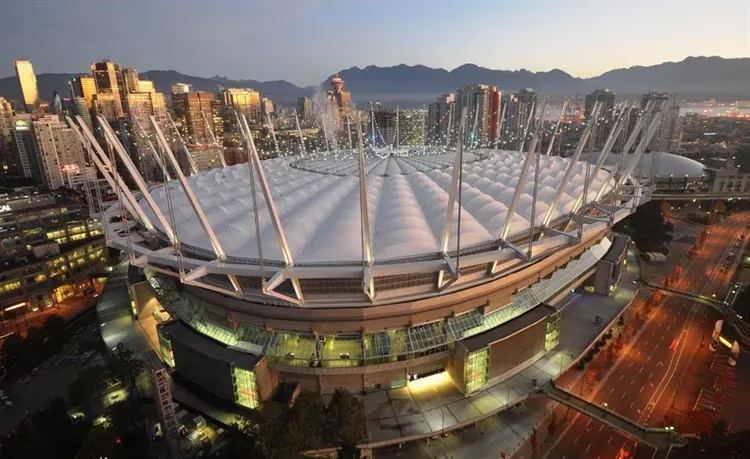
A multifunctional indoor stadium, the main arena of the Winter Olympic and Paralympic Games 2010, and one of the stadiums of the Women's World Cup 2015. BC Place hosted several matches of the round of 16 group stage, quarter-final and final of the tournament. The capacity of the stadium is 54320 people, but at football matches it is reduced to 22120 people.
After the reconstruction in 2010, the roof of the stadium became retractable, which allows it to hold competitions in any weather. BBC Place is the home stadium of the Vancouver Whitecaps football club, which plays in the MLS (the major football league in the United States and Canada). In addition to sporting events, BBC Place hosts concerts. So, for example, in different years Madonna and Michael Jackson performed here.
Vancouver Aquarium
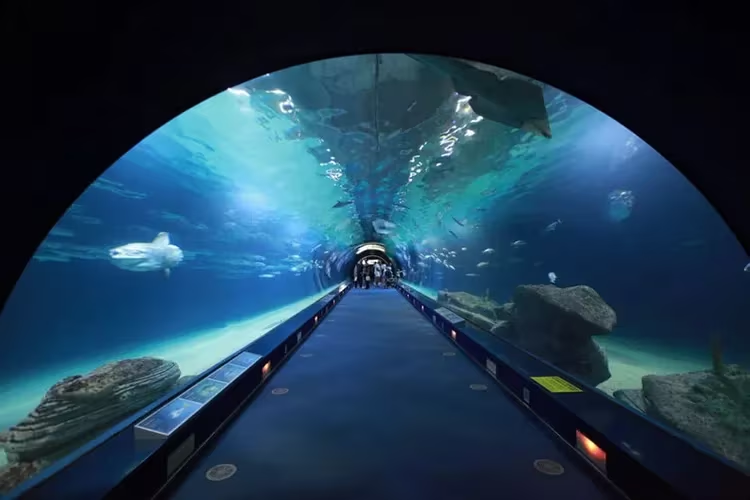
The Marine Science Center or Vancouver State Aquarium is located in Stanley Park. This is one of the most amazing places to visit for all nature lovers. We are especially glad to see the youngest spectators here, who need to instill love for our smaller brothers from childhood. Having seen enough of the measured and slightly chaotic life of pets, you can switch your attention to other corners of the museum that are dedicated to tropical rivers and seas. Here you can also enjoy the variety of colors of an amazing collection of exotic butterflies, which sometimes give sincere delight to all visitors to the park, flying over their heads.
By the way, you can pay a little attention to a fascinating lecture about the inhabitants of the local aquarium, as well as other inhabitants of the deep sea that are found in the Pacific Ocean and other parts of the world. Some specimens of marine animals are presented life-size in a special exhibition hall. There are special entertainment corners for children in the marine center, where they will happily spend an hour or two in the company of themed toys and their peers.
stanley park
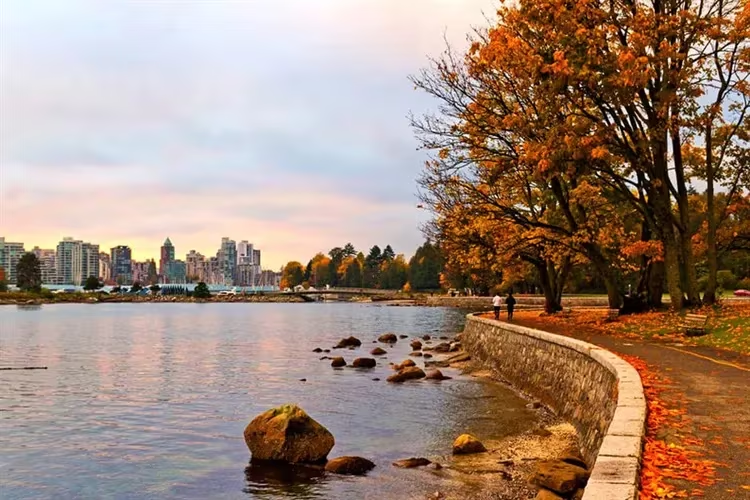
Stanley Park is a peninsula on the border with downtown Vancouver, named after the sixth Governor General of Canada, Frederick Arthur Stanley, during whose reign the park was opened. It is not surprising that a monument to the lord was erected here. Stanley Park was created not by designers, like most urban parks around the world, but by nature, the result of which was later only slightly ennobled by people. The park has a lot of cycling and walking paths with a total length of about 250 kilometers. Locals spend here morning jogging, cycling, and also gather for picnics on weekends.
As an entertainment, the park offers to take a 15-minute ride on a copy of an old train along a railway going through the forest, visit a farm where you can chat with goats, ponies and llamas, the largest oceanarium in the country (Vancouver Aquarium), which has collected more than 70 thousands of species of marine life. The Vancouver Aquarium has a 4D cinema and special lecture halls and laboratories where classes are held with children. The main concept of the Vancouver Aquarium is the cognitive component. In addition, various performances are held here daily. The cost of an entrance ticket to the aquarium is $ 29, pensioners, students and children are provided with benefits.
Grouse Mountain
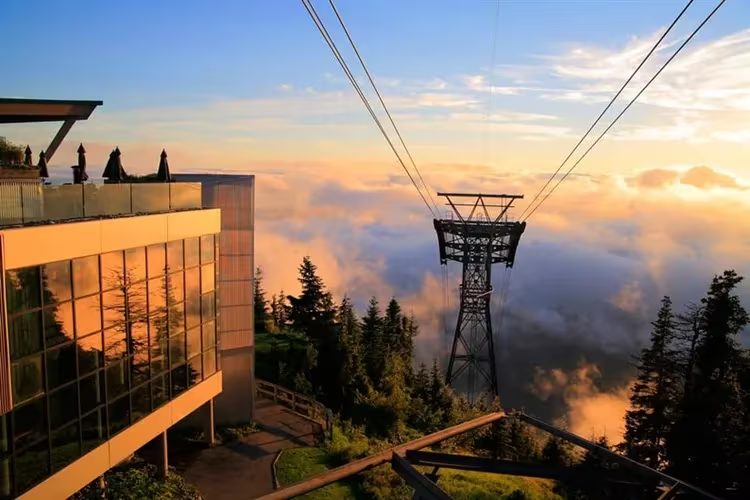
Grouse Mountain or Mount Grouse is one of the most popular tourist attractions in Vancouver. The height of the mountain located in the north of the city is 1251 meters. Grouse Mountain is loved by locals and tourists for its stunning views of the city and ocean, and for the abundance of activities on offer. In summer it is paragliding, and in winter it is skiing and snowboarding. In addition to extreme and sports entertainment, there are several cafes with panoramic windows on the mountainside, from where you can admire the city landscapes while sitting with a cup of coffee.
Van Dusen Botanical Garden
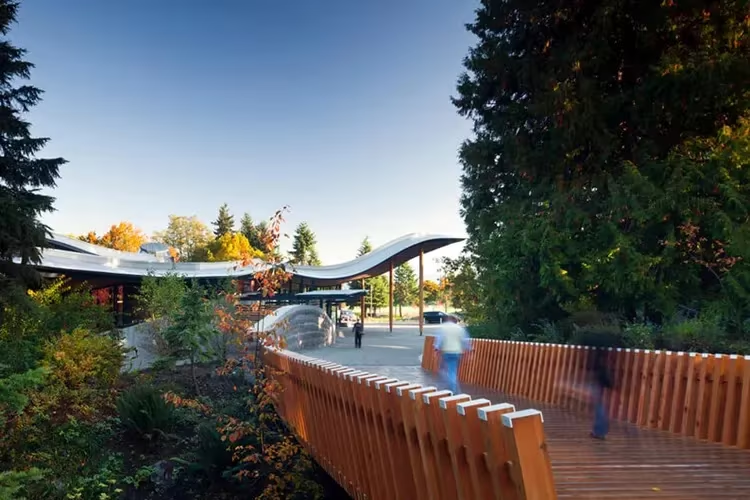
Van Dusen Botanical Garden, recognized by tourists as one of the best in North America, specializes in presentations of unique representatives of the flora collected from different parts of the world. The total number of plant species on display is over 7,000. The 55-acre garden area is divided into sectors, each of which is dedicated to a specific theme. In addition to thematic areas, the territory is decorated with a chain of lakes and ponds with fish, sculptures, Indian totems and a green labyrinth.
In addition, dozens of species of fauna live here, and in 2011 a new pavilion was opened, which houses a souvenir shop, a library and a lecture hall. The Van Dusen Botanical Garden is open every day except Christmas. Opening hours and the cost of the entrance ticket depend on the season, so before visiting, you need to check the information on the official website.
Queen Elizabeth Park
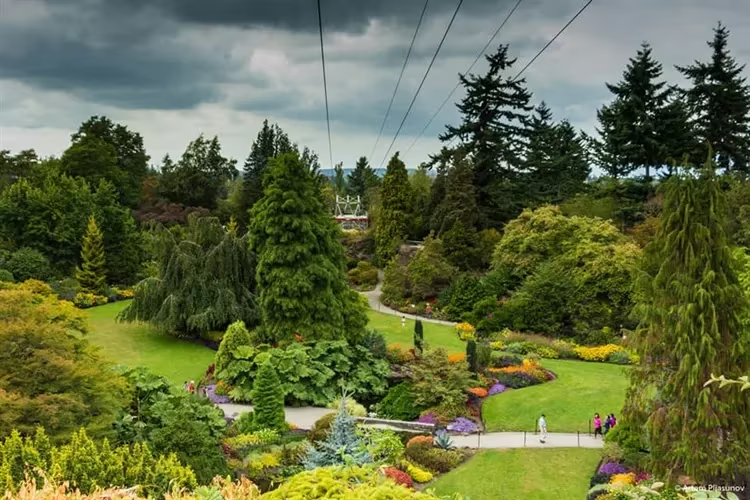
Queen Elizabeth Park is located on the slopes of the Small Mountain, where at the turn of the 19th and 20th centuries, stone was mined for the construction of roads. The park was created in the middle of the 20th century and named after Queen Elizabeth, who visited it 2 years after the opening. The park's workers have created magnificently beautiful compositions of flowers and shrubs. Also in the park there is a small pond with turtles, which sometimes crawl out to bask on the rocks. Canadian squirrels live on numerous trees, which can be hand-fed. The most popular place among tourists in the park is the observation deck, which offers amazing views of the city.
Sun Yat Sen Chinese Garden
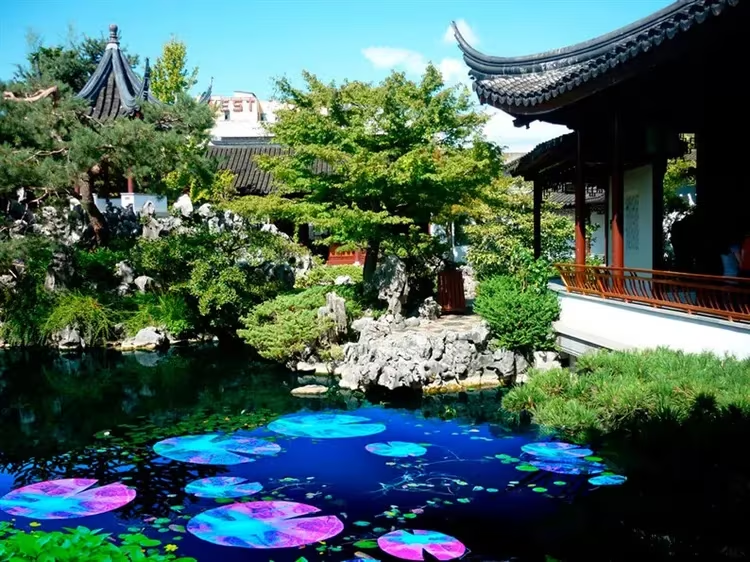
The Sun Yat-sen Chinese Garden is the only classical Chinese garden recently created outside of China. Created in just one year by Chinese landscape designers, the garden is located in the heart of Vancouver's Chinatown and represents a piece of true Chinese culture in the heart of the North American metropolis. The materials used to create the park were brought from China and are absolutely identical to those used to create similar parks in the Middle Kingdom.
A walk in the garden takes one to China during the Ming Dynasty. It creates a feeling of harmony with nature and complete abstraction from the outside world. The Sun Yasten Garden is part of the park of the same name, and if the entrance to the park is free, then you must purchase an entrance ticket to visit the garden.
Vancouver Public Library
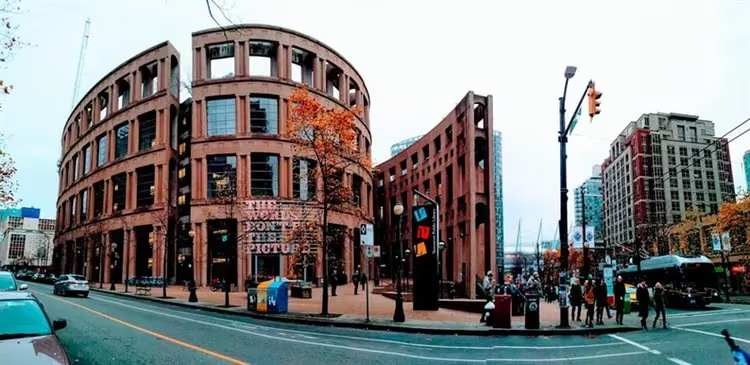
The Vancouver Public Library is a library system with more than 20 branches located throughout the city, and the main building is located in the Library Square complex. Any visitor can get a subscriber card and use the library services free of charge, which include not only access to the full collection of books, but also to the Internet, computer programs, etc. Books can be returned to any branch, each of which has special return boxes near the entrance, which makes using the Vancouver Library system even more convenient and mobile for readers.
The central building of the Vancouver Public Library houses more than 1.3 million titles, and the total number of titles in the entire library system is about 3 million. Access to the library, as well as access to its services, is free, and payment is required only if the reader wants to take the book home.
Lyons Gate Bridge
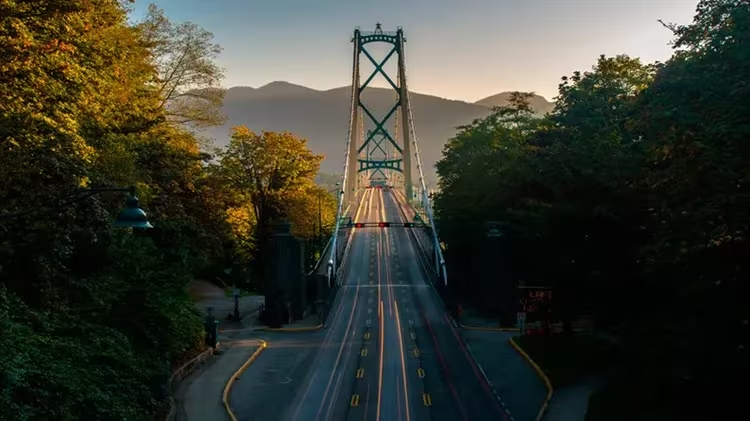
The Lions Gate Bridge is a suspension three-lane road bridge built in 1938. Participation in the official opening took King George VI and Queen Elizabeth, the mother of the current Queen of Great Britain Elizabeth II. The total length of the bridge is 1823 meters, the width of the lanes is 3.6 meters, the width of the sidewalks is 2.7 meters, the average daily traffic is 60,000-70,000 cars. In the early years of operation, a toll of 25 cents was charged, but later, due to the sale of the bridge to the British Columbia authorities, the bridge became free to travel.
Cathedral of the Holy Rosary
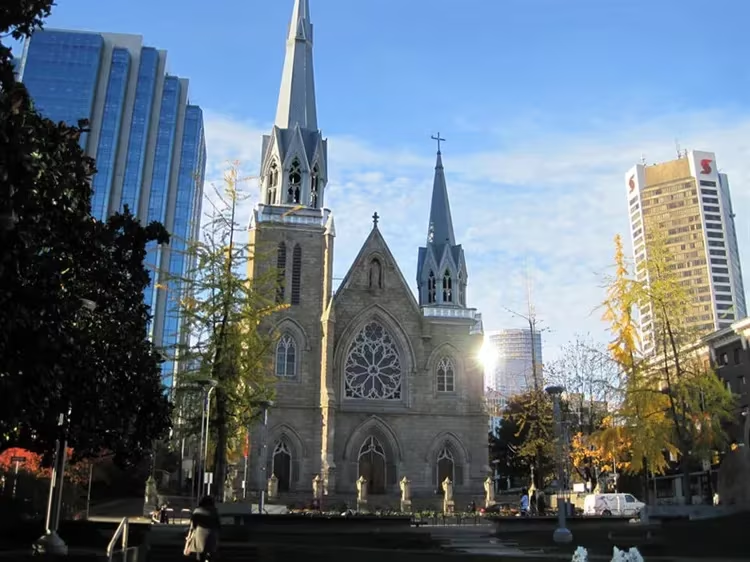
The Cathedral of the Holy Rosary is a Catholic church located next to Cathedral Square. The cathedral is one of the most recognizable buildings in Vancouver, recognized as a city architectural monument. In 1885, Father Patrick Fay organized a parish for Catholic families, for which a small wooden church was built, and 15 years later a new stone church in the French Gothic style was erected in its place. An ancient organ is installed inside the temple. The interiors of the holy monastery are decorated with elegant stained-glass windows and marble columns supporting the vaults of the temple. Services at the Cathedral of the Holy Rosary are held in three languages: English, French and Spanish.
harbor center
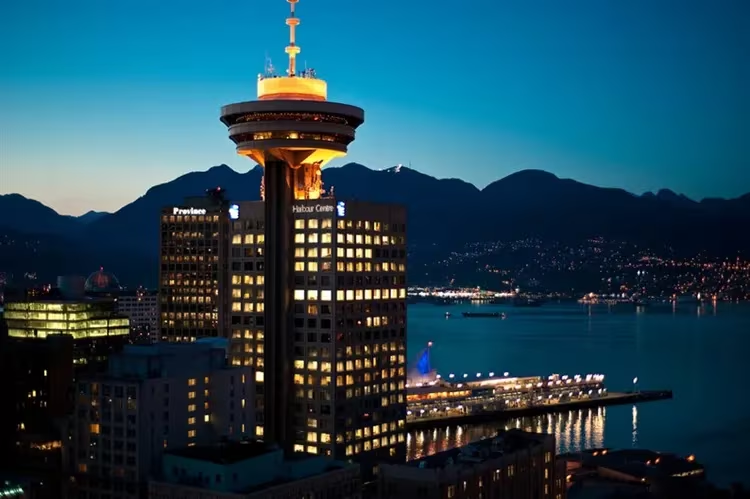
The Harbor Center is the tallest building in Vancouver (177 meters), at the top of which (at a height of 130 meters) there is a circular observation deck that offers a magnificent panoramic view of the city and its surroundings. The Harbor Center tower was opened in 1977, and astronaut Neil Armstrong, the first man to walk on the moon, took part in the opening ceremony. An elevator located on the outside of the building delivers tourists to the observation deck in 40 seconds.
Thanks to this design, the view of the city opens up more and more with every second of rise. In good, clear weather, from the observation deck you can see Mount Baker, located on the territory of the United States of America. The Harbor Center tower is a favorite place not only among tourists, but also among locals, who sometimes spend romantic evenings in the restaurant on top of this unique building.
Vancouver Museum
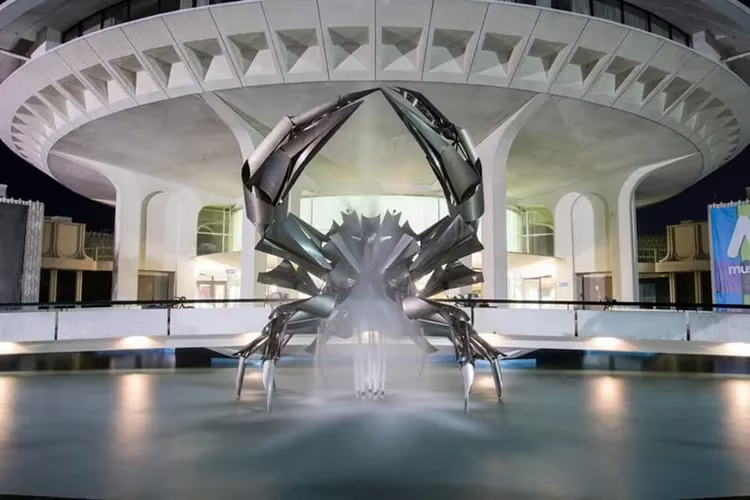
The Vancouver Museum is Canada's largest civic museum. It shares a building with the Macmillan Space Center, which includes an astronomical museum and a planetarium. It was founded in 1894, but received the building for permanent placement of its expositions only in 1968. At the same time, it was renamed the Canada Centenary Museum, having existed with that name until 1981, when it was returned to its former, historical name. Since 2009, the main focus of the museum has been the reflection of the history of the formation of the city and its inhabitants.
For the successful development of the new concept, the Vancouver Museum was awarded an award by the Canadian Association of Museums. In addition to exhibits dedicated to the history of the city, there are artifacts from different countries and eras. The Vancouver Museum is open daily from 10:00 am to 5:00 pm, but closes later on some days. Admission is $19, there are discounts for children, students, and retirees, and family tickets cost $40. A family ticket entitles two adults and three children to visit.
Vancouver Museum of Anthropology
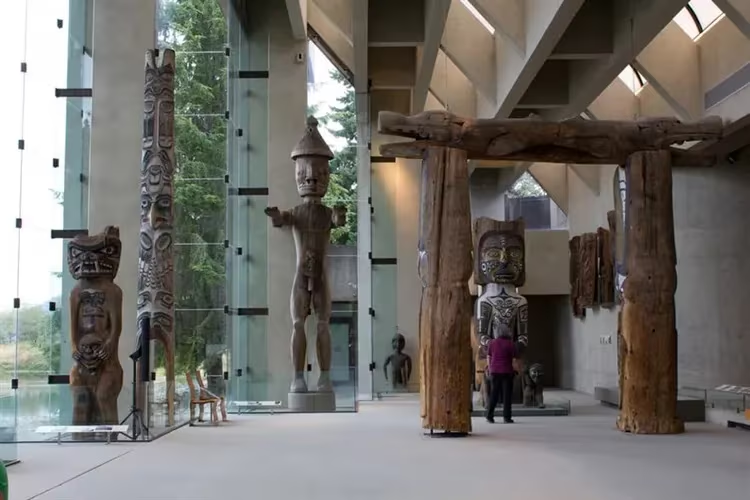
The Vancouver Museum of Anthropology, affiliated with the University of British Columbia (UBC), was founded in 1976. Its collection consists of works of art by masters from all over the world and exhibits dedicated to the culture of Indians and aborigines of different continents and peoples, and information stands are very rich in information, research work on the study of these artifacts from various world cultures is visible. The exposition includes about 3,500 ethnographic items and more than half a million archaeological exhibits collected in different parts of the world.
The space of the museum is divided into sectors, each of which demonstrates the artifacts of a particular region of the planet. Today it is one of the most visited attractions in Vancouver. The number of visitors annually reaches hundreds of thousands. The museum is open daily from 10:00 to 17:00, except Christmas. Admission is $18, and there are discounts for children, students, and retirees, as well as group visits.
Vancouver Maritime Museum
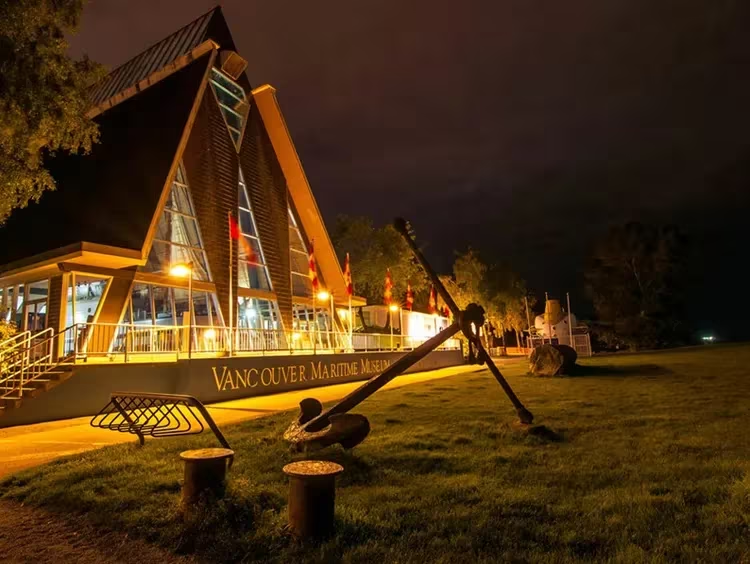
The Vancouver Maritime Museum is Canada's oldest museum, founded in 1959. Its exposition is devoted to the maritime history of British Columbia and Vancouver in particular, as well as the Canadian Arctic. Its exhibits create an understanding of the importance of the fleet in the development of any state with access to the sea or ocean, as well as the importance of individuals who left an important mark on the development of Canadian and world navigation. So, for example, here you can find maps that the great discoverer James Cook personally drew, models of ships, which were created using various materials: paper, cardboard and even bone.
In addition, visitors are offered to watch a short film about Canada's maritime history. The two most notable exhibits are the reconstructed Royal Mounted Police schooner St. Roch, which turns 90 this year, and NASA's research submarine. The museum is open daily from 10:00 to 17:00, and on Thursday until 20:00. Admission is $13.50, there are discounts for children, students, and retirees, and family tickets cost $38.
Orpheus Theater
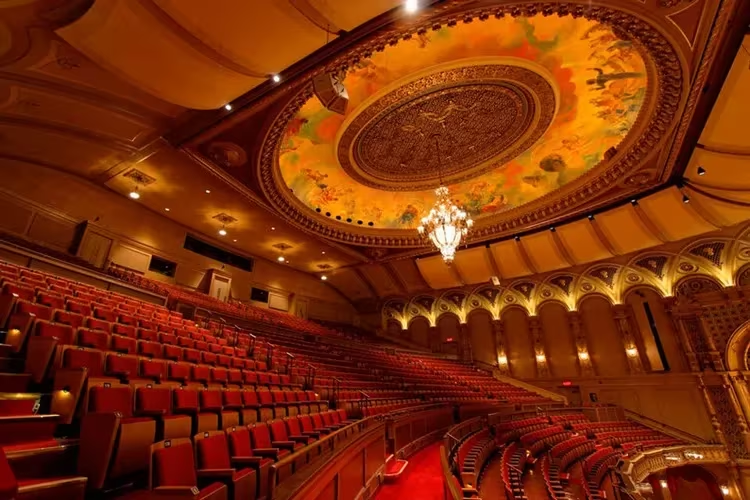
Theater “Orpheum” (Orpheum Theatre) – one of the largest theaters in Vancouver, built in the early 20th century, is located on Granville Street. The building of the theater is made in the Moorish style, and its interiors, combining red and gold colors, are replete with magnificent frescoes and paintings. Many visitors to the theater note its design and the good condition of the premises, which are about 100 years old. The theater hall has amazing acoustics, thanks to which it is often compared with the best theaters in Europe.
Sometimes additional screens are installed in the hall, thanks to which the audience sitting on the last rows can fully enjoy the action taking place on the stage. On the stage of the Orpheus Theater, symphony orchestras perform both classical and modern repertoires. Often the stage is used as a film set for films, series and various television shows. The theater's repertoire and ticket prices can be found on the official website.
Art Gallery
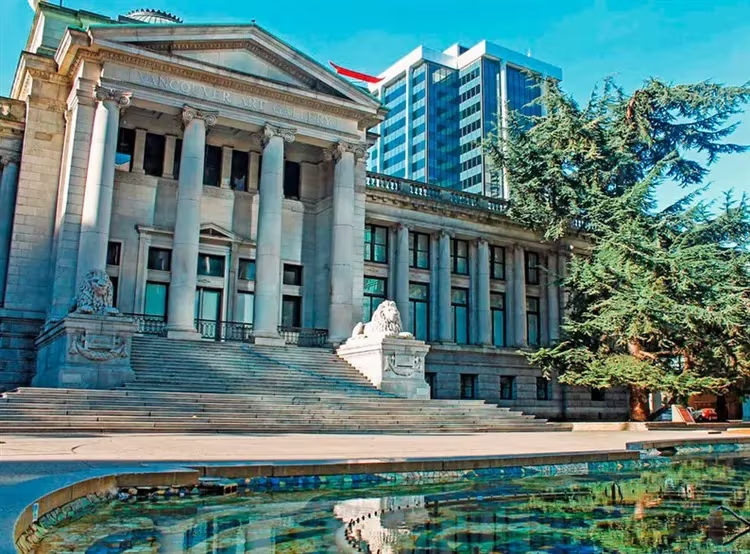
Art Gallery (Vancouver Art Gallery) – one of the largest galleries in the country, was founded in 1931, and she moved to the building on Robson Square only in the 80s. It was originally the British Columbia Courthouse, which makes it look monumental and majestic. The gallery hosts permanent exhibitions of Canadian artists and temporary exhibitions of recognized masters of world art, in particular Claude Monet, which, according to many, are much more interesting than the works of local artists.
Among the permanent exhibitions, visitors highlight the work of Emily Carr. The gallery is open daily from 10:00 to 21:00. Entrance ticket costs $24, and in addition to the usual benefits for various segments of the population, every Tuesday from 17:00 to 21:00 admission to the gallery is for a donation. Each visitor decides how much to spend: it can be a few dollars or just a coin.
Granville Island
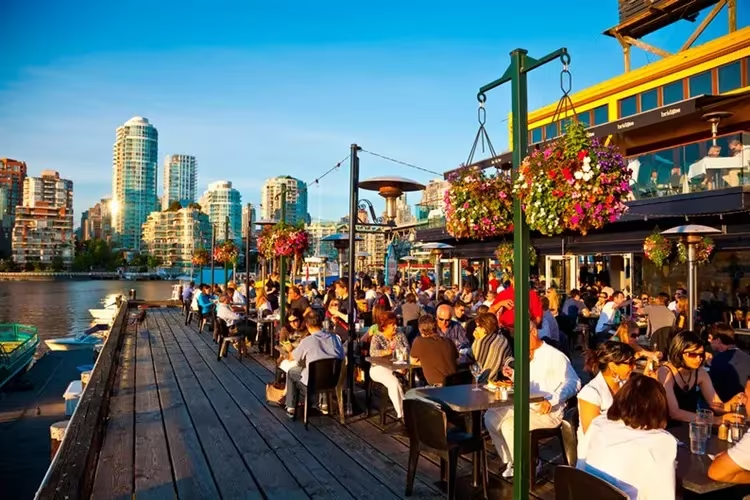
Granville Island is one of the pearls of Vancouver, a must-see for every tourist. Granville Island is a large shopping area centered around a huge city market, over 4.6 square meters in area. Each store is distinguished by its unique assortment, there are no representatives of network marketing here. It seems that you can find absolutely anything on Granville Island: from nuts and seafood to highly artistic items made of clay, metal, and glass.
On a relatively small area of the island, there are many cafes and restaurants, souvenir shops with handicrafts, and musicians play on the streets, adding some kind of unique atmosphere to the market. All this complements the fresh sea air and the beauty of the surrounding nature.
Canada Place Complex
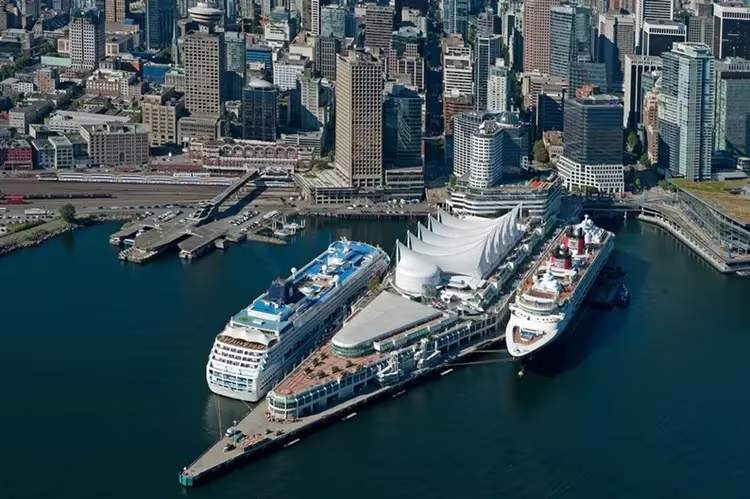
The Canada Place complex is a visiting card of Vancouver. It was built in 1986 on the shores of Burrard Bay for the Expo-86 exhibition. Today, the premises of Canada Place are used for conferences and exhibitions, as offices and port terminals, part of the floors are occupied by the Pan Pacific Hotel and a cinema. The World Trade and Entertainment Center is also located here. Canada Place has an unusual architecture; from afar, it looks like a cruise ship sailing off the coast of Vancouver.
By the way, it is to Canada Place that many liners moor, from which hundreds of tourists go ashore. Canada Days are traditionally held on the territory of the complex, and recently New Year's Eve meetings, in addition, concerts, various street events and holidays are regularly held here. From here you have a magnificent view of the bay and the other coast.
Kitsilano beach
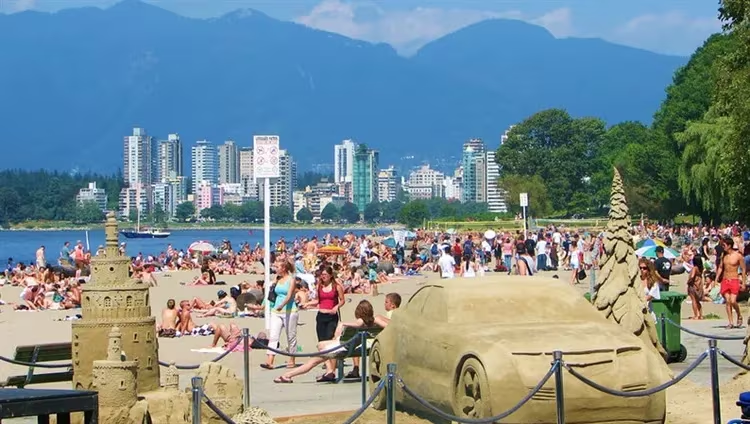
Kitsilano Beach is the most popular beach in Vancouver, located on the south coast of English Bay in the area of the same name with the beach. On the beach there are basketball and beach volleyball courts, and nearby there are tennis courts and a large free park. Also on the territory of the beach is a pool filled with sea water, the length of which is 137 meters, which makes it the longest swimming pool in the country.
People come to Kitsilano Beach not to swim in the ocean, but to take a break from the bustle of the city, spend an active weekend or just watch the ships passing by. Tourists speak of Kitsilano Beach as a place where people just enjoy life and are always happy, and locals like to have evening picnics here.
University of British Columbia
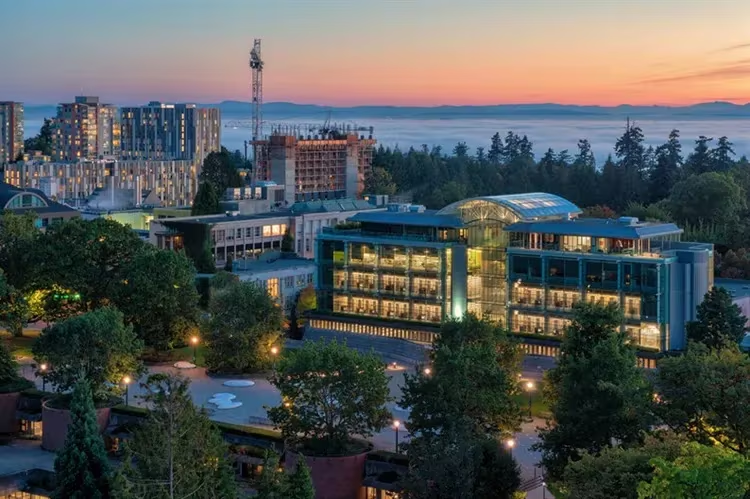
The University of British Columbia (UBC) is one of the most famous and most prestigious educational institutions in Canada. The university was founded in 1908. Today, more than 35 thousand students and 7 thousand graduate students study here, and the teaching staff consists of 2300 people. The University of British Columbia is not only a world-class educational institution, but also a center of scientific research, thanks to which UBC is ranked among the top 40 universities in the world.
The University of British Columbia is known worldwide for more than its educational and scientific achievements, as it was the setting for several scenes in the movie 88 Minutes, starring Al Pacino. Also, the American thriller series Harper's Island was filmed entirely on campus.
Inukshuk statue
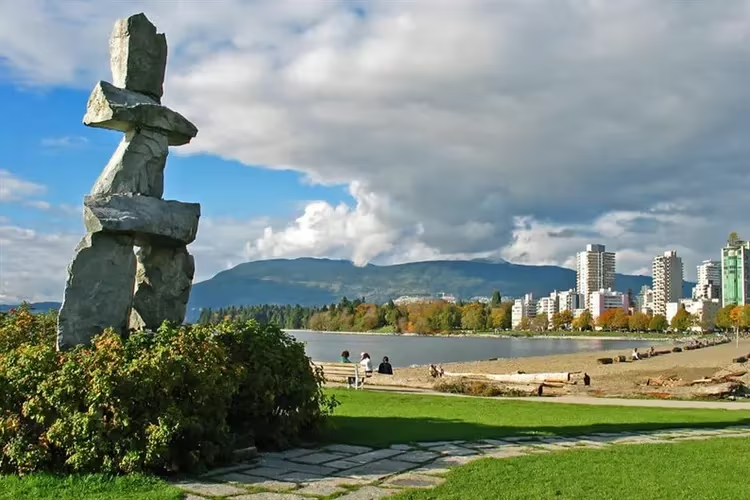
The Inukshuk (Inuksuk) statue is a stone sculpture originating in the culture of the Inuit, an ethnic group of the indigenous peoples of North America, who used such figures as navigation and to worship the gods. Inukshuk figures were used for navigation, as their size and shape made it possible to notice them in winter even with large snowdrifts. The word “inuksuk” is translated from Inuktitut, a dialect of the indigenous peoples of Canada, as “replacing a person.” Many Inukshuk figures, including the Vancouver one, really resemble a person. The Inukshuk statue was chosen as the logo of the 2010 Winter Olympics, which made it famous all over the world and attracted the attention of hundreds of thousands of tourists.