
















Ramadan in Dubai: Iftar at hotels, opening hours and rules for tourists
During Ramadan, Dubai changes beyond recognition. By day the city goes quiet, by evening the streets fill with people and the smell of spices. The fast in 2027 starts on February 8, and Eid al-Fitr is celebrated on March 9 (as of 09/2026, UAE Astronomy Center forecast).
For you, this means three changes. Some venues close earlier, there are restrictions on eating and clothing in public, but in the evening the city becomes truly festive. Below we break down what tourists can do during the day, where Iftar takes place, and which rules are best not to break.
Ad: this article contains affiliate links, we earn a commission if you book through them, at no extra cost to you.
What changes in Dubai during Ramadan
💡 In short:
- The fast runs from February 8, and Eid al-Fitr is celebrated on March 9 and 10 (as of 09/2026, source).
- You can eat and drink during the day in hotels, cafes, and food courts, but not on the street, in parks, or on public transport.
- Malls and supermarkets operate on their usual schedule, and some food courts stay open until midnight.
 © Tim Reckmann from Hamm, Deutschland · CC BY-SAPhoto: Tim Reckmann from Hamm, Deutschland, CC BY-SA (https://creativecommons.org/licenses/by-sa/3.0), Wikimedia Commons
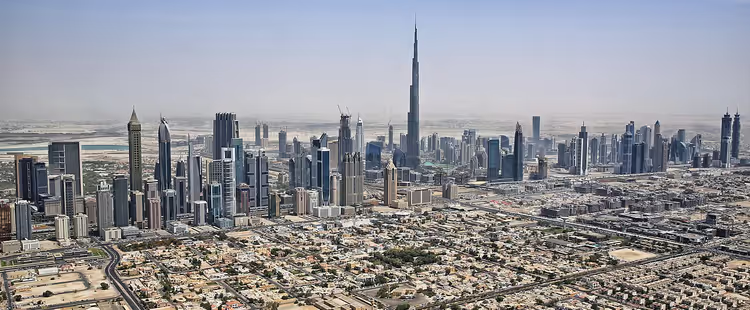
By day, Dubai is noticeably quieter than usual. Offices and government institutions switch to shorter working hours, and small shops open later or close earlier. This works in your favor: at Burj Khalifa, water parks, and observation decks there are almost no lines. You buy tickets without rushing, and open slots are available even in the morning.
After sunset, the picture changes completely. Waterfronts, food courts, and squares fill with people, hotels set long tables, and the city lives late into the night. In the first days of the fast, evening venues are less crowded; closer to the end of the month, tables at popular tents get booked in advance.
Ramadan 2027 dates
Ramadan is the ninth month of the Muslim lunar calendar (according to Wikipedia). Its start is determined by the sighting of the new moon, so the date shifts back by about 11 days each year. In 2026, the fast began in mid-February, and in 2027 the first day falls on February 8.
The fast itself lasts 29 or 30 days and is considered one of the five pillars of Islam. The month ends with Eid al-Fitr, the festival of breaking the fast. In the Emirates it is celebrated for several days: official holidays, family visits, sweets, and gifts for children.
While the fast is underway, adult Muslims do not eat or drink from dawn to sunset. It is believed that the first revelation of the Quran came during Ramadan. That is why in the evenings mosques read the Quran in parts and complete it in full over the month. For you, this is primarily a matter of respect: a fasting person nearby should not have to watch you chew a sandwich on a bench.
What tourists can and cannot do during the day
The main Ramadan rule for city guests is simple: do not eat, drink, or smoke on the street during daylight hours. In cafes, restaurants, food courts, and hotels everything is allowed; there you can have breakfast and lunch without issue. Eating openly on the go is not a good idea: it is considered disrespectful, and under local rules such behavior can result in a fine.
Clothing gets more attention during Ramadan than usual. You should choose a shirt that covers your shoulders and long trousers or a skirt below the knee. At the hotel pool and beach, swimwear is appropriate; on the street and in malls it is not. Sheer tops, shorts, and deep necklines look out of place in the city.
A separate note about chewing gum and cigarettes. During the day, it is best not to take them out in public, even if you are not fasting. Hotels have designated smoking areas and terraces. Alcohol is served in bars and restaurants of licensed hotels, but not on the street or in public places.
Where and when things are open during Ramadan
What | How it works during Ramadan |
|---|---|
Malls | Usual schedule, food courts open all day |
Hotels, restaurants, bars | No restrictions, alcohol at licensed venues |
Streets, parks, transport | Eating, drinking, and smoking during the day are prohibited |
Few places publish exact hours in advance right now, because the schedule depends on the length of daylight. Major attractions, from Burj Khalifa to water parks, welcome guests all day and only shift the last entry time. Small museums and galleries may open later than usual, so it is worth checking the hours on the venue's official website on the day of your visit.
The city's evening rhythm affects plans just as much. Many cafes and restaurants serve guests until midnight and later, and some mall venues operate almost around the clock. Check metro and bus schedules on the day of travel during Ramadan: intervals change in the first and last days of the month.
tickets and night tours on GetYourGuide
Iftar and Suhoor: where to eat after sunset
Iftar is the evening meal that ends the daily fast. By tradition, it begins with dates and a glass of water, juice, or Arabic coffee (according to Wikipedia). In Dubai, the moment of breaking the fast is announced by cannon fire, and mosques sound the call to prayer. Right after that, the city sits down to eat.
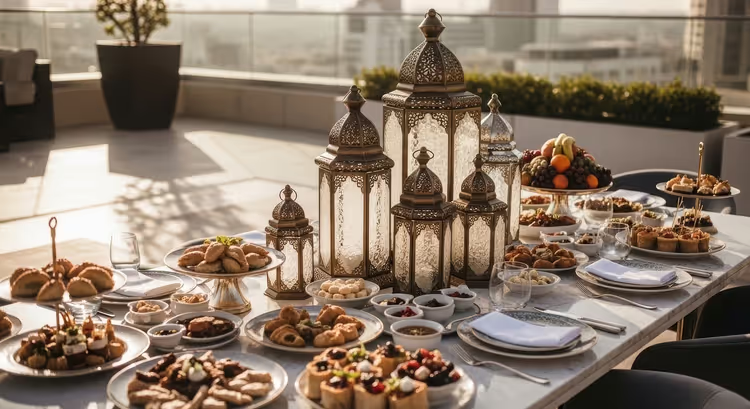
By day the tents are closed, but in the evening they become the city's main venues. Hotels set up large tents with long buffets, and they welcome not only Muslims. The atmosphere is friendly: you take a plate, try local dishes, and listen to live music.
One of the city's most famous venues: the Asateer tent at Atlantis The Palm on Palm Jumeirah. The buffet brings together dishes from across the region, and the atmosphere feels like a big family celebration.
A second option: Al Majlis in the Madinat Jumeirah complex (official website jumeirah.com). It is considered one of Dubai's most popular tents, so book a table in advance. Fans of oriental decor should check out Al Falak Ballroom at Burj Al Arab.
Budget tip: hotel tents are pricier than city cafes, but the selection of dishes is wider. If you want to try Emirati cuisine without extra expense, look for evening venues along the Jumeirah waterfront. Some Iftar buffets take place at open city venues, where guests are welcomed just as warmly as at a hotel.
The second nighttime meal is Suhoor. It starts late in the evening and lasts until dawn, and it is calmer and quieter than Iftar. Hotels serve multi-course menus for it, while regular cafes stick to soup, flatbread, and tea. For a tourist, this is a convenient way to eat before an early flight or a late-night walk.
How to behave during Ramadan
Ramadan is considered a time of calm, and a few simple habits will help you feel at ease.
- Accept invitations to Iftar. For locals it is a sign of respect; declining reads as coldness.
- Take evening walks. After sunset, the city becomes livelier than in any other month.
- Do not play loud music or swear where fasting people are present.
- Avoid arguments and sharp jokes: Ramadan is considered a time of peace.
- Try fasting for one day to understand how locals feel.
- Support local charity initiatives if you want to help the city.
Following these rules is not difficult. In the evening you get a city you will not see at the height of the season: illuminated facades, long shared tables, and conversations until morning.
What to see in Dubai during Ramadan
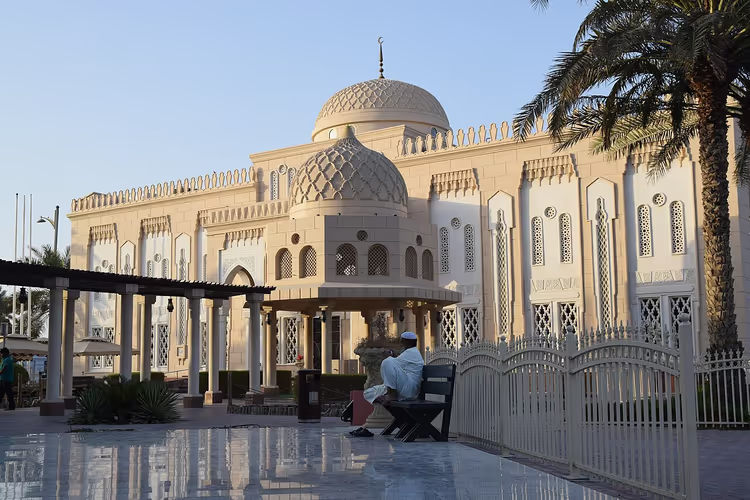
Jumeirah Mosque is open to non-Muslims and offers guided tours. This is a rare opportunity to step inside a working mosque and ask questions about faith and customs. Tour times are usually in the morning; check availability on site.
A separate reason to visit during Ramadan: the evening lighting. As part of the Ramadan Reflections program, projections with patterns, crescents, and lanterns are shown on building facades. Streets, shop windows, and malls are decorated with garlands, so an ordinary walk becomes an experience in itself.
By day, all the city's main attractions are available to you. Burj Khalifa, water parks, and observation decks welcome guests without long lines, and the beaches are uncrowded.
 © Raita Futo from Tokyo, Japan · CC BYPhoto: Raita Futo from Tokyo, Japan, CC BY (https://creativecommons.org/licenses/by/2.0), Wikimedia Commons
If you want to plan your evening program in advance, take a look at the selection below.
Tours and tickets in Dubai
Guided tours, skip-the-line tickets and activities — most offers can be cancelled free of charge.
See offers on GetYourGuideThe widget loads once you give your consent.
⁉️🤔 Frequently asked questions
Can tourists eat and drink during the day in Dubai?
Yes, in hotels, cafes, food courts, and restaurants, food and drinks are available all day. The ban applies to open public places: streets, parks, beaches, and transport. Violations can result in a fine, so do not take out food or water there, and keep your bottle in your bag. Licensed hotel restaurants also serve alcohol.
When is Ramadan in Dubai in 2027?
The forecast for 2027: the fast runs from February 8, and Eid al-Fitr is celebrated on March 9 and 10 (as of 09/2026, Ramadan date forecast). The exact start date is announced after the moon sighting, so a shift of one day is possible. The dates move back by about 11 days each year.
Are shops and malls open during Ramadan?
Yes, major malls, supermarkets, and pharmacies operate on their usual schedule. Food courts inside are open all day, and some venues serve guests until midnight. Hours change for small shops, offices, and government institutions: they close earlier than usual. It is best to check the exact schedule on site.
What clothing is appropriate during Ramadan?
Choose covered shoulders and knees: long trousers or a skirt and a shirt with sleeves. Hotels, beaches, and pools follow normal rules; swimwear is appropriate only there. In malls and older districts, it is best to avoid shorts, sheer tops, and deep necklines.
Will tourists be allowed into a hotel Iftar tent?
Yes, most hotel tents are open to all city guests, including non-Muslims. Well-known venues include Asateer at Atlantis The Palm, Al Majlis in Madinat Jumeirah, and Al Falak Ballroom at Burj Al Arab. For popular evenings, book a table in advance; otherwise there may be no seats left.
In short: what to book
Ramadan does not get in the way of your vacation; it changes its schedule. By day you can explore the city without lines, in the evening you try Iftar in a tent, and after midnight you stroll through illuminated streets.
If you are short on time: book a morning slot at Burj Khalifa and an evening Iftar at a hotel. If you are traveling with children: a water park by day, the waterfront and Ramadan Reflections projections by evening. If this is your first time in the Emirates: add a Jumeirah Mosque tour and Suhoor in the city.

A small editorial team writing guides for independent travel. We travel ourselves, but we haven’t been everywhere, so we check prices, opening hours and how to get there against official sources.