
















Hotel meals: how to choose a code and not pay for missed lunches
The meal plan code in your booking determines how much you'll spend on food during your vacation. Many people only read the letters RO, BB, HB, FB, AI, and UAI after they've already paid for the tour, when it's too late to change the rate. The difference between half board and full board only becomes apparent on site, when you get a separate bill for lunch and drinks.
Below we break down what each code means, what's actually included in the price, and which option suits your travel style. We've cross-checked the wording against a meal plan guide (as of 09/2026, Travelbook) and explain what hotels charge extra for.
Ad: this article contains affiliate links, we earn a commission if you book through them, at no extra cost to you.
What hotel meal plan codes mean
💡 In short:
- RO means room only, no breakfast or dinner.
- BB includes breakfast; you pay for lunch and dinner on site.
- HB includes breakfast and dinner; lunch and drinks are usually extra.
- FB covers breakfast, lunch, and dinner on a set schedule.
- AI adds unlimited meals and local drinks.
- UAI upgrades AI with premium alcohol and à la carte restaurants.
- Code details: verified on 13.09.2026 using Travelbook data.
The codes come from English names and describe different service packages. In your booking you only see the abbreviation, while the full details are spelled out in the hotel description. If the rate is listed without explanations, ask your tour operator about the number of meals and included drinks.
Code | What's included in the price | Drinks | Who it's for |
|---|---|---|---|
RO | Accommodation | None | Those who eat in town or cook for themselves |
BB | Breakfast | Often with breakfast | Those who are out on excursions all day |
HB | Breakfast and dinner | Extra | Active travelers with daytime trips |
HB+ | Breakfast, dinner, and daytime drinks | Included | Those who want a fixed budget |
FB | Breakfast, lunch, and dinner | Usually extra | Those who eat at the hotel on a schedule |
AI | Meals and local drinks all day | Included | Those who stay within the hotel grounds |
UAI | All inclusive plus premium and à la carte | Included | Those who want maximum service |
Below we'll go through each code individually: what you get in the morning, during the day, and in the evening.
RO: room only
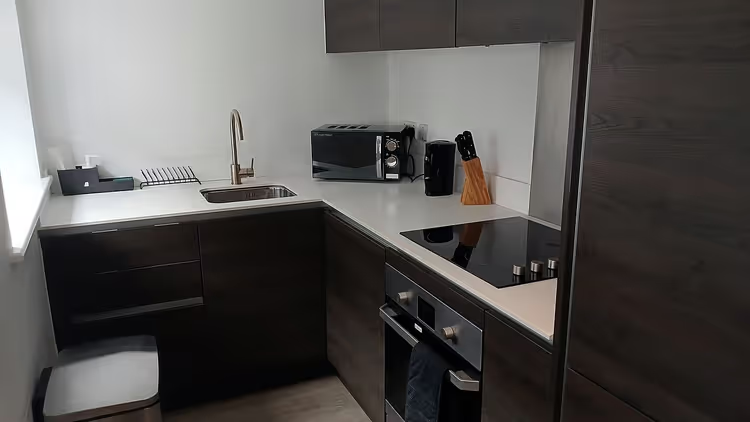
RO (room only) means accommodation without meals. This is how apartments and aparthotels with a small kitchen are usually sold, where guests cook for themselves. This rate is cheaper, and the savings go into your budget for cafes and markets.
The main advantage of RO is freedom. There's no tie to meal times, so you can leave for the whole day and come back late. You also get to try local cuisine at street food spots and small restaurants instead of the hotel's standard menu.
There's a catch though: you're responsible for food every day. You need to find a store, buy groceries, and cook or order in. RO is most often chosen by people who follow a specific diet and don't want to change their eating habits.
- Who it's for: those who follow a diet, cook for themselves, or spend all day in town.
- The catch: finding groceries and cooking every day is on you.
BB: breakfast only
 © Checkingfax · CC BY-SAPhoto: Checkingfax, CC BY-SA (https://creativecommons.org/licenses/by-sa/4.0), Wikimedia Commons
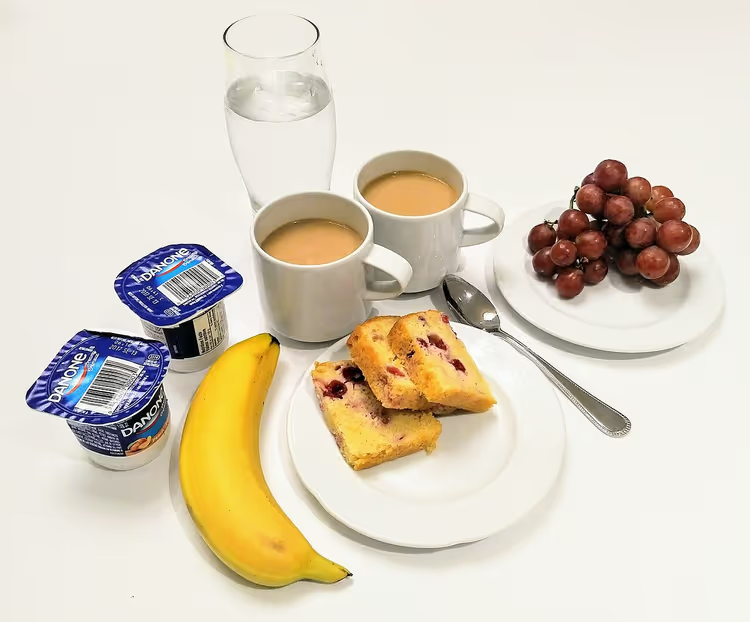
BB (bed and breakfast) includes accommodation and a morning meal. The hotel doesn't provide lunch or dinner; you pay for them separately or eat in town. Breakfast is usually a buffet: meat and dairy products, hot dishes, fish, vegetables, fruit, pastries, and drinks.
The selection depends on the hotel category and region. At an upscale property, mornings feature more hot options and fresh pastries; at a simple one, sandwiches and coffee will do. If you have a packed itinerary and leave early in the morning, BB covers your main need without making you pay for missed lunches.
- Who it's for: those who are out on excursions all day and have dinner in town.
- The catch: in the evening you'll need to find a restaurant or pay extra for dinner at the hotel.
HB: breakfast and dinner
HB (half board) means half board: breakfast and dinner are included in the price. Lunch, alcohol, and soft drinks are charged separately. In the morning, drinks, porridge, omelets, and fruit are served; in the evening, heartier dishes of meat, fish, salads, side dishes, and desserts are offered.
The variety at dinner depends on the hotel category. Half board works well for those who are away from the hotel during the day: at the beach, on excursions, or in town. You don't risk missing a paid lunch, and in hot weather a light snack at a cafe is more pleasant than a heavy hot meal.
- Who it's for: active travelers who leave the hotel during the day.
- The catch: lunch and drinks aren't included, so the bill adds up on site.
HB+: half board with drinks
 © Nicoleon · CC BY-SAPhoto: Nicoleon, CC BY-SA (https://creativecommons.org/licenses/by-sa/4.0), Wikimedia Commons
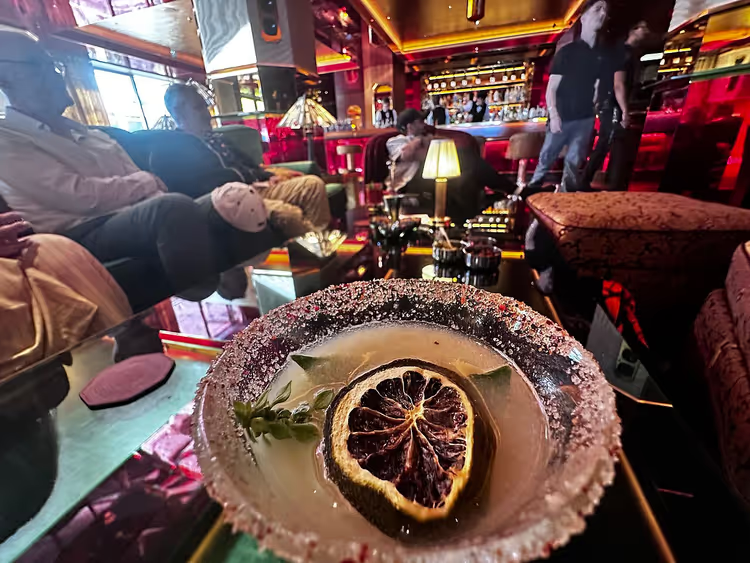
HB+ is an extended half board. In addition to breakfast and dinner, the price includes locally produced alcoholic and non-alcoholic drinks served at the bar throughout the day. This rate is a good deal for those who don't want to count every cocktail and pay extra for drinks at dinner.
FB: full board
 © JIP · CC BY-SAPhoto: JIP, CC BY-SA (https://creativecommons.org/licenses/by-sa/4.0), Wikimedia Commons
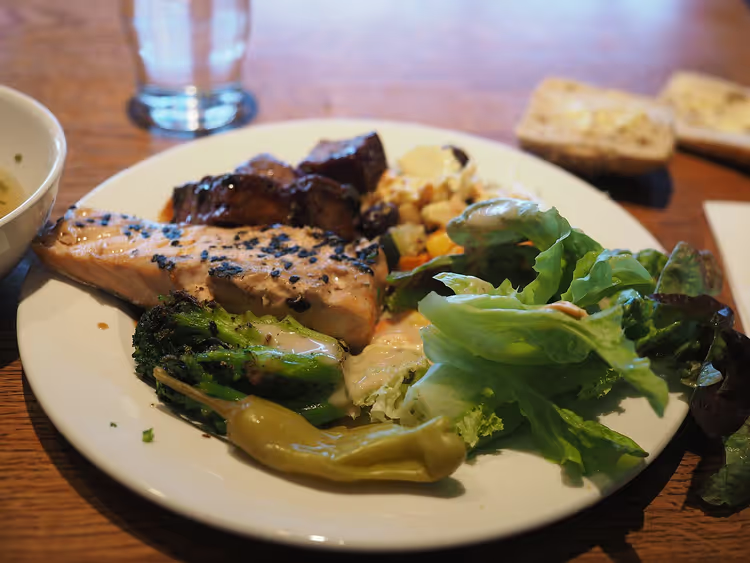
FB (full board) means full board. The hotel provides breakfast, lunch, and dinner at strictly set times. This setup suits those who eat on a schedule and vacation without alcohol: drinks are usually not included in the rate and are paid for separately.
Breakfast is most often served as a "buffet," with unlimited portions. Lunch and dinner are served from a menu. For excursion lovers, FB is often not worth it, because the paid lunch goes uneaten during the day. But if your day is spent at the hotel or on the beach, full board eliminates the question of finding food.
- Who it's for: those who eat at the hotel on a schedule and stay on the property.
- Not for: those who have long trips every day.
AI: all inclusive
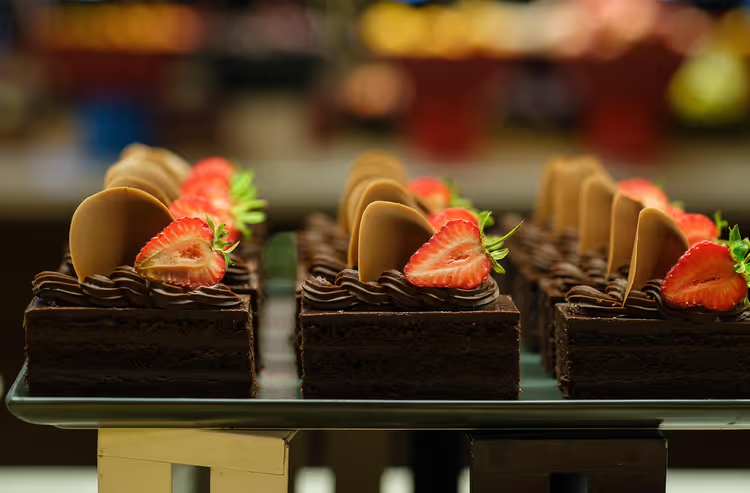
AI (all inclusive) means that food and drinks are included with no extra charges. In addition to breakfast, lunch, and dinner, the hotel offers snacks, local alcohol, and soft drinks throughout the day. Each hotel defines its own service package, so it's worth checking the details in the rate description.
AI makes meals and budgeting simpler. You don't need strong language skills: at the buffet line, guests serve themselves whatever they like. For travelers who go on excursions, this rate isn't worth it, because the daytime food goes unused. But for a relaxing vacation by the pool, all inclusive works better than anything else.
- Who it's for: those who rarely leave the hotel and want to pay for everything upfront.
- The catch: with frequent excursions, you pay for food you don't use.
UAI: ultra all inclusive
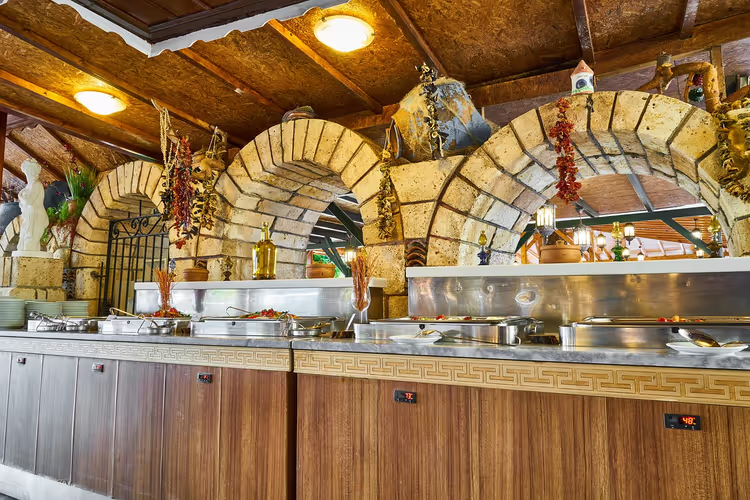
UAI (ultra all inclusive) is an extended version of AI. In addition to regular meals and drinks, it adds premium alcohol, à la carte restaurants, and often extra services like a minibar or evening service. You can eat as many times a day as you want, including late-night snacks.
The cuisine here is more varied than with standard AI. Snacks, desserts, and ice cream are freely available, and dinners are held at restaurants within the resort complex. According to ROBINSON (as of 09/2026), the premium package also includes branded alcohol and table service from a menu.
- Who it's for: those who want maximum service and don't want to limit their choices.
- The catch: the most expensive category; if you're away from the hotel for long stretches, you'll overpay.
Types of breakfast at hotels
 © Khane Rokhl Barazani · CC BY-SAPhoto: Khane Rokhl Barazani, CC BY-SA (https://creativecommons.org/licenses/by-sa/4.0), Wikimedia Commons
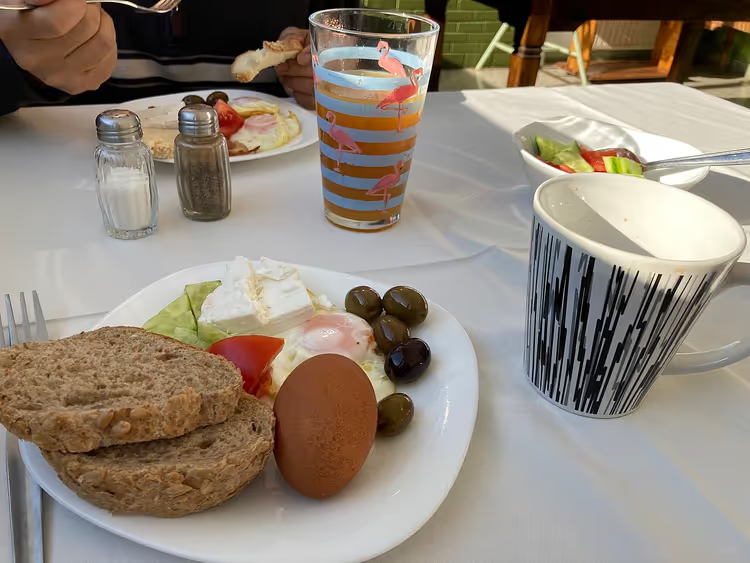
Hotel breakfasts come in continental, extended, and buffet styles. Table service from a menu, where dishes are brought to your table, is a separate option. The two most common formats are covered below. If you're leaving at dawn, many hotels let you order food to go at the front desk.
What a buffet is
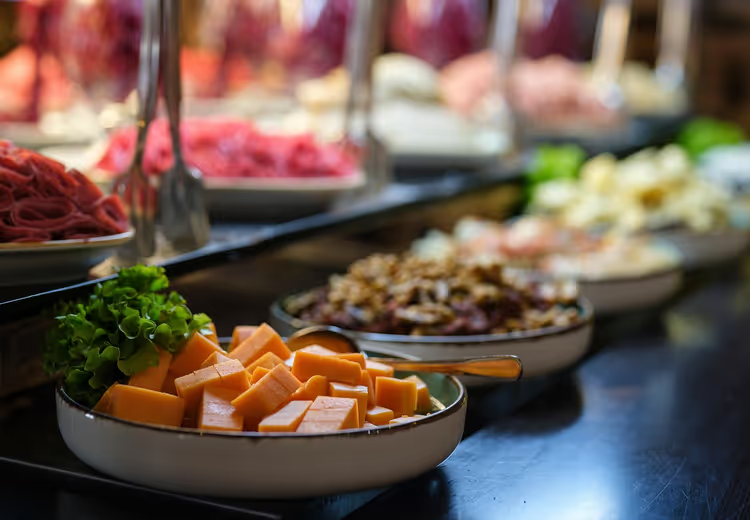
A buffet is a style of service where guests serve themselves from food counters. This format is used by both budget hotels and luxury properties. Buffet-style meals are usually included in the room rate.
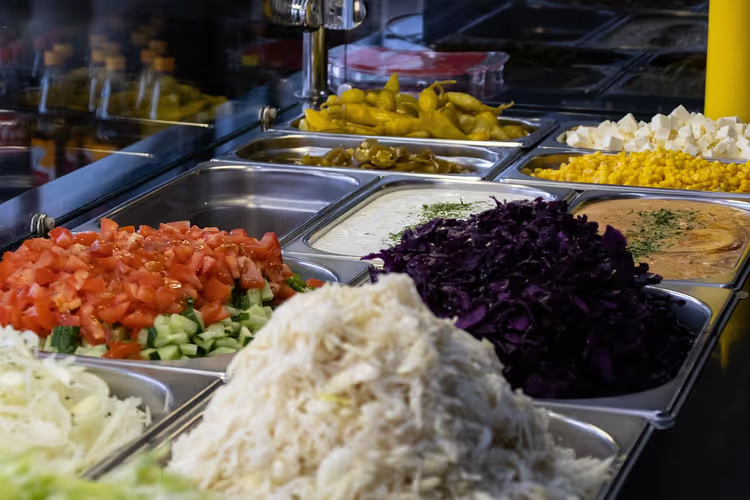
The counters are stocked with prepared dishes, and the selection depends on the hotel category. Appetizers, salads, fruit, soups, side dishes, meat, juices, pastries, vegetables, and desserts are arranged in groups. Utensils, plates, and cups are on a separate table, with serving spoons and tongs provided for each dish.
Guests can return to the counter as many times as they need. Piling your plate high is considered bad manners, and taking food out is not allowed. For large hotels, a buffet makes it possible to feed all guests quickly at the same time.
What à la carte is
 © Nicor · CC BY-SAPhoto: Nicor, CC BY-SA (https://creativecommons.org/licenses/by-sa/3.0), Wikimedia Commons
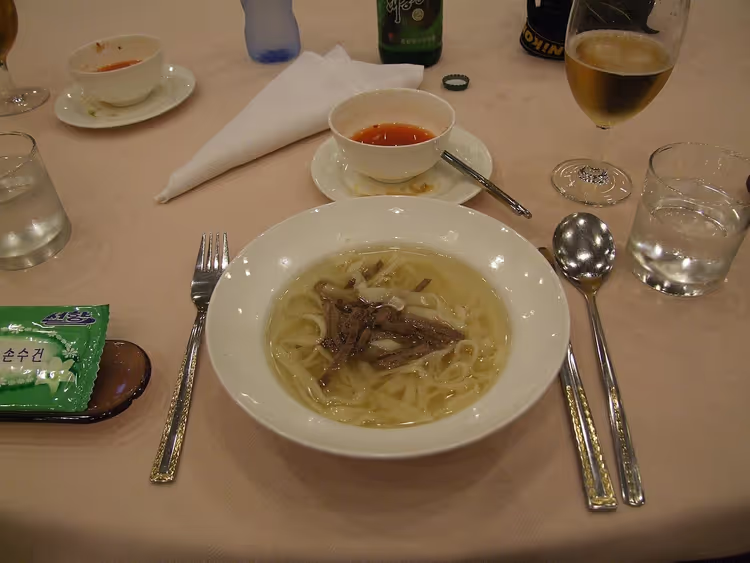
À la carte means table service from a menu with a waiter. Most hotels operate several themed restaurants featuring different national cuisines. The package price includes a set number of visits, and tables must be booked in advance due to limited seating.
Here guests sit at a set table and choose dishes from the menu. The waiter brings the order, so there are no lines at the counters. Each restaurant is decorated in the style of the country whose cuisine it serves. This format is valued for its calm atmosphere and dishes you won't find at the regular buffet.
- Who it's for: those who want to dine in peace and try local cuisine.
- The catch: the number of visits is limited, and you need to book a table in advance.
⁉️🤔 Frequently asked questions
What's the difference between HB and FB?
With HB, breakfast and dinner are included, while lunch is paid separately. With FB, the hotel provides three meals a day on a fixed schedule. For trips with excursions, HB is usually the better deal, because daytime meals at the hotel go unused.
Are drinks included with full board?
Usually not. FB covers food, while alcohol and soft drinks are billed separately. Sometimes coffee, tea, water, and juice are free at breakfast. If you want a fixed drinks budget, look at HB+ or AI.
Can I add lunch if my booking only includes breakfast?
Yes, almost always. At hotels with BB, you can add lunch or dinner at the front desk or pay from the menu at the restaurant. Plan for this extra cost in advance, because the on-site price is usually higher than in the tour package.
In short: what to book
Choose a rate that matches your day. If you have a packed excursion schedule, go with BB or HB and don't pay for missed lunches. If your day is spent by the pool, AI is the better value. If premium drinks and restaurants matter to you, look at UAI.
On a tight budget, compare RO and HB: in apartments with a kitchen, food costs less than hotel add-ons. For families with children, all inclusive usually eliminates the question of daily spending.
You can find a hotel with the meal plan you need on Trip.com: the rate filter will show properties where the code you want is already included in the price.

A small editorial team writing guides for independent travel. We travel ourselves, but we haven’t been everywhere, so we check prices, opening hours and how to get there against official sources.