
















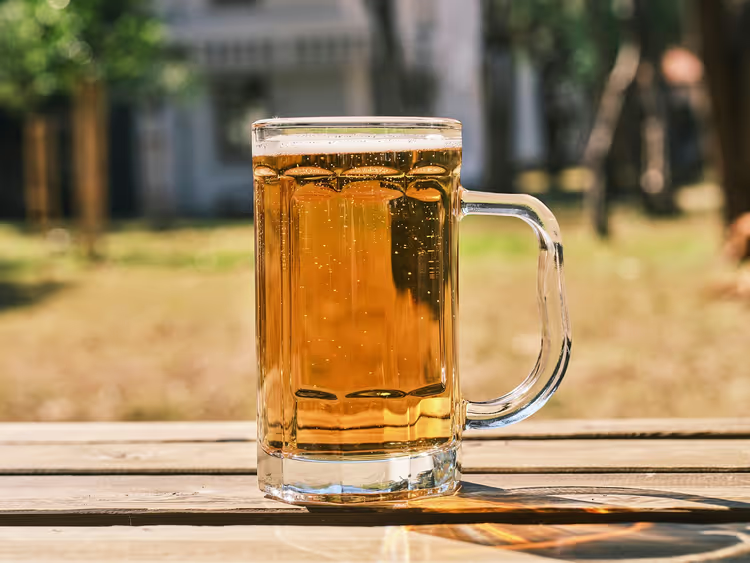
Beer, wine and rice vodka: what to drink in Vietnam
A tourist in Vietnam sooner or later goes to a supermarket for a bottle. Local beer, wine from the Dalat highlands, and rice-based spirits cost less than their European counterparts, and that is part of the trip. Prices from old reviews are worth double-checking. The excise tax on beer and strong alcohol in Vietnam will rise in stages starting in 2027 (Law No. 66/2025/QH15).
Buy alcohol in supermarkets and at wineries, not from street vendors. That way you get a receipt and a predictable price. Below we break down where to buy, what to get, and how to avoid counterfeits.
Ad: this article contains affiliate links, we earn a commission if you book through them, at no extra cost to you.
Tips and prices for alcohol in Vietnam
💡 In short:
- Buy beer and strong alcohol in chain supermarkets: prices are fixed and you get a receipt.
- Avoid street alcohol sellers, even if the bottle looks branded.
- Beer selection: 09/2026, verified on the official SABECO website. Prices: 09/2026, according to LOTTE Mart.
Prices for the same drink in Vietnam vary by where you buy it. In a chain supermarket the price is fixed and does not change from day to day. At a market or from street vendors, the price is set based on the buyer's face, and the markup can reach double digits.
The main risk here is not the price but the quality. Street vendors often resell someone else's goods, and under a well-known brand you can end up with a counterfeit. It is almost impossible to tell a fake visually: the label is printed neatly, and the glass is no different from the original.
In a supermarket the situation is calmer. The selection is wider, the product sits in a fridge or on a shelf, and at checkout you get a receipt. The receipt is your protection: with it a complaint will be accepted, without it you cannot prove anything. Check that the packaging is intact and do not take a bottle with a damaged cap.
For prices, use this as a guide. A can of local beer in a supermarket costs about 12,000 ₫ (less than €0.5), while a street stall asks one and a half to two times more for it (as of 09/2026, LOTTE Mart). A bottle of rice vodka costs less than imported wine. Imported alcohol from Europe is several times more expensive than local.
Drink | Where to buy | Price guide |
|---|---|---|
Local beer | Supermarket, fridge | About 12,000 ₫ (less than €0.5) per can (as of 09/2026, LOTTE Mart) |
Vang Dalat wine | Dalat, branded stores | About 147,000 ₫ (about €5) per 750 ml bottle (as of 09/2026, LOTTE Mart) |
Rice vodka | Supermarket, specialty shops | About 115,000 ₫ (about €4) per 700 ml bottle, cheaper than imported wine (as of 09/2026, LOTTE Mart) |
Imports and rum | Large chains, duty-free | The most expensive segment |
Where to buy alcohol in Vietnam
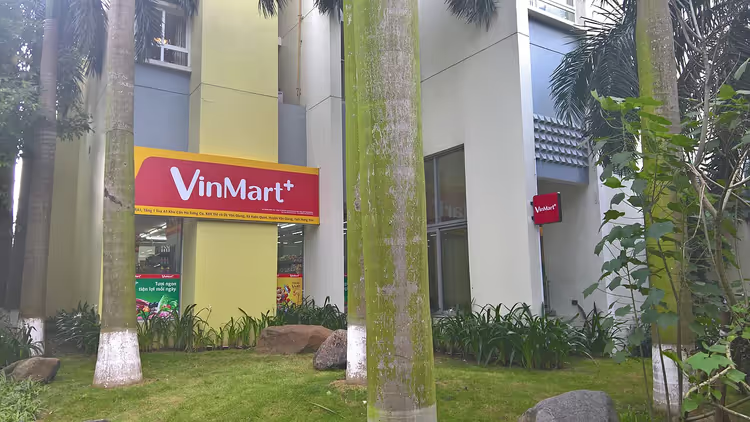
The easiest way to buy alcohol is in chain supermarkets. They are in every tourist city, stay open until late evening, and keep fixed prices. This way you avoid haggling and get a receipt.
For wine, it is worth going to Dalat. This is a highland area with a cool climate, where grapes ripen better than anywhere else in Vietnam. The Ladora winery near Dalat produces wine under the Chateau Dalat brand (Local Vietnam). The selection there is wider, and running into a counterfeit is harder: the wine is sold right next to the production site.
For strong alcohol, head to Hanoi. Factories there make rice vodkas and infused spirits. In Nha Trang and Ho Chi Minh City you can also buy good strong alcohol, but the selection is more modest. Get imported drinks in large shopping centers, where the chain is responsible for quality.
 © Donald Trung · CC BY-SAPhoto: Donald Trung, CC BY-SA (https://creativecommons.org/licenses/by-sa/4.0), Wikimedia Commons
Selection: beer, wine, and strong alcohol
The Vietnamese alcohol market rests on three things: cheap beer, local wine, and rice distillates. Imports exist, but their share is small.
Beer
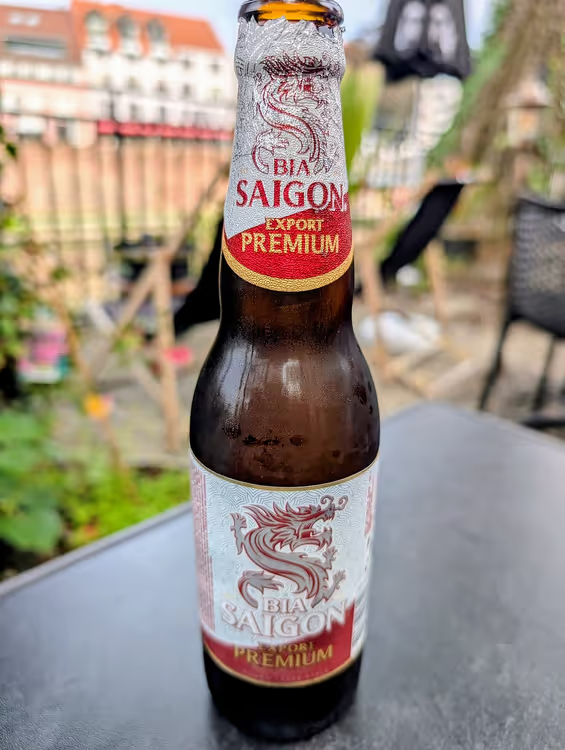
The most popular beer here. The market leader, SABECO, produces the brands Bia Saigon, 333, and Bia Lac Viet (SABECO). The green Bia Saigon resembles a medium-bodied lager and is very refreshing in the heat.
The second major player, Habeco, brews Bia Hà Nội, which locals appreciate for its fuller taste. There are also craft brands and draft Czech beer, which in bars costs more than canned. For draft beer, go to a bar, not a street stall.
 © Looniverse · CC BY-SAPhoto: Looniverse, CC BY-SA (https://creativecommons.org/licenses/by-sa/4.0), Wikimedia Commons
Wine
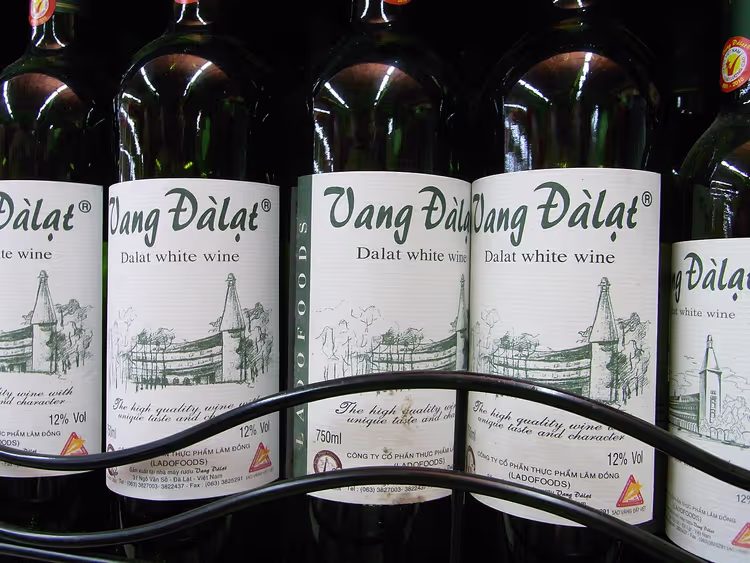
Local wine is made in Dalat and its surroundings. The Vang Dalat brand is familiar to everyone in Vietnam, but quality depends on price. Cheap bottles are often diluted with fruit juice, and the taste comes out flat. If you want decent wine, get bottles from the mid and upper segments directly at the winery.
 © ayustety · CC BY-SAPhoto: ayustety, CC BY-SA (https://creativecommons.org/licenses/by-sa/2.0), Wikimedia Commons
Vodka and rum
Strong alcohol in Vietnam is built on rice distillates. The Halico factory produces Vodka Hà Nội from rice with multi-column distillation (Halico). Rice vodka Nếp Mới and village-style rượu đế can be found in stores and markets. As for rum, the Philippine brand Tondena and Chauvet appear in stores. Light Chauvet is only good for cocktails.
Rice distillates are stronger than wine. When buying strong alcohol, compare several shelves: the price difference between brands is small, but the quality difference is noticeable. For imported drinks, go to duty-free at the airport or to a large chain.
⁉️🤔 Frequently asked questions
Can I take Vietnamese alcohol home?
Yes, if the packaging is factory-sealed and you are carrying personal supplies, not a batch for sale. Exact limits depend on the destination country, so check them before your trip. It is better to put bottles in checked luggage; liquids over the limit will not be allowed in carry-on. Keep the store receipt.
Where is the cheapest place to buy beer in Vietnam?
The cheapest beer is in a chain supermarket, especially in the fridge near the entrance. Street stalls and beachside bars sell it for more. In the evening at a bar, the price of a can goes up again because of the venue markup. You are paying for the view, not the drink.
Is street alcohol dangerous?
There is a risk, and it comes from counterfeits of well-known brands. Buy alcohol in a supermarket, where you get a receipt and defective goods can be returned.
Which Vietnamese wine is worth trying?
Vang Dalat from Dalat, specifically bottles from the mid-price segment. Cheap options are often diluted with juice, and the taste comes out watery. Dry red here is fuller than white. If you are passing through Dalat, try the wine right at the Ladora winery: that is where it is bottled.
What are rượu đế and Nếp Mới?
They are rice distillates, strong locally produced drinks. Nếp Mới is made by a factory and sold in supermarkets, while rượu đế is brewed in small batches in villages. They are stronger than beer, so drink slowly and with water. The taste varies from batch to batch more than with wine.
In short: what to book
If you are going to Vietnam, plan the alcohol part of your trip in advance. In Dalat, set aside an evening for wine; in Hanoi, try the rice vodka. Buy in supermarkets, keep the receipt, and do not take bottles from street vendors. That way you will try the local drinks and not overpay.
One more thing: you need connectivity in Vietnam from day one to find stores and compare prices. Keep an eSIM for Vietnam handy and do not waste time looking for a SIM card at the airport.

A small editorial team writing guides for independent travel. We travel ourselves, but we haven’t been everywhere, so we check prices, opening hours and how to get there against official sources.