
















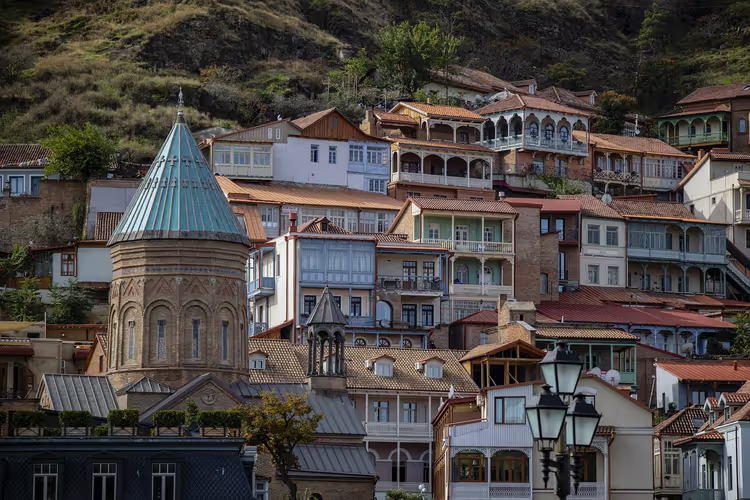
Where to go from Tbilisi: 30 ready-made routes across Georgia
From Tbilisi, you can actually get to the foot of Kazbek and be back in time for dinner. In a single day, you enter a different world: glaciers, stone towers, cave cities, and wine cellars. We've put together routes you can fit into a day or a weekend.
The main challenge lies elsewhere. Similar names hide different roads. A tour "to Kazbek" in different programs means a different set of stops, so it's easy to buy the same trip twice. We've broken the programs down by site so you can see the difference and avoid paying for the same thing twice.
Some of these places are protected by UNESCO. The churches of Mtskheta were added to the World Heritage list in 1994 (as of 09/2026, UNESCO).
How tours from Tbilisi work
💡 In short:
- Almost all tours start in central Tbilisi and run all day.
- In high season, book in advance: small-group tours sell out quickly.
- In winter, some mountain roads close, so choose Mtskheta, Kakheti, or Kutaisi instead.
- Site accessibility and route composition: 09/2026, according to the official Georgia tourism portal.
Most programs are structured as day trips by car or minivan. The city portion is short, and everything interesting lies outside Tbilisi. Some routes repeat the same sites, so compare programs by stops, not by name.
Below are routes by region: from quick trips to Mtskheta to a two-day jeep tour in Khevsureti.
1. The Georgian military road to Kazbek
 © Vyacheslav Argenberg · CC BYPhoto: Vyacheslav Argenberg, CC BY (https://creativecommons.org/licenses/by/4.0), Wikimedia Commons
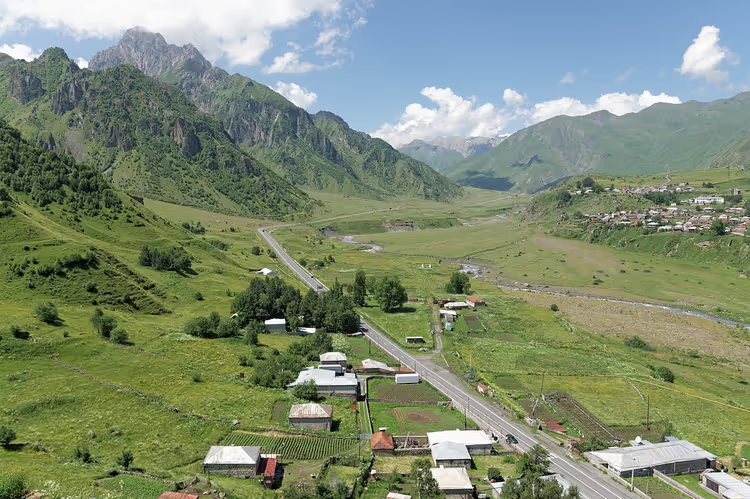
The Georgian Military Road connects Tbilisi with the north and crosses the entire Greater Caucasus range. It's the oldest transport route in the South Caucasus, and half the postcard views of Georgia were shot right here.
You pass the Zhinvali reservoir, Ananuri fortress, the Cross Pass, and the "Friendship of Peoples" monument. The views along this road were described by Pushkin and Lermontov, and now you get to see them. The route ends with a climb to the Holy Trinity Church of Tsminda Sameba in Gergeti, set against the 5,000-meter peak of Kazbek. Lunch is arranged in Pasanauri, home to some of the best khinkali in the country.
- The catch: you'll spend most of the day in the car.
- Who it's for: the trip suits people of all ages.
2. Mtskheta and the cave city of Uplistsikhe
 © Marcin Konsek · CC BY-SAPhoto: Marcin Konsek, CC BY-SA (https://creativecommons.org/licenses/by-sa/4.0), Wikimedia Commons
Mtskheta was the capital of Iberia, and Georgian Christianity began here. The main sites: Svetitskhoveli Cathedral, built in 1010-1029 (as of 09/2026, Georgia tourism portal), and Jvari Monastery on the hill.
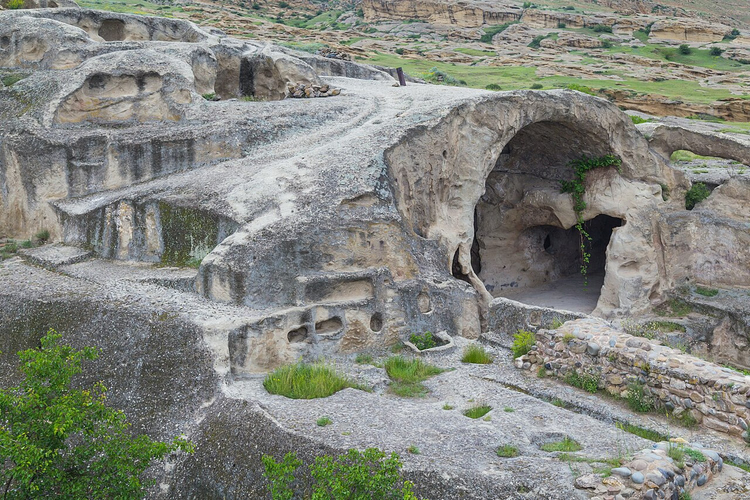
The route then continues to the rock-hewn city of Uplistsikhe. It was carved into the rock several millennia ago, and some of the halls have survived. They make it easy to imagine how people lived here before our era. The city served as a settlement until the late Middle Ages, so layers from different eras are visible right in the rock. Along the way, the guide usually makes a stop in Gori, where the Joseph Stalin Museum operates.
- The catch: Jvari has a steep climb, and Uplistsikhe offers little shade.
3. Sighnaghi and Kakheti in one day
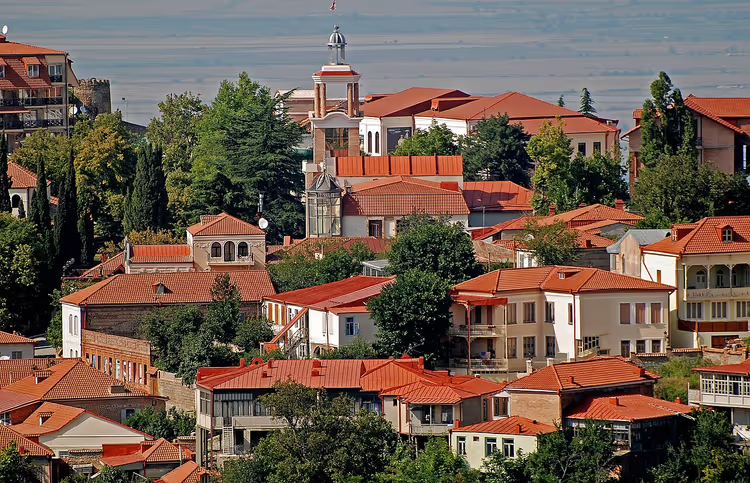
Sighnaghi sits on a hill above the Alazani Valley, and the town is visible in full from any street. The local museum houses works by Niko Pirosmani and Lado Gudiashvili. In one of the squares, the artist once paved the street with roses.
The group then heads to the holy sites. Bodbe Monastery in Bodbe holds the grave of Saint Nino, the enlightener of Georgia. Pilgrims come here from across the country. Next, you visit the Kindzmarauli winery, Gremi fortress, and Nekresi Monastery. The return road winds through vineyards, so the views out the window never stop.
- Who it's for: those who want to combine churches and wine in a single outing.
- The catch: the trip takes almost the entire day.
4. Budget tour across all of Kakheti
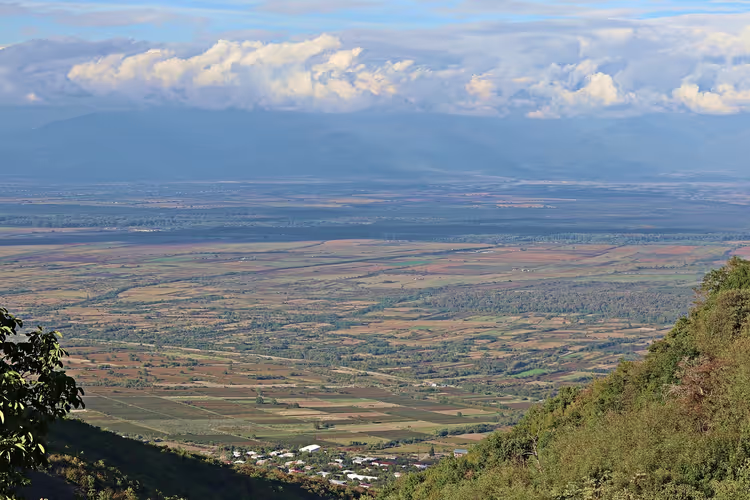
This option is cheaper than the others and covers all of Kakheti in one outing. The old town of Telavi was the capital of the Kingdom of Kakheti in the 17th-18th centuries. The Batonis Tsikhe fortress, the residence of King Heraclius II, has survived here, and the courtyard features a restored room resembling the royal chambers.
In the afternoon, you head to Tsinandali, to the Chavchavadze estate. It's now a museum that tells the story of the poet Alexander Chavchavadze and his wife Nino, the daughter of Griboyedov. The tour wraps up with tastings at the Vaziani and Kindzmarauli wineries. The wineries themselves are small, and the tastings feel almost like home.
- Who it's for: adults who care about budget and wine.
- Not for: this route is not offered with children.
5. Rock-hewn Uplistsikhe and the Kura valley
 © Marcin Konsek · CC BY-SAPhoto: Marcin Konsek, CC BY-SA (https://creativecommons.org/licenses/by-sa/4.0), Wikimedia Commons
This route is built around the history of the Georgian state. You climb up to Jvari Monastery, built on the site of a pagan sanctuary. According to legend, a tree grew nearby from which the Christian cross of Georgia was made.
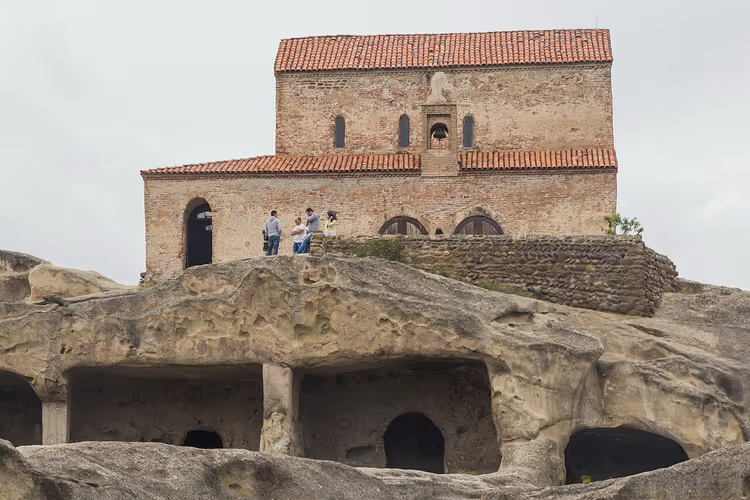
Svetitskhoveli occupies the center of Mtskheta. Iberian kings were crowned in this cathedral, and their remains rest in the crypt. The finale of the day: the Uplistsikhe rock complex, used as a settlement for centuries. Today the caves are open year-round and set up for visitors.
- Who it's for: families with children, groups of up to six people.
- The catch: without a guide, part of Uplistsikhe's history gets lost.
6. Kazbegi and Gergeti
 © Braveheart · CC BY-SAPhoto: Braveheart, CC BY-SA (https://creativecommons.org/licenses/by-sa/4.0), Wikimedia Commons
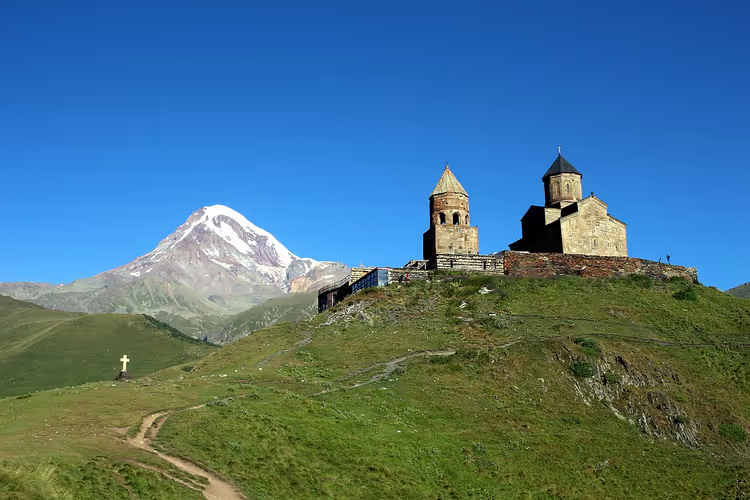
The trip to the church in Gergeti runs through the foothills and feels like a pilgrimage. From the observation deck at the Friendship of Peoples monument, a panorama of the entire ridge opens up. Along the way you visit Ananuri Fortress and learn how medieval Georgia lived.
The church in the village of Gergeti is built from enormous stone blocks. Inside there are no decorations, and that is exactly what makes it memorable. The building's geometric forms combine with its austere appearance. The church stands at the foot of the Caucasus Mountains and has long become a recognizable symbol of the country.
- The catch: the climb to the church is uphill, and breathing here is harder.
- Who it's for: groups of up to six people of any age.
7. The Georgian military road to Sioni church
 © David1010 · CC BY-SAPhoto: David1010, CC BY-SA (https://creativecommons.org/licenses/by-sa/4.0), Wikimedia Commons
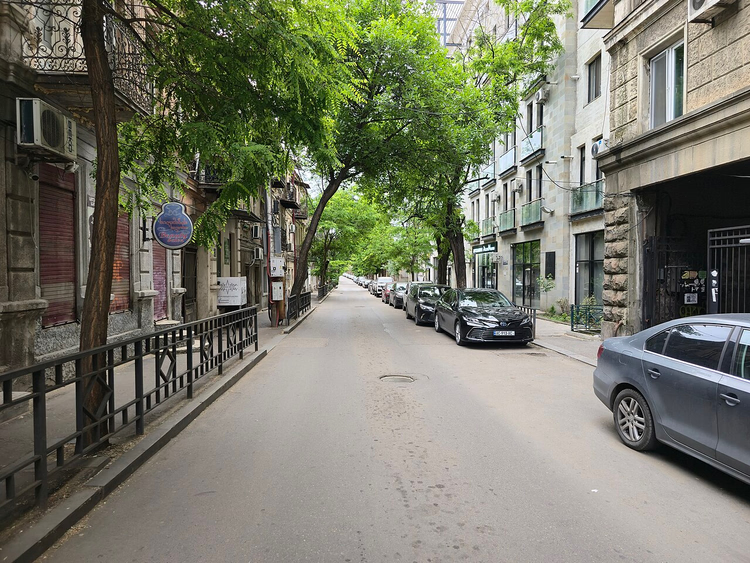
Here the focus is on the history of the road and its main points: Zhinvali Reservoir, the Cross Pass, Ananuri Fortress, and Sioni Church. The guide explains how the route evolved from a trade path to a modern highway.
The route ends in Stepantsminda, also called Kazbegi. From there the ascent to the Trinity Church in Gergeti begins. You can make the climb on foot or ride with local drivers. Photos of this church have become a recognizable symbol of Georgia. After the tour, the group is usually treated to mountain khinkali and trout.
- Who it's for: adults only.
- The catch: at stops in the mountains it is cold even in summer.
8. Mountain Georgia in one day
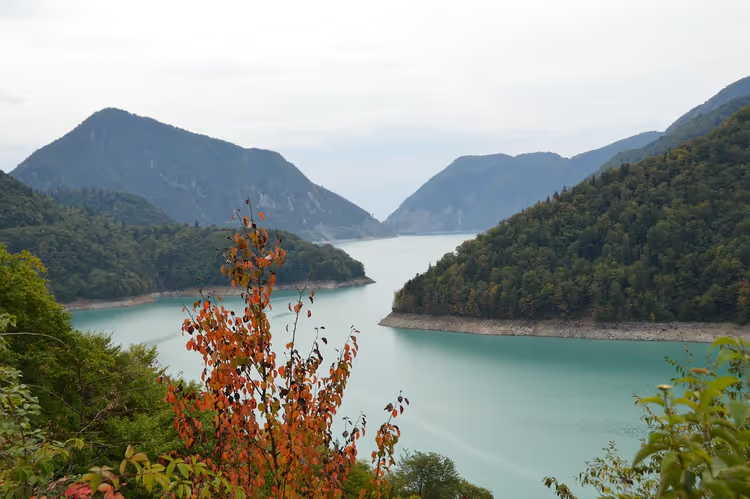
The route is long and covers a wide range of places in the country's mountain region. You drive along Zhinvali Reservoir, cross the Cross Pass, and turn toward the Terek Gorge. At Ananuri, the bastions of a medieval fort have been preserved.
Next, the group tries narzan from a mineral spring. The finale is the climb to the ancient Gergeti Church, which stands against the backdrop of white Mount Kazbek. The guide makes stops where the best view of the ridge opens up. Lunch usually consists of khinkali made according to traditional recipes.
- The catch: over the course of the day you will cover several hundred kilometers.
9. Churches and wines of Kakheti
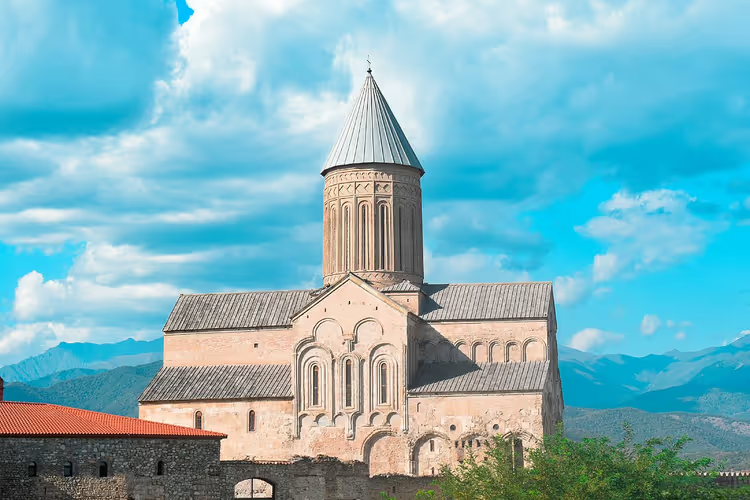 © GuramGraphy · CC BY-SAPhoto: GuramGraphy, CC BY-SA (https://creativecommons.org/licenses/by-sa/4.0), Wikimedia Commons
This tour combines the holy sites of Kakheti with wine from local producers. Participants visit the monasteries of Dzveli Shuamta, Akhali Shuamta, Ikalto, and Nekresi. St. George's Cathedral in Alaverdi is among the tallest churches in the country and serves as an example of medieval architecture. It is easy to recognize by its austere silhouette and tall bell tower.
A separate stop: a pottery workshop where qvevri are made, the large vessels used for wine. At a private winery you taste wine and chacha and see how they are produced. The trip lasts a full day and is designed for a small group of any age.
- The catch: many churches in a row, by evening attention fades.
10. Mtskheta and Borjomi
Mtskheta is a UNESCO World Heritage site, and here you come into contact with three shrines: Svetitskhoveli Cathedral and the Jvari and Samtavro monasteries. Each of them is tied to the history of Christianity in Iberia. All of the buildings are under UNESCO protection.
On the way to Borjomi, the guide talks about the traditions of different peoples of Georgia. On site, you try hand-made khinkali. In Borjomi, the focus is on the history of the mineral water and its properties: this resort was loved by the Romanovs and Stalin. Guests see the Church of Seraphim of Sarov, the old railway station, and stroll through the park along the river.
- The catch: there can be lines for the cable car in Borjomi in summer.
11. Gergeti Monastery high in the mountains
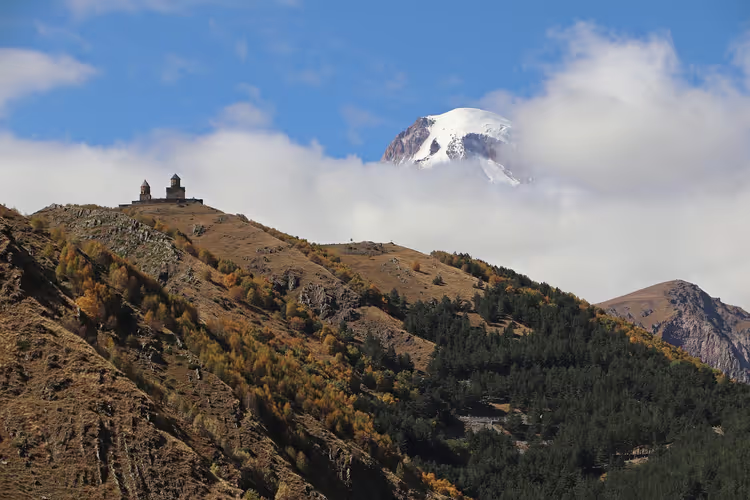
A day trip to Georgian shrines is packed with events. The Aragvi Gorge was described by Lermontov in the poem "Mtsyri," and Jvari and Mtskheta lie nearby. From the shore of the Zhinvali Reservoir, you can see submerged villages.
Your route goes through the viewpoint under the "Friendship of Peoples" monument and Ananuri Fortress. The main goal of the trip: the Holy Trinity Church in Gergeti on top of a hill. You'll have to climb on foot or in an off-road vehicle offered by locals. Part of the route runs along a cliff, so stay away from the edge. Groups are large, up to twenty people.
- The catch: the climb up the mountain is hard without preparation.
12. Budget tour of the Kakheti circle
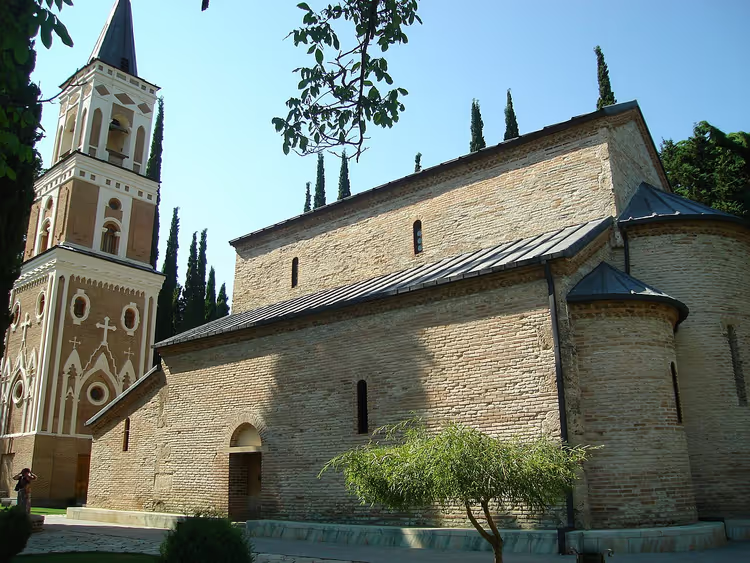
Kakheti occupies the fertile Alazani Valley, and this trip covers it in one day. The program goes through the women's monastery in Bodbe, where people make wishes at the grave of Saint Nino. Locals believe the request will come true.
In Sighnaghi, you'll see the Wedding Palace, where weddings are held around the clock, and the local museum with works by Lado Gudiashvili and Niko Pirosmani. Then the group heads to the Tsinandali and Telavi wineries, tours the Chavchavadze estate and the Shuamta monasteries. This program is cheaper because of the short distances between stops.
- Who it's for: those who want to see Kakheti with minimal spending.
- The catch: one day for everything, so little time is left for tastings.
13. Kazbek, guardian of the east
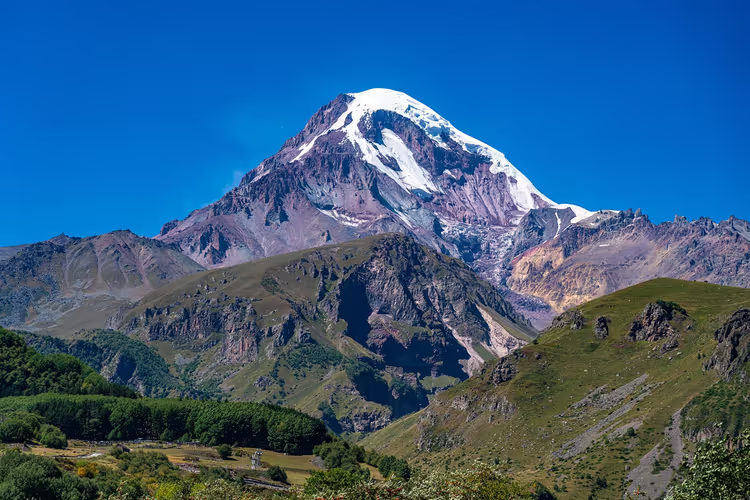
The road from Tbilisi to Kazbek follows the old Georgian Military Road and passes through Ananuri, Pasanauri, Gudauri and Stepantsminda. Each village has its own history and character. Along the way, you take photos against the backdrop of the mountains and try water from narzan springs.
The main goal of the trip: the ascent to Gergeti Church. The climb is long, and some tourists take a jeep from local drivers. From the top, you get a view of the five-thousander Kazbek, which is why people come here. The group usually returns after dark, so plan a day with no evening commitments.
- Who it's for: groups of any age.
- The catch: the one-way journey takes several hours.
14. Wine tour to Kakheti
 © Gerd Eichmann · CC BY-SAPhoto: Gerd Eichmann, CC BY-SA (https://creativecommons.org/licenses/by-sa/4.0), Wikimedia Commons
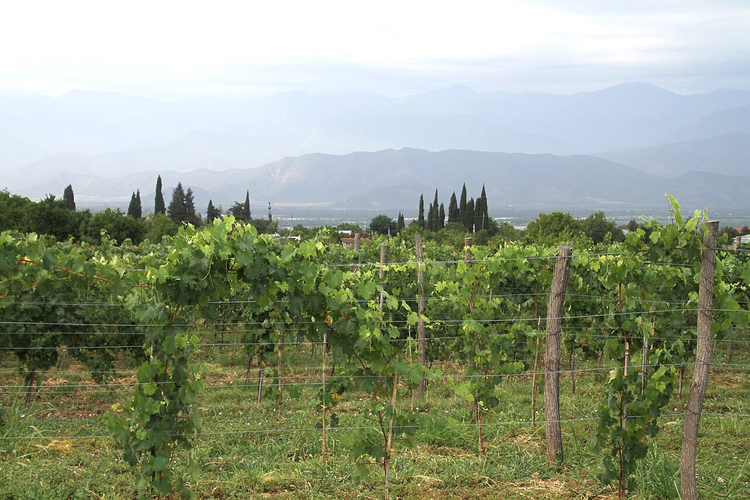
This tour is dedicated to Kakhetian winemaking. You go to Kvareli, to the Kindzmaraulis Marani winery, and see how wine and chacha are made. A separate museum tells about the rare grape varieties grown here.
The storage part is no less interesting. The group descends into the wine cellars and the Gvirabi tunnel, where Khareba Winery keeps its products. The finale of the trip: a tasting of Kakhetian wines, from dry to fortified. In Tsinandali, you'll take a walk through the old park of the Chavchavadze estate, where long-lived trees grow.
- Who it's for: those who know wine or want to start.
- The catch: without a car, these wineries are hard to reach.
15. In the embrace of Kazbek
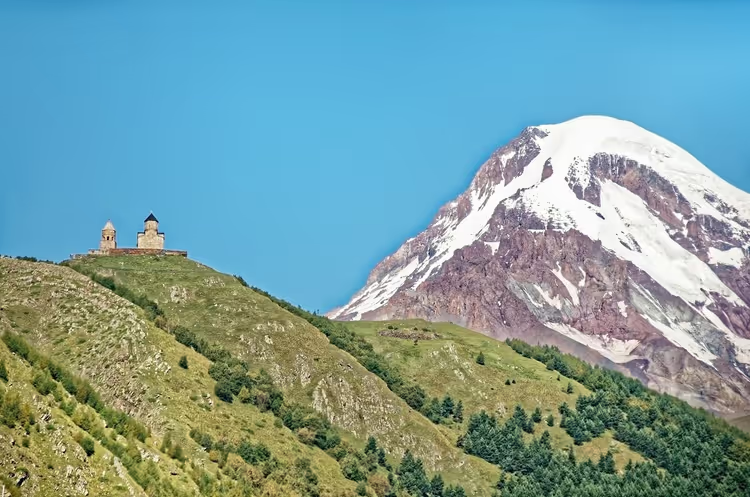
The trade route across the Caucasus Range became a full-fledged road in the 19th century. The Darial Gorge, the Cross Pass and Mount Kazbek itself remain the main natural landmarks.
In Pasanauri, you can see a rare sight: the Aragvi River flows here in two streams of different colors. In the village of Kazbegi, the ascent to the Holy Trinity Church begins. It stands on the summit and is visible from any point below. Groups are large, with no age restrictions, so the vehicle can get noisy.
- The catch: in high season, the viewpoints are crowded.
16. The lost Truso Gorge and the Valley of Narzans
 © David Osipov · CC BYPhoto: David Osipov, CC BY (https://creativecommons.org/licenses/by/4.0), Wikimedia Commons
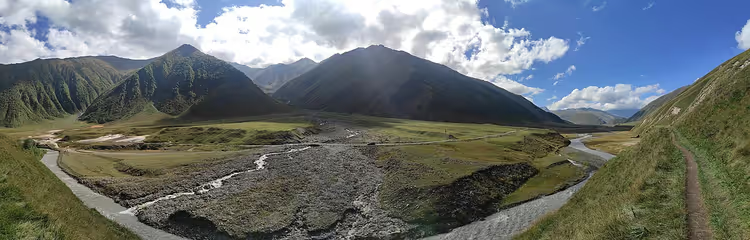
The Truso Gorge is called a lost world. Harsh conditions forced people to leave, and empty settlements remain after them. The Valley of Narzans surprises with a bottomless lake, boiling water in the springs and oddly shaped travertines.
Here you drink narzan right where the water comes out of the ground. The guide shows the remains of ancient shrines and the ruins of Zakagori Fortress. Part of the route is on foot, so bring comfortable shoes and covered clothing. Children can join the group, but the route is not for those who aren't ready to walk.
- The catch: without good shoes, it's easy to stumble on the rocks.
17. Mtskheta: Jvari and Svetitskhoveli
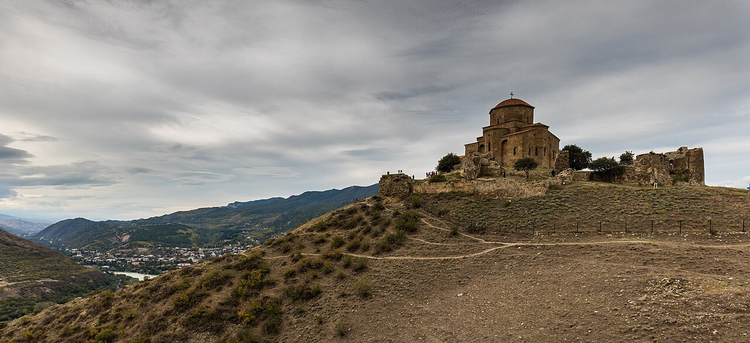 © Diego Delso · CC BY-SAPhoto: Diego Delso, CC BY-SA (https://creativecommons.org/licenses/by-sa/4.0), Wikimedia Commons
Mtskheta stretches along the Aragvi and Kura rivers, and architectural monuments stand close together here. Among them, the Jvari, Svetitskhoveli and Samtavro churches, built in the 6th to 11th centuries, stand out. They hold relics of the Georgian Orthodox Church.
The men's monastery at Jvari became the prototype for the monastery in Lermontov's "Mtsyri." The cathedral itself stands on the spot where the Christian cross of Georgia was erected. In Svetitskhoveli, Iberian kings were crowned, and their sarcophagi are in the underground crypt. The guide adds the history of the names and local traditions.
- Who it's for: a short tour, suitable for families with children.
- The catch: Jvari has a steep climb to the church.
18. One-day tour: Mtskheta, Kazbegi, Ananuri
You'll see the Caucasus Mountains, the Terek, the Aragvi and the steepness of the Darial Gorge. This is the most packed one-day program in the selection.
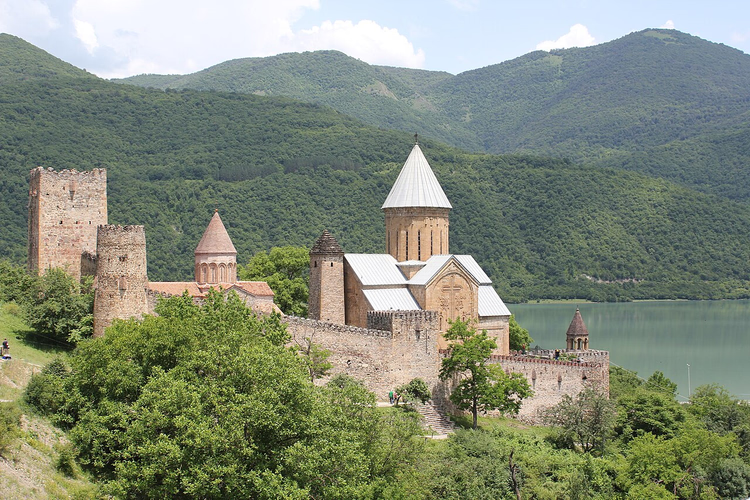 © Arian Zwegers from Brussels, Belgium · CC BYPhoto: Arian Zwegers from Brussels, Belgium, CC BY (https://creativecommons.org/licenses/by/2.0), Wikimedia Commons
The main part is dedicated to the shrines: Jvari, Svetitskhoveli and Tsminda Sameba. You walk through the streets of Mtskheta and touch the stone bastions of Ananuri. The guide talks about the Mokheve, local mountaineers and hunters. Hosts treat you to mkhlovani or khinkali. The day ends at the Holy Trinity Cathedral in Gergeti.
- The catch: in one day, you're very tired by evening.
- Who it's for: groups of up to five people, including children.
19. Akhaltsikhe and Vardzia
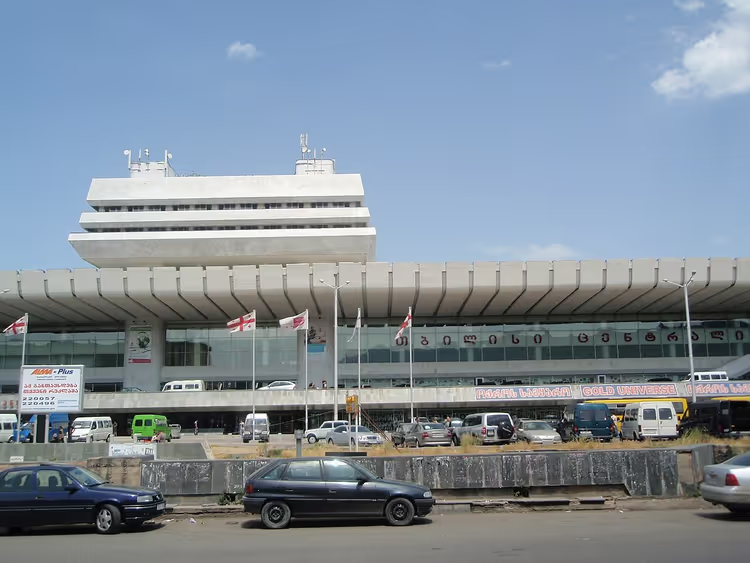
Vardzia grew out of the cave complex of the same name. The tuff cliffs on the left bank of the Kura were turned into a real city. The caves housed monasteries, churches, book repositories, and even a water supply system.
You will visit the Zemo Vardzia and Vanis Kvabebi monasteries and see the Rabat and Khertvisi fortresses. You can swim in the thermal pool. During the day, a tasting of Georgian dishes and, if you wish, plum vodka is included. The guide tells you about the history and traditions of the region in clear language.
- The catch: without a swimsuit and a towel, you won't be able to swim in the thermal pool.
20. Through Kakheti with a Kakhetian
Kakheti is a land of winemaking and ancient monuments. On this trip, you stop in Sighnaghi, Tsinandali, and Telavi. Old Telavi has preserved elements of ancient architecture, and the royal residence of Heraclius II became part of the historical and ethnographic museum in the Batonis Tsikhe fortress.
Another museum, dedicated to the Chavchavadze family, awaits you in Tsinandali. At the grave of Saint Nino, who is especially revered by Georgians, you can make a wish. As a memento of the trip, it's worth taking a couple of bottles of local wine, but remember the rules for carrying it on a plane.
- The catch: there are many tastings, and food to go with them is not always provided.
21. Legendary places of Georgia: Vardzia, Borjomi, Rabat
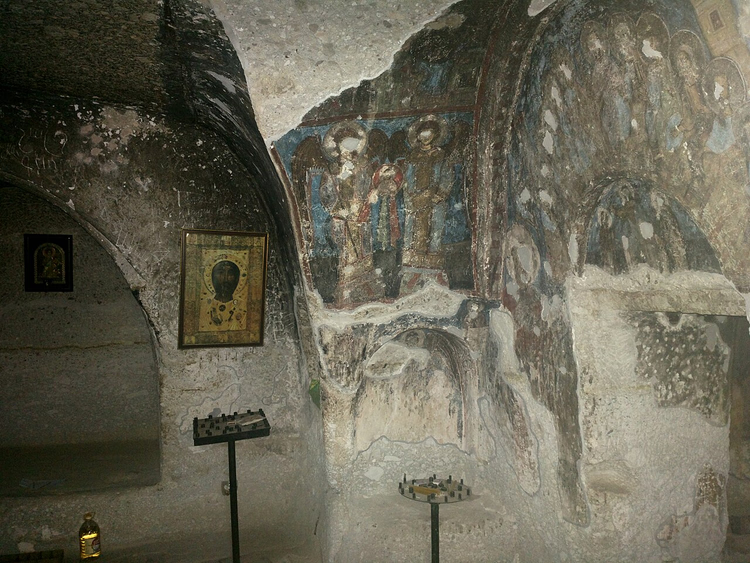 © Soghomon Matevosyan · CC BY-SAPhoto: Soghomon Matevosyan, CC BY-SA (https://creativecommons.org/licenses/by-sa/4.0), Wikimedia Commons
This route brings together Georgia's iconic places in one trip. A multi-level city with many rooms is carved into the cliffs of the Vardzia cave complex. The Vardzia caves had their own temples, libraries, refectories, and baths.
The Rabat fortress has preserved an archaic Georgian style, and its bastions show how large the fort was. In Borjomi, the focus is on the history of the mineral springs and their healing properties. Before the revolution, the Romanov royal family came here for balneological treatment.
- The catch: the trip packs in a lot of travel between stops.
- Who it's for: groups of up to four people with no age restrictions.
22. Alazani Valley
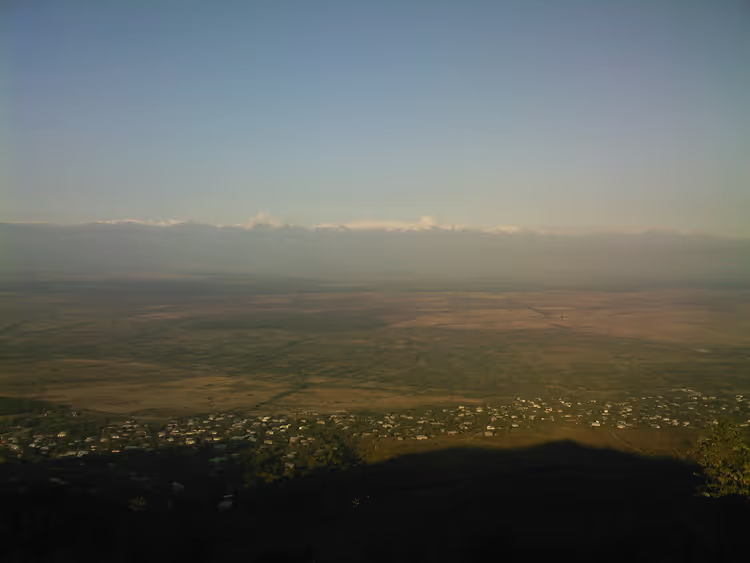
The road through Kakheti passes through authentic villages with preserved architecture. You'll see a church with two domes and Georgia's oldest chateau. In Telavi you stop at the country's only Palace of the Kings. In Gurjaani, the active mud volcanoes draw attention.
Along the way, views open up of the Gombori Range and the Alazani Valley. Photo stops are planned in Ujarma, Alaverdi, and Sighnaghi. The main part is devoted to the history of winemaking: you visit a museum in Velistsikhe and taste local labels. Groups are small, with no age restrictions, so you can bring children.
- The catch: at the end of the trip, the mountain switchbacks can cause motion sickness.
23. Vardzia by car
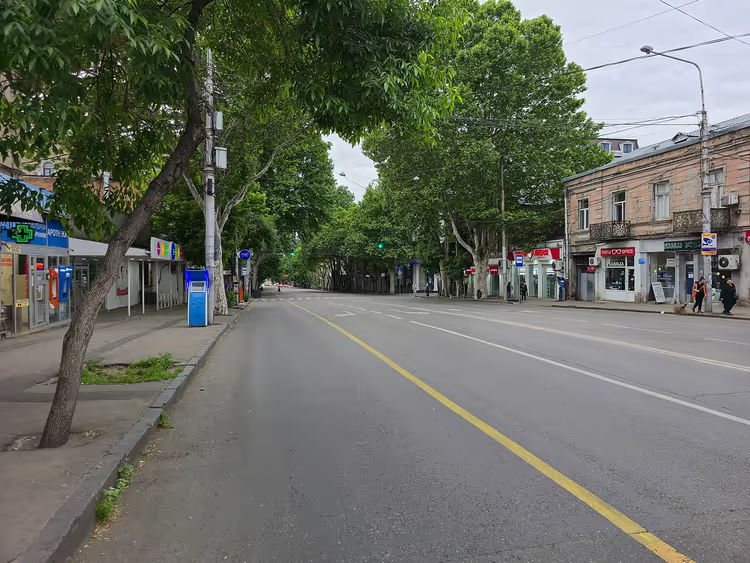
Vardzia is one of Georgia's most visited sites, about an hour's drive from Akhaltsikhe. Caves carved into the rocky wall of the Vardzia gorge served as dwellings, defenses, and places of ritual. The city's layout divides the caves into thirteen levels, and some of the halls are connected by passages.
 © David1010 · CC BY-SAPhoto: David1010, CC BY-SA (https://creativecommons.org/licenses/by-sa/4.0), Wikimedia Commons
You'll see the Church of the Dormition. Staircases with railings and lighting lead to it. The active monastery in the caves is closed to outsiders. The Rabat Fortress in Akhaltsikhe showcases the skill of medieval builders: it has been restored and opened as a tourist site. Inside, the Samtskhe-Javakheti Museum, the Ahmedie Mosque, an amphitheater, and a fort are open.
- The catch: the active monastery in the caves is closed to visitors.
24. Wine tour to the Kartli region
This route combines the country's main churches with a tasting of Kartli wines. You get to know Jvari and Svetitskhoveli, which showcase a thousand years of architectural tradition. The history of Georgian statehood is closely tied to these cathedrals.
On the rocky bank of the Kura River near Gori, the cave city of Uplistsikhe was carved out. The rooms in volcanic rock have survived and are open for viewing. On the bank of the Tana stands the Ateni Basilica with rare frescoes (as of 09/2026, Georgia travel portal). The trip ends with a tasting of white and red wines, including sparkling Atenuri. Departures are arranged on request, so the date and route can be tailored to you.
- Who it's for: groups of up to four, departure on demand.
- The catch: without a guide, some wine names are hard to remember.
25. Chiatura and Katskhi
 © David Osipov · CC BYPhoto: David Osipov, CC BY (https://creativecommons.org/licenses/by/4.0), Wikimedia Commons
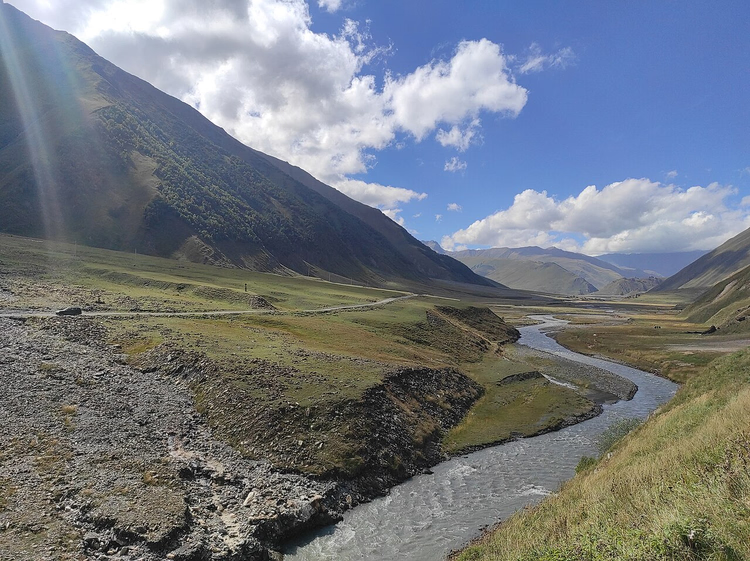
Chiatura grew up around manganese mines that began operating in the late 19th century. A cable car was built to transport the ore. Today the suspended lines have become the main form of city transport and the main local attraction.
From the cabins you can see the entire panorama of the city. Near Chiatura stands a monastery on a forty-meter cliff. Visitors are not allowed inside the monastery; you can only look from the outside, but the views around are worth the trip.
- The catch: the trip to the western part of the country takes almost a full day.
26. Abandoned towers of the Truso Gorge
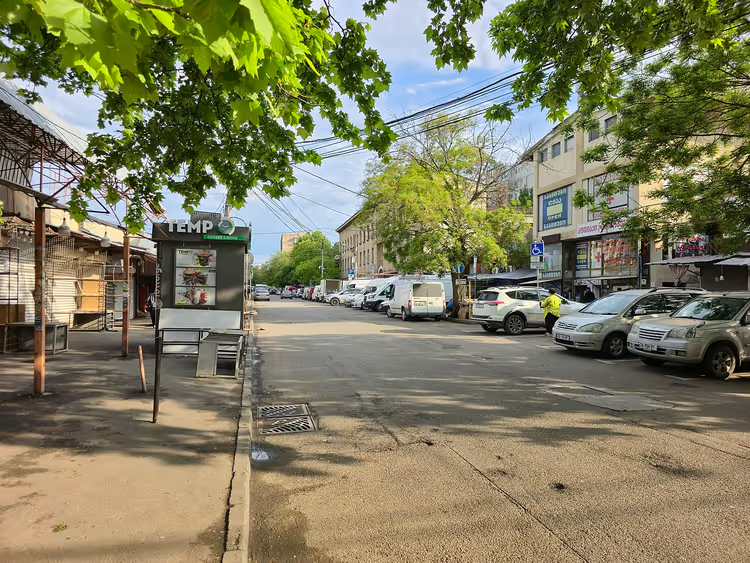
The Truso Gorge is known as the Valley of the Narzans. Dozens of mineral springs surface here: carbonated, ferruginous, and hydrogen sulfide. Travertines formed from calcium deposits are common and have long been used in construction here.
 © David1010 · CC BY-SAPhoto: David1010, CC BY-SA (https://creativecommons.org/licenses/by-sa/4.0), Wikimedia Commons
The landscape is complemented by boiling lakes: when gas escapes, the water bubbles as if it were boiling. Small geysers also appear. The man-made part includes stone towers built in every settlement for defense against enemies. The jewel of Truso is the castle of the princely Machabeli family. Group size here is limited so that these unspoiled places don't turn into a noisy excursion.
- The catch: part of the route goes over rocks, so sturdy footwear is needed.
27. Prehistoric southern Georgia
The trip leads from the capital to the country's southern outskirts. Kvemo Kartli has preserved many traces of past eras. In the village of Dmanisi, the remains of the earliest hominids to live on the European continent were excavated. The local museum displays copies of skeletons of prehistoric humans and a saber-toothed tiger.
The village of Bolnisi takes pride in Georgia's first Sioni-type church. Inside, the oldest inscription in the Georgian alphabet has survived. You'll see another Sioni Basilica at the Dmanisi settlement. Along the way you'll encounter the Tsugrugasheni Church and the Kveshi Fort, and you can try mineral water from the springs. This route is chosen by those interested in archaeology and early Christianity rather than wine.
- The catch: the drives are long, while the stops are short.
28. Two-day jeep tour "Only the stars are higher"
 © Kober · CC BY-SAPhoto: Kober, CC BY-SA (https://creativecommons.org/licenses/by-sa/3.0), Wikimedia Commons
This vehicle tour takes you into the northeastern regions of the country. Part of the road follows switchbacks with views of the surrounding mountains. The goal of the trip is the Argun Gorge, where fortified dwellings and towers have survived in high-mountain villages.
The ensemble in the village of Shatili is among the candidates for the World Heritage list. In the villages of Lebanskari and Kistani, castle-type structures are shown. The deserted village of Mutso is called a dead city in the chronicles. A separate grim stop: the Anatori burial grounds, where plague victims were sent. At the end, guests are offered Khevsur khinkali and local wine.
- The catch: it's a two-day tour, and you spend the night in high-mountain villages without amenities.
- Who it's for: those ready for off-road driving and overnight stays in the mountains.
29. Kutaisi shrines and Sataplia caves
 © Robot8A · CC BY-SAPhoto: Robot8A, CC BY-SA (https://creativecommons.org/licenses/by-sa/4.0), Wikimedia Commons
The program takes you to the center of Western Georgia, to Kutaisi. The city is about two thousand years older than Tbilisi and was the capital of the Kingdom of Imereti. In the ancient Bagrati Cathedral, David the Builder, the first monarch of a united Georgian state, was crowned.
Two famous monasteries await you: Motsameta and Gelati. The Motsameta Monastery holds the relics of Saints David and Constantine. Gelati is known for its mosaics, the finest in the South Caucasus. In the Sataplia caves, traces of giant prehistoric reptiles have been preserved, and a glass platform over the abyss offers a view straight down. Groups here are large, but the route is easygoing and without long climbs.
- The catch: the glass platform is not for those afraid of heights.
30. Khevsur delicacies and Bochorma
This is a gastronomic tour about cheesemaking traditions. You ascend into the high-mountain regions of Pshavi and Khevsureti. Local mountaineers treat you to cottage cheese in clarified butter, blue cheese, and other dairy products. The guide talks about the daily life and customs of the Pshavs and Khevsurs.
The ancient fortresses of Bochorma and Ujarma are open for viewing. They were once the main defensive structures of the Kingdom of Kakheti. At the weaving and carpet museum in Akhmeta Municipality, you can see how authentic carpets and bags are made. Along the way, mountain landscapes and architectural monuments unfold, and the climb into the mountains requires stamina.
- The catch: the excursion is booked individually, and the climb is hard for the elderly and children.
⁉️🤔 Frequently asked questions
How much does a tour from Tbilisi cost?
The operator sets the price, and it depends on group size and season. One-day tours to Kakheti or Kazbegi are usually cheaper than multi-day trips. Check the cost with the organizer before booking and confirm whether lunch and entrance tickets are included.
Can I get to Kazbegi without a guide?
Yes. Minibuses and buses run from Tbilisi to Stepantsminda along the Georgian Military Road. From there you walk to Gergeti or take a car from locals. A guide is useful for the history, but the route is marked and doable on your own.
What should I do in winter?
Some mountain roads close in winter due to snow, so Kazbegi and Gudauri may be inaccessible. In the cold season, choose Mtskheta, Kakheti, Borjomi, or Kutaisi. Check the forecast and road conditions before heading out.
Do I need a guide in Mtskheta?
Without a guide you will see the buildings but miss the history. Svetitskhoveli, Jvari, and Uplistsikhe are tied to the Christianization of Georgia and the reign of the Iberian kings, and only a narrative explains those connections. If you want to understand the context, take a guided tour.
What should I bring on the road?
Bring water, comfortable shoes, and a light jacket: the mountains are colder than Tbilisi. For routes with a walking section, such as Truso, closed-toe sneakers are a must. Cash will come in handy for narzan water, souvenirs, and tastings.
How many days do I need for Georgia?
For a quick introduction, three to four days is enough: one day for Mtskheta, one for Kakheti, and one for Kazbegi. If you want to see Vardzia, Kutaisi, and the caves, add another day or two. Travel between destinations takes time, so don't plan three sites per day.
In short: what to book
If you're visiting Georgia for the first time, start with the Georgian Military Road and Mtskheta. If wine interests you, choose Kakheti. If you want mountains and quiet, pick Truso or Khevsureti.
- If you have one day: the Georgian Military Road to Kazbegi or Mtskheta with Uplistsikhe.
- If you're traveling with kids: Mtskheta, Borjomi, or Kutaisi.
- If you're into wine: Kakheti, Tsinandali, and Telavi.
- If you love mountains: Truso, Shatili, or Kazbegi with an overnight stay.
Book your tour in advance, especially from May through September.

A small editorial team writing guides for independent travel. We travel ourselves, but we haven’t been everywhere, so we check prices, opening hours and how to get there against official sources.