
















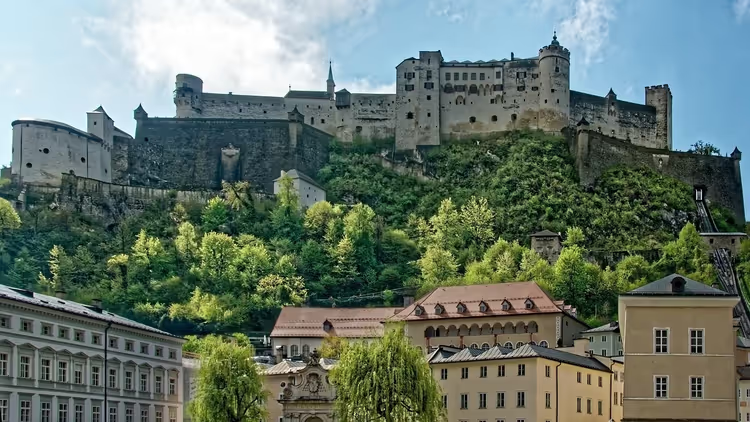
Where to stay in Salzburg: 5 districts for 2026
Salzburg is compact: from the train station to the Old Town it's a 20-minute walk (on the map). But choosing a neighborhood to stay in is still not easy.
The city's five districts differ sharply in price, noise, and distance to the main sights. Altstadt is always in the middle of the action, while Nonntal and Leopoldskron-Moos offer quiet and greenery. Below we break down each district: who it's for, which hotels hold their standard, and what to expect in terms of money.
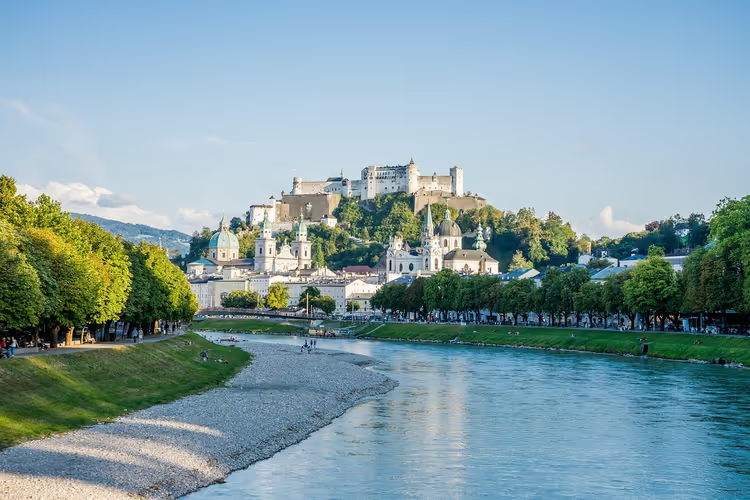
Let's start with money. The Hohensalzburg Fortress above the city is open year-round: admission with the funicular costs €15.50, and a full ticket with museums is €19.20 (as of 09/2026, official fortress website).
Ad: this article contains affiliate links, we earn a commission if you book through them, at no extra cost to you.
Which Salzburg district is right for you
💡 In short:
- For a first visit, choose Altstadt (Old Town): the main sights are close, but prices are higher.
- For families and museums, Neustadt works well; for nature and quiet, Nonntal.
- For one night near the station, Elisabeth-Vorstadt is the most convenient.
- Prices and opening hours for the fortress and Salzburg Card: 09/2026, verified on the official fortress website.
District | Who it's for | Walk to the center (on the map) | Price level |
|---|---|---|---|
Altstadt | First visit, strolling | you're already in the center | high |
Neustadt | Families, culture | 10-15 minutes | medium |
Nonntal | Nature, quiet | 15-20 minutes | medium |
Leopoldskron-Moos | "The Sound of Music", views | 25-30 minutes | medium and up |
Elisabeth-Vorstadt | Train, one night | 20 minutes | below average |
Below, the districts go from the most central to the quietest. Keep a simple rule in mind: the closer to the Salzach and the fortress, the more expensive the night and the more tourists under your windows.
Before choosing, answer two questions: how much are you willing to walk, and do you need a car. If you want to see everything on foot, stay near the center. If you plan day trips around the Salzkammergut by car, pick a district with parking.
1. Altstadt (Old Town): for a first visit
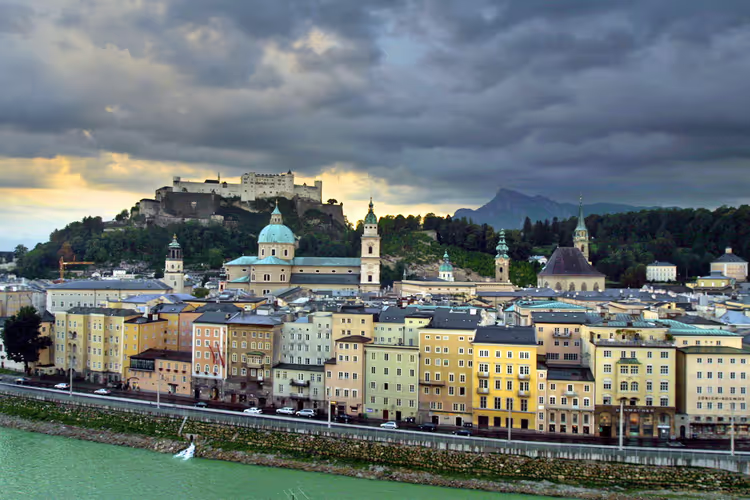 © Thomas Pintaric (= Pintaric ) · CC BY-SAPhoto: Thomas Pintaric (= Pintaric ), CC BY-SA (http://creativecommons.org/licenses/by-sa/3.0/), Wikimedia Commons
Altstadt lies on the left bank of the Salzach and remains the historic core of the city. If you're visiting for the first time, staying here is the most convenient: Salzburg Cathedral, Domplatz, Mozart's birthplace on Getreidegasse, and the funicular to Hohensalzburg Fortress are all within five minutes of each other. The district is built up with houses that are several centuries old, so a night in the center costs more than on the right bank.
More expensive doesn't mean worse. The hotels in the center are small and full of character: castle-style ones like Hotel Schloss Mönchstein sit alongside boutiques like Hotel Goldgasse and Hotel Wolf. A budget option with atmosphere can be found at Gästehaus im Priesterseminar, a former archdiocesan seminary with rooms under old vaulted ceilings. A compromise between old decor and modern comfort comes from the Radisson Blu Hotel in a building right by the river.
Food is easiest here. St. Peter Stiftskulinarium in St. Peter's Abbey is considered one of the oldest restaurants in Europe. Local cuisine is served at Zwettler's and Pauli Stubm, and for a modern vibe head to Afro Café, StageBar with karaoke, or Flip with cocktails and live music. Entry to most churches and squares is free; you only pay for museums and the fortress ascent.
Another plus of Altstadt: the evening lighting. After sunset, the cathedral, the Residenz, and the fortress glow with warm light, and the streets nearly empty out once the daytime groups leave. Shops on Getreidegasse close early in the evening, so go for souvenirs during the day and save the evening for dinner and a stroll. At dusk the center is yours almost without crowds, and that alone makes it worth staying the night here.
Keep noise in mind too. Old buildings don't block street sound well, and guided groups walk the cobblestones until late at night. If you need quiet sleep, ask for a room facing the courtyard or on an upper floor, away from Getreidegasse. Early in the morning, by contrast, Altstadt belongs to you: before the first groups arrive, Domplatz is nearly empty, and the city looks the way it does in old engravings.
- Who it's for: a first visit, a short trip of a couple of days, all sights on foot.
- Not for: those who don't want to pay for the center and hunt for parking.
- The catch: crowded year-round, hotels and restaurants are pricier, lines at bars in the evening.
- Where to compare prices: center hotels on Trip.com
2. Neustadt (New Town): for families and culture
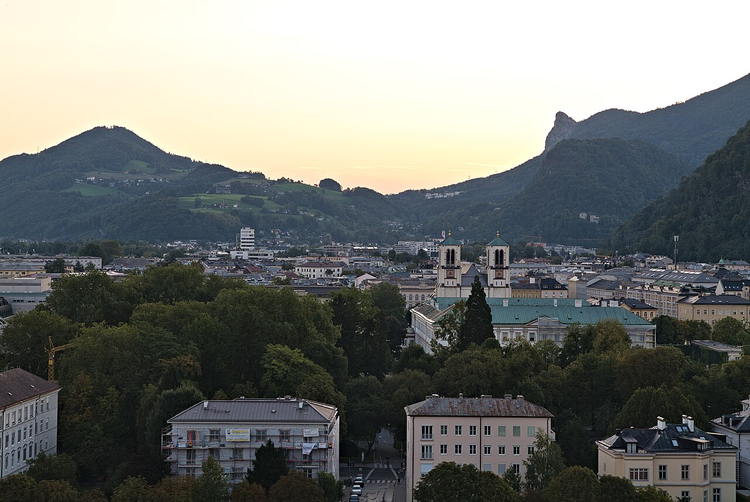
Neustadt spreads across the right bank and was built from the 17th to the 19th century. There are more parks and open space here, so families with children often choose this district. You can start the morning with a walk through the Mirabell Gardens, and nearby are the Mozart Residence (Mozart Wohnhaus) and the Salzburg State Theatre with a full program.
Hotels here cover every budget. Hotel Sacher and Hotel Bristol hold a high standard and sit close to the main sights, while Hotel Hyperion and Hotel Stein offer river views. Families like Hotel Auersperg with its garden and spa, and younger travelers like YoHo Youth Hostel with the most affordable beds in the city.
The food scene is more varied than in the center. Austrian classics are served at Maier's, Johanneskeller, and Der Kastner, and for Indian cuisine people go to Zaffran. Among bars, Steinterrasse at Hotel Stein is worth noting: it has one of the best views of the city. Coffee and cake by the classic recipe await at Café Sacher, whiskey is poured at The Salzburg Whiskey Museum, and for a pint head to PitterKeller.
On foot from Neustadt to Altstadt you'll reach in 15 minutes across the bridge over the Salzach (on the map). Parking in the neighborhood is scarce and paid, so it's easier to leave the car at the hotel.
Another plus of Neustadt is transport: buses to the station and into the Salzkammergut run through the right bank, so it's convenient to leave from here on day trips. In the morning you'll reach the Mirabell Gardens in ten minutes, and in the evening you'll return to a quiet neighborhood without the buzz of tour groups.
The downsides are traffic noise on major streets and fewer historic facades. But for the same money as the center, you'll get a larger room here. For a family with two children, the difference in space is noticeable, and a hotel garden or terrace replaces a courtyard and gives kids room to play.
- Who it's for: families with children, theater and museum lovers, those who value a river view.
- Not for: those who want to stay in the most historic core of the city.
- The catch: fewer historic hotels and restaurants than in Altstadt, and less old-world charm.
- Where to compare prices: Neustadt hotels on Trip.com
3. Nonntal: nature and quiet near the center
Nonntal grew up around Nonnberg Abbey and lies directly below the walls of Hohensalzburg Fortress. The district stays close to the center, but living here is noticeably quieter: instead of shop windows and crowds, you get local courtyards and paths up to the fortress. If you're coming for nature and don't want to stray far from the sights, this is your spot.
Mornings in Nonntal start at Nonnberg Abbey: it's the oldest convent in the region, and you can hear the nuns' choir at dawn. A walking trail leads from the walls up to the fortress, taking about 20 minutes (on the map). It's roughly a 15-minute walk to the Altstadt, so you get both quiet and proximity to the city.
There are few hotels in the district, and that's one reason it stays so calm. Townhouse Weisses Kreuz occupies a 16th-century historic building that has been tastefully restored. Jufa Hotel offers a simpler, more spacious option for families, with Pension Katrin and Hotel Via Roma nearby. Rooms here are larger and cheaper than in the center, and the quiet comes included.
Dining in Nonntal is unhurried. Specialty coffee is brewed at 220GRAD, a former workshop with a winter garden, while dinner is at Restaurant Brunnauer or Favorito. In the evening, people head up to Stiegl-Keller with a glass in hand: from there you can watch the sunset over the city's domes.
The fortress trails start right in the district: you climb a wooded path and emerge at viewpoints above the Altstadt. From here you see the fortress in full, and you won't find a better free view in the city. In the morning the trail is nearly empty; by day runners and locals with dogs appear. In the evening you see the city lights below your feet, and people climb up for this view even if they don't usually like long walks.
There are no big supermarkets nearby; for groceries, head to the small shops on the main street. On the plus side, the air is cleaner than in the center, and traffic noise is barely audible. The district also works well for guests with a car: parking at the guesthouses is cheaper than in the center, and you can walk to the fortress.
- Who it's for: couples, walkers and mountain lovers, anyone staying a week or longer.
- Not for: those who need bars, clubs, and late dinners.
- The catch: few hotels, cafes, and restaurants, almost nothing to do in the evening, and you'll have to walk to the center.
- Where to compare prices: Nonntal hotels on Trip.com
4. Leopoldskron-Moos: locations from "The Sound of Music"
 © Bede735 · CC BY-SAPhoto: Bede735, CC BY-SA (https://creativecommons.org/licenses/by-sa/4.0), Wikimedia Commons
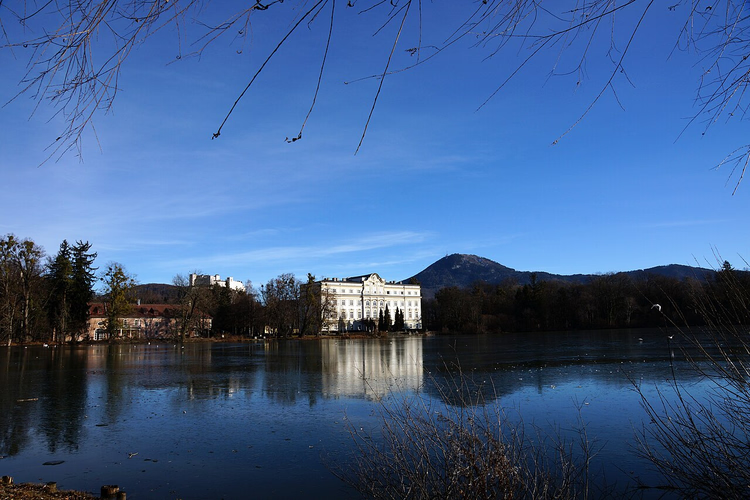
Leopoldskron-Moos lies even farther from the center than Nonntal and is considered the most picturesque part of Salzburg. People come here for quiet by the water and greenery all around, and also fans of the film "The Sound of Music": several scenes were shot right here.
The district revolves around Hotel Schloss Leopoldskron, an 18th-century castle on the shore of a pond. You can only get inside and see the filming locations as a guest; the grounds are closed to walkers. The hotel is expensive, but compared with the center, the price for this kind of atmosphere often looks reasonable. Nearby are B&B Villa Verde and Pension Ballwein, as well as Austria Classic Hotel Hölle.
Hellbrunn Palace, with its park and zoo, is closer from here than from any other residential district (on the map). The scene with the song "Sixteen Going on Seventeen" was filmed at Hellbrunn, and the gazebo was later moved into the park. For families, that's a ready-made half-day itinerary.
Dining in the district is home-style. Austrian cuisine is served at das Schrei, Zum Buberlgut, and Gasthaus Kuglhof, and fresh bread comes from Holztrattner Bäckerei. A local landmark, the Stiegl brewery with its garden, deserves a separate visit: you get both a production tour and a beer in the shade.
Hellbrunn Park is famous for its trick fountains: the water jets shoot unexpectedly, right as you walk past. Bring a raincoat if you don't want to get soaked, and plan at least half a day for the park. Nearby is Salzburg Zoo, one of the oldest in Europe, well worth visiting with children. In spring the trees around the pond are in bloom, and the waterfront becomes a pleasant place for a stroll.
For transport, the district relies on buses: a car is almost essential here, especially in the evening when services run less often. But after sunset you'll hear silence instead of the city: birds on the pond and light in the castle windows. For those tired of urban noise, the quiet here is a rare reset close to the center.
- Who it's for: "Sound of Music" fans, families with a car, lovers of views and water.
- Not for: those who don't want to depend on buses and taxis.
- The catch: you need transport, there are few hotels and restaurants, and no nightlife at all.
- Where to compare prices: district hotels on Trip.com
5. Elisabeth-Vorstadt: next to the train station
 © The original uploader was Feuersang at German Wikipedia . ( Original text: Feuersang ) · CC BY-SAPhoto: The original uploader was Feuersang at German Wikipedia . ( Original text: Feuersang ), CC BY-SA (https://creativecommons.org/licenses/by-sa/2.0/de/deed.en), Wikimedia Commons
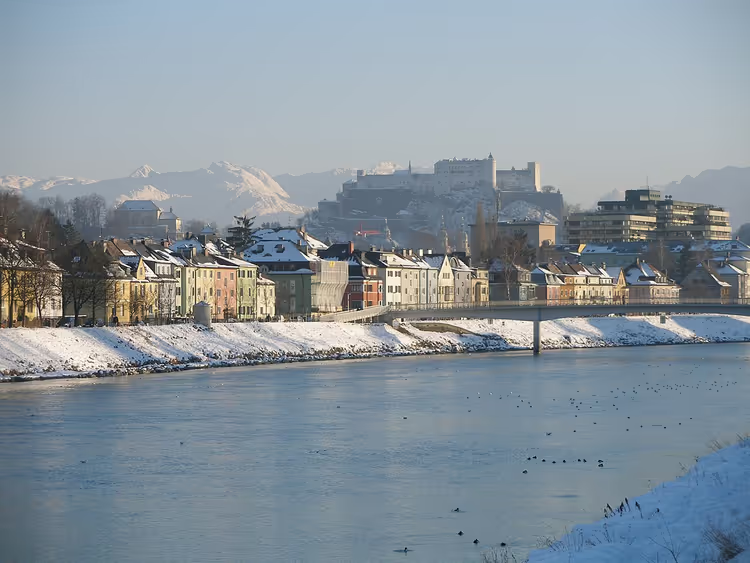
Elisabeth-Vorstadt borders Salzburg's main train station and suits those making a short stop before moving on. It's a convenient base for day trips to the Salzkammergut, and you can easily walk to the Altstadt and Neustadt in 20 minutes (on the map).
Hotels in the district are modern and practical, without unnecessary decor. The standout is Design Hotel zum Hirschen, the city's oldest family-run hotel: the building dates back to the 16th century and combines history with contemporary design and a spa. Affordable and reliable options include Hotel Cocoon, Wyndham Grand Salzburg Conference Centre, and Adlerhof, with H+ Hotel nearby.
Restaurants in the quarter focus on speed. Austrian cuisine is served at Imlauer & Bräu and Die Weisse, and a quick breakfast before the train awaits at Miss Simit FrühstücksCafé. Among coffee shops, Kowalski café & bistro stands out with its panoramic view: in the morning it's a handy spot to grab coffee and a dessert for the road.
Parking in the district is easier than in the center, and buses and trolleybuses run from the station in almost every direction. This is the most convenient option if you're traveling with a large suitcase or leaving early in the morning by train.
The district's advantage is logistics: trains and buses depart from the station to the Salzkammergut, Bavaria, and Vienna, and the quarter itself has supermarkets and pharmacies. If your train is in the morning, you won't have to drag your suitcase across the whole city. Leaving a car here is easier than in the center, and parking is cheaper. Breakfasts at local hotels are served early, which helps before the first regional train.
At night the quarter goes quiet early, with almost no entertainment. But for transit and short stops, you won't find a better address in Salzburg: you save time on travel and spend it on the city rather than on transfers.
- Who it's for: short stops, transit, early trains, and day trips.
- Not for: those coming for atmosphere and history.
- The catch: charmless buildings, little food and entertainment, and you need to walk or ride to the sights.
- Where to compare prices: hotels near the station on Trip.com
Practical tips for Salzburg
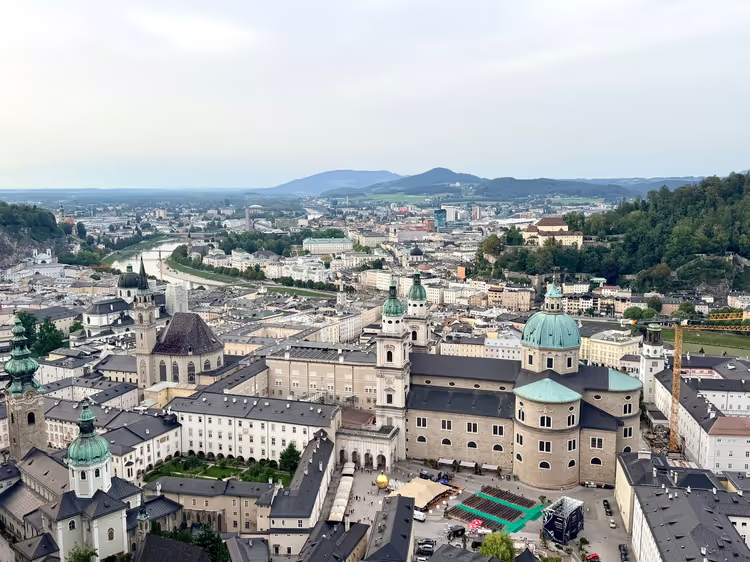
A couple of days in Salzburg will go more smoothly if you decide three things in advance: where you'll sleep, how you'll get around, and what you'll book. The five tips below will save you queue time, time, and part of your budget. Salzburg is small, and even a short trip can be packed with experiences if you prepare ahead: language, bookings, transport, and a city card matter more than you'd think. Without this preparation, you'll spend your first day on logistics instead of exploring.
See Salzburg beyond "The Sound of Music"
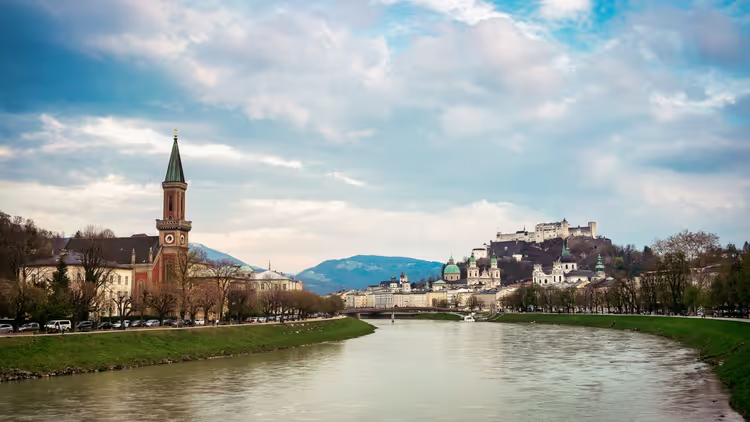
Many people come here because of the film "The Sound of Music," but most Austrians have never seen it. If the theme resonates with you, book tours of the filming locations on GetYourGuide. But leave time for the real Salzburg too: the city of Mozart, the cathedral, the old beer halls. That way your trip will be memorable for more than just movie scenes.
Learn a few German phrases
 © osmplus_org · CC BY-SAPhoto: osmplus_org, CC BY-SA (https://creativecommons.org/licenses/by-sa/4.0), Wikimedia Commons
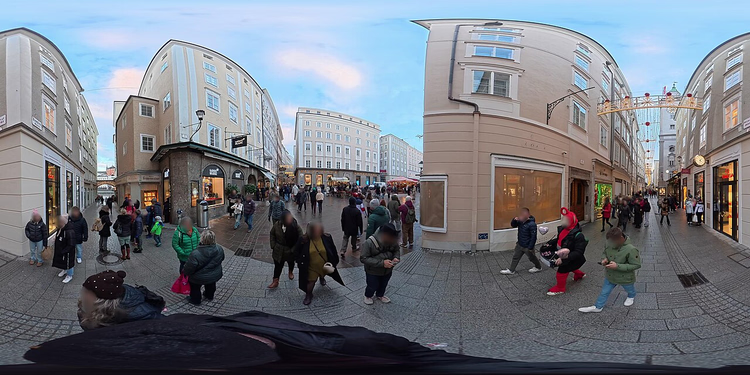
Almost everyone in Salzburg speaks English, so you won't be lost without the language. But a couple of German phrases help you understand the local way of life: "Grüß Gott" as a greeting, "Danke" for thank you, "Zahlen, bitte" for the bill. Locals appreciate the effort, and in small cafes it becomes easier to make yourself understood.
A few words are enough: "Bitte" for please, "Entschuldigung" to get someone's attention. Austrians speak their own variety of German, and a couple of phrases will mark you as a polite guest. In the mountains and the Salzkammergut, English is less widely spoken than in the center, so basic words will definitely come in handy. Also remember "Ich verstehe nicht" in case someone speaks too quickly.
Book tours and tables in advance
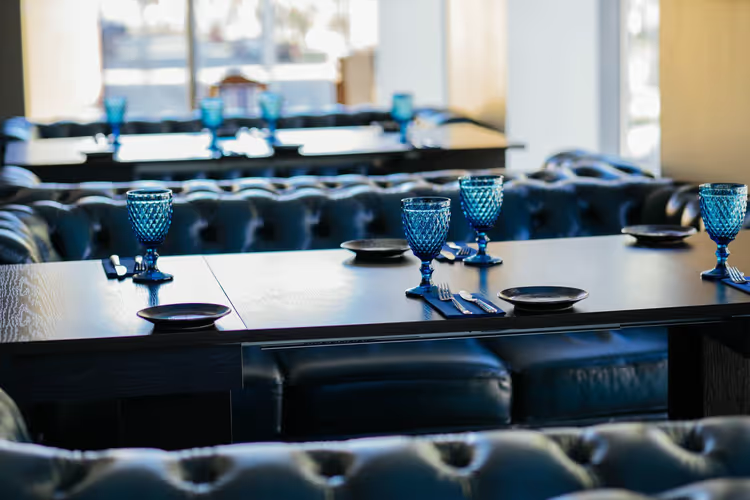
In summer, Salzburg hosts the Salzburg Festival, and the city fills up with visitors. Tickets for concerts, tours, and museum entry bought online not only save time but also spare you from standing in line. For tables at popular restaurants, book at least a day ahead, otherwise you will be waiting at the door all evening.
Walk and use public transport
 © Photo: Andreas Praefcke · CC BYPhoto: Photo: Andreas Praefcke, CC BY (https://creativecommons.org/licenses/by/3.0), Wikimedia Commons
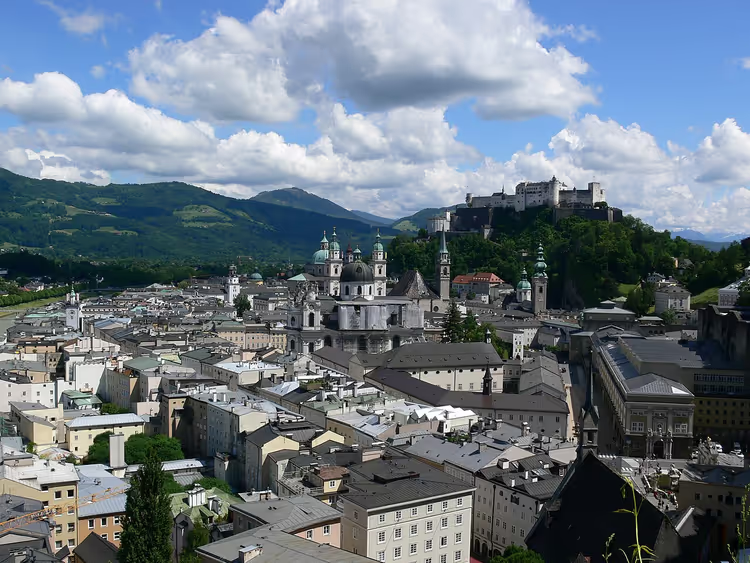
Salzburg is compact, and you can cover most places in the center on foot. Bring comfortable shoes so the cobblestones don't give you blisters. For longer trips and the Salzkammergut, buses and trolleybuses run regularly, and a day pass costs about 7 € (as of 09/2026, Salzburg Card website).
City tickets are sold at machines and in the app, and it's better to plan your trip in advance, especially at rush hour. For trips to the Salzkammergut, a train or bus is more convenient; parking a car in the center is expensive and a hassle. Bring water and comfortable shoes: some routes go uphill, and the cobblestones in the center wear you out quickly.
Buy the Salzburg Card if you plan to see a lot
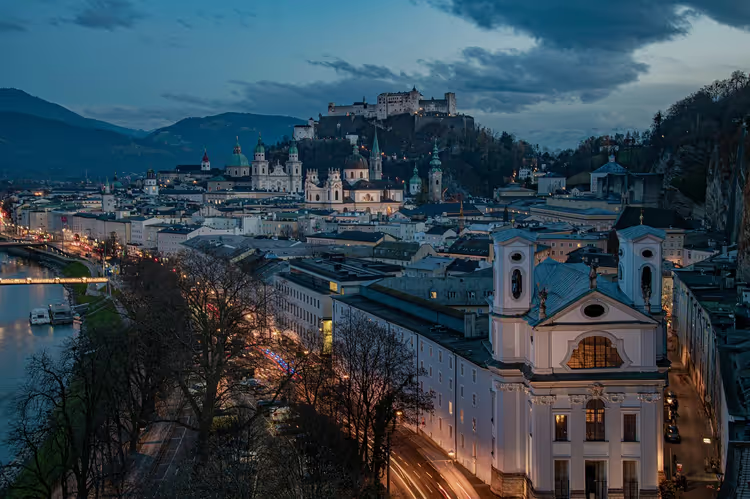
The Salzburg Card gives you one free entry to each of 24 attractions, including Hohensalzburg Fortress, Hellbrunn Palace, and Mozart's Birthplace, plus travel on city transport (as of 09/2026, Salzburg Card page). The card pays for itself after just three museums in a day. Compare the options: 24 hours cost 38 €, 48 hours 45 €, 72 hours 49 € (as of 09/2026, salzburgcard.com).
Do the math in advance: if you plan to visit the fortress, Hellbrunn Palace, and a couple of museums in one day, the card is cheaper than individual tickets. Children aged 6 to 15 get a discount, and children under 6 get free entry to many museums anyway (as of 09/2026, card prices and terms). You can buy the card online or at the city's two tourist information centers.
⁉️🤔 Frequently asked questions
How many days are enough for Salzburg?
A couple of days is enough for the basic itinerary. In that time you can go up to Hohensalzburg Fortress, visit the cathedrals and monasteries, see Mozart's Birthplace, and the filming locations from "The Sound of Music". Day trips to the Salzkammergut and seasonal festivals are not included in those days, so set aside time for them separately.
Which areas of Salzburg are best avoided for accommodation?
There are no unsafe areas in Salzburg. But it's not worth staying north of the main train station: there are business parks, warehouses, and highways there, and nothing for a tourist to see. If you don't need transport right at your doorstep, choose areas closer to the Altstadt or the right bank of the Salzach.
Where can I stay in Salzburg on a budget?
Look at Elisabeth-Vorstadt near the train station. The hotels here are simple, no frills, but still within walking distance of the Altstadt and Neustadt. A night in this area costs less than in the center, and you can walk to the main sights in 20 minutes.
Where to stay with kids?
Go for Neustadt on the right bank. There are more parks and greenery here, the Mirabell Gardens are nearby, and the hotels are modern and spacious. It's a 15-minute walk across the bridge to the Altstadt, so you get a quiet area that's still close to the main sights. Hotel Auersperg with its garden and spa is a good fit.
Where to stay for a longer trip?
Choose Nonntal. The area has a local feel, sits close to nature, and is not far from the Altstadt. The pace of life here is slower, prices are moderate, and there are trails up to the fortress nearby for walks. For a trip of a week or more, this is one of the calmest options in Salzburg.
Find hotels in Salzburg
Compare prices across booking sites and filter for rooms with free cancellation.
Compare prices on Trip.comThe widget loads once you give your consent.
In short: what's worth booking
Salzburg is walkable, so choose your area based on your plans. If it's your first visit, go for the Altstadt: everything is close by. If you're traveling with kids, choose Neustadt with its parks and the Mirabell Gardens. For quiet and nature, Nonntal or Leopoldskron-Moos work well. For a short stopover near the station, Elisabeth-Vorstadt is enough.
Book your hotel in advance, especially in summer during festival season. You can compare options across all five areas on Trip.com.

A small editorial team writing guides for independent travel. We travel ourselves, but we haven’t been everywhere, so we check prices, opening hours and how to get there against official sources.