
















Carnival in Venice 2027: dates, balls and main events
On January 23, 2027, Venice will put its masks back on. The Carnival runs until February 9, almost three weeks straight (official Carnival website, as of 09/2026).
During these days, accommodation prices rise fastest, and tickets for paid evening events sell out months in advance.
The city is small, but the visitors number in the millions. Below is practical information to help you plan your trip and not miss the highlights.
Ad: this article contains affiliate links, we earn a commission if you book through them, at no extra cost to you.
When the Venice Carnival takes place
💡 In short:
- The Carnival spans almost three weeks in late January and early February.
- Street performances and parades are free; you pay for balls, dinner shows, water shows, the Perplex party, and hotels.
- Dates and full schedule: 09/2026, verified on the official website.
The Carnival dates shift every year because the festival is tied to Ash Wednesday and Easter. Venice opens the season in late January and closes it right before Lent begins. The start always falls on a weekend. Already in the first days, St. Mark's Square fills with costumes, and you find yourself in the densest flow of visitors.
Carnival theme: the motto of the year
 © TeraGood · CC BYPhoto: TeraGood, CC BY (https://creativecommons.org/licenses/by/3.0), Wikimedia Commons
Every Carnival runs under its own motto. The most recent one was framed as "Olympus: The Origins of the Game" and referenced the Winter Olympic Games in Milan and Cortina d'Ampezzo. The organizers tied the theme to the history of Venice, where competitions and acrobatic acts were part of city life. The city's mayor compared the Carnival to a symbolic bridge between the lagoon and the mountains. The motto of the new Carnival is published in advance on the official website, so you can check it before your trip.
Program: main events
 © Monica Rondoni · CC BY-SAPhoto: Monica Rondoni, CC BY-SA (https://creativecommons.org/licenses/by-sa/4.0), Wikimedia Commons
The program rests on several recurring blocks: street performances, water shows, balls, and parades. Below are the main items worth putting on your plan.
What you can see for free
Most of the Carnival is accessible without a ticket. Acrobats perform on stages right in the narrow alleys, and traditional Italian treats and drinks are sold in the squares. Museums and cultural institutions stay open longer than usual during these days, and some admit visitors for free.
Ice rinks
In winter, rinks open in the city and on the mainland. You can skate at Campo San Polo in the very center, as well as at Piazza Ferretto in Mestre and Piazza Mercato in Marghera. Skates are provided on site, so you don't need to bring your own gear. Take warm gloves: it will be windy on the open ice, and the temperature drops by evening.
Water shows at the Arsenale
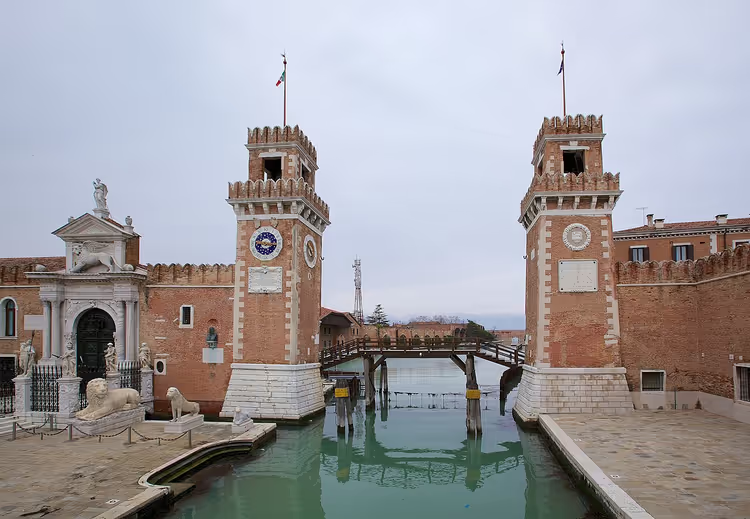
Evening performances on the water take place at the Arsenale, within the walls of the former shipyard where the Biennale usually operates. The production "Echoes of Olympia" was shown in two sessions and repeated in the last week of the Carnival (official website, as of 09/2026). Light, music, and boats turn the water into a stage, while the audience sits on stands along the canal. If you want good seats, buy tickets in advance: on big premiere days they sell out quickly.
 © Sergey Ashmarin · CC BY-SAPhoto: Sergey Ashmarin, CC BY-SA (https://creativecommons.org/licenses/by-sa/3.0), Wikimedia Commons
Perplex night party
The evening program is complemented by the Perplex club party at Tese di San Cristoforo. The venue is the historic Arsenale: the 16th-century complex has been restored and turned into a space for music, art, and major events. Three modern pavilions operate inside, which makes for an unusual stage. Both tourists and locals come here to dance until morning. Check the party date on the official website and buy tickets in advance.
Balls and dinner shows
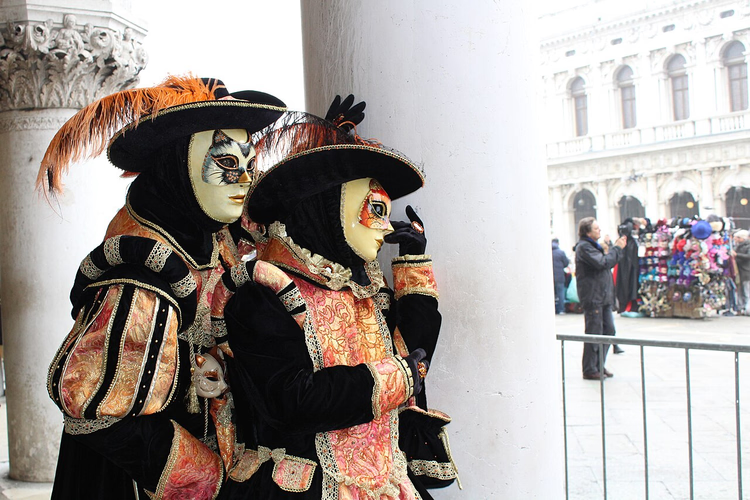
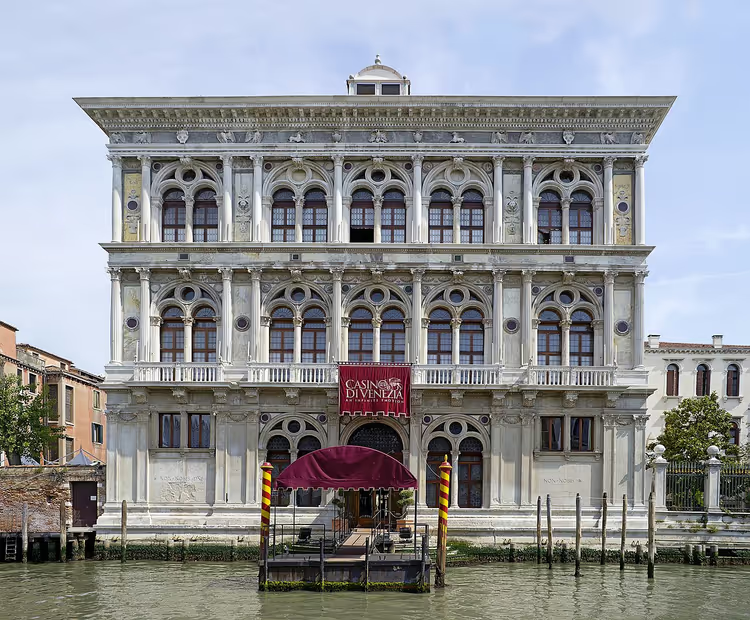
The main paid event of the Carnival takes place in the Ca' Vendramin Calergi hall on the banks of the Grand Canal. The windows overlook the water, and dinner is accompanied by artist performances. A ticket costs several hundred euros per person, so only a limited circle of guests attends these evenings. The dress code requires a historical or thematic costume; a regular tuxedo won't do: guests are expected in the looks of past eras. Seats are limited and sell out months in advance. If you want a different format, check out tours and experiences in Venice on GetYourGuide.
 © Didier Descouens · CC BY-SAPhoto: Didier Descouens, CC BY-SA (https://creativecommons.org/licenses/by-sa/4.0), Wikimedia Commons
Election of the twelve Marys
The Festival of the Marys goes back centuries: Doge Candiano III invited the most beautiful and poorest girls of the city to the Doge's Palace and gave them dowries for their weddings. The custom was interrupted in the 14th century and returned to the program only at the end of the 20th century. Twelve participants are chosen at the start of the Carnival, and a week later they are dressed at the Pietro Longhi atelier and presented to the public. It's convenient to watch them from the bridges over the canal as the girls sail past on boats.
Carnival parades
In the second half of the Carnival, large parades move through the city. They connect the historic center with the mainland: routes stretch from Lido to Burano and from Dese to Chirignago. The parades take place on different days, so check the schedule on the official pages. It's better to watch in the morning, before the crowd grows. On big parade days, St. Mark's Square fills up long before the start, so arrive early.
Flight of the Angel
One of the Carnival's main acts remains the "Flight of the Angel": an artist descends on a rope from the St. Mark's bell tower to the Doge's Palace under a rain of confetti. The act is traditionally staged about ten days before Ash Wednesday. It was performed in 2024-2026; check the date of the next flight on the official website.
Tours and tickets in Venice
Guided tours, skip-the-line tickets and activities — most offers can be cancelled free of charge.
See offers on GetYourGuideThe widget loads once you give your consent.
Where to stay in Venice
During the Carnival, hotels get more expensive than at any other time. Rooms in the center are booked several months ahead, so early booking saves a noticeable amount. If your budget is limited, look for accommodation in Mestre: trains and buses run to the historic center. Comparing Venice hotels on Trip.com is convenient to do in advance, while the selection is still wide.
How the Venice Carnival came to be

The tradition goes back to the 12th century, when city residents began Lent with a noisy celebration (official Carnival website, as of 09/2026). The word itself comes from the Latin "carne vale," meaning "farewell, meat," and recalls the fast that began the next day. Another reason was added to the festival: in 1162, the Venetians began annually celebrating their victory over Aquileia, and the festivities grew ever more lavish.
The Republic lost its independence in 1797, when the city came under Austrian rule. There was no money left for expensive balls and costumes, and for almost two centuries the Carnival ran in a reduced form. The revival began in 1979. Federico Fellini's film "Casanova," released three years earlier, brought the festival back to worldwide fame and brought the first tourists to the city (Wikipedia).
Venetian masks
 © Philip Nalangan · CC BYPhoto: Philip Nalangan, CC BY (https://creativecommons.org/licenses/by/4.0), Wikimedia Commons
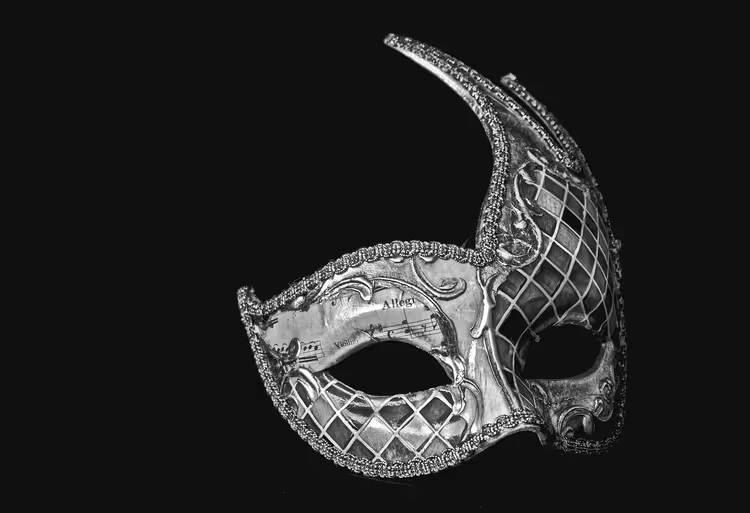
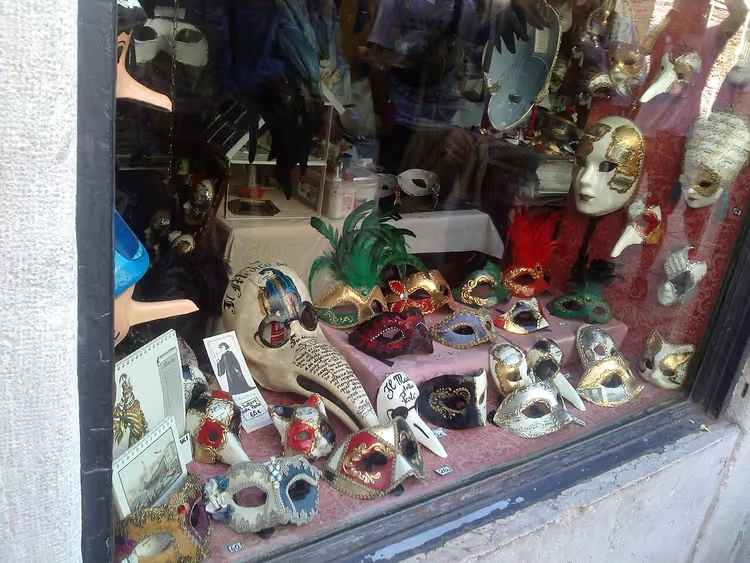
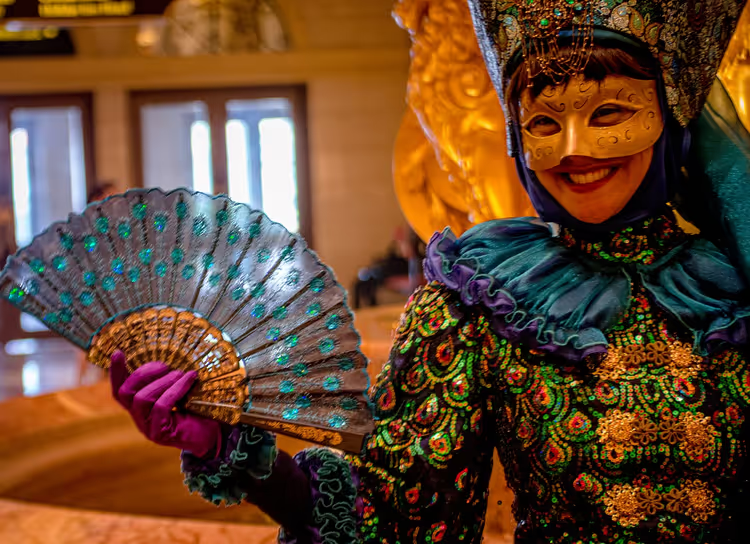
Masks in Venice were not worn only for the Carnival. In the Middle Ages, the bauta was worn for private meetings, formal evenings, and anonymous outings in the city, so the mask also gave a city resident freedom. Over time, the form became more elaborate and decorated, and ever brighter versions appeared. Today masks have become primarily a souvenir and a fashion accessory, sold in the city year-round. At the Carnival, you will most often notice half-masks from the commedia dell'arte tradition: they hide the upper face but leave it recognizable.
⁉️🤔 Frequently asked questions
How much does a trip to the Carnival cost?
Street performances, parades, and costumes in St. Mark's Square are free. You will have to pay for balls, dinner shows, water show tickets, and a hotel. The biggest expense is accommodation: during the Carnival, hotel prices are noticeably higher than usual, so book in advance.
When is the best time to go?
The opening and closing of the Carnival draw the biggest crowds. If you want calm photos, come in the middle of the week. The first weekend is good for atmosphere, and the last days are packed with parades and water shows.
Can you attend a ball?
Yes, tickets for dinner shows are sold in advance, but they are expensive. Usually it's several hundred euros per person. If your budget is smaller, choose free street performances: they convey the atmosphere just as well.
Do spectators need a costume?
Formally no, you can walk around in regular clothes. But most guests come at least in a mask, which makes it easier to blend into the festival. Expensive costumes can be rented at ateliers in the city.
How do you get to Venice?
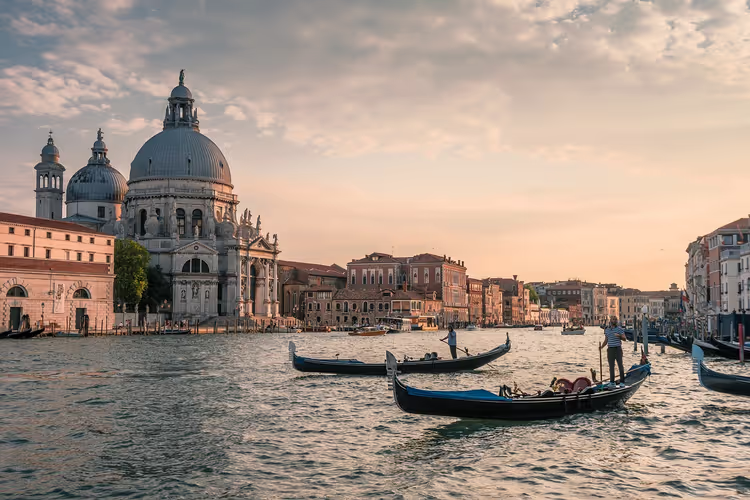
The most convenient way is by train: Santa Lucia station stands right by the Grand Canal. Buses and water taxis run from Marco Polo Airport. During the Carnival, transport is overcrowded, so buy tickets in advance.
In short: what to book
For a ball evening, dinner shows at Ca' Vendramin Calergi are a good fit; for the daytime program, free performances and parades are enough. Getting to the city is easiest by train, and it's worth buying a ticket with some buffer time.
- Want atmosphere without spending: come to St. Mark's Square in a mask.
- Want an evening with history: buy a dinner show ticket in advance.
- Traveling on a limited budget: stay in Mestre and ride into the center by train.

A small editorial team writing guides for independent travel. We travel ourselves, but we haven’t been everywhere, so we check prices, opening hours and how to get there against official sources.