
















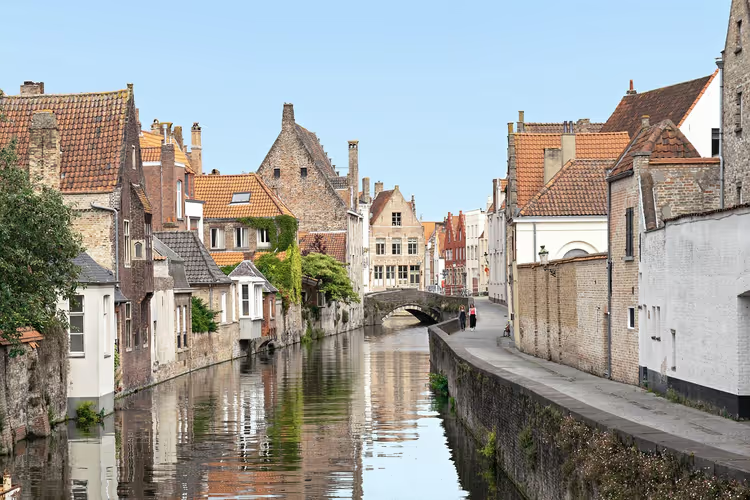
Bruges in one day: train, bus or car from Amsterdam
Getting to Bruges from Amsterdam is easy to do in half a day. On the map, the cities are about 250 km apart (route). The difference in price and time between train, bus, car, and tour is bigger than it seems.
Each option has its own scenario: you're going for one day or staying overnight, traveling as a couple or with a group, with suitcases or light. We checked carrier schedules and put together what matters most for your choice.
The takeaway is simple: the train is faster, the bus is cheaper, the car gives you freedom, and a tour takes planning off your plate. Below is a comparison by time, price, and transfers.
Ad: this article contains affiliate links, we earn a commission if you book through them, at no extra cost to you.
Options: how much it costs and how long it takes
💡 In short:
- Train: 3-4 hours with one transfer, the fastest option.
- Bus: about 5 hours with no transfers and noticeably cheaper.
- Car: about 3 hours without traffic plus stops along the way.
- Prices and schedules: 09/2026, checked on the carrier's official website
The train saves time but requires a transfer. The bus costs less, but takes longer. A car is a good value for two or three people, and a tour suits those who don't want to plan anything.
Option | Travel time | Price | Transfers |
|---|---|---|---|
Option 1: train | 3-4 hours | from €25 for the Amsterdam-Brussels leg (as of 09/2026, NS International) | 1, in Brussels or Antwerp |
Option 2: bus | about 5 hours (as of 09/2026, FlixBus) | cheaper than the train, especially when booked in advance | none |
Option 3: car | about 3 hours without traffic (map) | rental, fuel, and paid parking in the center | none |
Option 4: tour | a full day | more expensive than traveling on your own | none |
Option 1: train
Trains toward Brussels leave from Amsterdam Centraal roughly every half hour. The fastest way is the Eurocity Direct or Eurostar: about two hours to Brussels-Zuid (as of 09/2026, NS International). A ticket for this leg starts at €25 (as of 09/2026, NS International).
In Brussels, you'll transfer to a Belgian IC intercity train toward Bruges: about another hour of travel (as of 09/2026, Belgian Rail). You can also transfer in Antwerp, but there's usually no time advantage there.
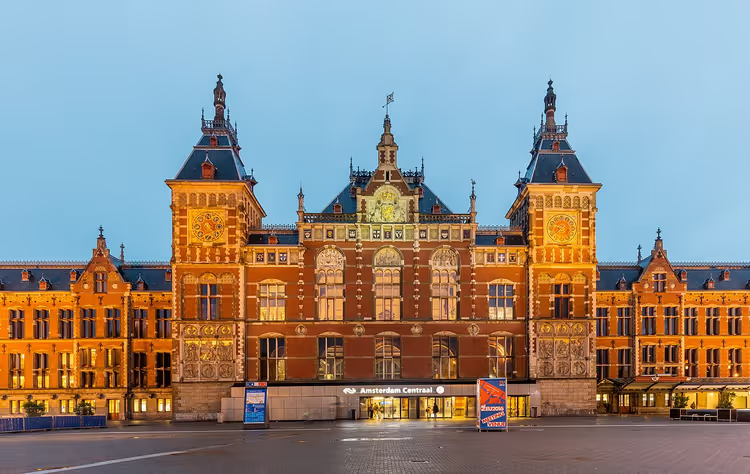 © Diego Delso · CC BY-SAPhoto: Diego Delso, CC BY-SA (https://creativecommons.org/licenses/by-sa/4.0), Wikimedia Commons
Book your ticket in advance: for morning flights on Fridays and on weekends, prices rise a week before the trip. The ticket is valid for a specific train, so leave yourself a buffer for the connection. You can compare departures and buy a ticket on Trip.com.
- Who it's for: if you have one day and don't want to rattle around on a bus.
- The catch: a transfer in Brussels or Antwerp. With a large suitcase, it takes more time than the schedule shows.
Option 2: bus
Direct FlixBus buses travel from Amsterdam to Bruges in about five hours (as of 09/2026, FlixBus). Departure is usually from Sloterdijk, with arrival in the city center. There are few direct departures, so it's worth buying a ticket in advance: before weekends they sell out first.
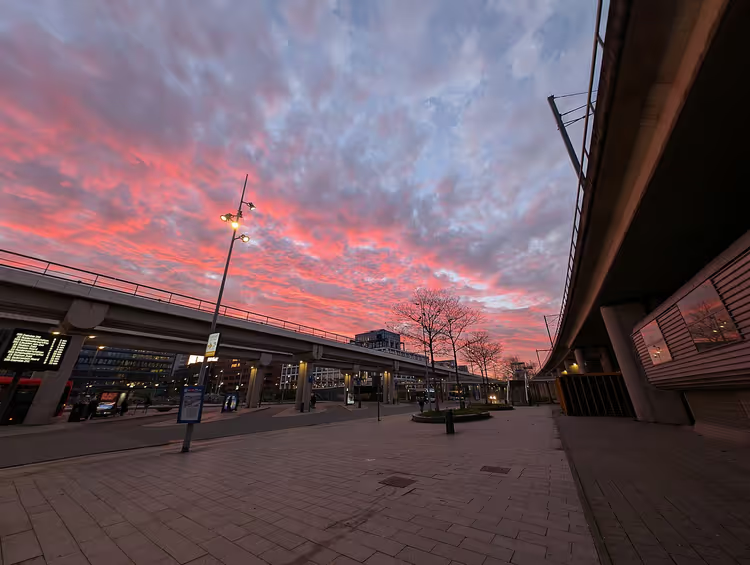
The bus has Wi-Fi, power outlets, and a toilet. Some departures go with a transfer in Brussels or Antwerp, so look for the "direct" label in the schedule. The bus is a good value if you're traveling light and not in a hurry.
- Who it's for: budget trips and travelers without a rigid plan.
- The catch: about five hours on the road and few direct departures per day (as of 09/2026, FlixBus routes).
Option 3: car
With a car, you choose your own schedule and stops. The route follows the A10 and A4 to Antwerp, then around the R1 ring onto the E40 toward Ghent and Bruges. Without traffic, the drive takes about three hours (route on the map).
No vignette is needed: neither the Netherlands nor Belgium has toll sections for passenger cars. Fill up in Belgium, where fuel is usually cheaper. The Antwerp ring is often congested, so leave early in the morning or after the evening peak.
If you plan to drive into central Antwerp or Ghent, register your license plate in advance: these cities have an LEZ (low emission zone), and registration for foreign cars is free. In Bruges, long-term parking in the center is prohibited: leave your car at the 't Zand or Biekorf parking garages, or at a park-and-ride on the outskirts.
- Who it's for: trips for two or three people and stops along the way.
- The catch: traffic jams on the Antwerp ring and paid parking in central Bruges.
- For rental prices, see DiscoverCars.
Option 4: guided tour
An organized tour picks you up in Amsterdam in the morning and brings you back in the evening. The transfer and guide are already included in the price, and you don't need to deal with connections and parking. The journey takes half a day, leaving you several hours to explore Bruges.
 © Giles Laurent · CC BY-SAPhoto: Giles Laurent, CC BY-SA (https://creativecommons.org/licenses/by-sa/4.0), Wikimedia Commons
The catch with this kind of trip isn't just the price. Groups can be large, and free time in the city is limited by the bus schedule. On the plus side, you see Market Square, the belfry, and the canals without handling any logistics yourself.
- Who it's for: first-time visitors who don't want to plan anything.
- The catch: pricier than going on your own and little free time in the city.
- Look for tours from Amsterdam on GetYourGuide.
Amsterdam to Bruges route on the map
Along the way you pass Rotterdam, then Antwerp and Ghent. The train goes via Schiphol and Rotterdam; the bus and car take the highway via Antwerp. Open the route on the map.
⁉️🤔 Frequently asked questions
Can you get from Amsterdam to Bruges without transfers?
Yes, but not by train. Direct buses go to Bruges without transfers, and with a car you're not tied to any schedule at all. There's no direct train between the cities: you'll still have to change trains in Brussels or Antwerp.
How much is a ticket from Amsterdam to Bruges?
Use the Amsterdam to Brussels leg as your reference, starting at €25 (as of 09/2026, NS International), plus the Brussels to Bruges ticket. The bus is usually cheaper (as of 09/2026, FlixBus), and for four people a rental car works out comparable to tickets.
Is one day enough for Bruges?
The historic center is compact: Market Square, the belfry, and the canals all fit into one day. If you go by bus or train, you'll have a few hours to walk around. With a tour, part of the day goes to travel, so staying overnight gives you a more relaxed pace.
Which should I choose: train or bus?
The train is faster: with one transfer you get there in 3-4 hours. The bus takes about five hours (as of 09/2026, FlixBus) but costs less. If time matters more than money, take the train; if budget matters more, take the bus.
Where do you park in Bruges?
Parking in the historic center is limited. People park at the 't Zand or Biekorf garages, or at a park-and-ride on the outskirts and walk from there. From 't Zand you can reach Market Square in a few minutes on foot.
Do I need a visa for the trip?
The Netherlands and Belgium are both in the Schengen Area, so there's no internal border control on the road. Bring your passport or ID card: documents may be checked on the train or bus. EU citizens only need a national ID card.
In short: what's worth booking
If you have one day, take the train: the speed makes the transfer in Brussels worth it. If you're not in a hurry and don't want transfers, take the bus. For two or three people, price out a rental car: stops in Rotterdam and Ghent will make the route more interesting. Choose a tour if you don't want to plan anything yourself.
Book Bruges hotels in advance: in high season there are fewer available rooms in the center and prices are higher. Check options on Trip.com and compare locations relative to Market Square.

A small editorial team writing guides for independent travel. We travel ourselves, but we haven’t been everywhere, so we check prices, opening hours and how to get there against official sources.