
















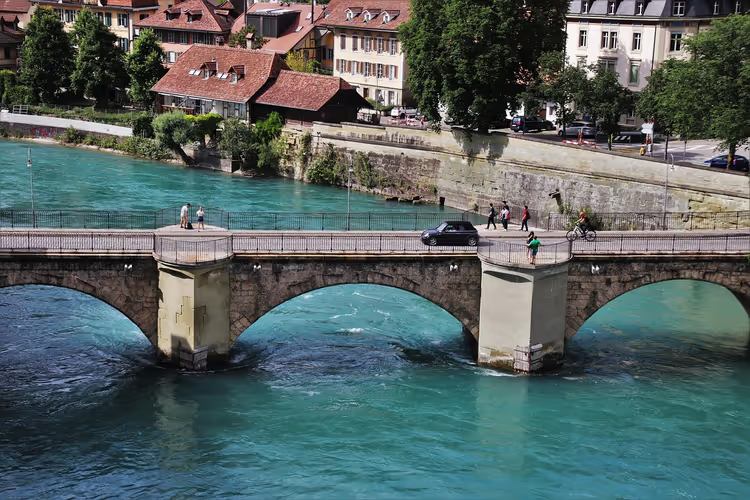
Bern in one day: cathedral, clock tower and bear park
Bern fits into a single walking tour. The Old Town has been a UNESCO World Heritage Site since 1983, and its streets have barely changed in six centuries (as of 09/2026, official website of Bern Minster). From the cathedral to the clock tower you can walk in about 10 minutes and see almost no cars.
The full list of twenty-five sights can easily be covered in two days: the Gothic cathedral, Einstein's house, the bear park on the banks of the Aare, several medieval fountains, and a dozen museums. You can build the route yourself, without a guide and without renting a car. Below, each sight is listed as a separate item, with admission, hours, and an honest catch.
Plan it like this: give the morning to the Old Town, go up to Gurten in the afternoon, and return to the Aare in the evening. Book tickets to the top museums online in advance so you don't waste time in line.
Ad: this article contains affiliate links, we earn a commission if you book through them, at no extra cost to you.
1. Bern Minster
💡 In short:
- Start with the cathedral and Zytglogge in the morning, while there are few tour groups in the center.
- Then head down to the Aare: the bear park and the old bridge are very close.
- Prices and opening hours: 09/2026, checked on 09/15/2026 on the official Münster website.
 © Andrew Bossi · CC BY-SAPhoto: Andrew Bossi, CC BY-SA (https://creativecommons.org/licenses/by-sa/2.5), Wikimedia Commons
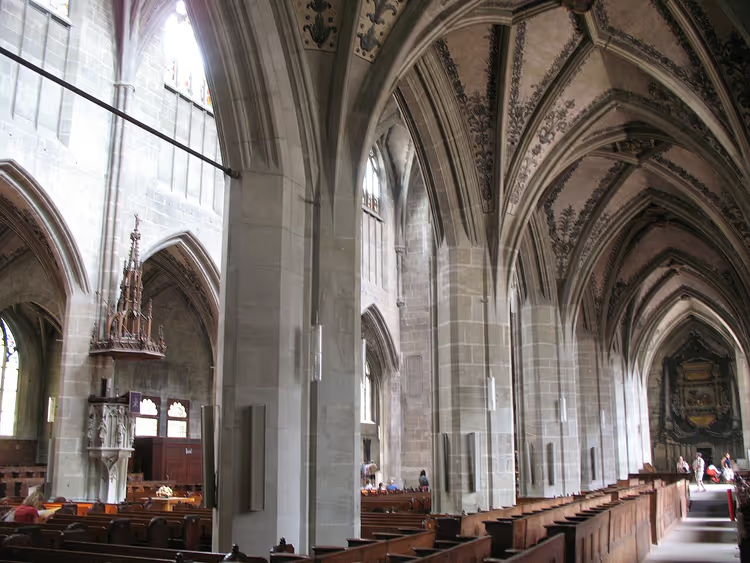
Bern Minster (Berner Münster) was built over several centuries, so later details are visible within the Gothic framework. It is the largest late medieval church in the country, and its tower rises over a hundred meters (as of 09/2026, official website).
Inside, you'll find stained glass and carved wooden furniture from the late Middle Ages. At the main entrance stands a relief of the Last Judgment: dozens of large and hundreds of small figures remind us that all are equal before death.
- How to get there: the cathedral stands at the end of Münstergasse, by Münsterplatz.
- Admission: entry to the church is free, climbing the tower is paid, tickets are sold on site.
- Who it's for: for those willing to climb a narrow spiral staircase for the view over the rooftops.
- The catch: the interior is deliberately austere, there is no Baroque decoration here.
2. Church of St. Peter and Paul
 © H.Helmlechner · CC BY-SAPhoto: H.Helmlechner, CC BY-SA (https://creativecommons.org/licenses/by-sa/4.0), Wikimedia Commons
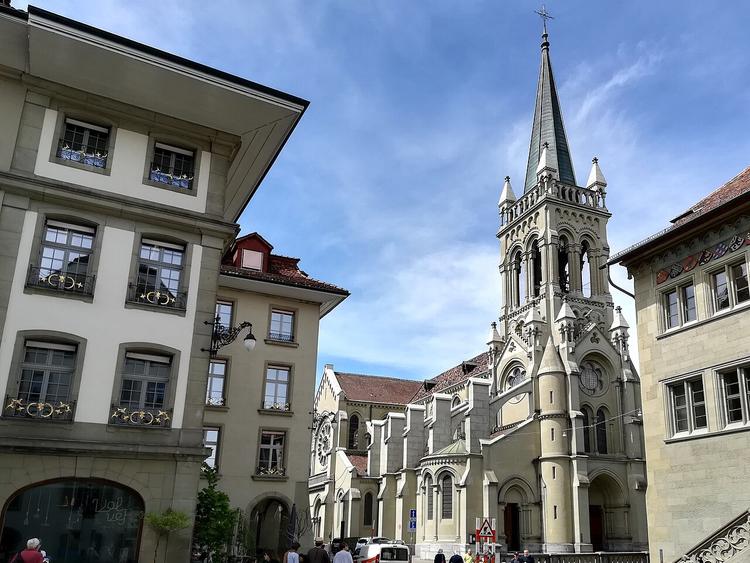
This is a Catholic church in Protestant Bern, so it stands out noticeably against the neighboring churches. The building was constructed in the century before last, and its facade combines Romanesque forms with early Gothic.
The congregation wanted the new church to become the pride of the city and spared no expense on the decoration. The bell tower has several bells, each with its own voice. Inside you'll see colored stained glass and painted choir walls, and part of the decor was made in the last century in the Art Nouveau style. Services feature an organ that is over a hundred years old.
- How to get there: the church stands in the center, not far from the Old Town and the train station.
- Admission: free, visiting hours depend on the service schedule.
- Who it's for: for those who want to see the inside of a Catholic church, a rarity for Bern.
3. Church of the Holy Spirit
 © Axel Tschentscher · CC BY-SAPhoto: Axel Tschentscher, CC BY-SA (https://creativecommons.org/licenses/by-sa/4.0), Wikimedia Commons
The Church of the Holy Spirit (Heiliggeistkirche) is tied to the history of the Catholic Hospitaller order, although today it is a Protestant church. The congregation continued caring for the sick and the poor even after the Reformation.
The facade is built in the Baroque style, but the interior is very austere and emphatically Protestant. Services have been held here for nearly three centuries. Today the church also serves as a cultural center: it hosts tours and sacred music concerts. A distinctive feature: sandstone columns that are said to have healing properties.
- How to get there: the church stands in the Old Town, next to the market street Marktgasse.
- Admission: free.
- Who it's for: for lovers of Baroque facades and organ concerts.
- The catch: the interior has almost no decoration, so fans of lavish Baroque will be bored.
4. Einstein House Museum
 © François Bianco · CC BY-SAPhoto: François Bianco, CC BY-SA (https://creativecommons.org/licenses/by-sa/2.0), Wikimedia Commons
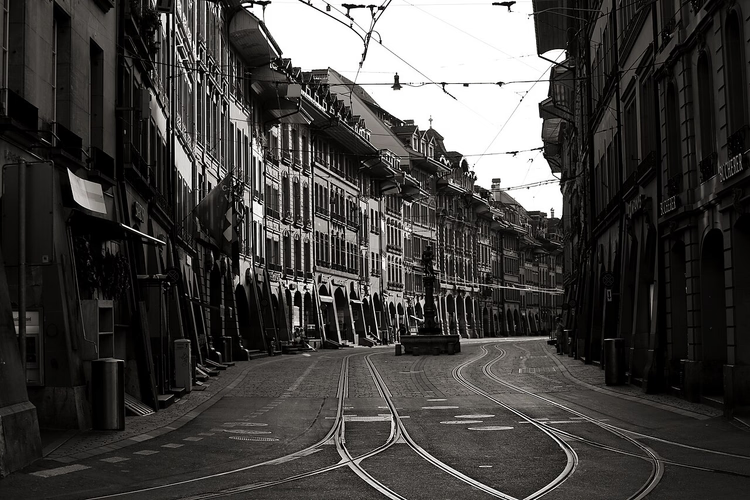
Albert Einstein lived for several years in the house on Kramgasse, and his first son was born in the same building. Today both floors are given over to a museum dedicated to the scientist and his family.
The apartment recreates the atmosphere of the early last century: a spiral staircase, a writing desk, a clock, a sideboard, and a sofa. This is where the Einstein Medal is awarded every year, and scientists give public lectures on physics and astronomy. On the upper floor you'll find a collection of his works and a documentary film about him.
- How to get there: the house stands in the arcades of the Old Town, on Kramgasse.
- Admission: the museum is paid, tickets are sold on site.
- Who it's for: for those interested in science and the history of the last century.
5. BärenPark bear park
 © Хрюша · CC BY-SAPhoto: Хрюша, CC BY-SA (https://creativecommons.org/licenses/by-sa/3.0), Wikimedia Commons
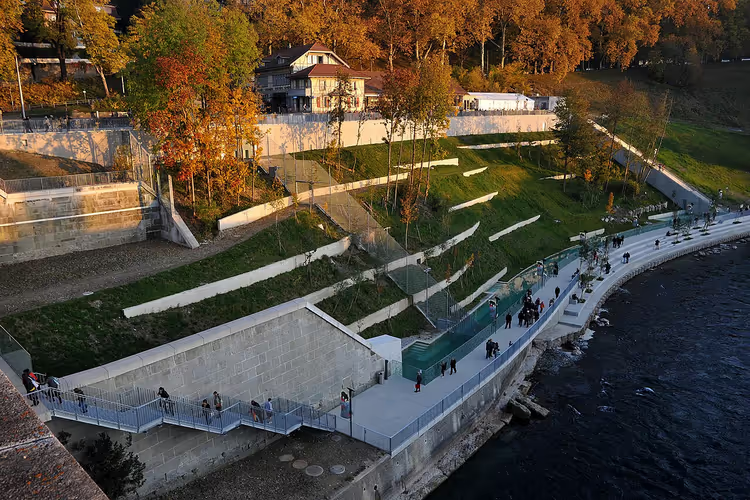
The bear has long been a symbol of Bern, and the live bear park on the banks of the Aare is a must-see. BärenPark was opened on the site of the old Bärengraben pit, where wild animals used to be kept, and in 2009 the bears were moved to a spacious enclosure by the river.
Today the park is home to bear cubs and adult bears, with conditions created for them that are close to their natural habitat. Entry to the park is free, and it is open around the clock all year (as of 09/2026, official Tierpark Bern website). The old enclosure has been turned into an open-air museum where you can see how tall the stone walls used to be.
- How to get there: the park is next to the Nydeggbrücke bridge, downstream from the Old Town along the Aare.
- Cost: free, open around the clock.
- Who it's for: families with children and anyone who wants to see the city's mascot in person.
6. Old Town
 © Daniel Kraft · CC BY-SAPhoto: Daniel Kraft, CC BY-SA (https://creativecommons.org/licenses/by-sa/3.0), Wikimedia Commons
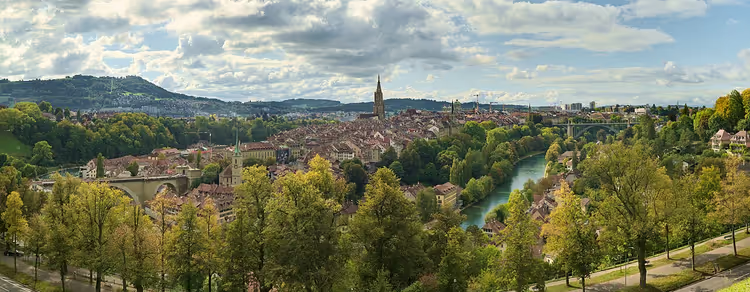
You can walk through Bern's Old Town in a couple of hours. Most of the buildings here were constructed in the Middle Ages, and the first settlements on this site appeared as far back as the Neolithic period.
The main landmarks are the cathedral, the Zytglogge clock tower, and the old bridge over the Aare. The arcades run along the streets almost without interruption, so you can stay dry in the rain. Medieval buildings house restaurants, cafes, pastry shops, and souvenir stores, and dozens of fountains are scattered throughout the quarter.
- How to get there: the quarter starts right at the train station, along Spitalgasse.
- Cost: walking around is free.
- Who it's for: those who enjoy leisurely strolls along old cobblestones.
7. Gurten Park
 © Adrian Michael · CC BY-SAPhoto: Adrian Michael, CC BY-SA (http://creativecommons.org/licenses/by-sa/3.0/), Wikimedia Commons
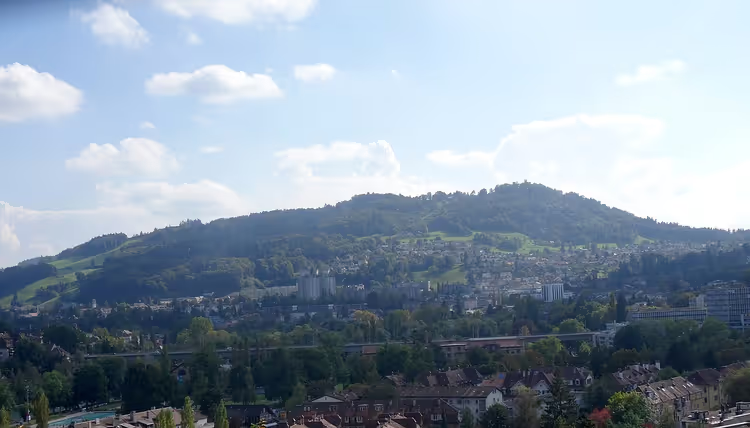
Gurten mountain rises high above the city, and its summit is occupied by a large park with the best panoramic views of Bern. The Gurtenbahn funicular takes you from the foot to the top, and cars are not allowed on the mountain.
The park has a miniature railway for children, a yak enclosure, and viewing platforms with views of the neighboring peaks. There is a hotel, a concert hall, and a swimming pool. In summer, music festivals take place here, and exhibitions and conferences run all year round.
- How to get there: public transport goes to the foot of the mountain, then you go up by funicular.
- Cost: the ride up is paid, entry to the park itself is free.
- Who it's for: those who want to see the city and the Alps without a long climb.
8. Zytglogge
 © Alexey M. · CC BY-SAPhoto: Alexey M., CC BY-SA (https://creativecommons.org/licenses/by-sa/4.0), Wikimedia Commons
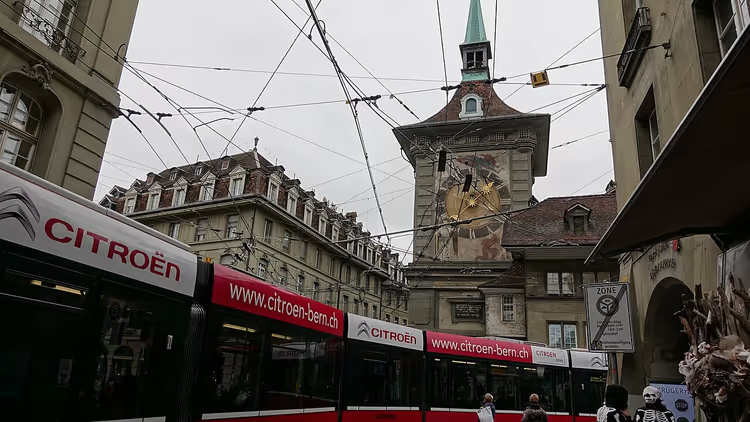
The Zytglogge was built in the Middle Ages as a defensive tower, and later it also served as a city prison. The mechanical clock was added later, and since then, before each chime, figures come to life on it: ancient gods, animals, and a bear, the symbol of the city.
A separate attraction is the astrolabe, which shows the phase of the moon and the zodiac sign of the lunar day. The clock still recalls the times when the Earth was considered the center of the universe. The tower is a convenient starting point for a walk through the Old Town, and tours of the quarter on GetYourGuide should be booked in advance.
- How to get there: the tower stands at the beginning of Kramgasse, between Marktgasse and the Old Town.
- Cost: viewing the tower from the outside is free, you can only go inside on a guided tour.
- Who it's for: those who love mechanisms and medieval symbolism.
9. Federal Palace
 © Axel Tschentscher · CC BY-SAPhoto: Axel Tschentscher, CC BY-SA (https://creativecommons.org/licenses/by-sa/4.0), Wikimedia Commons
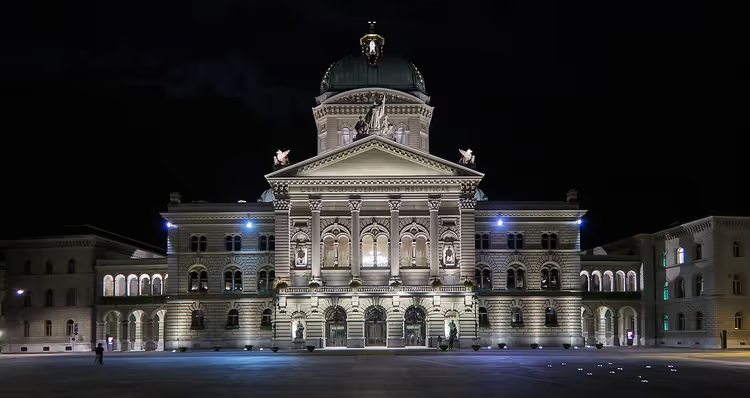
The Federal Palace (Bundeshaus) is the building of the Swiss parliament and government, but tourists can actually get inside. Free tours run only on days without sessions and only by advance booking (as of 09/2026, official parliament website).
The building was erected at the turn of the last century, finished with local stone, marble, and valuable wood species. Your attention will be held by stained glass, mosaics, and bronze statues, and in the domed hall you will see two bronze bears with the state coat of arms.
- How to get there: the palace stands on Bundesplatz, above the Old Town.
- Cost: tours are free, but you need to register in advance.
- Who it's for: those interested in politics and turn-of-the-century architecture.
- The catch: photography is not allowed everywhere inside, and some exhibits are under guard.
10. Zentrum Paul Klee
 © Jean-Pierre Dalbéra from Paris, France · CC BYPhoto: Jean-Pierre Dalbéra from Paris, France, CC BY (https://creativecommons.org/licenses/by/2.0), Wikimedia Commons
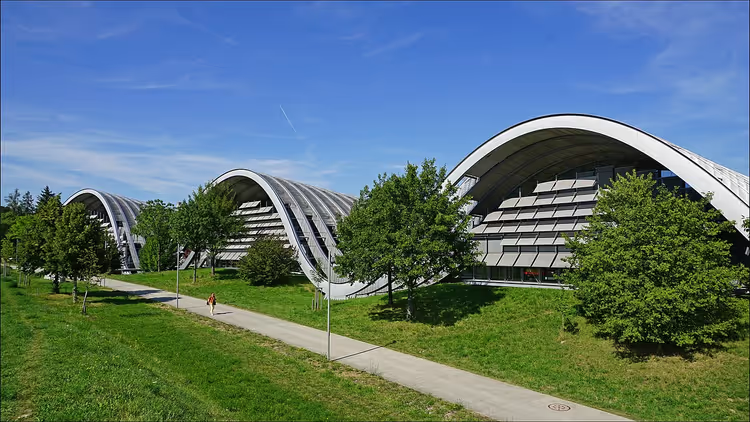
The Zentrum Paul Klee is a museum and concert venue under a single wave-shaped roof designed by architect Renzo Piano. It houses the world's largest collection of works by Paul Klee.
The core of the collection consists of several thousand works by the artist, and the center also hosts temporary exhibitions, concerts, and children's programs. Most of the galleries are underground, so from the outside the building seems smaller than it is inside. Exhibitions are updated regularly, and a couple of visits will be enough to see the main part of the collection. Get Zentrum Paul Klee tickets on Tiqets in advance.
- How to get there: the center is in the eastern part of the city, across the bridge, near the highway.
- Cost: admission is paid, tickets are cheaper online (as of 09/2026, official website).
- Who it's for: lovers of modernism and families with children.
- The catch: part of the collection is regularly moved into storage, so not all works are visible at the same time.
11. Historical Museum
 © August Geyler · CC BY-SAPhoto: August Geyler, CC BY-SA (https://creativecommons.org/licenses/by-sa/4.0), Wikimedia Commons
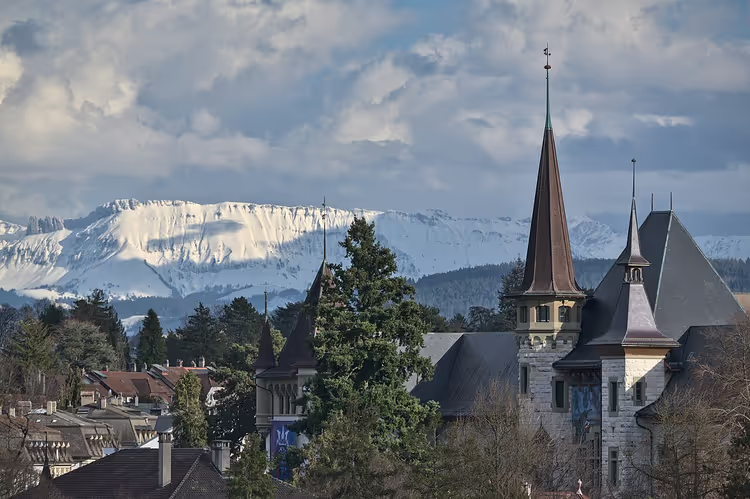
The Bern Historical Museum (Bernisches Historisches Museum) is the second-largest museum in the country. The collection grew from a small antiquarian assembly to hundreds of thousands of historical objects.
The main reason people come here: the Burgundian tapestries, captured as war trophies in the Middle Ages. The museum's Eastern antiquities were donated by the traveler Henri Moser. The exhibits occupy a three-story building, and the galleries tell the story of life in the city across different eras. Here you will also see exhibitions about Switzerland and other countries, including objects from Asia, Africa, and America. Historical Museum tickets on Tiqets can be bought online.
- How to get there: the museum is near the Old Town and the train station.
- Cost: admission is paid, tickets are sold on site and online.
- Who it's for: those who want to understand the city's history in a couple of hours.
12. Rose Garden
 © Schofför · CC BY-SAPhoto: Schofför, CC BY-SA (https://creativecommons.org/licenses/by-sa/3.0), Wikimedia Commons
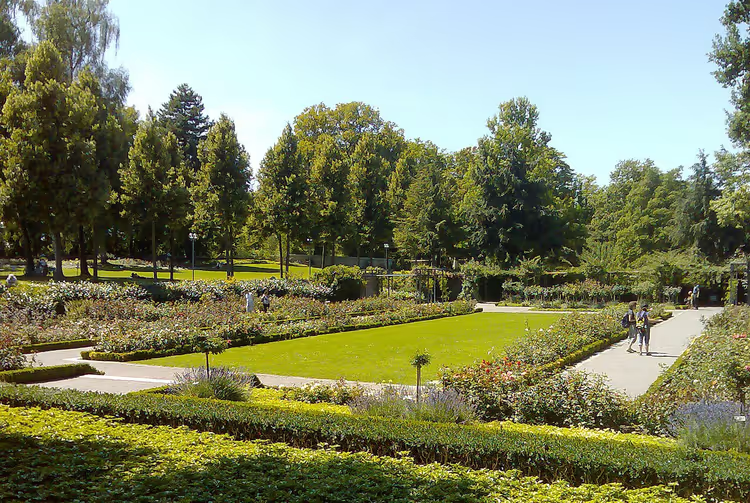
The Rose Garden (Rosengarten) is laid out on the site of an old cemetery that residents turned into a park with a view over all of Bern. It dates back to the century before last, and today hundreds of varieties of roses, irises, and rhododendrons grow here.
The garden is open around the clock and free. You can sit on a bench by the pond in the center and look down at the tiled roofs. The best light for photos here is early in the morning or an hour before sunset.
- How to get there: from the Old Town, climb the stairs or take a bus to the stop by the park.
- Cost: free, open around the clock.
- Who it's for: those who want a panorama without climbing a mountain.
- The catch: in summer after midday, tour groups gather at the main viewing platform.
13. Museum of Fine Arts
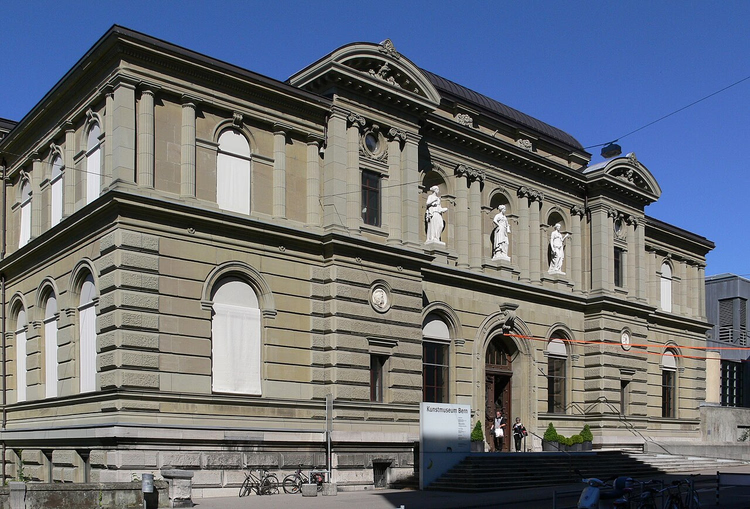 © Photo: Andreas Praefcke · CC BYPhoto: Photo: Andreas Praefcke, CC BY (https://creativecommons.org/licenses/by/3.0), Wikimedia Commons
The Kunstmuseum Bern is Switzerland's oldest art museum. Its first collections began with copies of ancient sculptures, and over two centuries the holdings have grown to a world-class level.
It houses works by Italian Renaissance masters, as well as paintings by Dalí, Picasso, Modigliani, Cézanne, and Kandinsky. In addition to painting and graphic art, you'll see sculptures and an extensive photography collection. The collection is constantly growing, so some rooms change. Tickets to the Kunstmuseum on Tiqets are best bought in advance.
- Getting there: the museum is in the center, between the train station and the Old Town.
- Cost: admission is paid, tickets are sold on site and online (as of 09/2026, official website).
- Who it's for: for those who want to see modernism's classics in one building.
14. Kindlifresserbrunnen fountain
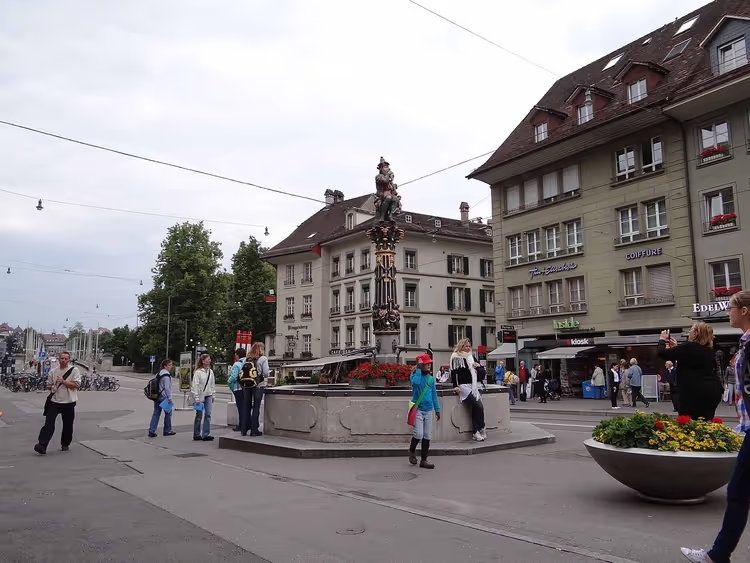 © Foto Fitti · CC BY-SAPhoto: Foto Fitti, CC BY-SA (https://creativecommons.org/licenses/by-sa/3.0), Wikimedia Commons
The Kindlifresserbrunnen fountain looks frightening, and Bern's children are not fond of it. Historians still argue about who is depicted on the column: the ancient god Cronus, a cruel cardinal, or the brother of one of the dukes.
For centuries, parents brought their children here to show them what punishment awaits the disobedient. That is no longer done today, and the fountain remains a reminder of the Middle Ages and one of the city's great mysteries. You'll find it on Kramgasse, on the way to the Zytglogge clock tower.
- Getting there: the fountain is on Kramgasse, a few steps from the Zytglogge tower.
- Cost: free.
- Who it's for: for those who collect urban legends.
15. Samson fountain
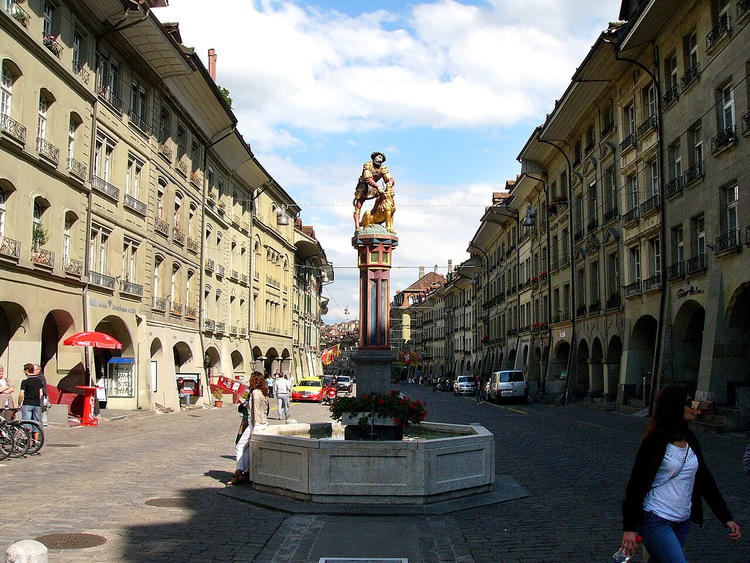
The Samson fountain was originally made of wood, but later all the elements were replaced with stone. The butchers' guild donated the funds for its appearance in the city.
The figure of Samson tearing open the lion's jaws represents strength of spirit for Bern's residents, not just physical power. The sculpture stands on a pedestal in a stone basin with drinking water. What you see today is an exact copy of the medieval original, while the original itself is kept in the Historical Museum to protect it from vandals.
- Getting there: the fountain is on Kramgasse, near the town hall.
- Cost: free.
- Who it's for: for those who want to examine the details of urban sculpture up close.
16. Justice fountain
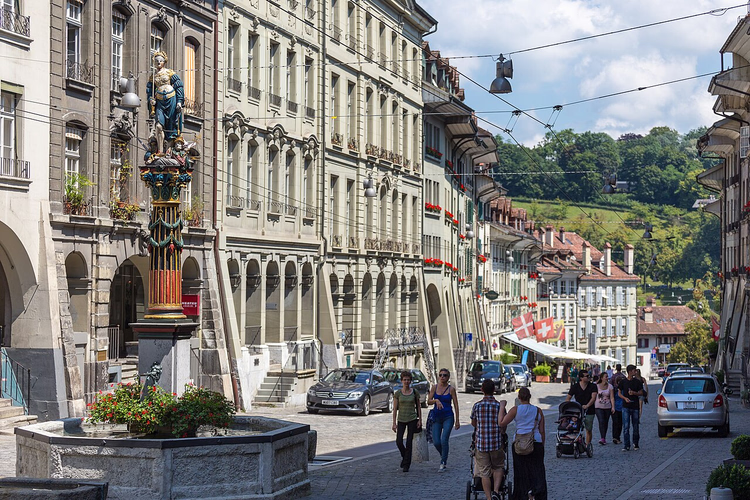 © JoachimKohler-HB · CC BY-SAPhoto: JoachimKohler-HB, CC BY-SA (https://creativecommons.org/licenses/by-sa/4.0), Wikimedia Commons
The Justice fountain was built during the Renaissance and looks almost the same today as it did on the day it was unveiled. It has never been moved to another location or rebuilt to suit new political tastes.
At the center of the composition stands the goddess of justice with a blindfold, a sword in her hands, and busts of earthly rulers at her feet. The figure's golden armor gleams in the sun. The original sculpture is also kept in the Historical Museum, and what you see on the square is a copy. The fountain is surrounded by a basin with artesian water.
- Getting there: the fountain is on a square near the town hall, in the Old Town.
- Cost: free.
- Who it's for: for those who love symbolism and allegory.
17. Alpine Museum
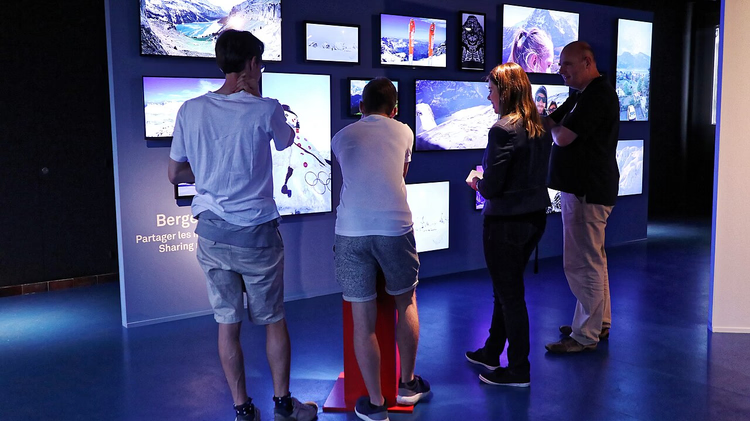
The Alpine Museum (Alpines Museum der Schweiz) opened at the beginning of the last century, and a separate building for the collections was built later. Today it is recognized as a cultural monument of national significance.
 © Burkhard Mücke · CC BY-SAPhoto: Burkhard Mücke, CC BY-SA (https://creativecommons.org/licenses/by-sa/4.0), Wikimedia Commons
The exhibitions tell the story of the Swiss Alps, their geology and wildlife. The museum holds the largest collection of three-dimensional geological maps, and the cinema often shows a documentary about female mountaineers. For children there are interactive programs, and a souvenir shop and a restaurant with local cuisine are also available.
- Getting there: the museum is in the city center, not far from the train station.
- Cost: admission is paid, tickets are sold on site.
- Who it's for: for those heading to the Alps who want to understand the region's terrain and nature.
18. Kleine Schanze park
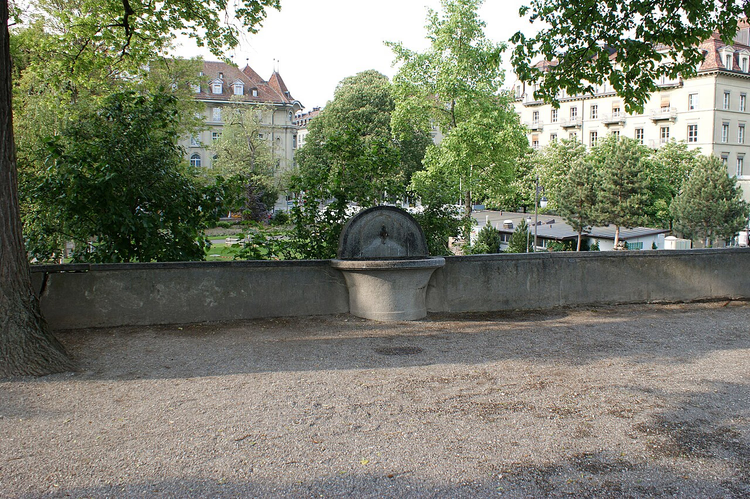
The site of today's Kleine Schanze park was once home to military fortifications that protected the city from surprise attacks. Part of the ramparts has survived, and a viewing platform with views of Bern and the Alps was built on them.
 © AnBuKu · CC BY-SAPhoto: AnBuKu, CC BY-SA (https://creativecommons.org/licenses/by-sa/4.0), Wikimedia Commons
At the end of the last century this place was considered unsafe, but the authorities restored order, and now families stroll here. The main attractions are small lakes and tree-lined paths. The park is pleasant at any time of year, and in summer it turns into a concert venue with Swiss music. Playgrounds are available for children.
- Getting there: the park lies between the train station and the Old Town, near Bundesplatz.
- Cost: free.
- Who it's for: for those who want to relax in peace and quiet in the city center.
19. Botanical garden
 © Krol:k · CC BY-SAPhoto: Krol:k, CC BY-SA (https://creativecommons.org/licenses/by-sa/3.0), Wikimedia Commons
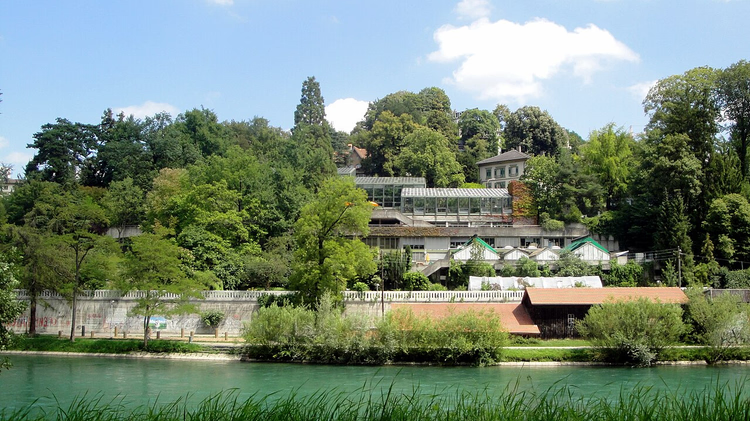
Bern's botanical garden covers two hectares and is home to several thousand plant species, including exotic ones. Seven large greenhouses grow here, and a special section is dedicated to Alpine plants.
The garden belongs to the university, so you can watch scientists and ecologists at work. The Palm House is open for tropical plant lovers. Important note: children are not allowed in some greenhouses because they house very rare plants. Admission to the garden is free.
- Getting there: the garden is located near the center, next to the Aare river and the university.
- Cost: free.
- Who it's for: for those who want to take a break among greenery between museums.
- The catch: some greenhouses are off-limits to children due to rare plants.
20. Tram museum
 © JoachimKohler-HB · CC BY-SAPhoto: JoachimKohler-HB, CC BY-SA (https://creativecommons.org/licenses/by-sa/4.0), Wikimedia Commons
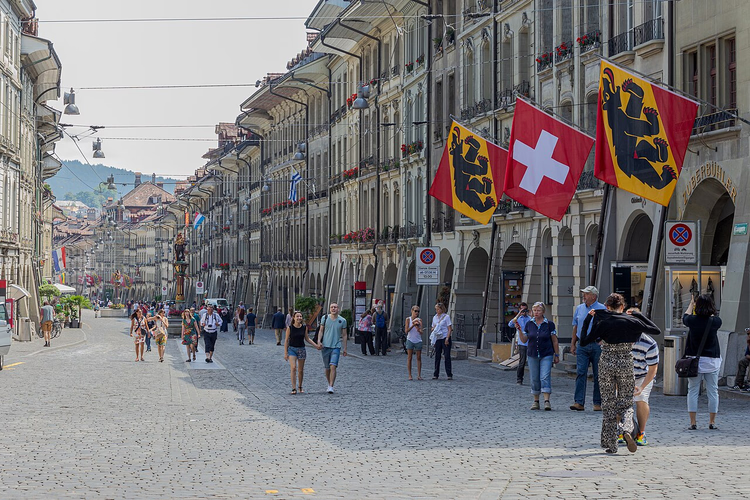
Bern's tram museum (Tram-Museum) is smaller than Zurich's, but Bern residents consider their collection the most interesting in the country. The main treasure here: unique photo collections on the history of urban transport.
Among the exhibits are vintage equipment and trams, and the most valuable photographs date back to the last century. The museum owns its own fleet of vehicles, including working trams. In the new century, the collection expanded with buses and cars, and a vintage vehicle enthusiasts' club operates at the museum.
- Getting there: the museum is located in a depot on the outskirts of the city, served by tram.
- Cost: admission is paid, opening hours should be checked in advance.
- Who it's for: for families with children and transport enthusiasts.
21. Dählhölzli Zoo
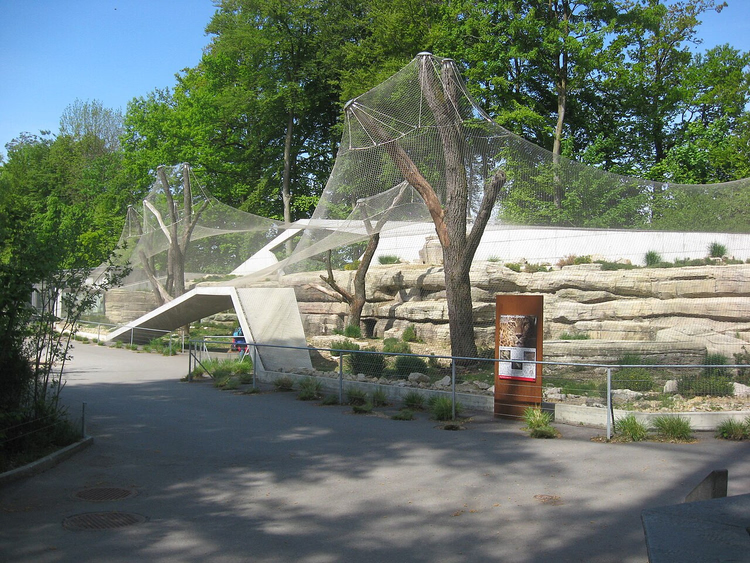
Dählhölzli Zoo (Tierpark Dählhölzli) is small but very cozy, and most of its residents are Alpine animals. Comfortable conditions are provided here for lynxes, bears, seals, wolves, musk oxen, bison, and reindeer.
Visitors' favorite walking spot: the flamingo pond. Monkeys also live in spacious enclosures, and children especially love them. Families get more than just a playground here: there is a picnic area and group tours. The zoo is open year-round, even on holidays (as of 09/2026, official Tierpark Bern website).
- Getting there: the zoo is located on the banks of the Aare, south of the center, near the forest.
- Cost: admission is paid, the ticket office closes earlier than the park itself.
- Who it's for: for families with children for a full day.
22. Natural history museum
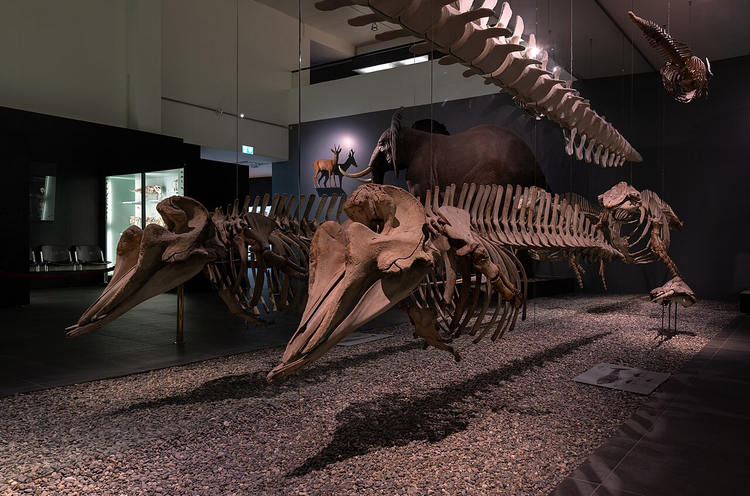 © Jules Verne Times Two · CC BY-SAPhoto: Jules Verne Times Two, CC BY-SA (https://creativecommons.org/licenses/by-sa/4.0), Wikimedia Commons
Bern's natural history museum (Naturhistorisches Museum) was founded in the century before last and welcomes tens of thousands of visitors every year. Its dioramas are known far beyond the country's borders, and its skeleton collection is considered one of the largest in the world.
Here you will learn how biological species developed on Earth and see gold bars and rare minerals from the Alps. A special pride of the museum: the figure of Barry the St. Bernard, who saved dozens of people in the mountains. There are halls about animal reproduction and about death, and among the rarities is a mask created for the film "Alien."
- Getting there: the museum is located next to the university and the botanical garden.
- Who it's for: for those visiting with children and those who love natural sciences.
23. Elfenau
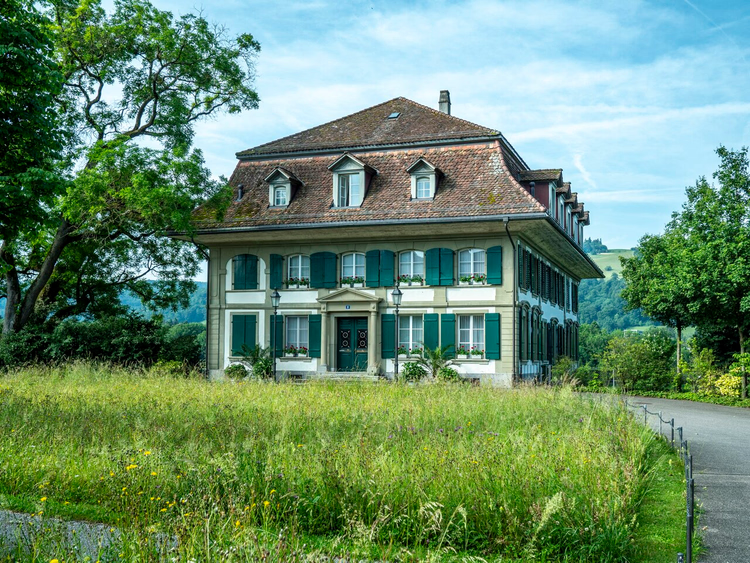
The former Brunnadern estate was purchased in 1814, and in 1816 the new owner, born Princess Juliane of Saxe-Coburg-Saalfeld, named it Elfenau (as of 09/2026, Elfenau). The estate is well preserved, although antique lovers note that in the century before last the manor looked more ornate.
 © Chrisaliv · CC BYPhoto: Chrisaliv, CC BY (https://creativecommons.org/licenses/by/4.0), Wikimedia Commons
The park was named in honor of elves. Today a municipal nursery operates here, and the greenhouses are filled with flowers from around the world. The Baroque-style house stands by a river inlet. It houses authentic belongings of Grand Duchess Anna Feodorovna: under this name Princess Juliane was known in Russia. The park is famous for its springs, pavilions, and an artificial grotto with a waterfall.
- Getting there: Elfenau lies in the southern part of the city, at a bend of the Aare.
- Cost: walking in the park is free, the house is open only at certain hours.
- Who it's for: for those who want to get away from tourist routes.
24. Museum of communication
 © Jean Housen · CC BY-SAPhoto: Jean Housen, CC BY-SA (https://creativecommons.org/licenses/by-sa/4.0), Wikimedia Commons
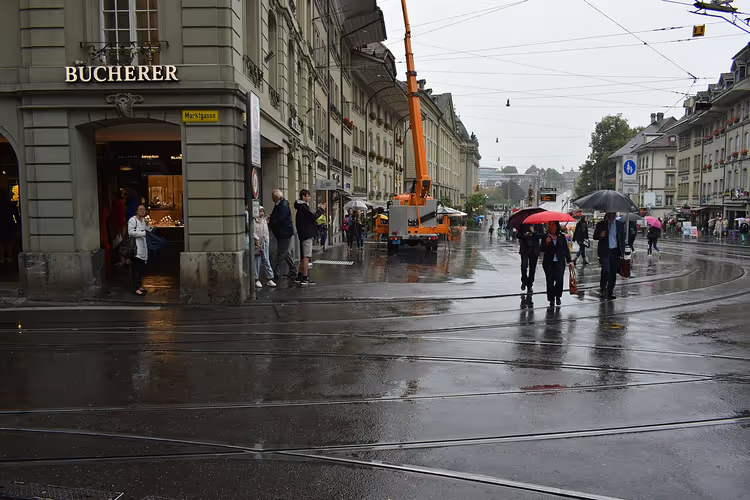
The Museum of Communication (Museum für Kommunikation) is dedicated to communication and its role in people's lives. Its history began with a collection of postage stamps and documents about the Swiss postal service, and the museum's first building was the post office itself.
Today in the halls you will see exhibits about the internet and computer technology, from giant computing machines to miniature tablets. More than half of the exhibition space, as locals joke, is given over to Swiss stamps. The museum is open almost every day (as of 09/2026, official website).
- Getting there: the museum is located in the center, not far from the Federal Palace.
- Cost: admission is paid, tickets are sold on site and online.
- Who it's for: for those visiting with children and those who want an interactive exhibition.
25. Prison tower
The Prison Tower (Käfigturm) was once part of the city wall, fragments of which are still visible in the city. It is more accurate to call it a gate tower: it combined both functions.
 © Kevin.B · CC BY-SAPhoto: Kevin.B, CC BY-SA (https://creativecommons.org/licenses/by-sa/4.0), Wikimedia Commons
The tower got its grim name from the prison that was housed here until 1897, although earlier the gate played a defensive role. On the facade you will see the "Greatness of Bern" clock. Today the building houses a museum about the city's cultural and business history, and mass events are also held here. The tower even found room for a court archive and a wine cellar: wine from here is ordered by neighboring restaurants.
- Getting there: the tower stands at the end of Marktgasse, between the train station and the Old Town.
- Cost: viewing the tower from outside is free, museum admission is paid.
- Who it's for: for those finishing a walk through the Old Town.
Many tickets to Bern's museums and tours are cheaper to buy online: there can be lines at the ticket office, and prices on the internet are lower. Below is a selection of tickets for the city's main sights, and before your trip it's worth comparing insurance options.
Tours and tickets in Bern
Guided tours, skip-the-line tickets and activities — most offers can be cancelled free of charge.
See offers on TiqetsThe widget loads once you give your consent.
Bern attractions on the map
All the places on the list are compactly located: the Old Town and museums are in the center, and the parks and zoo are along the Aare. Open the map and mark the first three stops on your route, then add the rest as you go.
If you're here for one day, start with the cathedral and the Zytglogge, and keep the map open on your phone.
⁉️🤔 Frequently asked questions
How much time do you need to see all twenty-five places?
In one day you can cover the Old Town, the cathedral, the Zytglogge, the bear park, and one or two museums. To get through the whole list at a relaxed pace, set aside two days: some places, such as Gurten and Dählhölzli Zoo, are worth making a separate outing.
When is the best time to climb Bern Cathedral?
Come at opening time on a weekday. There are fewer groups waiting to get in, and you can take your time looking at the rooftops from the tower viewing platform. Entry to the church is free, and you pay separately for the climb on site.
What is there to do in Bern with kids?
The BärenPark bear park, Dählhölzli Zoo, the Tram Museum, and the interactive galleries at the Museum of Communication are all good for children. The bear park is free and open around the clock, so it's easy to combine with a walk along the Aare.
Do you need to buy museum tickets in advance?
In high season, it's better to buy tickets for the Kunstmuseum, the History Museum, and the Paul Klee Center online. That way you skip the ticket office line and choose a convenient time. On regular days, tickets are also sold on site, and current opening hours are listed in the visit section on the museum's website.
How to get from the airport to the center?
There is no train to Bern Airport, so it's worth planning your route into the center in advance. If you have a lot of luggage, book an airport transfer ahead of time or check the train schedule.
In short: what to book
The format of your trip will tell you what to focus on:
- If you have one day: the cathedral, the Zytglogge, and a walk through the arcades of the Old Town.
- If you're traveling with kids: BärenPark, Dählhölzli Zoo, and the Tram Museum.
- If you love art: the Paul Klee Center and the Museum of Fine Arts.
- If you want a view of the city: the Gurten funicular, the Rose Garden, and Kleine Schanze park.
Book museum tickets and tours in advance: find tours on GetYourGuide or tickets on Tiqets.
And if you're staying overnight, compare hotel prices in Bern on Trip.com.

A small editorial team writing guides for independent travel. We travel ourselves, but we haven’t been everywhere, so we check prices, opening hours and how to get there against official sources.