
















What to see in Zurich: 35 spots with prices and opening hours
Zurich is seen on foot, not from a tram window. The city is small but dense: cathedrals, museums, and viewpoints sit a couple of blocks from each other.
The challenge lies elsewhere. There are more than thirty standout places here, some museums are closed on Mondays, and the Chinese Garden is open only from March through October. You will spend more time looking up opening hours and tickets than exploring the city itself.
Below are all 35 Zurich points of interest in one list. For each one you will find what makes it different from its neighbors, how to get there, and what to plan for in advance. We checked addresses, schedules, and prices against the official pages of museums and the Zurich tourism office in September 2026.
Ad: this article contains affiliate links, we earn a commission if you book through them, at no extra cost to you.
Zurich: the essentials for a tourist
The city is compact. The Old Town lies between the main train station and the Limmat River, and you can cover half of this list on foot. For the farther spots, trams, S-Bahn trains, and one short funicular will get you there.
💡 In short:
- Explore the Old Town on foot: cathedrals and squares are within a ten-minute walk of each other.
- Buy tickets by ZVV zones, from the machine at the stop or in the app.
- Save Monday for walking around: some museums are closed that day.
- Prices and opening hours: 09/2026, verified on the official Zurich tourism office website.
1. Kunsthaus
 © Roland zh · CC BY-SAPhoto: Roland zh, CC BY-SA (https://creativecommons.org/licenses/by-sa/3.0), Wikimedia Commons
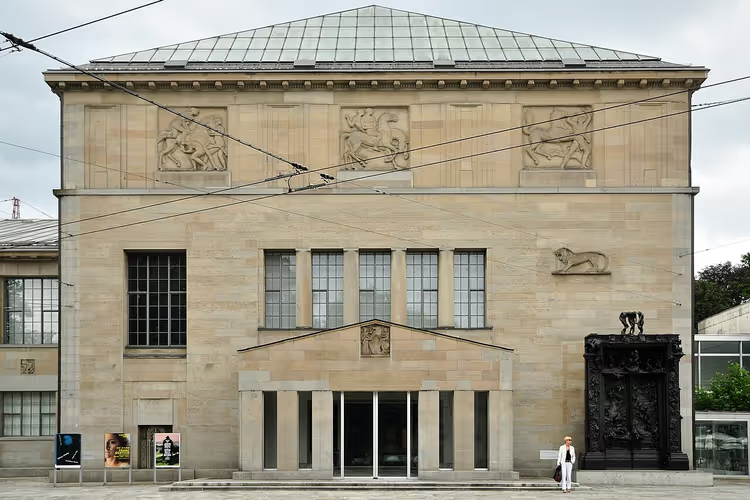
Kunsthaus holds eight centuries of art and is considered the country's main art museum. Its galleries display Monet, Picasso, Chagall, Dalí, and Giacometti, alongside Swiss painting from the Middle Ages to the present day. A separate wing is dedicated to the Bührle Collection, which moved here from a private museum in Zurich in 2021 (according to Kunsthaus Zürich).
For you, this is the most predictable museum in the city. A passage connects the old building and the new wing, signage is duplicated in English, and it is hard to get lost. Allow at least two hours: any less and you will rush past entire galleries. Part of the collection is rotated for exhibitions, so check the schedule in advance. If you do not want to wait at the ticket office, get Zurich museum tickets on Tiqets with an entry time slot.
Inside there is an art library and a souvenir shop, so after the galleries you can easily linger for another half hour. In the evenings there are themed events and music programs. Nearby is Heimplatz, where the university quarter begins and the climb to Polybahn starts. You can combine the museum and the funicular into one short walk.
- Getting there: trams 3, 8, 9 and bus 31, Kunsthaus stop.
- Cost: an adult ticket costs over 20 CHF, reduced rates are lower (as of 09/2026, Kunsthaus Zürich).
- The catch: the museum is closed on Mondays.
2. Zurich Zoo
 © Adrian Michael · CC BYPhoto: Adrian Michael, CC BY (https://creativecommons.org/licenses/by/2.5), Wikimedia Commons
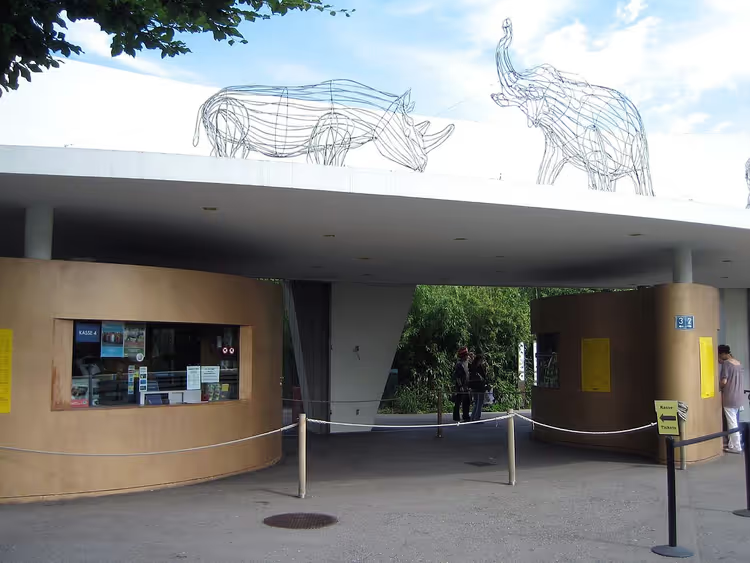
Zurich Zoo sits on a hillside and ranks among the strongest in Europe. More than 380 species live here: elephants in the Kaeng Krachan park, lemurs in the Masoala rainforest. You walk along paths between enclosures and often view the animals through glass, with almost no bars.
Plan for half a day. The park is large and the climbs are steep, so it is easier to build your route from the bottom up. There is plenty for children too: play areas and the Zoolino children's park with domestic animals. Feeding schedules are handed out at the entrance.
- Getting there: trams 5, 6 and buses 39, 751, Zoo stop.
- Hours: March-October 9-18, November-February 9-17, the Masoala rainforest opens at 10 (as of 09/2026, Zoo Zürich).
- The catch: from November through February the park closes an hour earlier.
3. Urania Observatory
 © Shesmax · CC BY-SAPhoto: Shesmax, CC BY-SA (https://creativecommons.org/licenses/by-sa/4.0), Wikimedia Commons
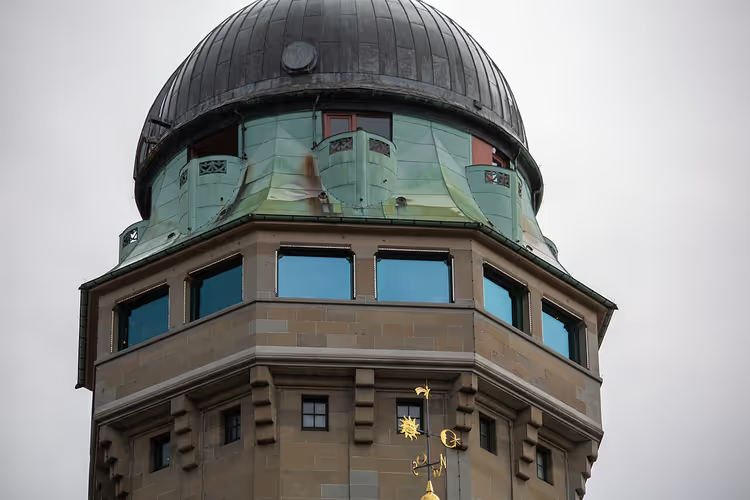
The Urania Observatory has operated in the center for over a century. The tower stands by the Limmat near the train station. Under the dome you look at planets, the Moon and stars through large telescopes, and you also get a panoramic view of the city and the Alps from above.
They show more than just the sky. Guides explain the structure of the Solar System and answer questions during the session. The tour lasts about an hour and a half. With children under ten, it is better to choose a separate program, otherwise they will get bored at an adult session.
- Getting there: trams 7, 11 and 13.
- When: sessions on Thursday, Friday and Saturday, starting late in the evening, check the observatory website for exact times.
- The catch: the observatory does not operate in cloudy weather.
4. Rhine Falls
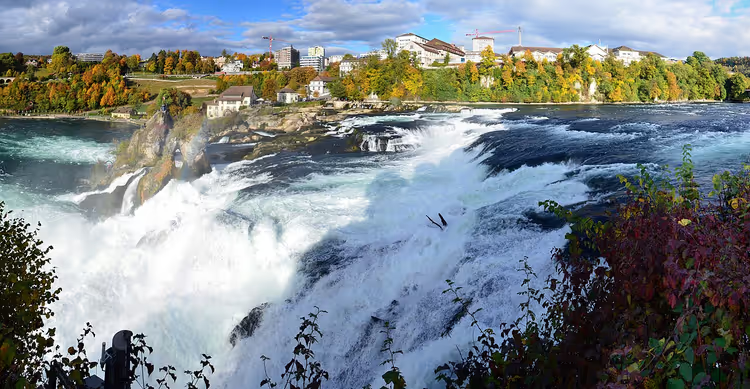 © Gzzz · CC BY-SAPhoto: Gzzz, CC BY-SA (https://creativecommons.org/licenses/by-sa/4.0), Wikimedia Commons
Rhine Falls (Rheinfall) is a forty-minute trip from Zurich and remains the largest waterfall in Europe by water volume. The flow drops from a height of 23 meters, and the crest stretches almost 150 meters. You will hear the roar long before you see the water.
You can view it from three sides. A boat from the north bank takes you right up to the rock, and you climb steps to the very edge of the water. On the Schloss Laufen side, galleries are open above the flow. In late July, a fireworks display is held over the falls to celebrate Switzerland's National Day.
- Getting there: train from Zurich to Schaffhausen, then a local train to the Schloss Laufen am Rheinfall stop.
- Boat: departures from the north bank run every few minutes.
- The catch: the viewing platforms are windy and wet from spray, so a rain jacket is a good idea.
5. Grossmünster
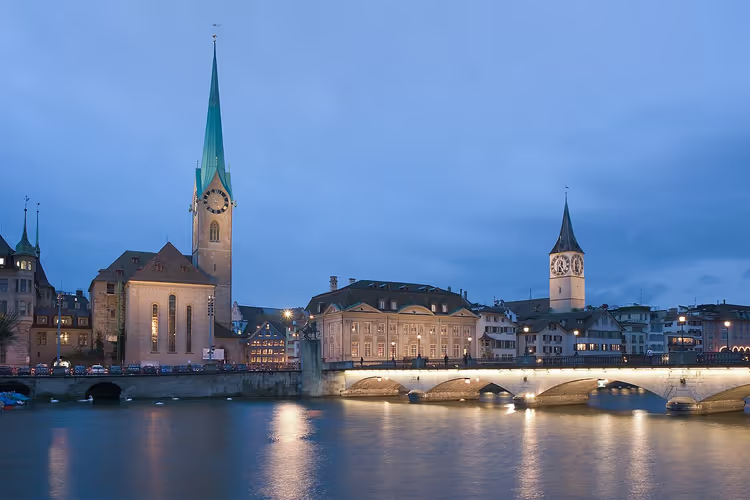 © Ikiwaner · CC BY-SAPhoto: Ikiwaner, CC BY-SA (http://creativecommons.org/licenses/by-sa/3.0/), Wikimedia Commons
Grossmünster, the city's main Protestant church, was begun in the 12th century. The church was founded on the site where, according to tradition, the martyrs Felix and Regula are buried. The Swiss Reformation, led by Ulrich Zwingli, began here.
Inside you will find Romanesque capitals and austere simplicity, and from the viewing platform you can see the entire old town and the lake. Organ concerts are held in the church on Wednesdays. A long staircase leads up the tower, there is no elevator, but the view is worth it.
- Getting there: trams 4 and 15, Rathaus stop.
- Hours: the church is open from 10 to 18, closing earlier in winter; the towers are accessible from 10 to 17 (check the parish website).
- Cost: climbing the tower is paid, entry is in the low double digits, check the price on the parish website.
- The catch: the tower is accessible only by stairs, there is no elevator.
6. Swiss National Museum
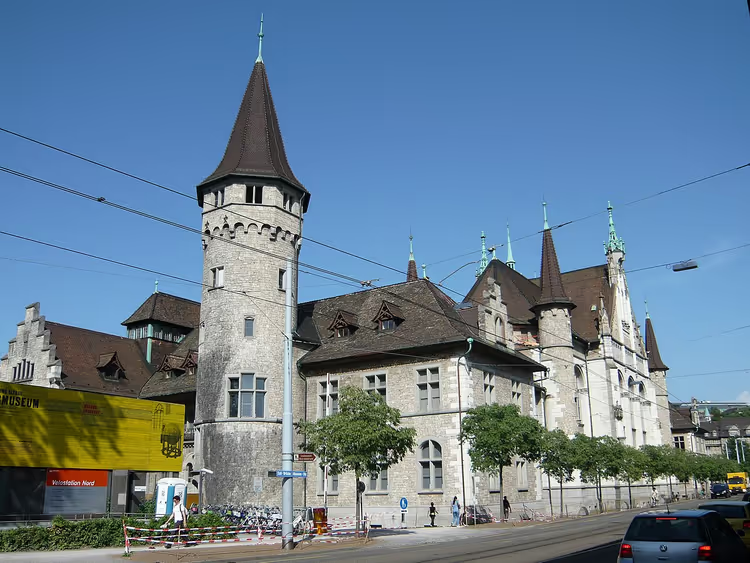 © Flominator ( talk ) · CC BY-SAPhoto: Flominator ( talk ), CC BY-SA (http://creativecommons.org/licenses/by-sa/3.0/), Wikimedia Commons
The Swiss National Museum (Landesmuseum) occupies an old castle across from the train station. The exhibition covers the country's entire history, from the Stone Age to the 20th century. You'll see knight's armor, antique furniture, coins, and bank safe deposit boxes where people once stored their savings.
The museum is a two-minute walk from Hauptbahnhof, so it's easy to make it the first or last stop of the day. You move through the halls in chronological order, and the logic is clear without a guide. The labels are provided in German, French, and English, so you don't need an audio guide.
- Getting there: trams 4, 11, 13 and bus 46.
- Hours: Tue-Wed and Fri-Sat 10-5, Thursday until 7, closed Monday (check the museum website).
- The catch: photography is not allowed in the halls.
7. Langstrasse
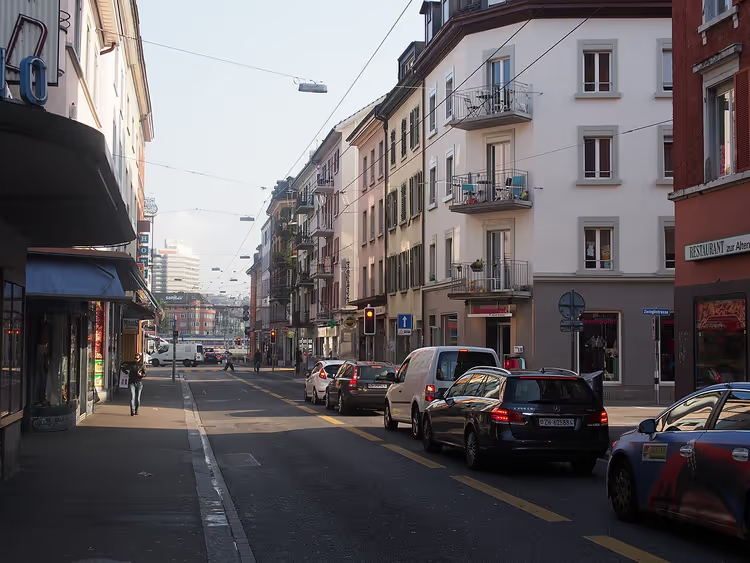 © Martin E. Walder · CC BY-SAPhoto: Martin E. Walder, CC BY-SA (https://creativecommons.org/licenses/by-sa/4.0), Wikimedia Commons
Langstrasse is considered Zurich's most contrasting neighborhood. By day it's boutiques, galleries, and restaurants; by evening the same street turns into a strip of bars and clubs. The Langstrasse Plus program tidied up the area: some facades were renovated, but the character remains.
Come here for real city life, not for postcards. More than half of the district's residents grew up in immigrant families, hence the mix of cuisines, shops, and languages. Every two years the street becomes the Langstrassenfest festival with music right on the pavement.
- Getting there: tram 8, Helvetiaplatz stop.
- The catch: it's noisy here in the evening, and it's better to stick to streets where there are people.
8. Toy museum
 © Flominator ( talk ) · CC BY-SAPhoto: Flominator ( talk ), CC BY-SA (https://creativecommons.org/licenses/by-sa/3.0), Wikimedia Commons
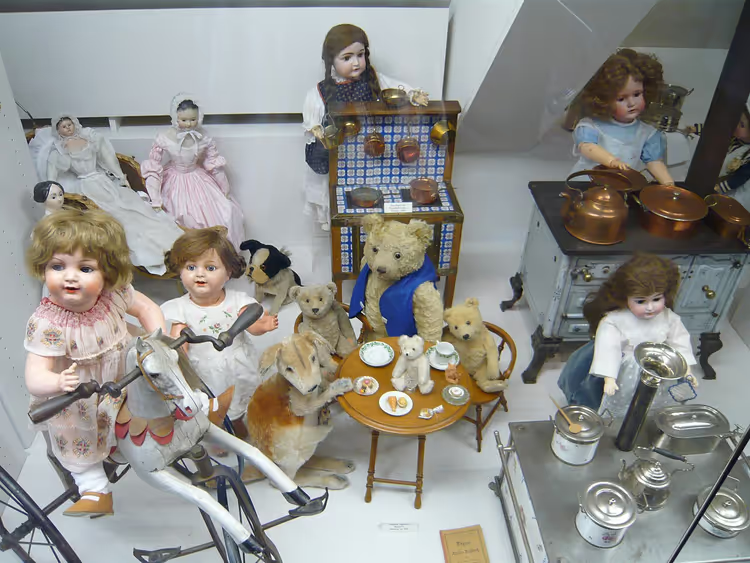
The Zürcher Spielzeugmuseum toy museum is tucked away in the Fortunagasse building in the old town. Two floors hold a collection of European toys from the 18th to 20th centuries: early steam locomotives, tin cars, dolls in fancy dresses. Here you can trace how toys changed over two hundred years.
The exhibition is organized by theme and chronology, so the route is easy to follow without a guide. Separate display cases are devoted to tin soldiers, teddy bears, and a large model railway. Kids can play to their heart's content in a special corner while adults study the dolls.
- Getting there: trams 6, 7, 11, and 13, Rennweg stop.
- Hours: on weekdays the museum is open in the afternoon, on Saturday during the day, closed on Sunday.
- The catch: short opening hours and closed on Sunday.
9. The Bührle Collection
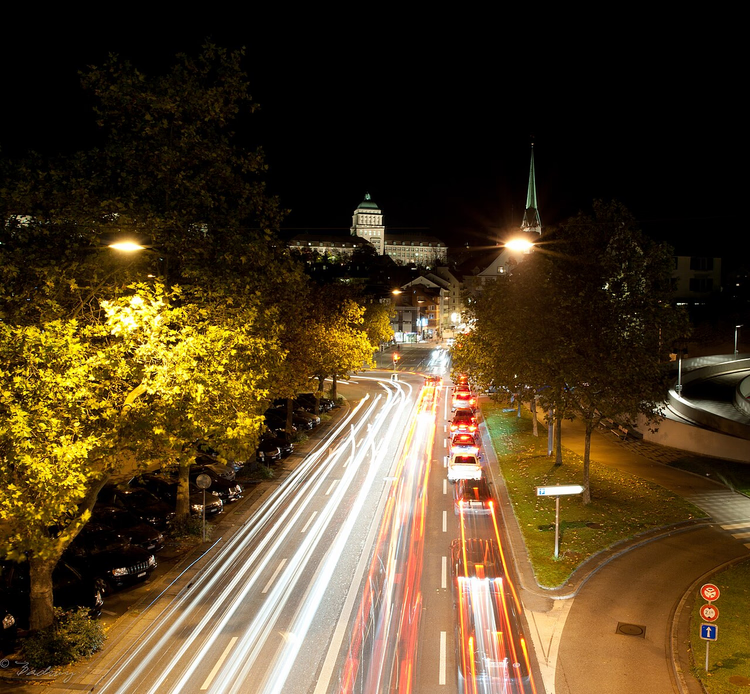
The Bührle Collection was assembled by industrialist Emil Bührle. He bought modern art all his life: Picasso, Van Gogh, Monet, Modigliani, and Rembrandt. The collection was originally displayed in a separate museum in Zurich, and since 2021 it has been shown in the new wing of the Kunsthaus (according to the official Kunsthaus website).
 © Tony Badwy · CC BY-SAPhoto: Tony Badwy, CC BY-SA (https://creativecommons.org/licenses/by-sa/3.0), Wikimedia Commons
For you, this is a chance to see a private collection in a museum setting. The rooms are small but densely packed, so don't try to see everything in one visit. In 2008, four paintings were stolen from the old museum, and since then the collection's history has been studied especially closely.
- Where to see it: at Kunsthaus Zürich, no separate ticket required.
- Cost: included in the general museum ticket; check the price on the Kunsthaus website.
- The catch: there is no longer a separate Bührle museum in Zurich; the collection has moved.
10. Fraumünster
 © Fred Romero from Paris, France · CC BYPhoto: Fred Romero from Paris, France, CC BY (https://creativecommons.org/licenses/by/2.0), Wikimedia Commons
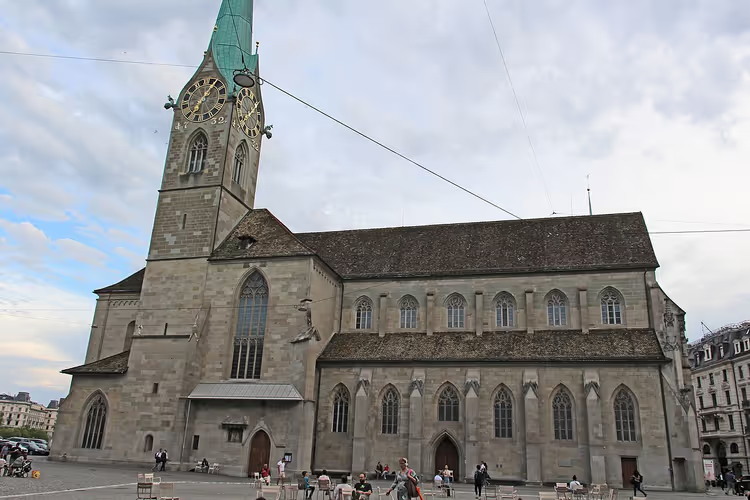
Fraumünster, a former convent, stands on Paradeplatz. The church was founded in the 9th century, but the building burned down and was rebuilt many times. From the outside you're greeted by a gray building with a green spire, while the most interesting part is hidden inside: Marc Chagall's stained glass windows.
Chagall painted five ten-meter windows at the age of 83, and he did all the work himself. Each window is made of blue and red glass and tells a biblical story. The artist later added a round window, bringing the total to six stained glass windows. Next to them you'll hear a large organ with five and a half thousand pipes.
- Getting there: trams 2, 7, 9, 11, and 13, Paradeplatz stop.
- Hours: Mon-Sat 10-18, Sunday from 11; closes earlier in winter.
- The catch: photography is not allowed inside.
11. St. Peter's Church
 © BrianMeyer09 · CC BY-SAPhoto: BrianMeyer09, CC BY-SA (https://creativecommons.org/licenses/by-sa/4.0), Wikimedia Commons
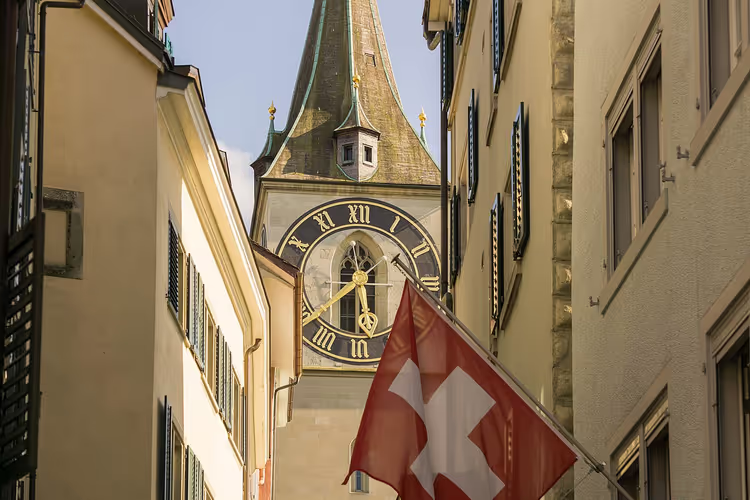
St. Peter's Church (St. Peter) looks modest, but its tower is visible from many parts of the city. It is Zurich's oldest parish and a convenient landmark for tourists. The tower holds the largest church clock face in Europe, so the dial is visible even from the other bank of the Limmat.
Inside, the hall feels quiet and simple: stucco on the walls, austere columns, light through round windows. You can sit in silence or climb to the observation deck. Tower climbs are by prior arrangement, so it's best to book in advance.
- Getting there: trams 4 and 15, Rathaus or Helmhaus stop.
- Hours: Mon-Fri 8-18, Saturday 10-16, Sunday 11-17.
- The catch: the tower is only accessible by prior arrangement.
12. Polybahn funicular
 © MPorciusCato at fi.wikipedia · CC BY-SAPhoto: MPorciusCato at fi.wikipedia, CC BY-SA (http://creativecommons.org/licenses/by-sa/3.0/), Wikimedia Commons
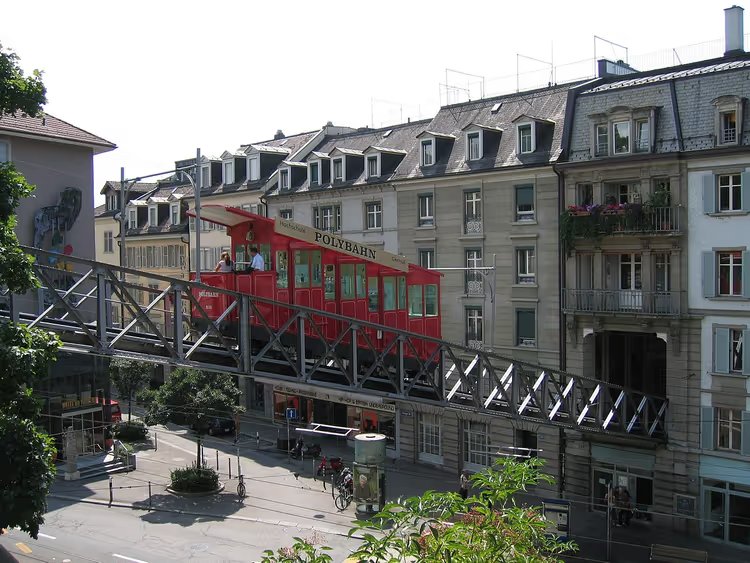
The Polybahn funicular was launched in 1889 for students and faculty. The line is short: two stations and 175 meters of track between them. But the climb is steep, with a gradient of up to 23 percent, and the little car lifts you from the waterfront to the university in about a minute.
Today it's both an attraction and a means of transport. A bank bought the line to keep it from closing, which is why the Polybahn officially bears its name. The mechanism was upgraded and automated in 1996, but the wooden interior of the old car was kept. You'll ride in it even if you're just heading up to the university.
- Getting there: trams 3, 4, 6, 7 and buses 31, 33, 34, 46, Central stop.
- Hours: Mon-Fri roughly from 6:45 to 19:15, Saturday until 14:00.
- The catch: the funicular does not run on Sunday.
13. Old town
 © Thomas Wolf , www.foto-tw.de · CC BY-SAPhoto: Thomas Wolf , www.foto-tw.de, CC BY-SA (https://creativecommons.org/licenses/by-sa/3.0/de/deed.en), Wikimedia Commons
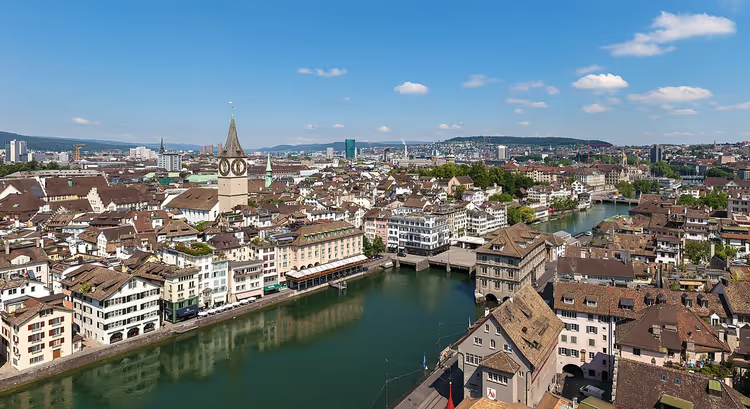
The old town covers about two square kilometers between Bahnhofstrasse and the Limmat river. The first buildings appeared here back in Roman times, and the remains of Roman baths are displayed in a glass atrium. You'll walk past cathedrals, fountains, and houses that bore their owners' names instead of numbers.
Officially, the district is divided into four parts: Rathaus, University, City, and Lindenhof. It's easy to get lost here without a plan, so head from the station toward the river and return along a different street. Souvenirs and antiques are sold in small shops throughout the district. If you want to stay nearby, check hotels in Zurich's old town on Trip.com in advance: prices are higher in season, but everything is within easy reach.
- How to get your bearings: from Hauptbahnhof down Bahnhofstrasse and on toward the Limmat.
- The catch: during the day the center is full of tourists and almost always noisy.
14. Paradeplatz
 © Dietmar Rabich · CC BY-SAPhoto: Dietmar Rabich, CC BY-SA (https://creativecommons.org/licenses/by-sa/4.0), Wikimedia Commons
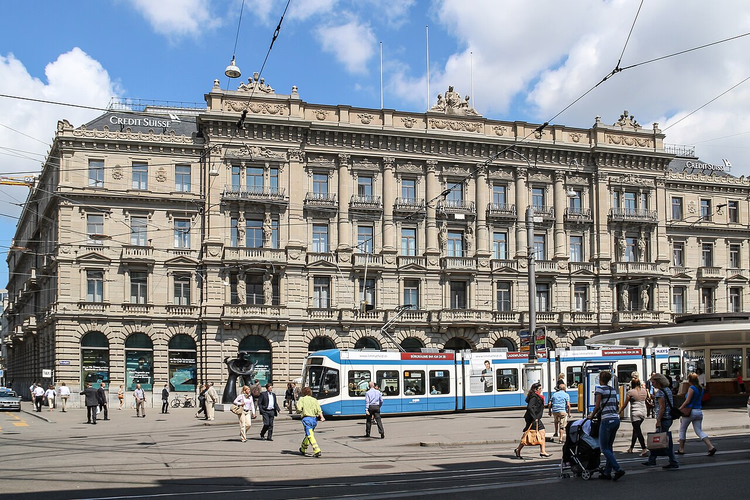
Paradeplatz lies in the middle of Bahnhofstrasse, on the city's main shopping street. The square is regularly used for concerts, fairs, and exhibitions, and the annual guild parade starts here. Around the perimeter you're surrounded by boutiques, banks, cafes, and old confectioneries.
Paradeplatz is also the main tram hub: many routes converge here, so the square is convenient to use as a transfer point. Some buildings have survived from the Middle Ages, and the year of construction is visible on the facades. From here you can walk to Lake Zurich in just a few minutes.
- Getting there: trams 2, 7, 9, 11, and 13.
- The catch: at rush hour the square is packed with trams and crowds.
15. Bürkliplatz
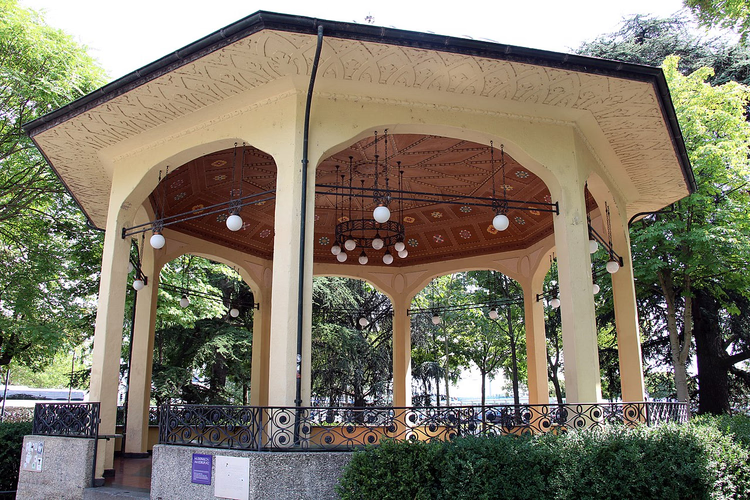
Bürkliplatz was opened on the site of the city fortifications in the late 19th century and named after engineer Arnold Bürkli. From the viewing platform you can see the lake and the Alps on the horizon. In warm weather, sightseeing boats and excursion ships depart from the pier.
 © Fred Romero from Paris, France · CC BYPhoto: Fred Romero from Paris, France, CC BY (https://creativecommons.org/licenses/by/2.0), Wikimedia Commons
The square is easy to recognize by the flower clock with its white and green face. Since 1910, a fountain with a figure of Theseus holding a bull has operated here. On Saturdays in summer, a flea market sets up on Bürkliplatz, and twice a week the square hosts farmers' stalls with local products.
- How to get there: trams 2, 5, 8, 9 and buses, Bürkliplatz stop.
- The catch: on Saturdays the market draws a lot of people, and there are few spots along the waterfront.
16. Bahnhofstrasse
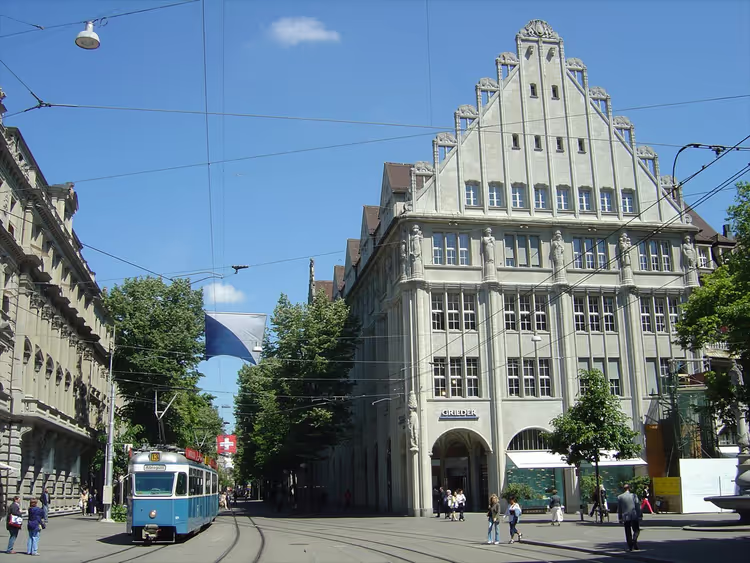
Bahnhofstrasse, or Station Street, stretches 1.4 kilometers from the train station to the lake. The street was laid out in the 1860s on the site of old fortifications and a moat. Today it is one of the most expensive shopping streets in the world, where you will find watches, jewelry stores, and luxury brands.
Almost no traffic runs along the street except trams, so it is easy to explore on foot. Banks, restaurants, hotels, and old confectioneries line the sidewalks. It is easy to lose track of time in front of the shop windows, so decide in advance what you actually need.
- How to get there: trams and buses to Paradeplatz or Bahnhofstrasse/HB stop.
- The catch: prices are above average, and shops are closed on Sundays.
17. Fluntern Cemetery
 © Charly Bernasconi · CC BY-SAPhoto: Charly Bernasconi, CC BY-SA (https://creativecommons.org/licenses/by-sa/4.0), Wikimedia Commons
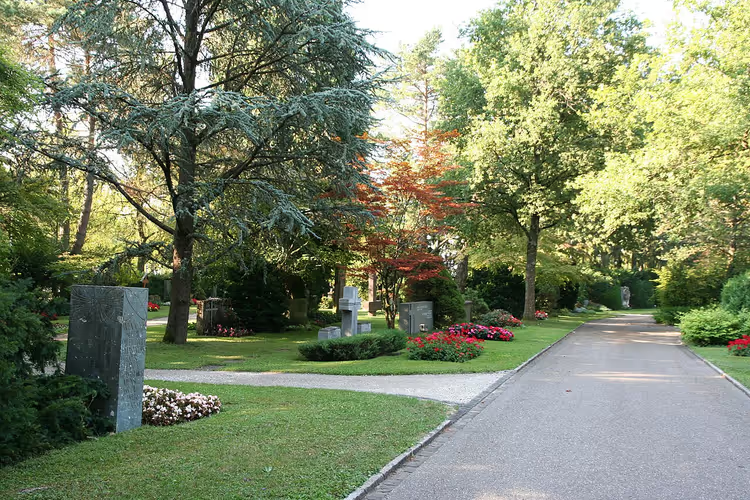
Fluntern Cemetery lies on a slope between the city and the Zurichberg forest. Famous people are buried here: the writer James Joyce, Nobel laureates Elias Canetti and Paul Karrer. Joyce's grave is easy to find by the signs at the entrance.
Tourists come here for the quiet and the sculpture of the gravestones. The grounds are well maintained, the paths climb upward, and trees grow between the graves. At the entrance stands a chapel seating one hundred people, and a separate pavilion is set aside for visitors to rest. You can walk along the avenues and see funerary monuments from different eras.
- How to get there: from the station, take a tram toward Zurichberg, then follow the signs on foot.
- The catch: this is an active cemetery, so loud tours are inappropriate here.
18. Zurich Opera House
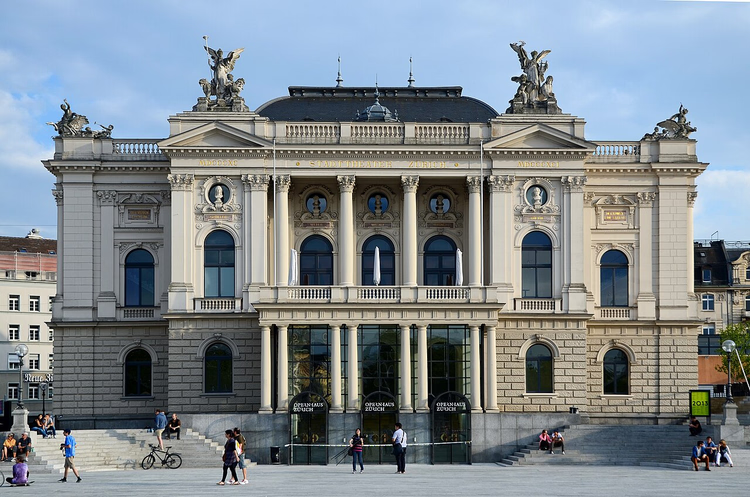
The Zurich Opera House opened in 1891. The building combines two styles: outside it is light stone and neoclassicism, inside you are greeted by rococo with gilding and stucco. The hall seats about 1,200 people.
 © Roland zh · CC BY-SAPhoto: Roland zh, CC BY-SA (https://creativecommons.org/licenses/by-sa/3.0), Wikimedia Commons
The repertoire is dense: more than 300 opera and ballet productions take the stage each year. Many performances are staged in an avant-garde style, so don't go only for the classics. Tickets for popular evenings sell out in advance, so plan your evening several weeks ahead.
- How to get there: trams 2, 5, 8, 9 and buses, Opernhaus stop.
- The catch: tickets for strong productions sell out in advance.
19. Rietberg Museum
 © Ikiwaner · CC BY-SAPhoto: Ikiwaner, CC BY-SA (http://creativecommons.org/licenses/by-sa/3.0/), Wikimedia Commons
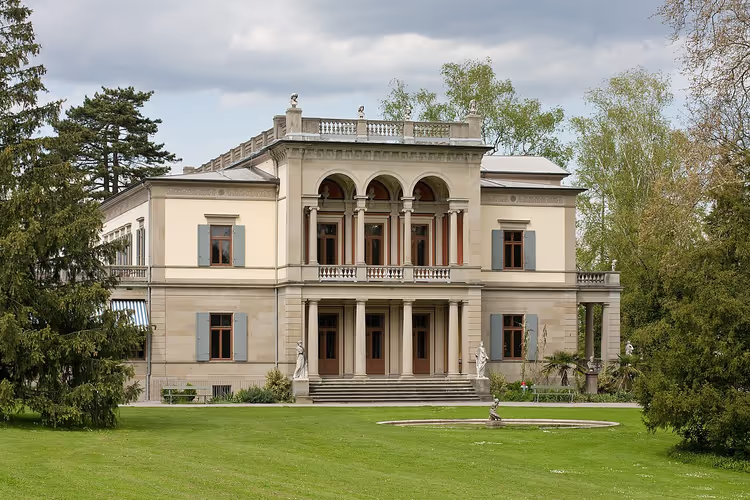
The Rietberg Museum stands in Rieterpark and is dedicated to the art of Africa, Asia, the Americas and Oceania. The collection is based on the holdings of Baron von der Heydt: jade figurines from China, bronze from Tibet, books from Japan and sculptures from Cambodia. You will see rarities that are rarely shown in Europe.
The exhibition is housed in three 19th-century villas, and in 2007 the "Emerald" pavilion was added. The park is a pleasant place for a walk before or after the museum. In addition to the permanent collection, the museum hosts themed exhibitions and classical music concerts.
- How to get there: tram to the Museum Rietberg stop.
- The catch: some villas are closed between exhibitions, so check the schedule.
20. Museum of Design
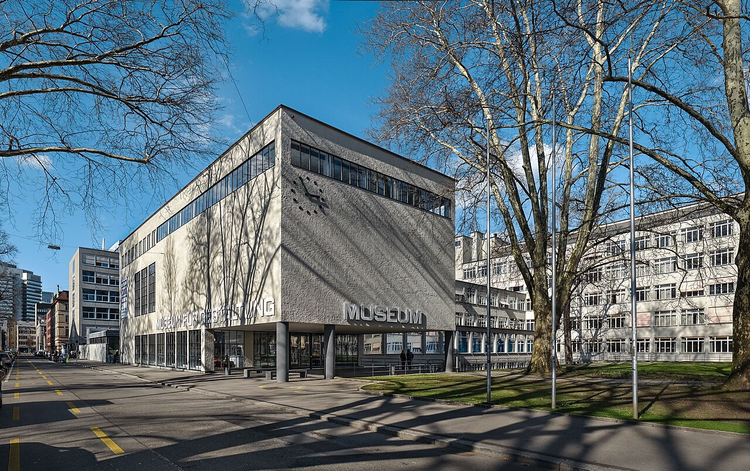 © Photones · CC BY-SAPhoto: Photones, CC BY-SA (https://creativecommons.org/licenses/by-sa/4.0), Wikimedia Commons
The Museum of Design (Museum für Gestaltung) is considered the oldest design museum in the world. A separate exhibition appeared here as early as 1875, and the holdings have grown to roughly 300,000 objects. The collection is divided into posters, graphic design, decorative arts and industrial design.
For you, this is a chance to see the Swiss poster and typography that the country is known for worldwide. The collection is spread across two locations, so check in advance what is on where. The museum has a shop with branded items and designer souvenirs.
- How to get there: trams to stops near Ausstellungsstrasse and Toni-Areal.
- The catch: the museum is closed on Mondays.
21. Beyer clock and watch museum
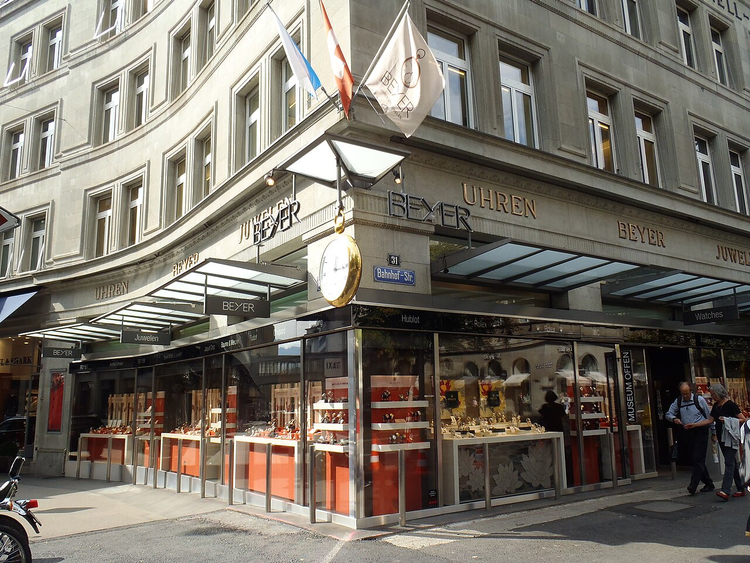 © Natalia Sverdlova · CC BY-SAPhoto: Natalia Sverdlova, CC BY-SA (https://creativecommons.org/licenses/by-sa/3.0), Wikimedia Commons
The Beyer Clock and Watch Museum is located at Bahnhofstrasse 31, directly above the company's store. The Beyer family has been involved with timepieces since the 18th century, and the collection has grown to more than 500 exhibits. You can trace the entire history of timekeeping: from sundials and water clocks to quartz and atomic clocks.
The oldest exhibit dates back to 1400 BC. A separate section is dedicated to watches owned by famous people, including one that belonged to Sir Edmund Hillary, the first person to summit Everest. It's easy to stop by while walking along Bahnhofstrasse, and the visit won't take much time.
- How to get there: trams to Paradeplatz, the museum is a short walk away.
- The catch: the exhibition is small, just a few rooms above the store.
22. FIFA Museum
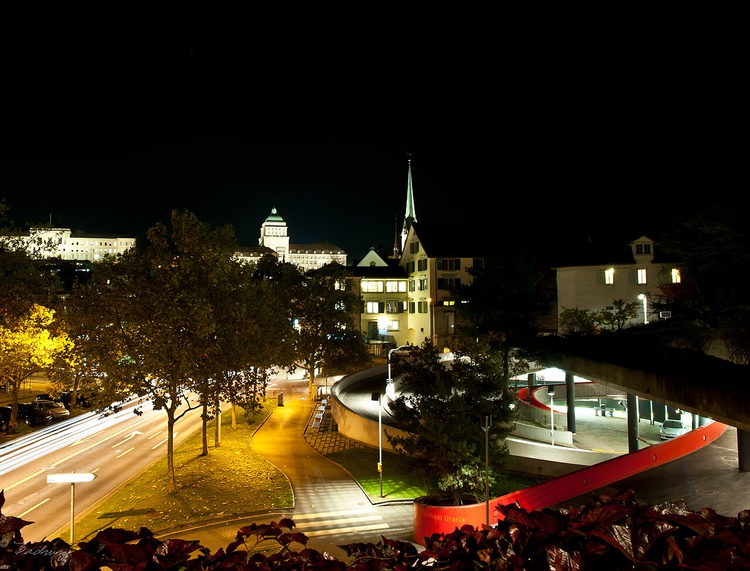 © Tony Badwy · CC BY-SAPhoto: Tony Badwy, CC BY-SA (https://creativecommons.org/licenses/by-sa/3.0), Wikimedia Commons
The FIFA Museum opened in 2016 on the initiative of Joseph Blatter. The eight-story building cost 140 million Swiss francs. The collection includes more than a thousand exhibits, hundreds of videos and thousands of photographs, and the galleries tell the story of football tournaments.
Interactive zones make the museum lively: you can try yourself as a commentator, referee or player, try on a team kit and take a photo with the trophy. In 2026 the museum marks its tenth anniversary, but the original World Cup trophy is temporarily not on display from September 15 (according to FIFA Museum). Inside there is a sports bar, a cafe and a shop. The exhibition is open every day except Monday.
- How to get there: trams and S-Bahn trains to Enge station.
- The catch: closed on Mondays.
23. Town Hall
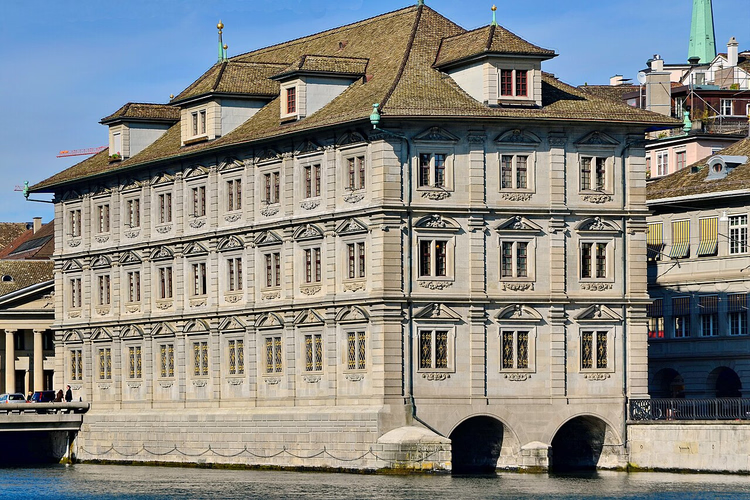 © roland zh · CC BY-SAPhoto: roland zh, CC BY-SA (https://creativecommons.org/licenses/by-sa/3.0), Wikimedia Commons
Zurich's Town Hall stands on the Limmat River in the old town. The building was constructed in the late 17th century for the city council and has remained almost unchanged since. You will see a stone facade with arcades, reliefs and baroque interiors with crystal chandeliers.
Inside, the council chamber with its ceramic stove and carved wooden doors have been preserved. Since 1978 the town hall has held architectural monument status, and today the cantonal council meets here. The building is open to visitors, but it is a working government building.
- How to get there: trams 4 and 15, Rathaus stop.
- The catch: some rooms are closed, as the council does real work here.
24. Uetliberg mountain: the solar system trail
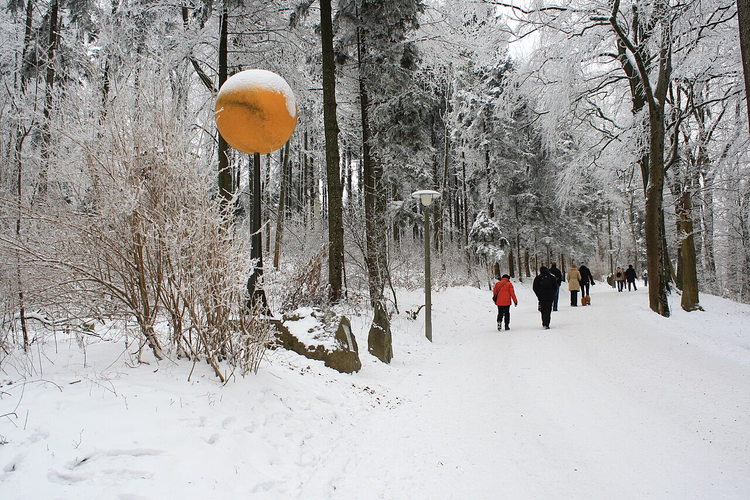 © Roland zh · CC BY-SAPhoto: Roland zh, CC BY-SA (https://creativecommons.org/licenses/by-sa/3.0), Wikimedia Commons
Uetliberg Mountain rises 871 meters above sea level. Hiking trails, bike paths and the S10 train lead to the top. From the viewing platform you can see Zurich, the lake and the Alps, and on a clear day even the snow-capped peaks.
The main feature of the summit, the Solar System Trail, runs along the ridge from Uto Kulm to Felsenegg. One meter of the trail equals one million kilometers, and the platform at the top represents the Sun. In summer a paragliding center operates here, and you can fly over the city with an instructor.
- How to get there: S10 train from Hauptbahnhof to Uetliberg station.
- The catch: in rain and fog the view is obscured, so there's no point going up.
25. Lindenhof
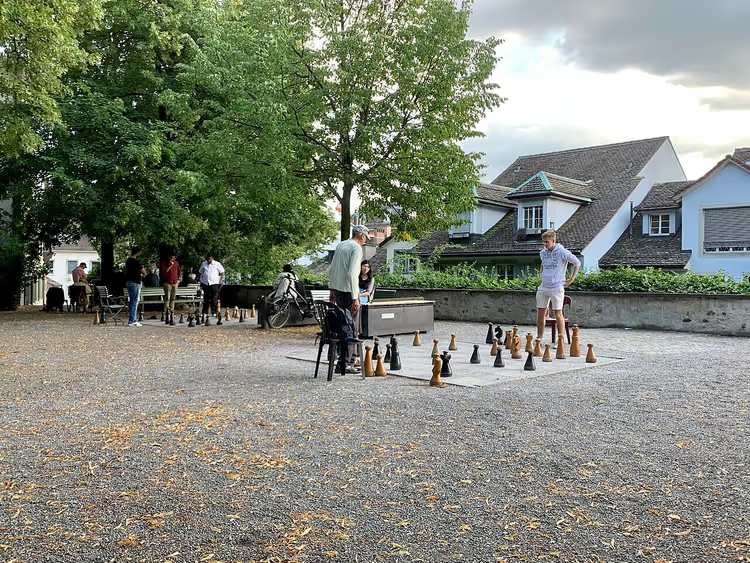 © Ank Kumar · CC BY-SAPhoto: Ank Kumar, CC BY-SA (https://creativecommons.org/licenses/by-sa/4.0), Wikimedia Commons
Lindenhof, the "linden courtyard," lies on a hill in the very center of the city. Here you'll find linden trees, benches and the best free view of the old town and the Limmat. The square features a fountain with the figure of a warrior maiden.
The sculpture recalls a legend from 1292: during a siege, the women of the city put on armor and stood in formation alongside the men, and the enemy retreated, frightened by what appeared to be a large army. A Masonic lodge building stands nearby. Come here in the evening, when tour groups leave and the square becomes quiet.
- How to get there: trams 4 and 15 to Rathaus, then up the stairs.
- The catch: during the day the square is crowded with tour groups.
26. Zurich Main Station
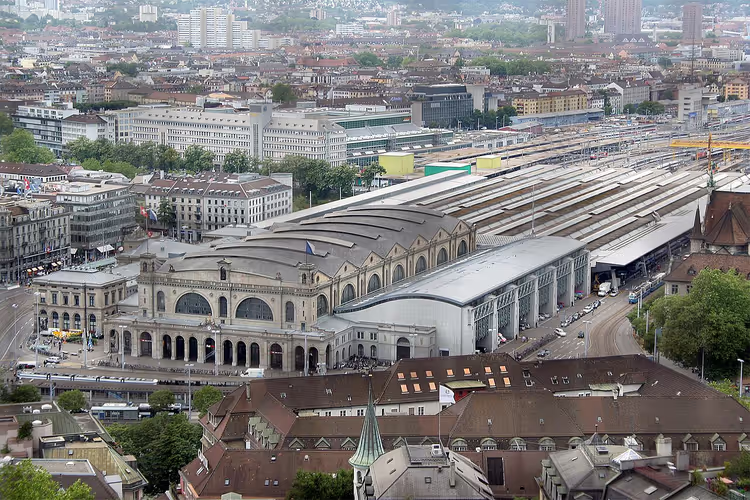 © Ikiwaner · CC BY-SAPhoto: Ikiwaner, CC BY-SA (http://creativecommons.org/licenses/by-sa/3.0/), Wikimedia Commons
Zurich Hauptbahnhof serves as the gateway to the city and the country's largest transport hub. Hundreds of trains depart from here every day, including international services from Germany, Austria, Italy and the Netherlands. You are greeted by a two-story neoclassical building with columns and sculptures.
The airport connection is convenient: the train takes about ten minutes, which matters if you have an early flight. The station has cafes, shops, and an information desk, and a monument to Alfred Escher stands in front of the entrance. Bahnhofstrasse starts right at the station, and the entire old town is nearby. Train tickets for Switzerland on Trip.com are easy to book in advance, especially for routes into the Alps.
- How to get there: S-Bahn and trams to the Zürich HB stop.
- The catch: the station is packed during rush hour, so allow extra time for transfers.
27. Old Botanical Garden
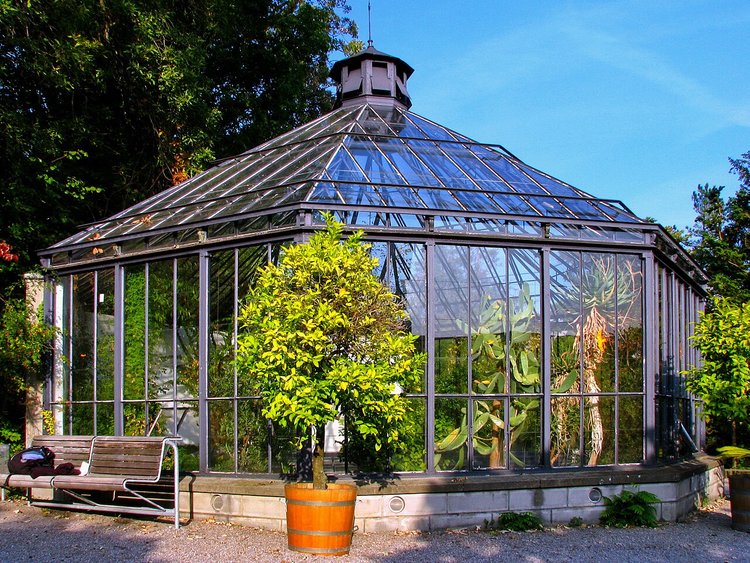 © Roland zh · CC BY-SAPhoto: Roland zh, CC BY-SA (https://creativecommons.org/licenses/by-sa/3.0), Wikimedia Commons
The Old Botanical Garden belongs to the University of Zurich and remains one of the city's best green spaces. The site's history begins with a 16th-century "herb garden," and the modern park was laid out in the mid-18th century. In 1877, the Palm House was built here for warm-climate plants.
Today the pavilion has become a concert venue where music is performed and plays are staged. The arboretum, a medicinal plant garden, and a small ethnological museum are open to visitors. The grounds are divided into zones, each showcasing the flora of its natural climate band.
- How to get there: trams toward the University of Zurich.
- The catch: the garden is busiest on warm weekends.
28. Chinese Garden
 © karlheinz klingbeil · CC BYPhoto: karlheinz klingbeil, CC BY (https://creativecommons.org/licenses/by/4.0), Wikimedia Commons
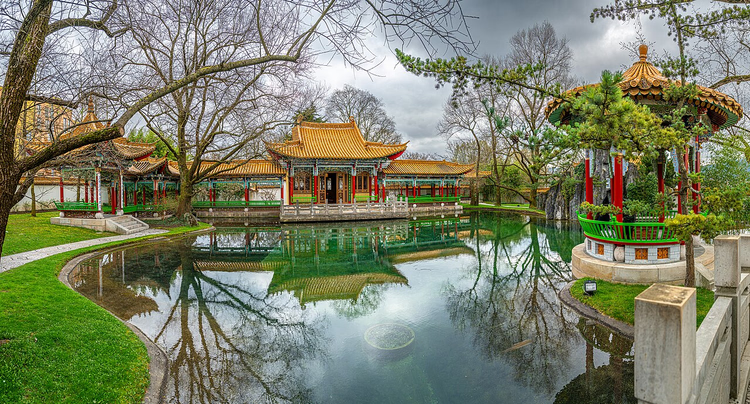
The Chinese Garden (Chinagarten) was a gift to Zurich from its sister city, Kunming. Swiss engineers helped set up the water supply there, and in return, a garden in the Eastern style was laid out on the western lakeshore in 1993. It is open only during the warm season, from March through October.
The composition is built around the three "friends of winter": bamboo, pine, and plum blossom. Chinese gardeners chose these plants for their frost resistance, and they have taken root in the climate near the Alps. You will cross a stone bridge over a pond, see a pavilion on an island, and a small house with a curved roof resembling a pagoda.
- How to get there: tram 2 or 4 toward Zürichhorn.
- The catch: the garden is closed from November through February.
29. Sprüngli confectionery
 © Johnny Chicago at lb.wikipedia · CC BY-SAPhoto: Johnny Chicago at lb.wikipedia, CC BY-SA (http://creativecommons.org/licenses/by-sa/3.0/), Wikimedia Commons
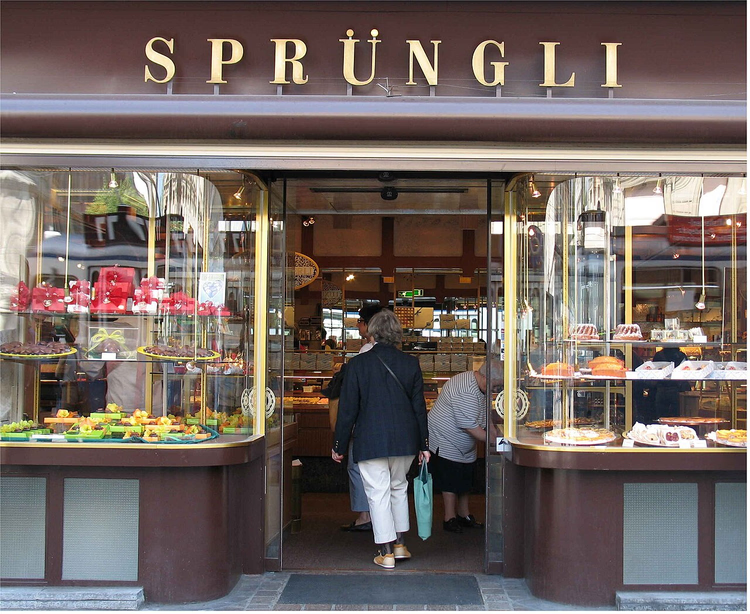
The Sprüngli confectionery has been operating on Bahnhofstrasse since 1836. This is where the Luxemburgerli pastry was invented, the treat that draws even people who had no plans for dessert up to the cafe. The secret lies in natural ingredients and an old technique that has been kept unchanged.
On the ground floor, you will find display cases with truffles, chocolate bars, and seasonal sweets. On the second floor, there is a cafe where you can enjoy a dessert at a table and order coffee. Luxemburgerli fillings come in hazelnut, chocolate, vanilla, coffee, lemon, and strawberry.
- How to get there: trams to the Paradeplatz stop.
- The catch: on weekends there can be a line at the counter.
30. Zürichhorn Park
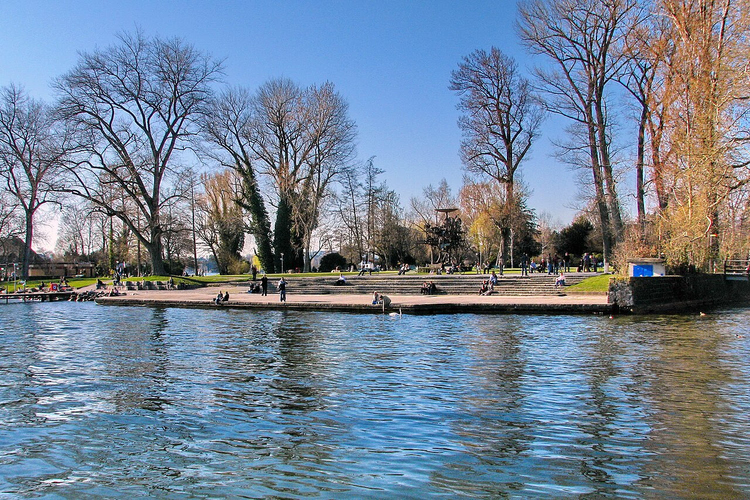
Zürichhorn Park stretches along the lake shore in the eastern part of the city. Millions of people come here every year to walk by the water and look at the mountains. On summer evenings, a large open-air cinema operates in the park.
 © Roland zh · CC BY-SAPhoto: Roland zh, CC BY-SA (https://creativecommons.org/licenses/by-sa/3.0), Wikimedia Commons
The park connects different eras. The futuristic Eureka sculpture stands here, and nearby is the Le Corbusier Pavilion, a striking building of glass and concrete with a floating roof. Inside, there is a private museum run by designer Heidi Weber, dedicated to the architect's work. For you, this is a place for a slow stroll, not a checkbox on a list.
- How to get there: tram 2 or 4 to the Zürichhorn stop.
- The catch: in summer the lakefront gets crowded, and there is little shade on the lawns.
31. Wasserkirche
 © Roland zh · CC BY-SAPhoto: Roland zh, CC BY-SA (https://creativecommons.org/licenses/by-sa/3.0), Wikimedia Commons
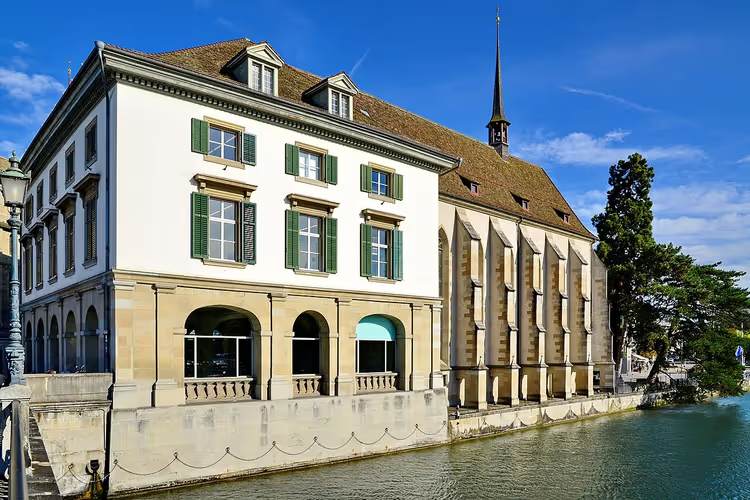
Wasserkirche translates as "church on the water." It stands on the site of a former river island where, according to legend, the martyrs Felix and Regula, the patron saints of Zurich, were executed. The church dates back to around the 10th century, although some historians point to the 13th century.
In the 15th century, the building was rebuilt, and the interior was updated to match the late Gothic style. Today, services are still held here, and the adjoining Helmhaus houses a gallery of contemporary Swiss art. You can step inside, look around the hall, and walk down to the water.
- How to get there: on foot from Rathaus or by tram to Helmhaus.
- The catch: the interior is sparse, so you only need a short time to see it.
32. Cabaret Voltaire
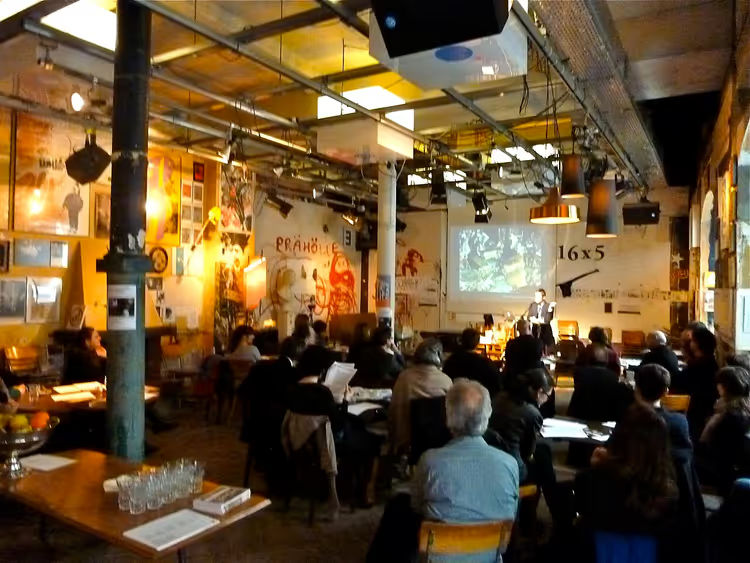 © Adrian Michael · CC BY-SAPhoto: Adrian Michael, CC BY-SA (https://creativecommons.org/licenses/by-sa/3.0), Wikimedia Commons
Cabaret Voltaire opened in 1916 and became the birthplace of Dadaism. Tristan Tzara, Hans Arp, and other artists performed here, and their provocative evenings shocked the public. Later, Lenin stopped by the cabaret to play chess.
Today it is less a stage than a bar, gallery, and small library. You will see archival posters and photographs, and in the evenings it hosts exhibitions and workshops. The place is important for art history, but do not expect a large museum.
- How to get there: trams 4 and 15 to Rathaus, then walk through the old town.
- The catch: today it is more of a bar with a gallery than a cabaret.
33. Tram Museum
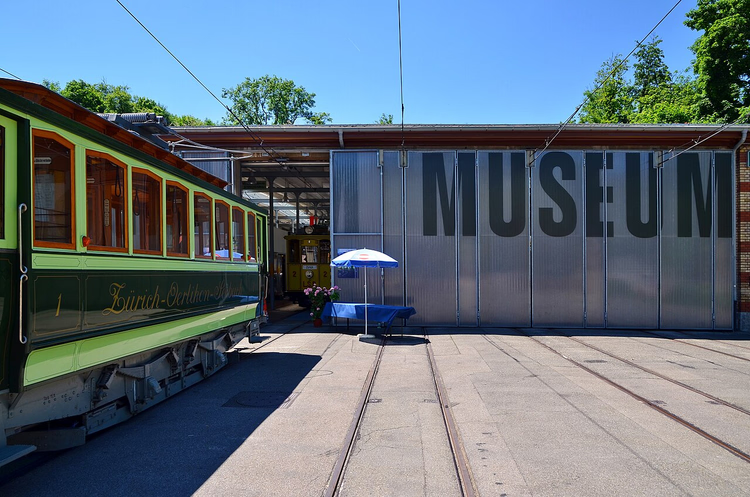 © Roland zh · CC BY-SAPhoto: Roland zh, CC BY-SA (https://creativecommons.org/licenses/by-sa/3.0), Wikimedia Commons
The Tram Museum opened in 1967 in a former depot. It houses trams from all eras, including examples that survive as one-of-a-kind pieces. The oldest vehicles are over 120 years old, and almost all of them are still operational.
Trams in Zurich carry more than half of all passengers, so the museum feels like a living extension of the city. Vintage trams regularly take to the streets with tour groups. This is a great stop if you are traveling with children or love machinery.
- How to get there: trams to the stop near the depot; check the museum website for the exact route.
- The catch: the museum has limited opening hours, so check them before your visit.
34. Bread Museum
The Bread Museum (Mühlerama) occupies an old mill building in the Tiefenbrunnen district. The building was constructed in the late 19th century in the style of palatial architecture, and later a brewery operated here for seventy years. The museum dedicated to bread and milling opened in the 1980s.
The main exhibit, a working mill, shows you how grain is turned into flour. Baking workshops are held here, and the on-site restaurants cook with locally milled flour. The shops on the premises sell jams, kitchen items, and rare cookbooks.
- How to get there: trams to the Tiefenbrunnen stop.
- The catch: some programs and workshops require advance booking.
35. Uetliberg mountain: viewing tower and restaurant
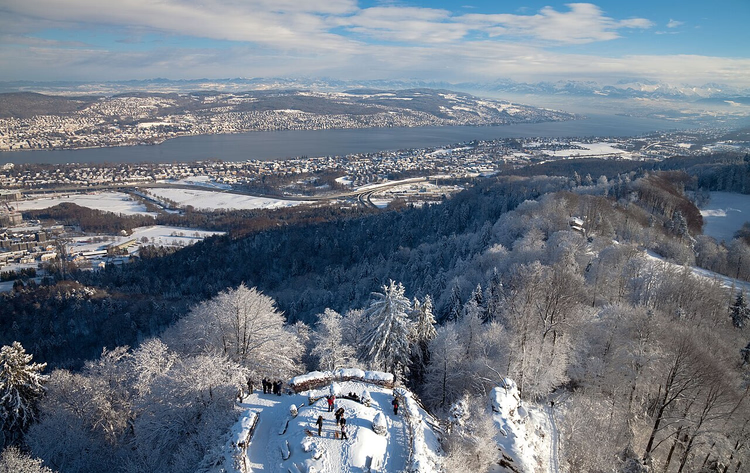 © Murdockcrc · CC BYPhoto: Murdockcrc, CC BY (https://creativecommons.org/licenses/by/3.0), Wikimedia Commons
The second entrance to Uetliberg leads to the viewing tower and restaurant. The tower stands at the summit, admission is free, and from here you can see the entire city. It is a popular meeting spot for couples and families, especially at sunset.
On the mountain, there is a hotel-restaurant serving Swiss cuisine and picnic areas. In winter, people come for the sledding run, and in summer they walk the slopes. If you want to have dinner at altitude, book a table in advance.
- How to get there: S10 train to Uetliberg station, then follow the signs on foot.
- The catch: open fires are prohibited in the picnic areas.
Zurich attractions on the map
All 35 spots are easy to view on a single map. Open it on your phone and check off what you have covered: this way you will see which areas you have already done and which are left for the next day.
Zurich Attractions
Places on the map
- 1Kunsthaus Zürich The country's main art museum, eight centuries of art, closed on Mondays
- 2Zurich Zoo Over 380 species, the Kaeng Krachan elephants and the Masoala rainforest, half a day needed
- 3Urania Observatory Telescope sessions on Thursdays, Fridays and Saturdays, plus a panorama of the city and the Alps
- 4Grossmünster The city's main Protestant church, the starting point of the Swiss Reformation
- 5Swiss National Museum The country's history from the Stone Age to the 20th century in an old castle across from the station
- 6Langstrasse The city's most contrasting district: boutiques and restaurants by day, bars and clubs by night
- 7Toy Museum European toys from the 18th-20th centuries on two floors of a house on Fortunagasse
- 8Fraumünster A former convent on Paradeplatz, six stained-glass windows by Marc Chagall
- 9St. Peter's Church The city's oldest parish, its tower holds Europe's largest church bells
- 10Polybahn Funicular An 1889 line running 175 metres from the waterfront to the university, closed on Sundays
- 11Old Town Two square kilometres between Bahnhofstrasse and the Limmat, four historic quarters
- 12Paradeplatz A square in the middle of Bahnhofstrasse and the main tram hub, the start of the guild parade
- 13Bürkliplatz A flower clock and a fountain with Theseus, pleasure boats leave from the pier
- 14Bahnhofstrasse A 1.4-kilometre shopping street from the station to the lake, shops closed on Sundays
- 15Fluntern Cemetery James Joyce, Elias Canetti and Paul Karrer are buried here, follow the signs to Joyce's grave
- 16Opera House Opened in 1891, a hall for 1,200 spectators, more than 300 productions a year
- 17Rietberg Museum Art of Africa, Asia, the Americas and Oceania in three 19th-century villas in Rieterpark
- 18Museum of Design The world's oldest design museum, about 300,000 objects, closed on Mondays
- 19Beyer Clock and Watch Museum More than 500 exhibits above a shop on Bahnhofstrasse, the oldest dating to 1400 BC
- 20FIFA Museum Eight floors of football history with interactive zones, closed on Mondays
- 21Town Hall A late-17th-century building by the Limmat with baroque interiors, home to the cantonal council
- 22Mount Uetliberg 871 metres above the city, a solar-system trail and views of the lake and Alps, the S10 train goes up
- 23Lindenhof A hill with lime trees and the best free view of the Old Town and the Limmat, a fountain on the platform
- 24Zurich Main Station The country's busiest transport hub, about ten minutes by train to the airport
- 25Old Botanical Garden A university park with an arboretum, a physic garden and the 1877 palm pavilion
- 26Chinese Garden A gift from the sister city of Kunming, open only from March to October
- 27Confiserie Sprüngli Operating on Bahnhofstrasse since 1836, the Luxemburgerli pastry was invented here
- 28Zürichhorn Park The lakeshore with the Eureka sculpture and Le Corbusier's pavilion, open-air cinema in summer
- 29Wasserkirche A church on the water on the site of a former river island, the Helmhaus gallery nearby
- 30Cabaret Voltaire The birthplace of Dadaism in 1916, today a bar with a gallery, archival posters and workshops
- 31Tram Museum Carriages from every era in a former depot, the oldest over 120 years old and almost all still working
- 32Bread Museum A working mill in a late-19th-century building in the Tiefenbrunnen district, baking workshops
If you are flying in and do not want to deal with airport transportation, you can book a transfer from Zurich Airport in advance: the driver will meet you in the arrivals hall.
Tours and tickets in Zurich
Guided tours, skip-the-line tickets and activities — most offers can be cancelled free of charge.
See offers on GetYourGuideThe widget loads once you give your consent.
⁉️🤔 Frequently asked questions
How much time do you need to see the main attractions of Zurich?
One day is enough for a compact route through the old town: Kunsthaus, Grossmünster, Fraumünster, St. Peter's Church, and Lindenhof are all close together. For outlying spots like Rhine Falls or Uetliberg, set aside another day. If you want to visit museums without rushing, plan for two or three days.
When is the best time to visit Zurich?
The warm season lasts from spring to autumn. That is when the Chinese Garden, the sightseeing boats at Bürkliplatz, and the open-air cinema in Zürichhorn Park are open. In winter, some attractions close an hour earlier, but the city is quieter. For climbing Uetliberg, pick a clear day, otherwise fog will block the view.
Do you need the Zürich Card?
The card is worth it if you use public transport a lot and visit museums: it combines transit and admission discounts. For the route in this list, calculate in advance whether it will pay off for you. Some places, like the Chinese Garden and Zürichhorn Park, are free (as of 09/2026, zuerich.com).
Which museums are closed on Mondays?
Kunsthaus, the Swiss National Museum, the Museum of Design, and the FIFA Museum are closed on Mondays. Plan Monday for walks: the old town, Lindenhof, the waterfronts, and Bürkliplatz are open any day. The zoo is open all week, but from November to February it closes an hour earlier.
How do you get to Rhine Falls and Uetliberg?
To reach Rhine Falls, take a train to Schaffhausen, then a local train to the Schloss Laufen am Rheinfall stop. For Uetliberg, the easiest option is the S10 train from the main station. In both cases, buy a ticket for the entire route at once so you do not have to queue at a ticket machine during a transfer.
In short: what to book
Zurich is small, and the decision is simple. Give one day to the center: Kunsthaus, Grossmünster, Fraumünster, and Lindenhof can all be covered on foot. With children, add the zoo and the Tram Museum, and for nature head to Rhine Falls or Uetliberg mountain.
If you have one free day: go for the old town, Grossmünster, and Rhine Falls. If you are traveling with children: go for the zoo, the Tram Museum, and Uetliberg with its sledding run. If you want quiet: go for Fluntern Cemetery, the Rietberg Museum, and the Old Botanical Garden.
Two questions are better to settle in advance. Finding Zurich tours is worth it if you don't want to plan the route yourself, and checking hotels in the center on Trip.com will help you choose accommodation near the main sights.

A small editorial team writing guides for independent travel. We travel ourselves, but we haven’t been everywhere, so we check prices, opening hours and how to get there against official sources.