
















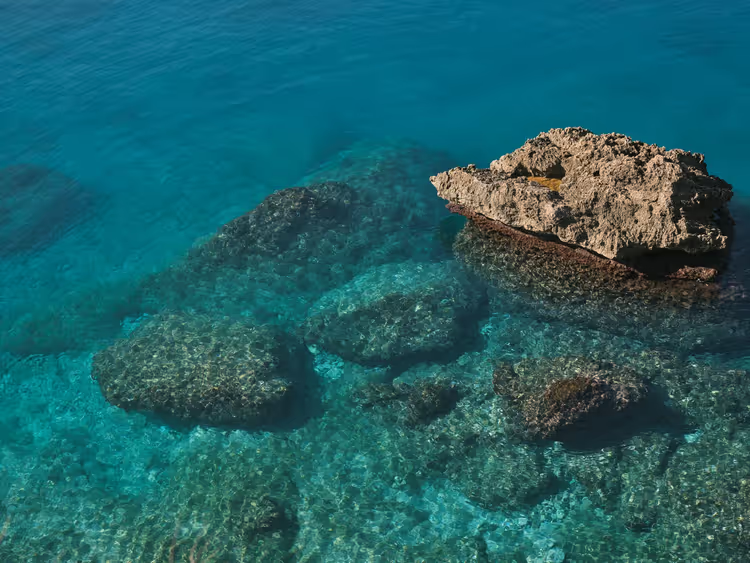
Which sea is the cleanest: 5 water areas and their honest downsides
Sea transparency is measured not in adjectives but in meters. Oceanographers lower a white Secchi disk into the water and note the depth at which it disappears from view.
The record is held by the Weddell Sea off the coast of Antarctica. Its water is compared to distilled water, and no resort destination comes close to its transparency. On European beaches the figure is more modest, reduced by waves, plankton, and runoff from the shore.
We have gathered the bodies of water that regularly appear on lists of the cleanest on the planet. Let's look at what makes each one different, who it suits, and what catch you'll have to accept.
The Weddell Sea: a transparency record
💡 In short:
- Water purity is determined by the depth at which a white Secchi disk disappears.
- For beach vacations in Europe, look for the Blue Flag certification.
- Water quality in Europe: 88% of coastal areas were rated "excellent" in 2025 (checked 09/2026 on the EEA website).
This is the southernmost body of water on the planet. The sea's shores are covered with glaciers, and marine mammals lie on the ice floes for long stretches.
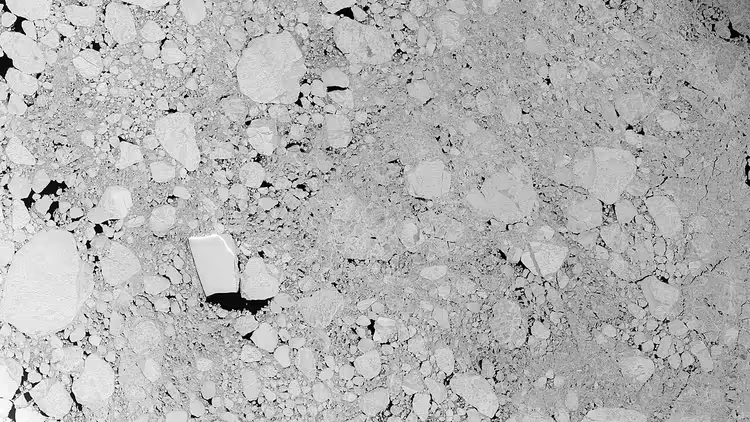 © Coordenação-Geral de Observação da Terra/INPE · CC BY-SAPhoto: Coordenação-Geral de Observação da Terra/INPE, CC BY-SA (https://creativecommons.org/licenses/by-sa/2.0), Wikimedia Commons
The water temperature is not suitable for swimming: it stays around zero and below. These waters have their own phenomenon, flash freezing. Before your eyes, waves turn into ice and bind a vessel in icy shackles. You won't swim here even on a warm day, but you will see a landscape that has barely changed.
- Who it's for: those who want to see the pristine landscapes of Antarctica from the deck of a ship.
- Not for: vacations with swimming, the water doesn't warm up even in summer.
- The catch: the only way to reach the sea is as part of an expedition cruise.
The Sargasso Sea and the Dead Sea
The Sargasso Sea is recognized by its color. Brown sargassum seaweed floats on the surface, and the body of water got its name from it. It has no clear boundaries, and where the sea ends is determined only by currents.
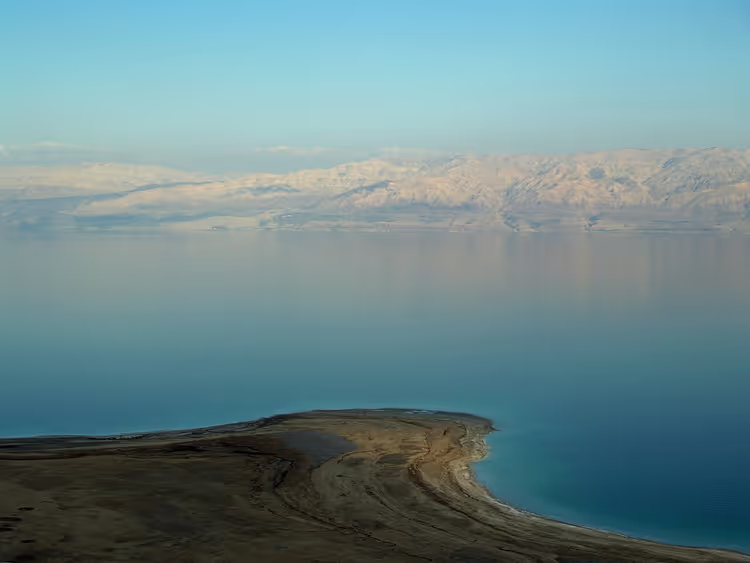 © David Shankbone · CC BY-SAPhoto: David Shankbone, CC BY-SA (http://creativecommons.org/licenses/by-sa/3.0/), Wikimedia Commons
The Dead Sea works differently. Its salinity is several times higher than the ocean's, so there are almost no living organisms in the water, but you float on the surface without any effort.
People come here not for beaches but for treatment. Minerals and trace elements are dissolved in the water, and tourists travel from all over the world for them. Keep in mind that the salty solution stings your eyes, so enter slowly and keep your face above the water.
- Who it's for: those who want to float effortlessly and combine vacation with wellness.
- Not for: snorkeling enthusiasts, there is almost no underwater life here.
The Black Sea and the Sea of Azov: a fly in the ointment
The Black Sea is chosen for family vacations on the coast of Bulgaria, Romania, and Turkey. Water cleanliness is more complicated. Both basins are connected to busy ports where cargo and passenger ships constantly come and go.
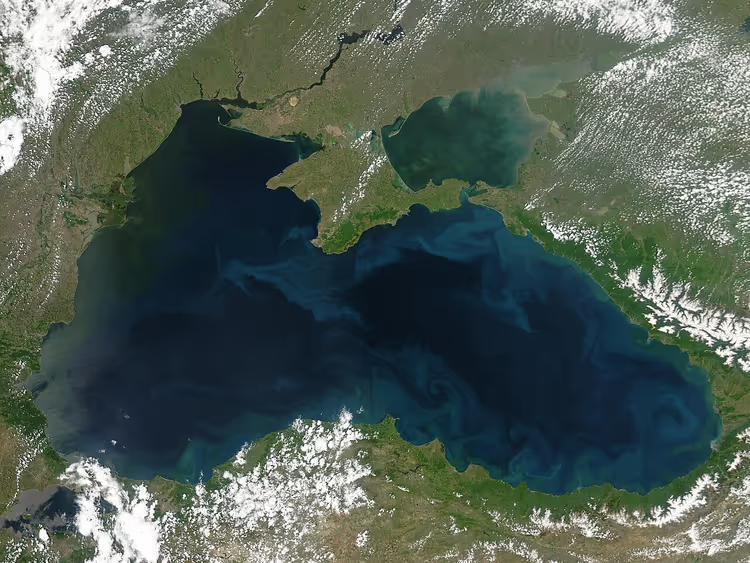
Fishing vessels leave their own mark on the ecosystem. Environmentalists rank these bodies of water among the most polluted in the world, yet you can still find a good vacation spot here.
Choose the start of the season or the shoulder season. The water is cleaner then, and the beaches are less crowded than at the height of summer.
- Who it's for: short trips to the coast of Bulgaria, Romania, and Turkey.
- The catch: after a storm the water turns murky and stays that way for several days.
The Red Sea: transparency without rivers
The Red Sea is on the list of the cleanest bodies of water on the planet. The reason is simple: no river flows into it, so no trash or silt from the continent enters with the water. Transparency is maintained even right at the shore.
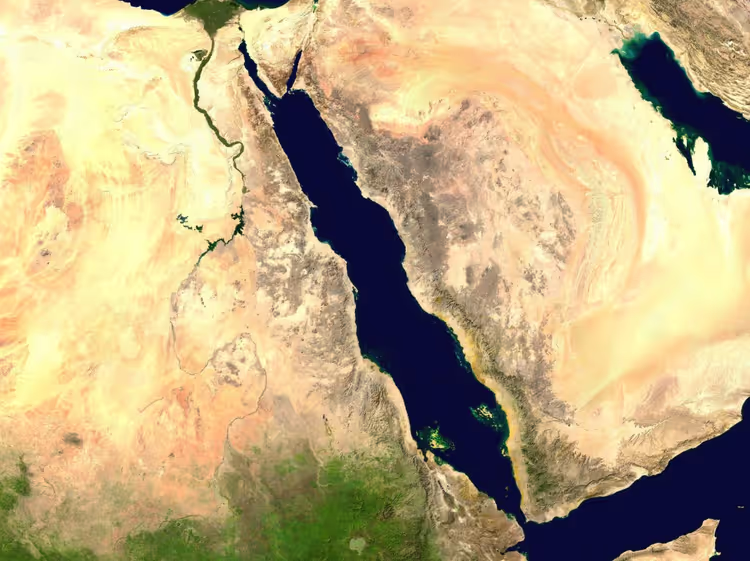
The underwater world here is rich but not harmless. Sharks and barracudas live in the sea, and they can ruin the experience of swimming in the wrong place. Swim only in designated areas and on equipped beaches.
For divers and snorkeling enthusiasts, the Red Sea remains one of the top destinations. The transparent water lets you see the smallest details of the seabed and the fish swimming right next to you.
- Who it's for: diving, snorkeling, and winter beach vacations.
- The catch: outside equipped areas there is a risk of encountering dangerous fish.
The Aegean and Mediterranean Seas: certified beaches
The coasts of Turkey and Greece maintain a high standard of water cleanliness. The Mediterranean basin has many developed resort areas, and you can find an uncrowded cove even at the height of the season.
 © dronepicr · CC BYPhoto: dronepicr, CC BY (https://creativecommons.org/licenses/by/2.0), Wikimedia Commons
The Blue Flag certification helps verify water quality. It is awarded to beaches and marinas under strict environmental criteria: there are 5,216 such sites in 51 countries (as of 10/2025, Blue Flag). A blue flag at the entrance means that the water and infrastructure meet a single standard.
According to the European Environment Agency (EEA), water quality in Europe is improving. Over recent decades, discharges of untreated wastewater have noticeably decreased, so the chances of transparent water at popular resorts are higher than a few years ago.
- Who it's for: families and couples who book a hotel by the sea and want a clear quality standard.
- The catch: in July and August, popular beaches are overcrowded.
⁉️🤔 Frequently asked questions
Which sea is the cleanest in the world?
By transparency, the Weddell Sea off the coast of Antarctica leads, but it is not suitable for an ordinary vacation. If you are looking for a clean sea for swimming, look at the Red, Aegean, and Mediterranean Seas: they have transparent water and a long season.
Can you swim in the Dead Sea?
You can swim, but you can't actually swim properly. Due to the high salinity, the water pushes your body to the surface on its own. Keep your head above water and don't put your face in: the solution stings your eyes and mucous membranes. Enter from an equipped beach where there is a shower, and don't stay in the water too long.
Which beaches should you choose in Europe?
Look for the Blue Flag certification. It is awarded to beaches and marinas that have passed checks on environmental, sanitary, and infrastructure criteria. A blue flag at the entrance means that the water meets a single standard and that the beach has lifeguards and basic facilities.
Why is the Black Sea considered less clean?
Cargo and passenger ships constantly enter the Black Sea and the Sea of Azov, and commercial fishing takes place there as well. Ports and fishing leave a mark on the ecosystem, so environmentalists rank these bodies of water among the most polluted in the world. If you do go to the Black Sea, choose the start of the season or the shoulder season.
When to go for clean sea in the Mediterranean?
The optimal months for a trip are May, June, and September. At that time the water is already warm, and the beaches are less crowded than at the July and August peak. Water quality in Europe is also improving.
In short: what to book
The choice depends on the kind of vacation you need.
- If you need diving and transparent water year-round: the Red Sea.
- If you want a beach close to Europe and a mild climate: the Aegean or Mediterranean Sea.
- If treatment and unusual swimming matter to you: the Dead Sea.
- If you are interested in pristine nature and don't mind the cold: the Weddell Sea.
- If you are planning a vacation in Bulgaria, Romania, or Turkey: the Black Sea, but outside the peak season.
Start with the weather and the season, not with a picture from social media. Three warm seas from the list are suitable for swimming, and Antarctica is enough for impressions.

A small editorial team writing guides for independent travel. We travel ourselves, but we haven’t been everywhere, so we check prices, opening hours and how to get there against official sources.