
















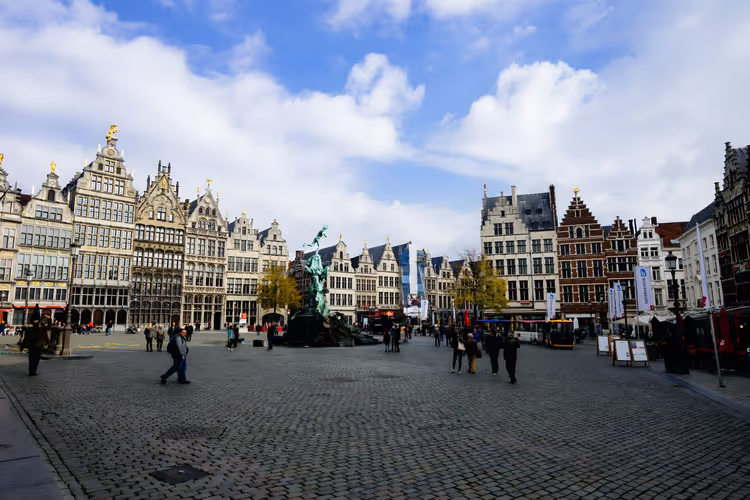
Antwerp on foot: 13 main sights from Grote Markt to the MAS museum
Many people plan only half a day for Antwerp. By evening, you realize you haven't seen even a third of it. The city is one of the largest in Belgium and home to one of Europe's major ports, so there is plenty to see here.
Your first landmark: Grote Markt. From the square, you can walk to the cathedral, Het Steen castle, and the Scheldt embankment. The MAS museum and Rubens House are also in the center, but away from the main square, so they deserve separate time.
Below we've gathered the main sights of Antwerp. The list is easy to trim to fit your day.
Ad: this article contains affiliate links, through them we earn a commission, at no extra cost to you.
Antwerp: what to consider before sightseeing
💡 In short:
- The center is compact: you can cover half the list on foot in one day.
- Get museum tickets and cathedral tickets online, there can be lines on site.
- Check museum closing days: they don't match each other.
- Prices and opening hours: 09/2026, verified on the provincial tourist office website
Antwerp's center starts at Grote Markt and stretches toward the river. Use the cathedral as your guide: its spire is visible from most side streets. From there, the route is easy to continue along the Scheldt, toward the MAS museum and the old docks.
Trams and the De Lijn underground tram will take you between distant points. It's easiest to keep schedules and tickets in the operator's app. Within the center itself, walking is faster, and on short stretches you'll beat any transport.
Decide in advance what matters more to you: covering more places or going deep into two or three museums. Antwerp rewards those who don't try to take in everything in one day. Cross out what you don't need from the list and build your own route.
1. Brabo Fountain and the city's legend
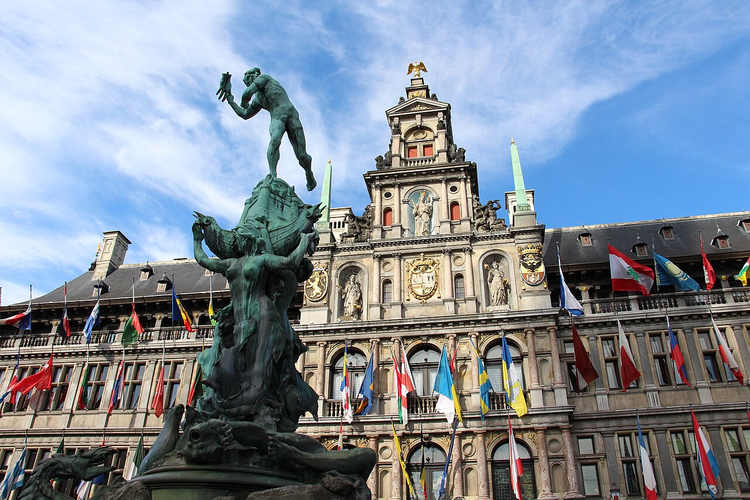 © Fred Romero from Paris, France · CC BYPhoto: Fred Romero from Paris, France, CC BY (https://creativecommons.org/licenses/by/2.0), Wikimedia Commons
Antwerp's main myth explains both the coat of arms and the city's name. According to legend, a giant lived at the mouth of the Scheldt, charging passing ships an exorbitant toll and cutting off the hand of anyone who refused. The Roman Silvius Brabo defeated the giant and threw his hand into the river.
Hence the name: in its old Flemish form it reads as "thrown hand." Historians prefer a more modest version. The word "aanwerp" meant an alluvial hill by the water, on which the first settlement grew.
The fountain on the square was erected specifically in memory of Brabo. The bronze hero raises his hand over the water, and it is one of the city's most recognizable sculptures. A couple of minutes is enough to take in the details, and then it's worth walking over to the town hall.
2. Grote Markt square
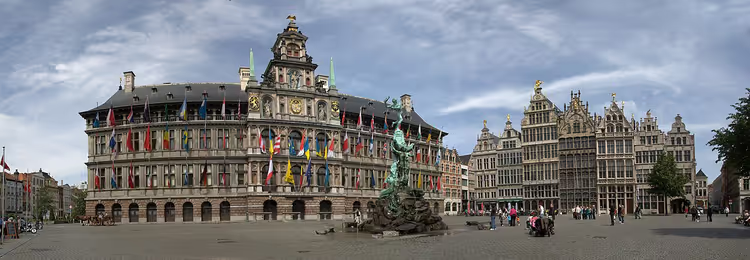 © Maros M r a z ( Maros ) · CC BY-SAPhoto: Maros M r a z ( Maros ), CC BY-SA (http://creativecommons.org/licenses/by-sa/3.0/), Wikimedia Commons
Grote Markt serves as the heart of the old city. The square took shape in the 16th century and has kept the same layout since then: you'll see the same guild houses as centuries ago. It's a convenient starting point for any route.
The facades of the houses are decorated with gilded statues, guild coats of arms, and stone carvings. Each building has its own story: craftsmen marked their standing in the city this way. Look closely at the details as you walk along the row.
Some guild houses have kept their original appearance, while others were restored after fires and wars. Note the shape of the gables: they echo the stepped roofs of old Flanders. You'll recognize such facades later in other cities of the region, but here they are gathered in a single row.
The north side of the square is occupied by the town hall, and the cathedral rises above the rooftops. In the evening, the lights come on, and the square looks more festive than during the day. If you have time, come back here after sunset.
3. Het Steen castle
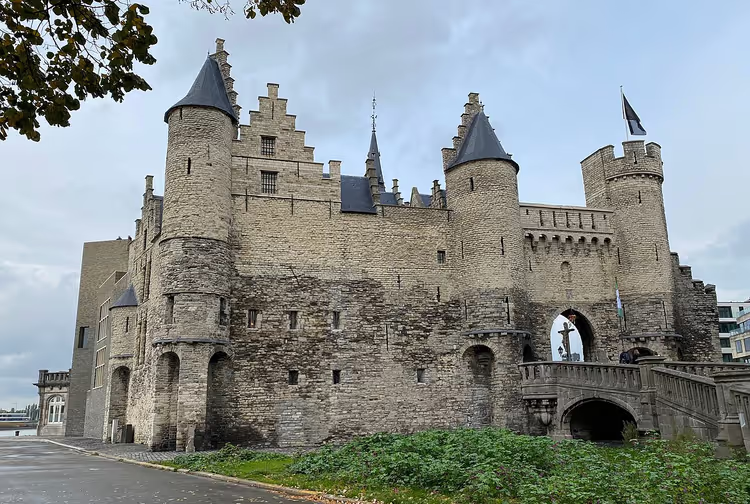 © -wuppertaler · CC BYPhoto: -wuppertaler, CC BY (https://creativecommons.org/licenses/by/4.0), Wikimedia Commons
Het Steen castle stands on the Scheldt embankment, at the origins of the city's port. It is Antwerp's oldest fortress: fortifications appeared on this site as early as the early Middle Ages. Its walls have seen a noble residence, a city prison, and sessions of the Inquisition.
Today the castle houses a tourist center, and from the embankment you can see the river and the old docks. It's worth spending half an hour here: it's a convenient break on the way to the MAS museum. Further along the Scheldt, the new part of the city begins, and the waterfront changes again.
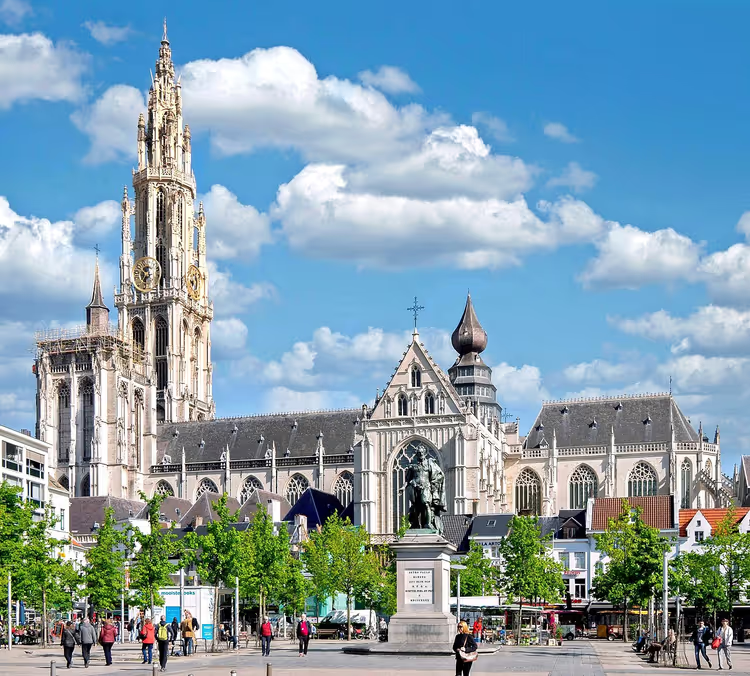
4. Cathedral of Our Lady
 © Rolf Kranz · CC BY-SAPhoto: Rolf Kranz, CC BY-SA (https://creativecommons.org/licenses/by-sa/4.0), Wikimedia Commons
Cathedral of Our Lady towers over the center and is considered one of the tallest churches in the country. It was built over several centuries, so its appearance blends features from different Gothic eras. The spire is visible from afar and serves as the best landmark for you.
Inside, works by Rubens are on display, including the famous altar triptychs. On weekdays the doors are open from 10:00 to 17:00 (as of 09/2026, official information about the cathedral). Allow extra time: besides the paintings, the stained glass and stone carvings are worth a close look.
The cathedral is an active church, so some hours are reserved for services, and entry is restricted then. Plan your visit for the morning: the light through the stained glass is at its best, and tour groups arrive later. That way you can take in the interior at your own pace.
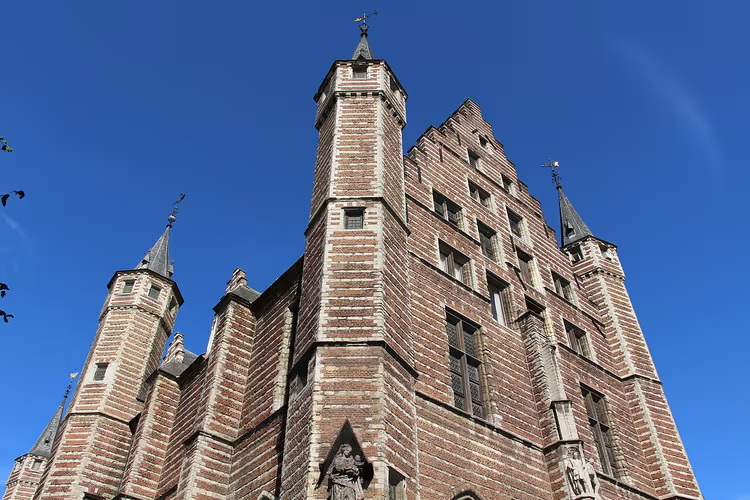
5. Vleeshuis: the butchers' guild house
 © Fred Romero from Paris, France · CC BYPhoto: Fred Romero from Paris, France, CC BY (https://creativecommons.org/licenses/by/2.0), Wikimedia Commons
Vleeshuis translates as "meat house": this is where the butchers' guild once operated. The facade is built of red brick and white stone, and from a distance the building resembles a layered bacon pie. The brickwork pattern is worth examining up close.
Today the building houses a museum of musical instruments. The collection spans several centuries. Check the opening hours before your visit: the museum is small and depends on the events calendar.
6. The diamond quarter and the diamond museum
 © LBM1948 · CC BY-SAPhoto: LBM1948, CC BY-SA (https://creativecommons.org/licenses/by-sa/4.0), Wikimedia Commons
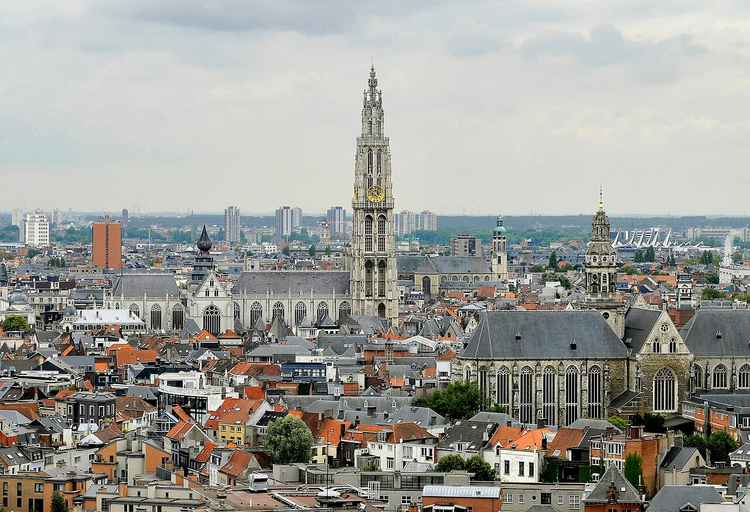
Antwerp holds the title of the world's diamond-cutting capital: the diamond quarter starts right at the train station. Stones have been cut and sold here for several centuries, and for you it is an attraction in its own right. Shop windows and workshops line the streets of the quarter.
A small museum nearby explains the cutting technology and displays famous replicas. The exhibition includes models of historic stones, including a copy of the Koh-i-Noor. Take a guided tour or an audio guide: without explanations, the details are easy to miss.
Check the opening hours and ticket price in advance: the museum is small, and the schedule depends on the season. If you are short on time, you can see the diamond quarter without the museum, simply by walking the streets of the quarter between the station and the center.
7. Antwerp Zoo
 © DRG-fan · CC BY-SAPhoto: DRG-fan, CC BY-SA (https://creativecommons.org/licenses/by-sa/4.0), Wikimedia Commons
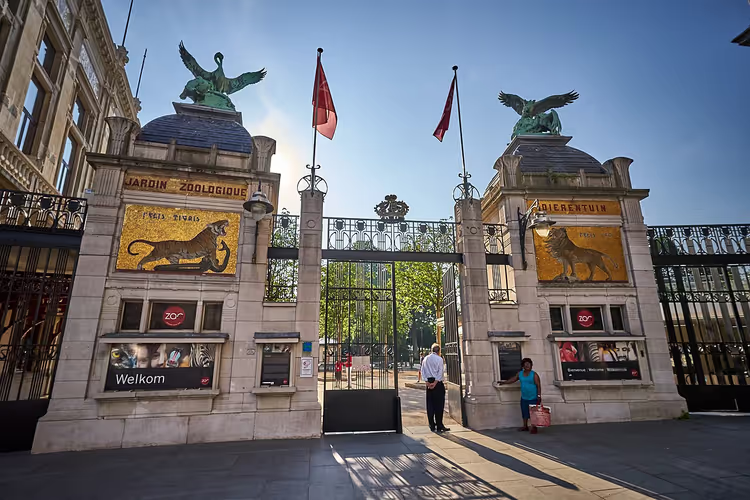
Antwerp Zoo has been operating since the mid-19th century and is among the oldest in the world. It opened outside the city limits, but over a century and a half the city grew and surrounded the zoo. Today you enter the zoo right from the center, next to the station.
The historic pavilions here are no less interesting than the animals. The columns at the main entrance and the old stone and brick enclosures recall what zoos looked like in the past. For you, this is a rare chance to see architecture and fauna in one place.
The layout resembles a park rather than a row of cages: paths run between the pavilions, benches are placed along them, and cafes operate throughout. It is easy to spend half a day here without noticing how the time flew by. Many pavilions are listed as monuments and protected just like city buildings.
The zoo is home to hundreds of species, from African predators to Arctic birds. The grounds are well kept, with paths between enclosures and signs throughout. Keep a map handy: there is a lot to see, and you can easily lose a couple of hours in one zone.
Some pavilions are dedicated to specific regions: there is an African savanna area, primate enclosures, and a zone for birds and reptiles. Many animals are kept in open enclosures, without bars in front of you, so photos come out almost like in the wild.
A separate attraction inside the zoo: a pavilion shaped like an Egyptian temple. It was built for large ungulates, and the facade painting was later restored. Take a close look at the ornamentation: it transports you from Flanders to North Africa.
If you are traveling with children, set aside half a day for the zoo. Bringing breakfast and taking your time is better than rushing through all the enclosures in an hour. Before your visit, check the calendar on the official website: in winter, some areas are closed.
8. Royal museum of fine arts
 © Ricardalovesmonuments · CC BY-SAPhoto: Ricardalovesmonuments, CC BY-SA (https://creativecommons.org/licenses/by-sa/4.0), Wikimedia Commons
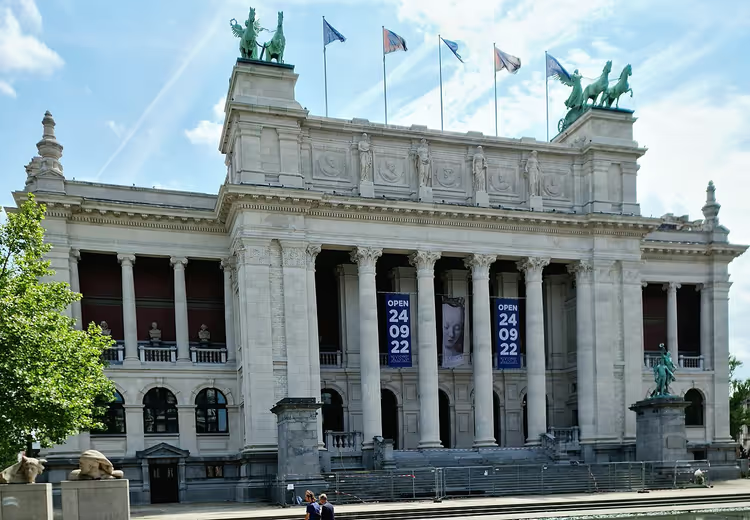
The Royal Museum of Fine Arts (KMSKA) building is easy to recognize by its Corinthian columns and sculptures on the attic. It was built in the late 19th century and later closed for a multi-year restoration. Today the museum is open again and combines the old halls with new ones.
The collection brings together Flemish and Dutch masters, including Rubens and his contemporaries. The halls are tall and bright, so you can take your time looking at the paintings without feeling rushed. Allow at least two hours for your visit, otherwise you will end up with a quick walk through the corridors.
9. Museum Mayer van den Bergh
 © Ricardalovesmonuments · CC BY-SAPhoto: Ricardalovesmonuments, CC BY-SA (https://creativecommons.org/licenses/by-sa/4.0), Wikimedia Commons
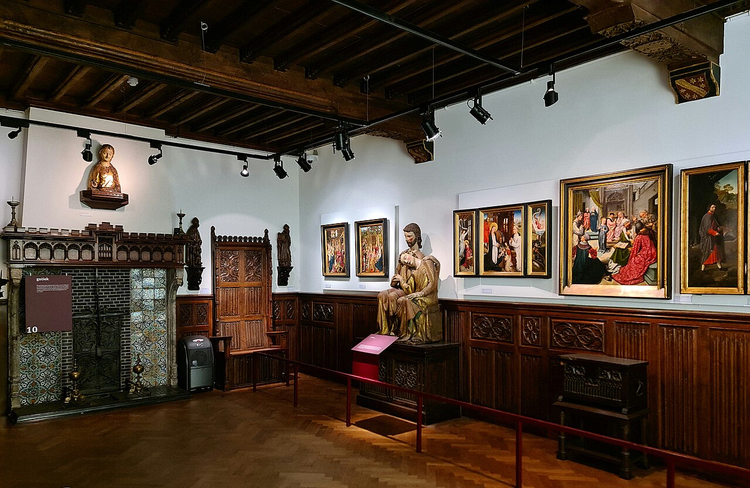
Museum Mayer van den Bergh is tucked away in a neo-Gothic house from 1904, styled to look like an old patrician residence. Dark oak paneling, a narrow spiral staircase, and windows with many mullions create the feel of a private home. Here you will sense not a museum, but a lived-in dwelling.
The collection is private: collector Mayer van den Bergh started with numismatics and later became passionate about painting and applied arts. After his early death, his mother preserved the collection and gave it to the city. That is how private taste became a civic treasure.
The exhibition includes paintings by old masters, along with sculptures in wood, bronze, marble, and ivory. The altarpiece triptych by an unknown painter, with scenes of the Nativity, Saint Christopher, and the Resurrection, deserves special attention. The exhibits are arranged not chronologically, but according to the owner's taste, and this gives the visit a distinctive rhythm.
The museum is small, and you can get through it in just over an hour without rushing. Look at the objects slowly: it is in the small details, like lace or porcelain, that the collector's character shows. A museum like this leaves you with more than a long gallery does.
10. MAS: museum on the river
 © Zinneke · CC BY-SAPhoto: Zinneke, CC BY-SA (https://creativecommons.org/licenses/by-sa/3.0), Wikimedia Commons
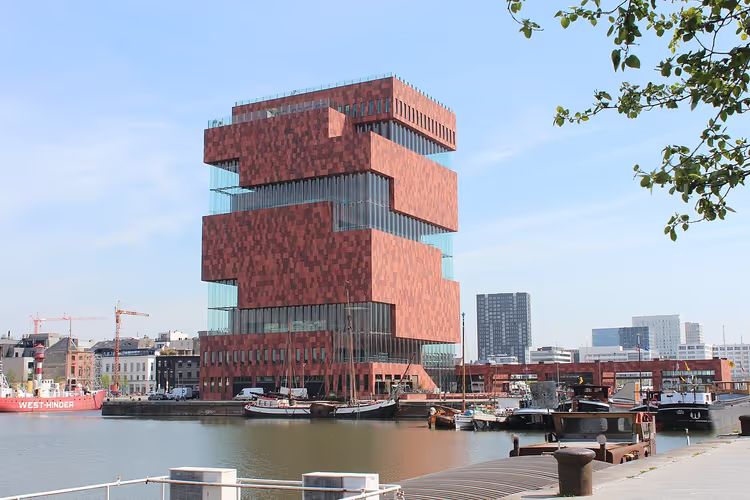
MAS stands for Museum aan de Stroom, which means "museum on the river." The building opened in the early 2010s and is clad in red sandstone, so it is visible from far away. The wave-like walls and panoramic windows immediately reveal it as a modern structure.
The exhibition tells the story of the port of Antwerp and the city. Ship models, maps, and rare objects show how Antwerp traded with the whole world. Some halls are dedicated to Belgium's colonial past, and these displays come across as sober, without a ceremonial tone.
On the top level, an open terrace awaits you with views of the docks and the city. Go up around sunset: the light falls on the river, and from above you can clearly see the layout of the port. Afterwards you can walk down to the water and stroll along the quays.
The building stands in the old docks district, which has changed a lot in recent years. New houses, workshops, and moorings for pleasure boats have appeared around it. For you, this is another reason to stay here longer than planned.
11. Antwerpen-Centraal
 © Giles Laurent · CC BY-SAPhoto: Giles Laurent, CC BY-SA (https://creativecommons.org/licenses/by-sa/4.0), Wikimedia Commons
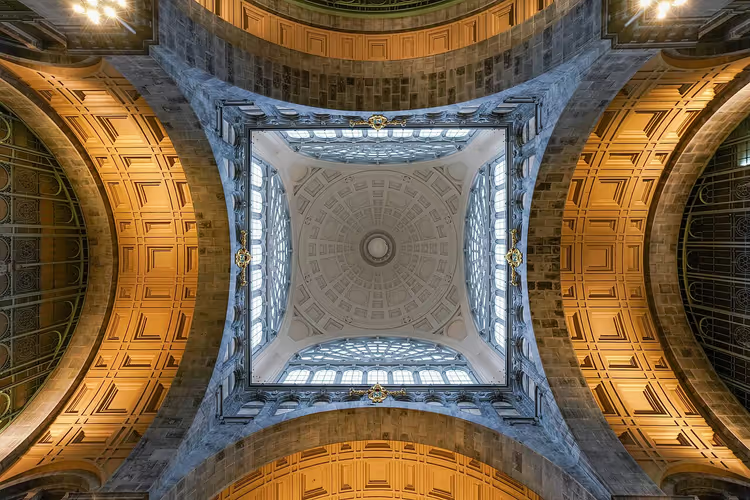
Antwerpen-Centraal station opened more than a century ago, and it looks more like a palace hall than a transport hub. The dome over the platforms, the stone staircases, and the neo-Renaissance facade make it an attraction in its own right. Many people come here just for the building itself.
Trains pass through the station to destinations across the country and abroad, and trams and buses await you on the station square. From here you can walk to the Grote Markt in about fifteen minutes. Look for the taxi stand at the main exit.
12. Rubenshuis: Rubens' house
 © Ricardalovesmonuments · CC BY-SAPhoto: Ricardalovesmonuments, CC BY-SA (https://creativecommons.org/licenses/by-sa/4.0), Wikimedia Commons
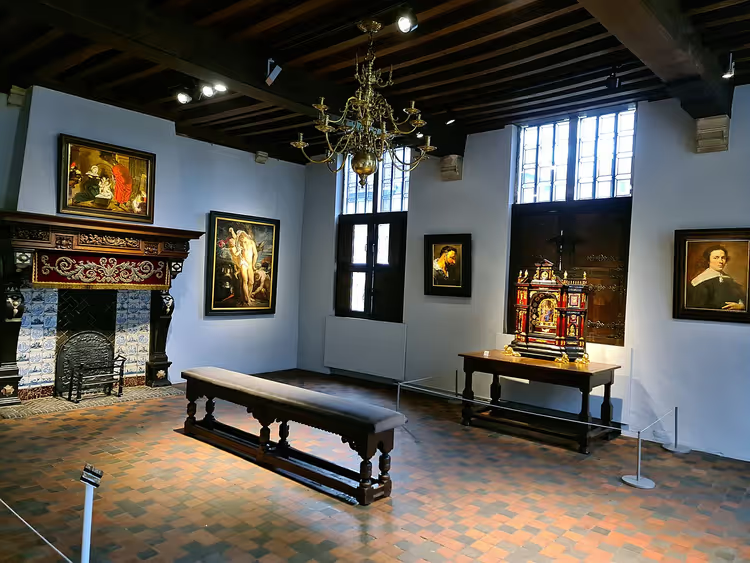
Rubenshuis was built in the early 17th century as the artist's home and workshop. Rubens designed the layout himself: the residential wing turned out modest, while the workshop, portico, and garden pavilion received Baroque decoration. In this house he worked and received distinguished guests.
Today the historic residence is closed for restoration, but the Rubens Experience, the library, and the garden are open (as of 09/2026, official website). Check the work schedule in advance to understand which parts are accessible during your trip.
The restoration is proceeding in stages, and the museum is gradually reopening new rooms to visitors. That is why you should confirm the status before you set off, rather than relying on old guidebooks. This way you will not arrive to find closed doors.
Even through the garden and pavilion, you can see how Rubens combined Flemish tradition with Italian Baroque. The wood, stone, and marble decoration has been preserved and restored based on old sketches. If you love painting, this address is worth keeping on your list for the future, when the house fully reopens.
13. Antwerp City Hall
 © Klaus with K · CC BY-SAPhoto: Klaus with K, CC BY-SA (http://creativecommons.org/licenses/by-sa/3.0/), Wikimedia Commons
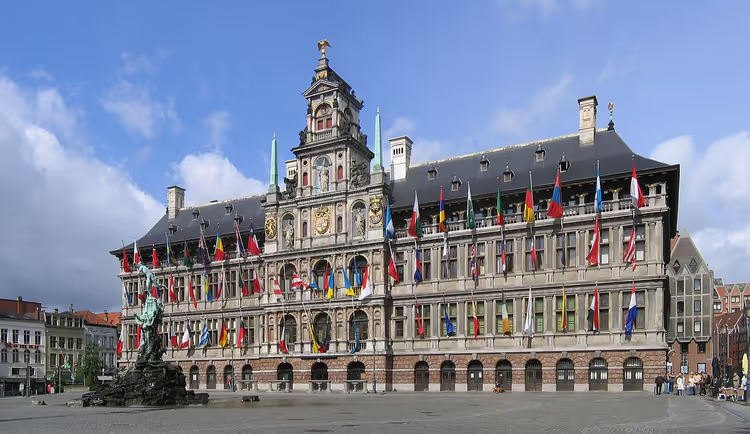
Antwerp City Hall closes off the Grote Markt and draws attention with its richly decorated facade. Architect Floris combined Flemish Gothic with Italian Mannerism, and the building became a model for its time. After a fire in the late 16th century, it was restored almost to its original form.
Inside, the interiors were decorated later but styled to look medieval: oak paneling, fireplaces, frescoes with city scenes, and plenty of gilding. On the facade you will find coats of arms of noble families and three statues in the tower niches. You can spend a long time examining the details here.
Tours and tickets in Antwerp
Guided tours, skip-the-line tickets and activities — most offers can be cancelled free of charge.
See offers on TiqetsThe widget loads once you give your consent.
All places on the map
Thirteen points are easier to split across two days. Combine the Grote Markt, the cathedral, and Het Steen into a walk through the center, and leave the MAS museum and Rubenshuis for the second day. Below is a route map to help you get your bearings on the ground.
Antwerp attractions
Places on the map
- 1Brabo Fountain Bronze sculpture on Grote Markt commemorating the city's legend
- 2Grote Markt Square Heart of the old town with 16th-century guild houses
- 3Het Steen Castle Antwerp's oldest fortress on the Scheldt riverfront
- 4Cathedral of Our Lady of Antwerp One of the country's tallest churches, with works by Rubens inside
- 5Vleeshuis (Butchers' Hall) Former butchers' guild hall, now a museum of archaeology and applied art
- 6Diamond District World capital of diamond cutting near the station
- 7Antwerp Zoo One of the world's oldest zoos with historic pavilions
- 8Royal Museum of Fine Arts KMSKA — Flemish and Dutch masters, including Rubens
- 9Museum Mayer van den Bergh A private collection in a 15th-century patrician house
- 10MAS Museum Museum on the river, history of the port, rooftop viewing deck
- 11Antwerpen-Centraal Station with a dome and neo-Renaissance facade
- 12Rubenshuis (Rubens House) Home and studio of the painter from the early 17th century
- 13Antwerp City Hall Closes off Grote Markt, facade in Flemish Gothic and Mannerist style
⁉️🤔 Frequently asked questions
How much time do you need for Antwerp?
One day is enough for the center: the Grote Markt, the cathedral, Het Steen, and the embankment are close together, and you can cover them on foot. If you add the zoo, the MAS museum, and the Royal Museum, plan for two days. Buy museum tickets in advance, and come back to the square in the evening for the lighting.
What can you see in Antwerp for free?
The Grote Markt itself, the Scheldt embankment, and the exterior of Het Steen are free. Walk through the diamond district near the station: the shop windows and streets are open at any time. Check museum hours and prices on official websites, as they change by season.
On which days are Antwerp museums closed?
There is no single closing day: the Royal Museum, MAS, and Museum Mayer van den Bergh close on different days. When planning your route, open the websites of two or three museums at once and compare their calendars. Monday is traditionally quiet in the city, and some halls are closed on that day.
Is it realistic to walk around the center?
Yes. From the Grote Markt to the cathedral, Het Steen, and the embankment you can walk in just a few minutes; a car in the center only gets in the way. To farther points, such as the MAS museum, the De Lijn tram will take you. Buy your ticket in the operator's app; buying from the driver takes longer.
Is the Antwerp zoo worth visiting?
It is, if you are traveling with children or you love historic architecture. The zoo has been operating since the mid-19th century and stands right by the station, so it is easy to combine with your arrival. Allow half a day for the visit, otherwise you will have to rush past the enclosures.
In short: what to book
If you have one day, start with the Grote Markt, the cathedral, and Het Steen. With two days, add the MAS museum, Rubenshuis, and the zoo near the station.
- For art: the Royal Museum of Fine Arts and Museum Mayer van den Bergh.
- For families: the zoo next to the station.
- For city views: the MAS museum and the Scheldt embankment.
- For port history: the walls of Het Steen and Vleeshuis.
Museum tickets and tours are best booked in advance: find Antwerp tours and buy museum tickets on Tiqets.

A small editorial team writing guides for independent travel. We travel ourselves, but we haven’t been everywhere, so we check prices, opening hours and how to get there against official sources.