
















25 Souvenirs from Armenia: what is actually worth bringing home
Few people come back from Armenia with a light suitcase. Cognac, ceramics, a carpet, and a jar of mulberry doshab weigh you down, and customs has its own rules. In the EU, you can bring in one liter of spirits and four liters of wine per person duty-free (as of 09/2026, EU rules).
We looked at twenty-five gift categories: who they suit, roughly how much they cost, and where to find them. By the end, you'll know what will make it home in one piece and what's better left behind.
How to choose souvenirs from Armenia
The price range here is wide: from market sweets to handmade carpets and jewelry with stones. You'll only get an exact price on the spot, so we're giving you qualitative guidance. That way you can plan your budget and avoid buying things you don't need.
💡 In short:
- Shop at markets and workshops in Yerevan: the selection is wider than at duty-free, and haggling is appropriate.
- Buy sweets, honey, and wine in factory packaging: it makes customs easier.
- Check the manufacturer's label and date, not just the bulk display.
Below are twenty-five categories. The order is arbitrary: we focused on what's easy to pack and transport, not the most expensive items.
1. Board games
 © Ji-Elle · CC BY-SAPhoto: Ji-Elle, CC BY-SA (https://creativecommons.org/licenses/by-sa/4.0), Wikimedia Commons
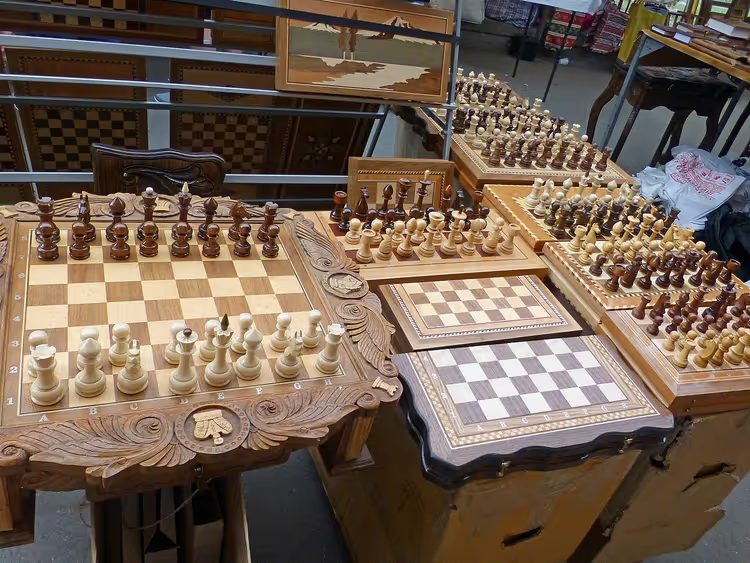
Chess and backgammon sets are made both in factories and by hand in family workshops. Boards are painted with national ornamentation on the outside and inside, and the pieces are carved from wood. Quality varies widely, so you'll spot a cheap set by its rough carving.
Backgammon sets made with silkscreen printing look like a ready-made gift. Separate game accessories are also sold for them.
- The catch: the price rises with the handwork, and a heavy set takes up half your carry-on.
- Who it's for: someone who loves board games and doesn't mind keeping a work of art on the table.
2. Cosmetics
Local cosmetics are built on herbs from mountain regions and oils from fruit crops. The Narin-E brand is known for creams with garlic and serum, a cream-milk for the face, and shampoos for normal and oily hair. A separate story is the oils: rose, almond, apricot.
The family brand Nairian operates its own eco-farm and laboratory in Armenia, where all products are assembled by hand from essential oils and plant extracts (according to Nairian). A set of cream, oil, and soap looks more expensive than it costs.
Soap here is made with red sapphire powder, cocoa butter, and plant extracts, so it looks like a gift even without packaging. Apricot oil is used for hair and anti-cellulite massage, almond oil for inflamed skin and burns. A mix of pomegranate, apricot, and almond seeds is sold as a lifting treatment. Before buying, check the expiration date: natural oils don't last for years.
- The catch: natural oils have a limited shelf life, and garlic cream has a distinctive smell.
- Who it's for: someone who reads ingredient lists and wants skincare without unnecessary chemicals.
3. Books
 © Ivtorov · CC BYPhoto: Ivtorov, CC BY (https://creativecommons.org/licenses/by/4.0), Wikimedia Commons
If you have book lovers in your circle, a book makes a precise gift. In stores you'll find historical editions, biographies of politicians and cultural figures, and collections about the Armenian genocide. Historical novels and poetry stand separately.
The "Library of Armenian Classics" series and albums about artists introduce the country's art. For children, get illustrated fairy tales.
- The catch: books add weight to your luggage, and some print runs are only available in Armenian.
- Who it's for: bibliophiles and those who read on paper.
4. Wooden items
 © Monica Ferreira Ask · CC BY-SAPhoto: Monica Ferreira Ask, CC BY-SA (https://creativecommons.org/licenses/by-sa/4.0), Wikimedia Commons
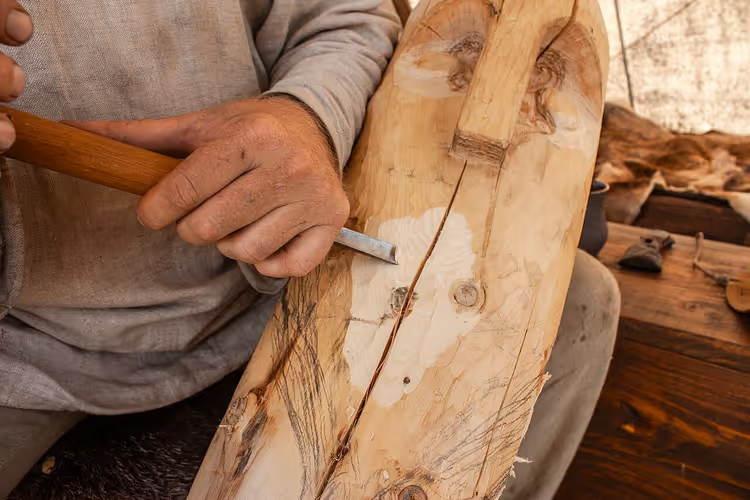
Wood is loved and skillfully worked here. In shops you'll see decorative plates with national motifs, vases, jugs, cups, and cutting boards. A separate shelf holds souvenirs: figurines of legendary heroes, carved panels, wall and table clocks, and models of churches.
Women will appreciate wooden jewelry: combs, bracelets, beads, and earrings with ornamentation. For men, wine stands and small wine barrels are the most common picks. Almost everything is handmade and affordably priced.
- The catch: wood fears water and humidity changes; it can't go in the dishwasher.
- Who it's for: those looking for a warm gift for the home.
5. Leather goods
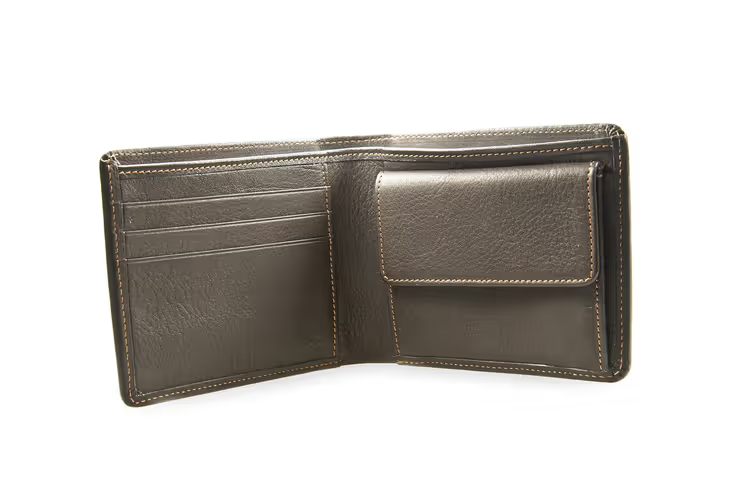
People come here for leather with texture, not for thinness. Jackets, skirts, and gloves here are mostly imported and expensive. But the local coarse leather makes beautiful bags, clutches, wallets, belts, and backpacks that don't wear out for years.
For women, add leather bracelets to your plan. For a branded bag, stop by the Yera Bags store in Yerevan: they have a wide range of textured leather models with inserts and appliqués.
- The catch: thin and soft leather isn't produced here, so it's better not to come looking for a jacket or gloves.
- Who it's for: those who want a bag or wallet with character.
6. Ceramics
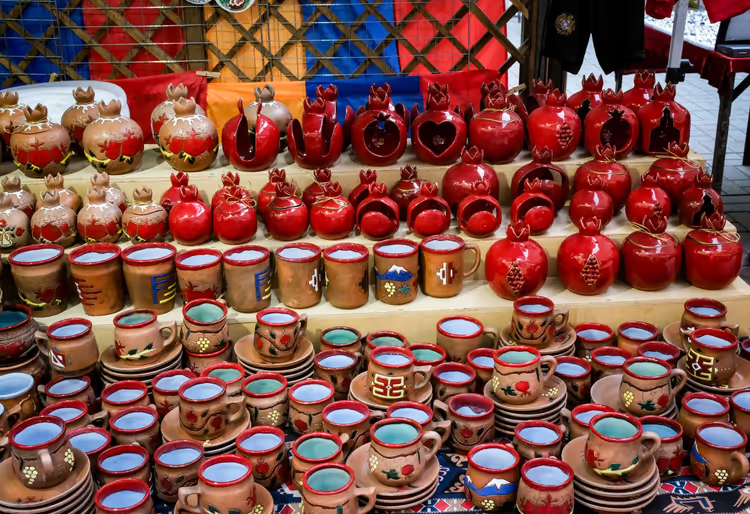
The ceramics are shaped from red clay, coated with glaze, and painted with ornaments. Looking at the shelves, you are unlikely to leave without a plate, serving dish, teapot, jug, or spice set. Tea sets, cake stands, magnets, and small boxes make good gifts.
For home decor, people buy decorative painted plates, statuettes, and animal figurines. Men often get a ceramic ashtray as a gift.
- The catch: ceramics are fragile, wrap each item in clothing.
- Who it's for: those who love beautiful tableware and handmade work.
7. Jewelry
 AIIllustrative image: AI-generated
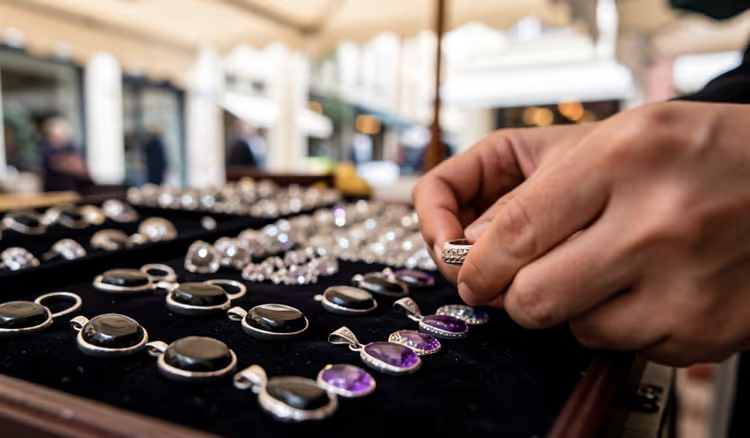
Jewelry here is affordable and full of local character. In Yerevan's markets and shops you will find pieces with natural stones set in 925 sterling silver and gold. Popular items include rings with obsidian, openwork signet rings, silver pendants shaped like pomegranates, earrings, brooches, and bracelets.
The range of stones is impressive: purple zircon, hematite, rock crystal, emerald, garnet. Also take a look at beads made from semi-precious stones. For gold with precious stones, go to dedicated boutiques.
- The catch: the price depends on the metal and stone, so compare offers at several shops.
- Who it's for: those who wear jewelry every day.
8. Carpets
 © Sununa · CC BY-SAPhoto: Sununa, CC BY-SA (https://creativecommons.org/licenses/by-sa/4.0), Wikimedia Commons
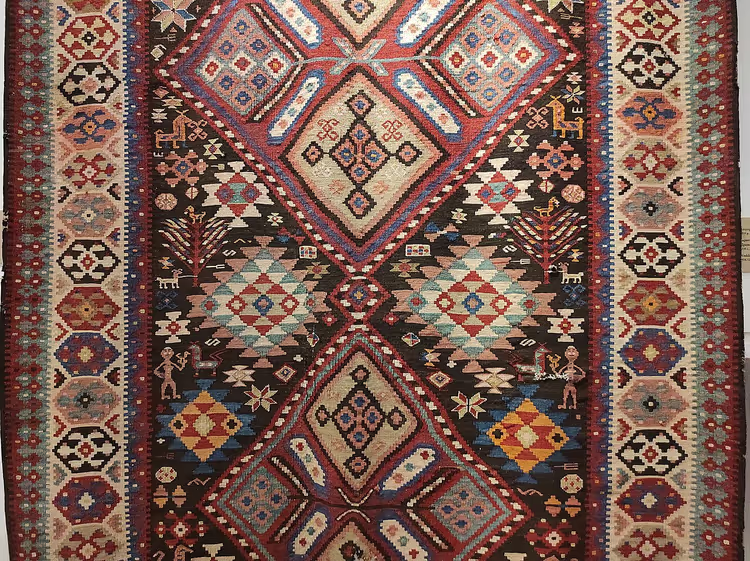
Carpet weaving has been passed down from generation to generation here, so a carpet is still bought as a keepsake from a trip. You will find flat-woven carpets, dense pieces with geometric borders, and silky carpets with floral patterns, often with tulips or lilies in the center.
The design and pile vary from workshop to workshop. A small rug is easier to take home, while a large carpet will have to be checked in separately.
- The catch: a carpet takes up a lot of space and weighs quite a bit, so it is not suitable for carry-on luggage.
- Who it's for: those who want to make their home cozy and do not mind extra baggage.
9. Musical instruments
 © Volare42 · CC BY-SAPhoto: Volare42, CC BY-SA (https://creativecommons.org/licenses/by-sa/4.0), Wikimedia Commons
The duduk is a national wind instrument with a warm, slightly nasal timbre. Its body is made from apricot wood, and the sound is produced by two reed plates. The instrument is more than a thousand years old.
Duduks made from local apricot wood produce the best sound. On the outside it is a carved tube with nine finger holes and a double reed, and the finish can be traditional or decorated with ornaments. Duduk music has been inscribed on the UNESCO list of intangible cultural heritage. You can find them in souvenir shops.
- The catch: the double reed is fragile, and it does not always survive the trip in a soft case.
- Who it's for: musicians and lovers of national sound.
10. Jazzve
An Armenian jazzve is easy to distinguish from a Turkish or Indian one. It is made from copper by hand in family workshops and coated on the inside with food-grade tin. The local version is called srjep. Occasionally you will come across a brass jazzve.
The craftsman places an inner sheet of copper over an outer one with decoration, producing a vessel with double walls. A quality jazzve has no seams that can split or oxidize. You will also like the decoration: embossing, engraving, scenes from legends, and floral ornaments.
- The catch: without food-grade tin, copper oxidizes, so choose a version with an inner coating.
- Who it's for: those who brew coffee in a cezve every morning.
11. The dagger
 © Rama · CC BY-SAPhoto: Rama, CC BY-SA (https://creativecommons.org/licenses/by-sa/3.0/fr/deed.en), Wikimedia Commons
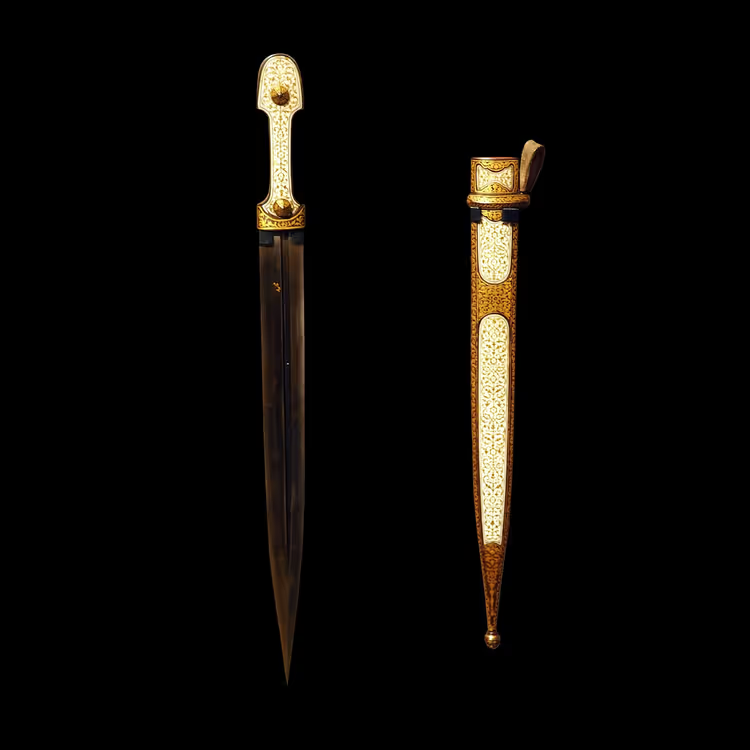
The dagger remains an attribute of the Armenian man and an original souvenir. Local craftsmen have been making edged weapons for centuries: daggers, sabers, and dirks from a durable metal alloy. Every blade is decorated with stones, carving, and inlay, so the selection at fairs and bazaars is large.
Buy only from craftsmen at the fair: they will also explain the export rules to you. Such an item is usually declared, and you cannot take it in carry-on luggage.
- The catch: exporting edged weapons requires a declaration, and you should check the entry rules for your country in advance.
- Who it's for: collectors and weapon enthusiasts.
12. Clothing and shoes
Mass-market clothing and shoes here differ little from what you are used to and cost more. The authentic taraz is another matter: you can buy the national costume as a full set or as individual pieces. In the shops you will find shirts and women's khalav dresses, men's vests with ornamentation, fur papakhas, and fabric hats.
Women's headdresses are made tall, cone-shaped, with embroidery, ribbons, and coins. Wearing something like that every day in Europe would be difficult, so buy it for photo shoots and themed evenings. Compare prices at several shops.
- The catch: the national costume is expensive, and mass-market items here are overpriced, so choose thoughtfully.
- Who it's for: for photo shoots and collections.
13. Dried fruit
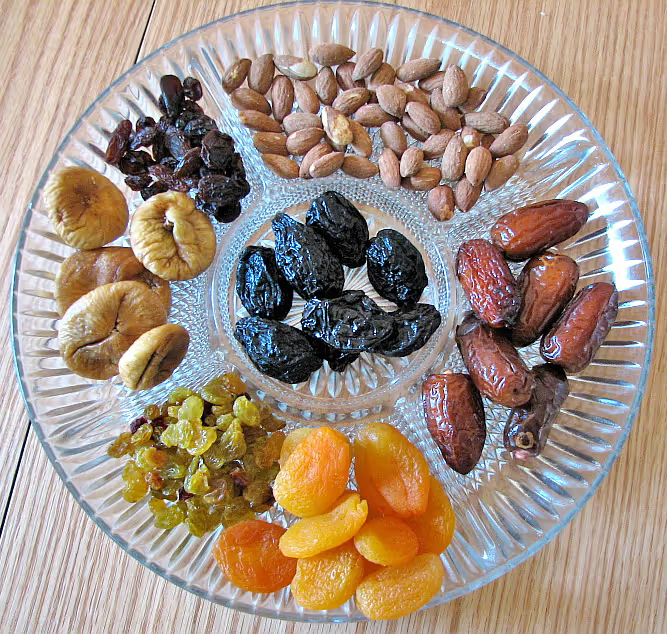 © Gilabrand ( talk ) · CC BYPhoto: Gilabrand ( talk ), CC BY (https://creativecommons.org/licenses/by/3.0), Wikimedia Commons
The sun and the orchards produce dozens of varieties of dried fruit. The selection includes raisins, dried apricots, dried peaches, pears, figs, prunes, and cornelian cherries. Dried melons and watermelons preserve the taste of summer, and candied strawberries, currants, and pumpkin are popular with children.
Separately, pick up eggplant chips and assortments arranged in the shape of plates or hearts. Importantly, the dried fruit here is not treated for long-term storage. So it is more honest in terms of ingredients, but it also keeps for less time than store-bought products.
- The catch: without treatment, dried fruit continues to dry out and spoils faster in a humid climate.
- Who it's for: those looking for a healthy gift to go with tea.
14. Preserves and jams
 © Aleksandra057 · CC BY-SAPhoto: Aleksandra057, CC BY-SA (https://creativecommons.org/licenses/by-sa/4.0), Wikimedia Commons
Unusual preserves and confitures are made from local fruits. Tourists are surprised by preserves made from white mulberry, rose petals, walnuts, figs, and peaches. You will even be offered pumpkin, eggplant, and zucchini preserves.
The classics are also excellent: apricot, quince, plum, cornelian cherry, blackberry, pear. Strawberry, raspberry, cherry, feijoa, and sea buckthorn jams are made according to old home recipes. You can easily bring a couple of jars home.
- The catch: glass jars are heavy and can leak in luggage, so pack them separately.
- Who it's for: those with a sweet tooth and guests over tea.
15. Compotes and syrups
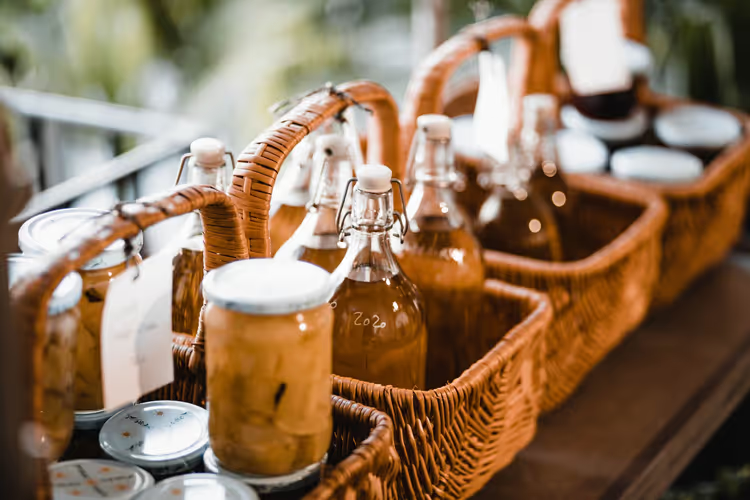
Fruits of the South Caucasus are often preserved to keep their flavor for a year. Compotes are sold in one-liter glass jars made from cherry plum, apricots, peaches, cornelian cherry, sloe, and plum, with or without pits. Compotes made from sea buckthorn, grapes, and feijoa are considered healthy.
Berry versions made from strawberries, raspberries, blackberries, and black mulberry are especially popular. You will also like the assortment of apricots with cherries. Syrups that preserve the aroma of the fruit are made from the same juices.
- The catch: glass and weight, you cannot put many jars in carry-on luggage.
- Who it's for: those who like homemade preserves.
16. Arishta
 © Eamane_Luinwe · CC BY-SAPhoto: Eamane_Luinwe, CC BY-SA (https://creativecommons.org/licenses/by-sa/4.0), Wikimedia Commons
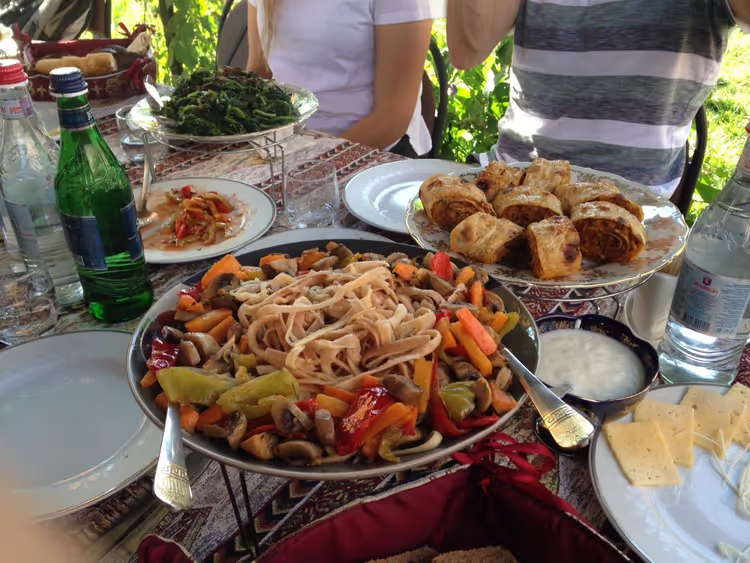
Arishta is homemade noodles in the form of thin, long threads. Similar versions are made in Turkey and Azerbaijan, and the historical roots go back to Persia. The difference in the Armenian version is that no milk is added to the dough: only flour, salt, and water.
Arishta is used to make soups, pilaf, and even desserts. Wedding noodle soup and kharmashi soup have long become classics, and halva is cooked from sweet arishta. In stores you will find two types, one for lunch and one for dessert, in packages of four hundred grams and one kilogram.
- The catch: dry threads crumble in transit, so buy them in rigid packaging.
- Who it's for: those who cook at home and like trying new things.
17. Natural honey
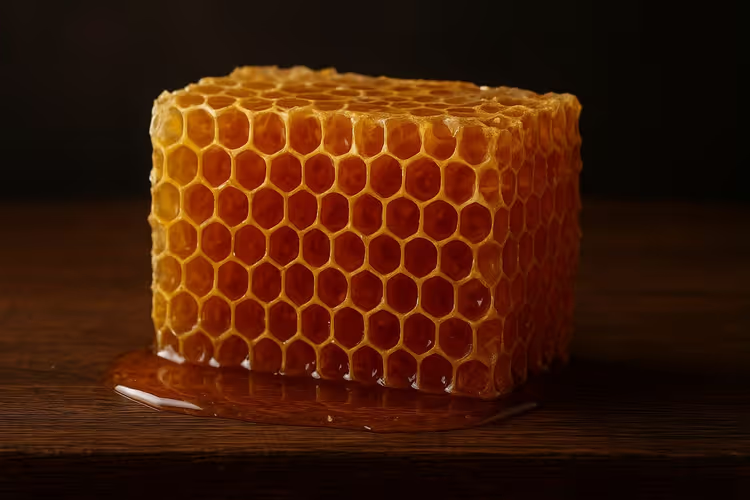
Honey is collected in flowering meadows high in the mountains, often at altitudes of up to two thousand meters. This product is thick and rich in pollen, vitamins, and trace elements. The variety of types is large, so let us name the popular ones: flower honey, honey with honeycomb from Aragats, honey with walnuts, and Aparan mountain honey.
It is sold in glass jars of three hundred twenty and five hundred grams. A home tea party with this honey becomes a pleasant memory of the trip. Buy a jar with the producer's label.
- The catch: honey is considered a liquid, so you cannot take it in carry-on luggage into the EU.
- Who it's for: everyone who drinks tea and likes natural products.
18. Mulberry doshab
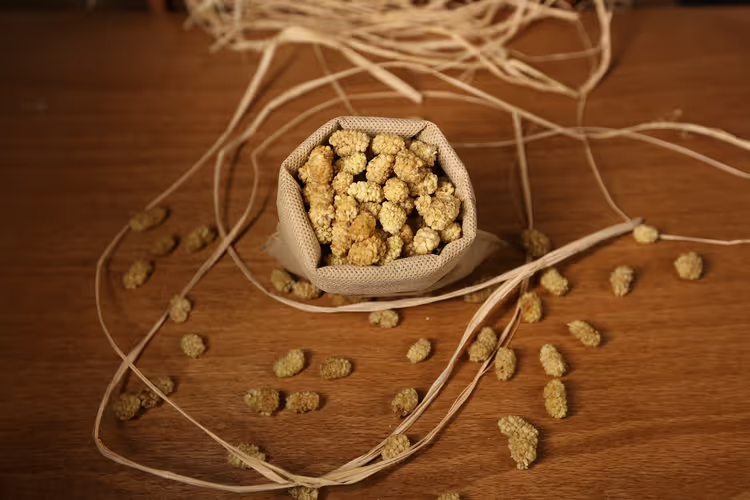
The mulberry tree is found everywhere in Armenia, but the mulberry fruit is too delicate for transport. So it is processed immediately: preserves, halva, and churchkhela are made from it. The most valuable product is mulberry doshab, a sugar-free syrup boiled down from the juice until thickened.
In consistency, doshab resembles honey: dark, with an oily sheen, sweet and aromatic. It is sold in glass containers, with a shelf life of up to two years. Children usually like this syrup.
- The catch: the thick syrup easily leaks in luggage, so put the jar in a separate bag.
- Who it's for: those looking for an unusual sugar-free sweet.
19. Seasonings and spices
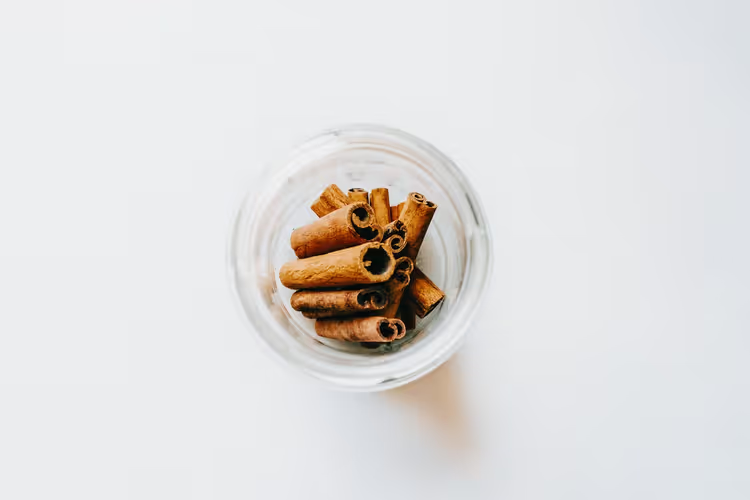
Spices are sold everywhere here: in hypermarkets, shops, and markets. At the market you will find more than a hundred spices sold by weight: saffron, rosemary, cloves, cardamom, ground cinnamon and cinnamon sticks, star anise pods, and ready-made blends. There are also gift sets in ornamented jars.
Many people bring home grape leaves for dolma. They are sold in bottles and keep for a long time. The aroma of local seasonings is stronger than that of store-bought substitutes.
- The catch: ground spices lose their aroma within a couple of months, while whole seeds and leaves keep longer.
- Who it's for: those who cook at home and like Eastern cuisine.
20. Cheeses
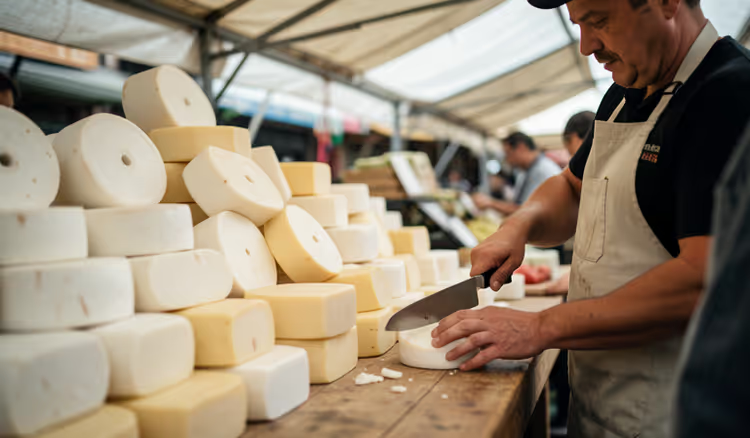 AIIllustrative image: AI-generated
Several types of cheese are made here that you will hardly find in Europe. Zhazhik is made from matsun, pressed in a cloth bag, and mixed with herbs. There are cheeses made from goat's and sheep's milk that mature in leather sacks. Brined Chanakh is made from cow's milk in vats, with honey, wine, or syrup added to the brine.
If you prefer a mild flavor, try Lori made from a mixture of cow's and buffalo milk. It matures for about a month and a half and comes out salty, with small holes. Chechil is more convenient for travel: a dense cheese braided into a plait, it stays fresh for a long time.
- The catch: brined cheeses spoil outside the cold, so bring them only in vacuum packaging.
- Who it's for: those who like cheese boards and new flavors.
21. Sweets
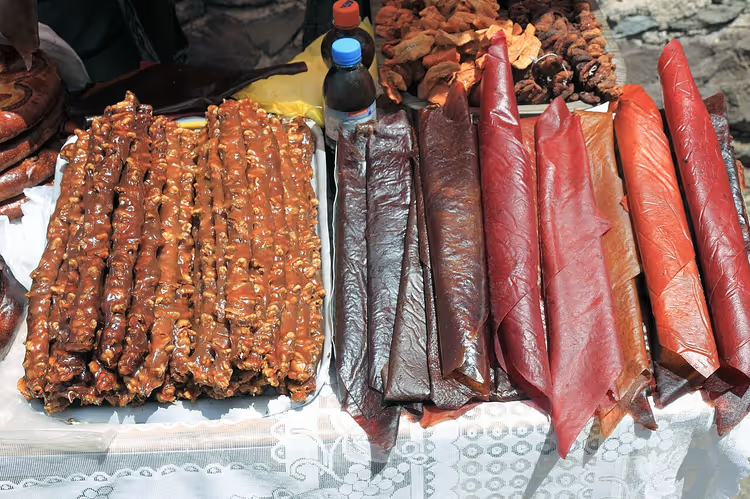 © Marcin Konsek · CC BY-SAPhoto: Marcin Konsek, CC BY-SA (https://creativecommons.org/licenses/by-sa/4.0), Wikimedia Commons
Eastern sweets here are made for long storage and without unnecessary additives. In stores you will find baklava, black iris, khanuma, and walnut tubes called sujuk, made from grape juice with nuts. The local churchkhela differs from the Georgian version: cardamom and cloves are added to it.
Separately, try alani, rolls of dried fruit with a filling of honey, walnuts, cinnamon, and cloves. The taste is delicate and not overly sweet. These sweets are easy to transport and pleasant to give as gifts.
- The catch: without preservatives, the sweets don't keep long, so buy them in small batches.
- Who it's for: colleagues, friends, and anyone with a sweet tooth.
22. Tea and coffee
Mountain slopes and plains yield thousands of plant species, so herbal tea is drunk in every family here. Blends are made not only for flavor but also for healing: for colds, headaches, for the heart, kidneys, and stomach. You will enjoy mixtures of several herbs.
Among loose-leaf teas, premium thyme stands out, with herbs and flowers added to black Ceylon tea from Sri Lanka. A separate find is an herbal mix with mint, hawthorn, St. John's wort, and lemon balm. Avid coffee lovers will be surprised to discover that markets and supermarkets sell quality whole-bean coffee.
- The catch: a medicinal blend is easy to confuse with regular tea, so read the intended use on the package.
- Who it's for: those who drink tea every day.
23. Cognac
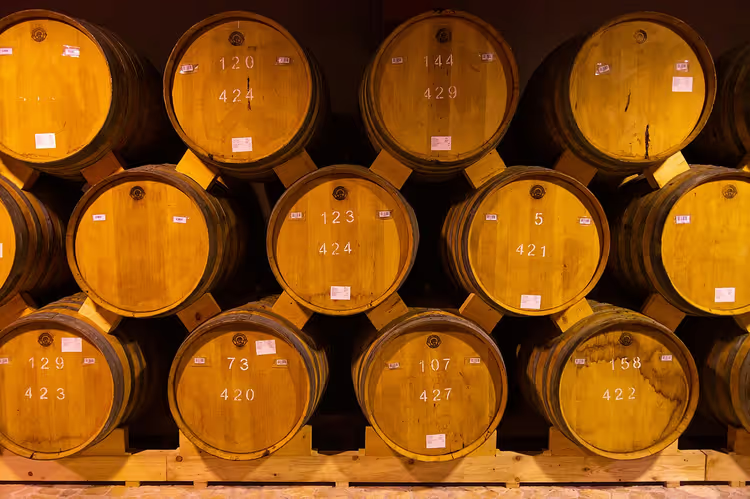 © Vyacheslav Argenberg · CC BYPhoto: Vyacheslav Argenberg, CC BY (https://creativecommons.org/licenses/by/4.0), Wikimedia Commons
Armenian cognac has been made since the late 19th century, and it remains one of the best drinks in the region. The history of the main brand dates back to 1887, when Nerses and Vasily Tairyan founded the first production facility here (verified on 09/15/2026 on the ARARAT website). The spirits are produced using French technology from grapes grown in the Ararat Valley.
You'll find three types on sale: ordinary with aging from three to five years, vintage from six years, and collection. Besides Ararat, look for the brands Armenika, Sayat Nova, Akhtamar, and Noy. A bottle will cost less at the factory brand stores in Yerevan.
- The catch: in the EU, spirits are limited to one liter per person, and you'll have to pay extra for anything over that.
- Who it's for: for men and as a warm reminder of the trip.
24. Wine
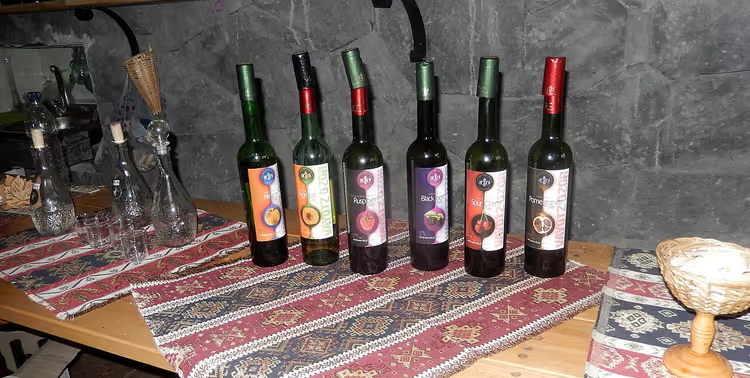 © Armineaghayan · CC BY-SAPhoto: Armineaghayan, CC BY-SA (https://creativecommons.org/licenses/by-sa/4.0), Wikimedia Commons
Winemaking here is old: fortified and dessert wines were made as early as the early Middle Ages. The best is considered to be Areni red wine from the grape variety of the same name. It develops woody notes after aging in oak barrels. Next to it is the semi-sweet white Muscat.
The pride of local winemakers is fruit and berry wines. Quince wine is clear, with a straw hue, while prune wine smells of ripe plum pits. The semi-sweet pomegranate Aspet leaves a nutty aftertaste. For a bottle, head to the winery in the village of Areni or to brand stores.
- The catch: the EU has a limit on wine, so you won't be able to bring a heavy case home duty-free.
- Who it's for: those who bring back drinks and stories from their trips.
25. Chacha
Chacha is a strong grape spirit made throughout the Caucasus. Homemade chacha can reach fifty degrees or more. It's made from pomace of non-varietal grapes through double distillation, sometimes with pomegranate, apricots, or cornelian cherry added. It's drunk neat, less often in cocktails with ice and juice.
Another local pride is tutovka, a mulberry vodka whose strength approaches eighty degrees. It's produced by triple distillation of fermented berries. For gift bottles of factory-made chacha, go to the liquor section or duty-free.
- The catch: the strength of homemade chacha is unpredictable, so ask the seller about the alcohol content.
- Who it's for: those who like strong drinks and unusual souvenirs.
⁉️🤔 Frequently asked questions
How much money should you budget for souvenirs?
The budget depends on the gift. Sweets, spices, and honey won't cost much, but a carpet, jewelry, or good cognac will require a larger sum. Set aside some extra: at the market it's easy to buy more than you planned, and bargaining will save you a couple of percent.
What can you take out of Armenia duty-free?
For entry into the EU, the limits are: one liter of spirits and four liters of wine per person, plus sixteen liters of beer (verified on the EU portal). Anything above the norm must be declared and duties paid. Check the exact rules before your flight, as they change.
Can you take a dagger out of the country?
A dagger and other items with a cold blade are considered weapons, so they almost always need to be declared upon export. Airlines won't allow them in carry-on luggage, so you'll have to check them with documentation. Before buying, check the rules of the country you're flying to.
What souvenir works if you don't know the person's tastes?
A universal option is honey, wine, or a spice set. They don't take up much space, are reasonably priced, and don't require you to guess a size or style. Add dried fruit or alani to go with tea, and for a more personal gift, go with ceramics.
What's better not to bring from Armenia?
Leather jackets and gloves: thin leather isn't processed locally, and imported goods cost more. Also skip fresh dairy products, they won't survive a long journey. Heavy jars and glass will also add weight and risk.
In short: what to book
If you have a sweet tooth on your list, go with baklava, alani, and dried fruit. If the person loves to cook, spices, arishta, and cheese will work. For the home, choose ceramics, wood, or a small rug. For a drink enthusiast, bring cognac, wine, or chacha, and for a musician, a duduk.
Compare prices at two or three shops and don't buy at the first market near the station. Pack your suitcase in advance: glass and carpets are better wrapped at home, not at the airport.

A small editorial team writing guides for independent travel. We travel ourselves, but we haven’t been everywhere, so we check prices, opening hours and how to get there against official sources.