
















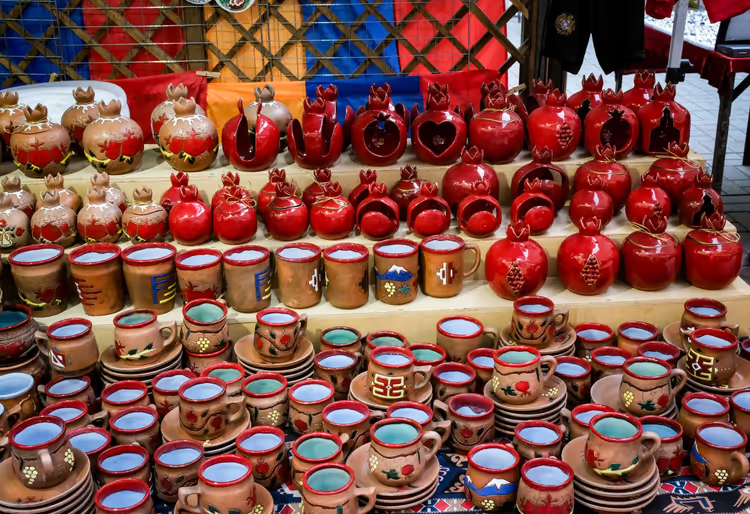
Souvenirs from Georgia: wine, churchkhela, spices and minankari
Wine and churchkhela are the first things that come to mind when people talk about Georgia. But local markets hide far more gifts than duty-free shelves. We've put together nine groups of souvenirs: from Kakheti wine to antiques from Tbilisi's Dry Bridge.
The main rule is simple. Buy at markets and workshops, not at the airport. It's cheaper there and the selection is wider. And check the alcohol import limits for your destination country in advance.
How to choose souvenirs in Georgia
💡 In short:
- Buy wine, chacha, and spices at Tbilisi markets and in Kakheti, not at duty-free.
- Look for minankari and local designer items in workshops and showrooms.
Food and drinks form the core of the selection. Memorable souvenirs come second. Let's go through each group in order and show you where to find the best prices.
1. Wine and chacha
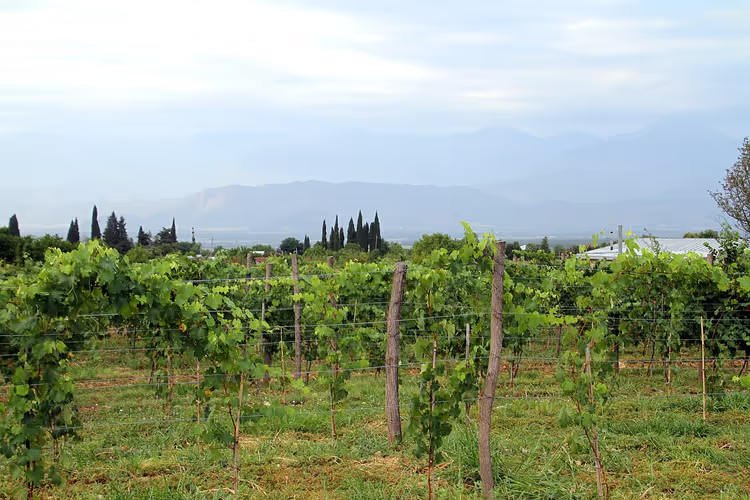
Wine opens the list. If you have carry-on luggage only, your choice will be limited to the duty-free selection. With checked baggage, you can confidently pick a decent wine right in the country: there are plenty of wine boutiques here. Go for products from private wineries rather than factory-made ones. You'll feel the difference after the first sips.
Fans of strong drinks should grab some chacha. It's a grape vodka, several times stronger than wine. Cognac from Georgia is also brought back, with the same restrictions.
 © Gerd Eichmann · CC BY-SAPhoto: Gerd Eichmann, CC BY-SA (https://creativecommons.org/licenses/by-sa/4.0), Wikimedia Commons
- How to choose: buy from private wineries, not from factory shelves.
- Where to buy: Tbilisi markets, wine boutiques, Kakheti wineries.
- The catch: glass breaks, and import limits still apply. Pack bottles in cardboard.
2. Churchkhela and fruit leather
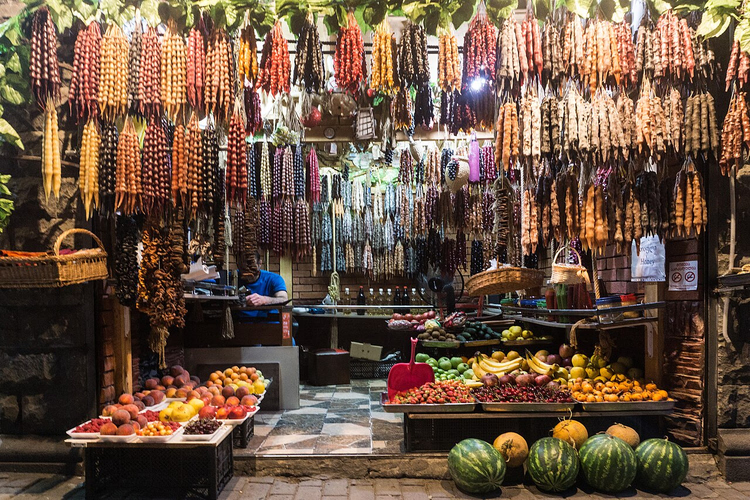
Almost everyone brings back churchkhela. Buy it at markets, and go deeper into the rows: it's fresher and cheaper there. Choose thin ones over thick ones. Both are good, but thick ones have more flour, while thin ones have a richer flavor. There are many flavors, so the choice is yours.
Fruit leather is usually nearby. The local name is tklapi. Essentially it's fruit or berry puree dried in the sun. The taste is reminiscent of lavash, just with a fruity note.
 © Alexey Komarov · CC BY-SAPhoto: Alexey Komarov, CC BY-SA (https://creativecommons.org/licenses/by-sa/4.0), Wikimedia Commons
- How to choose: pick thin churchkhela with whole nuts inside.
- Where to buy: Tbilisi and Batumi markets, roadside stalls.
- The catch: it's sticky and melts in the heat. Keep it away from your clothes.
3. Nuts
Nuts deserve special attention. The country grows hazelnuts on an industrial scale. You'll also find walnuts here. Markets offer a wide selection and variety. And they cost several times less than in many other countries.
- How to choose: whole kernels without bitterness or mold.
- Where to buy: any food market, where you'll also find dried mixes.
- The catch: they go rancid quickly. Pack them airtight and keep them cool.
4. Chestnuts and other curiosities
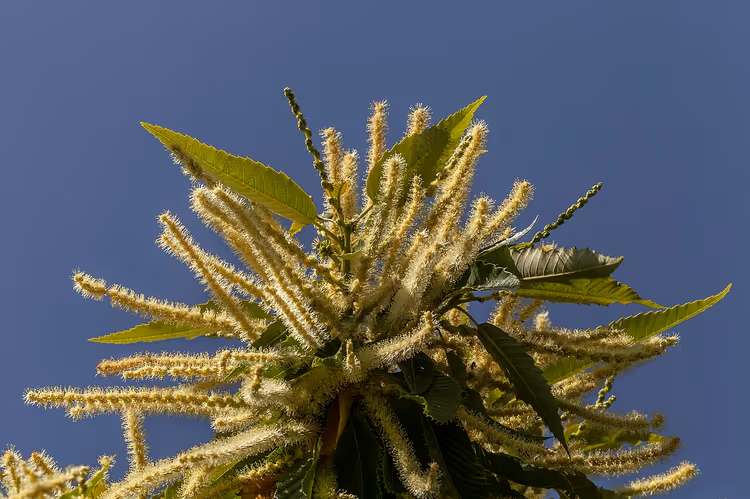
The parade of treats continues. At Georgian markets you can find raw chestnuts. These are, of course, not the ones that grow on trees in parks, but edible ones. They're cooked on a grill or right in a pan.
Local markets also sell all sorts of curiosities. For example, dragon fruit or feijoa. You'll also find figs, loquat, and other fruits here.
 © Fischer.H · CC BY-SAPhoto: Fischer.H, CC BY-SA (https://creativecommons.org/licenses/by-sa/4.0), Wikimedia Commons
- How to choose: firm fruit without dents and without a fermented smell.
- Where to buy: Tbilisi markets, stalls in Batumi.
- The catch: fresh fruit spoils within a couple of days. For taking home, buy dried ones.
5. Spices
Georgia has incredible spices. Cooking enthusiasts will be in heaven at local markets. Be sure to bring back Svan salt: it comes with an aromatic seasoning. Pay attention to the all-purpose seasoning khmeli suneli and barberry. All seasonings are sold by the cup at affordable prices. It's better to buy at the market: both cheaper and higher quality.
Just a heads-up. The seasonings are very aromatic. Put them in a container that doesn't let smells through. Otherwise all the clothes in your suitcase will smell of spices.
- How to choose: fresh seasoning smells strong and doesn't produce dust.
- Where to buy: Tbilisi markets, where you'll also find ready-made blends by weight.
- The catch: the smell and dye stains. The bag should be thick.
6. Jewelry
Jewelry made with cloisonné enamel, minankari, deserves special attention. It looks authentic, and you can find pieces at pleasant prices. Especially in the pre-New Year period, when many places offer discounts.
All pieces are handmade. Even two pendants with the same design will still differ. You can find such jewelry everywhere: from large shopping centers to small workshops in villages and small towns.
- How to choose: look for even partitions and depth of color.
- Where to buy: Tbilisi workshops, jewelry salons.
- The catch: handmade work costs more. Compare prices in several places.
7. Local designer clothing
Georgia has the usual mass-market chains, but local designer pieces are more interesting. For example, items from the Katrin Georgian Brand. You'll find clothing from such brands in Batumi or Tbilisi, and some brands offer international shipping. Check the selection from the designers themselves, not from resellers at the market.
- How to choose: natural fabrics, even seams, neat hardware.
- Where to buy: showrooms and concept stores in Tbilisi and Batumi.
- The catch: sizes don't always match what you're used to. Try things on before buying.
8. Icons, crosses, and religious souvenirs
Georgia is a religious country, so this category is also worth attention. Especially if you're religious yourself or bringing a gift for believing relatives and friends. There are many canonized saints here. In every church shop you'll find icons, crosses, oils, and other items.
- How to choose: ask in the shop which items are blessed.
- Where to buy: church shops at churches and monasteries.
- The catch: fragile and breakable items. Bring them only in carry-on luggage.
9. Antiques from the Dry Bridge
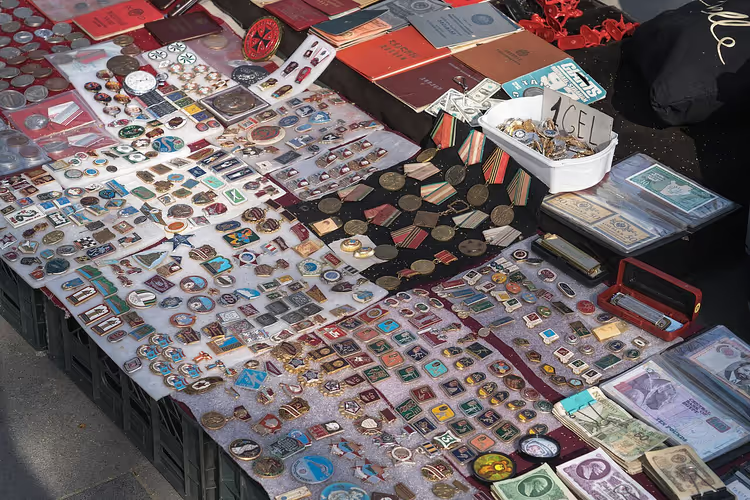
Antiques come last. People look for them at the Dry Bridge in Tbilisi. Among all the goods, you'll be hunting for a real gem, but it's worth it. The busiest sales happen from Friday to Sunday. On other days there are still sellers, but very few.
 © Alexkom000 · CC BYPhoto: Alexkom000, CC BY (https://creativecommons.org/licenses/by/4.0), Wikimedia Commons
- How to choose: haggle and check hallmarks, antiques are often faked.
- Where to buy: Dry Bridge in Tbilisi, Friday to Sunday.
- The catch: the risk of fakes and inflated prices for tourists.
⁉️🤔 Frequently asked questions
How much alcohol can you take out of Georgia?
What matters more are the limits of your destination country. In the EU, 4 liters of wine, 16 liters of beer, and 1 liter of spirits over 22% pass duty-free (as of 09/2026, EU section on alcohol and duties). Anything above the limit must be declared. If you're bringing several bottles, check the rules before your flight.
What to bring if you're flying with carry-on only?
Liquids in carry-on luggage are restricted, so you can't bring wine and chacha that way. Take churchkhela, nuts, spices, dried fruit, and minankari. These souvenirs don't leak or break. Leave heavy glass and jars for checked baggage, and wrap fragile items separately.
Where can you buy souvenirs cheaper?
At Georgian markets, not at the airport or in tourist shops near main squares. At the market it's cheaper, fresher, and the selection is wider. Haggle: prices are often inflated for tourists. For fresh fruit, come in the morning while the stalls are full.
How long do churchkhela, tklapi, and spices keep?
Churchkhela and tklapi keep for months in a dry place if packed airtight. Ground spices lose their aroma within a few months, so buy whole seeds and grind them at home. Keep nuts in a cool place, otherwise they go rancid quickly.
Which Georgian souvenirs are not worth bringing?
Cheap magnets and plastic plates with views can be found anywhere. Real value comes from food, spices, and handmade work. Also, don't bring perishable foods on a long trip. Importing fresh fruit into the EU without a phytosanitary certificate is prohibited.
In short: what to bring from Georgia first
The matrix is simple. If you have carry-on luggage, take churchkhela, spices, nuts, and minankari. If you have checked baggage, add wine and chacha from Kakheti. For believers, icons and blessed oils from church shops are a good fit. Take antiques from the Dry Bridge if you're ready to haggle.
Plan your purchases in advance and leave room in your suitcase. That way you'll bring back from Georgia not just wine, but a whole set of gifts with a story.

A small editorial team writing guides for independent travel. We travel ourselves, but we haven’t been everywhere, so we check prices, opening hours and how to get there against official sources.