





When to go to Berlin: weather, prices and events
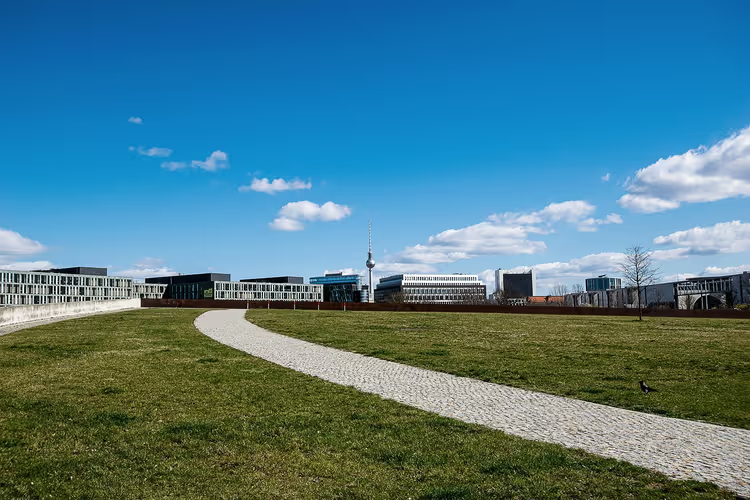
Berlin does not have a single high season. In July the city lives outdoors and in beer gardens, in December it fills up with Christmas markets, and in January you can look at Nefertiti on Museum Island almost alone. Prices, weather, and crowds change from month to month more than in most European capitals.
The temperature range here is wide: in January daytime temperatures run from -2 to 3 °C, in July above 25 °C (as of 09/2026, DWD climate data). The most reliable compromise between weather, price, and events is September: warm, fewer tourists, and hotels are cheaper than in August.
Ad: this article contains affiliate links, we earn a commission if you book through them, at no extra cost to you.
Quick overview: when to go to Berlin
💡 In short:
- Best weather: June and September.
- Fewest tourists: January, March, and November.
- Lowest accommodation prices: January, February, and November.
- Weather and events by month: 09/2026, checked on the official DWD website and the official visitBerlin tourism portal.
Berlin divides the year into four very different seasons: in winter you get an empty city and minimal prices, in summer hot weather and long evenings, and the table below helps you choose the period that matches your priority.
Period | Weather | Accommodation prices | Tourists |
|---|---|---|---|
December-February | cold, sometimes snow | low, except around New Year | few |
March-May | from gray to warm | average, rising toward May | moderate |
June-August | hot | high | many |
September-November | mild, then gray | average and low | moderate, few by November |
Below we go through each month separately and note what is worth booking in advance.
January: quiet, cold, and cheap
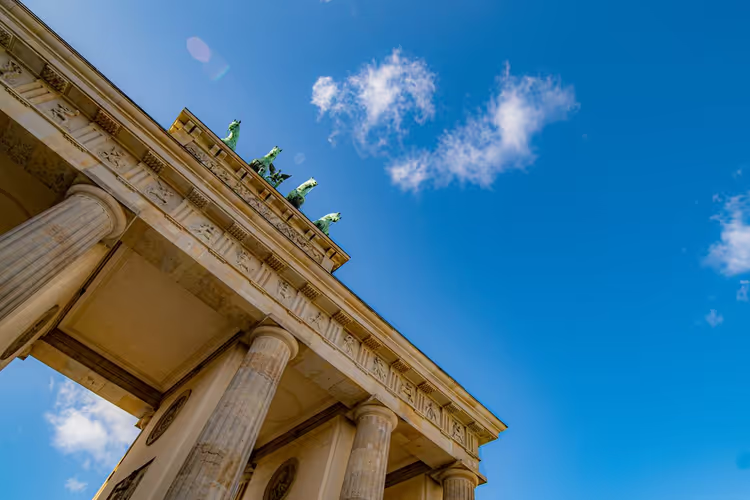
January is the quietest month of the year in Berlin. The Christmas markets have already been taken down, the tourists have left, and the city belongs to Berliners. Daytime temperatures stay between -2 and 3 °C, with occasional snow (as of 09/2026, DWD data for Berlin).
Accommodation in January costs less than at any other time of year, so a longer trip works out cheaper than in autumn, and there are almost no lines. Museum Island runs on its regular schedule and is noticeably emptier than in summer, so you can take your time looking at the bust of Nefertiti. In the evenings, stop by one of the old Kneipen in Kreuzberg or in Prenzlauer Berg, and the first pre-premiere screenings before the Berlinale are already showing in cinemas.
February: Berlinale and the first longer days
In mid-February the Berlinale, one of the world's major film festivals, kicks off. For ten days the city screens international films in dozens of cinemas across all districts. Tickets are sold to the general public, and current prices and the schedule are published on the festival's official website before sales open (as of 09/2026, berlinale.de).
The weather in February remains cold, but the days become noticeably longer than in January. Accommodation during the festival dates gets more expensive and sells out faster than in January, so book ahead if you want to stay in the center without overpaying. For city tours on those dates, check GetYourGuide.
March: spring on the way
March in Berlin is transitional: some days already smell like spring, others stay gray and wintry. Temperatures climb to 5-10 °C (as of 09/2026, DWD weather data). On sunny days, the first brave souls grab tables at outdoor cafes.
March is a good time for sightseeing: fewer tourists than in summer, attractions keep regular hours, and prices are moderate. The Mauerpark flea market runs year-round, and crocuses appear in the parks. Bring comfortable shoes, because the sidewalks are still cold.
April: cherry blossoms and the first warm days
April is one of the most underrated months for a trip to Berlin. The cherry trees bloom, especially along Schwedter Straße in Prenzlauer Berg and near the Mauerweg in Teltow. Temperatures range from 10 to 18 °C (as of 09/2026, DWD climate data), and the city visibly comes alive: cafes move tables outside, and the Spree embankments fill with people out for a stroll.
The weather is changeable, so you will need a light jacket and an umbrella. Tourist numbers are still moderate, and prices rise gradually.
May: green parks and long weekends
For many people, May is one of the best times to visit Berlin. Temperatures stay in the 15-22 °C range (as of 09/2026, DWD climate data), the parks are green, and city life moves outdoors. May 1 in Kreuzberg is a special celebration: a street festival, music, demonstrations, and the neighborhood's best atmosphere of the year.
On Ascension Day, known here as Vatertag, beer gardens and parks are packed, and people grill meat in Tiergarten and by Wannsee. These long weekends are popular with Germans themselves, so book accommodation for May a couple of months in advance.
June: summer, long days, and festival season
June opens the real Berlin summer: the days become very long, it gets dark closer to ten in the evening, and the city uses every minute of daylight. Open-air cinemas open, and Fête de la Musique on the summer solstice brings free concerts to streets and squares (Fête de la Musique page). From this point on, outdoor pools are full every day.
Temperatures stay at 18-25 °C, sometimes higher (as of 09/2026, German Weather Service). Hotels and apartments get more expensive, but there are fewer people than in August. If you want summer and you have a choice, June is the smarter option.
July: peak summer and the height of festival season
July in Berlin is warm, with an average daily high around 24-25 °C (as of 09/2026, Berlin-Tempelhof station data). Berliners head to outdoor pools, lakes, or cool museums, and Wannsee, Schlachtensee, and Müggelsee turn into unofficial city beaches. If you need to escape the heat, pick a museum with air conditioning.
In July, Classic Open Air takes place on Gendarmenmarkt, one of the city's most beautiful music festivals, and Lollapalooza at Olympiapark also draws thousands of visitors. Prices are high, but there are more events than at any other time of year.
August: crowds and hot nights
August is the most tourist-heavy month in Berlin. Hotels are expensive and often fully booked, there are lines at attractions, and Museum Island can get packed. But the atmosphere is the best of the year: in August, Berlin lives outdoors, in parks, on terraces, and in beer gardens.
At the end of August, Lange Nacht der Museen takes place: one ticket opens all museums for the entire night (langenachtdermuseen.berlin). By the end of the month, autumn already makes itself felt, and the days get shorter. Come in the first half of August if you want to catch the summer.
September: golden autumn
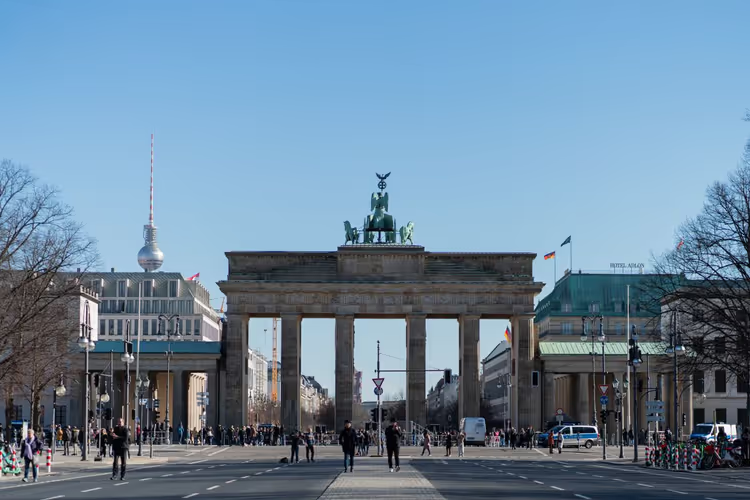
If you are choosing just one month, go with September. It combines the best of summer and fall: mild weather of 15-22 °C (as of 09/2026, DWD data for Berlin), golden light, fewer tourists than in August, and lower prices. Beer gardens are still open, parks glow with warm colors, and Berlin Art Week takes place here in early September.
Book September accommodation in advance, because this is a popular time and Berlin hotels on Trip.com sell out quickly. Days are still long, evenings are warm, and lines are shorter than in August.
October: fall and the Festival of Lights
In October the trees change color, and Berlin becomes melancholically beautiful. Temperatures drop to 8-15 °C (as of 09/2026, DWD weather archive), you will need a warm jacket, but days are still long enough for extended walks.
On October 3, German Unity Day is celebrated at the Brandenburg Gate, and from October 9 to 18, Festival of Lights installations illuminate the city daily from 7:00 PM to 11:00 PM (Festival of Lights on visitBerlin). At the end of the month comes Halloween with parties in Kreuzberg and Friedrichshain.
November: gray, cozy, and affordable
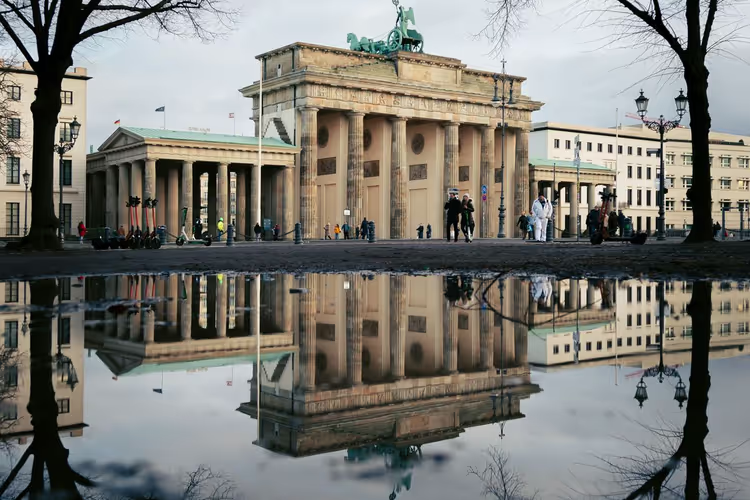
November is the grayest month in Berlin. Temperatures drop to 2-8 °C (as of 09/2026, DWD weather data), it rains often, and the days get short. On the plus side, prices are low and the city shows a different side: cozy Kneipen, hot currywurst, museums without lines.
The first Christmas markets open in late November, and Berlin has more than sixty of them in total (berlin.de). The market at Gendarmenmarkt is considered the most beautiful, the one at Alexanderplatz the largest. Bring an umbrella and a warm jacket: the atmosphere is warm, and mulled wine takes care of everything else.
December: Christmas markets and New Year's Eve
December is Berlin's second high season. Christmas markets draw visitors from all over Europe, the city is decorated, and accommodation prices rise, especially around New Year's Eve.
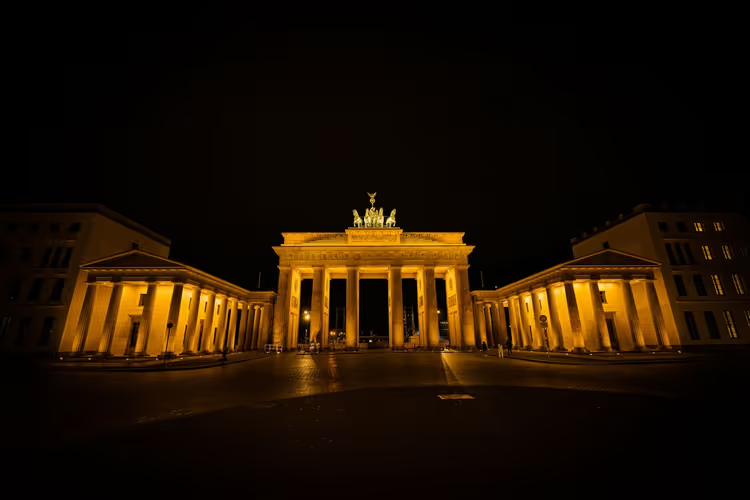
New Year's Eve is called Silvester here, and the main party takes place at the Brandenburg Gate with live music and fireworks. The neighborhoods celebrate too: people set off fireworks in the streets and squares and throw impromptu parties. If you want to spend New Year's Eve in Berlin, book your accommodation no later than October.
⁉️🤔 Frequently asked questions
When is the best weather in Berlin?
The best months are June and September: June has the longest days and comfortable temperatures around 18-25 °C (as of 09/2026, DWD reference). September is milder and calmer: 15-22 °C, fewer tourists, and lower prices. July and August are hotter, but noticeably more crowded.
When is accommodation in Berlin cheapest?
The lowest prices fall in January, February, and November. Demand is minimal in January, so even in the center you can find options cheaper than in autumn. The exceptions are the Berlinale in February and the New Year's dates in December: prices and demand spike sharply, so it's worth booking early.
When does Berlin have the fewest tourists?
The fewest people are in January, March, and November. In these months you can visit museums and sights with almost no lines. January is the quietest but also the coldest, March is transitional, and November is gray and rainy. Summer, by contrast, is the most crowded, especially August.
When does Berlin have the most events?
The busiest months are June, July, and December. June hosts Fête de la Musique, July has Classic Open Air at Gendarmenmarkt and Lollapalooza, and December brings Christmas markets and New Year's celebrations. Add Lange Nacht der Museen in August and the Festival of Lights in October.
How much time do you need for Berlin and when should you go?
Three to four days is enough for a first visit, and allow more time for museums. Choose May or September: the weather is mild, the days are long, and the lines are shorter than in summer. If your goal is museums and saving money, pick January or November. In winter it gets dark early, so there's less daylight for sightseeing.
In short: what to book
Berlin welcomes visitors year-round, but September looks best: still warm, fewer tourists than August, and prices already falling. January and November work well for saving money, June and December for events. The selection matrix:
- If you want the best weather, choose June or September.
- If you want low prices, choose January or November.
- If you want events, choose June, July, or December.
- If you want fewer people, choose March or November.
Accommodation for popular dates sells out quickly, so it's worth booking a hotel in Berlin on Trip.com in advance.

A small editorial team writing guides for independent travel. We travel ourselves, but we haven’t been everywhere, so we check prices, opening hours and how to get there against official sources.