
















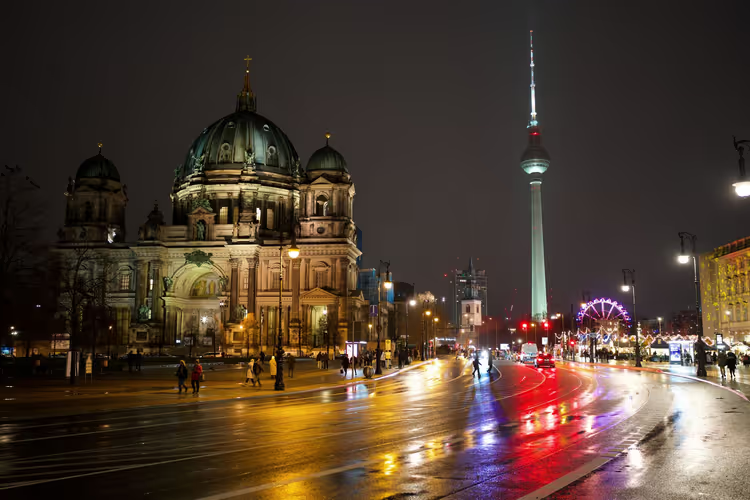
Unusual Berlin: markets, pubs and districts without tourists
Berlin beyond the classic routes can be seen in one weekend. You have already walked through the center with the Brandenburg Gate, but never really felt the city. As of visitBerlin portal, the liveliest neighborhoods lie away from the tourist core.
We have gathered the places Berliners themselves go to: courtyards, markets, old pubs, and neighborhoods with graffiti on the walls. Here you will find neighborhood orientation, market hours, and specific addresses. Everything was verified on official websites in September 2026.
Ad: this article contains affiliate links, we earn a commission if you book through them, at no extra cost to you.
Offbeat neighborhoods and places in Berlin
💡 In short:
- Start in the east: Friedrichshain and East Side Gallery, then Kreuzberg and Prenzlauer Berg.
- Markets are open on weekends: the Mauerpark flea market on Sundays, Kollwitzplatz on Saturdays.
- Market hours and Zur Letzten Instanz pub hours: 09/2026, verified on the restaurant's website.
Below are the neighborhoods, markets, and spots in order. Each item can be slotted into your day without rushing.
A tour with greeters
In Berlin it is easy to book a private walk with a local guide. These guides, or greeters, take small groups along unofficial routes and tailor the theme to your interests.
Some want wartime Berlin, some want the history of the Berlin Wall, and others want festivals and street art. The movement operates in dozens of countries, and Berlin has long been on that list. You choose the theme, and the guide builds the route around it.
Ready-made group programs are convenient to browse in advance: see city tours. This way you book a spot and a time without lengthy back-and-forth.
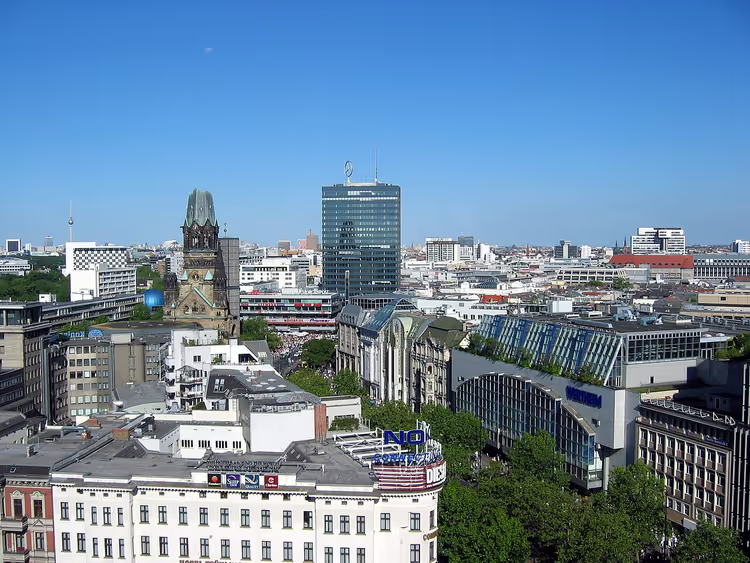
Kurfürstendamm Boulevard in Charlottenburg
 © User Aazarus on de.wikipedia · CC BY-SAPhoto: User Aazarus on de.wikipedia, CC BY-SA (https://creativecommons.org/licenses/by-sa/2.0/de/deed.en), Wikimedia Commons
Kurfürstendamm lies in the western district of Charlottenburg and is considered the main boulevard of this part of the city.
On the buildings you will find memorial plaques. Today it is a shopping boulevard with stores, but the old facades remain.
Tip: walk the stretch near Uhlandstraße station, where there are fewer tourists and more historic buildings.
Prenzlauer Berg and its bohemian scene
 © Abaris at German Wikipedia · CC BY-SAPhoto: Abaris at German Wikipedia, CC BY-SA (http://creativecommons.org/licenses/by-sa/3.0/), Wikimedia Commons
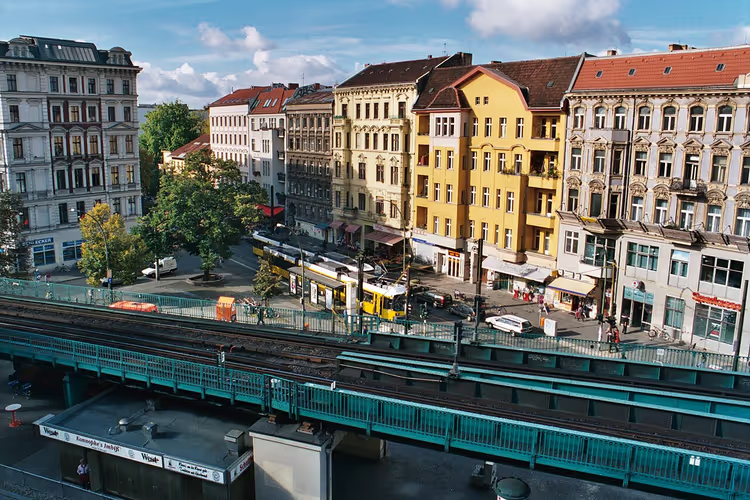
Prenzlauer Berg is now part of the Pankow district, and before the reunification of Berlin it was an independent administrative unit. After the wall fell, the creative bohemian crowd moved here: musicians, actors, artists.
The blocks suffered little bomb damage, so buildings from different eras stand side by side. Gothic sits next to Art Nouveau and neoclassicism, and you can easily find a photo backdrop within a couple of minutes.
Walk along the streets around Kollwitzplatz and Kastanienallee: that is where you will find the most cafes and workshops.
From Kollwitzplatz to the Jewish cemetery
 © Traktorminze · CC BY-SAPhoto: Traktorminze, CC BY-SA (https://creativecommons.org/licenses/by-sa/4.0), Wikimedia Commons
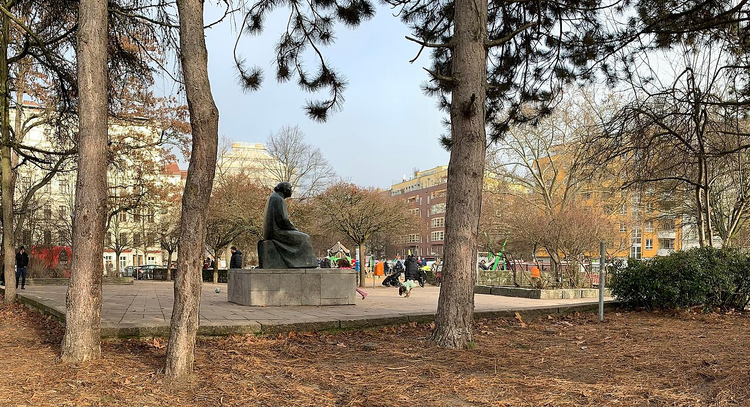
Start your walk at Kollwitzplatz, where a bronze monument to the artist Käthe Kollwitz stands. From the square, head toward the Jewish cemetery on Schönhauser Allee, where the impressionist painter Max Liebermann is buried.
Along the way you will pass an old building with the inscription "death to capitalism." It is a reminder of the time when radical groups occupied vacant buildings and turned them into free communes.
The Saturday market at Kollwitzplatz runs from 9:00 to 16:00 (as of 09/2026, district website). Come in the morning; by lunchtime the stalls get crowded.
Mauerpark
 © Franz Richter ( User:FRZ ) · CC BY-SAPhoto: Franz Richter ( User:FRZ ), CC BY-SA (https://creativecommons.org/licenses/by-sa/3.0), Wikimedia Commons
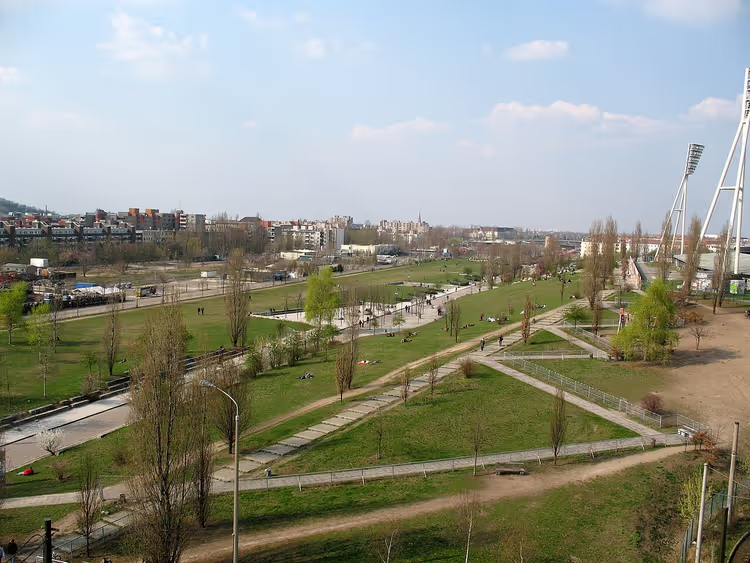
Prenzlauer Berg is home to Mauerpark, a public park with an underground spirit. On Sundays it fills with street musicians, mimes, hippies, and punks of all ages.
A flea market also operates here, one of the main ones in the city (as of 09/2026, Mauerpark page). Legendary clubs from the nineties draw crowds again in the evenings.
If you want to browse the stalls calmly, come at opening time: after noon the entrance gets very crowded.
Offbeat Berlin: the Friedrichshain district
 © dronepicr · CC BYPhoto: dronepicr, CC BY (https://creativecommons.org/licenses/by/2.0), Wikimedia Commons
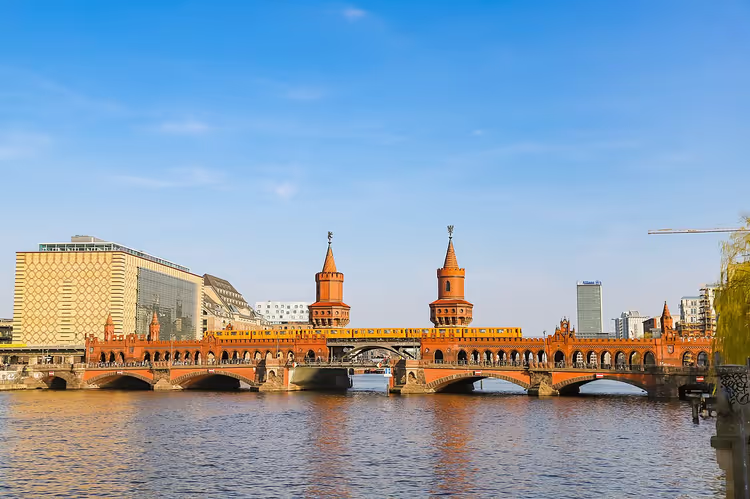
Locals call the Friedrichshain district in eastern Berlin "the European Woodstock." Young people from all over the world come here: they rent apartments short-term, then come back, and some stay for good.
Residents of certain blocks live by their own rules, or with no rules at all. They build dance floors and bars out of old furniture and scrap metal, and cover garage walls with graffiti. You will feel it as soon as you turn off a main street.
The district's main landmark is called East Side Gallery: 1,316 meters of the Berlin Wall along the Spree, painted by artists in 1990 (as of 09/2026, East Side Gallery page). The gallery is considered the longest surviving section of the wall and the largest open-air gallery in the world. Admission is free.
Friedrichshain shows its true face in the evening. Locals gather for parties, and clubs host live music. The district's best-known venues are Tresor, Astra Kulturhaus, Lido, Magnet, and FritzClub.
Set aside half a day for a walk along the wall: it takes about 40 minutes on foot one way.
The Kreuzberg district
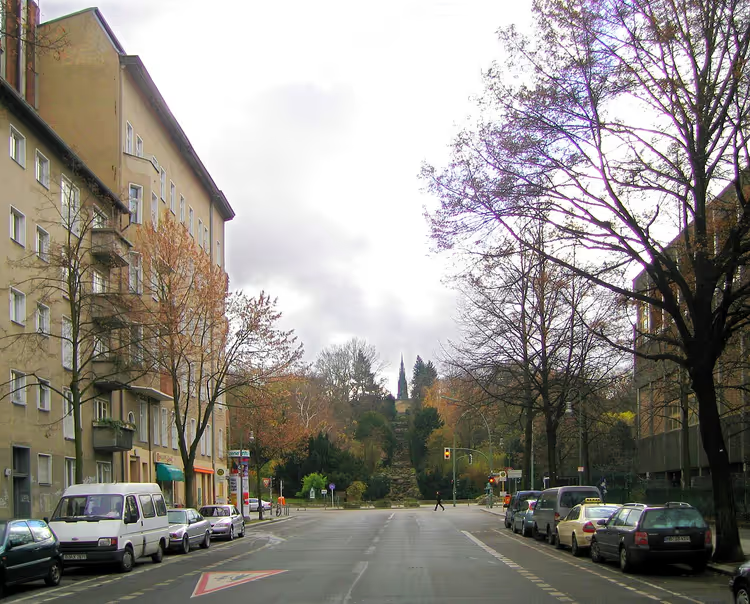
Kreuzberg brings together all of Berlin's contradictions, vibrancy, and multiculturalism. Graffiti is everywhere here, but the district is recognized by two addresses.
At the foot of five-story buildings on the Spree embankment sit activist camps fighting rising rents. The walls feature the famous inscriptions "Golden chains of capitalism" and "East and West." Abandoned factories by the water were once occupied and turned into illegal clubs and galleries.
The freedom near the wall ruins attracted David Bowie, Helmut Newton, and Nick Cave. Berlin cemented its image as the capital of electronic music back in the nineties, and nightlife is taken seriously here. If you came for the clubs, plan a Friday night into Saturday.
Flea markets
 © Roy Zuo · CC BY-SAPhoto: Roy Zuo, CC BY-SA (https://creativecommons.org/licenses/by-sa/4.0), Wikimedia Commons
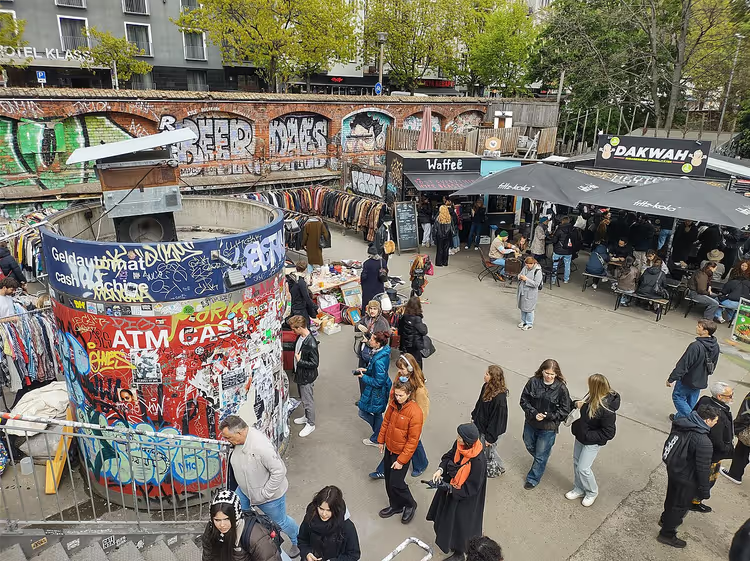
Flea markets in Berlin are called Flohmarkt, and a Sunday stroll through them shows the city from the inside. They are concentrated in three central districts: Prenzlauer Berg, Friedrichshain, and Kreuzberg.
The largest one operates in Mauerpark. Besides the atmosphere of freedom, street food, and impromptu concerts, everything is on display here: from interior items to historical artifacts (as of 09/2026, official park website).
Moving from vendor to vendor, you browse used books, vintage clothing, ceramics, and small items from the past century. You cannot cover it in less than half a day. If you want to hit several locations, keep an eye on the clock.
Nearby there is a market at Arkonaplatz. Mostly locals sell here, they do not like haggling, and the selection includes old dishes, utensils, posters, and jewelry. You do not need to linger long here; half an hour is enough.
A flea market route is impossible without Friedrichshain. Not far from the Warschauer Straße subway station, old warehouses have been taken over by alternative clubs and cafes. In the alleys between them, several small markets with vintage clothing and jewelry have spread out.
Bring cash: cards are far from accepted everywhere, including in cafes and bars. And choose comfortable shoes, as you will walk several kilometers in a day.
Famous Berlin beer halls with a century of history
Berlin's beer halls are just as good as Bavaria's, and some have been keeping tradition alive for over a century. Most of the historic spots are concentrated in the Schöneberg district, and you can visit them all in one evening.
Beer halls in Schöneberg
In Schöneberg, you'll sit at the same table as native Berliners, the regulars of these bars. They serve not only beer, but also fruit liqueurs made from century-old recipes.
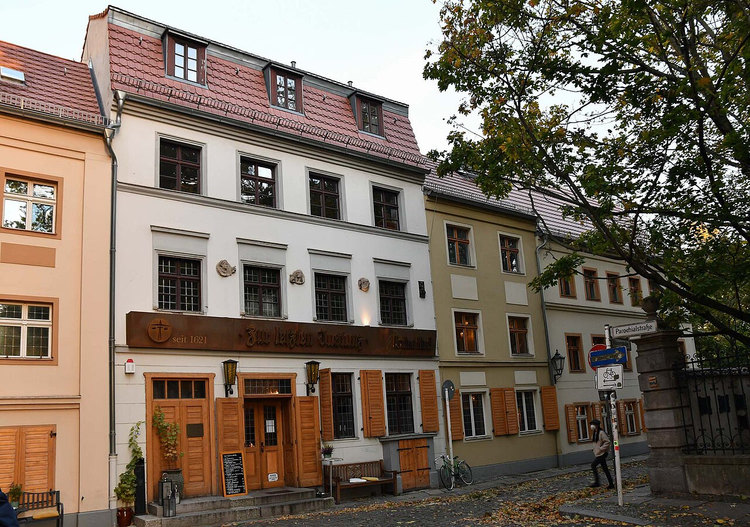
Zur Letzten Instanz beer restaurant
 © Helge Høifødt · CC BY-SAPhoto: Helge Høifødt, CC BY-SA (https://creativecommons.org/licenses/by-sa/4.0), Wikimedia Commons
Zur Letzten Instanz holds a special place among the city's signature beer spots. The restaurant has been operating since 1621 and is considered the oldest in Berlin (as of 09/2026, restaurant's official website). It's not in Schöneberg, but in the Mitte district on Waisenstraße, a stone's throw from Alexanderplatz.
There are two versions behind the name "At the Last Instance." According to one, peasants unhappy with court rulings found compromise over a mug of beer. According to the other, it has to do with the proximity to an old cemetery.
The walls remember Napoleon, Charlie Chaplin, and Wilhelm Raabe.
The interior has kept the spirit of an 18th-century German beer hall: dark walls, dim lighting, two dining rooms. The dishes carry legal names: "The Prosecutor's Speech," "Defamation Suit," "Lawyer's Breakfast." It's best to book a table in advance.
Hours: Monday from 5:30 PM, Tuesday through Saturday from 12:00 PM to 3:00 PM and from 5:30 PM, closed on Sunday (as of 09/2026, hours page).
Themed walks around Berlin give you a chance to feel the rhythm of city life, not just see postcard views. Step into an old beer hall in the evening, and you'll understand the city's spirit from the inside.
Tours and tickets in Berlin
Guided tours, skip-the-line tickets and activities — most offers can be cancelled free of charge.
See offers on GetYourGuideThe widget loads once you give your consent.
Interesting Berlin places on the map
Mark your route points in advance so you don't waste time traveling between districts. Below is a map with all the places from this article.
Interesting places in Berlin
Places on the map
- Kurfürstendamm The main boulevard of Charlottenburg with memorial plaques and shops
- Prenzlauer Berg A bohemian district with buildings from different eras, cafés around Kastanienallee
- Kollwitzplatz A square with the Käthe Kollwitz monument, Saturday market from 9:00 to 16:00
- Jewish Cemetery on Schönhauser Allee The impressionist painter Max Liebermann is buried here
- Mauerpark A park with an underground spirit, the main flea market on Sundays
- Friedrichshain An eastern district with the clubs Tresor and Astra, the local European Woodstock
- East Side Gallery 1,316 metres of the Berlin Wall along the Spree, free entry
- Kreuzberg A multicultural district with graffiti, abandoned factories and clubs
- Flea Market at Arkonaplatz Locals trade here — old crockery, posters and jewellery
- Schöneberg A district of old pubs with century-old beer and liqueur recipes
- Zur Letzten Instanz The city's oldest restaurant has run since 1621, book a table in advance
⁉️🤔 Frequently asked questions
How many days do you need for offbeat Berlin?
Two days are enough for the eastern districts and markets. Spend the first day on Friedrichshain and the East Side Gallery, and the second on Kreuzberg, Prenzlauer Berg, and the flea markets. If you want to add the beer halls in Schöneberg and Zur Letzten Instanz in Mitte, plan for a third evening. You'll walk 8 to 12 km per day.
When is the Mauerpark flea market open?
The Mauerpark market is open on Sundays (as of 09/2026, mauerpark.berlin). Come at opening time; by noon the entrance gets crowded. The market at Arkonaplatz is open nearby on the same day. Bring cash: far from all vendors accept cards, and that goes for the neighboring cafes and bars too.
What should you see at the East Side Gallery?
The gallery stretches 1,316 meters along the Spree (as of 09/2026, visitBerlin). It's the longest surviving section of the Berlin Wall, and admission is free around the clock. Start from Ostbahnhof station and head east: that way you'll walk the entire wall and end up at the Oberbaumbrücke bridge. A kilometer and a half at a leisurely pace takes about half an hour.
Do you need to book a table at Zur Letzten Instanz?
Yes, it's best to book in advance. The restaurant is popular and closed on Sundays (as of 09/2026, Zur Letzten Instanz website). On Mondays they open only from 5:30 PM; on other days they're open in the afternoon and evening. For dinner on Friday or Saturday, you should reserve your table several days ahead.
Is it worth going to Schöneberg for the beer halls?
It is, if you're interested in the old Berlin school. Most of the beer halls with a century of history are concentrated right here, and in one evening you can visit two or three spots. They serve beer and fruit liqueurs made from century-old recipes and often seat you at a shared table with locals.
In short: what to book
Choose the eastern districts for walking, the markets for Sunday morning, and an old beer hall for the evening. That's how you'll see the Berlin that locals keep coming back to.
If you have... | Go with |
|---|---|
one day | East Side Gallery and Friedrichshain |
a free weekend | Mauerpark flea market and Kreuzberg |
an evening with no plans | Zur Letzten Instanz beer hall in Mitte |
a guide for the day | a tour with a local guide |
Ready-made guided routes are easy to book in advance: Berlin tours on GetYourGuide.

A small editorial team writing guides for independent travel. We travel ourselves, but we haven’t been everywhere, so we check prices, opening hours and how to get there against official sources.