
















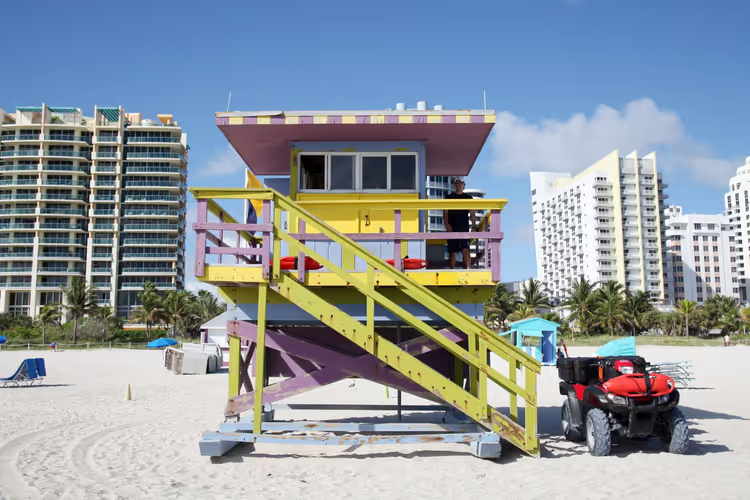
13 Best Miami beaches: which one to choose in 2026
Miami's beaches differ far more than postcards suggest. Some shorelines are quiet and shallow, others are loud and sporty. The easiest way to figure out which one suits you is by the type of vacation you want, not by flashy rankings. Access to the city beaches is free, and you usually only pay for parking and lounger rental (according to the Miami tourist office). The short answer: with kids, choose Crandon Park and Mid-Beach; for atmosphere, head to South Beach; for waves, go to Haulover Beach. Below is a breakdown of the beaches with facts, access, and distances, so you don't have to guess on the spot.
How to choose a beach in Miami
💡 In short:
- The city beaches of Miami Beach, South Beach, and Sunny Isles Beach are free; you only pay for parking and rentals. Bill Baggs Cape Florida and Oleta River State Park charge an entrance fee.
- Lounger and umbrella rentals on most beaches close before evening, so bringing your own mat is a good idea.
- With kids, go to Crandon Park, Mid-Beach, and Matheson Hammock Park: the water is shallow, calm, and there are almost no waves.
- Access, hours, and parking: 09/2026, verified on the official pages of Miami-Dade County parks.
Our picks by type of vacation
Beach | Who it's for | Access | What to know |
|---|---|---|---|
Crandon Park | families with kids | free | the lagoon protects from waves |
South Beach | atmosphere and nightlife | free | near Ocean Drive, always crowded |
Sunny Isles Beach | quiet family vacation | free | well-kept shore and a new promenade |
Lummus Park | first visit to Miami | free | umbrellas and loungers for rent until evening |
Bal Harbour | quiet in an upscale area | free | one public entrance, off Collins Avenue |
South Pointe Park | ocean and cruise ship views | free | beach connected to a park and lawns |
Surfside | family time by the water | free | shore decorated with turtle sculptures |
Mid-Beach | vacation with toddlers | free | the smallest waves in the city |
Haulover Beach | surfing and a nude section | free | has a separate clothing-optional section |
Matheson Hammock Park | relaxing in the shade of mangroves | free | atoll lagoon with tidal refreshment |
Bill Baggs Cape Florida State Park | history and a lighthouse | paid entry | historic lighthouse at the south of Key Biscayne |
Oleta River State Park | kayaking and nature | paid entry | Florida's largest urban park |
Virginia Key Beach | history and shallow water | free | the first beach for Black residents |
1. Crandon Park
 © Paulkondratuk3194 ( talk ) · CC BY-SAPhoto: Paulkondratuk3194 ( talk ), CC BY-SA (https://creativecommons.org/licenses/by-sa/3.0), Wikimedia Commons
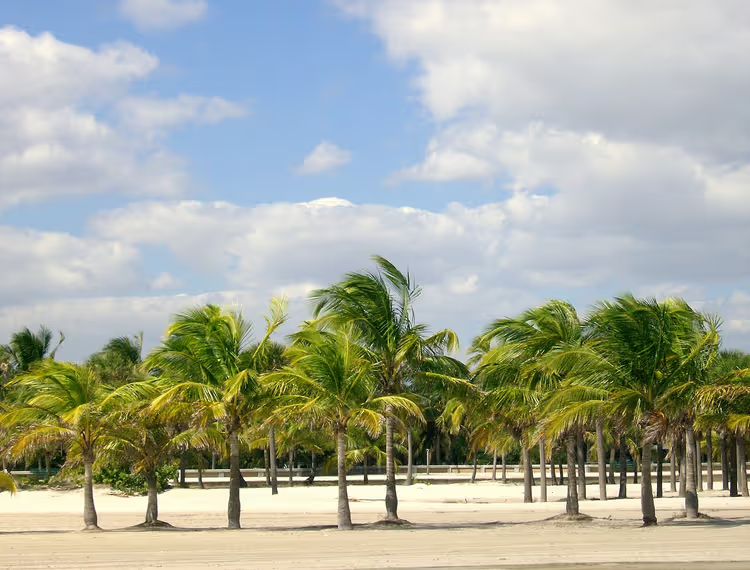
Crandon Park occupies the northern part of Key Biscayne and is considered one of the calmest shorelines in the city. The beach's shape is defined by a lagoon, which protects the water from waves. It's shallow near the shore, so swimming is safe even with toddlers. On other Miami beaches, a red flag goes up in strong surf and a purple one when jellyfish are present, so here you're less dependent on ocean rescue reports.
The park itself covers more than 800 acres and includes a tennis center, a golf course, a marina, and a nature area with mangrove trails (as of 09/2026, Miami-Dade County). Kids have playgrounds and attractions, while adults will find pavilions for relaxing and courts.
- Getting there: take Crandon Boulevard to Key Biscayne, by car or bus.
- Cost: park entry is free, parking is paid (as of 09/2026, official park page).
- Who it's for: families with kids, tennis players, and fans of calm water.
- Not for: those looking for bars and nightlife.
- The catch: on weekends the parking fills up early, so arrive in the morning.
2. South Beach
 © Daniel di Palma · CC BY-SAPhoto: Daniel di Palma, CC BY-SA (https://creativecommons.org/licenses/by-sa/2.5), Wikimedia Commons
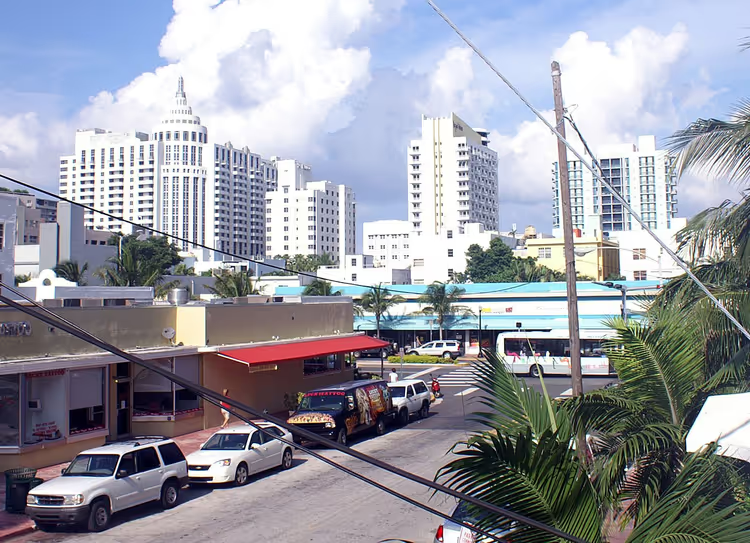
South Beach is considered the city's most recognizable shoreline, and it's also the loudest. The sand here is clean and white, the water is warm year-round, and the infrastructure is built for active recreation: there are beach volleyball courts and workout zones. Entry is free, and nearby runs Ocean Drive with clubs, cafes, and shops.
This is the neighborhood where movies about wealthy characters are filmed. Your chance of spotting a celebrity here is higher than on other beaches, and if that doesn't happen, you won't be bored: life buzzes day and night. The birds near the water are almost tame, but it's best not to feed them so you don't disturb other beachgoers.
The only downside is obvious. If you're looking for solitude and quiet, you'll have a hard time: music, crowds, and traffic don't let up until morning. But for a first introduction to Miami, this area works better than a dozen others, and in the evening you'll easily find something to do.
- Getting there: along Ocean Drive, with paid parking on the streets.
- Cost: entry is free; you pay for parking, a lounger, and an umbrella.
- Who it's for: those who love movement, music, and people around.
- Not for: families seeking peace and quiet.
- The catch: noisy around the clock; a quiet evening here isn't possible.
3. Sunny Isles Beach
 © Ron Reiring · CC BYPhoto: Ron Reiring, CC BY (https://creativecommons.org/licenses/by/2.0), Wikimedia Commons
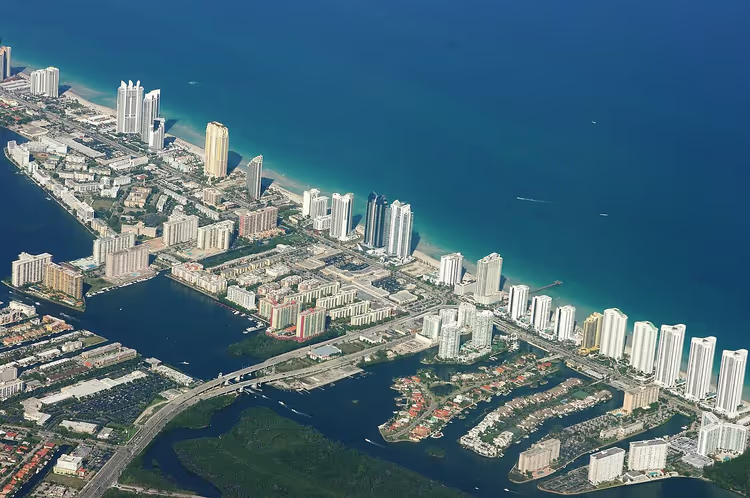
Sunny Isles Beach lies on a narrow strip between the bay and the ocean and is considered one of the best-kept shorelines in the county. Modern high-rises stand next to buildings with history, and the stretch of sand runs for several kilometers. Beach access is free; you only pay for parking and rentals.
Samson Oceanfront Park operates on the shore: a boardwalk, a playground, a shaded area with tables, and a beach volleyball court (according to the Miami tourist office). The shore faces east toward the Atlantic, so you won't see a sunset over the water here.
- Getting there: along Collins Avenue, lined with beachfront hotels.
- Cost: entry is free, parking and loungers are paid.
- Who it's for: discerning travelers who value order and quiet.
- The catch: in high season, parking near the promenade is taken, so arrive early.
4. Lummus Park
 © Daniel Di Palma · CC BY-SAPhoto: Daniel Di Palma, CC BY-SA (https://creativecommons.org/licenses/by-sa/4.0), Wikimedia Commons
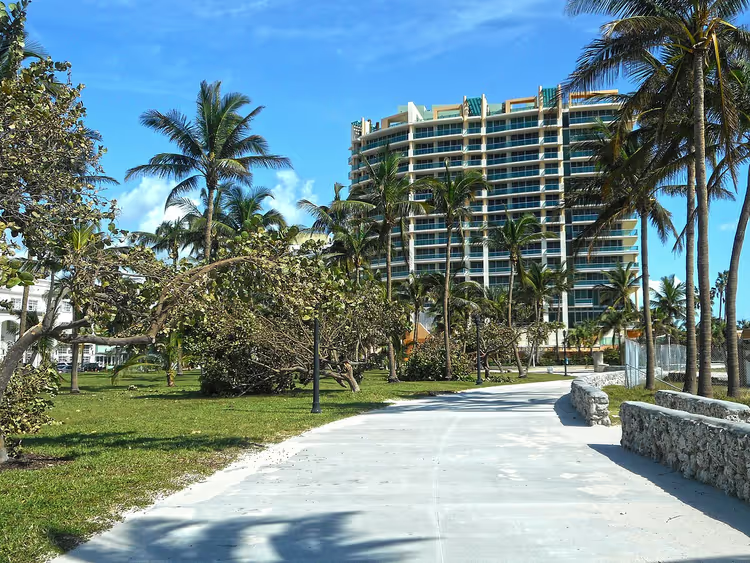
Lummus Park occupies a strip of greenery and beach between Ocean Drive and the ocean, from 5th to 15th Street (according to the City of Miami Beach). The park is open from 5 a.m. to midnight, which is convenient: you can arrive at dawn, swim, and stay until evening. At 9th Street there is a Muscle Beach area with outdoor workout equipment.
Lounger and umbrella rentals end earlier than swimming, usually by 5 p.m. (according to the official Lummus Park page). After that, you sunbathe on your own mat. The beachfront cafes serve light snacks and cold drinks, but hard alcohol is prohibited: drinking on the beach carries a fine. Most water accidents are linked specifically to swimming while intoxicated.
- Getting there: along Ocean Drive, beach entrances lead from every street in the block.
- Cost: entry is free, loungers and umbrellas are available for rent.
- Who it's for: families and those who want to combine the beach with a walk around the city.
- The catch: central South Beach is always crowded, so you won't find a quiet corner here.
5. Bal Harbour
 © Dough4872 · CC BY-SAPhoto: Dough4872, CC BY-SA (https://creativecommons.org/licenses/by-sa/4.0), Wikimedia Commons
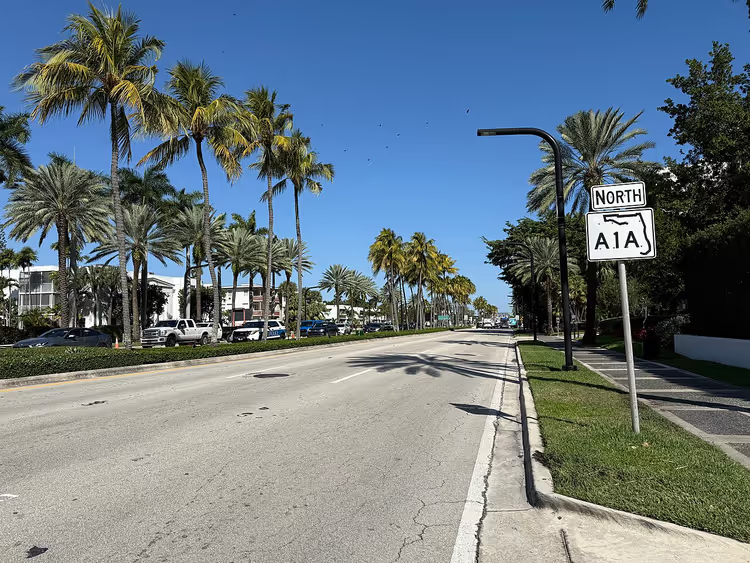
Bal Harbour is one of Miami's upscale neighborhoods, and its beaches match. Most of the coastline belongs to hotels and residential complexes, so there is a single public entrance, at 96th Street off Collins Avenue (according to the Bal Harbour guide). It is quiet, clean, and uncrowded here even in high season.
The public section offers the same amenities as everywhere else: showers, changing rooms, restrooms, and lifeguards. Nearby is the Bal Harbour Shops mall, which draws both tourists and locals. If you walk to the northern end of the recreation area and go up onto the bridge, you get a wide view of the ocean.
- Getting there: take Collins Avenue to 96th Street, then walk east toward the water.
- Cost: entry is free, but you'll pay for parking and a lounger.
- Who it's for: those who want a calm day in a well-kept area.
- The catch: there is only one public entrance, and people gather around it on weekends.
6. South Pointe Park
 © Visitor7 · CC BY-SAPhoto: Visitor7, CC BY-SA (https://creativecommons.org/licenses/by-sa/3.0), Wikimedia Commons
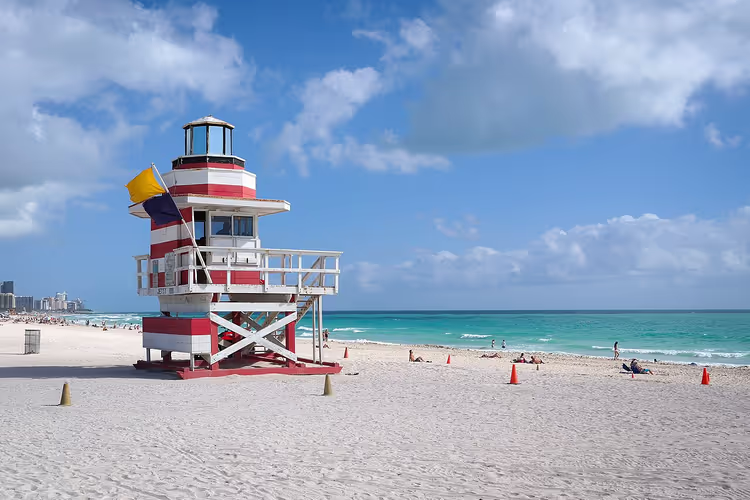
South Pointe Park combines a beach and a park at the southern tip of Miami Beach. Government Cut runs nearby, so from the promenade you can watch cruise ships heading out into the ocean. The park was developed relatively recently, and it brings together white sand, emerald lawns, and water in a rich turquoise color.
As you walk, you'll see dunes that protect the shore from erosion and open-air sculptures. There's a playground, a fishing spot, and a pavilion with an event hall. In the evening, light towers switch on, and the park looks completely different from how it does during the day. Admission is free; you only pay for parking.
- Getting there: take Washington Avenue south to the very end of the island.
- Cost: admission is free, parking in the park is paid.
- Who it's for: those who want to sunbathe and also take a walk in the park.
- The catch: the promenade gets busy when cruise ships are docked.
7. Surfside
 © Unknown author · CC BY-SAPhoto: Unknown author, CC BY-SA (http://creativecommons.org/licenses/by-sa/3.0/), Wikimedia Commons
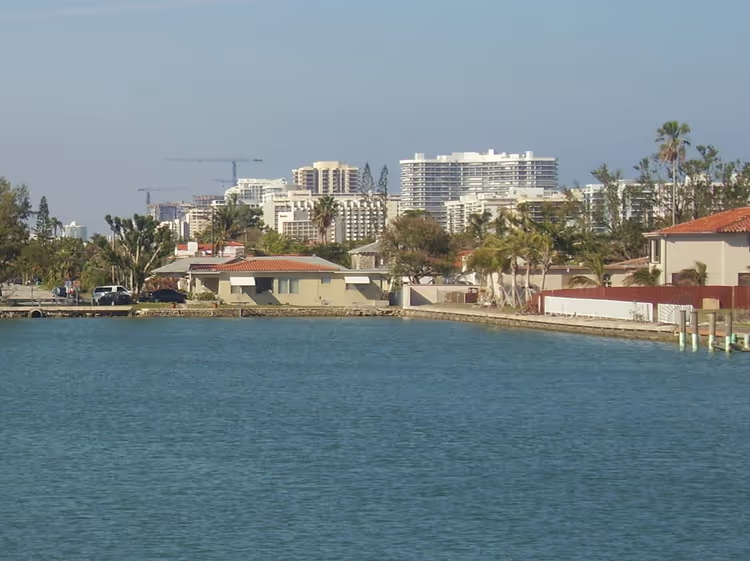
Surfside stretches along the first line between Miami Beach and Bal Harbour. The area began to be developed in the pre-war years, and houses from that era are a reminder of that. The shoreline design is dedicated to sea turtle protection: figurines of these animals are placed along the promenade, and the community center features pools and running tracks.
During the season, a "Turtle release" event is held here, and tourists help hatchlings reach the water. Participation depends on the schedule and weather, so check the date on site. Beach access is free; you'll pay for parking and a lounger.
- Getting there: along Collins Avenue, where the first-line hotels are located.
- Cost: admission is free, parking and loungers cost money.
- Who it's for: families who want a quiet getaway close to the city.
- The catch: the "Turtle release" event doesn't happen every evening.
8. Mid-Beach
 © Marc Averette · CC BY-SAPhoto: Marc Averette, CC BY-SA (https://creativecommons.org/licenses/by-sa/3.0), Wikimedia Commons
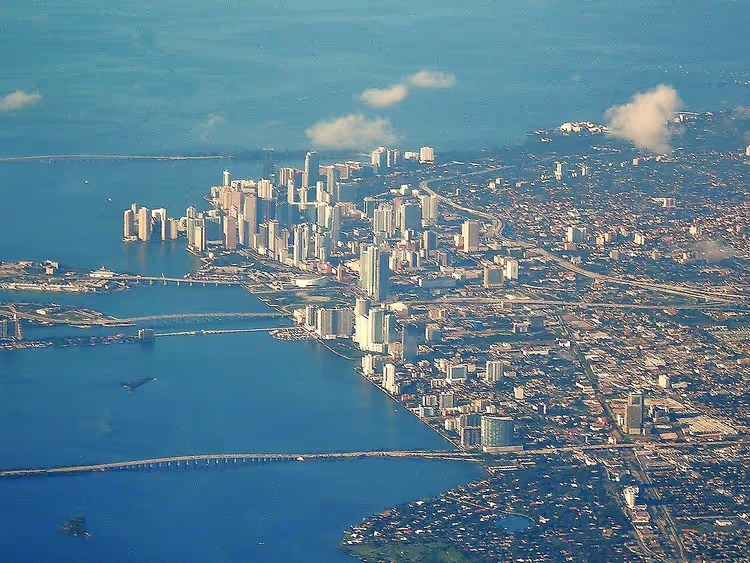
Mid-Beach occupies the middle section of Miami Beach between South Beach and North Beach. It has the smallest waves among the city's beaches and noticeable shallows, so the spot works well for families with children. The sand is white and clean, there are plenty of shells, seaweed and small fish appear in the water, and palm trees grow along the shore.
The midday sun is very intense, and staying on the open beach during peak heat is not recommended even with sunscreen. People don't come here for waves or depth: to actually swim, you'll have to walk a fair distance from the shore.
- Getting there: along Collins Avenue between 40th and 63rd streets.
- Cost: admission is free, parking and rentals are paid.
- Who it's for: families with small children and those who don't want to fight the waves.
- The catch: you have to walk a long way to reach deeper water, and the water gets cooler farther from shore.
9. Haulover Beach
 © Elmschrat · CC BY-SAPhoto: Elmschrat, CC BY-SA (https://creativecommons.org/licenses/by-sa/3.0), Wikimedia Commons
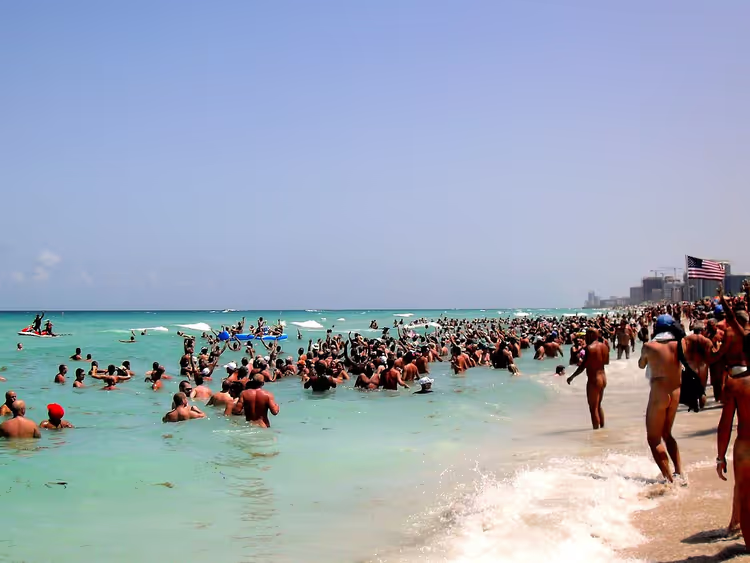
Haulover Beach lies between Bal Harbour and Sunny Isles Beach and ranks among the best beaches in the country. Miami-Dade County manages the public shoreline here, so admission is free, and you only pay for parking (according to Miami-Dade County). The beach is almost 2.5 km long, and about 600 m of it is set aside as a clothing-optional area marked with signs.
There are always plenty of young people here, but also many families with children. The water is clean, and lifeguards and police keep things orderly. There's both a shallow section and a wave zone where surfers train. You can rent an umbrella, a beach chair, and gear for water sports.
- Getting there: take Collins Avenue to 108th Street, parking is north of the beach.
- Cost: admission is free, parking is paid (as of 09/2026, Miami-Dade County).
- Who it's for: surfers, young people, and those who want a clothing-optional area.
- The catch: the clothing-optional area is marked only with signs, so keep an eye on the boundaries if you're with children.
10. Matheson Hammock Park
 © joiseyshowaa · CC BY-SAPhoto: joiseyshowaa, CC BY-SA (https://creativecommons.org/licenses/by-sa/2.0), Wikimedia Commons
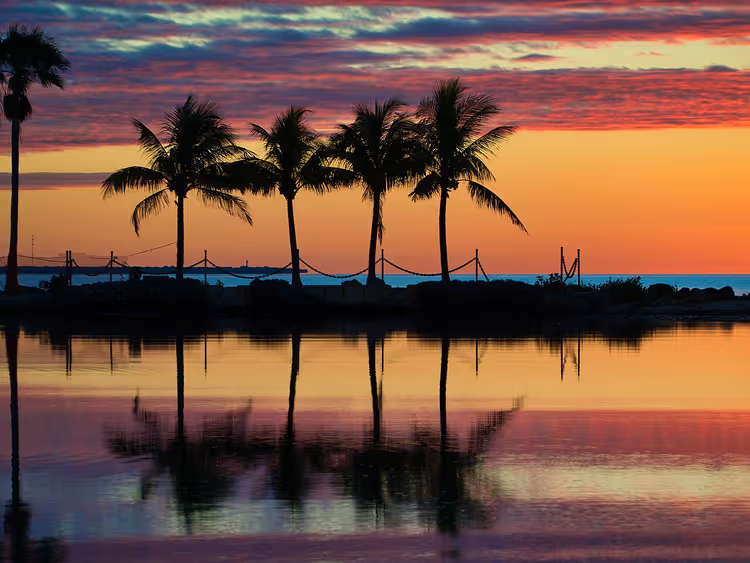
Matheson Hammock Park occupies the grounds of one of Miami's oldest parks and is known for its mangrove groves. The park is built around an atoll lagoon: the water in it is naturally refreshed by the tide, so swimming is calm and safe for children. There's always a light breeze here, which makes the heat easier to bear.
There are equipped picnic areas and rentals for water sports. Stand-up paddleboarding is popular, and you can rent a boat or a small motorboat and head out for a trip on Biscayne Bay. The shore offers great photo opportunities, especially at sunset.
- Getting there: take Old Cutler Road south from downtown Miami.
- Cost: admission is free, parking and rentals are paid.
- Who it's for: families with children and those who love nature and shade.
- The catch: the lagoon is shallow, so swimming at depth requires heading out to the bay.
11. Bill Baggs Cape Florida State Park
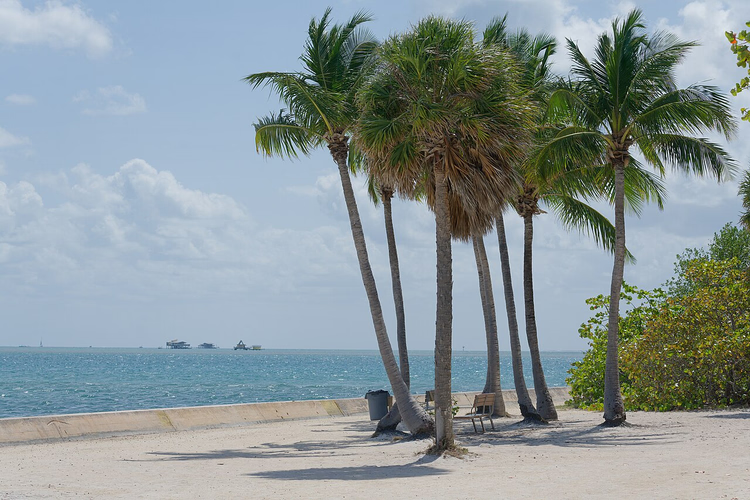
Bill Baggs Cape Florida State Park occupies the southern tip of Key Biscayne. There are almost no big waves here, they break on the coral reefs, so swimming is comfortable for both children and those who are not confident swimmers. The spot ranks among the best beaches in the country.
The park's main attraction, the Cape Florida Lighthouse, was built in 1825 (according to Florida State Parks). It offers views of the Atlantic and Biscayne Bay. Nearby, old cabins and structures tied to the history of escaped slaves have been preserved.
- How to get there: take Crandon Boulevard to the southern part of Key Biscayne.
- Cost: park entry is paid, per-vehicle rate (as of 09/2026, Florida State Parks).
- Who it's for: families, history buffs, and those who prefer calm water.
- The catch: everyone pays to enter the park, even visitors on foot.
12. Oleta River State Park
 © Ebyabe · CC BY-SAPhoto: Ebyabe, CC BY-SA (https://creativecommons.org/licenses/by-sa/3.0), Wikimedia Commons
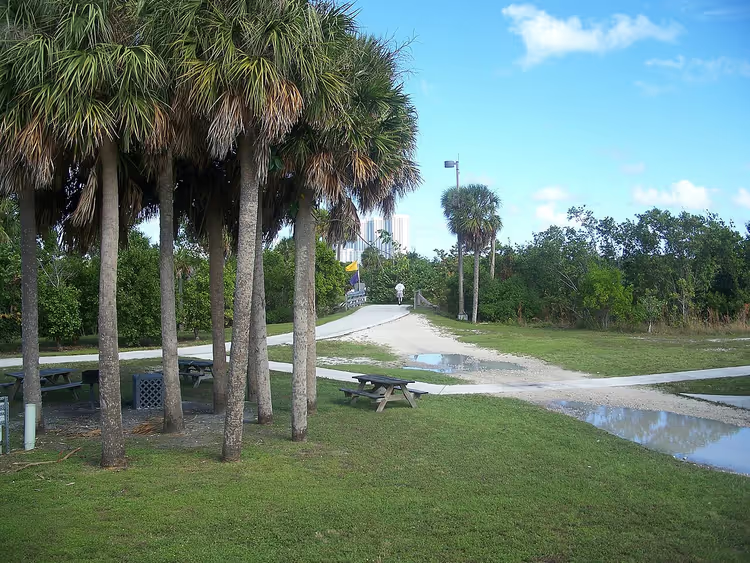
Oleta River State Park is considered the largest urban park in the Florida state park system: about 1,043 acres on the shore of Biscayne Bay (according to Florida State Parks). There are no lifeguards here, so you should only swim out into deeper water if you are confident in your abilities.
In the park you can walk through the mangrove forest, ride the bike trails, paddle down the river by kayak, or fish. Picnic tables and grills are available, and you can rent a cabin or pitch a tent and stay for several days.
The park is open daily from 8:00 a.m. to sunset year-round (according to Oleta River State Park). Entry is paid: the rate depends on the number of passengers in the car, and it is lower for pedestrians and cyclists.
- How to get there: take Biscayne Boulevard north to 163rd Street.
- Cost: paid entry, per-vehicle rate (as of 09/2026, Florida State Parks).
- Who it's for: active travelers, kayakers, and fishing enthusiasts.
- The catch: no lifeguards, so you are responsible for your own safety on the water.
13. Virginia Key Beach
 © Tamanoeconomico · CC BY-SAPhoto: Tamanoeconomico, CC BY-SA (https://creativecommons.org/licenses/by-sa/4.0), Wikimedia Commons
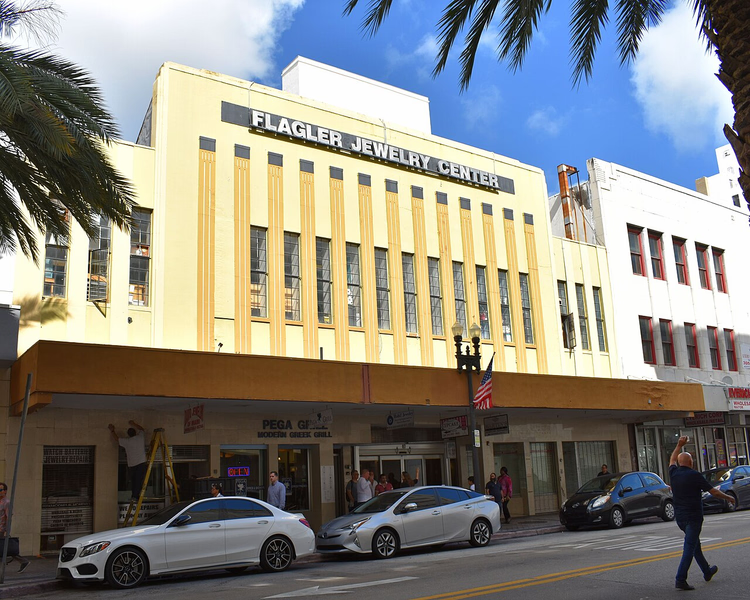
Virginia Key Beach lies on the island between Miami and Key Biscayne, and it has a special history. On August 1, 1945, the park opened as the first and only beach for Black residents of Miami during segregation, known as "The Colored Beach" (according to the historic park). Since then, the place has remained significant to the city.
At first, the only way to get here was by boat. It was not until 1947 that a toll road was built, making the island accessible to everyone (according to the Virginia Key Beach Park website). Today, a historic plaque remains at the entrance, and old pavilions and gazebos stand along the shore.
Swimming here is calm: there is a wide shallow area near the shore, so even toddlers can enter the water. Lifeguards are on duty almost everywhere, but jellyfish sometimes drift into the bay, and occasionally large predatory fish do too. Visitors are warned about this with flags, as well as about currents and weather. These signals must not be ignored.
The island has a park with playgrounds, so families with children come here gladly. Surfers love this spot too.
- How to get there: take the Rickenbacker Causeway to the island, by car or bicycle.
- Cost: beach entry is free, but you will pay for parking and rentals.
- Who it's for: families with children and those interested in the city's history.
- The catch: jellyfish enter the bay, so keep an eye on the flag color.
Miami beaches on the map
All the beaches from this selection are marked on the map below. Zoom in on the area you need and plan your route from the hotel in advance so you don't end up circling the waterfront looking for parking.
Beaches of Miami
Places on the map
- 1Crandon Park Calm shore on Key Biscayne, lagoon shelters it from waves
- 2Sunny Isles Well-kept shore between bay and ocean, sunsets by the water
- 3Lummus Park Strip of greenery and beach along Ocean Drive with the Muscle Beach area
- 4Bal Harbour Quiet shore of an upscale neighborhood with a single public entrance
- 5South Pointe Beach and park at the southern tip of Miami Beach with liner views
- 6Surfside Front line between Miami Beach and Bal Harbour, turtle release event
- 7Mid-Beach Smallest waves in the city, good for holidays with kids
- 8Haulover Public shore with a nudist zone and a surfers' section
- 9Matheson Hammock Park Lagoon atoll amid mangroves, safe for children
- 10Bill Baggs Cape Southern tip of Key Biscayne with an 1825 lighthouse
- 11Oleta River Florida's largest city park, kayaking through mangrove forest
- 12Virginia Key Beach Historic first beach for Miami's Black residents
⁉️🤔 Frequently asked questions
Which Miami beach should I choose for a family with kids?
Crandon Park, Mid-Beach, and Matheson Hammock Park: they have shallow water and gentle waves. At Crandon Park, a lagoon protects the water; at Mid-Beach, the waves are the smallest in the city; and at Matheson Hammock, the lagoon is refreshed by the tide. Grab loungers and umbrellas early, they're gone by midday.
Do I need to pay to enter Miami beaches?
On the city shores of Miami Beach, South Beach, Sunny Isles Beach, and Surfside, entry is free; you only pay for parking and rentals. A ticket is required at Bill Baggs Cape Florida State Park and Oleta River State Park: park entry is paid there. Lifeguard presence and showers don't depend on the fee.
Where is the nude beach in Miami?
There's a clothing-optional area at Haulover Beach: about 600 m of shoreline is marked with signs (as of 09/2026, Haulover Park page). It's one of the few official nude beaches in Florida. Use the north parking lot, as the county advises, and stay within the marked area.
When is the best time to get to the beach?
Come in the morning. By midday, parking at Crandon Park and Haulover Beach fills up, and the sun gets harsher. During peak heat on an open shore, it's easy to get sunburned even with sunscreen.
Can I swim if a purple flag is up?
No. A purple flag on Miami beaches means dangerous marine life, most often jellyfish. A red flag is raised for strong surf. Rip currents and weather are communicated to beachgoers separately. If you're unsure, ask a lifeguard: on city shores, they're on duty almost everywhere.
In short: what's worth booking
The choice comes down to your vacation pace. If you're a family with kids: go for Crandon Park, Mid-Beach, or Matheson Hammock Park. If you want action and nightlife: South Beach. If waves are the main thing: Haulover Beach. If you need quiet in a well-kept area: Bal Harbour. If you're into history: Bill Baggs Cape Florida State Park and Virginia Key Beach.
If you're planning an overnight stay nearby, look for a hotel by your chosen shore: that way you can walk to the water and save on parking. Arrive in the morning, claim a spot by the water, and check the weather forecast. The biggest thing that can ruin your trip is a hurricane, so plan a backup day. Then your vacation will go off without surprises, and you'll come back to the same beach again.

A small editorial team writing guides for independent travel. We travel ourselves, but we haven’t been everywhere, so we check prices, opening hours and how to get there against official sources.