
















What to see in Miami: 30 locations from art deco to the Everglades
Many people imagine Miami as an expensive resort with yachts and celebrities.
In reality, half of the interesting things here can be seen cheaply or for free.
In one trip, you can walk through the Art Deco districts and head out to the Everglades swamps. We've put together 30 locations in the city and its suburbs. For each spot, you'll find what to see, how much time to allow, and how to get there. Everglades entry is paid once, and the ticket is valid for seven consecutive days (as of 09/2026, US National Park Service).
Ad: this article contains affiliate links, we earn a commission if you book through them, at no extra cost to you.
Miami: how this list works
💡 In short:
- The list has 30 locations: museums, parks, neighborhoods, a stadium, and an airport.
- The center is connected by the free Metromover and the metro. You can reach Miami Beach by bus, and a car is more convenient for the suburbs.
- Tickets and hours: 09/2026, verified on official websites.
1. Zoo Miami
 © Marc Averette · CC BY-SAPhoto: Marc Averette, CC BY-SA (https://creativecommons.org/licenses/by-sa/3.0), Wikimedia Commons
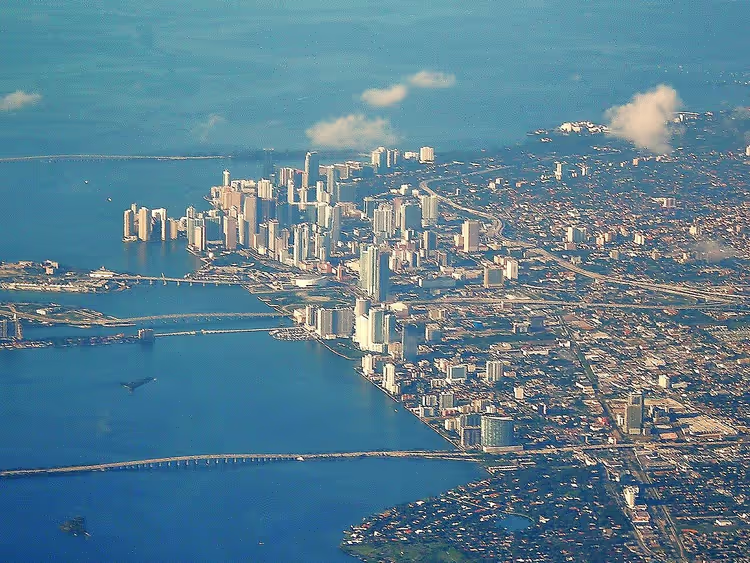
Zoo Miami opened in 1980 and has grown to nearly 300 hectares in the southern suburbs. The walking route through the grounds stretches for five kilometers (as of 09/2026, official website). The park is divided into four zones by continent: Asia, Australia, Amazonia, and Africa. You don't have to walk the whole thing. You can rent a bike or a stroller, or ride the loop on a tram. Along the way, you can feed giraffes, watch shows, and visit a petting zoo.
- How to get there: southern suburbs, about half an hour by car from downtown.
- The catch: getting there without your own car is inconvenient, and in summer the open areas get scorching hot by midday.
2. Miami Seaquarium: closed in 2025
 © Pietro · CC BY-SAPhoto: Pietro, CC BY-SA (https://creativecommons.org/licenses/by-sa/3.0), Wikimedia Commons
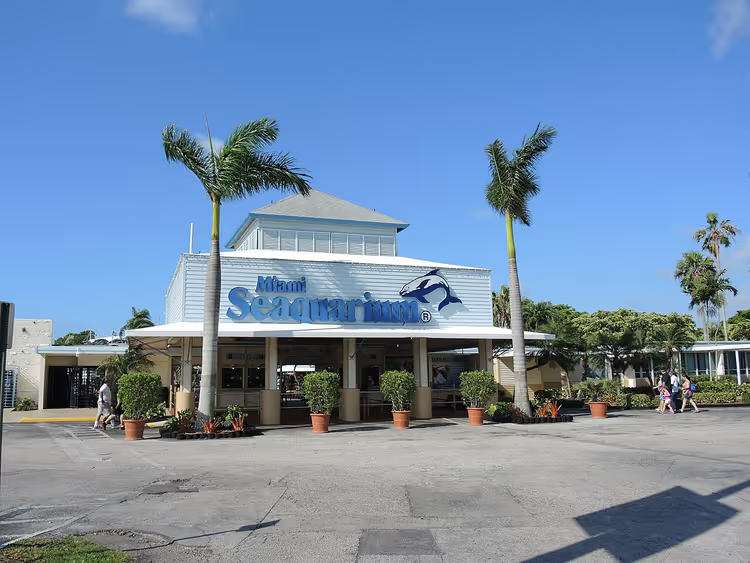
The aquarium on Virginia Key operated from 1955 and closed permanently on October 12, 2025, after 70 years (as of 09/2026, Wikipedia). It was once the largest oceanarium in the world, and the star of the show was Flipper the dolphin from the TV series of the same name. Now the site awaits redevelopment: a marina and a new aquarium without marine mammals are planned for the location. If you wanted to show your kids sharks and rays, plan a visit to Frost Science, which is covered below.
- What to do instead: the modern Gulf Stream aquarium at the Frost science museum.
- The catch: the location itself no longer operates as an attraction.
3. Miami Children's Museum
 © Averette · CC BYPhoto: Averette, CC BY (https://creativecommons.org/licenses/by/3.0), Wikimedia Commons
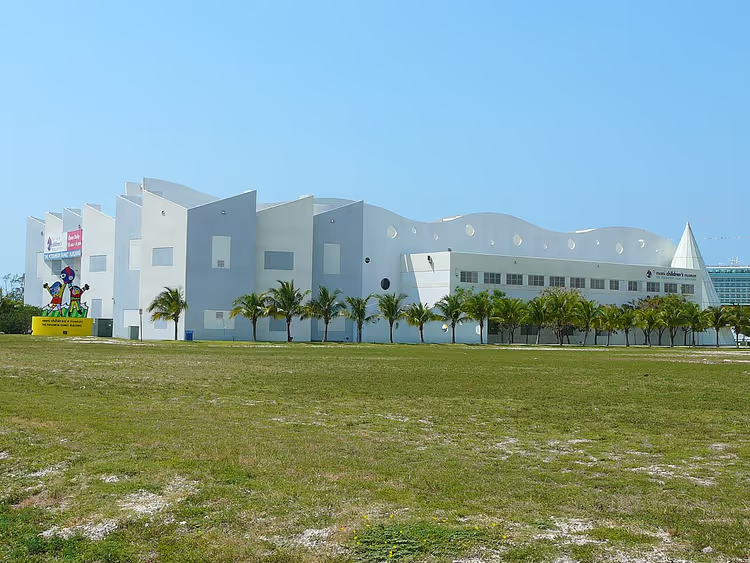
Miami Children's Museum is built around the idea of learning through play. Across its large space, permanent and temporary exhibits let a child become a banker, firefighter, or underwater explorer for a couple of hours. Outside, there is an almost real cruise ship, a two-story dream castle, and a ten-meter climbing wall (as of 09/2026, official website). You will also find a cafe and a souvenir shop here.
- Who it's for: families with children from two to ten years old.
- The catch: adults without kids simply have nothing to do here; the entire exhibition is interactive and designed for play.
4. Jungle Island
 © Pietro · CC BY-SAPhoto: Pietro, CC BY-SA (https://creativecommons.org/licenses/by-sa/3.0), Wikimedia Commons
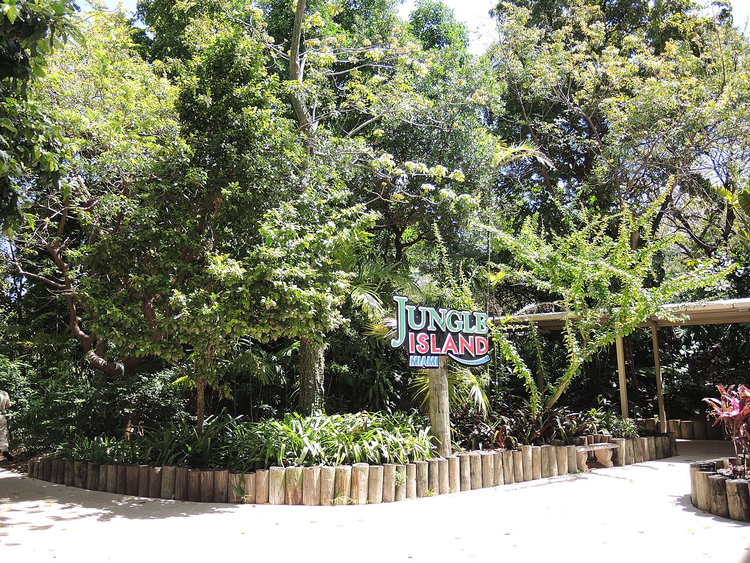
Jungle Island on Watson Island has long outgrown the zoo format and become an adventure park. In addition to parrot and big cat shows, you will find rope courses, indoor skydiving, and water slides here (as of 09/2026, official website). Kids are usually hard to pull away from the petting zoo and the lemur room. Keep one important thing in mind: the city has approved a redevelopment plan for the island, so part of the area will eventually be turned over to a park and residential towers (according to Local 10). Plan half a day for this stop.
- How to get there: via the MacArthur Causeway, on the way from Miami Beach.
- The catch: the park's future is uncertain, and some attractions operate seasonally.
5. Lion Country Safari
 © Tamanoeconomico · CC BY-SAPhoto: Tamanoeconomico, CC BY-SA (https://creativecommons.org/licenses/by-sa/4.0), Wikimedia Commons
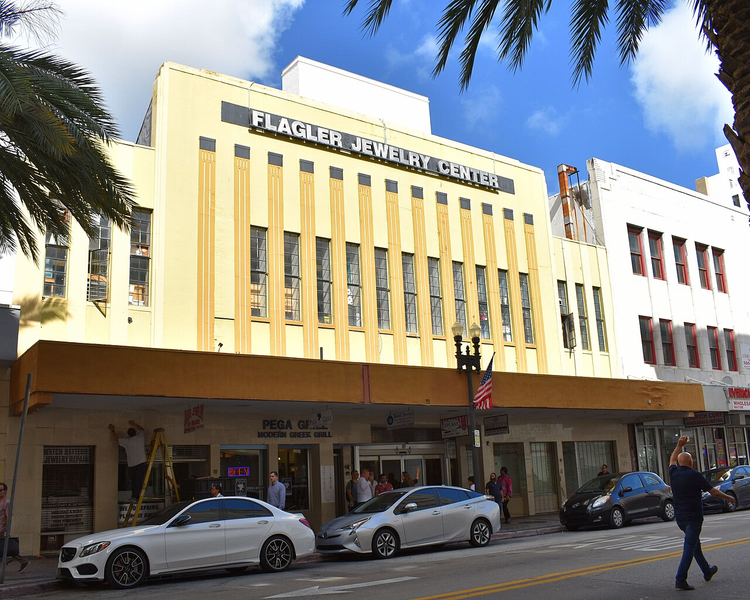
Lion Country Safari is a safari where you drive your own car while animals roam nearby. The grounds recreate African savanna landscapes inhabited by zebras, antelopes, rhinos, and giraffes (as of 09/2026, official website). The park was founded to protect lions, and that remains its central theme to this day. Besides the drive through the savanna itself, there is a water park, a Ferris wheel, and boat rides.
- How to get there: about an hour's drive northwest of Miami, best by car.
- The catch: the heat and closed car windows make the trip tiring for toddlers.
6. Pérez art museum Miami
 © Phillip Pessar · CC BYPhoto: Phillip Pessar, CC BY (https://creativecommons.org/licenses/by/2.0), Wikimedia Commons
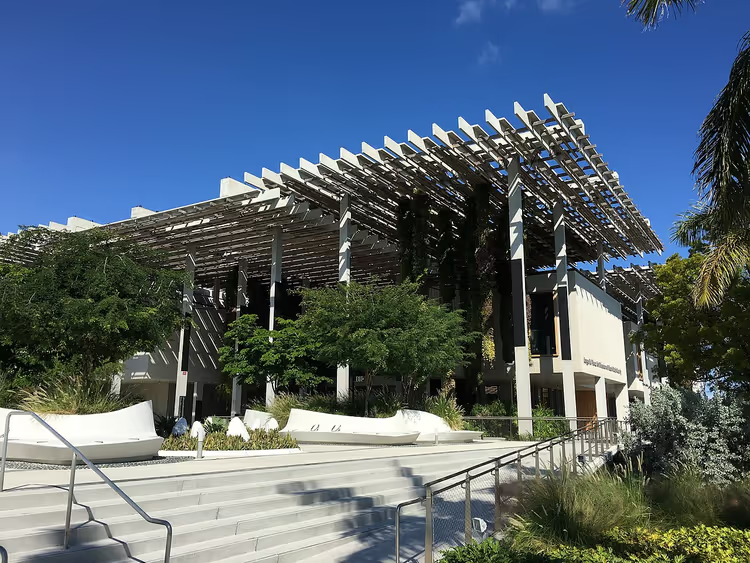
Pérez Art Museum Miami, or PAMM, moved into its new building on Biscayne Bay in 2013 and has been an exhibit in its own right ever since. The three-story structure is raised above the ground, and its veranda with multi-level gardens extends beyond the building itself. Inside, you can see contemporary art and 20th-century works: painting, sculpture, photography, mosaic, and installations made from natural materials. The museum is open daily from 11:00 to 17:00, and on Thursday evenings admission is free (as of 09/2026, PAMM).
- Who it's for: lovers of contemporary art and architecture.
- The catch: the collection is smaller than those of major museums, but the bay views are the best in the city.
- You can check Miami museum tickets on Tiqets.
7. Frost Art Museum
 © User:Comayagua99 · CC BYPhoto: User:Comayagua99, CC BY (https://creativecommons.org/licenses/by/3.0), Wikimedia Commons
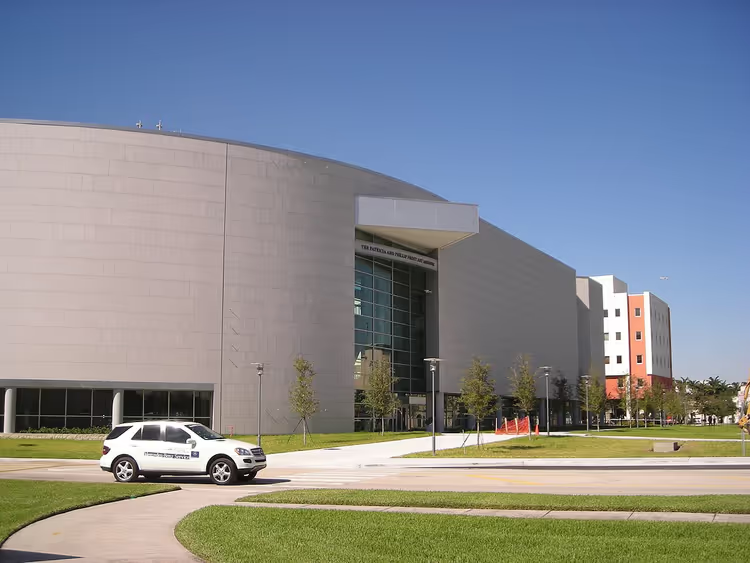
The Frost Art Museum at FIU collects 20th-century American art, including works from Latin America. Its holdings include more than six thousand paintings, prints, sculptures, and photographs, plus Japanese netsuke and pre-Columbian objects (as of 09/2026, official website). The collection keeps growing through purchases and donations. The museum is named after patrons Phillip and Patricia Frost.
- Who it's for: anyone looking for a quiet museum without crowds and lines.
- The catch: the museum is small and located on a university campus, so it's not worth crossing the whole city just for it.
8. Phillip and Patricia Frost Museum of Science
 © Tamanoeconomico · CC BY-SAPhoto: Tamanoeconomico, CC BY-SA (https://creativecommons.org/licenses/by-sa/4.0), Wikimedia Commons
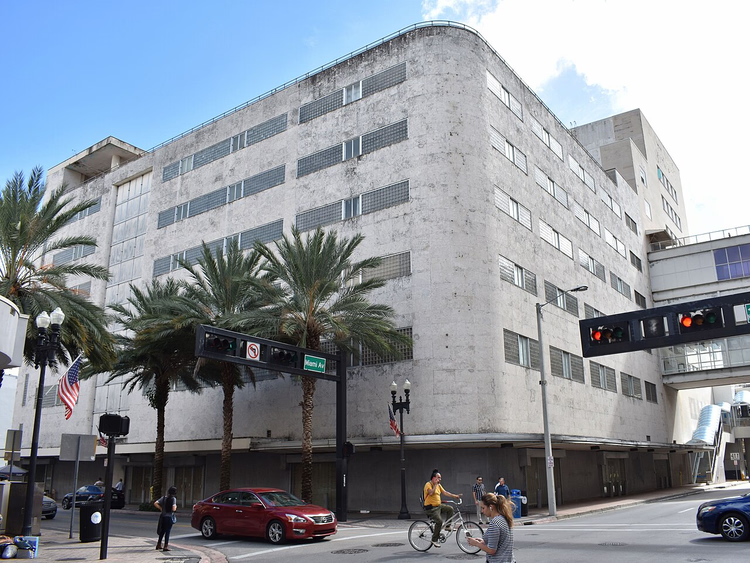
The Frost Museum of Science shows how technology changes the world, and it does so hands-on. Under one roof you'll find a planetarium, an observatory, an aquarium, a terrarium, and a birds of prey aviary (as of 09/2026, official website). On the roof there are observation decks and an urban garden. The museum operates as a Smithsonian affiliate, so most exhibits are backed by real science. The exhibits are interactive, and the planetarium's laser show is considered one of the most spectacular in the world.
- Who it's for: families with kids and anyone who wants more than just an aquarium.
- The catch: tickets are pricier than at other museums in the city, and the whole complex can easily take up an entire day.
9. Miami Beach
 © Ianaré Sévi · CC BY-SAPhoto: Ianaré Sévi, CC BY-SA (https://creativecommons.org/licenses/by-sa/3.0), Wikimedia Commons
Miami Beach is technically a separate city and a suburb of Miami, but for tourists it is the main resort. It has white sand, trendy hotels and restaurants, and the area itself is divided into several parts. The business-oriented middle stretches along Collins Avenue, while the liveliest party zone is concentrated on Ocean Drive. The most beautiful beaches here are public and free. A special asset of the area is the 1930s Art Deco district, which works like an open-air museum.
- Who it's for: those who want the sea, architecture, and nightlife within walking distance.
- The catch: beach parking is paid and almost always full, and cafe prices are above the city average.
- You can find hotels in Miami Beach on Trip.com.
10. Wynwood Arts District
 © Sebastian Carlosena · CC BY-SAPhoto: Sebastian Carlosena, CC BY-SA (https://creativecommons.org/licenses/by-sa/3.0), Wikimedia Commons
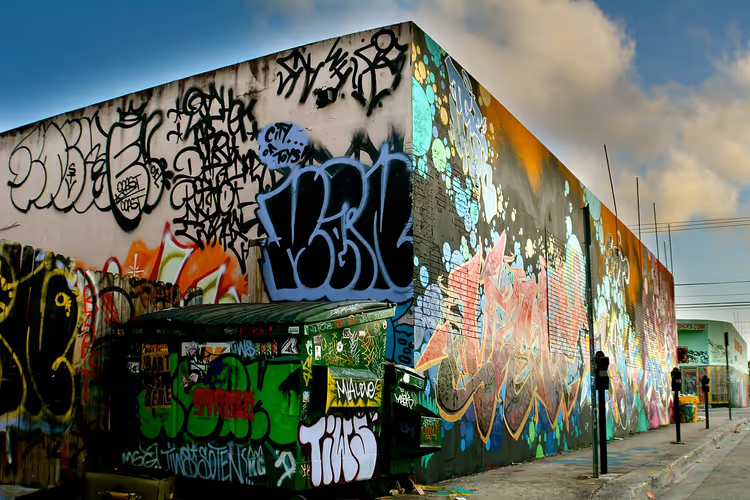
The Wynwood Arts District grew out of abandoned warehouses where migrants from Puerto Rico lived. Everything changed when the area was handed over to street artists. Now it's the city's street art center, with walls painted by artists from around the world (as of 09/2026, official website). Besides murals, the area is home to galleries and museums, and hosts fairs and festivals. You'll feel the creative atmosphere most fully on the second Saturday of the month, when Art Walk takes place.
- Getting there: about ten minutes by car or taxi from downtown.
- The catch: in the heat there's almost no shade between the blocks, and on weekend evenings it gets crowded.
11. Miami Design District
 © Sharon Hahn Darlin · CC BYPhoto: Sharon Hahn Darlin, CC BY (https://creativecommons.org/licenses/by/2.0), Wikimedia Commons
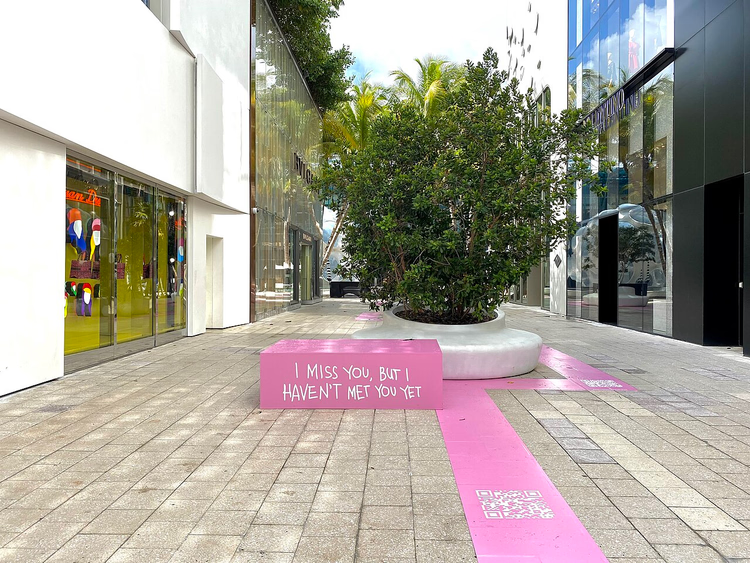
Miami Design District is a shopping neighborhood, but not an ordinary one. It's home to boutiques and showrooms of expensive global brands, so the crowd matches the setting. Don't skip the area: it's simply interesting to walk around, looking at the sculptures and fountains. If you come on the second Saturday of the month, you'll catch an evening celebration with musicians and a fair. Gallery admission is free, and stores are open from 11:00 to 20:00 Monday through Saturday and until 18:00 on Sunday (as of 09/2026, official website).
- Who it's for: those who combine shopping with contemporary architecture.
- The catch: boutique prices are aimed at a different budget, and there are almost no cheap cafes nearby.
12. Lincoln Road
 © Averette · CC BY-SAPhoto: Averette, CC BY-SA (https://creativecommons.org/licenses/by-sa/3.0), Wikimedia Commons
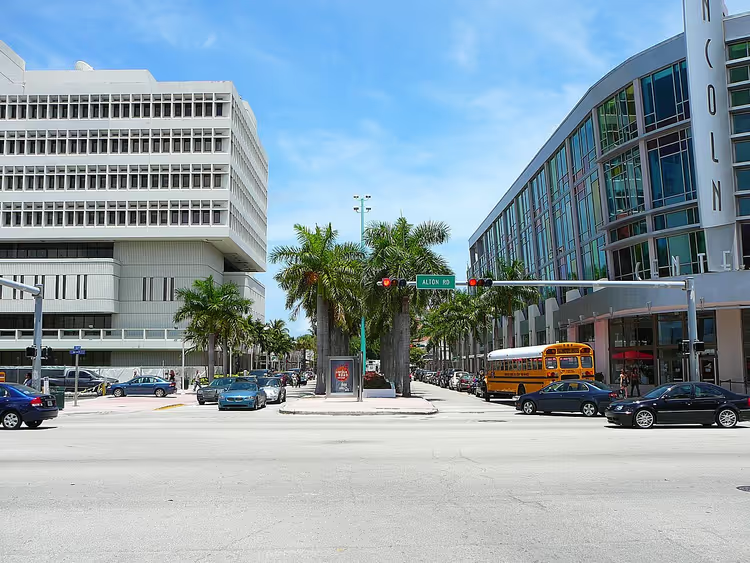
Lincoln Road is not a shopping mall, but seven pedestrian blocks with stores, cafes, and restaurants. The street was conceived by businessman Carl Fisher, modeled after Rodeo Drive and Fifth Avenue in New York. The brands here range from affordable to expensive, so it's hard to leave without buying something. Between stores, you can easily sit down for coffee, go to a spa, or catch a movie. Stores are open daily until late evening (as of 09/2026, official website).
- How to get there: central Miami Beach, about a five-minute walk to the beach.
- The catch: in the evening and on weekends, there are almost no free tables at cafes.
13. Ocean Drive
 © chensiyuan · CC BY-SAPhoto: chensiyuan, CC BY-SA (https://creativecommons.org/licenses/by-sa/4.0), Wikimedia Commons
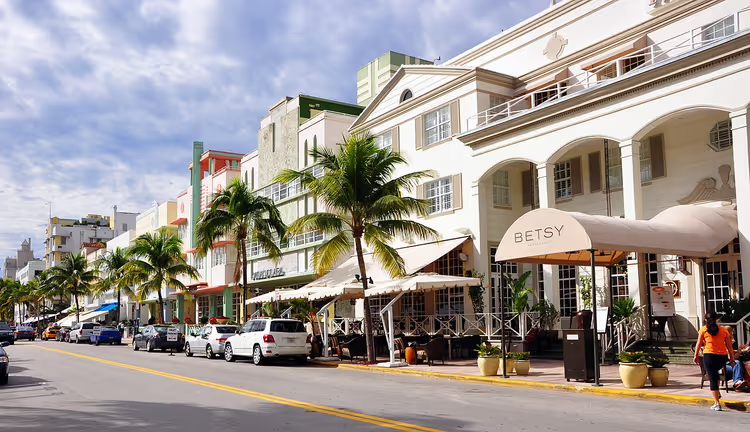
Ocean Drive runs along the ocean through the Art Deco quarters and is considered the heart of evening Miami Beach. In the morning people jog and bike here, during the day they stroll under the palm trees, and in the evening bars and clubs open up. Cars slowly cruise along the street, and that's part of the local spectacle. Without a walk along Ocean Drive, your impression of the city will be incomplete. Look for the neon and pre-war Art Deco facades right here, in the south of Miami Beach.
Many buildings on the street have been restored, so the neighborhood looks like a set from an old movie. In the evening, musicians play on the sidewalks, and cafe waiters set up tables right by the road.
- Who it's for: those who want to see the postcard version of Miami.
- The catch: parking is expensive, and on weekend evenings it's noisy until late at night.
14. Little Havana
 © Infrogmation of New Orleans · CC BY-SAPhoto: Infrogmation of New Orleans, CC BY-SA (https://creativecommons.org/licenses/by-sa/3.0), Wikimedia Commons
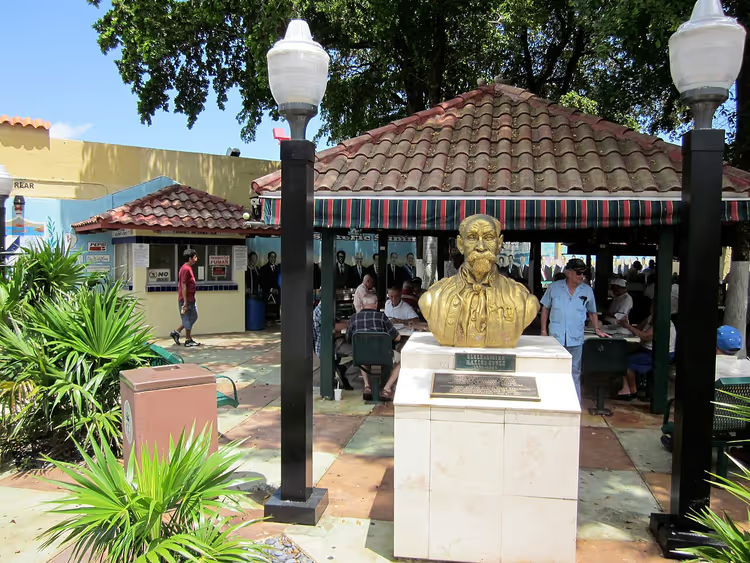
Little Havana grew out of Cuban immigrant neighborhoods and still holds on to its Cuban character. Spanish is spoken here, rocking chairs sit by doorways, and locals play dominoes with passion. It smells of cigars, baked goods, and strong coffee. Restaurants serve ethnic food, and in the evening people dance salsa and rumba. Walk along Calle Ocho, stop by the domino park, and grab a coffee with a Cuban sandwich.
The Cuban quarter is not a museum but a living neighborhood, so don't be afraid to step inside the establishments. During the day it's calmer and cheaper, and in the evening music and dancing kick in. For souvenirs, head to Calle Ocho, and for the best coffee, turn toward the small window kiosks.
- Who it's for: those who want to see Miami without the gloss.
- The catch: it's a residential area, so there are almost no big museums or attractions here.
15. Freedom Tower
 © Federico Pirruccio · CC BY-SAPhoto: Federico Pirruccio, CC BY-SA (https://creativecommons.org/licenses/by-sa/3.0), Wikimedia Commons
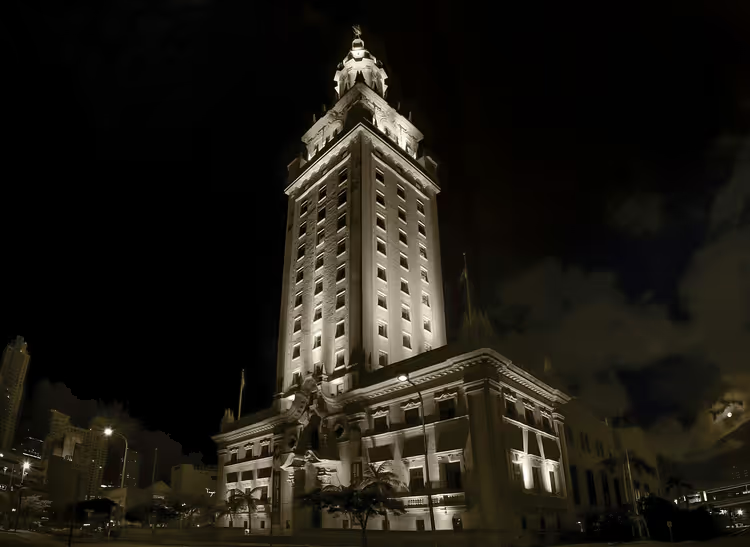
Freedom Tower was built in the 1920s as the office of the Miami News newspaper. In the 1960s, the building with the lighthouse on its dome was turned over to processing Cuban refugees, and that's when it got its name. For immigrants, the tower became a symbol of freedom and a new life. Today the building houses the Museum of Cuban Immigration and the Miami Dade College library, and the wooden interiors are worth seeing on their own. The evening lighting of the lighthouse over Biscayne Bay is especially beautiful.
- How to get there: downtown, next to a Metromover stop.
- The catch: opening hours are short, and part of the space is occupied by the college.
16. Vizcaya Museum and Gardens
 © Ebyabe · CC BY-SAPhoto: Ebyabe, CC BY-SA (https://creativecommons.org/licenses/by-sa/3.0), Wikimedia Commons
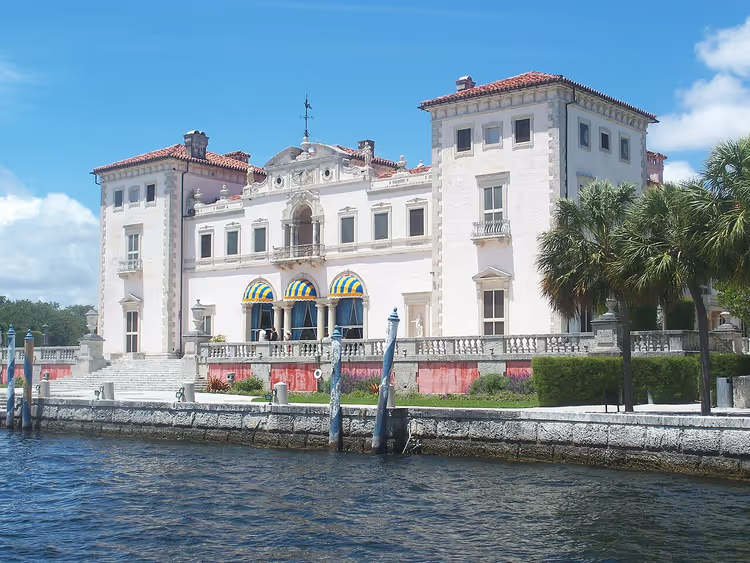
Vizcaya Museum and Gardens is the winter estate of industrialist James Deering on the shore of Biscayne Bay. Deering brought furniture, paintings, and sculptures from 15th to 19th century Europe, so the interiors look palatial. Around the house lies a landscaped garden with pools, gazebos, and canals. Note: tours of the main house are temporarily suspended due to restoration, but the garden and first floor are open (as of 09/2026, official website). On Sundays at 11:00, a half-hour tour of Vizcaya Village is offered for $6 for adults, free for children under 12 (as of 09/2026, official website).
If you want to see the estate without rushing, come at opening time: by midday, tour groups and photographers start arriving. Wear comfortable shoes, since you'll be walking a lot on stone paths and steps in the garden.
- Who it's for: lovers of estates, gardens, and photography.
- The catch: on weekends there are lots of wedding photo shoots, and a full visit takes two to three hours.
17. Miami-Dade County Courthouse
 © Tamanoeconomico · CC BY-SAPhoto: Tamanoeconomico, CC BY-SA (https://creativecommons.org/licenses/by-sa/4.0), Wikimedia Commons
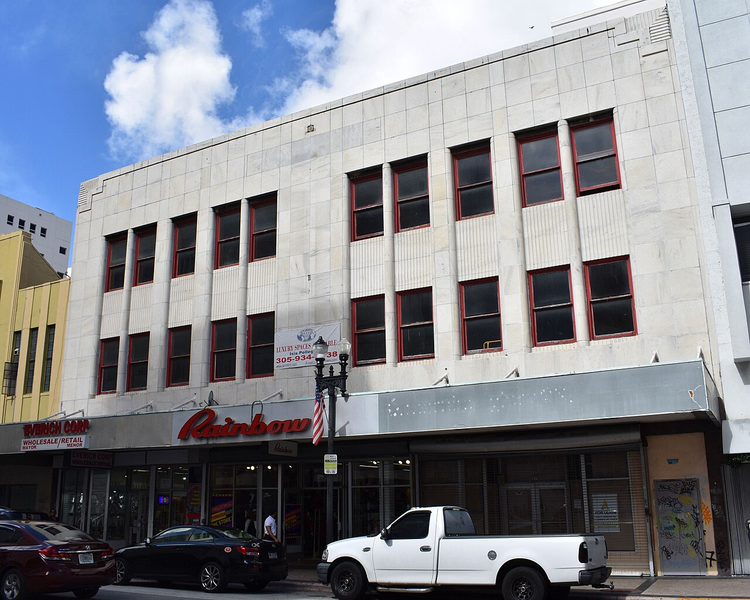
The Miami-Dade County Courthouse was built in 1928 and was the tallest building in the city at the time. Its 28 floors even left Freedom Tower behind. The neoclassical style makes it look like a house for giants among the glass skyscrapers. Builders had to fill part of the basement with cement when it turned out the building was settling. Today it still operates as a civil courthouse, and visitor entry is free on weekdays (as of 09/2026, official court website).
From the outside, the building looks especially striking at sunset, when the light falls on the pale stone. Step inside the lobby to appreciate the scale of the structure, but keep in mind there is a security check at the entrance.
- How to get there: downtown, near Government Center station.
- The catch: it's an active courthouse, so beachwear won't work, and bags are checked at the entrance.
18. Coral Castle
 © Christina Rutz · CC BYPhoto: Christina Rutz, CC BY (https://creativecommons.org/licenses/by/2.0), Wikimedia Commons
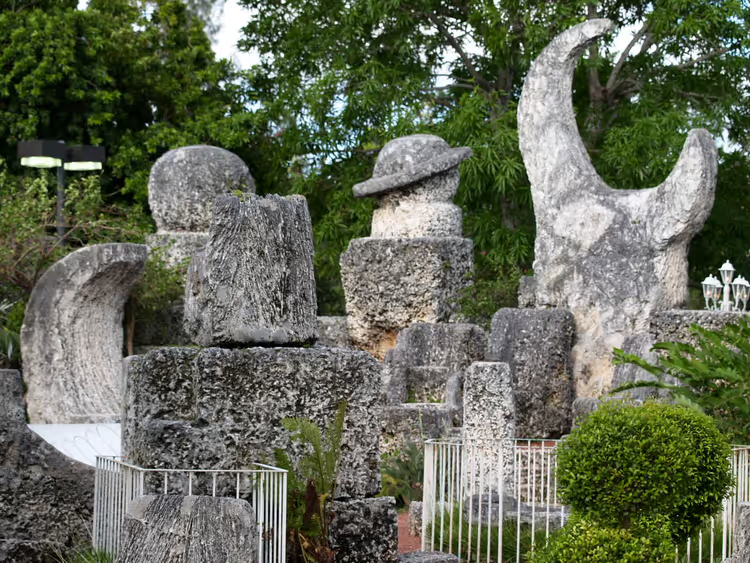
Coral Castle is a monument to unrequited love. Latvian immigrant Edward Leedskalnin built it by hand from multi-ton blocks of coral limestone, without mortar. He single-handedly lifted and placed stones weighing more than a thousand tons in total. Nobody knows exactly how he managed it, and the mystery remains unsolved to this day. Today the castle operates as an open-air museum (as of 09/2026, official website). Here you'll see walls, gates, huge chairs and a table, all carved from stone.
- How to get there: south of Miami, closer to Homestead, easier by car.
- The catch: the grounds are small, an hour is enough to see everything, and there is little shelter from the heat.
19. Versace Mansion
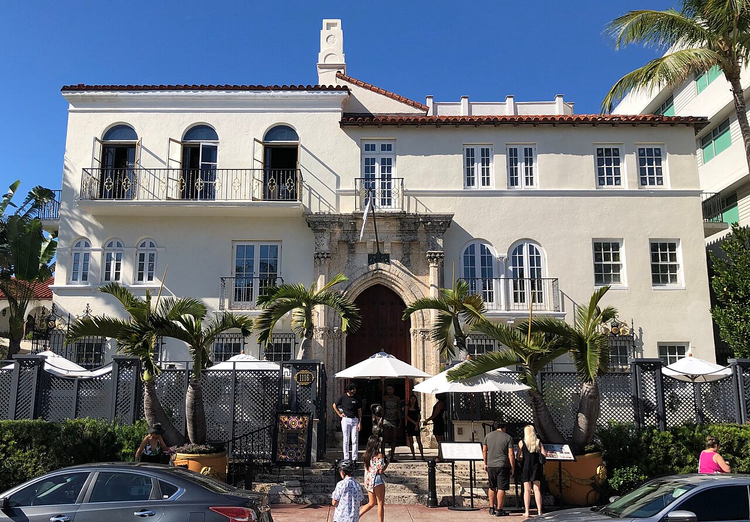
The Versace Mansion on Ocean Drive was built in 1930 for Alden Freeman, heir to an oil magnate. The house combined motifs of the Italian Renaissance and a Dominican palace. Fashion designer Gianni Versace later bought it and poured a fortune into the interiors. In 1997, Versace was shot dead right on the mansion's front steps, and since then people have come here in part because of that spot. Today the building houses a restaurant and a boutique hotel, and access inside is usually by reservation only (according to Wikipedia).
 © Vadelmavene · CC BY-SAPhoto: Vadelmavene, CC BY-SA (https://creativecommons.org/licenses/by-sa/4.0), Wikimedia Commons
- Who it's for: those following in the footsteps of fashion and Miami Beach history.
- The catch: you can't freely tour the house; usually only the facade and courtyard are visible.
20. Kaseya Center
 © Phillip Pessar from Miami, USA · CC BYPhoto: Phillip Pessar from Miami, USA, CC BY (https://creativecommons.org/licenses/by/2.0), Wikimedia Commons
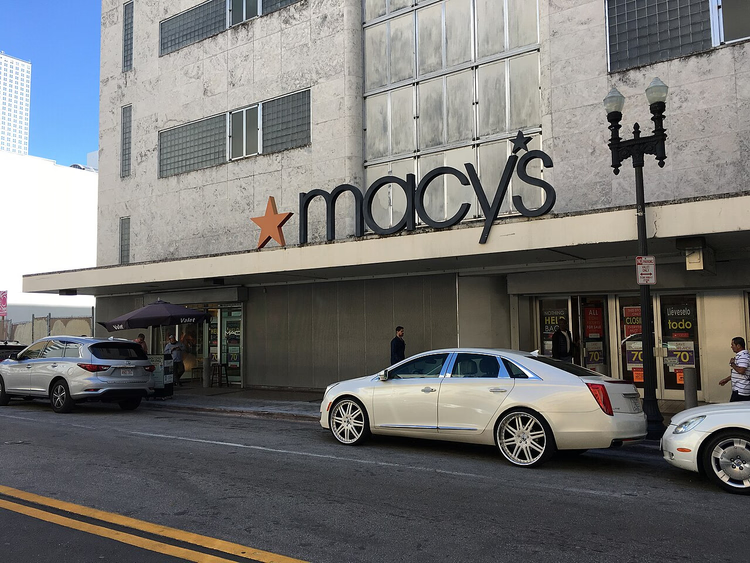
Kaseya Center is a multipurpose arena on Biscayne and the home court of the Miami Heat basketball team. It hosts games, concerts and world-class shows. The arena's name has changed several times. From 1999 it was American Airlines Arena, then FTX Arena, and since 2023 it has been called Kaseya Center (as of 09/2026, NBC Miami). Maximum seating capacity is about 21,000 spectators (as of 09/2026, arena website). Keep the concert and game schedule handy and buy tickets in advance.
- How to get there: downtown, near Freedom Tower Metromover station.
- The catch: seats for top concerts sell out months in advance.
21. Hard Rock Stadium
 © elisfkc2 · CC BY-SAPhoto: elisfkc2, CC BY-SA (https://creativecommons.org/licenses/by-sa/2.0), Wikimedia Commons
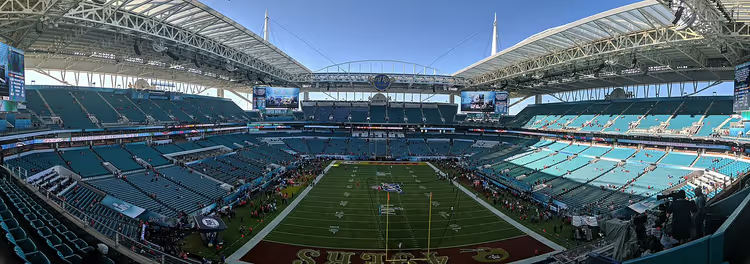
Hard Rock Stadium hosts sports events from American football to lacrosse, as well as concerts. It is the home arena of the Miami Dolphins, and it also hosts the Orange Bowl college football game and the Miami Open tennis tournament (as of 09/2026, official website). The stadium has hosted the Super Bowl six times. Interestingly, it has changed its name several times for advertising purposes: in the past it was known as Joe Robbie Stadium, Pro Player Park, and Sun Life Stadium. For a football game, the stands hold about 65,000 people. Check the gate map and bag restrictions in advance.
- How to get there: north of Miami, easiest by car or shuttle.
- The catch: on game days parking is expensive, and getting out after the game can take an hour.
22. The barnacle historic state park
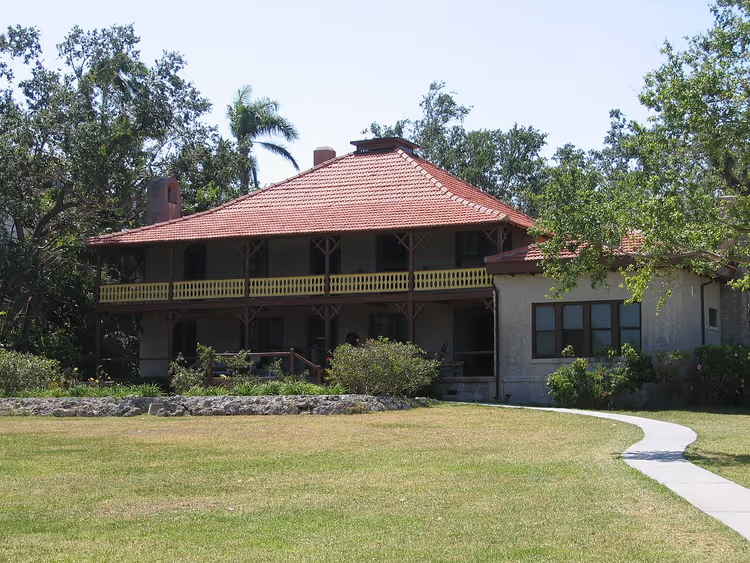
The Barnacle Historic State Park is a quiet spot for a walk and a picnic on the bay shore. The park is home to the house of yacht designer Ralph Munroe, the founder of Coconut Grove, and it is the oldest house in Miami-Dade. The late nineteenth-century building was constructed on stilts, and its octagonal central room resembles the shape of a mollusk. Because the owner cared for nature, the park has more birds than other parks in the city. The entrance fee is small, and house tours are offered in groups on specific days.
The house has preserved the furniture and belongings of the Munroe family, so the tour gives you a sense of how a well-to-do family lived at the time.
- How to get there: Coconut Grove neighborhood, not far from downtown Miami.
- The catch: the house is open only with a tour, and the park is closed on Tuesdays.
23. Fairchild tropical botanic garden
 © LittleOrphanDani · CC BY-SAPhoto: LittleOrphanDani, CC BY-SA (https://creativecommons.org/licenses/by-sa/4.0), Wikimedia Commons
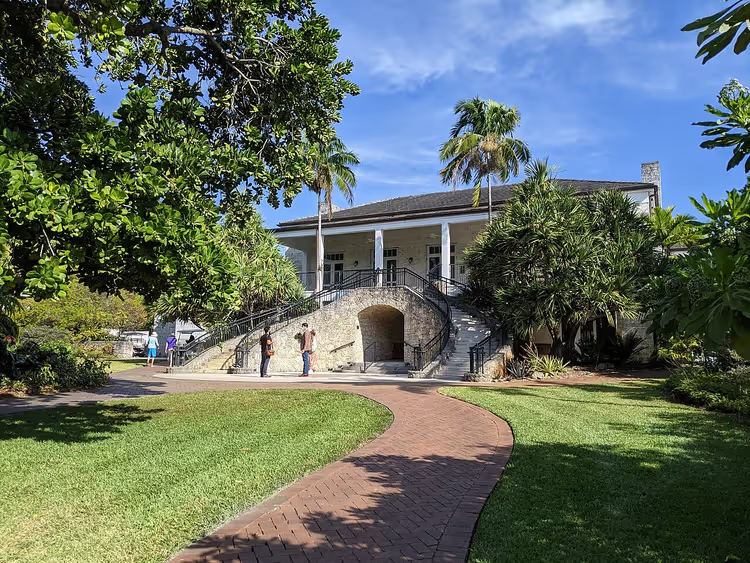
Fairchild Tropical Botanic Garden covers about 84 acres and holds one of the largest collections of tropical plants (as of 09/2026, official website). It is home to palms, orchids, coral trees, and rare flowers, including a blooming corpse flower. You can ride through the grounds on a tram tour, and in the conservatory you can watch tropical butterflies during feeding time. The garden was founded by R. Montgomery and named after his friend, Dr. Fairchild, whose travels enriched the collection with rare species.
Grab a map at the entrance, otherwise it is easy to miss the far collections and the water garden. The tram tour saves energy and time, especially if you are visiting with children.
- Who it's for: plant lovers, fans of leisurely walks, and photographers.
- The catch: in summer it is humid and hot, and walking the entire garden without the tram is tiring.
24. Everglades National Park

Everglades National Park is an international biosphere reserve covering more than 2,300 square miles (as of 09/2026, NPS). Most of the area is untouched wilderness: swamps, prairies, mangrove and cypress thickets. It is home to more than two thousand plant species and many animals, some of which are endangered. You can get around by car, on foot, by bike, or by boat, since a large part of the park is water. The entrance pass is valid for seven consecutive days, and the park itself is open around the clock.
If you are short on time, pick one route instead of racing through the whole park. On a boat tour you have a better chance of seeing alligators and rare birds, but book it in advance.
- Who it's for: those who want to see the real nature of Florida.
- The catch: mosquitoes and humidity, and the main entrances are over an hour's drive from Miami.
- For a trip to the Everglades, it is more convenient to rent a car.
25. Pinecrest Gardens
 © Ebyabe · CC BY-SAPhoto: Ebyabe, CC BY-SA (https://creativecommons.org/licenses/by-sa/3.0), Wikimedia Commons
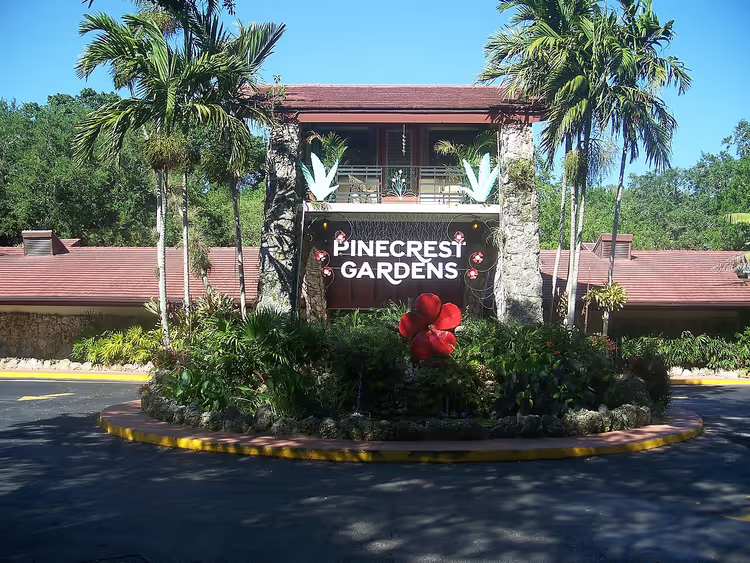
Pinecrest Gardens used to be the Parrot Jungle theme park, and now it's a botanical garden with convenient infrastructure (as of 09/2026, official website). Here you stroll along shaded paths, watch turtles, swans, and herons, while kids have fun in the petting zoo and at the Splash 'n Play water area. There are giant chess, fish feeding, and amphitheater shows. On Sunday mornings, an organic farmers market operates with local fruit, tea, coffee, and honey.
- Who it's for: families with kids and fans of weekend markets.
- The catch: hours change by season, and some attractions close when it rains.
26. Miami International Airport
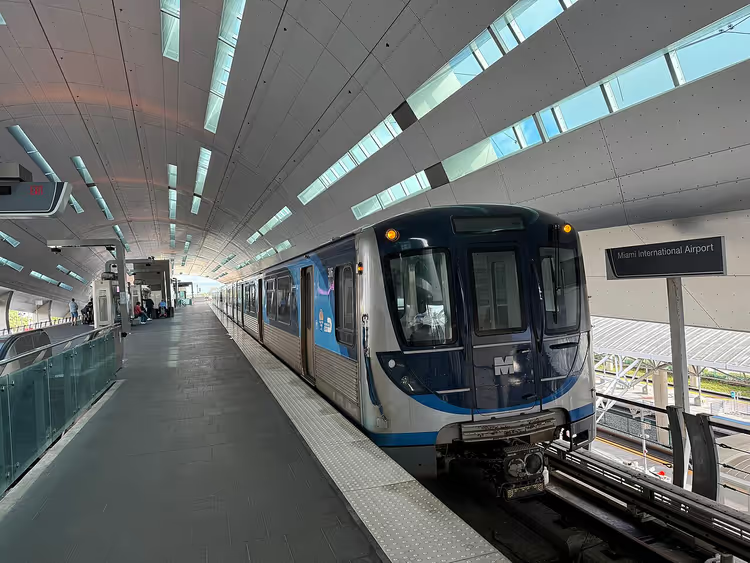 © Dough4872 · CC BY-SAPhoto: Dough4872, CC BY-SA (https://creativecommons.org/licenses/by-sa/4.0), Wikimedia Commons
Miami International Airport is Florida's main air gateway and the first place most tourists arrive. It handles the majority of flights from the US to Latin America. The airport has three terminals connected by the Skytrain, and moving walkways operate inside the buildings, since distances can reach a couple of kilometers. A taxi to downtown costs about $30, or you can take the metro to the Miami International Airport station (as of 09/2026, Wikipedia). Buses to the city run around the clock.
- How to get to the city: Metrorail, bus, taxi, or an airport transfer.
- The catch: terminals get crowded at peak hours, and the walk between distant gates is long.
27. PortMiami
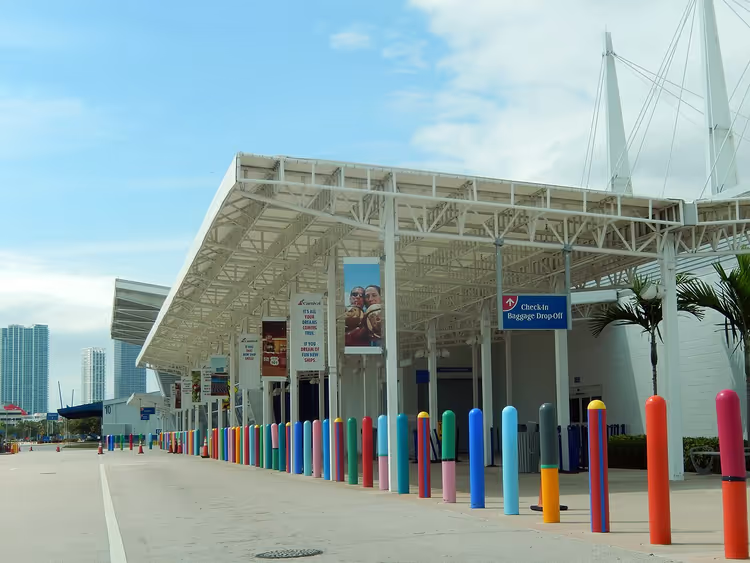 © Bohao Zhao · CC BYPhoto: Bohao Zhao, CC BY (https://creativecommons.org/licenses/by/3.0), Wikimedia Commons
PortMiami, also known as the Dante B. Fascell Port, is one of the largest ports in the US. It's located on Dodge Island and connected to the mainland by a highway and an underground tunnel, so you can get here without traffic. The port serves both cargo and passenger ships. There are eight passenger terminals, meaning eight cruise ships can dock at the same time (as of 09/2026, official website). It's a convenient departure point for cruises to the Bahamas and the Caribbean, and a walk around the port is an experience in itself.
- Who it's for: those planning a cruise or wanting to see the ships up close.
- The catch: it's a working port, not a promenade, so there's no free access to the docks.
28. Club Deuce
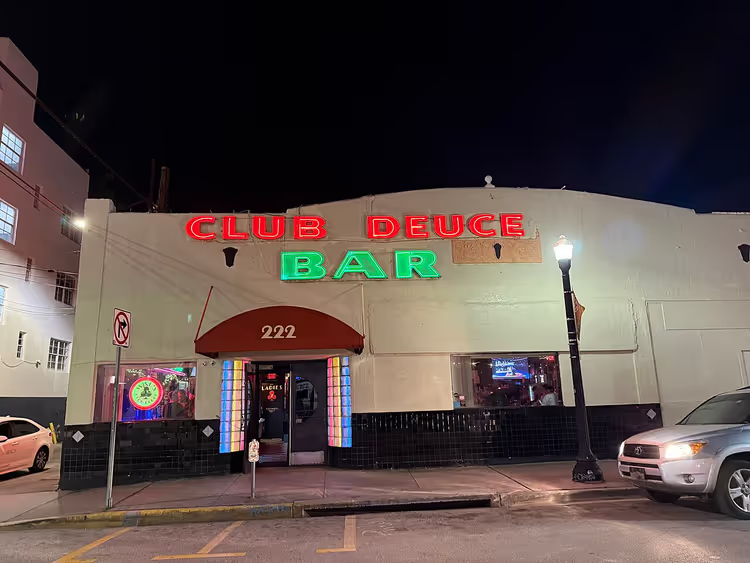 © Dough4872 · CC BY-SAPhoto: Dough4872, CC BY-SA (https://creativecommons.org/licenses/by-sa/4.0), Wikimedia Commons
Club Deuce is the oldest bar in Miami Beach and a classic dive where people come for cheap beer and conversation. The place has been operating since 1926 and has barely changed: pool, jukebox, and neon lights above the bar. The crowd is eclectic, celebrities show up from time to time, and in the evenings it's easy to feel like you're in an eighties action movie. Happy hour, when two drinks cost the price of one, lasts almost all day.
People come here not for cocktails but for the old Miami atmosphere, so don't expect trendy decor or a long menu. Dress casually, there's no dress code.
- How to get there: Miami Beach, a couple of blocks from the beach.
- The catch: the interior is deliberately old, and in the evenings it's loud and smoky.
29. Holocaust Memorial

The Holocaust Memorial in Miami Beach is dedicated to the victims of the genocide of the Jewish people during World War II. The Jewish community played a major role in the city's life, and the memorial became a tribute to memory and a symbol of hope. The complex consists of several parts: a memorial wall with names, a pond with water lilies, and a central sculpture of love and anguish. A giant hand reaches toward the sky, with human figures climbing it in suffering. Admission is free, and the memorial is open during the day.
Come here in a calm mood and take your time to read the inscriptions and reflect. It's easy to combine the visit with a walk around Miami Beach.
- Who it's for: those who want to understand the city's history more deeply.
- The catch: the place leaves a heavy impression, so think carefully before bringing children.
30. Ancient Spanish Monastery

Ancient Spanish Monastery is a medieval building with an unusual story. The monastery was built in Spain back in the twelfth century and later used as a grain storehouse. American magnate Hearst bought the structure, it was taken apart stone by stone and shipped to the US. It was reassembled only many years later, because the numbered crates got lost. Today services are held here in Spanish and English, along with weddings and tours (according to Wikipedia).
The grounds are small, but the stone galleries and courtyard are photogenic. Check the hours in advance, because some areas are closed during services.
- How to get there: north Miami Beach, the North Miami Beach area, easiest by car.
- The catch: it's far from downtown, and you can often get inside only with a tour.
Tours and tickets in Miami
Guided tours, skip-the-line tickets and activities — most offers can be cancelled free of charge.
See offers on TiqetsThe widget loads once you give your consent.
Miami attractions on a map
Below is a map with all thirty points from the list. Mark the places you need in advance and save the route to your phone. Between Miami Beach and downtown it's convenient to take the bus, around the center use the Metromover, and for the suburbs it's best to plan on a car.
⁉️🤔 Frequently asked questions
How much time should I set aside for the places on the list?
You can't cover all thirty points in one day. Museums and parks around downtown will take two to three days, and suburbs like Lion Country Safari or the Everglades need a separate day. We recommend picking eight to ten locations per trip and not trying to see everything at once. That way you'll see more and get less tired.
Do I need a car in Miami?
In the center and on Miami Beach a car only gets in the way: parking is paid and almost always full. You can get to museums downtown on the Metromover or the metro, and to the beaches by bus or taxi. But without a car it's hard to reach Lion Country Safari, the Everglades, and Fairchild, which are in the suburbs. Consider how much time you want to spend outside the city.
Which Miami museums deserve attention first?
Start with the Pérez Art Museum Miami for the architecture and bay views. Then head to the Frost Museum of Science, where an aquarium and planetarium are under one roof. For history and interiors, go to Vizcaya Museum and Gardens. And the free Frost Art Museum is a good fit for a quiet morning without crowds or lines.
Where can I see art deco in Miami?
The best pre-war art deco facades are concentrated along Ocean Drive and on the neighboring streets of the southern part of Miami Beach. Walk through the neighborhood on foot in the morning, before it gets hot and while there are few people. While you're there, check out the Versace Mansion and stop by Lincoln Road to relax at a cafe.
Is the Miami Seaquarium still open?
No. The aquarium on Virginia Key closed permanently on October 12, 2025, after seventy years of operation. The site is slated for redevelopment into a marina and a new aquarium without marine mammals. If you wanted to show your kids sharks and rays, swap this spot for the Gulf Stream aquarium at the Frost science museum.
In short: what's worth booking
Miami is easy to divide into two or three blocks: downtown with museums, Miami Beach beaches, and nature in the suburbs. This set works well for your trip format.
- If you're visiting for the first time and have two days: start with Miami Beach and Ocean Drive, add the Pérez Art Museum Miami and Wynwood.
- If you're traveling with kids: go for the Frost Museum of Science, Miami Children's Museum, and Pinecrest Gardens.
- If you love nature: plan for the Everglades and Fairchild, and book a car in advance.
- If you want history and estates: head to Vizcaya, Freedom Tower, and the Ancient Spanish Monastery.
Museum tickets and tours sell out in advance, so don't pick your options on the last day. City tours and Everglades excursions are easy to book on GetYourGuide.

A small editorial team writing guides for independent travel. We travel ourselves, but we haven’t been everywhere, so we check prices, opening hours and how to get there against official sources.