
















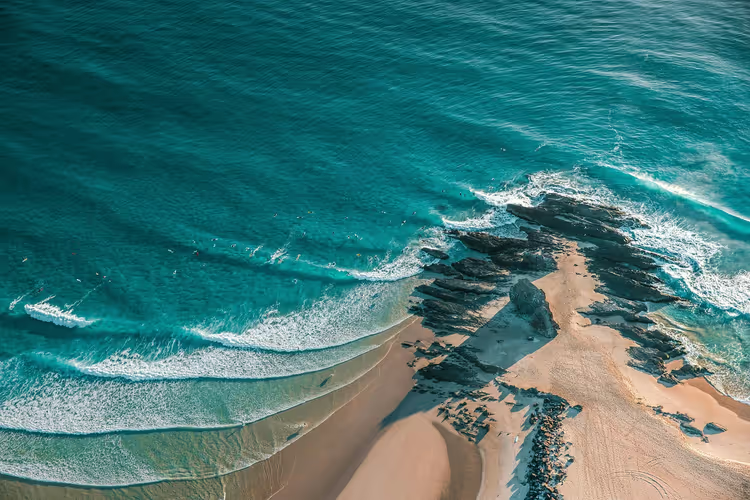
Beaches of Zakynthos: which one to choose for family, surfing and quiet sunsets
Zakynthos doesn't fit into a single vacation. There are coves with sheer cliffs, long sandy stretches for families, and wild shores where you descend stone steps carved into the rock.
Below we break down every beach on the island: who it suits, how the entry into the sea works, and where the catches are. Figures and rules are cited with links to sources.
What to know about Zakynthos beaches
💡 In short:
- Zakynthos beaches fall into three types: protected, family, and wild.
- The National Marine Park operates in the south, where the loggerhead sea turtle nests.
- Beach access and infrastructure: 09/2026, according to the National Marine Park of Zakynthos.
Many sandy beaches lie in the south and east of the island, while wild coves with cliffs cluster in the west. Under the rules for visiting protected beaches, visitors are allowed onto protected beaches from 07:00 to sunset, and activity must stay within a strip of roughly 5 meters from the water.
That's why the National Marine Park beaches (Gerakas, Dafni, Kalamaki, Laganas) look different. There are fewer sunbeds and no loud music.
Our pick | Who it's for | Standout feature |
|---|---|---|
Gerakas | families with toddlers | protected area and gentle entry |
Navagio | the perfect photo | closed to landing |
Banana | sports and parties | the longest coastline |
Kalamaki | families and turtles | white sand in a protected area |
Porto Roxa | wild nature and sunsets | cliffs and stone steps |
1. Gerakas
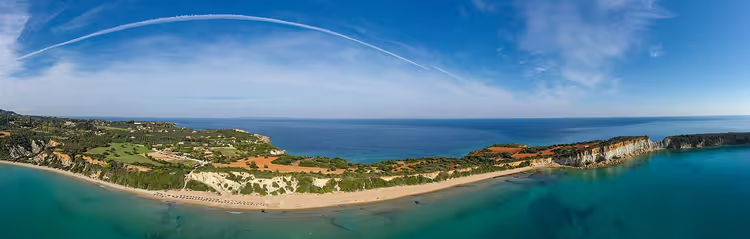 © dronepicr · CC BYPhoto: dronepicr, CC BY (https://creativecommons.org/licenses/by/2.0), Wikimedia Commons
Gerakas is a protected beach in the southeast of the island. The loggerhead sea turtle lays its eggs in the white sand here, so the shore is guarded by the National Marine Park.
The entry into the sea is gentle, the water warms up quickly, and you can safely bathe toddlers. Above the beach rise the Glines clay columns: a geological monument of the island, and taking clay from here is prohibited.
- Who it's for: families with children and anyone who wants a quiet day without music.
- Not for: fans of water sports and nightlife.
- The catch: bringing your own umbrellas is prohibited, and there is almost no service.
2. Navagio
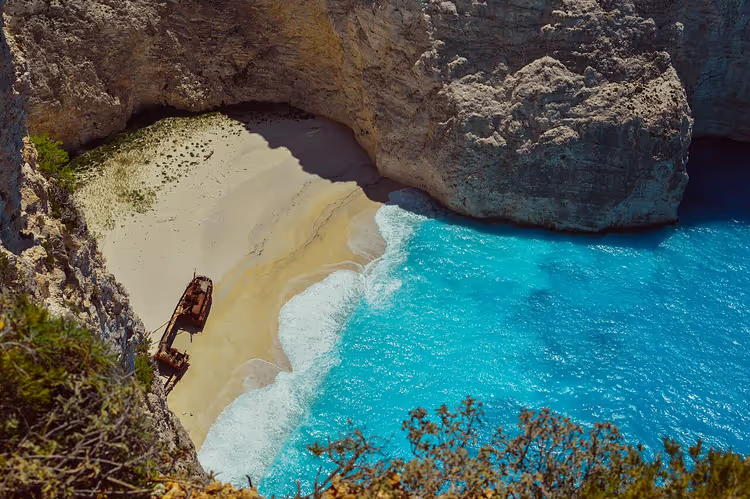
Navagio is a cove with a shipwrecked smuggler's vessel. The ship Panagiotis ran aground here in 1980, and since then the cove has become the island's calling card.
Important for the 2026 season: landing on the beach itself is prohibited at least until October 31, and swimming in the cove is also not allowed (as of: 06/2026, Greek authorities' announcements). Boats approach the shore at a safe distance.
There are two ways to see the ship. The first is a boat tour around the island, the second is the viewing platform on the cliff above the cove, reached by a road through Volimes.
- How to get there: by boat from Porto Vromi or Agios Nikolaos, or by car to the viewing platform.
- The catch: you won't be able to set foot on the sand or swim in 2026.
3. Banana
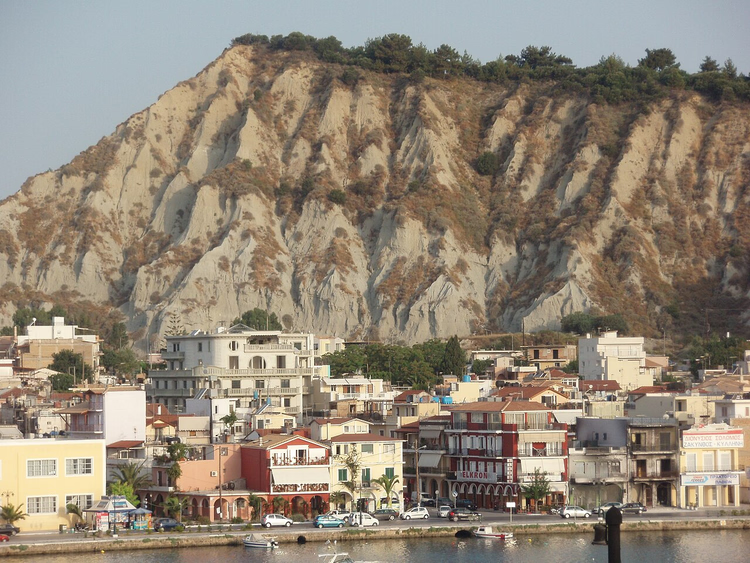 © Christaras A · CC BYPhoto: Christaras A, CC BY (https://creativecommons.org/licenses/by/3.0), Wikimedia Commons
Banana is the longest coastline on Zakynthos: it stretches for several kilometers along the Vasilikos peninsula. The beach's outline resembles a banana, hence the name.
The beach is exposed, so wind and waves are common here, and the fine sand contains sharp little stones. For small children that's a drawback, but for surfing and parties the spot works well.
On the left side, facing the sea, there are almost no people. There you'll find a quiet stretch of shore with a shower, toilet, and changing cabins, and nearby cafes serve European cuisine.
- Who it's for: young people, surfers, and couples without children.
- Not for: families with small children.
- The catch: wind and waves, sharp little stones near the shore.
4. Alykes
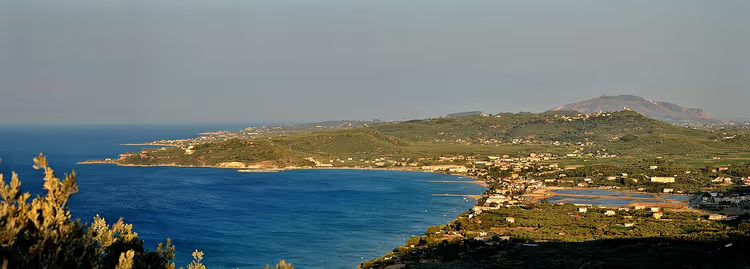 © Σαλαμούρας Σπ / Σαλαμούρας Σπύρος at Greek Wikipedia · CC BY-SAPhoto: Σαλαμούρας Σπ / Σαλαμούρας Σπύρος at Greek Wikipedia, CC BY-SA (https://creativecommons.org/licenses/by-sa/3.0), Wikimedia Commons
Alykes is a sandy beach with fine golden sand and a gentle slope into the water. The water here is warm and usually calm, which is why families with children pick it as one of their first choices.
The beach is open, but a steady breeze makes the heat bearable. There are lounger and umbrella rentals, changing cabins, toilets, and showers, and on the water you can try surfing, kiting, and diving.
Beginners feel comfortable here: the waves are moderate, and you can calmly work on your first attempts to get up on the board.
- Who it's for: families with children and beginner surfers.
5. Alykanas
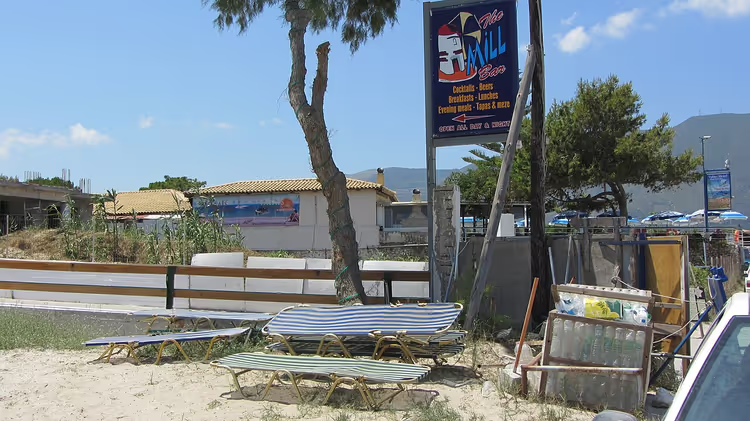 © KrauS · CC BYPhoto: KrauS, CC BY (https://creativecommons.org/licenses/by/3.0), Wikimedia Commons
Alykanas is a narrow strip of sand next to Alykes, with no clear boundary between them. The sand is fine, the bottom slopes gently, the water is warm, and big waves are rare here.
The beach is open, but swimming is pleasant for both children and adults. There are loungers and shade canopies, changing cabins, and beachfront cafes serving local cuisine.
- Who it's for: families with children and anyone who doesn't like waves.
Boats to Navagio Bay depart from Alykanas, so you can combine a sea excursion with a beach day.
6. Laganas
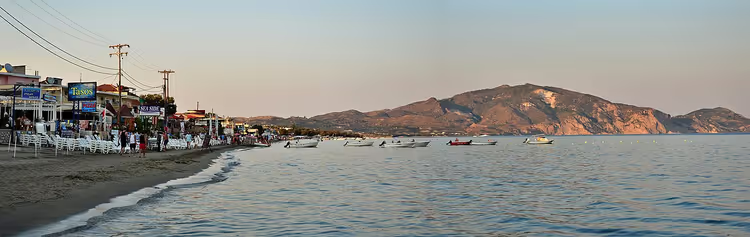 © Σαλαμούρας Σπύρος · CC BY-SAPhoto: Σαλαμούρας Σπύρος, CC BY-SA (https://creativecommons.org/licenses/by-sa/3.0), Wikimedia Commons
Laganas is the central beach of the bay and the liveliest on the island. The coast is part of the National Marine Park: loggerhead sea turtles nest here, and monk seals swim close to shore.
The central part is sandy, with a gentle entry, but the depth increases quickly. The water is consistently warm, and in the evening there are plenty of people here: bars, restaurants, and cafes stay open.
According to the marine park website, yachts, boats, and jet skis are not allowed on the protected beaches, and access to the shore is closed at night. The edges of Laganas are rocky and deserted, where those looking for quiet come to relax.
- Who it's for: young people, groups of friends, and fans of evening bars.
- Not for: those who want a deserted shore and peace.
- The catch: noisy and crowded, access to the water is closed at night.
7. Dafni
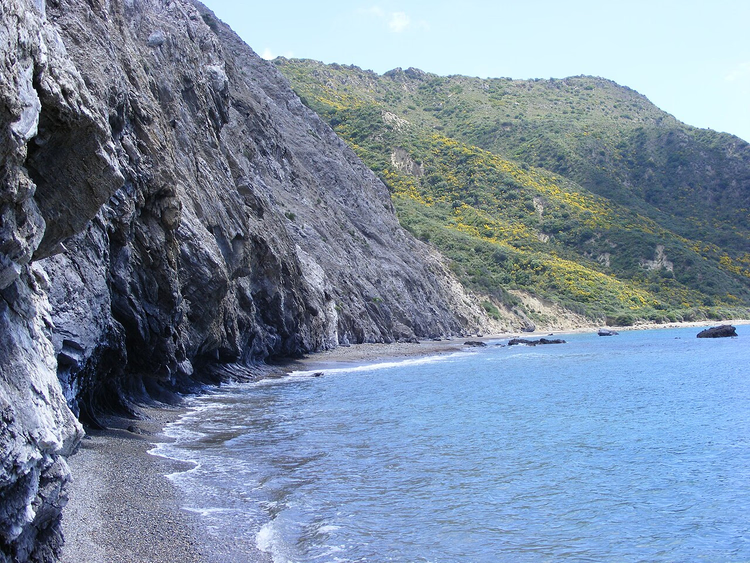 © maczopikczu · CC BYPhoto: maczopikczu, CC BY (https://creativecommons.org/licenses/by/3.0), Wikimedia Commons
Dafni is a protected beach owned by the Marine Reserve of Greece. Tourist access to turtle nesting sites is closed, so you have to avoid part of the shore.
The sand here is warm and golden, and the depth increases gradually, which is why families love Dafni. Infrastructure is minimal: you can rent a lounger and a spot under a canopy, but there are no cafes or restaurants nearby.
You also have to walk to the parking lot. On the plus side, there's a great view of the bay, and it's quiet here.
- Who it's for: families with children and those who want peace.
- Not for: those who need cafes, shops, and parking by the shore.
- The catch: no cafes or restaurants, you have to walk to the parking lot.
8. Kalamaki
 © Ssourris · CC BY-SAPhoto: Ssourris, CC BY-SA (https://creativecommons.org/licenses/by-sa/4.0), Wikimedia Commons
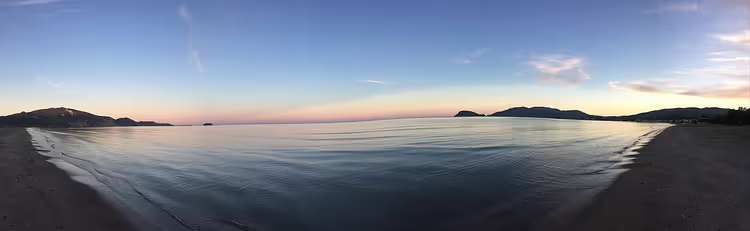
Kalamaki is one of the most visited beaches on Zakynthos and part of the National Marine Park. Loggerhead turtles have chosen it for nesting, so part of the shore is fenced off and closed to people.
The shore is covered with white sand and fine pebbles, and the entry into the water is very convenient. Dangerous depths lie far from the shore, so little ones can swim safely.
Infrastructure is well developed: there are lounger and umbrella rentals, toilets, freshwater showers, and changing cabins. The coast has many restaurants and cafes, some offering children's menus, and the village of Kalamaki has hotels of various categories.
- Who it's for: families with children and fans of comfortable beaches.
- The catch: the shore fills up in season, and part of the beach is closed to protect the turtles.
9. Agios Sostis
 © dronepicr · CC BYPhoto: dronepicr, CC BY (https://creativecommons.org/licenses/by/2.0), Wikimedia Commons
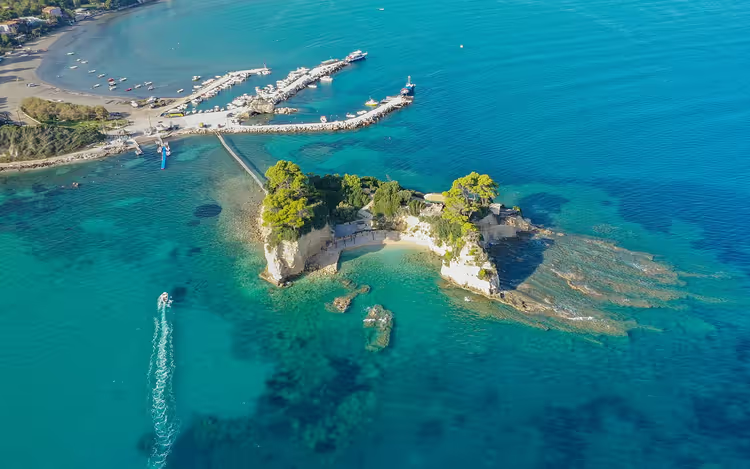
Agios Sostis is a shore with strong northern winds, which is why it's called the surfer capital. International competitions in this sport are even held here.
The waves and wind make the beach appealing to active visitors. At the same time, there are no discos or night bars here, so you can relax in peace and quiet.
- Who it's for: surfers, windsurfers, and all active visitors.
- Not for: families with small children, the wind and waves make swimming difficult.
- The catch: constant wind, swimming with children is inconvenient.
10. Tsilivi
 © maczopikczu · CC BYPhoto: maczopikczu, CC BY (https://creativecommons.org/licenses/by/3.0), Wikimedia Commons
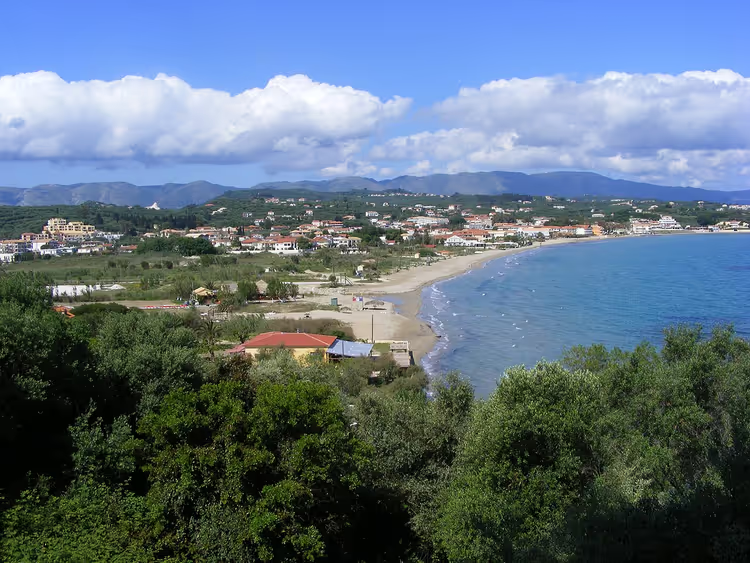
Tsilivi is a resort for a quiet vacation. As a rule, middle-aged people and young couples with children come here.
The wide sandy coast is convenient for swimming: the depth increases gradually. There are changing cabins, showers, and toilets, lifeguards are on duty, and sea excursions depart from the shore.
The village has shops, so you can combine beach time with shopping.
- Who it's for: couples with children and those who value peace.
- The catch: there are no loud bars or discos, and the evening entertainment is modest.
11. Agios Nikolaos
 © Hanc Tomasz · CC BY-SAPhoto: Hanc Tomasz, CC BY-SA (https://creativecommons.org/licenses/by-sa/3.0), Wikimedia Commons
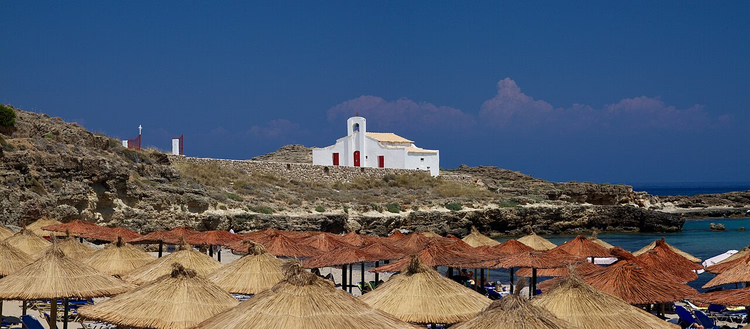
Agios Nikolaos is the diving capital of Zakynthos. People come here specifically to scuba dive and explore the underwater slopes.
The beach is named after the chapel of St. Nicholas near the shore. The beach itself is small, but there is a beach volleyball court and lounger rentals.
The facilities here are adequate: changing cabins, toilets, and a fresh-water shower. After swimming, a restaurant or bar with local cuisine awaits you.
- Who it's for: divers and those who enjoy a relaxed pace.
- The catch: the beach is small, and space is limited in season.
12. Makris Gialos
 © davidshort · CC BYPhoto: davidshort, CC BY (https://creativecommons.org/licenses/by/2.0/), Flickr
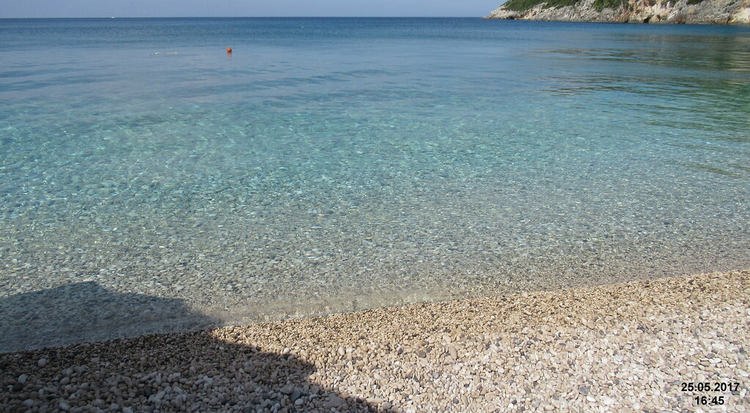
Makris Gialos is a narrow strip of shore with small and medium pebbles. The water near the shore warms up well, and because of the stones it stays clear, so you can see the bottom at depth.
The entry into the water is steep, and the depth increases quickly, so you need to be careful with small children. The main highlight of this spot is the above-water and underwater grottoes, which rival the Blue Caves.
There is almost no infrastructure. Only in high season, in July and August, umbrellas and loungers are set up here, and you can eat at cafes in neighboring villages.
- Who it's for: adults, divers, and snorkeling enthusiasts.
- Not for: families with toddlers, the water entry is steep.
- The catch: infrastructure only in July and August.
13. Plaka
 © 7777777kz · CC BYPhoto: 7777777kz, CC BY (https://creativecommons.org/licenses/by/3.0), Wikimedia Commons
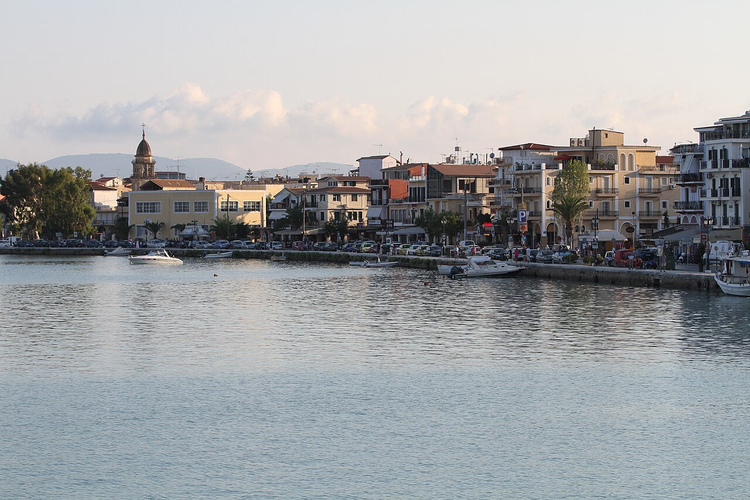
Plaka is a sandy beach on the east of the island, named after the Plaka Beach Resort hotel. Families with children come here.
The sea is shallow and clean, the entry is gentle, and the bottom has no sharp rocks or seaweed. Toddlers swim for a long time while parents relax in peace.
There are lounger and umbrella rentals, changing cabins, toilets, and a shower. The beach is framed by cliffs, and a stone Poseidon stands on one of them, making for great photos by this sculpture.
- Who it's for: families with children.
- The catch: there is little shade on the shore, so grab a spot under a canopy in the morning.
14. Argassi
 © maczopikczu · CC BYPhoto: maczopikczu, CC BY (https://creativecommons.org/licenses/by/3.0), Wikimedia Commons
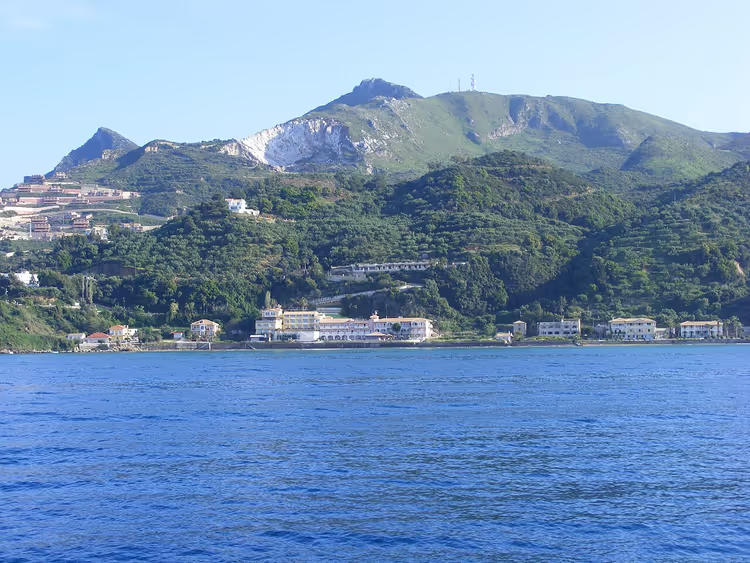
Argassi is a versatile resort: families with children, young people, and sports enthusiasts all vacation here. The shoreline consists of a mix of sand and fine pebbles, the entry is gentle, and the depth increases slowly.
This kind of shore works well for toddlers and for those who cannot swim. The resort is the closest to the island's capital, so in high season locals also come here, and you will see plenty of people.
For guests tired of the sea, Argassi offers a cultural program. On a nearby hill stands the Panagia Skopiotissa monastery with a great view, and in the surrounding area lie the ruins of an old English-built bridge.
- Who it's for: families, young people, and those who like a mix of activities.
- The catch: crowded in high season.
15. Porto Azzurro
 © 7777777kz · CC BYPhoto: 7777777kz, CC BY (https://creativecommons.org/licenses/by/3.0), Wikimedia Commons
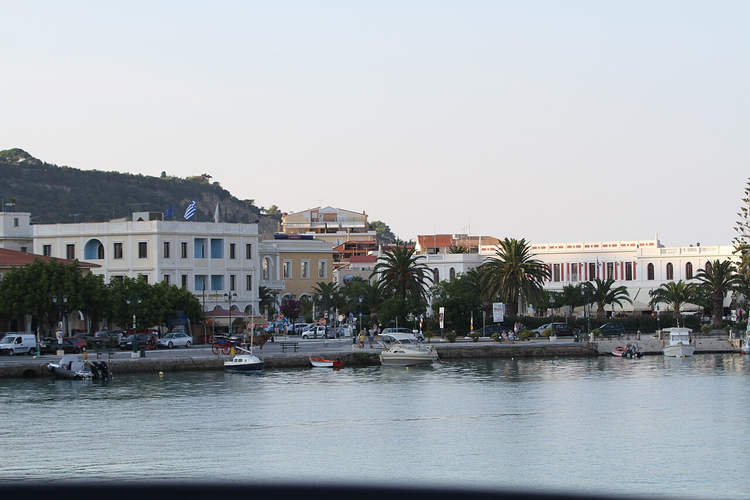
Porto Azzurro is a comfortable beach for family and active vacations. The coastal area is divided into sandy and grassy sections, and you choose your spot based on preference.
The infrastructure here is well developed: there are ramps and paths for guests with limited mobility, a large parking lot, and a restaurant that delivers food right to the beach.
The distinctive feature of Porto Azzurro is its gray-green clay. To find it, you need to walk to the neighboring wild shore: the clay works as a natural scrub. Boutiques and souvenir shops are nearby.
- Who it's for: families, guests with limited mobility, and shopping enthusiasts.
- Not for: those looking for a wild shore without amenities.
16. Porto Vromi
 © dronepicr · CC BYPhoto: dronepicr, CC BY (https://creativecommons.org/licenses/by/2.0), Wikimedia Commons
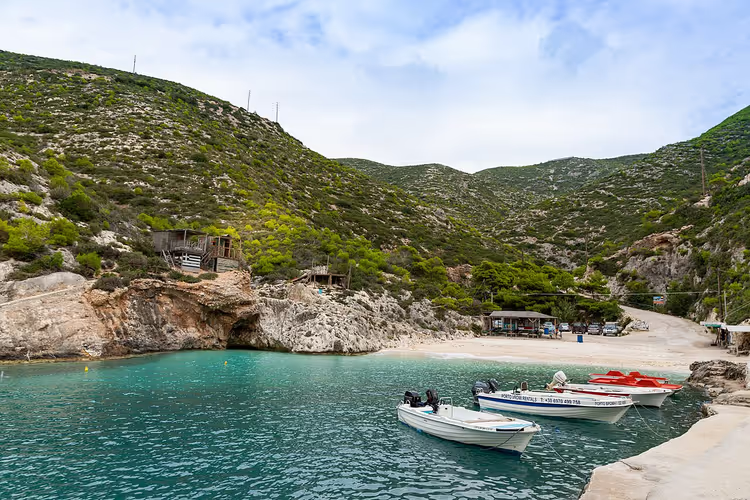
Porto Vromi is a secluded spot among jagged cliffs, and there are few tourists here. The shore consists of a mix of sand and pebbles, the bottom is rocky, and the depth increases very quickly.
The cliffs protect the bay from winds, so the sea is calm, but swimming with toddlers is uncomfortable. The bottom is strewn with large stones, so you should bring water shoes.
Grottoes hide in the cliffs, where you can take shelter from the sun. Bring your own mat and umbrella, as there are no rentals here, and just beyond the shore there are cafes with local cuisine.
- Who it's for: couples and those seeking a quiet spot.
- Not for: families with small children.
- The catch: deep water, rocky bottom, no umbrella rentals.
17. Porto Roxa
 © maczopikczu · CC BYPhoto: maczopikczu, CC BY (https://creativecommons.org/licenses/by/3.0), Wikimedia Commons
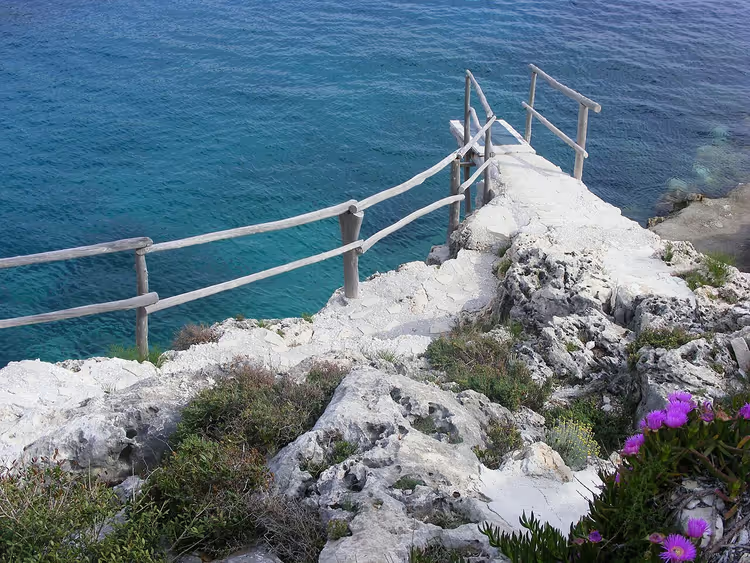
Porto Roxa is a wild spot surrounded by cliffs on three sides. You descend to the water via steps carved into the rock or jump from a height of several meters.
Some guests believe this shore is not for swimming: people come here to admire the views. From above you can see stone basins filled with sea salt, and the cliffs are especially beautiful at sunset.
The owner of the cafe above the shore cleared a platform and set up loungers. Once you place an order, you can sunbathe for free, but the cafe closes early, and access to the viewing platform ends.
- Who it's for: photographers and sunset lovers.
- Not for: families with children and those who want an easy water entry.
- The catch: the cafe closes early, and the descent to the water is steep.
18. Porto Limnionas
 © dronepicr · CC BYPhoto: dronepicr, CC BY (https://creativecommons.org/licenses/by/2.0), Wikimedia Commons
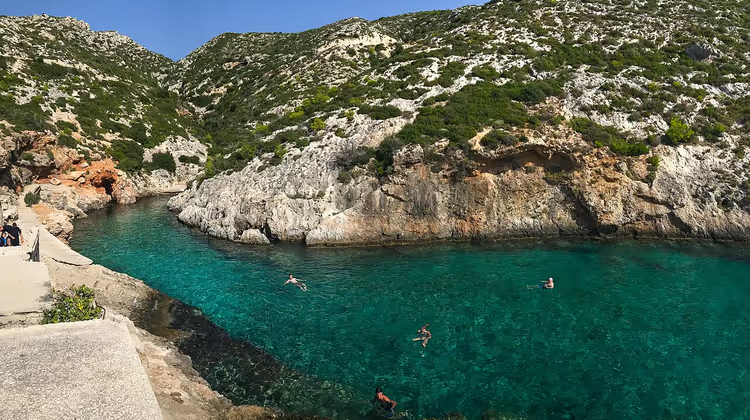
Porto Limnionas attracts with its wild beauty: an indented bay, sharp cliffs with grass on top, and a narrow rocky strip of shore.
Steps carved into the rock lead to the water, with rope handrails strung for convenience. You sunbathe on the rocks, spreading out a mat, and the entire infrastructure consists of a few umbrellas.
Divers love this spot: the underwater landscapes here are excellent. The water is slightly colder and fresher than nearby because a spring rises from the bottom. The shore is not suitable for children: it is deep and there is little room to play.
- Who it's for: divers and adult travelers.
- Not for: families with small children.
- The catch: deep water, little space, colder water.
19. Porto Roma
 © Live Zakynthos · CC BYPhoto: Live Zakynthos, CC BY (https://creativecommons.org/licenses/by/2.0/), Flickr
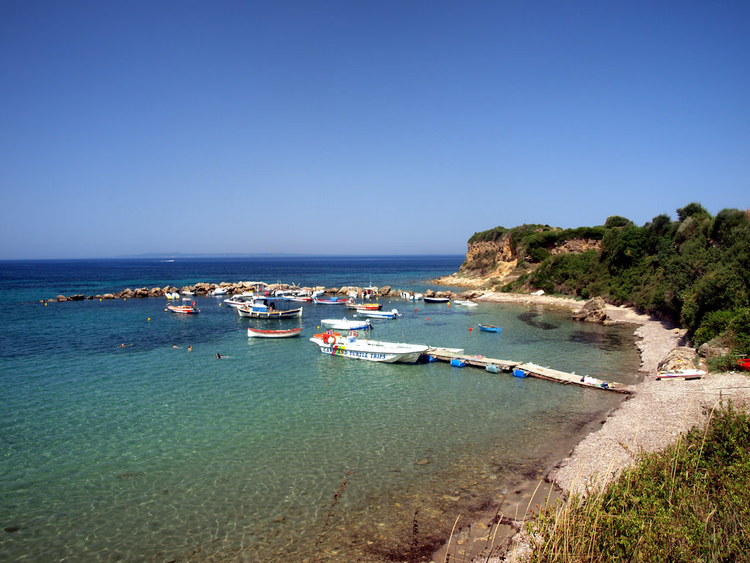
Porto Roma is sheltered by olive and pine trees, so there is always shade from the scorching sun. A small stretch of shore is covered with fine golden sand, and a strip of pebbles lies at the water's edge.
The sea near the shore is shallow and almost wave-free, but cooler than at neighboring beaches. The beach itself is tiny: a few meters wide and long.
There are only a few rows of loungers, so there are almost no people, and at Porto Roma you relax in peace. The spot is convenient for vacationing with small children.
- Who it's for: families with toddlers and those who love seclusion.
- The catch: the beach is very small, and infrastructure is minimal.
20. Porto Koukla
 © 7777777kz · CC BYPhoto: 7777777kz, CC BY (https://creativecommons.org/licenses/by/3.0), Wikimedia Commons
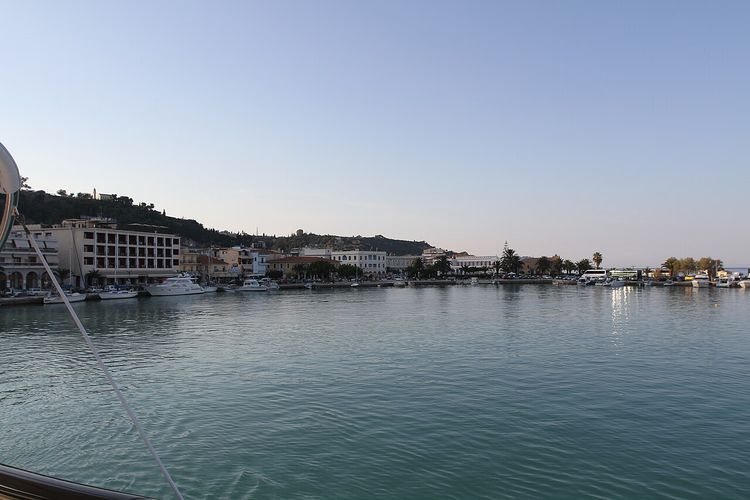
Porto Koukla combines seclusion and comfort. The beach is surrounded by olive and pine trees, their shade gives you a break from the sun, and the sand is fine, soft, and gray due to its volcanic origin.
The depth increases gradually as you enter, and the sandy bottom has no rocks or seaweed, so kids are comfortable here. There are plenty of cafes and restaurants on the shore serving local cuisine.
The infrastructure is adequate: there are loungers and umbrellas, changing cabins, and showers. In high season and on weekends, a lot of people come here, so grab a spot in the shade in the morning.
- Who it's for: families with kids and couples.
- The catch: crowded in high season and on weekends.
Zakynthos beaches on the map
All the beaches from the list are marked on the map below. Open it to plan your route and see the distances between points.
Beaches of Zakynthos
Places on the map
- 1Gerakas Protected beach with loggerhead turtle nests and clay pillars
- 2Navagio Bay with a shipwreck, landing closed until 31 October 2026
- 3Banana The island's longest coastline, wind and waves
- 4Alykes Gentle entry and fine golden sand, good for beginner surfers
- 5Alykanas Narrow strip next to Alykes, warm water with no big waves
- 6Laganas The bay's busiest beach, part of the National Park
- 7Dafni Protected beach of the Marine Park, minimal facilities
- 8Kalamaki Popular National Park beach, part of the shore closed for turtles
- 9Agios Sostis The island's surfing capital, strong north winds
- 10Tsilivi Quiet resort for couples with children, lifeguards on the beach
- 11Agios Nikolaos Zakynthos's diving capital, named after the chapel of St Nicholas
- 12Makris Gialos Pebble shore with land and underwater caves
- 13Plaka Gentle entry by a cliff with a statue of Poseidon
- 14Argassi All-round resort closest to the island's capital
- 15Porto Azzurro Ramps for guests with limited mobility, grey-green clay nearby
- 16Porto Vromi Secluded bay among the rocks, stony seabed
- 17Porto Roxa Wild cliffs on three sides, steps cut in stone, sunsets
- 18Porto Limnionas Jagged bay with steps in the rock, popular with divers
- 19Porto Roma Tiny shore in the shade of olives and pines, a quiet spot
- 20Porto Koukla Grey volcanic sand in the shade of olives, comfort and seclusion
⁉️🤔 Frequently asked questions
Can you currently get to Navagio?
No, landing on the beach is prohibited at least until October 31, 2026 due to the risk of landslides. Boats approach the bay at a safe distance, so you can only see the shipwreck from the water or from the viewpoint on the cliff.
Which Zakynthos beaches are good for kids?
Gerakas, Alykes, Alykanas, Plaka, and Kalamaki are convenient for little ones: they have a gentle entry and warm sand. On the protected beaches of Gerakas, Dafni, and Kalamaki, you cannot set up your own umbrellas; you are only allowed in designated equipped areas (as of 09/2026, park restrictions).
What is the National Marine Park of Zakynthos?
It is a protected area in the south of the island where the loggerhead sea turtle nests. The public is allowed on the protected beaches from 07:00 until sunset, and activity must be kept within a strip of about 5 meters from the water (as of 09/2026, official NMPZ rules).
Where are the best sunsets on Zakynthos?
On the west of the island, in Porto Roxa and Porto Limnionas. The cliffs there drop into the water, and in the evening you get a panoramic view of the bay. Arrive early: the cafe in Porto Roxa closes early, and access to the viewpoint is cut off.
What should you bring to the wild beaches of the west?
Water shoes, a mat, and an umbrella. At Porto Vromi and Porto Limnionas, the bottom is rocky, the depth increases quickly, and there is almost no umbrella or lounger rental. You bring everything you need yourself.
In short: what to book
If you're traveling with little kids, go for the calm sandy beaches in the south and east: Gerakas, Plaka, Alykes, and Alykanas. They have a gentle slope into the water, warm sea, and minimal waves.
If you want photos and wild nature, the western coves are for you. Porto Roxa and Porto Limnionas give you cliffs and sunsets, and at Navagio you can see the shipwreck from the water or from the viewpoint.
If service and entertainment matter, choose Argassi, Laganas, or Tsilivi: bars, restaurants, and shops are all open there.
Before you head out, check the restrictions on the park rules page.

A small editorial team writing guides for independent travel. We travel ourselves, but we haven’t been everywhere, so we check prices, opening hours and how to get there against official sources.