
















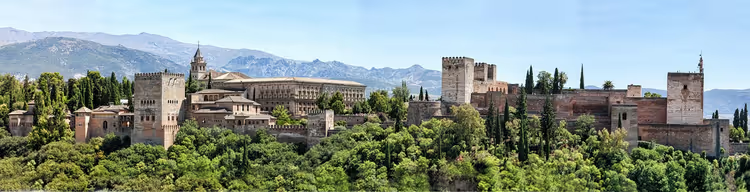
Cities of Andalusia: 20 places worth visiting in 2026
Andalusia packs in the sea, snow-capped mountains, and two dozen towns where you'll want to linger. High-speed trains run between Seville and Cordoba, and in March and April the streets are full of blossoming orange trees.
The only challenge: you won't see the whole region in one trip. A ticket to the Alhambra costs €22.27 (as of 09/2026, official Patronato de la Alhambra website), and in high season they sell out weeks in advance. Slots for Cordoba's Mezquita and Seville's Alcazar disappear just as fast.
The twenty towns below are split into three groups: provincial capitals with palaces and cathedrals, Costa del Sol resorts, and white villages in the mountains. You'll see which ones are worth your time and how to string them into a route without unnecessary detours.
Ad: this article contains affiliate links, we earn a commission if you book through them, at no extra cost to you.
What to consider before traveling around Andalusia
💡 In short:
- Don't try to cover every town in one trip; pick three or four and explore them at a relaxed pace.
- Book Alhambra tickets, the Mezquita, and Seville's Alcazar in advance; in high season they're gone by the day before your visit.
- Inland towns are best in April through June and September through October; the coast in June through September.
- Prices and opening hours: 09/2026, verified on the official Patronato de la Alhambra website
Andalusia is compact, and travel within the region is short. From Seville to Cordoba you'll get there by high-speed train, from Malaga to Ronda by bus, from Algeciras by ferry to Tangier. Between major cities, rail is the convenient way to get around.
White villages like Arcos de la Frontera and Grazalema have no train service. There you'll need a car or a local bus, and the journey will take longer than seeing the village itself. Book your car in advance.
1. Granada
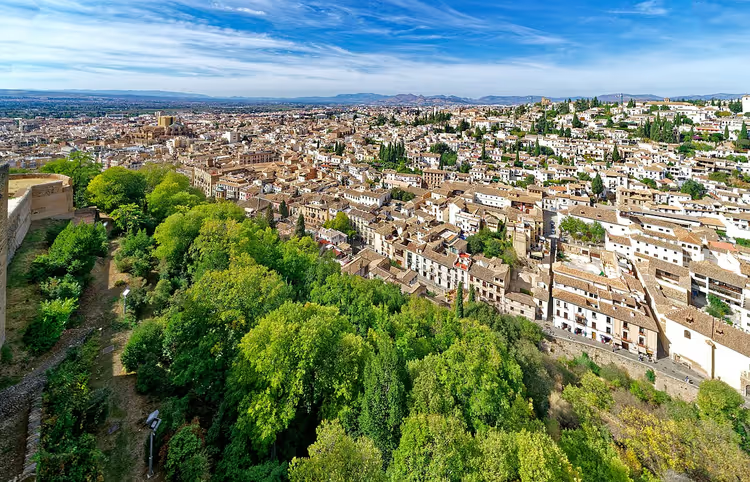 © Holger Uwe Schmitt · CC BY-SAPhoto: Holger Uwe Schmitt, CC BY-SA (https://creativecommons.org/licenses/by-sa/4.0), Wikimedia Commons
Granada lies at the foot of the Sierra Nevada and was the last capital of Moorish Spain. Phoenicians, Romans, and Moors all left their mark here, and after the Christian victory, mosques were converted into churches. Locals call their city "the soul of Andalusia," and they have their reasons.
People come here for the Alhambra, the fortress and palace complex on the hill. Inside you'll see the Alcazaba, the Nasrid palaces with their carvings and tilework, the Palace of Charles V, and the Generalife gardens. An Alhambra General ticket costs €22.27 (as of 09/2026, rates and hours on the Patronato website). From April through October the complex is open from 8:30 to 20:00, in winter until 18:00, and you enter the Nasrid halls strictly at your assigned time.
What to do outside the fortress? Head up to the Albaicin, the old Arab quarter on the hillside, and walk to the Sacromonte viewpoints. From there you get a view of the Sierra Nevada and the red towers of the Alhambra.
- The catch: ticket scarcity; according to Patronato, buying in advance is recommended.
- Hotels: check hotel prices in Granada
2. Seville
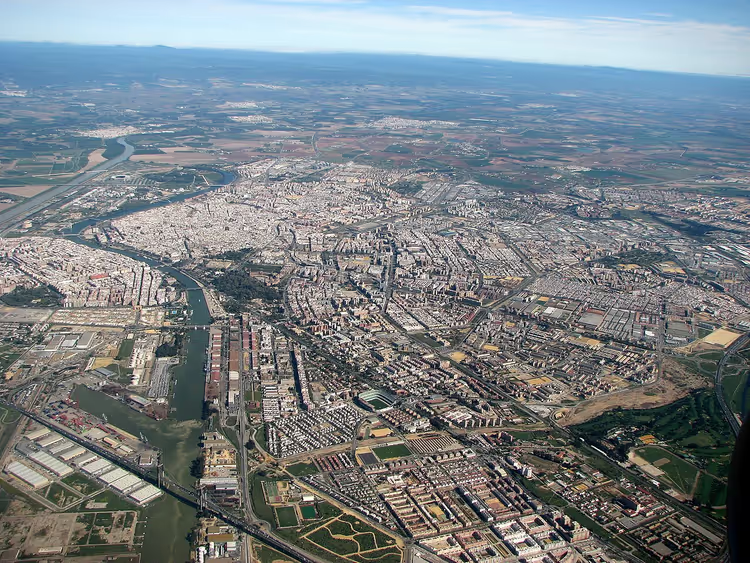 © El-mejor · CC BY-SAPhoto: El-mejor, CC BY-SA (https://creativecommons.org/licenses/by-sa/3.0), Wikimedia Commons
Seville is bigger and livelier than any other city on this list. European and Eastern culture mix here: Gothic churches stand next to Moorish palaces, and horse-drawn carriages pass through the squares.
Seville Cathedral was built in the 15th and 16th centuries, and in size it is slightly smaller than St. Peter's Basilica in the Vatican. Inside, you'll be shown Columbus's tomb, and nearby rises the Giralda, a bell tower converted from a former minaret. At the Alcázar of Seville, a 13th-14th century Arab fortress was rebuilt into a royal palace in the Mudéjar style. For prices and opening hours, check the official Alcázar website.
Don't miss the Plaza de España with its canal and fountain, the Church of El Salvador, and the Golden Tower (Torre del Oro), which now houses a maritime museum.
3. Córdoba
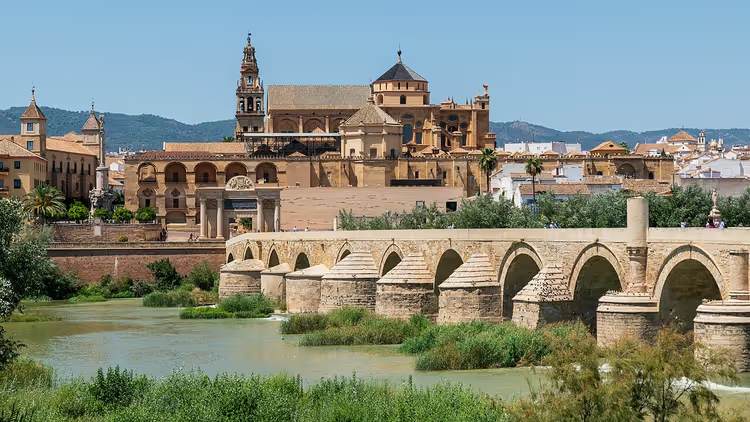 © Jose María Ligero Loarte · CC BY-SAPhoto: Jose María Ligero Loarte, CC BY-SA (https://creativecommons.org/licenses/by-sa/4.0), Wikimedia Commons
Córdoba has preserved its Moorish character more strongly than other cities in the region. Narrow streets in the old center, white walls with flower pots, and Roman roots: the city was founded by the Romans, and in the 8th century it fell to the Arabs and became the capital of the caliphate.
The main stop on the route is the Mezquita, a mosque that was converted into a Christian cathedral in the 16th century. Inside, you'll see a "forest of columns" and the mihrab, and tickets are for a specific time slot. Opening hours and prices are on the official Mezquita-Cathedral website.
Next, head to the Roman Bridge over the Guadalquivir and wander through the Judería, the old Jewish quarter with a 15th-century synagogue. The Palacio de Viana showcases Andalusian style, the Alcázar de los Reyes Cristianos was home to Christian monarchs, and the Church of San Lorenzo is considered one of the most beautiful in Spain.
4. Ronda
 © D.Rovchak · CC BY-SAPhoto: D.Rovchak, CC BY-SA (https://creativecommons.org/licenses/by-sa/4.0), Wikimedia Commons
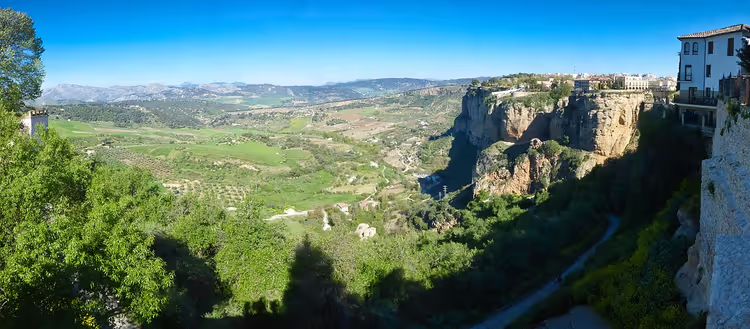
Ronda sits on a cliff above the El Tajo gorge, and the town is quite small. Winding streets, whitewashed houses, and the most recognizable panorama in Andalusia: many people come here just for the view from the bridge.
Puente Nuevo, the New Bridge, connects the old town with the Mercadillo quarter, and it was built in the late 18th century. Ronda was one of the last cities the Spanish recaptured from the Moors, and it is also home to one of the oldest bullrings, Plaza de Toros. Half a day is enough, but the historic part makes you want to linger.
Also stop by La Ciudad, the Moorish quarter with interesting houses and squares, the Church of Santa María la Mayor with Gothic and Moorish features, and the bandit museum.
5. Cádiz
 © Ymblanter · CC BY-SAPhoto: Ymblanter, CC BY-SA (https://creativecommons.org/licenses/by-sa/4.0), Wikimedia Commons
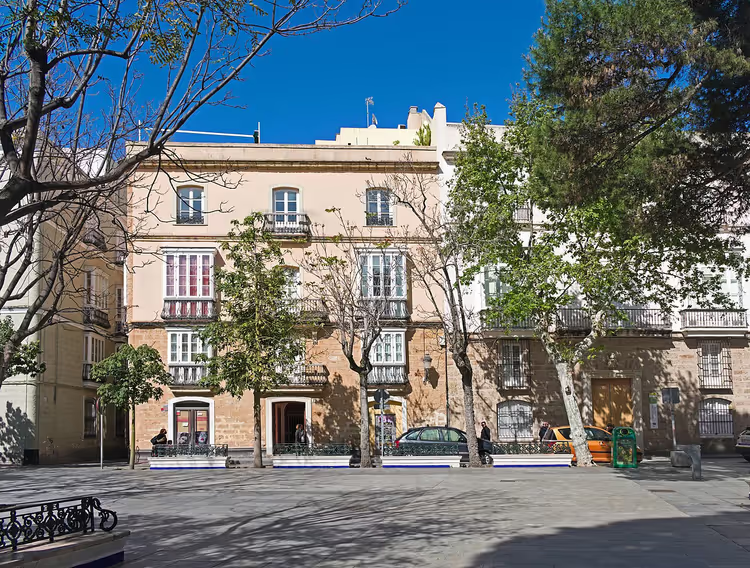
Cádiz sits on the Atlantic coast and is called one of the oldest cities in Western Europe. The Phoenicians founded a port here long before the Romans, and it was from here that Columbus set sail.
The city offers both history and beaches. In La Caleta bay, Phoenician and Roman ships dropped anchor in different centuries, and in the evening locals stroll along the Alameda de Apodaca promenade. Cádiz Cathedral is built in the Baroque style, and you'll see its dome from anywhere in the city.
In February, the city hosts a big carnival: in 2026, the main week falls on February 12-22 (as of 09/2026, Diario de Cádiz). The rest of the time, you can explore the ruins of the Roman theater, the Casa del Almirante palace, and the Tavira watchtower.
- Who it's for: those who want to combine beaches with history.
- Hotels: hotel prices in Cádiz on Trip.com
6. Marbella
 © Diliff · CC BY-SAPhoto: Diliff, CC BY-SA (https://creativecommons.org/licenses/by-sa/3.0), Wikimedia Commons
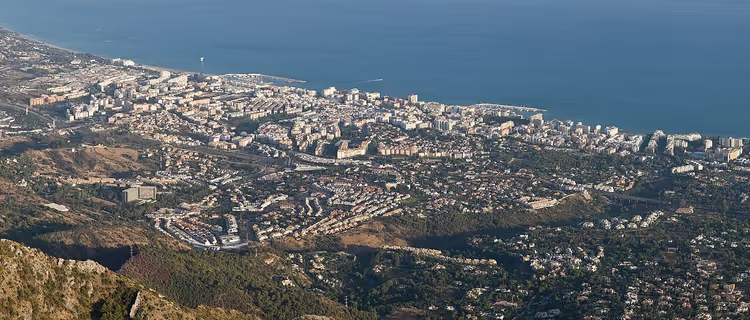
Marbella has long been synonymous with upscale beach vacations. Hotels, restaurants, golf courses, and high-end boutiques draw visitors from all over Europe, and the miles of beaches hold Blue Flag status.
The city also has a rich history. A Roman settlement once stood on the site of Marbella, then Muslims built a fortress here, and sugarcane was grown in the surrounding area. In the 19th and 20th centuries, iron was cast here, and only in the second half of the 20th century did Marbella turn into a resort.
In the center, orange trees grow on Plaza de los Naranjos, with a 16th-century town hall and small restaurants nearby. Check out the city's oldest church, Ermita de Santiago, the Iglesia de la Encarnación with its elegant ornamentation, and Plaza de Altamirano with its cobblestone streets and vintage lampposts.
- The catch: accommodation and dinner prices are higher than in neighboring coastal towns.
- Hotels: find a hotel in Marbella on Trip.com
7. Jerez
 © n4i Photo from Jerez de la Frontera, Spain · CC BYPhoto: n4i Photo from Jerez de la Frontera, Spain, CC BY (https://creativecommons.org/licenses/by/2.0), Wikimedia Commons
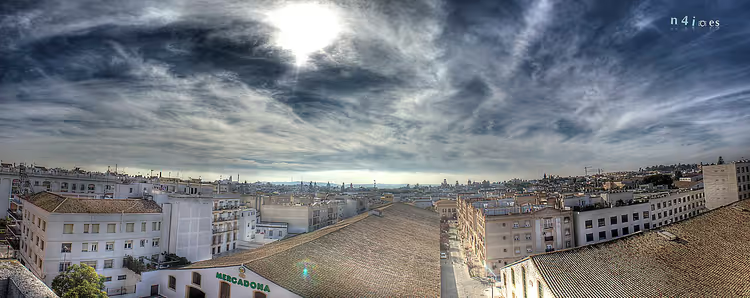
The name of this city alone brings sherry to mind, and wine is the main theme here. Tasting tours run every day, and production goes back centuries: today the region makes several dozen varieties of this wine.
Jerez Cathedral stands on the site of a former mosque. Its Baroque ornamentation and many sculptures impress even those who have seen the cathedrals of Seville and Córdoba. The second reason to come here is the Royal Andalusian School of Equestrian Art, where Andalusian horses perform. Even a regular training session is interesting, and the horses don't just do tricks, they "dance."
In May, the city comes alive with the Feria del Caballo: in 2026, the festival is scheduled for May 9-16 (as of 09/2026, Jerez city council). If you're traveling with kids, set aside a whole evening for it: the park hosts horse races, carriage rides, and performances in traditional costumes.
8. Almería
 © Elenaguiadealmeria · CC BY-SAPhoto: Elenaguiadealmeria, CC BY-SA (https://creativecommons.org/licenses/by-sa/4.0), Wikimedia Commons
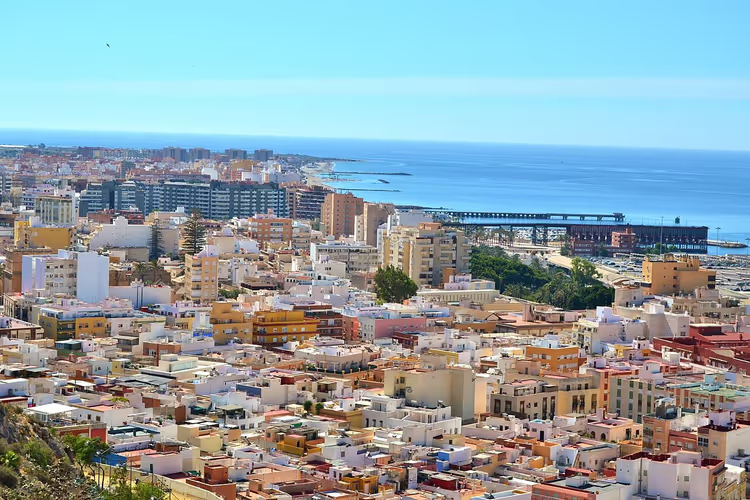
Almería combines a major port, a resort, and a cultural center. The city's name is Arabic and means "mirror of the sea," and its history has seen both a 16th-century earthquake and pirate raids that slowed its development for a long time.
Today people come here primarily for the sea. Beaches stretch along the coast for dozens of kilometers, and you can swim here from May through mid-October. In the evening, crowds gather in Las Ramblas, where the city's best cafes and shops are located. From the menu, go for seafood dishes, meat with garlic, and spicy soups.
The historic quarter will take you half a day. The Alcazaba, a 10th-century Muslim fortress, stands on a hill above the city, with the ruins of Castillo de San Cristóbal visible nearby. The 16th-century cathedral was built as a refuge: townspeople hid inside it during pirate attacks.
- Who it's for: those who want beach and city in one trip.
- Hotels: hotel prices in Almería on Trip.com
9. Huelva
 © Jose A. · CC BYPhoto: Jose A., CC BY (https://creativecommons.org/licenses/by/2.0), Wikimedia Commons
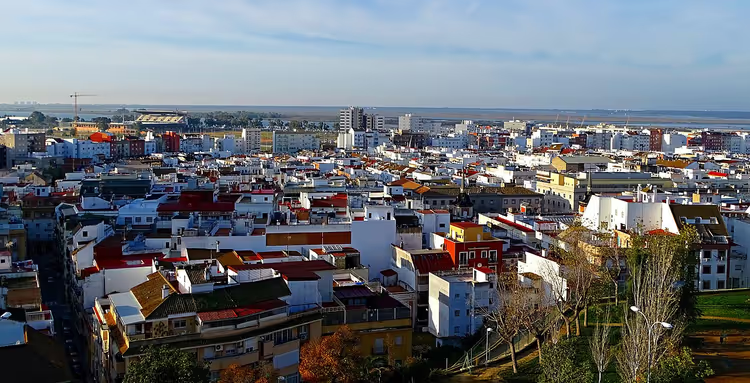
Huelva stands out from the usual Andalusian lineup, and there are noticeably fewer tourists here than in Seville or Málaga. The British ran mining operations in the surrounding area and built the city in Victorian style, so the streets look unusual for southern Spain.
The center is compact: narrow streets, monuments, squares, and several cinemas. On the main square, Plaza de las Monjas, stands the town hall, and nearby you'll find the Cathedral of La Merced with its beautiful ornamentation. The local cuisine is famous for seafood, but also try the beans with mint, lemon, and garlic.
The parks here are lovely too: their paths offer views of the city and the Odiel River. Near the city, an old church has been preserved where Spaniards prayed for the success of Columbus's voyage.
- Who it's for: those looking for a city without tourist crowds.
- Hotels: find a hotel in Huelva on Trip.com
10. Jaén
 © The original uploader was Cle 80 at German Wikipedia . · CC BY-SAPhoto: The original uploader was Cle 80 at German Wikipedia ., CC BY-SA (http://creativecommons.org/licenses/by-sa/3.0/), Wikimedia Commons
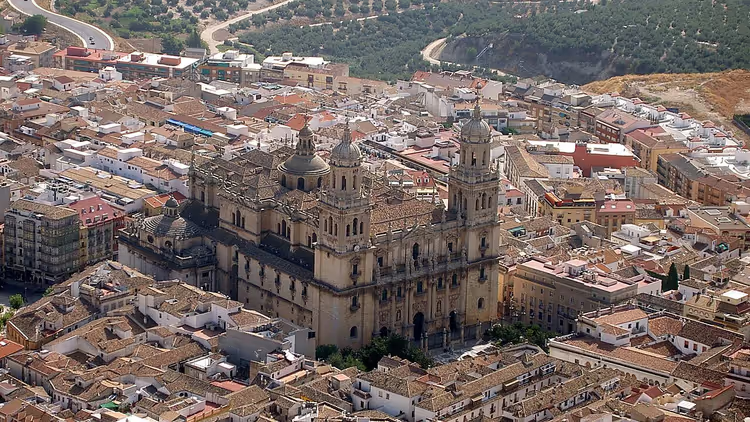
Jaén is known worldwide for olive oil, and a bottle of local oil is bought here even by people who had no intention of bringing souvenirs. Fertile land and a mild climate drew people to these hills long ago, as evidenced by cave paintings in the surrounding area. Later Carthaginians, Romans, and Arabs lived here, and each people left its mark on the architecture and cuisine.
The city was the capital of a Muslim kingdom, so there are many Arab monuments here. The main attraction is the Renaissance-style cathedral: inside is kept a cloth bearing the features of Christ, which, according to tradition, Saint Veronica handed to the Savior. Tourists also seek out the monument to the Lizard of Magdalena, a monster from a 17th-century local legend.
- The catch: public transport in the surrounding area is scarce; you need a car for trips to olive farms.
- Hotels: hotel prices in Jaén on Trip.com
11. Málaga
 © Viktar Palstsiuk · CC BY-SAPhoto: Viktar Palstsiuk, CC BY-SA (https://creativecommons.org/licenses/by-sa/4.0), Wikimedia Commons
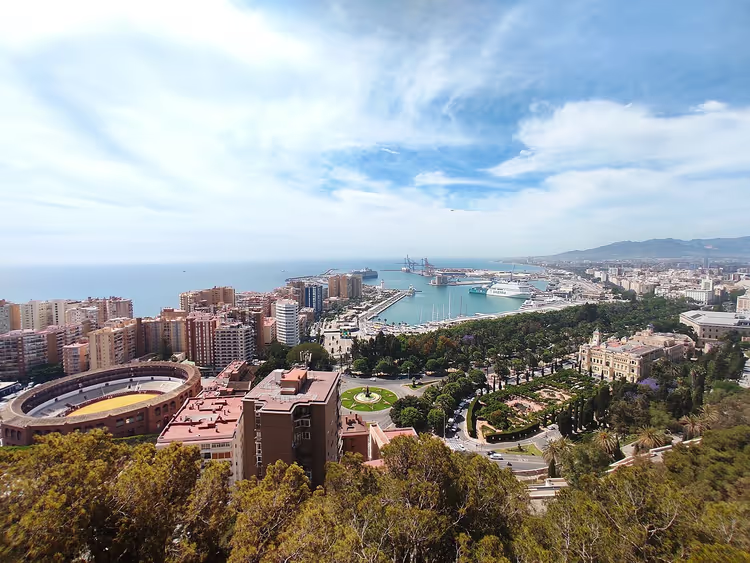
Málaga is older than most European cities: the Phoenicians founded it in the 8th century BC, and the seaport has always played a major role here. Pablo Picasso was born in this city, and that is one of the reasons people come here even if they're indifferent to beaches.
Málaga changed hands many times: it was ruled by Phoenicians and Romans, Visigoths and Byzantium, Arabs and Spaniards. It was the capital of a Muslim kingdom, and in the 19th century it became a major industrial center. The tourism boom began in the second half of the 20th century, and today you'll find shops, markets, and fashionable boutiques here.
See the 16th-17th-century cathedral, the medieval streets, and the Moorish Alcazaba of the 11th century, which now houses museums. Next to it stands a Roman theater, and the Picasso Museum (Museo Picasso Málaga) offers an accessible entry point into local art. Dining here can be simple: the cuisine is typical of the Mediterranean, with sardines, clams in wine, market vegetables, olive oil, and sweet wines on the menu.
- Who it's for: those who want city and beach without moving around.
- Hotels: find a hotel in Málaga on Trip.com
12. Baeza
 © Fernando · CC BY-SAPhoto: Fernando, CC BY-SA (https://creativecommons.org/licenses/by-sa/4.0), Wikimedia Commons
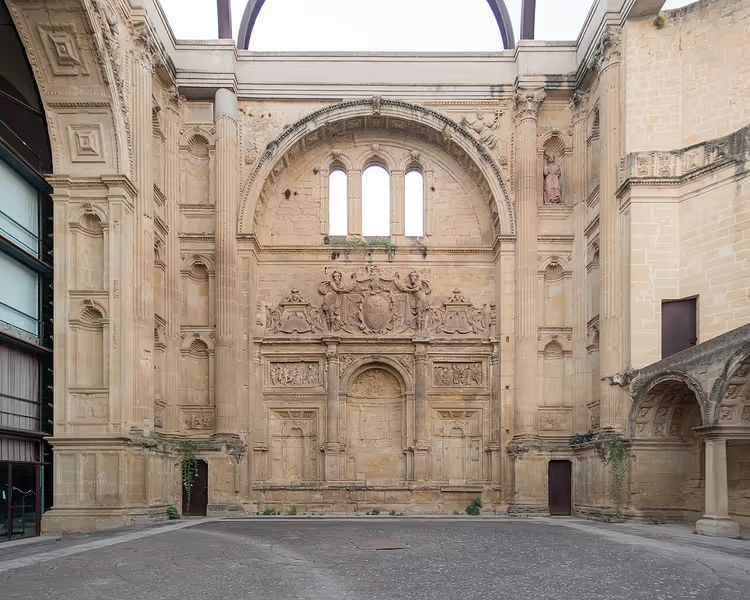
Baeza looks like an open-air museum, and half a day here is indeed enough to see the main sights. For centuries, knights of Castile lived here, and from those times beautiful mansions remain, while most architectural monuments date back to the 16th century.
On Plaza del Populo stands the Fountain of the Lions: four beasts surround a female figure, believed to be Hannibal's wife. Right there is a majestic 16th-century palace, and on the eastern side of the square, the city archive occupies a former slaughterhouse. The cathedral, consecrated in honor of the Virgin Mary, is a striking example of Renaissance style: look at the altar grille and the fountain in front of the entrance shaped like a triumphal arch.
One of the city's most beautiful buildings, the Jabalquinto Palace, combines Gothic and Renaissance. The 13th-century Church of Santa Cruz showcases Romanesque style, the university opened in the mid-16th century, and the Aliatares Tower was built by the Moors back in the 10th century.
- The catch: the city goes quiet in the evening; there is almost no entertainment.
- Hotels: hotel prices in Baeza on Trip.com
13. Grazalema
 © El Pantera · CC BY-SAPhoto: El Pantera, CC BY-SA (https://creativecommons.org/licenses/by-sa/4.0), Wikimedia Commons
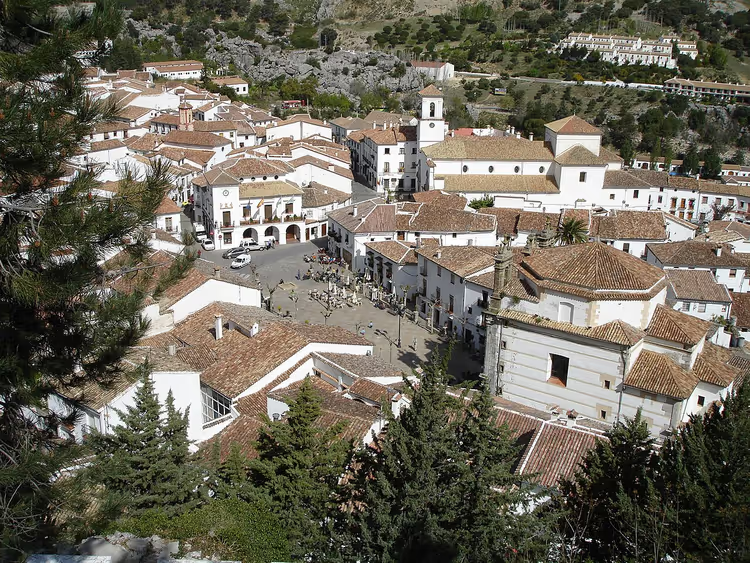
Grazalema belongs to the white villages of Andalusia, and by size it really is a village: the houses stand close together, and the streets have kept their medieval width. People come here for the classic picture of Andalusia: azure sky, green mountains, and white houses on the slope. Where to go? Start with the Museum of Textile Arts, which was created at the factory that made the town prosperous.
The old churches, of which there are three, attract visitors with both their architecture and their collections of sculpture. The cuisine holds its own: cafes and bars serve meat and seafood dishes, local cheeses, and wines. Check the weather forecast in advance. The land around Grazalema is unusually fertile, and the harvest here is rich, so local products on the table are no accident.
- The catch: it rains often here, and there are few hotels, so it's better to book accommodation in advance.
- Who it's for: those who love white villages and hiking in the hills.
- Hotels: find a hotel in Grazalema on Trip.com
14. Tarifa
 © kallerna · CC BY-SAPhoto: kallerna, CC BY-SA (https://creativecommons.org/licenses/by-sa/4.0), Wikimedia Commons
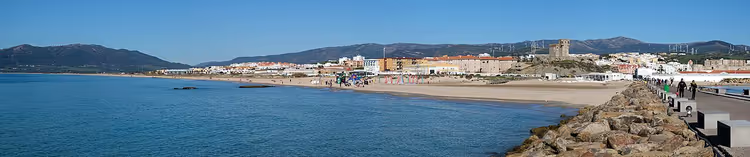
Tarifa stands at the southernmost point of Europe, where the Mediterranean Sea meets the Atlantic. Not only tourists come here, but also surfers, and if you're lucky with the dates, you'll catch a championship event.
The town emerged in antiquity, belonged to the Castilians from the 13th century, and in the 19th century a war between the Spanish and the French was fought here. You can get there by shared taxi, and it's more convenient than it seems. The winds blow here almost always, but for most of the year they are warm, and the beaches stretch for kilometers along the strait.
Take a look at the medieval fortress and the old gates, step into the churches that were once mosques: one was dedicated to the Virgin Mary, the other to the Apostle Matthew. From here you can see the mountains of Africa, and you can take a ferry to Tangier. Boat trips in the strait often bring an encounter with whales.
- The catch: the water is cooler than at other resorts in Andalusia.
- Who it's for: surfers and those who want to see Africa from Europe.
- Hotels: find a hotel in Tarifa on Trip.com
15. Benalmadena
 © Thomas Dahlstrøm Nielsen · CC BYPhoto: Thomas Dahlstrøm Nielsen, CC BY (https://creativecommons.org/licenses/by/4.0), Wikimedia Commons
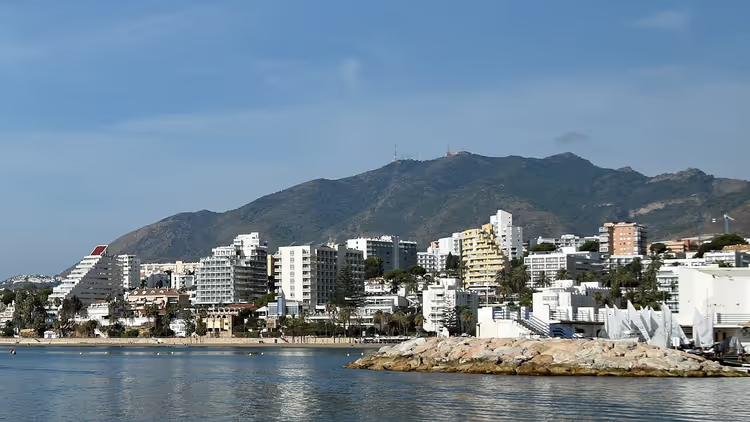
Benalmadena lies on the hills, and it's loved for its developed infrastructure and packed entertainment program. Families with children and young people can both come here, and the town is especially well suited to those who enjoy yachting.
The most notable old buildings here are the watchtowers: from them, pirate ships were spotted in time. Apart from Paleolithic monuments and the remains of Roman settlements, what follows is Christian history: the Church of Santo Domingo was built in the 17th century, and the local archaeological museum displays finds from the surrounding area.
The symbol of the town is the sculpture "Girl from Benalmadena" in the central square, and tourists also come to Colomares Castle, built in honor of Columbus. In cafes, ask for fish grilled over coals and cold gazpacho, and during a walk admire the Bil-Bil Palace in Moorish style.
16. Arcos de la Frontera
 © Diego Delso · CC BY-SAPhoto: Diego Delso, CC BY-SA (https://creativecommons.org/licenses/by-sa/4.0), Wikimedia Commons
You can get to Arcos de la Frontera from Cadiz and Jerez by bus, the distance is short. This is another white town on the map of Andalusia, and photographers and artists are especially fond of it: the panoramas here are truly striking.
According to legend, the settlement was founded by a descendant of Noah named Arcos. People here farmed the land, grew grapes and made wine, and the Moors appreciated the location and built a fortress on the cliff to spot enemies in advance. Since Arcos was the capital of an Arab principality, many landmarks have survived here.
Take a look at the Puerta de Matrera tower, built in the 17th century, the Cathedral of Santa Maria de la Asuncion, and the Old Town Hall building on Plaza del Cabildo. A separate goal is the 11th-century Moorish castle: several centuries later Napoleon's soldiers were quartered there, and today it is private property.
- The catch: without a car you won't reach the viewpoints above the gorge.
- Hotels: find a hotel in Arcos de la Frontera on Trip.com
17. Osuna
 © Aapo Haapanen from Tampere, Finland · CC BYPhoto: Aapo Haapanen from Tampere, Finland, CC BY (https://creativecommons.org/licenses/by/2.0), Wikimedia Commons
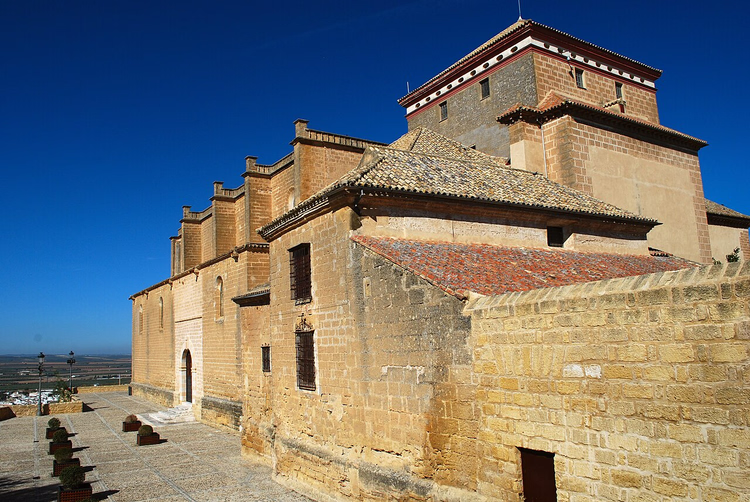
Osuna is one of the oldest cities in the region, with a history spanning more than two thousand years. It was once a small Iberian settlement among dense forests, and the Romans named the city Urso because there were plenty of bears in the area. Emperor Augustus granted the city a coat of arms featuring Ceres, the goddess of fertility, and bears.
Impressive monuments remain from that era. You'll see enormous quarries and a Roman necropolis that used natural caves: the earliest burials here date back to the 3rd century BC, the tombs are divided into chambers, and images of birds have been preserved on the walls.
Later the city passed to the Muslims, and in the first half of the 13th century it was recaptured by the troops of Ferdinand III. In the 16th century Osuna experienced a construction boom: numerous churches and its own university appeared.
18. Ubeda
 © Mihael Grmek · CC BY-SAPhoto: Mihael Grmek, CC BY-SA (https://creativecommons.org/licenses/by-sa/3.0), Wikimedia Commons
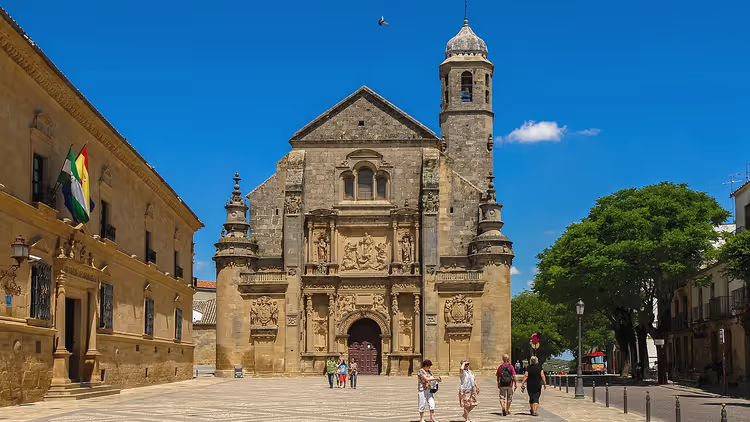
Ubeda will appeal to those who know architecture. There are dozens of landmarks of global significance here and three styles at once: Mudejar as a memory of the Arab period, Gothic, and Renaissance, and Ubeda in fact offers one of the brightest examples of the Renaissance in Europe. The city's heritage has been recognized by UNESCO.
Muslim forces occupied the settlement in the early 8th century and remained here for several centuries, so many characteristic buildings have survived. In the 13th century they were driven out by Christian forces, after which the city endured civil wars and became noticeably depopulated.
Settlers from other cities were given incentives, and the city gradually recovered. Much here is connected with the name of Francisco de los Cobos: a native of Ubeda who received an important post under Charles V, and thanks to his efforts agriculture and crafts flourished. Today the city lives primarily on tourism.
19. Algeciras
The African coast is just a stone's throw away, and that is Algeciras's main feature. The city shows traces of different cultures: the Moors left defensive structures, the Spanish added their churches and chapels.
It's worth seeing the 18th-century Church of Our Lady of La Palma and the Chapel of Our Lady of Europe. The church is recognized as a national cultural heritage site. The city museum, which opened in the late 20th century, houses archaeological finds: stone axes, amphorae, tombstones, marble sarcophagi, and ceramics from the Islamic period.
Near the city there is a water park, a national park, and a nature reserve, so a stop here easily turns into a full day of relaxation.
- Who it's for: those heading on to Tangier or to the south of Spain.
- Hotels: hotel prices in Algeciras on Trip.com
20. Sanlucar de Barrameda
 © Juan Antonio Segal · CC BYPhoto: Juan Antonio Segal, CC BY (https://creativecommons.org/licenses/by/2.0), Wikimedia Commons
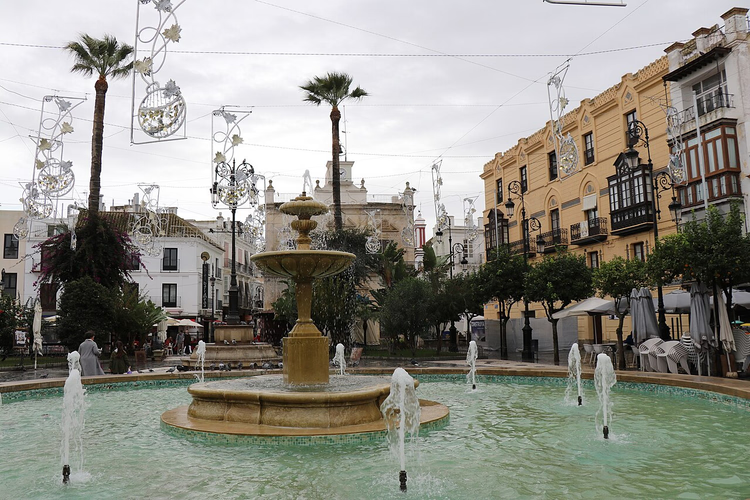
Sanlucar de Barrameda sits on the Atlantic coast and offers a relaxed itinerary for a day or two. In the morning, a tour of the historic center, where many monuments have been preserved; in the afternoon, a trip to Donana National Park with its flora and fauna.
The main attraction is Santiago Castle, built in the 15th century in the Gothic style. The local Renaissance-style churches with their elegant sculptures are also lovely. It's worth visiting the 19th-century Palace of the Bourbons, surrounded by an English garden.
Excellent sherry is made here, so wine tasting is part of almost any trip. After sightseeing, it's pleasant to relax on the local beaches, watching the Atlantic waves.
Cities of Andalusia on the map
All twenty points are collected on one map. Open it before your trip and see how the cities are positioned relative to each other: this way you'll put together a logical route without long transfers.
20 best cities of Andalusia
Places on the map
- 1Granada The Alhambra and the old Arab quarter of Albaicín
- 2Seville Cathedral, the Giralda and the Seville Alcázar
- 3Cordoba Mezquita-Catedral with its forest of columns
- 4Ronda Puente Nuevo over the El Tajo gorge
- 5Cadiz One of the oldest cities in Western Europe
- 6Marbella Upscale beach resort with golf courses
- 7Jerez Royal Andalusian School of Equestrian Art and wine cellars
- 8Almeria 10th-century Alcazaba and beaches stretching for tens of kilometres
- 9Huelva Victorian-era buildings and views of the Odiel River
- 10Jaen Renaissance-era cathedral
- 11Malaga Alcazaba, the Picasso Museum and a Roman theatre
- 12Baeza Lion Fountain and the Halbaquinto Palace
- 13Grazalema White village with a textile art museum
- 14Tarifa Europe's southernmost point, a surfers' paradise
- 15Benalmadena Colomares Castle and the Bil-Bil Palace
- 16Arcos de la Frontera White hilltop town, capital of a Moorish principality
- 17Osuna Roman necropolis and two-thousand-year-old quarries
- 18Ubeda UNESCO site, a striking example of Renaissance architecture
- 19Algeciras Port facing Africa with a city museum
- 20Sanlucar de Barrameda 15th-century Santiago Castle by Doñana park
⁉️🤔 Frequently asked questions
How many cities in Andalusia can you see in one trip?
In a week, you can realistically cover three cities without rushing: Seville, Cordoba, and Granada. Trains run between them, and the journeys themselves are short. Put the coast in a separate trip: Malaga, Marbella, and Benalmadena are away from the historic centers, and they need their own time.
When is the best time to go to Andalusia?
For sightseeing, choose April to June and September to October. In Granada and Cordoba during these months it's warm but not hot, and ticket lines are shorter. The coast is comfortable from June to September. In July and August, the inland cities heat up, and it's better to walk around them in the morning or evening.
Do you need a car in Andalusia?
For the big cities, you don't need a car: you can get between Seville, Cordoba, and Malaga by train. A rental is needed for the white towns like Arcos de la Frontera and Grazalema, where buses run infrequently. Book the car in advance; there's less choice on the spot.
Is one day enough for the Alhambra?
The Alhambra takes half a day, and more with the Generalife and museums. Take a morning slot: before noon the gardens are cooler and the crowds are smaller. Buy timed tickets in advance; in high season they may not be available the day before your visit.
Where to stay in Andalusia?
Seville or Malaga make a convenient base: it's easy to get to neighboring cities from there. In Granada, look for accommodation in the center or in the Albaicin; on the coast, in Marbella or Benalmadena. In the white towns there are few hotels, so it's easier to stay overnight in Seville, Cadiz, or Jerez.
Find hotels
Compare prices across booking sites and filter for rooms with free cancellation.
Compare prices on Discover CarsThe widget loads once you give your consent.
In short: what's worth booking
If you have a week and it's your first trip to Andalusia, go for Seville, Cordoba, and Granada. With kids, choose Benalmadena, Marbella, or Cadiz. For the white towns, it's worth going to Ronda and Arcos de la Frontera; surfers will like Tarifa, and wine lovers will like Jerez.
Hotels in Andalusia's cities are best booked in advance: in high season, prices in the center rise and availability drops. See options on Trip.com.

A small editorial team writing guides for independent travel. We travel ourselves, but we haven’t been everywhere, so we check prices, opening hours and how to get there against official sources.