
















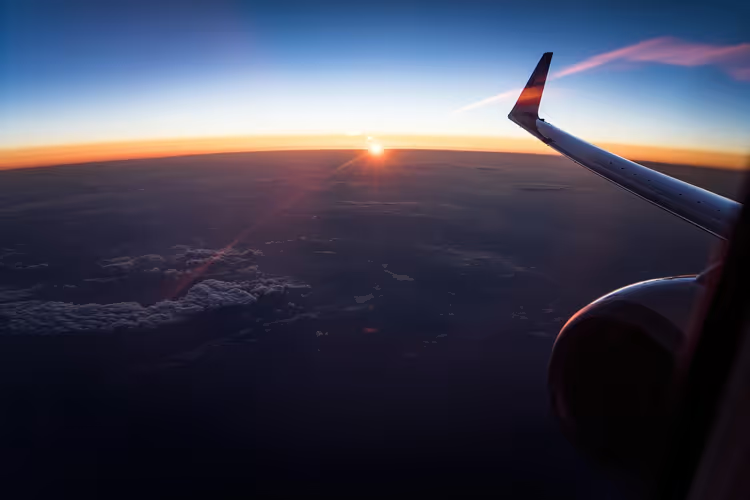
Ashtray, window shades and holes in the window: five questions about the airplane
Before landing, flight attendants ask you to open the window shades and dim the lights. This is not politeness, it is part of preparation for a possible evacuation.
Below are five questions that passengers ask most often. The smoking ban on board has long been established in FAA regulations, § 121.317.
The answers below are short: no myths and no retelling of forums. You will see where an airline procedure applies and where ordinary physics applies.
An aircraft is designed more thoughtfully than it seems
💡 In short:
- Window shades, dimmed lights, and the ashtray in the lavatory all serve safety.
- The hole in the window equalizes pressure between the glass layers.
- Onboard safety and passenger rules: 09/2026, verified on the official EASA website.
A passenger sees only the result, while the reason is hidden in the aircraft design or in the physics of flight. Below is a short cheat sheet, followed by a detailed answer to each question.
Question | Answer in two words | Breakdown |
|---|---|---|
Shades and lights before landing | Evacuation readiness | Section 1 |
Ashtray in the lavatory | Fire insurance | Section 2 |
Holes in the glass | Pressure balance | Section 3 |
Food taste at altitude | Dry air | Section 4 |
White streaks in the sky | Water vapor | Section 5 |
1. Shades are opened so you can see the situation outside
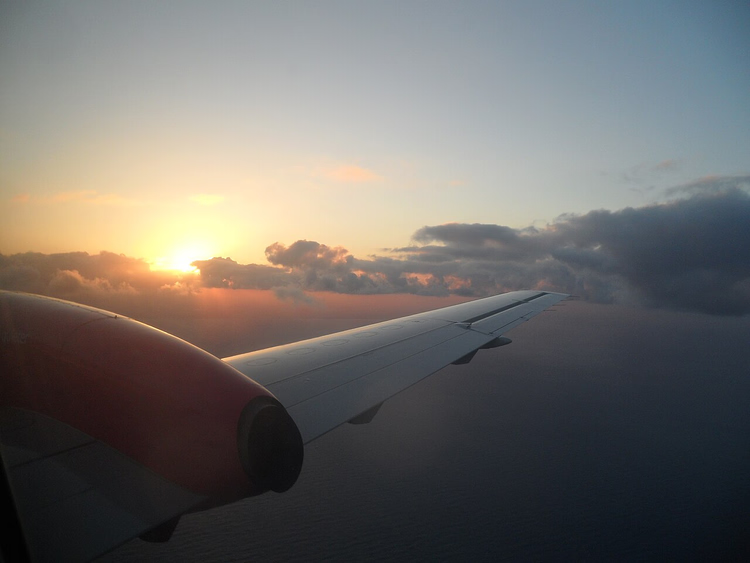 © EgorovaSvetlana · CC BY-SAPhoto: EgorovaSvetlana, CC BY-SA (https://creativecommons.org/licenses/by-sa/4.0), Wikimedia Commons
Shades are asked to be opened in advance so that you have time to adjust to the light. Through the window, the crew can see what is happening outside: smoke, fire, or debris near an emergency exit. If an exit is blocked, a flight attendant immediately chooses another one.
The cabin lights are dimmed for the same reason. Your eyes adapt to the semi-darkness, so at night you will not lose seconds adjusting. The emergency floor path markings are easier to see when the lights are off.
Open shades are also needed by those outside. Rescuers can tell that there are people in the cabin. This is a standard airline procedure, not a separate law: as crews explain in a Simple Flying breakdown, the point is precisely visibility and evacuation readiness.
What you should do: open the shade yourself when the aircraft is taxiing to the runway. A small thing, but it saves seconds where seconds matter.
2. The ashtray in the lavatory remains for rule-breakers
Smoking on board is prohibited, but someone will one day try to hide in the lavatory. Designers planned for this scenario. The ashtray in the lavatory serves one purpose: a cigarette butt in the metal tray will go out and will not set paper towels on fire.
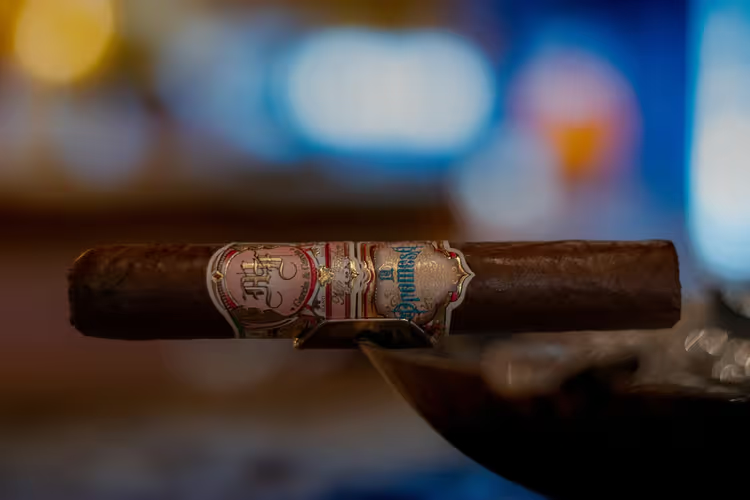
The smoking ban also applies to lavatories, as explicitly stated in FAA regulations. The ashtray is nevertheless left in place as insurance. A fire in a cramped compartment with no windows is noticed later than anywhere else, so the most likely source of ignition was removed from the equation.
The rule applies to flights operated by US carriers, and European airlines follow a similar practice. This matters to you for a simple reason: smoking in the lavatory almost always ends with a conversation with the crew, a fine, and a record in the carrier's system.
3. The tiny holes in the window hold the pressure
An aircraft window is assembled from several acrylic layers. The tiny hole is usually in the middle layer, not the inner one. This is not a defect, it is part of the design.
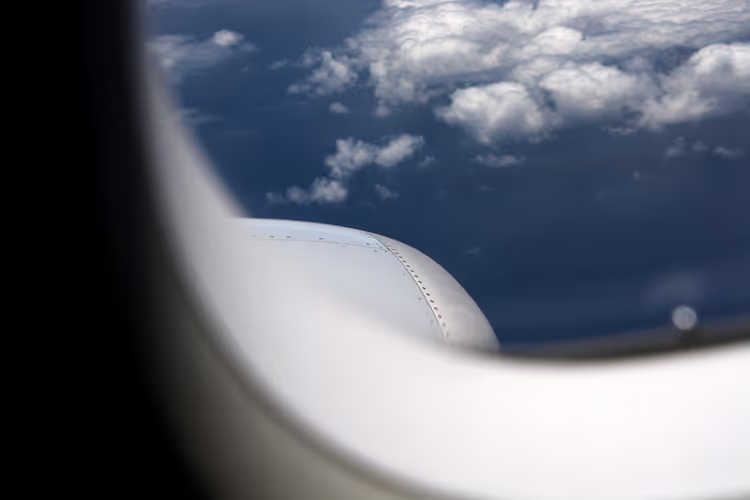
Through the hole, cabin air enters the gap between the layers and equalizes the pressure. The main load is borne by the outer layer, while the middle layer serves as a backup in case of a crack. If you look closely at the window in flight, the hole is usually visible near the frame between the panels.
Fogging at the lower edge of the window is related to the same gap: moisture settles where it is colder.
There is no danger to you. Even if the hole gets clogged with dust, the glass will start to fog up, but its strength will not suffer.
4. Food taste is dulled by dry air at altitude
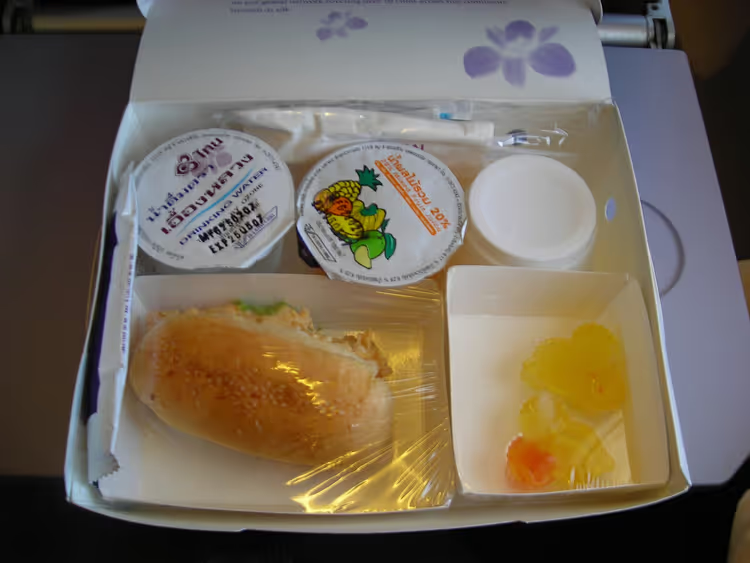
Food on board seems bland not because it is poorly prepared. At altitude, the cabin air is very dry, and the pressure is lower than on the ground. Because of this, your receptors work less effectively, and you perceive sweet and salty flavors less clearly.
The German Fraunhofer IBP institute, commissioned by Lufthansa, tests onboard menus in a laboratory where flight conditions are reproduced on the ground: study description. This is how the carrier selects dishes that retain their taste in the air.
Engine noise adds its own contribution. It drowns out not only conversation but also part of the aroma, and without smell, taste is perceived less clearly. That is why on board you often like things you would hardly choose at home.
What you should do: choose dishes with acidity and spices, they lose less. Judge dessert without expectations. And drink water: dry air dulls taste more than it seems.
5. White streaks in the sky are left by water vapor
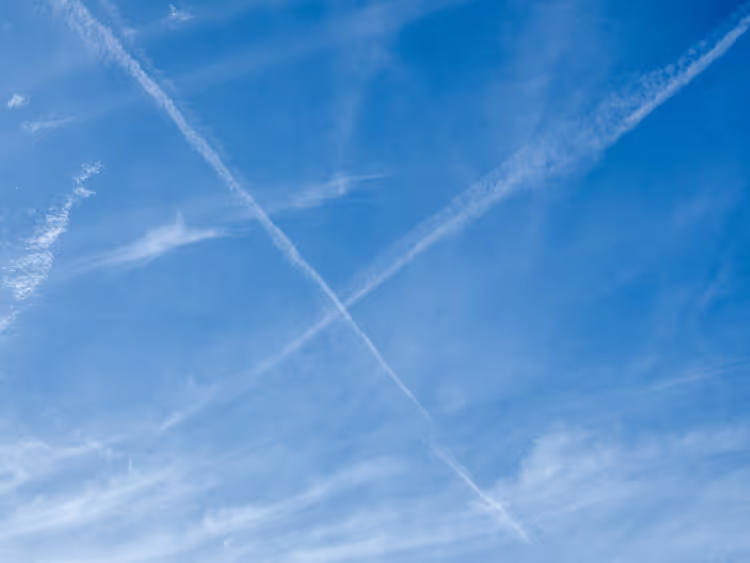
A contrail does not always trail behind an aircraft. It appears where the air at altitude is cold and humid enough. It is simple condensation.
 © David Ratledge · CC BYPhoto: David Ratledge, CC BY (https://creativecommons.org/licenses/by/4.0), Wikimedia Commons
Fuel burns in the engine, and water vapor leaves with the exhaust into the air. At the low outside temperature, it instantly turns into ice crystals. The picture resembles breath vapor in freezing weather, just on a different scale.
Sometimes the streaks melt within minutes, sometimes they persist for hours and spread into a thin veil. Such a trail affects the climate, so carriers and research centers are looking for ways to reduce it.
You will not see smoke. Jet fuel burns almost completely, so what remains in the sky is ice, not soot.
⁉️🤔 Frequently asked questions
Do I need to open the shade if no one asked me to?
It is enough to do it when flight attendants check the cabin before takeoff or landing. The shade at your seat does not affect the pilots, but it does affect the speed of evacuation through your row. If you sleep by the window, an open shade will not bother you.
What happens if I smoke in the aircraft lavatory?
The smoke detector will go off, and the crew will come to the lavatory. After that, it is up to the carrier and the rules of the country of registration: the passenger faces a fine and sometimes a refusal of carriage. The ashtray exists precisely for such a cigarette butt.
Is the tiny hole in the window dangerous?
No. The hole connects the gap between the acrylic layers and prevents moisture from accumulating inside. Through it, pressure is distributed evenly, so the outer layer handles the load. Even a clogged hole only leads to fogging of the glass.
Can I bring my own food on board?
Yes, if the products pass screening under the general rules of the carrier and the airport. Your own food will not fully restore your sense of taste. Dishes with acidity and spices hold up best at altitude. Bring what you like at home and do not expect miracles at altitude.
Why is the trail not visible behind every aircraft?
It all comes down to the state of the air at cruising altitude. In some places, the vapor is enough for ice to form immediately; in others, the moisture disperses without a trace. The same route in the morning can leave long streaks, and in the evening almost nothing.
In short: what is worth booking
All five answers come down to two things: crew procedures and the physics of flight.
The main point here is simple: the aircraft is designed to give you more time to react. If something in the cabin looks strange, there is almost always safety behind it. Recheck rules and procedures before your flight on the carrier's website.

A small editorial team writing guides for independent travel. We travel ourselves, but we haven’t been everywhere, so we check prices, opening hours and how to get there against official sources.