
















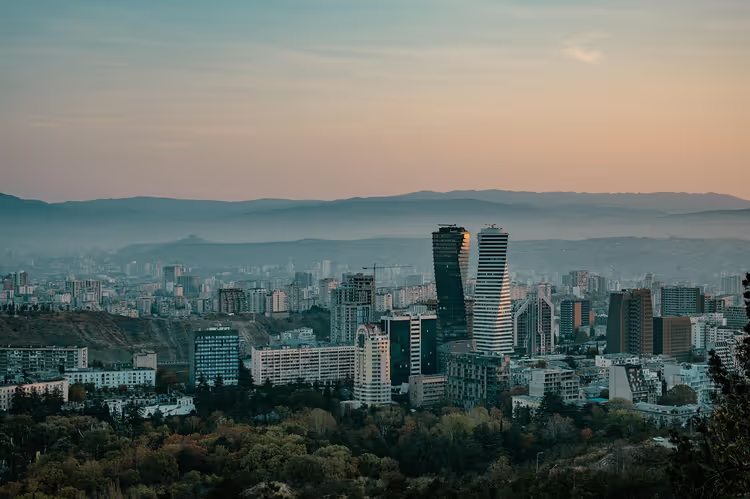
5 Tbilisi neighborhoods: transport, prices and what is nearby
In Tbilisi, the neighborhood matters more than hotel stars. The city stretches along the Mtkvari River valley between hills, and where you book your stay determines how much walking you'll do.
The districts here are nothing alike. Some buzz with bars until morning, others fall asleep right after sunset. A hotel in Tsereteli will cost less, but you'll take the metro to reach the main sights.
Below are five neighborhoods where tourists most often stay: Vake, Avlabari, Old Town, Tsereteli, and Vera. For each one, you'll find who it suits, what's nearby, and how transportation works.
Ad: this article contains affiliate links, we earn a commission if you book through them, at no extra cost to you.
Where to stay in Tbilisi
If you need to decide quickly, start with a short list. We've noted the neighborhood, the key reason to choose it, and its main limitation.
💡 In short:
- Vake: a quiet, green neighborhood next to Vake Park, great for long walks.
- Avlabari: budget-friendly lodging and about twenty minutes on foot to the center.
- Old Town: bars, wine houses, and streets within walking distance around the clock.
- Tsereteli: the most local neighborhood, near Dezerter Bazaar and Dinamo Arena stadium.
- Vera: a calm option for families, but the neighborhood sits on a hill.
- Transport and fares: 09/2026, verified on the official website of the Tbilisi transport company
Neighborhood | Who it's for | Price level | Transport |
|---|---|---|---|
Vake | First trip, a relaxed stay | Above average | buses, no metro in the area |
Avlabari | Budget trips | Below average | Avlabari metro station |
Old Town | Nightlife, a short visit | Average and above | everything within walking distance |
Tsereteli | Longer trips, local food | Below average | Tsereteli metro station |
Vera | Families with children | Average | Rustaveli metro ten minutes away |
Start with three hotels and hostels that guests mention most often. They're in different neighborhoods, so you'll immediately feel the difference between the districts.
Green House Hostel
The hostel occupies a two-story house in Avlabari with a yard, a balcony, and a large common room. Guests note the homey atmosphere and the garden, where in summer you're allowed to pick fruit from the trees. The owner and her son run the hostel themselves, so the vibe feels more like a guesthouse than a chain hostel.
- Who it's for: those traveling with a backpack who want to meet other travelers.
- Not for: those who need a private room and quiet.
- Location: Avlabari, near Avlabari metro station and the Holy Trinity Cathedral.
Hotel Opinion
The hotel sits in the very heart of the Old Town. The rooms are bright and minimalist, and the rooftop bar and restaurant offer city views. In the morning, a buffet breakfast is served here, so you won't head out for a walk hungry.
 © David1010 · CC BY-SAPhoto: David1010, CC BY-SA (https://creativecommons.org/licenses/by-sa/4.0), Wikimedia Commons
- Who it's for: those who want to stay in the center without overpaying for stars.
- Not for: those who sleep poorly because of street noise.
- Location: Old Town, most sights within walking distance.
- The catch: the neighborhood is noisy, and on weekends music plays late.
Hotel solum roof top
The hotel in Vake is praised for its cleanliness and attentive staff. The rooms are spacious and bright, and shops, cafes, and transport stops are nearby. You can reach the center by metro in a few stops.
 © David1010 · CC BY-SAPhoto: David1010, CC BY-SA (https://creativecommons.org/licenses/by-sa/4.0), Wikimedia Commons
- Who it's for: couples and families who want a quiet neighborhood.
- Not for: those who want to step out of the hotel straight into bars.
- Location: Vake, metro ride to the Old Town.
Tbilisi neighborhoods: a quick overview
Before choosing a specific hotel, get familiar with the geography. The city is divided into two parts by the Mtkvari River, and the historic center hugs its bank.
Vake
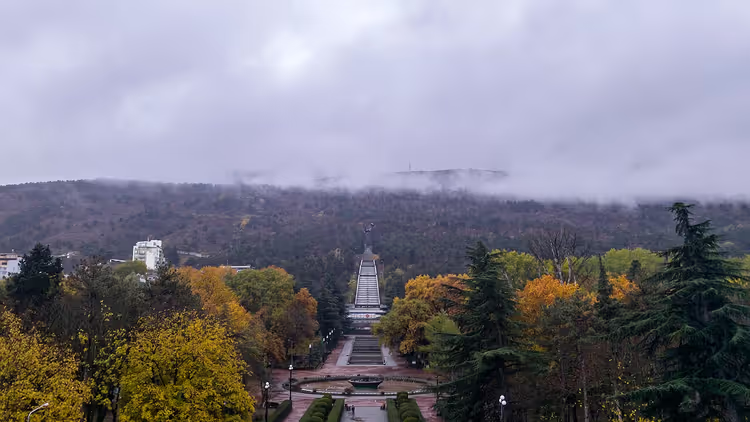
Vake was historically a neighborhood where the elite settled. Politicians and wealthy residents built large houses here, and the district still looks more expensive than the rest. Here you'll find boutiques, coffee shops, and a park with a fountain.
Avlabari
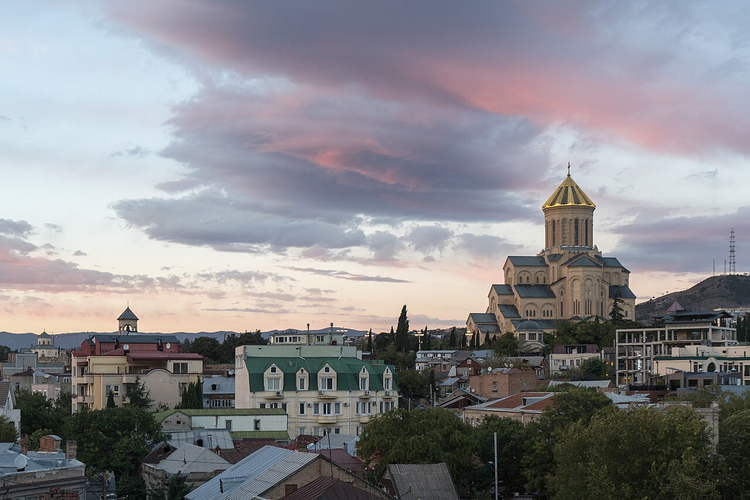
Avlabari lies on the other bank of the Mtkvari, across from the Old Town. The neighborhood is closer to local life: housing is cheaper, there are more everyday shops, and fewer tourists. You can walk to the center in about twenty minutes, and if you get tired, hop on the metro.
 © Alexey Komarov · CC BY-SAPhoto: Alexey Komarov, CC BY-SA (https://creativecommons.org/licenses/by-sa/4.0), Wikimedia Commons
Old Town
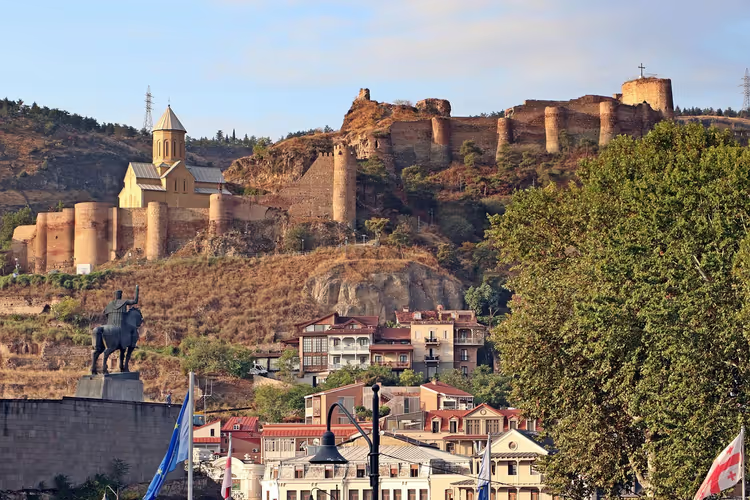
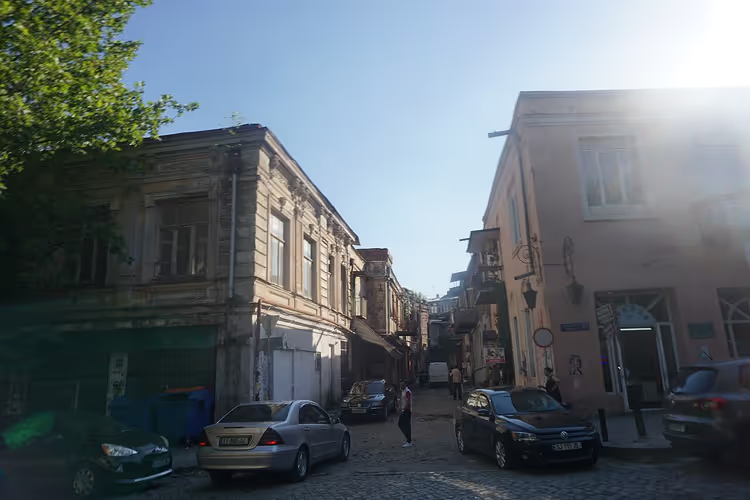
The Old Town, or Dzveli Tbilisi, remains the center of tourist life. Narrow cobblestone streets, houses with balconies, shops, and sulfur baths stand close together here. In recent years the district has been renovated, and many wine houses and bars have opened.
 © Andrew Milligan sumo · CC BYPhoto: Andrew Milligan sumo, CC BY (https://creativecommons.org/licenses/by/2.0), Wikimedia Commons
Tsereteli
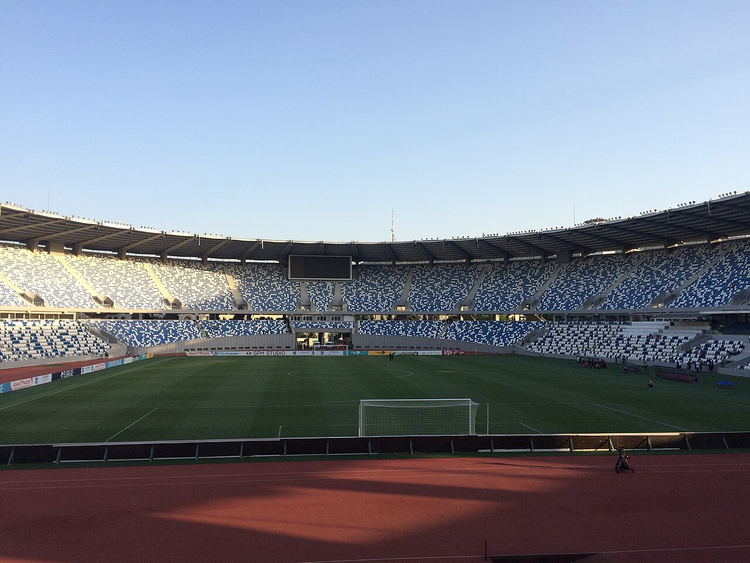
Tsereteli is located across the river from the Old Town and is considered a residential district. It takes longer to reach the center, but there's a market and a stadium here, and housing prices are lower. The neighborhood is connected to the rest of the city by a metro line.
 © Emin Allahverdi · CC BY-SAPhoto: Emin Allahverdi, CC BY-SA (https://creativecommons.org/licenses/by-sa/4.0), Wikimedia Commons
Vera
Vera borders the Old Town to the north and is known as a green neighborhood. There are many parks and gardens here, and the district itself lies on a hillside. Uphill and downhill walks are unavoidable, but from the upper streets you can see the whole city.
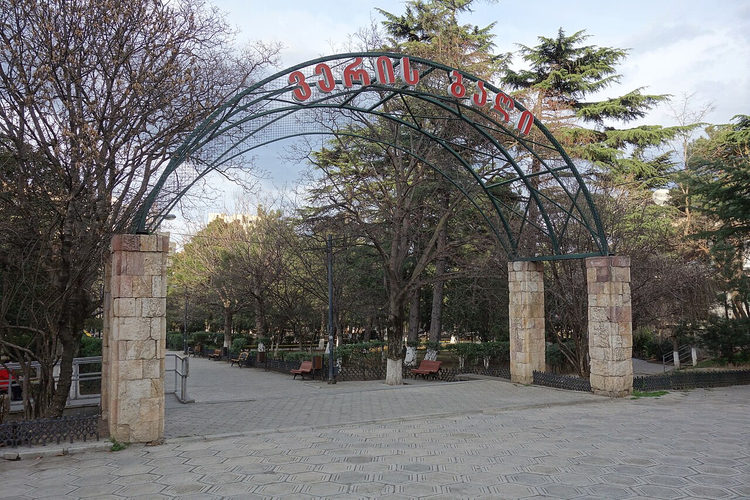 © Yasuhiro Kojima · CC BY-SAPhoto: Yasuhiro Kojima, CC BY-SA (https://creativecommons.org/licenses/by-sa/4.0), Wikimedia Commons
In short, Vake and Vera suit a relaxed stay, Avlabari and Tsereteli suit a budget trip, and the Old Town suits a short visit with nighttime walks. Below, we break down each neighborhood in detail: where exactly to stay, which hotels and hostels to choose, and what to see nearby.
Housing prices depend more on the season than on the neighborhood. In summer and during holidays, fewer rooms are available, so it's worth booking in advance. City transport costs the same anywhere, so transit barely affects your trip budget. Distances within the center are easy to cover on foot, and between the river banks you can take the metro or a bus.
The city sits on hills, so some routes always go uphill, and that's worth considering when choosing a neighborhood. The districts are connected by metro and buses, so even from a distant neighborhood you can reach the center without transfers. We list hotel names exactly as they appear on booking sites, so you can easily find them by searching the name.
1. Vake: where to stay in Tbilisi for the first time
Vake began as a district for wealthy residents. Politicians and entrepreneurs built homes here, which is why the neighborhood is still considered the most respectable in the city. Today, Vake has pricier housing, more boutiques and coffee shops, and trendy bars open in the evening. For a first trip, the district is convenient because you live in a quiet area but can easily reach the center.
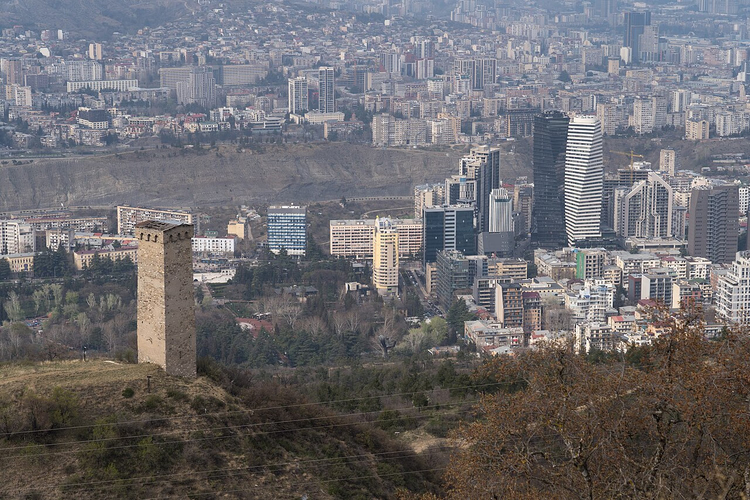 © Alexkom000 · CC BYPhoto: Alexkom000, CC BY (https://creativecommons.org/licenses/by/4.0), Wikimedia Commons
Vake Park, the district's main spot, is laid out on a slope. It has a World War II memorial, a large fountain, and a playground with swings for children. In the morning, locals jog along the paths, and you can simply stroll down the alley and have breakfast at a cafe by the entrance.
It's convenient to walk down to the center along Chavchavadze Avenue. The walk takes about half an hour, but you can also take a bus if you prefer. Going back uphill is better done by public transport, especially in the heat.
Cafes and restaurants in Vake are more expensive than in Avlabari, but the selection is wider. In the morning, coffee shops with breakfast open up, bakeries and Georgian restaurants operate during the day, and evening dining rooms fill with locals rather than tourists. Near the park there are playgrounds with swings and an outdoor pool, so in summer the district is convenient for families.
Vake Park itself hosts concerts and city festivals, with the schedule posted on boards at the entrance. Another plus of the district is that tourist crowds are smaller here than in the center. You can finish an evening walk by the fountain and return to your hotel without street noise.
For a longer stay, Vake has plenty of grocery stores, pharmacies, and ATMs, so everyday errands are handled quickly. If you work remotely, look for housing near Vazha-Pshavela Avenue: there is reliable internet in cafes and easy access to the center.
Where to stay in Vake
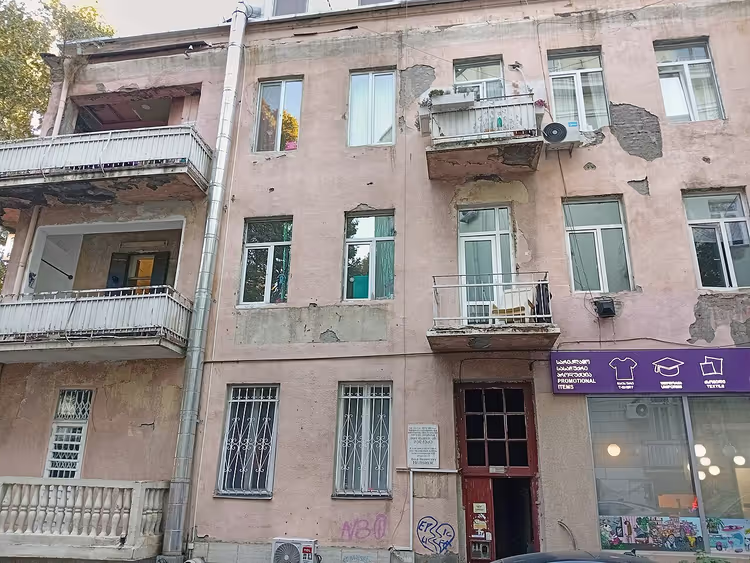
Boutique studio flat with balcony
 © Yuri Samoylov · CC BY-SAPhoto: Yuri Samoylov, CC BY-SA (https://creativecommons.org/licenses/by-sa/4.0), Wikimedia Commons
The apartment with a balcony is rented out entirely and is designed for longer stays. The kitchen has everything for cooking, and the host leaves detailed check-in instructions. Guests call the spacious balcony with a view of the neighborhood the main plus of this option.
Hotel Solum roof top
Our second option in Vake is Hotel Solum roof top. The hotel sits on a quiet street away from the noise, the rooms are spacious, and the staff is attentive. Shops, pharmacies, and public transport stops are nearby, so everyday errands don't take up your time.
The Tbilisi Pod
The Tbilisi Pod hostel is chosen by those who work remotely. It has a separate kitchen, a workspace, and an inner courtyard, and the beds in the shared rooms are comfortable. The atmosphere is modern, so the hostel also works for a longer stay of several weeks.
Three things matter for Vake. The district is quiet and green, transport is nearby, but nightlife is far away. If you came for a weekend of bars, you'll be better off in the Old Town.
- Who it's for: those visiting Tbilisi for the first time who want to live in a quiet, green district.
- Not for: those who want nightlife right outside their door.
- Location: there is no metro in the district; the center is a bus ride away or a half-hour walk down Chavchavadze Avenue.
- The catch: you reach the main sights by transport; on foot it's a long walk.
- Prices: prices at Hotel Solum roof top on Trip.com
What to see in Vake
- A jog or walk in Vake Park, with swings and sports grounds nearby.
- Dinner at Hacker-Pschorr: hearty food and good beer at mid-range prices.
- A concert at Backstage 76, which operates right inside Vake Park.
- A swim in the outdoor Vake Swimming Pool in the warm season.
- St. George's Church on the slope, where peacocks sometimes stroll on the lawn.
- A walk down Chavchavadze Avenue toward the city center.
2. Avlabari: the budget option
Avlabari lies on the left bank of the Mtkvari, opposite the Old Town. The district is not as polished as Vake, and that's exactly why housing here is cheaper. Tourists appreciate Avlabari for its local character: grocery shops, small cafes, and fewer crowds on the streets. You can walk to the center in about twenty minutes.
Avlabari is known for its church architecture. The Holy Trinity Cathedral is considered the third-tallest Orthodox cathedral in the world, and the Metekhi Church stands on a cliff above the river. Both spots offer views of the city and the valley, so it's worth going up at least once.
The district keeps changing. New cafes and guesthouses are opening in Avlabari, and the old blocks are gradually being renovated. If you need a budget option near the center, this district should be your first consideration.
Avlabari doesn't look like a polished tourist district, and that's its main advantage. You buy groceries in ordinary shops, eat where locals eat, and pay less for housing than in the center. The Avlabari metro station sits in the middle of the neighborhood, so you can quickly reach both the center and the train station.
In the evening, the district quiets down early, which is convenient after a long day. The Old Town panorama from the embankment is best viewed after dark, when the lights come on. Avlabari's churches are open to visitors all day, admission is free, but it's better to cover your shoulders and knees.
On Saturday morning, a small market operates near the metro, selling cheese, greens, and homemade wine. If you arrive with a suitcase, keep the terrain in mind: some streets go uphill, and the sidewalks are narrow in places.
Where to stay in Avlabari
Green House Hostel
The same hostel we wrote about above is located right in Avlabari. A two-story house with a yard, a balcony, and a large common room is run by a family: a mother and son. Guests especially praise the garden, where you can pick fruit in summer, and the hosts' attention to detail.
Hotel Voyager
The hotel offers rooms at budget prices and is a two-minute walk from the Avlabari metro station. The rooms are clean and modern, and there's a restaurant on the ground floor serving breakfast every morning. Before an early departure, you'll have time to eat and reach the metro in a couple of minutes.
Cozy Apartment at Avlabari Boutique Residence
The apartment suits longer stays: it has everything you need, including a capsule coffee machine. Guests note the neat renovation and the good view from the balcony. Grocery stores are nearby, so cooking at home is convenient and inexpensive.
Avlabari beats Vake on price and loses on quiet. The streets here are lively, but you can walk to the Old Town, and the metro station opens up the whole city.
- Who it's for: those who save on housing and don't mind walking.
- Not for: those who want to wake up in the middle of the sights.
- Location: Avlabari metro station, about twenty minutes on foot to the Old Town.
- The catch: the district is non-touristy, and some streets look run-down.
- Prices: prices at Hotel Voyager on Trip.com
What to see in Avlabari
- Holy Trinity Cathedral, the third-tallest Orthodox cathedral in the world.
- Metekhi Church on a cliff above the river: the best spot for panoramic photos.
- The Presidential Palace on the hill above the district.
- A walk in Rike Park or a picnic on the lawn by the water.
- The ruins of the Armenian church Avetaran.
- The Palace of Queen Darejan.
- The sculpture of actors on Avlabari Square.
3. Old Town: where to stay for nightlife
Old Town, or Dzveli Tbilisi, is the historic core of Tbilisi. Narrow cobblestone streets, houses with carved balconies, and small green squares sit tightly packed together here. In recent years the neighborhood has been noticeably renovated, and many wine houses, coffee shops, and stores have opened.
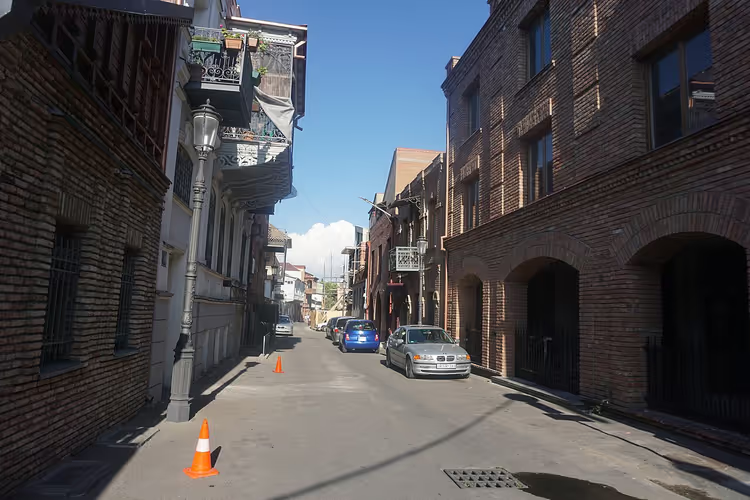 © Andrew Milligan sumo · CC BYPhoto: Andrew Milligan sumo, CC BY (https://creativecommons.org/licenses/by/2.0), Wikimedia Commons
In the evening Old Town transforms. Bars, clubs, and wine cellars stay open until morning, and wine shops and workshops hide between them. If you want nightlife, this is the best area in the city for the concentration of venues per block.
Old Town is also convenient for a short trip. All the main sights are close together, so in one day you can see more than you would in three days from a residential neighborhood. You can walk to the sulfur baths, museums, and the embankment.
The city's main treasures are also here. The National Museum of Georgia and the National Gallery showcase the country's history and Georgian art, and the sulfur baths operate in the Abanotubani quarter.
The best time to explore the area is in the morning, when the streets are almost empty. By midday Shardeni Street gets crowded, and in the evening it becomes hard to walk through. The National Museum of Georgia and the National Gallery are close to each other, so you can see both in one day.
The sulfur baths in the Abanotubani quarter welcome visitors until late evening, and some rooms are rented for private use. A cable car runs between the viewpoints and takes you up to Narikala Fortress in minutes. If you stay in this area, you don't need a car: the streets are narrow and there is almost no parking.
Cafes and wine houses here open earlier than in other neighborhoods, so you can find breakfast as early as eight in the morning. At night the streets are lit, but in the side alleys it's best to stick to busy routes. For a short trip, Old Town remains the most convenient option: everything on the list below is within walking distance.
Where to stay in Old Town
Princely family house at Rustaveli avenue
The apartment is rented out entirely after a renovation: bright rooms, a tidy interior, and the city center right outside the windows. You can walk to the main sights and reach the metro station in a few minutes. For those who want to live in the heart of the city, this option is almost ideal.
Hotel Opinion
The second option in this area, Hotel Opinion, occupies a building in the very heart of Old Town. The rooms are bright, with white walls and simple furniture, and the bar and restaurant are on the rooftop. In the mornings guests are served a buffet breakfast.
At Funicular Hostel
The hostel is located at the lower funicular station, so you can reach the viewpoints in a few minutes. Despite the proximity to the center, it's quiet inside, and you'll get a good night's sleep after a long walk. The house is kept clean, and the staff helps with routes.
Old Town is noisy and therefore not for everyone. But it's exactly here that you'll feel what you came to Tbilisi for.
- Who it's for: those who came for a couple of days and want to see as much as possible on foot.
- Not for: those traveling with children and going to bed early.
- Location: city center, Liberty Square metro station nearby.
- The catch: on weekends the noise from bars doesn't stop until morning, and there is almost no parking nearby.
- Prices: Hotel Opinion prices on Trip.com
What to see in Old Town
- The Recipe Museum, where Georgian cooking masterclasses are held.
- The Public Service Hall building with its unusual architecture, a popular photo spot.
- Anchiskhati Basilica, a 6th-century church with frescoes.
- The National Museum of Georgia and its permanent exhibition on the country's history.
- The Georgian Museum of Fine Arts.
- Dinner at Café Littéra, one of the city's most famous restaurants.
- The sulfur baths in the Abanotubani quarter.
- A walk along Shardeni Street with its bars and cafes.
4. Tsereteli: the most local neighborhood
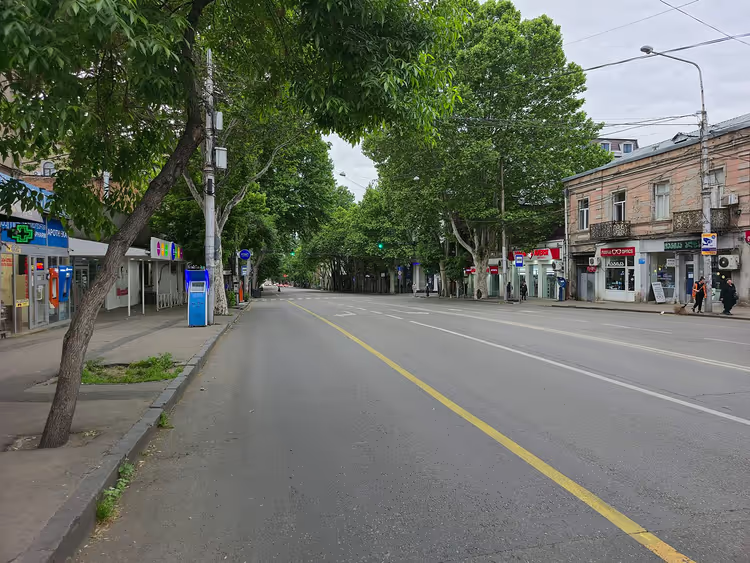
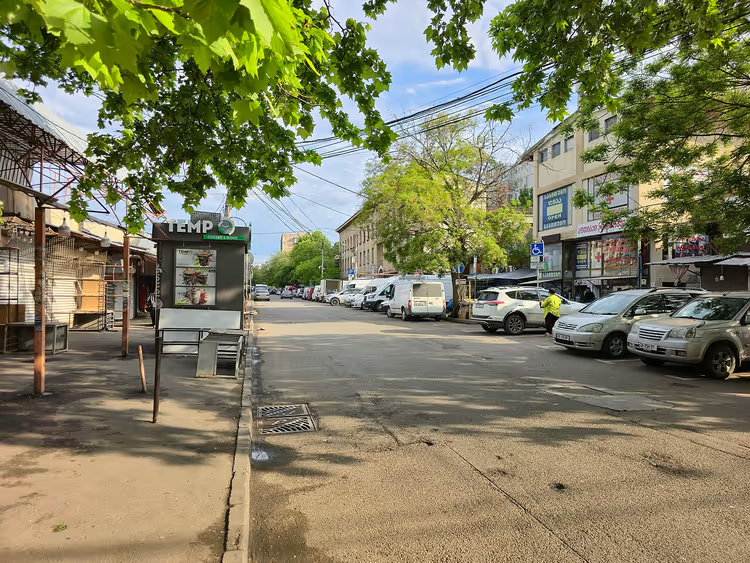
Tsereteli spreads along the left bank of the river, away from Old Town. It's a residential area with almost no tourists or expensive establishments. Getting to the center takes longer than from Avlabari, but housing prices are lower and life follows the rhythm of the locals.
The main reason to come here is the Dezerter Bazaar at Station Square. It's the largest open-air market in Tbilisi: spices, nuts, fruit, meat, and pickles fill entire rows. Vendors happily offer samples, so you'll leave with a full bag of provisions.
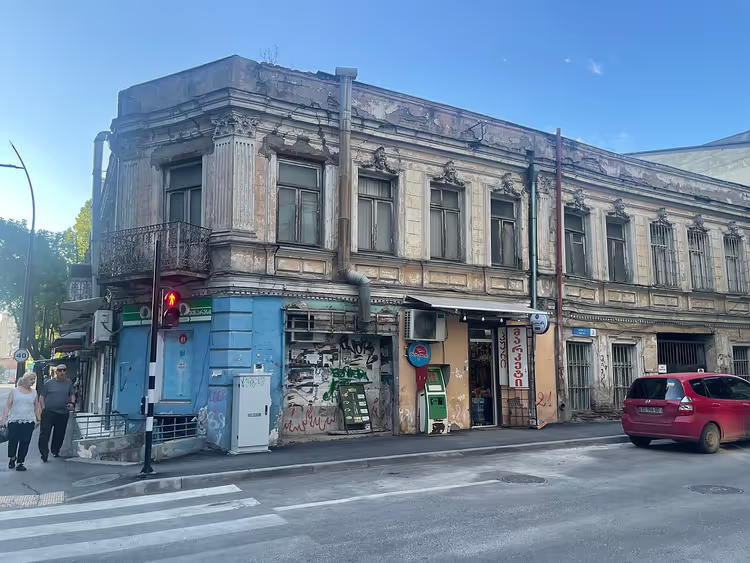 © AlexandreAssatiani · CC BYPhoto: AlexandreAssatiani, CC BY (https://creativecommons.org/licenses/by/4.0), Wikimedia Commons
Street vendors sell around the market, and souvenirs here are cheaper than in the center. The neighborhood also has Dinamo Arena stadium, where local teams play, and Mushtaidi Park with amusement rides. In the evening families with children stroll here.
At Dezerter Bazaar haggling happens row by row, and prices are lower than in the supermarkets of the center. Come in the morning: the selection is better, and by midday the freshest products are gone. Nearby there are cheese dairies and wine shops where you can taste wine before buying.
Mushtaidi Park suits families: it has rides and sculptures that people love to photograph. The evening streets here are quiet, so noisy groups won't keep you from sleeping. You can reach the center by metro in a few stops without transfers.
Groceries at the market are cheaper, so Tsereteli is convenient for those who cook for themselves. If you're staying for a week or more, the neighborhood will save you a noticeable part of your accommodation budget.
The neighborhood is connected to the rest of the city by a metro line. From Tsereteli station you can reach the center without transfers, which is why those who come to Tbilisi for a long stay choose housing here.
Where to stay in Tsereteli
Megi's Cozy Studio
The studio is decorated brightly and unusually, with pop culture details, so it's interesting to live in, not just sleep in. Bakeries, delis, and small shops operate around it, while the neighborhood remains residential and calm. Guests note the coziness and thoughtful layout of the space.
House Tale 1921
The hostel suits those traveling with a backpack. The house has a bar, good coffee, and a small garden that becomes a place to relax after walks. On weekends they host parties with dance lessons, so meeting other travelers is easy.
Hotel Toma's House
A small hotel occupies a picturesque house with a patio surrounded by trees. The rooms are bright and clean, the beds are comfortable, and the hosts help with any questions. Local markets selling fruit, wine, and spices are nearby, so you can easily put together breakfast yourself.
Tsereteli is chosen for its price and atmosphere, not for proximity to sights. If you care about the view from your window and quiet, you'll like this neighborhood.
- Who it's for: those who came for a long stay and want to live in a residential area.
- Not for: those who want to step out of their hotel right into the museums.
- Location: Tsereteli metro station, a few stops to the center.
- The catch: you need to take the metro to the city's main sights; walking is too far.
- Prices: Hotel Toma's House prices on Trip.com
What to see in Tsereteli
- Shopping at Dezerter Bazaar at Station Square, the largest open-air market.
- A rugby or football match at Dinamo Arena stadium.
- Amusement rides in Mushtaidi Park.
- City sculptures in Mushtaidi Park.
- The museum of artist Niko Pirosmani in the house where he lived.
- Local chocolate and sweets at Tkbili Sakhli.
- A quick bite at De Gusti, where mostly locals eat.
5. Vera: a neighborhood for relaxing with kids
Vera borders Old Tbilisi to the north, just past Rustaveli metro station. The area is mostly residential, so it's quieter than the center. Streets climb the hillside, and from the upper points you get a panoramic view of the city.
For families, Vera works better than other neighborhoods. There are fewer bars and nightclubs here, but the zoo, Vera Park, and the Ferris wheel in Mtatsminda Park are all nearby. Walking with kids is easy, but keep the hills in mind: some routes will take you uphill.
You can reach Mtatsminda Park by funicular from the lower station near Old Tbilisi. From there you'll see all of Tbilisi from above. The outing takes half a day if you add the rides and lunch at a cafe on top.
The rides and cafes are right there, and the observation deck overlooks the whole city. Tbilisi Zoo sits at the foot of the neighborhood, so it's easy to visit with kids after lunch.
A walk through Vera Park takes under an hour if you don't linger on the lawn. Dinner at Varazi restaurant suits families: the menu is simple, portions are large, and there are no rowdy crowds. The upper streets of the neighborhood look out over the river and bridges, so take photos before sunset.
Keep in mind that the way back is almost always downhill, but the climb to your hotel will have to be done on foot or by taxi. The neighborhood is less suited to a short visit: you'll have to cross the hill to reach the main museums.
Where to stay in Vera
Hotel British House
A small hotel in Vera known for its attentive hosts. The rooms come with everything you need, and the property itself looks well cared for. Guests note that the owners put a lot of effort into the house, so the atmosphere is warm and homey.
HB Apartments Pier Kobakhidze II
Apartments on Rustaveli work well for longer stays: there's a fully equipped kitchen. A large window looks out over the city, and you can walk to the main central streets. The option is convenient for families or anyone staying several weeks.
Hostel Nomad
The hostel is aimed at backpackers. Beds have privacy curtains, plus there are lockers, a shared kitchen, and a common area where it's easy to meet other travelers. The place is quiet, so you'll sleep well after a long day.
Vera suits families and anyone who wants quiet near the center. Just keep the terrain in mind: part of the route always goes uphill.
- Who it's for: families and anyone who values calm, green streets.
- Not for: anyone looking for bars and nightlife.
- Location: Rustaveli metro is nearby, and Old Tbilisi is within walking distance.
- The catch: the neighborhood is on a hill, part of the route goes uphill, and with a stroller it's noticeable.
- Prices: prices at Hotel British House on Trip.com
What to see in Vera
- A walk through Vera Park and a picnic on the grass.
- The Ferris wheel and rides in Mtatsminda Park.
- Tbilisi Zoo, located right next to the neighborhood.
- Dinner at Varazi restaurant: a simple menu that kids like.
- A walk through the neighborhood's inner courtyards and a search for city gardens.
Getting around Tbilisi: metro, buses, and connectivity
The metro and buses are convenient ways to get around the city. A ride costs 1 lari, a Metromoney card costs 2 lari, and transfers from metro to bus are free within 90 minutes (as of 09/2026, Tbilisi Metro fare overview). You can also pay with a contactless bank card right at the turnstile.
Two metro lines connect the center with both banks of the river. Station Square and Rustaveli stations are convenient for staying in the center, Avlabari leads to the neighborhood of the same name, and Tsereteli to a residential area on the left bank. Trains run from early morning until late evening.
The cable car to Narikala Fortress has a separate fare and is not included in a regular ride. During the day it's the fastest way up to the observation deck and the Kartlis Deda statue.
Taxis in the city are inexpensive, but order a car through an app rather than from the street. Drivers in the center often quote tourists a fixed price, so the app is a better deal. Cars arrive within a few minutes.
If you need mobile internet from day one, the easiest option is an eSIM. You set it up at home before your flight, and you're online as soon as you land. You can compare options on Yesim.
What to bring to Tbilisi
Before your trip, pack the small items a hostel won't give you. Here are the things that most often come in handy on a trip to Georgia.
Earplugs. In a dorm, a roommate may snore, and your sleep is gone. A good pair of earplugs solves the problem, and they take up less space than a matchbox.
A mesh laundry bag. It's compact but very practical. Dirty clothes stay separate and don't smell, and the bag takes up minimal space in transit.
A microfiber towel. Towels in hostels take a long time to dry, so having your own is always more convenient. Microfiber takes up little space, dries quickly, and can double as a blanket on the road.
A filter bottle. Drinking water saves money and cuts down on plastic. This kind of bottle purifies tap water, so you won't have to buy water every day.
Travel insurance for Tbilisi
Get insurance before your flight. The policy covers medical treatment and unexpected expenses during your trip, and it takes a few minutes to arrange online. You can compare insurance options on EKTA.
If you already know your travel dates, check accommodation options in Tbilisi for your specific period right away.
Find hotels in Tbilisi
Compare prices across booking sites and filter for rooms with free cancellation.
Compare prices on Trip.comThe widget loads once you give your consent.
⁉️🤔 Frequently asked questions
Which neighborhood in Tbilisi should I stay in on my first visit?
For a first trip, choose Vake or Old Tbilisi. In Vake you live in a quiet, green area next to Vake Park, and you can reach the center by bus. Old Tbilisi is convenient because all the main sights are within walking distance, so you can see more in a short time. Both options work well for getting to know the city.
Where can I find cheap accommodation in Tbilisi?
The most affordable accommodation is in Avlabari and Tsereteli. In Avlabari you're a twenty-minute walk from the center and close to Avlabari metro station. In Tsereteli prices are even lower, but you'll have to travel to the sights. Hostels in these areas cost noticeably less than hotels in the center.
Which Tbilisi neighborhood is best for nightlife?
Old Tbilisi works best. Bars, wine houses, and clubs are on every street, with wine shops and workshops in between. An added plus is that at night you walk back to your hotel instead of hunting for a taxi. If you need sleep, choose Vake or Vera.
Which Tbilisi neighborhood is best for living with kids?
Vera suits families better than other neighborhoods. It has quiet residential streets, and the zoo, Vera Park, and the Ferris wheel in Mtatsminda Park are all nearby. The only catch is the terrain: part of the route goes uphill, so walks with a stroller are harder. Vake also works, with a large park nearby.
Is it worth renting a car in Tbilisi?
For getting around the center, you don't need a car. The streets of Old Tbilisi are narrow, parking is hard to find, and the metro and buses are cheaper and faster. Renting makes sense if you plan to leave the city for the mountains and monasteries. In that case, rent a car only for the days outside the city, not for the whole trip.
In short: what's worth booking
Choosing a neighborhood in Tbilisi comes down to three scenarios. If you're visiting for the first time and want peace and quiet, go with Vake. If budget matters, stay in Avlabari or Tsereteli. If you want nightlife and everything within reach, choose the Old Town.
- If you're traveling with kids, go with Vera or Vake.
- If you're on a short weekend visit, stay in the Old Town.
- If you're staying long-term and working remotely, Tsereteli or Avlabari will work well.
In high season, there are fewer available rooms in the center, so it's worth booking accommodation in advance, a couple of months before your trip, when the hotel selection is largest and prices haven't gone up yet.
It's convenient to browse accommodation options for your dates in a single search where you can see prices, available rooms, and guest reviews all at once. Find a hotel in Tbilisi on Trip.com
City tours and day trips outside the city should also be booked in advance, because popular groups fill up quickly and spots run out within a few days. Tbilisi tours on GetYourGuide
It's easier to compare flight prices by date, especially if your trip falls on holidays or school breaks, when schedules change and prices rise. Tbilisi flights on Kiwi.com

A small editorial team writing guides for independent travel. We travel ourselves, but we haven’t been everywhere, so we check prices, opening hours and how to get there against official sources.