
















Coffee, mopeds and baguettes: 8 surprising facts about Vietnam
Vietnam surprises a tourist from the very first intersection. Everything here works differently: on the roads, in food, and even in familiar prices. Some European rules simply don't apply here.
There are almost no passenger cars, but there are about 77 million mopeds (as of 09/2026, data from VietnamNet agency). Below are eight facts that explain this way of life and will help you plan your trip without surprises.
Vietnam in eight facts
💡 In short:
- Transportation runs on mopeds: there are tens of millions of them, and few passenger cars.
- Coffee and rice make the country a world export leader.
- Alcohol is expensive: the special tax is high and keeps rising.
Topic | In short | As of (09/2026) |
|---|---|---|
Transportation | about 77 million mopeds | |
Coffee | second in the world | |
Rice | about 8 million tons in 2025 | |
Alcohol | special tax up to 90% by 2031 |
1. Baguette and banh mi: French heritage
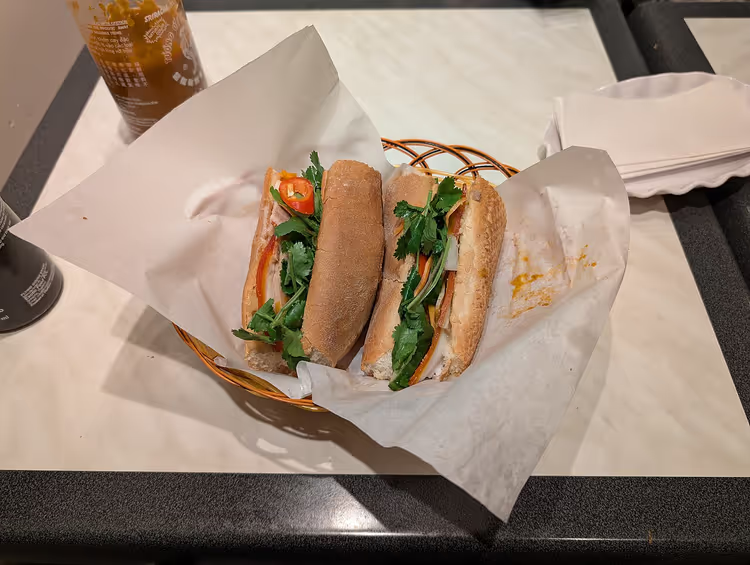
France ruled Vietnam for almost a hundred years, and bread took root here. French baguettes are sold on every corner. They are shorter than European ones because rice flour is added to the dough.
The baguette is used to make the main street food, banh mi. Inside goes fried meat, fish, vegetables, pate, and even fried eggs. This snack replaces a full lunch and costs less than a European lunch. Buy it where a fresh batch sells out fastest, usually at busy morning stalls.
2. Mopeds instead of cars
 © cloud.shepherd · CC BYPhoto: cloud.shepherd, CC BY (https://creativecommons.org/licenses/by/2.0), Wikimedia Commons
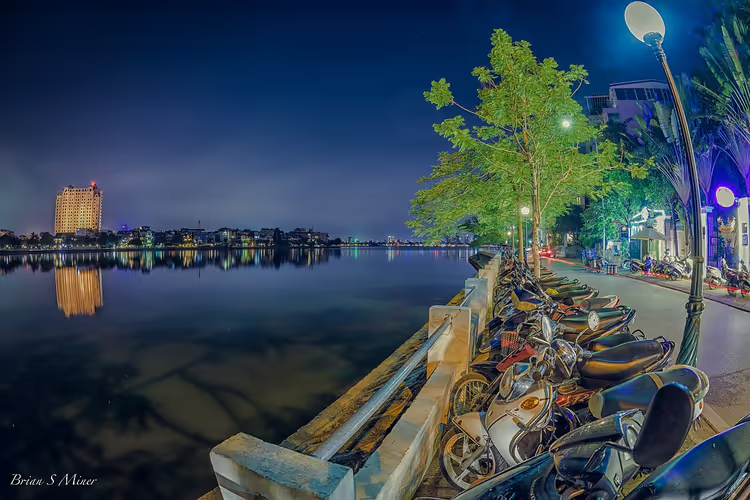
In Vietnam, a moped replaces a car. Motorcycles account for 85-90% of road traffic (VietnamNet agency). There are few passenger cars because they are expensive.
An imported car gets loaded with taxes. The duty reaches 50-80%, plus a special tax and 10% VAT (ASEAN NCAP overview). The final price ends up noticeably higher than in Europe, so most families stay on two wheels.
For you, this means streets look like a continuous stream of motorcycles. If you rent a bike, practice on a quiet street first.
3. Pedestrians are not the priority here
 © Christophe95 · CC BY-SAPhoto: Christophe95, CC BY-SA (https://creativecommons.org/licenses/by-sa/4.0), Wikimedia Commons
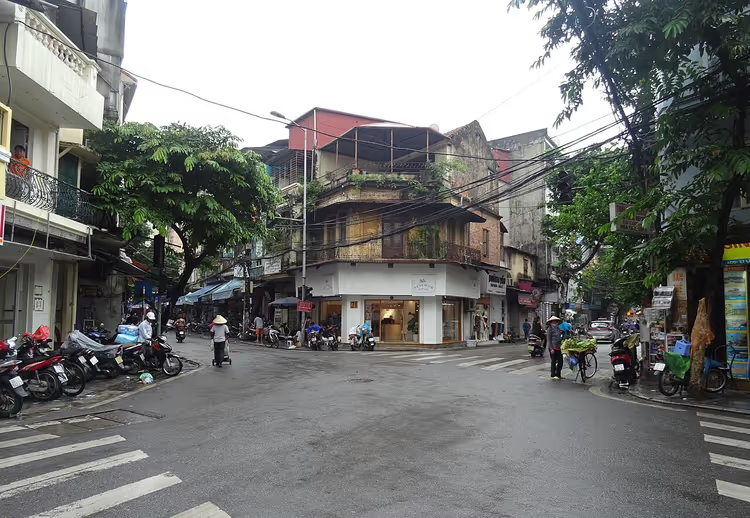
Formally, pedestrians in Vietnam have almost no right of way. They are rarely seen as traffic participants. However, crossing the street is easier than it looks from the outside.
Start moving slowly and don't change your pace. The flow of mopeds will go around you on all sides. Keep a steady speed and don't turn back.
4. Why the streets never go quiet
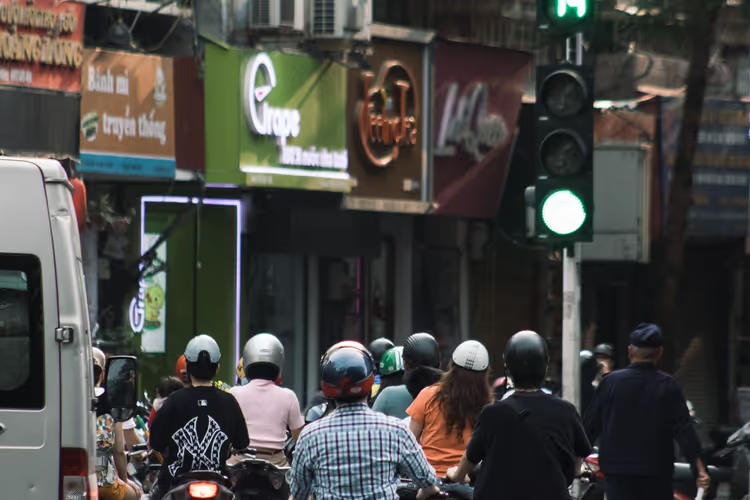
The horn in Vietnam is not used to annoy people. It is how a driver signals a maneuver so others can go around them. That is why the streets do not go quiet even in the evening.
Drivers honk early and briefly. The sound means "I am here," not "get out of the way." You will quickly stop noticing this constant background noise.
- The catch: in the first few days the noise is tiring, especially during rush hour.
5. Rice and manual labor
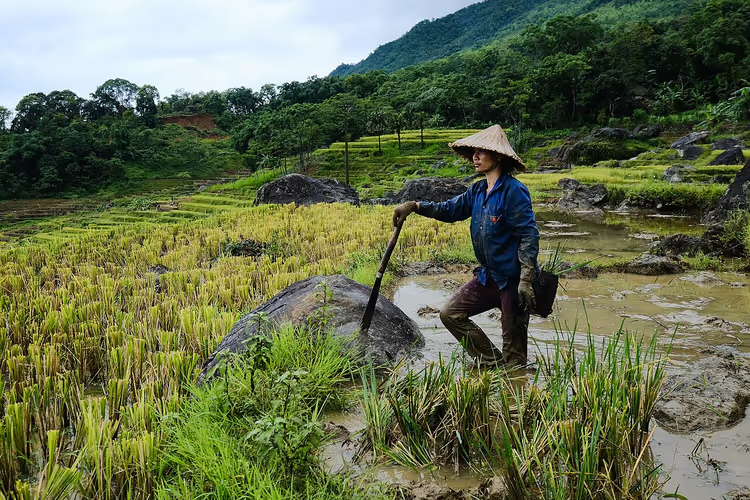 © Vinnie Cartabiano · CC BYPhoto: Vinnie Cartabiano, CC BY (https://creativecommons.org/licenses/by/2.0), Wikimedia Commons
Rice is the foundation of Vietnam's cuisine and exports. As of the end of 2025, the country holds second place in the world for rice exports, around 8 million tons (data from Vietnam.vn).
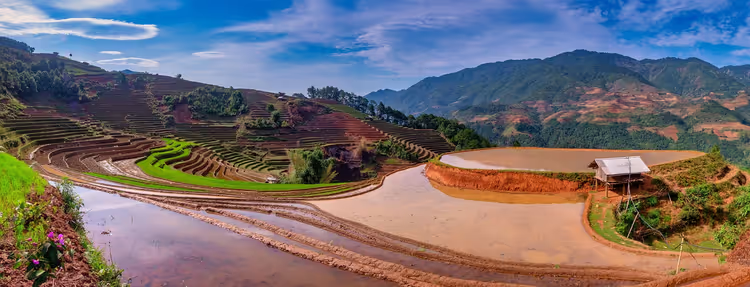
Most rice is grown in river deltas, not on mountain terraces. Some of the work there is still done by hand. The harvest depends on water and the rainy season, and rice holds first place on the table in every region of the country.
6. Alcohol: high tax instead of duty free
Vietnam should not be compared to a big duty-free zone. Alcohol here is subject to a high special tax: the rate has risen to 65% and under the 2025 law will climb to 90% by 2031 (Vietnam Briefing analysis).
In practice, imported wine and cognac are more expensive than tourists expect. Do not count on cheap alcohol as a good buy.
7. Coffee: second place in the world
Vietnam ranks second in the world for coffee production and first for robusta. In the 2025/26 season, production is forecast at 30.8 million 60 kg bags (VNA agency).
The most common drink here is black coffee with ice and condensed milk. If you are bringing beans home, choose packaging that clearly states the variety. Tourists often complain about counterfeits, so check the ingredients on the label.
8. Handmade silk paintings
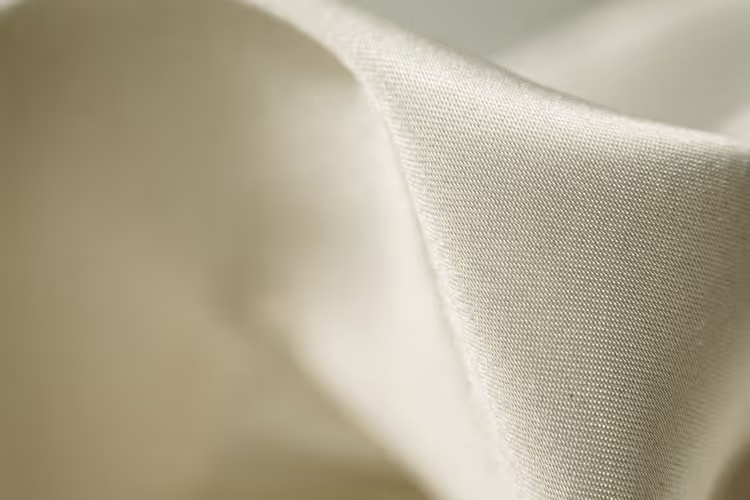
Silk is one of Vietnam's old crafts. Silk paintings (tranh lua) are created by layering paint on fabric. Each piece is unique because the fabric absorbs the paint differently.
Prices for these works vary widely: from small souvenirs to original panels. Some buyers consider silk paintings a good investment, since their prices are rising.
Want to pack your suitcase wisely? Check out this souvenir selection.
Practical notes for your trip
Plan your route with extra time. Distances on the map look short, but on the road the hours go by quickly. In cities, it is more convenient to take a taxi through an app than to hail a car on the street.
Exchange money at banks and jewelry stores, not at the airport: the rate there is usually worse. Buy street food where it is cooked in front of you and there is a line of locals.
For the north of the country, autumn and spring are the best seasons. In summer it is hot and humid, and during the rainy season some roads get washed out.
⁉️🤔 Frequently asked questions
Why are there so few passenger cars in Vietnam?
Passenger cars are subject to several taxes at once (data from ASEAN NCAP). A detailed breakdown is given in the section on mopeds. Because of this, most people ride a moped.
Is Vietnamese traffic dangerous for pedestrians?
Crossing is not scary if you move slowly and at a steady pace. The flow of mopeds goes around you on its own, and you quickly get used to it.
How many mopeds are there in Vietnam?
Vietnam has about 77 million mopeds registered (VietnamNet report). This figure is among the highest in the world.
What coffee do people bring home from Vietnam?
Vietnam is the world's second-largest coffee producer and the top supplier of robusta (VNA data). Buy beans or ground coffee with the variety clearly stated on the package, otherwise you can easily end up with a blend. Robusta is strong, with a dense and bitter taste.
What to bring from Vietnam besides silk?
Besides silk paintings, tourists bring home coffee, tea, ceramics, and spices. We covered silk above, and gathered the other ideas in a souvenir guide with prices and addresses. This is the most practical starting point for gifts.
In short: what to remember about Vietnam
Vietnam runs on mopeds, rice, and coffee. Understanding these details changes your trip, because local roads and commerce work differently than in Europe.
- If traffic gets in your way: choose accommodation in the center and walk.
- If you want gifts: look at silk paintings and coffee beans.
- If you are watching your budget: remember that imported alcohol is more expensive than it seems.
If you are planning a trip, start with the souvenir guide.

A small editorial team writing guides for independent travel. We travel ourselves, but we haven’t been everywhere, so we check prices, opening hours and how to get there against official sources.