
















Bora Bora: season, accommodation and things to do in the lagoon
Bora Bora looks like a postcard, and in reality the island does not disappoint. But getting here is long, and overwater bungalows cost as much as a business-class car. Without a plan, you will spend more and see less.
Below we cover the season, getting there, accommodation, food, and lagoon activities. That way you can plan your trip calmly, without rushing once you arrive.
Ad: this article contains affiliate links, we earn a commission if you book through them, at no extra cost to you.
Tips before traveling to Bora Bora
💡 In short:
- No visa is required for EU, EEA, and Swiss citizens for stays of up to three months (as of 09/2026, Tahiti tourism office).
- Best season to visit: June through October, when rainfall is lowest.
- Access, season, and visa rules: 09/2026, verified on the official tourism office website.
The climate here is steady. Air and water stay in a warm range year-round, so swimming is comfortable in any month. Downpours can happen in any season, but they usually don't last long.
During the rainy months, pack a rain jacket and closed waterproof shoes.
There is only one form of public transport on the island. A bus runs between Vaitape and the beaches, with intervals of about an hour. Waiting for it is tedious, so you have alternatives:
- taxi;
- bicycle;
- scooter.
There's no need to worry about language. The main languages here are French and Tahitian, but English will be enough in hotels, restaurants, and on excursions.
What should you definitely bring?
The list is short, but it saves you from shopping trips on your first day. Bring what you'll use every day:
- sunscreen;
- a hat;
- a charging adapter;
- a water bottle;
- a sleep mask and eye drops.
Think about connectivity separately. A virtual SIM for internet on the island can be set up before departure, so you'll stay connected right after landing.
How to get there?
The journey is long, and it's the biggest time expense. There are no direct flights from Europe: you need to fly via Tahiti. The main route from Europe goes through Paris.
- Via Paris: Air Tahiti Nui or Air France flights with a stopover in Los Angeles (LAX) or Seattle.
- For a stopover in the US, apply for ESTA electronic authorization in advance.
The last leg is the same for everyone. From Tahiti to Bora Bora, you take a ferry or a short flight to Motu Mute Airport. The flight takes under an hour, while the ferry takes noticeably longer.
It's better to arrange the airport transfer in advance. Book a transfer before departure so someone meets you on arrival.
A connection in Tahiti almost always means an overnight stay. Plan for it in advance, otherwise you'll spend the first day of your vacation at the airport.
Tours and tickets in Bora Bora
Guided tours, skip-the-line tickets and activities — most offers can be cancelled free of charge.
See offers on KiwitaxiThe widget loads once you give your consent.
Where to stay?
On a Bora Bora vacation, people stay at full-service hotels. Many have their own beach area, bars, and pools, and excursions and tours are offered right at the front desk. Your choice of accommodation shapes the entire trip, so compare options in advance.
Option | Type of accommodation |
|---|---|
The St Regis Bora Bora Resort | large resort |
InterContinental Bora Bora & Thalasso Spa | large resort |
Four Seasons Resort Bora Bora | large resort |
Maitai Bora Bora | overwater bungalows |
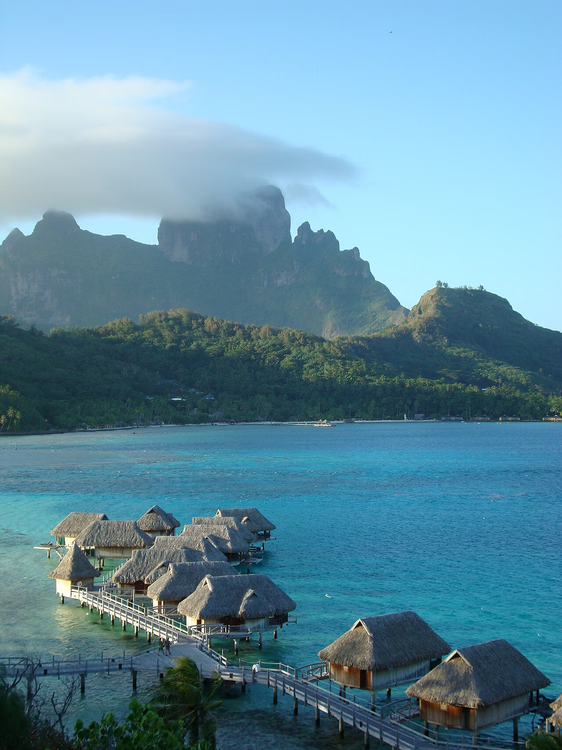
If you want to feel close to nature, book a bungalow. They are scattered around the island, and from them you can see the water and marine life at any time of day. That's exactly the format Maitai Bora Bora offers.
Check hotel prices for Bora Bora on Trip.com
 © User: (WT-shared) Tensaibuta at wts wikivoyage · CC BY-SAPhoto: User: (WT-shared) Tensaibuta at wts wikivoyage, CC BY-SA (https://creativecommons.org/licenses/by-sa/1.0), Wikimedia Commons
What to see?
Bora Bora is like a natural aquarium. Its waters are home to turtles, tropical fish, stingrays, and reef sharks, and the lagoons are framed by coral reefs. Lagoon tours on GetYourGuide are easy to book in advance if you don't want to arrange things on the spot.
We've put together five activities that give you a real sense of the island.
Snorkeling with sharks and stingrays
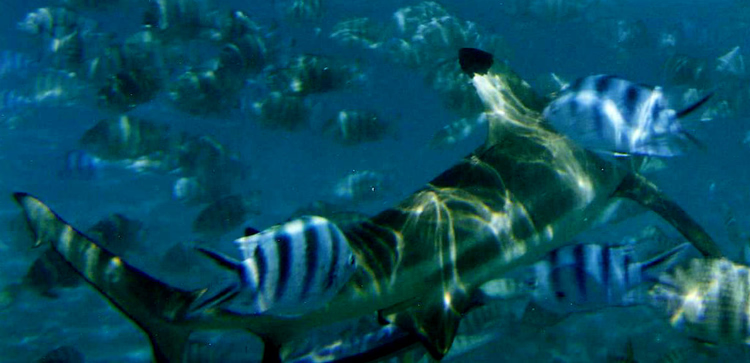
Snorkeling with sharks in warm water goes beyond the usual. You swim with a mask and snorkel in shallow water, so you can stand up at any time.
The first stop is the stingray area. They're watched and fed, and they come up close. Then the group moves on to blacktip reef sharks, which live in the waters of the Indian and Pacific Oceans.
Everyone swims under the supervision of an instructor, and the sharks and stingrays are not dangerous to people. You can often see them at arm's length, so bring an underwater phone case.
- Who it's for: beginners, because the water is shallow.
 © Erik Charlton · CC BYPhoto: Erik Charlton, CC BY (https://creativecommons.org/licenses/by/2.0/), Flickr
Hiking up Mount Pahia
The island's two main peaks rise above the lagoon. Mount Otemanu is higher and only suitable for experienced and physically fit people. Pahia is considered an easier goal, but you can't call it a walk.
The trail starts near the center of Vaitape and winds through the jungle, and on steep sections hikers pull themselves up using fixed ropes.
Hire a guide if it's your first time. Locals know the island better than tourists and will get you to the summit safely. From the top, the views are worth enduring the climb.
- What to bring: water, closed-toe shoes, and plenty of time.
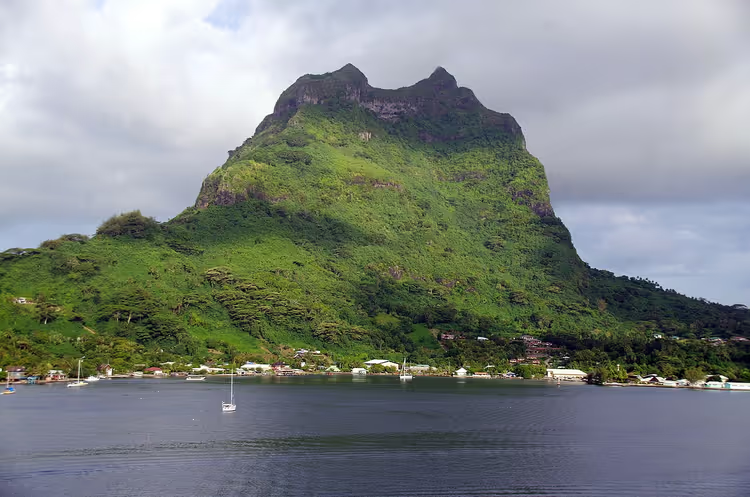 © Balou46 · CC BY-SAPhoto: Balou46, CC BY-SA (https://creativecommons.org/licenses/by-sa/4.0), Wikimedia Commons
Matira Beach
Matira has repeatedly made international lists of the world's best beaches, including CNN roundups. It's a public beach in the southern part of the island, and its fame rests on the lagoon itself: the water shifts from pale to turquoise.
The entry into the water is gentle, and the sand is fine. Colorful fish swim near the shore, and coral reefs begin further out. Relaxing here is free; you just need a towel, swimsuit, bottle of water, and a beach mat.
The easiest way to get there is by taxi. The ride from central Vaitape takes about ten minutes, and you should pay in local currency. The bus runs infrequently, so don't be late and keep an eye on the time.
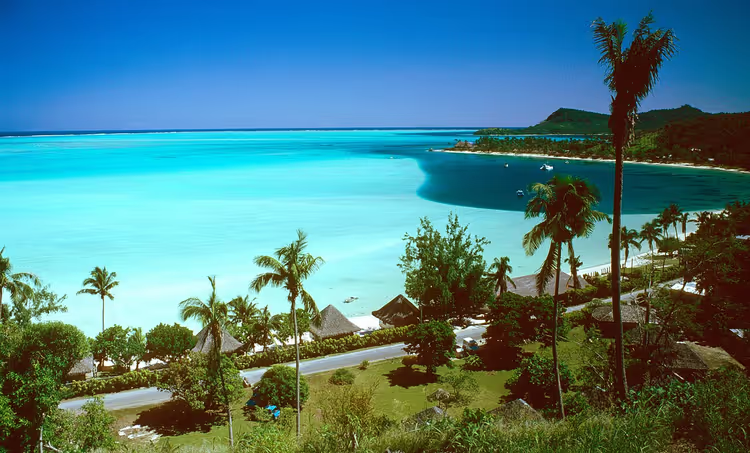 © The original uploader was Sba2 at English Wikipedia . · CC BYPhoto: The original uploader was Sba2 at English Wikipedia ., CC BY (https://creativecommons.org/licenses/by/2.5), Wikimedia Commons
Visit the Bora Bora Turtle Center
Bora Bora Turtle Center is a nonprofit project that works with the Ministry of the Environment. They don't just keep turtles here: they treat them and return them to the ocean.
Injured sea turtles have been brought to the center for more than twenty years. They're monitored until the animal is ready to return to its natural habitat.
Inside there's a lagoon with several species of tropical fish that are fascinating for both kids and adults: it's a good alternative if you don't feel like snorkeling.
You can help care for the turtles: cleaning their shells and feeding them. The staff answer questions about rehabilitation, and you can swim near the turtles at the end of your visit.
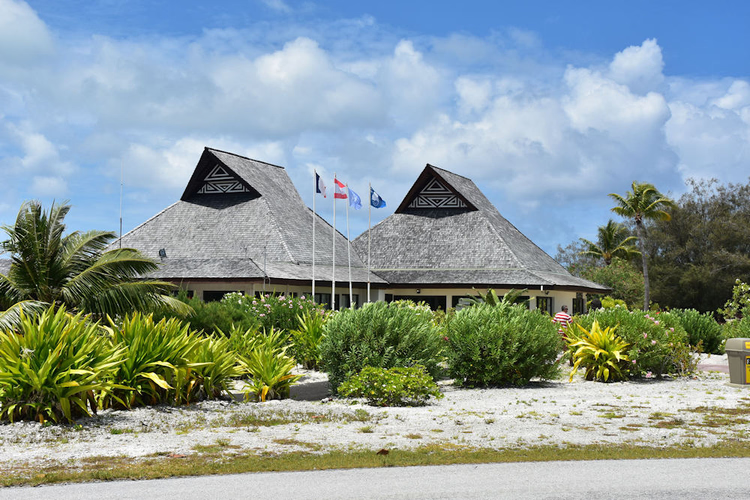 © LecomteB · CC BY-SAPhoto: LecomteB, CC BY-SA (https://creativecommons.org/licenses/by-sa/4.0), Wikimedia Commons
Exploring the lagoon by paddleboard or boat
Rent a paddleboard or boat and explore the lagoon on your own. You set the pace, stop wherever you like, and don't have to fit into a group schedule.
The lagoon is home to stingrays, turtles, reef sharks, and corals. This kind of outing works for both younger and older visitors, because anyone can paddle at a comfortable pace.
This isn't a scheduled tour, so allow plenty of time. Head back before sunset so you still have light for photos.
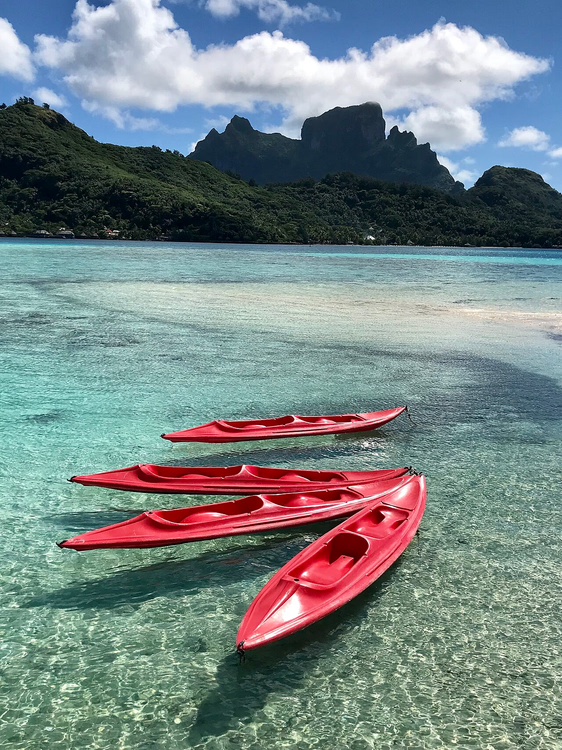 © Athos33320 · CC BY-SAPhoto: Athos33320, CC BY-SA (https://creativecommons.org/licenses/by-sa/4.0), Wikimedia Commons
Bora Bora's national cuisine: what to try and where?
The most famous local dish is poisson cru. Raw tuna is marinated in lime juice and coconut milk, and it's on the menu at almost every restaurant. Some chefs swap the tuna for lobster, octopus, sea urchin, or shrimp, so the dish tastes a little different each time.
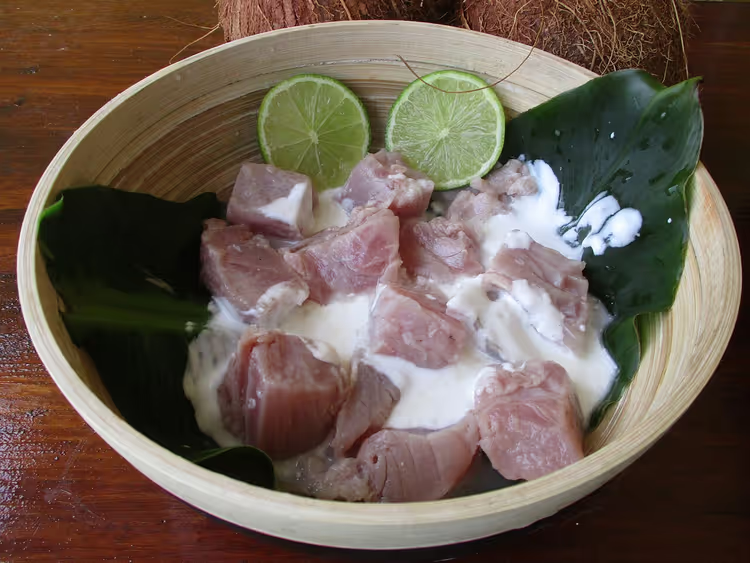 © Arnaud 25 · CC BY-SAPhoto: Arnaud 25, CC BY-SA (https://creativecommons.org/licenses/by-sa/4.0), Wikimedia Commons
For drinks, try the local Hinano beer. It costs less than imported beer because it's brewed in Tahiti rather than shipped in. The bitterness isn't for everyone, but it's worth comparing at least for that reason.
Alcohol is only sold to adults here, and age checks are enforced on the spot. Keep your ID handy if you're planning dinner with wine.
For atmosphere, head to Bloody Mary's. It's a restaurant with its own history and a menu on the official website; Hollywood stars have dined here. For lunch, go for the quesadillas, buffalo wings, burgers, sashimi, and salads. Come in the evening for fresh seafood. There are vegetarian options too, so you won't go without dinner.
A yacht club operates at the restaurant. You can book an evening cruise in advance, and add dinner on the spot.
What souvenirs should you bring back?
Black pearls are the most popular thing people bring back from here. The island has farms that cultivate them, so jewelry is not hard to find here.
There are jewelry stores in Vaitape. Prices are high, but the selection is large. You can visit a pearl market and see how future jewelry is grown and sorted.
Don't rush to buy at the first shop: compare several places and you'll see the difference in quality.
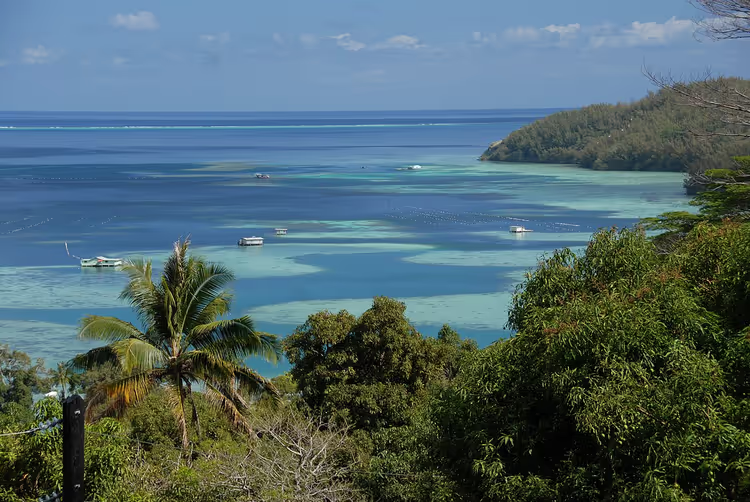 © Henning Axt · CC BY-SAPhoto: Henning Axt, CC BY-SA (https://creativecommons.org/licenses/by-sa/3.0), Wikimedia Commons
⁉️🤔 Frequently asked questions
Do EU citizens need a visa for Bora Bora?
No, a visa is not required if your trip lasts up to three months. Bora Bora is part of French Polynesia, so separate entry rules apply here that differ from standard French rules. Check your passport expiration date and bring printed booking confirmations.
When is the best time to go to Bora Bora?
The best period is the dry season from June to October. During these months there is the least rain, and the lagoon stays calm. The wet season runs from November to March, and that's when heavy rain is joined by high humidity. If predictable weather matters to you, plan your trip for the first window.
How long is the flight to Bora Bora?
There are no direct flights from Europe. First you fly to Tahiti, then you get to Bora Bora by ferry or a short flight to Motu Mute Airport. The journey takes more than a day with connections, so bring water, a sleep mask, and allow extra time between layovers.
Are sharks and stingrays in the lagoon dangerous?
They are not dangerous to people, and all water excursions take place under an instructor's supervision. You swim in shallow water with a mask and snorkel. Stingrays and blacktip reef sharks come close because they are fed. Don't touch the animals with your hands and stay close to the group.
What should you try from the local cuisine?
Start with poisson cru, which is raw tuna in lime juice and coconut milk. Then try the local Hinano beer and shrimp with rice. Bloody Mary's serves fresh seafood and vegetarian dishes. Alcohol is sold only to adults, so keep your ID handy.
Where should you stay on Bora Bora?
For full service, choose large resorts like The St Regis Bora Bora Resort, InterContinental Bora Bora & Thalasso Spa, or Four Seasons Resort Bora Bora. If you want to wake up over the water, book an overwater bungalow, like at Maitai Bora Bora. It's convenient to compare prices in advance, along with flights.
In short: what's worth booking
The matrix is simple. If you're short on time, take a hotel on the main island and one lagoon excursion. If you're going for privacy, look at a resort with a private beach and overwater bungalows. If you want to see as much as possible, add the hike up Mount Pahia and a day at Matira Beach.
Accommodation and tours are best booked in advance: during the dry season, good options get snapped up quickly. Bora Bora hotels on Trip.com and compare excursions on GetYourGuide.

A small editorial team writing guides for independent travel. We travel ourselves, but we haven’t been everywhere, so we check prices, opening hours and how to get there against official sources.