















Cicchetti in Venice: twelve snacks and how to order them
Cicchetti in Venice are eaten standing, at the counter, one piece at a time. That's how locals do it: they stop into a bacaro after work, grab two or three snacks, an ombra, and leave fifteen minutes later. To a visitor, it looks like a display case of tiny sandwiches, where the price depends on how close you are to St. Mark's Square.
Cicchetti are not "Venetian tapas" but a food format you assemble yourself. A glass of wine with the snacks is also part of the ritual here, and the Visit Venice guide describes the snacks as small portions at the counter (updated 09/05/2026).
Below are the twelve main types, the rules for ordering at the display case, and three plans for the day.
Ad: this article contains affiliate links, we earn a commission if you book through them, at no extra cost to you.
What Cicchetti are and where they're served
💡 In short:
- Cicchetti are small snacks you take individually at the counter, not at a restaurant table.
- You order at the display case: point at what you want or ask "Quali cicchetti avete oggi?"
- With the snacks you get an ombra, a small glass of wine, less often a spritz.
- Snack ingredients and presentation: 09/2026, verified in the Visit Venice guide.
Cicchetti are small snacks traditionally served in Venice and the Veneto at bacari, small wine bars. A portion can be a piece of bread with a topping, a spoonful of cream, a mini skewer, a slice of polenta, or something fried. What sets them apart from a plate of antipasti at a restaurant is that you assemble the selection yourself, one item at a time.
Important: this is not a tourist invention. For Venetians, stopping into a bacaro in the late morning or early evening is as ordinary a part of the day as a cup of coffee on your way to work. A glass of wine, two snacks, a short pause between errands.
According to Visit Venice, bacari are simple and informal: guests stand at the counter, drink wine by the glass, and take snacks. That's exactly why a good bacaro has little furniture and a lot of people at the display case.
How to eat Cicchetti without looking like a tourist
Standing at the counter is normal
Many bacari are so small that there are almost no tables. People eat and drink standing, at the counter or by the entrance outside. This isn't a forced measure but part of the format: it lets the bar serve a lot of people in a short time.
If standing is uncomfortable, look for a bacaro with a couple of high tables by the window, though there aren't many of those.
Order from the display case or the daily offering
The snacks are usually laid out in a display case or right on the counter, and you can pick what you want with a simple gesture. It's also fine to ask: "Quali cicchetti avete oggi?", meaning "what snacks do you have today."
The answer will tell you what's fresh, and if they name a dish that isn't in the display case, take it: it was made today.
A glass of wine with the snacks
The classic pairing with Cicchetti is an ombra, a small glass of wine, often house wine, and some guests go for a spritz. Ask what's open today: the open bottles change over the course of the day, and so does the taste of the wine.
What it costs in practice
Cicchetti remain the most affordable way to eat in the city: you pay per piece, not for a restaurant set. The rule works strictly: the closer the display case is to St. Mark's Square, the more expensive the same snack.
Residential neighborhoods offer a noticeably calmer price for the same selection, and you'll hear Italian spoken at the next table more often there.
The twelve main types of Cicchetti
Below is the classic lineup you'll find in almost every bacaro. The ingredients change with the season and the morning catch, so the same baccalà in two bars in the same week will be different. We've organized the snacks so you can assemble a selection at the display case quickly.
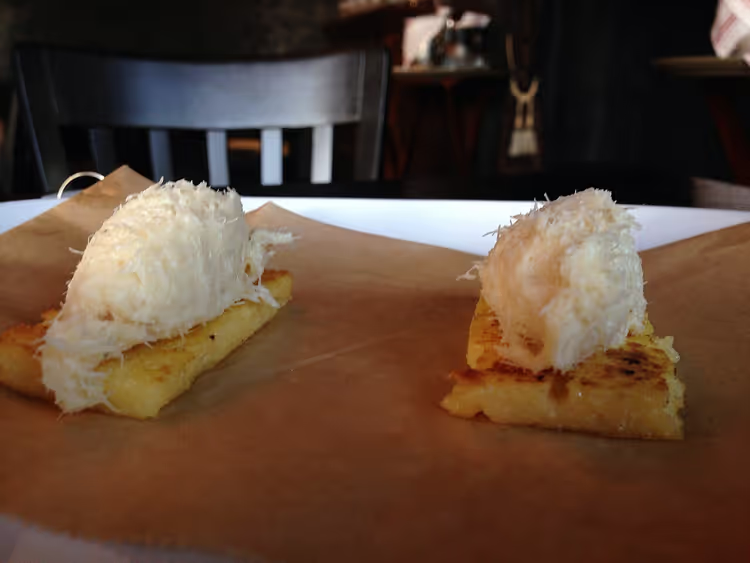
Baccalà mantecato
The most famous type of snack in the city, and the first one worth trying. Dried cod is soaked, boiled, and whipped with olive oil until it becomes a cream, and some recipes add a little garlic, lemon juice, and parsley. The cream is served on bread, crostini, or polenta.
 © Ben & Lisa Waters [1] · CC BYPhoto: Ben & Lisa Waters [1], CC BY (https://creativecommons.org/licenses/by/2.0), Wikimedia Commons
- Taste: creamy, gently salty, with a light fish note.
- Pairs with: dry white wine from the Veneto, and a spritz works too.
- Typical mistake: expecting a "cod salad" when it's actually a smooth cream, not a salad.
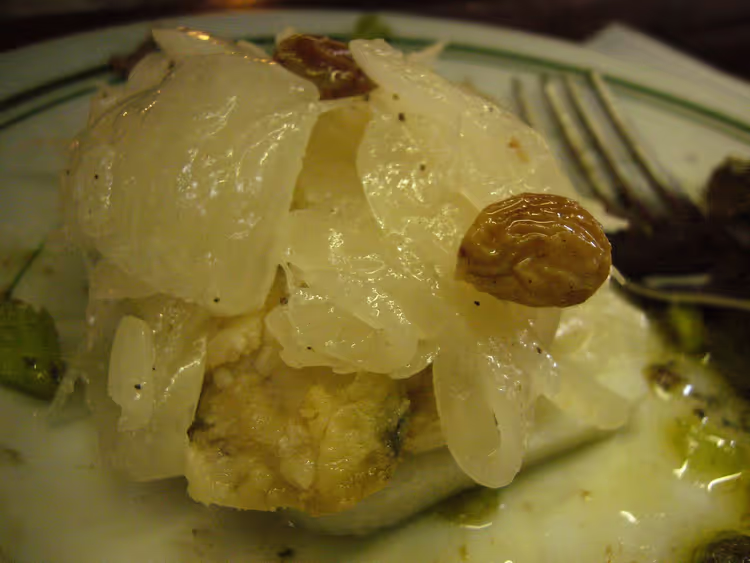
Sarde in saor
The second pillar of Venetian cuisine. Sardines are fried and covered in a marinade of onions and vinegar, often with raisins, sometimes with pine nuts. The result is a sweet-and-sour, rich flavor that's hard to confuse with anything else.
 © ezioman · CC BYPhoto: ezioman, CC BY (https://creativecommons.org/licenses/by/2.0), Wikimedia Commons
- Taste: sweet and sour, oniony, closer to a cold appetizer than a hot dish.
- Where the recipe comes from: the marinade preserved fish in the heat, so the dish came from the kitchens of sailors and merchants.
- The catch: the vinegar and onion are loud, so if you don't like sour flavors, start with one portion.
Polpette
Small balls, most often made of meat, sometimes fish or vegetables, served in Venice as a snack and usually fried. They're an easy option with wine or a spritz.
 © Krysta [1] · CC BYPhoto: Krysta [1], CC BY (https://creativecommons.org/licenses/by/2.0), Wikimedia Commons
- Varieties: polpette di carne, di tonno made with tuna, sometimes di melanzane made with eggplant.
- Who it's for: if you like fried snacks and don't want to start with fish.
Mozzarella in carrozza
The dish is known in other regions of Italy too, but here it's often taken as a snack. Two slices of bread with mozzarella inside are breaded and fried: crispy on the outside, the cheese stretches on the inside.
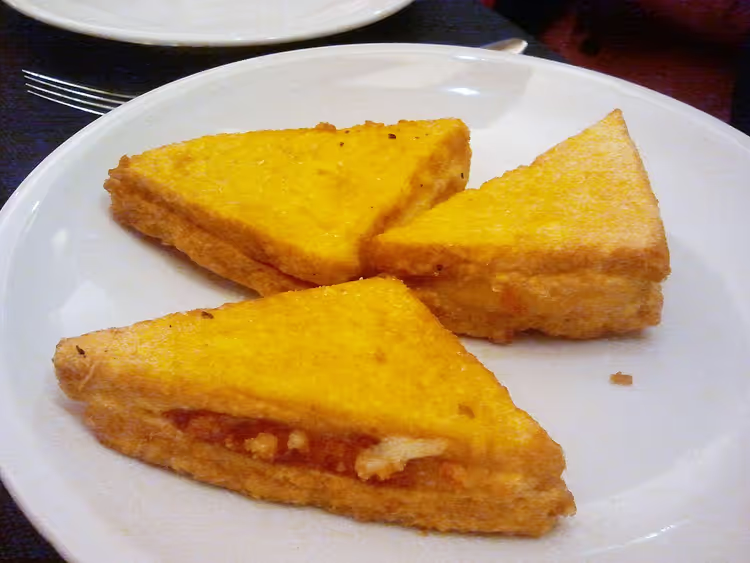 © Catia Giaccherini · CC BY-SAPhoto: Catia Giaccherini, CC BY-SA (https://creativecommons.org/licenses/by-sa/3.0), Wikimedia Commons
- Taste: hearty and simple, more comfort food than gastronomy.
- Who it's for: if you're traveling with kids or don't like fish.
- The catch: it's essentially fried bread with cheese, there's no delicacy in it.
Crostini with radicchio and vegetable creams
Not every Cicchetti is fish-based: the display case often features crostini with vegetable creams, meaning radicchio, artichoke, fagioli beans, or seasonal vegetables.
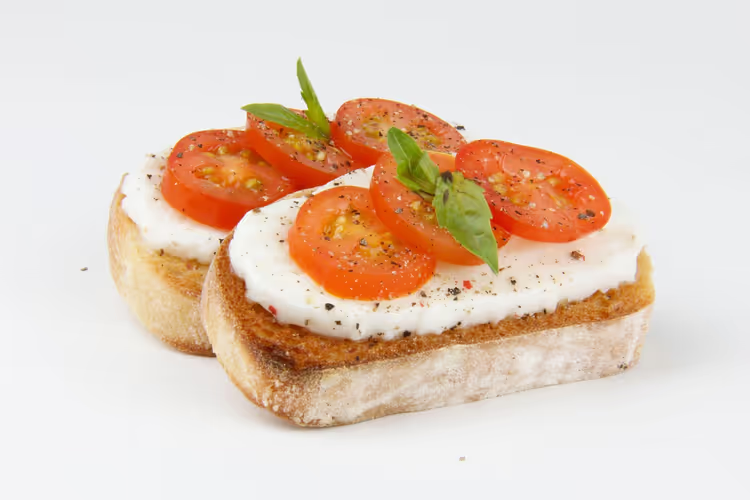
- Who it's for: vegetarians and anyone who's had enough fish for the evening.
- The catch: fish-focused bacari keep few of these options, so the real choice may come down to two types.
Fritto misto
Some bars serve mini portions of fritto misto: small fried fish, squid, shrimp. Technically it's not a classic cicchetto, but people happily order it at the counter, especially with wine.
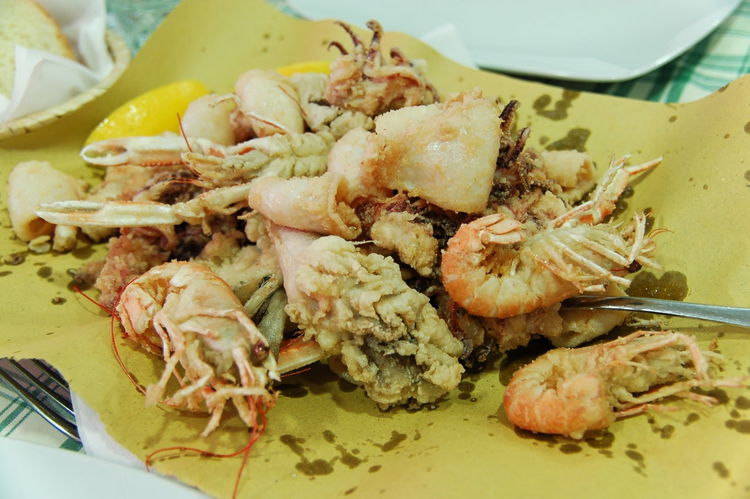 © © Ra Boe / Wikipedia Create the proper attribution for your usage by clicking on this button! This file is licensed unde · CC BY-SAPhoto: © Ra Boe / Wikipedia Create the proper attribution for your usage by clicking on this button! This file is licensed unde, CC BY-SA (https://creativecommons.org/licenses/by-sa/3.0/de/deed.en), Wikimedia Commons
- The catch: in tourist areas fritto misto costs more than other snacks, so ask the price before ordering.
Seppie al nero
Cuttlefish is stewed in its own ink and served as a snack in small portions on polenta or bread. It looks unusual because the dish is black, but the taste is surprisingly delicate.
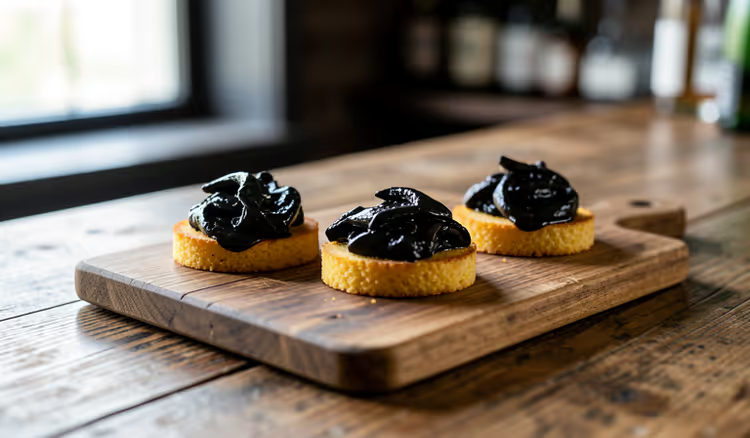 AIIllustrative image: AI-generated
- Flavor: savory, with a hint of the sea, not necessarily "fishy."
- The catch: the ink stains, so it's not a good choice if you're wearing light-colored clothes.
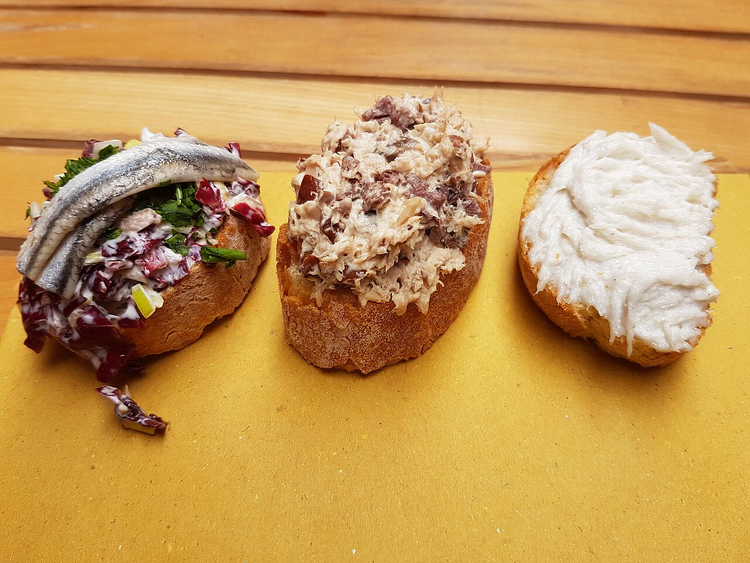
Baccalà in other forms
Besides creamed cod, bacari serve baccalà in pieces, in tomato sauce, or as a salad. If you liked the cream, try two bars in a row: each one has its own take, and the comparison is more telling than a single plate.
 © Benreis · CC BY-SAPhoto: Benreis, CC BY-SA (https://creativecommons.org/licenses/by-sa/4.0), Wikimedia Commons
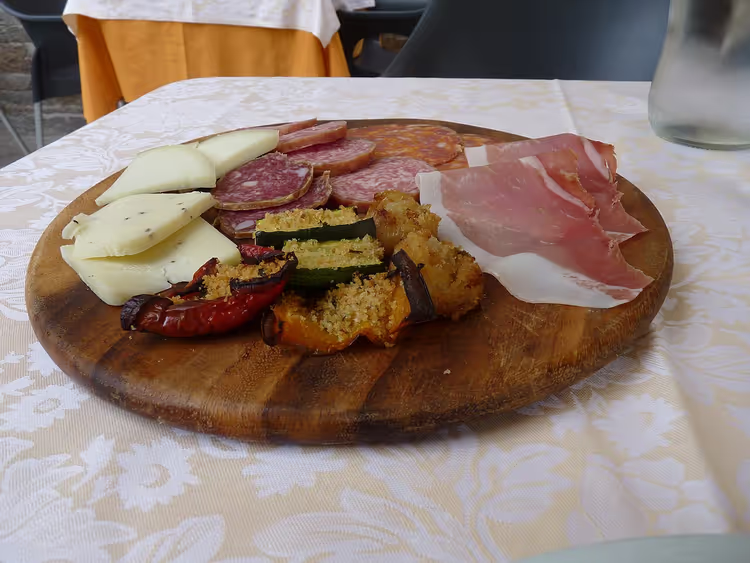
Prosciutto, salami, and cheese
Cicchetti don't have to involve fish. The display case almost always has small portions with prosciutto, salami, and cheese. It looks ordinary, but this kind of spread saves the day for a group where not everyone eats seafood.
 © Much Ramblings · CC BYPhoto: Much Ramblings, CC BY (https://creativecommons.org/licenses/by/2.0), Wikimedia Commons
- Who it's for: groups and people who don't eat fish.
- The catch: these are simple snacks with no surprises, don't expect discoveries here.
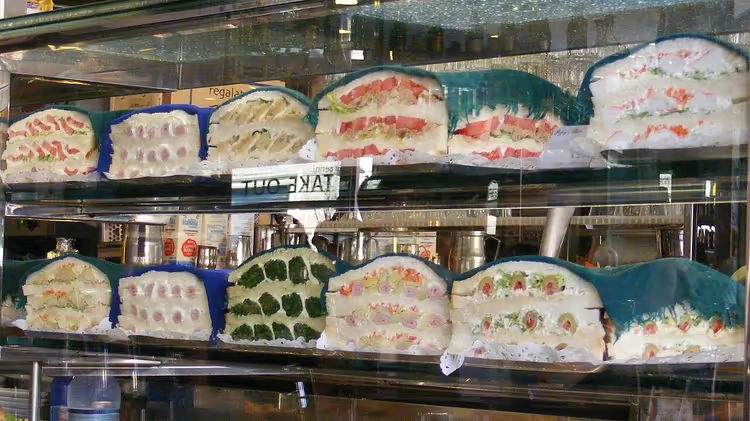
Tramezzini
Strictly speaking, these aren't mini snacks, but they're typical for Venice. Tramezzini are soft white bread with a generous filling: tuna, egg, ham, artichoke, and they sit in the display case from early morning.
- Who it's for: when a small bite isn't enough and you need a proper snack.
- The catch: tramezzini are closer to a sandwich in size, so you'll fill up faster.
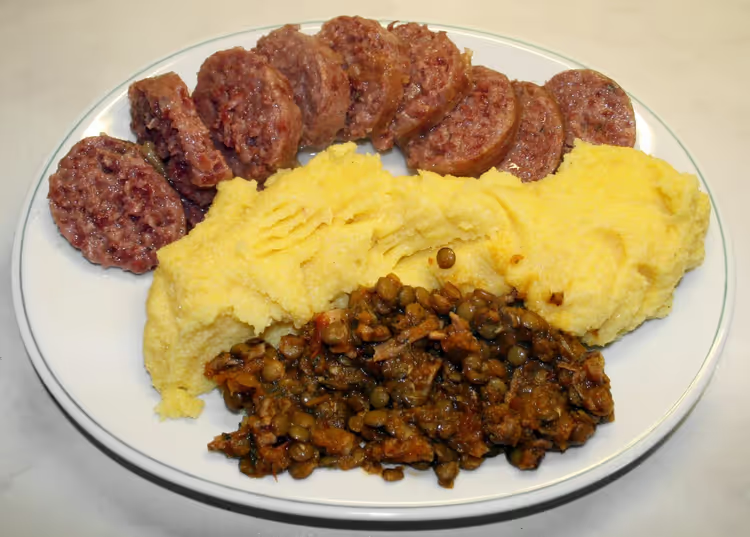
Polenta with toppings
Polenta is a long-standing classic in Northern Italy, and in Venice it's used as a base for toppings: baccalà, seppie, mushrooms, cheese creams. This kind of snack is filling and goes well with a glass of wine.
 © J.P.Lon · CC BY-SAPhoto: J.P.Lon, CC BY-SA (http://creativecommons.org/licenses/by-sa/3.0/), Wikimedia Commons
- Who it's for: when you want something substantial rather than a slice of bread.
Insalata di mare
Seafood salad in small portions also shows up as a snack. It's served cold, often with lemon, herbs, and oil, and it's the same flavors of the lagoon, just in a cold presentation.
 © TuscanyEvents · CC BYPhoto: TuscanyEvents, CC BY (https://creativecommons.org/licenses/by/2.0), Wikimedia Commons
- The catch: the salad may sit in the display case for a long time, so ask what was made today.
Which Cicchetti pair well together
In front of the display case, simple logic helps you order deliberately rather than at random.
- Veneto classics: baccalà mantecato, sarde in saor, and an ombra.
- More fried options: polpette, mozzarella in carrozza, and a spritz.
- For a group: fish, vegetable crostini, prosciutto with cheese, and share everything.
- If you're only a little hungry: one or two bites and a drink, then on with your day.
- If this replaces dinner: four to six bites across two or three bars.
The logic matters more than specific names: these bites are made for sampling, so a mix of different types always beats three similar items.
When to go for Cicchetti
The bites are tied to the time of day, and not every bar keeps its display case stocked all day.
Time | What's happening in the bacari | Who it suits |
|---|---|---|
Late morning and lunch | full display case, calm crowd | if you want to try a lot of things |
After lunch and aperitivo | lively, lots of locals | if atmosphere matters more than quiet |
Evening | some bars shift into restaurant mode | if you're planning a dinner of small bites |
The logic is simple: the display case is at its best in the morning and at aperitivo time. In the evening, a bacaro either stays a bar or becomes a restaurant with a menu and tables, and then eating standing at the counter is no longer an option.
How to fit Cicchetti into a day in Venice
Three practical approaches if you don't want a rigid meal plan but also don't want to wander blindly.
Option A: bites instead of lunch
In the morning, see Piazza San Marco and the Rialto Bridge, then stop into a bacaro in the afternoon and get two bites with water or wine. No heavy lunch means the second half of the day doesn't turn into a sleepy haze.
Option B: bacaro hopping in the evening
Toward evening, head to your first bacaro: one bite and an ombra. After half an hour to an hour, move on to a second bar and repeat. After that, either a light dinner or a third bar on the way back to your hotel.
Option C: bites instead of a restaurant
If you don't want to sit for two hours over an expensive menu, you can build an entire evening around small bites. Two or three bars, four to six bites total, and dinner ends up cheaper than a restaurant bill.
Tours and tastings of bacari
Putting together a bar route on your own is hard in only one way: you can't see in advance exactly what's in the display case and how one bite differs from another. A guided tasting solves this, because the guide takes the group through several bars and explains what's in each bite.
You can browse options on GetYourGuide.
Tours and tickets in Venice
Guided tours, skip-the-line tickets and activities — most offers can be cancelled free of charge.
See offers on GetYourGuideThe widget loads once you give your consent.
Where to stay for an evening of bacari
If you're going bar-hopping in the evening, a hotel in Venice itself saves your energy. Nobody wants to head back to Mestre after wine and small bites. Look at options in Cannaregio and San Polo, where you can walk to the bacari.
It's easy to compare hotels on Trip.com, and for a short trip, pick something within a couple of vaporetto stops of the neighborhood you want.
⁉️🤔 Frequently asked questions
How are Cicchetti different from antipasti?
Antipasti are an introduction to dinner in a restaurant: they arrive on a plate or board, and you sit down at a table. Cicchetti work differently: they're individual bites from the display case that you choose yourself and usually eat standing up. Over an evening, you can visit several bars and try more.
Are Cicchetti always fish?
No. The lagoon and its seafood cuisine are prominent, but the display case almost always has options without seafood. That includes cheese, prosciutto, salami, vegetable creams on crostini, polenta, and fried bites. Asking for "something without fish" works here, and they'll happily offer you a substitute.
How many bites replace dinner?
Here's a rough guide: one or two are enough for a snack, four to six with a drink make a light dinner. If your order includes tramezzini or polenta, you'll feel full faster because those are more substantial. Judge by what's in the order, not just the number of items.
Can you go to a bacaro with kids?
Yes, and it's best to stick with mild options: mozzarella in carrozza, polpette, polenta with cheese, prosciutto with bread. Eating standing up is awkward for small children, so look for a bacaro with a couple of tables by the window or get the bites to go and eat on the waterfront.
How do you tell a tourist spot from a bacaro for locals?
The signals are simple: a display case labeled only in English, a menu full of promises, a room full of visitors, prices higher than in neighboring areas. If Venetians are standing at the counter speaking Italian, that's a good sign. Also check whether the selection changes from day to day.
Do you need to book a table?
In classic bacari, you don't book a table because you eat standing at the counter. Booking makes sense for a tasting tour, where the group moves through bars on a schedule, or for dinner at a place that operates as a restaurant with a menu in the evening.
In short: what's worth booking
If you have only one evening in Venice, plan two things: a spot on a bacari tasting and a hotel in Venice itself, not in Mestre.
- If you have one evening: book a tasting, it covers several bars and explains the difference between the bites.
- If you're traveling with family: look for a hotel in Cannaregio or San Polo and order items without fish.
- If you're on a budget: go to bacari in residential neighborhoods, not near Piazza San Marco.
You can find a bacari tasting on GetYourGuide.

A small editorial team writing guides for independent travel. We travel ourselves, but we haven’t been everywhere, so we check prices, opening hours and how to get there against official sources.