
















Czech Republic or Poland: what to choose for a vacation and how much it costs
Czechia and Poland share one spot on the list of short getaways from Germany. You can reach Prague by train in half a day, and fly to the Polish coast in a couple of hours. The choice between them is rarely obvious: one country is known for its thermal spas and beer traditions, the other offers the sea, mountains, and amber.
The train is more convenient than driving and cheaper than flying with a lot of luggage. Below we compare the two countries by season, resorts, prices, and activities, so you can decide calmly and without second-guessing.
Ad: this article contains affiliate links, we earn a commission if you book through them, at no extra cost to you.
Czechia or Poland: a quick comparison
💡 In short:
- Czechia is stronger in thermal spas, beer, and compact old towns.
- Poland wins thanks to the Baltic Sea, the Tatras, and more affordable accommodation.
- Both countries are easy to reach from Germany by train, plane, or car.
Both countries are small, but vacations there work differently. The table below shows the main differences, and further down you'll find details on each point.
Criterion | Czechia | Poland |
|---|---|---|
Sea | no sea access, but there are lakes and reservoirs | Baltic Sea and sandy beaches |
Mountains | Krkonoše, Šumava | Tatras, Karkonosze |
Currency | Czech koruna (CZK) | Polish złoty (PLN) |
Swimming | lakes and reservoirs, June to August | Baltic Sea, July to August |
Winter | downhill skiing in the Krkonoše | downhill skiing in Zakopane |
Main strength | spas, beer, architecture | sea, mountains, shopping |
How to get there from Germany
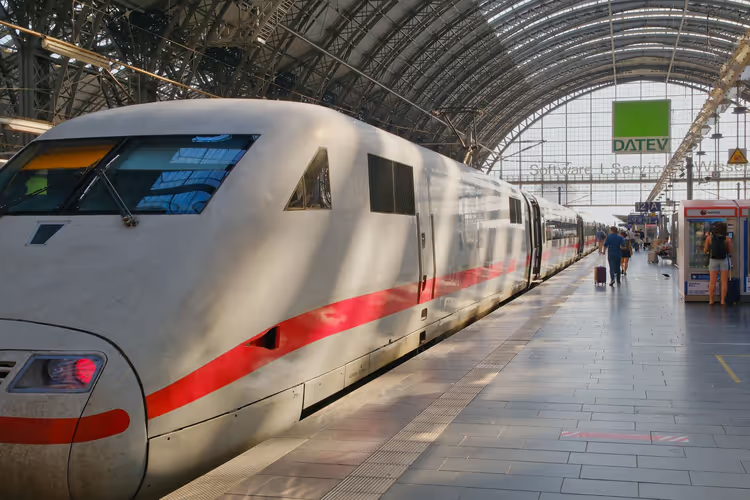
Both countries are easy to reach from Germany by train, plane, or car. The train from Berlin to Prague takes about 4.5 hours, with daily departures (as of 09/2026, official Deutsche Bahn website). The route from Munich is longer, but direct ALEX trains run from there to Prague.
You can reach Warsaw by direct train from Berlin or by train with one connection. The flight takes under two hours, while the train takes noticeably longer. By car, it's about 350 km from Berlin to Prague via the D8 motorway, and about 570 km to Warsaw. Czech motorways require an electronic vignette, which you buy in advance.
Compare schedules and prices for trains to Prague and Warsaw on Trip.com.
Visa and documents
Czechia and Poland are both in the Schengen Area and the European Union. Bring your card with you; you're unlikely to need large amounts of cash.
The currency differs between the two countries. In Czechia you pay in korunas, in Poland in złotys, so exchange euros at a bank or withdraw cash from an ATM. Contactless cards are accepted almost everywhere, including cafes and ticket machines.
Emergency care is covered by the European Health Insurance Card. If you need additional insurance, compare options in advance so you don't have to deal with it at the hospital.
When to go
 © Jakub Hałun · CC BY-SAPhoto: Jakub Hałun, CC BY-SA (https://creativecommons.org/licenses/by-sa/4.0), Wikimedia Commons
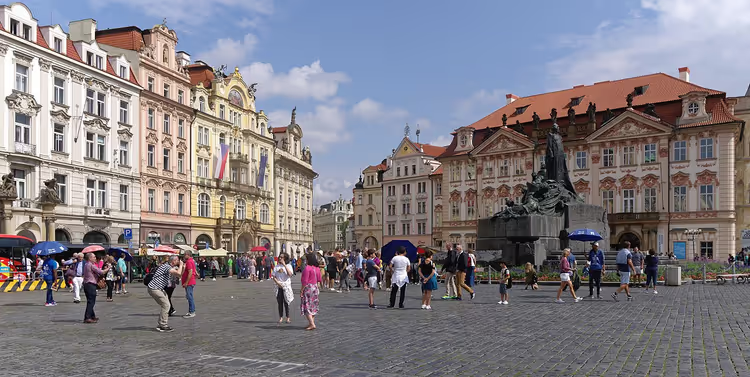
Both countries welcome visitors year-round, but each season has its own appeal. May and June bring mild weather and fewer tourists, while July and August bring heat and peak vacation crowds. In autumn, Prague and Krakow are quieter, and in winter the Christmas markets open.
Czech spa towns operate year-round; the season never really stops there. On the Polish Baltic coast, comfortable swimming is limited to July and August, and the water stays cool. The mountain resorts of Zakopane and the Krkonoše welcome skiers from December to March.
For a spa trip, the shoulder season is best, while for the beach and skiing, pick the peak season. CzechTourism covers seasons and regions in detail on its portal.
Czech spa towns
 © rboed* · CC BYPhoto: rboed*, CC BY (https://creativecommons.org/licenses/by/2.0), Wikimedia Commons
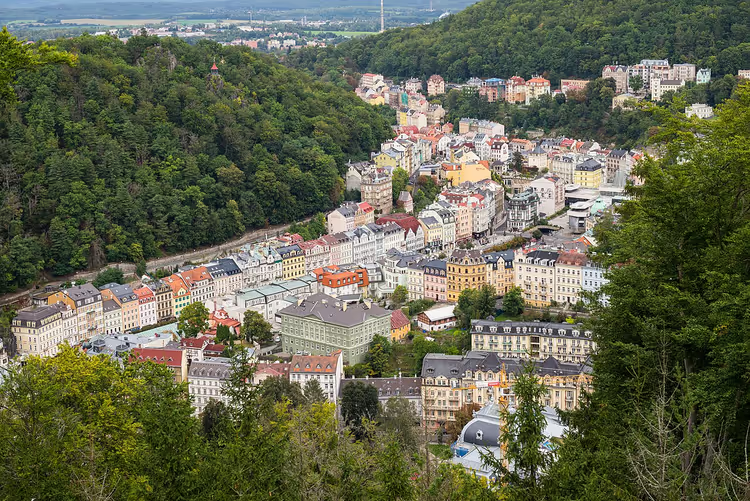
Czechia has a network of spa towns known far beyond its borders. Karlovy Vary, Mariánské Lázně, Františkovy Lázně, Jáchymov, and Poděbrady sit among forests and hills and welcome guests year-round. Healing waters, strolls along park promenades, and a relaxed pace make them a good fit for a restorative vacation.
Thermal springs and a mild climate aren't just about health. Many visitors come for concerts, exhibitions, and walks along the colonnades found in nearly every spa town. In the evening, life moves to cafes, wine cellars, and small concert halls.
Ski villages are a separate story. Špindlerův Mlýn, Harrachov, and Vítkovice offer slopes of varying difficulty, from easy to advanced. Snow cannons keep the runs in good shape for almost the entire winter, so the season here is reliable. Families with children will appreciate the gentle slopes of Harrachov.
- Who it's for: those coming for treatments, beer, and leisurely walks.
- Not for: fans of warm-water sea beaches.
- The catch: Czechia has no sea access, so swimming is limited to lakes and reservoirs.
Hotels in Karlovy Vary are worth checking on Trip.com in advance, as rooms are scarce in high season.
Resorts in Poland
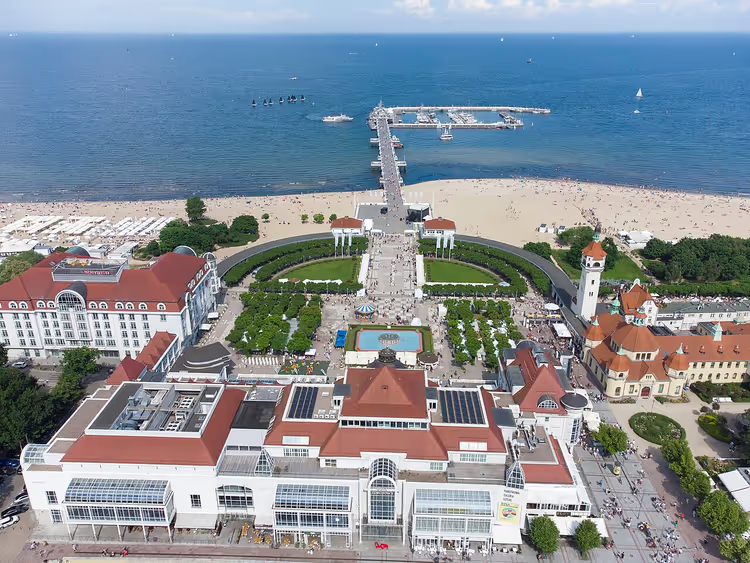 © Emptywords · CC BY-SAPhoto: Emptywords, CC BY-SA (https://creativecommons.org/licenses/by-sa/4.0), Wikimedia Commons
Poland offers two different types of vacation: the sea in the north and the mountains in the south. The Baltic coast includes Sopot, Gdynia, Kolobrzeg, Miedzyzdroje, Leba, and Krynica Morska. Here you'll find wide sandy beaches, pine forests, and promenades for long walks.
Baltic resort towns combine beach time with wellness. Guesthouses and sanatoriums offer mineral water treatments, and well-kept promenades stretch along the sea. Old churches, palaces, and fortresses stand right in the resort districts.
In the mountainous south are the Tatras and the town of Zakopane, the country's winter capital. Skiers will find slopes of varying difficulty, while those seeking a quieter getaway can enjoy mountain scenery, caves, and wooden architecture. Take a stroll along Krupowki Street, the main pedestrian artery of Zakopane.
- Who it's for: families with children and lovers of the sea and mountains.
- Not for: those looking for a warm southern sea.
- The catch: the swimming season on the Baltic is short, and comfortable water temperatures only occur in midsummer.
The Polish Tourism Organisation provides information about Polish regions and resorts. Hotels in Sopot on Trip.com are best booked before early July, as prices rise in high season.
Tours and attractions
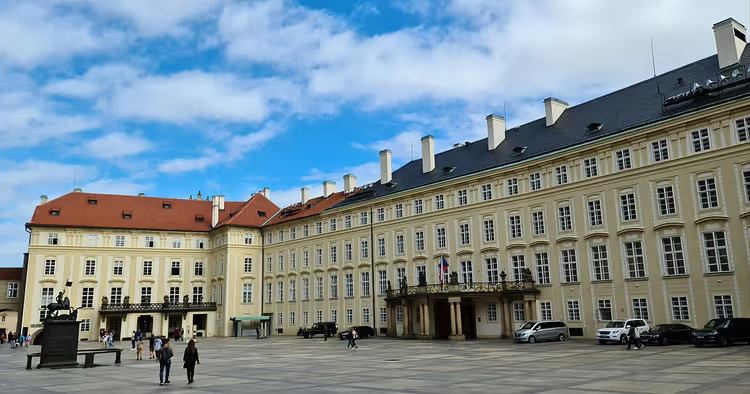 © Ricardalovesmonuments · CC BY-SAPhoto: Ricardalovesmonuments, CC BY-SA (https://creativecommons.org/licenses/by-sa/4.0), Wikimedia Commons
In Czechia, tours center around Prague and its surroundings. You'll see the Old Town, Prague Castle, Vysehrad, Mala Strana, and Wenceslas Square. The courtyards and gardens of Prague Castle are open free of charge; tickets are required for the indoor exhibitions and historic buildings (according to the official website, 09/2026).
Outside the capital, the Hluboka nad Vltavou castle and the UNESCO-listed town of Cesky Krumlov are worth visiting. In Cesky Krumlov, a large castle complex stands above the river, and the town itself has preserved Gothic, Renaissance, and Baroque houses. Three hours is enough for a sightseeing walk around the old center.
Polish cities offer a different picture. In Krakow, see Wawel and St. Mary's Basilica; in Warsaw, the Baroque Wilanow Palace and the restored Old Town. Wroclaw and Gdansk are known for their town halls, waterfronts, and Gothic churches.
Nature lovers will enjoy boat trips on the Krutynia River and hikes in national parks. Oaks and other deciduous trees grow along the Krutynia's course, and in summer it's shady and cool here. Tours in Prague on GetYourGuide are easy to book in advance; popular time slots are best not left until the last day.
Entertainment
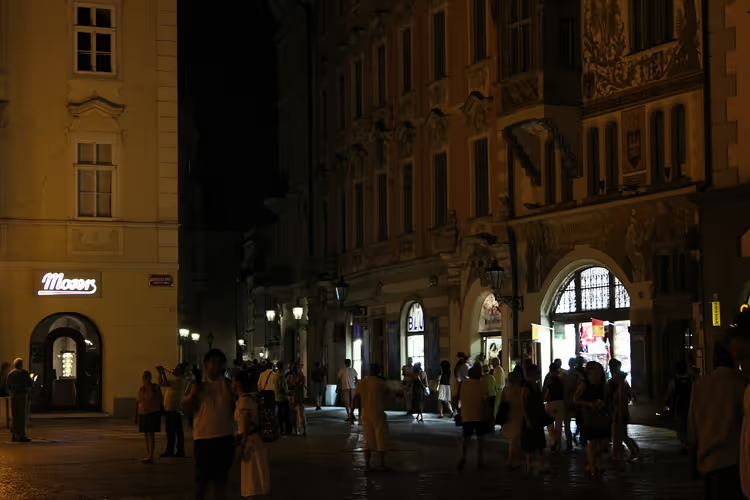
Entertainment in Czechia is diverse and not limited to beer halls. Prague has clubs, water parks, planetariums, and science centers for adults and children. Active recreation includes go-karting, hot air balloon rides, rope parks, and quests in the old quarters.
Beer taverns deserve a separate evening: local brews are served in almost every neighborhood. Families will enjoy zoos, aquariums, and interactive museums. Many venues stay open late, so you can combine sightseeing with an evening program.
Poland offers its own lineup. Major cities provide bars, restaurants, theaters, and nightclubs, while outdoors you can kayak on the Vistula or take horseback rides through the meadows. Fans of active recreation will appreciate paintball, archery, and golf courses.
Theme parks with water slides and extreme attractions operate in both countries. Pick a weekday to spend less time in lines, and buy tickets online.
Hotels and where to stay
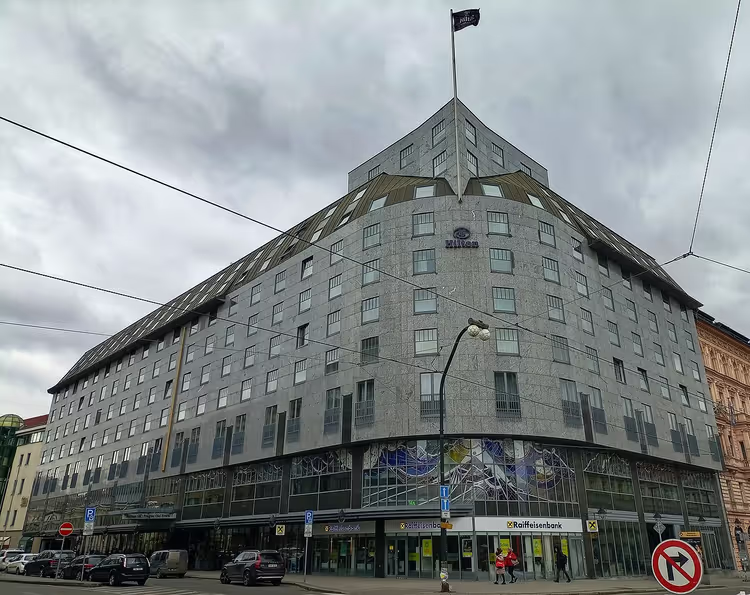 © Eliška Jindříšková · CC BY-SAPhoto: Eliška Jindříšková, CC BY-SA (https://creativecommons.org/licenses/by-sa/4.0), Wikimedia Commons
Both countries have a dense hotel base designed for different budgets. You'll find hotels of every star rating, private apartments, hostels, and guesthouses. Apartments are also available in historic buildings and castles, where modern appliances sit alongside antique furniture.
A budget option is mini-hotels with breakfast. Rooms in two- and three-star properties are simple but come with all the amenities. Five-star complexes add spas, pools, gyms, and restaurants serving national cuisine.
Hotels in Prague on Trip.com are easy to compare by district: the center costs more, but it saves you travel time.
Service and healthcare
 © Jim Killock · CC BY-SAPhoto: Jim Killock, CC BY-SA (https://creativecommons.org/licenses/by-sa/2.0), Wikimedia Commons
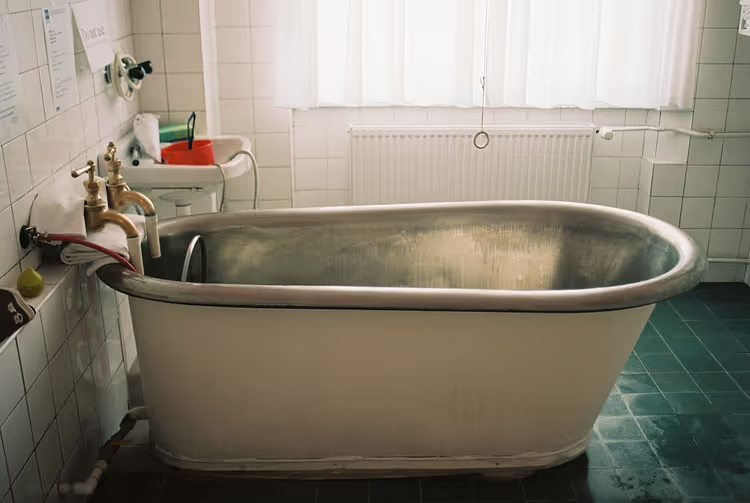
The level of service in both countries meets the European standard. Hotels, guesthouses, and sanatoriums have everything needed for accommodation and treatment. Staff at most places speak English and German, especially in tourist cities.
Sanatoriums offer wellness and recovery treatments, sports and rehabilitation programs. A course of treatment is usually prescribed after a doctor's consultation, so you'll receive your procedure schedule on site.
Prices: how much a trip costs
For accommodation and food, both countries are cheaper than Germany, but they differ from each other. Prices in Prague are higher than in Czech regions, and prices in Warsaw are higher than in smaller Polish cities. Seaside resorts raise prices in July and August.
Dining at cafes is affordable, and museum tickets usually cost less than in Western European countries. Your overall trip budget depends on how you build your itinerary and how many cities you want to see in one trip.
Comparing car rental prices is worth it if you plan to move between cities. Public transport is cheaper, but a car gives you flexibility on nature routes.
Traveling with children
 © Tiia Monto · CC BY-SAPhoto: Tiia Monto, CC BY-SA (https://creativecommons.org/licenses/by-sa/4.0), Wikimedia Commons
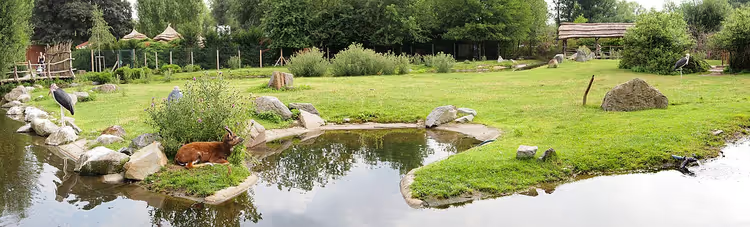
Both countries are convenient for family trips. A short drive from Germany, clear infrastructure, and low prices for accommodation and food help parents. Children handle transfers easily because distances between cities are small.
Czech and Polish cities have theme parks, interactive museums, aquariums, planetariums, zoos, and water parks. Getting to know architecture and medieval castles feels like a game, especially at knight festivals.
River cruises and trips to national parks will round out the program. Bring light clothing and comfortable shoes, since old towns have plenty of cobblestones.
Shopping
 © Ray Swi-hymn from Sijhih-Taipei, Taiwan · CC BY-SAPhoto: Ray Swi-hymn from Sijhih-Taipei, Taiwan, CC BY-SA (https://creativecommons.org/licenses/by-sa/2.0), Wikimedia Commons
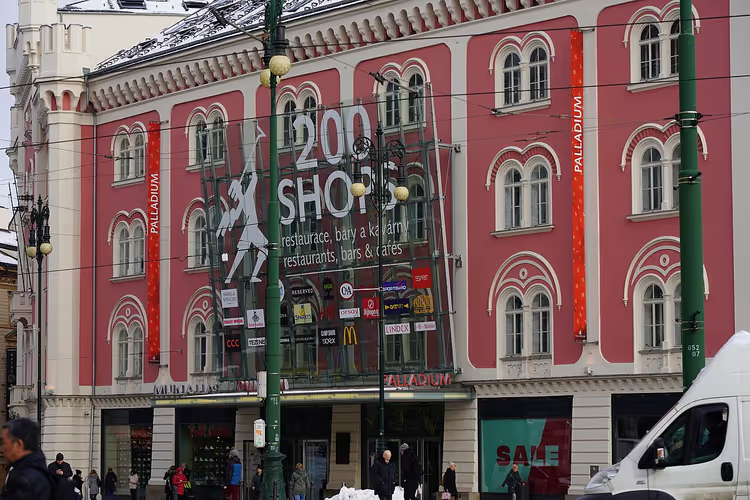
In Czechia, shopping means malls, department stores, boutiques, and souvenir shops. Outlets with clothing, shoes, and accessories deserve special attention. From Czechia people bring back glass, crystal, and local beer of various kinds.
Poland also has plenty of brand stores, hypermarkets, and outlets with dozens of boutiques. The classic souvenir is amber jewelry and carved wooden items.
Buy gifts at the end of your trip so you don't have to carry bags around on excursions. Keep your receipts if you plan to claim a tax refund when leaving.
⁉️🤔 Frequently asked questions
What's cheaper for a vacation: Czechia or Poland?
Overall, Poland works out slightly cheaper for accommodation and food, especially outside Warsaw and Sopot. Czechia is more expensive in Prague and at popular resorts, but prices in the regions are comparable. The difference between the countries is smaller than the difference between a city center and its outskirts.
When is the best time to visit Prague and Warsaw?
For walking around, choose May, June, and September, when it's warm and there are fewer tourists. July and August are hot and crowded, but all summer venues are open. In winter, both capitals draw visitors with Christmas markets and quiet museums.
Do I need a visa to travel to Czechia and Poland?
EU and Swiss citizens do not need a visa; travel is possible with an identity card. Both countries are in the Schengen Area, so checks at internal borders are usually not carried out. Compare additional insurance before departure.
Where can you swim in Poland in summer?
The main seaside resorts are Sopot, Gdynia, Kolobrzeg, and Miedzyzdroje. For a quieter stay, it's better to choose small towns like Leba or Krynica Morska.
Is it worth going to Karlovy Vary in winter?
Yes, spa resorts operate year-round, and it's quieter there in winter. Treatments, walks along park alleys, and a calm pace are available in any season. In summer, concerts and more tourists are added.
In short: what to book
If you have a week and want old towns, take Prague and its surroundings. If the sea and mountains matter more, choose the Polish Baltic coast in summer or Zakopane in winter. For treatment, Karlovy Vary and Marianske Lazne work well; for families with children, both options are suitable.
Selection matrix: for architecture and beer, go to Czechia; for the beach and the Tatras, go to Poland; and for a combination, take both countries in one trip. Checking hotel prices in Prague and Warsaw on Trip.com is worth doing a couple of months before your trip, when the selection is wider.

A small editorial team writing guides for independent travel. We travel ourselves, but we haven’t been everywhere, so we check prices, opening hours and how to get there against official sources.