
















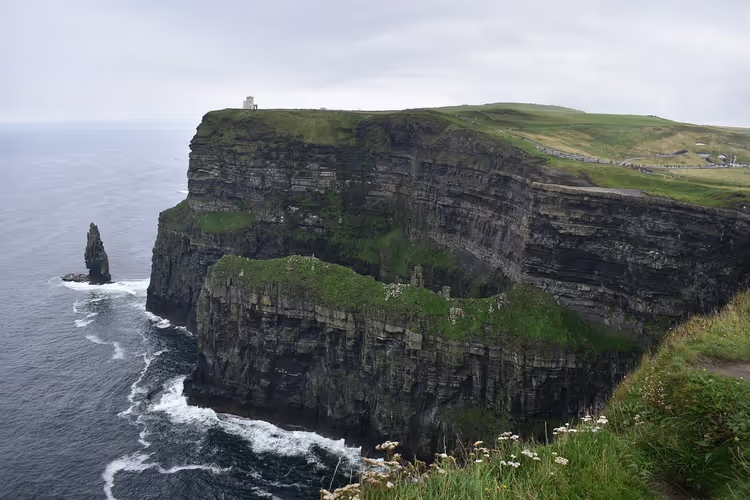
Halloween, Titanic and fairies: seven facts about Ireland
Many people think of Ireland as just a green island next to Britain. That is a mistake. You celebrate Halloween according to the Irish calendar, the Titanic was launched in Belfast, and the Book of Kells is kept at Trinity College Dublin. Behind the facade of pubs and green hills lies a country with two official languages and monuments older than the Egyptian pyramids.
Below are seven facts about Ireland that will change how you look at the shamrock, the pumpkin, and old castles. We have added addresses, landmarks, and links to official websites so you can verify each fact.
Why Ireland is called Éire
💡 In short:
- Éire means "Ireland" in the Irish language.
- The shamrock is linked to Saint Patrick and the idea of the Trinity.
- You will see both languages on road signs and in museum menus.
Éire means "Ireland" in the Irish language, which remains an official language alongside English. You will see the country's name in two forms on signs, coins, and official forms. Irish is taught in schools, and in the western counties it still remains the language of everyday communication.
The country's symbol also comes from the early Middle Ages. According to tradition, in the fifth century Saint Patrick explained the doctrine of the Trinity to the Celts using a clover leaf: three leaflets grow from one stem, just as three persons form one God. Since then the shamrock has become the national emblem, and Patrick the patron saint of Ireland.
You will still see the shamrock today on sports team uniforms, on coins, and on pub signs. It also adorns the country's main holiday, Saint Patrick's Day on March 17.
 © William Murphy from Dublin, Ireland · CC BY-SAPhoto: William Murphy from Dublin, Ireland, CC BY-SA (https://creativecommons.org/licenses/by-sa/4.0), Wikimedia Commons
Irish Halloween
Halloween grew out of the Celtic Samhain, and it was celebrated not on October 31 but on the night before November 1. The festival closed the old year and opened the new one, coinciding with the end of the harvest, when household stores ran out and the dark half of the year began. On that night, according to belief, the boundary between worlds became thin, so the living left food for the spirits of deceased relatives.
The Irish carved Jack-o'-lanterns from turnips and rutabagas, not from pumpkins, which reached Europe only after the discovery of America. The pumpkin turned out to be easier to carve, which is why it now sits on the porch. Bonfires and dressing up in costumes also come from Ireland: fire scared away the evil spirits that were set loose for one night.
The tradition is being revived by the Púca Festival in County Meath, which takes place around Samhain. If you find yourself in Ireland in late October, add an evening of music, fire, and old rituals to your plan. Tickets for such evenings sell out in advance.
 © Gillaween · CC BY-SAPhoto: Gillaween, CC BY-SA (https://creativecommons.org/licenses/by-sa/4.0), Wikimedia Commons
The Titanic was born here
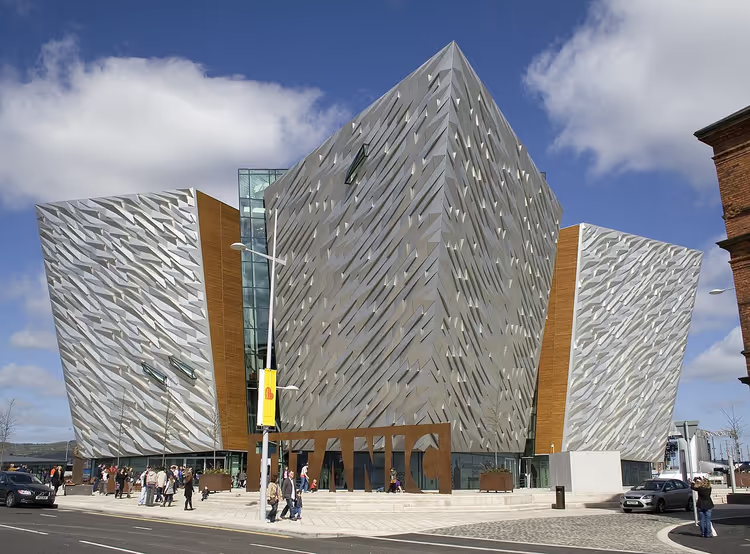
The Titanic was built in Belfast at the Harland & Wolff shipyard, and today Titanic Belfast museum stands on the site of the slipway. It opened for the centenary of the liner's sinking and covers about 12,000 square meters (according to the official website). Inside, you follow the ship's entire journey: from the drawings and riveting of the hull to the launch and the encounter with the iceberg.
Moored nearby is the SS Nomadic, the last surviving steamship of the White Star Line. It carried first- and second-class passengers to the Titanic in Cherbourg, and now serves as part of the museum exhibition.
Tickets are sold for a specific time, and slots open every 10 minutes (according to the Titanic Belfast ticket page). Book in advance, especially in summer. Take a morning session so you can go through the galleries calmly.
 © Own work · CC BY-SAPhoto: Own work, CC BY-SA (https://creativecommons.org/licenses/by-sa/4.0), Wikimedia Commons
Where the creator of Dracula studied
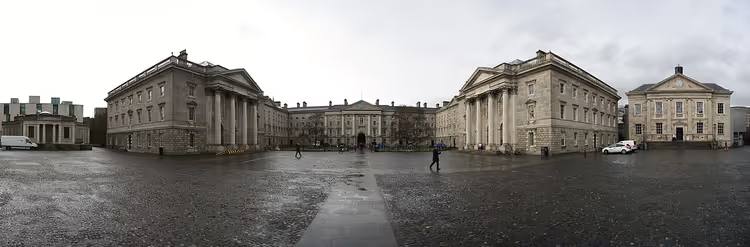
Trinity College in the center of Dublin was founded at the end of the sixteenth century, and it is Ireland's oldest university. Jonathan Swift, Oscar Wilde, Samuel Beckett, and Bram Stoker, the author of Dracula, all studied in its lecture halls.
Tourists come here for the Book of Kells and the Long Room, the long hall of the old library. The manuscript was created around the year 800 and is a richly decorated Gospel (according to Trinity College). In the Long Room you will see two-story oak bookcases and marble busts. Buy tickets online in advance; in summer, slots go quickly.
 © Filori · CC BY-SAPhoto: Filori, CC BY-SA (https://creativecommons.org/licenses/by-sa/4.0), Wikimedia Commons
The beer capital: Guinness and the oldest pub in Europe
Arthur Guinness opened his brewery at St James's Gate in Dublin in the 18th century, and today it is one of the city's main attractions (according to Guinness Storehouse). The exhibition spans seven floors: malt, water, yeast, bottling, and the history of the brand. At the top, the Gravity Bar awaits you with glass walls and a view over the city.
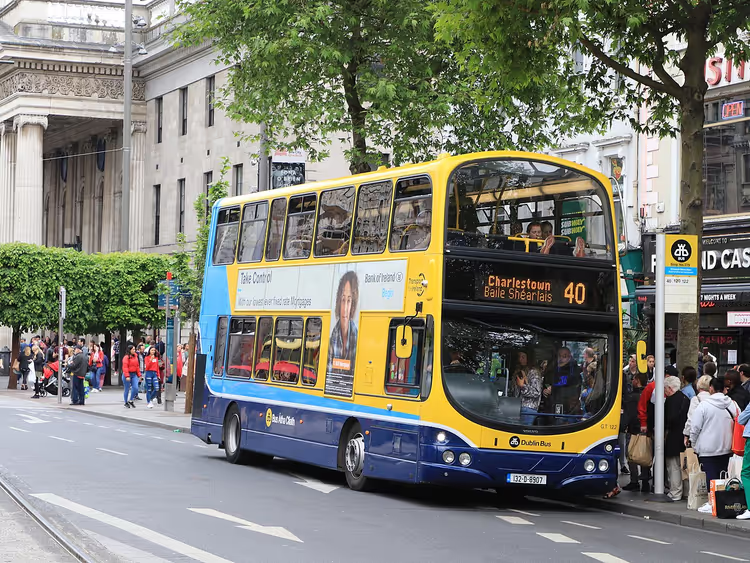
You will find the oldest pub in Europe not in Dublin, but in Athlone. Sean's Bar on Main Street traces its history back to around 900 AD, and in 2004 Guinness World Records recognized the establishment as the oldest pub in Europe (according to the official website). Historians debate the construction date of the building itself, but pints have been raised in this room for many centuries.
In Dublin you will find hundreds of licensed pubs, and beer is served to visitors of legal drinking age. Try an evening of live music: in the tourist quarters, such sessions gather regularly.
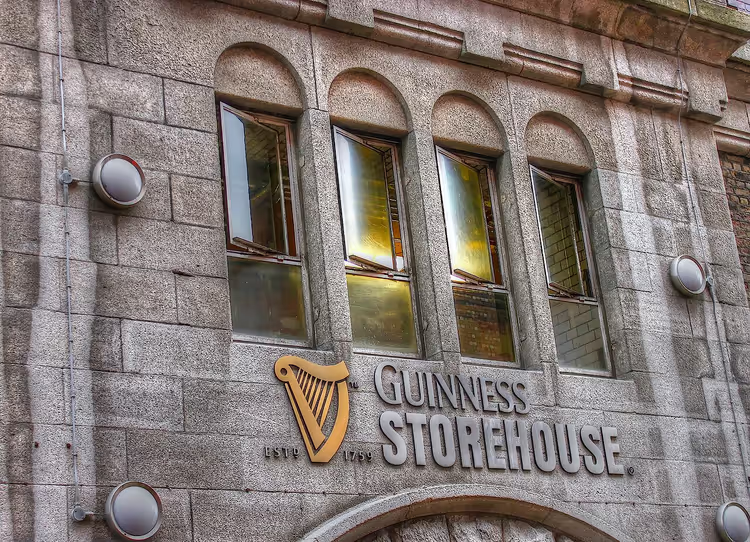 © psyberartist · CC BYPhoto: psyberartist, CC BY (https://creativecommons.org/licenses/by/2.0), Wikimedia Commons
The fairy mound in the Boyne Valley
Newgrange was built around 3200 BC, and it is older than the Egyptian pyramids and Stonehenge (according to the official Brú na Bóinne website). It is a huge circular mound with a stone passage and chamber inside, raised in the valley of the River Boyne to the north of Dublin.
The mound is surrounded by a ring of nearly a hundred large stones with carved ornamentation, and a narrow passage almost twenty meters long leads inside. Archaeologists debate whether it was a burial site, a temple, or a calendar: the scale of the construction far exceeds the needs of an ordinary tomb.
In winter, the main wonder happens here. On the days from December 19 to 23, a beam of the rising sun travels along the nineteen-meter passage and illuminates the chamber for a few minutes (according to the Newgrange lottery website). On these days, you can only get inside through a lottery: tens of thousands of applications are submitted, and only a handful of spots are available. At other times, you can go inside on a tour from the Brú na Bóinne visitor center.
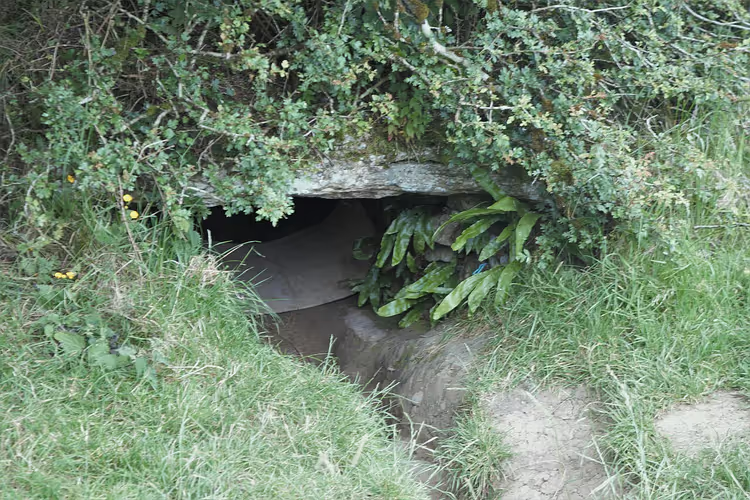
A legend about fairies is also connected with the mound. According to tradition, on the night before November 1, the sídhe, the local people of the hills, emerge from underground.
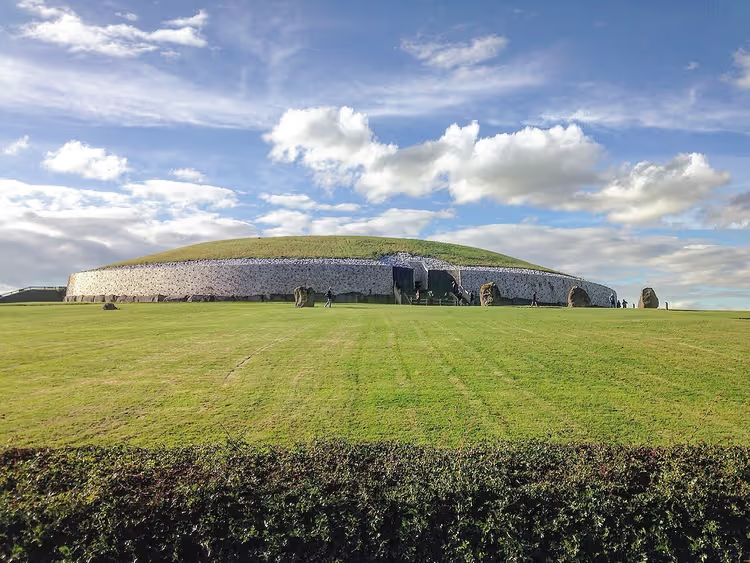 © Tjp finn · CC BY-SAPhoto: Tjp finn, CC BY-SA (https://creativecommons.org/licenses/by-sa/4.0), Wikimedia Commons
Leap Castle and its ghosts
Leap Castle stands in County Offaly near Roscrea, by the R421 road. The O'Carroll family founded the castle in the late 15th century, and because of the owners' cruel temper it was called the most frightening place in the area for years.
The castle's most famous spot, the Bloody Chapel, is linked to a family tragedy: here a brother killed a brother in a struggle over inheritance. The castle is associated with legends about an entity called the Elemental, which locals connect with ancient rites on this site.
Today the castle is owned by singer and composer Sean Ryan. He lets tourists in for tours by arrangement, so check the schedule in advance. If you arrive without notice, there may be no tour.
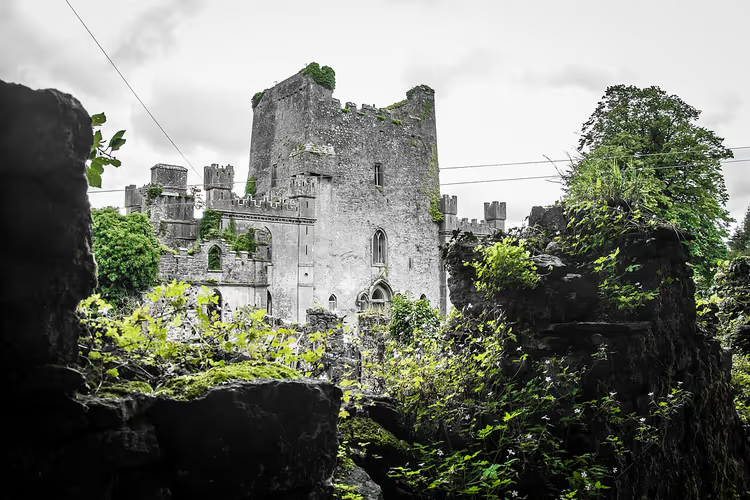 © Dieglop · CC BY-SAPhoto: Dieglop, CC BY-SA (https://creativecommons.org/licenses/by-sa/4.0), Wikimedia Commons
⁉️🤔 Frequently asked questions
Is it true that Halloween was invented in Ireland?
Yes, the holiday has its origins in the Celtic Samhain. It was celebrated on the night before November 1, when the harvest ended and the new year began. Bonfires, mummers, and turnip lanterns all came from there. The name "Halloween" appeared later, and the holiday was brought to America by Irish emigrants.
How much time should you allow for Titanic Belfast?
The exhibition spans several floors, so a leisurely visit takes half a day. If you are traveling with children or want to see all the galleries, book a morning slot. Tickets are sold for specific times, and entry is by timed admission.
How do you get inside Newgrange?
You can only go inside on a tour from the Brú na Bóinne visitor center, and slots open in advance. During the winter solstice, from December 19 to 23, places are allocated through a lottery (solsticelottery.ie). In other months, arrive in the morning.
What should you see in Dublin if you have one day?
Start with Trinity College and the Book of Kells, then walk to the Guinness Storehouse and finish the evening in a pub with music. Distances in the center are short, so you will cover most of the route on foot. Book tickets for both museums online in advance.
Can you visit Leap Castle?
Yes, but by arrangement with the owner. Sean Ryan takes visitors around the castle and tells the story of the O'Carroll family. Contact him in advance and confirm the time, as there are no regular ticket offices here.
If you want to see the country on screen before your trip, watch an overview of Ireland's main sights.
In short: what to book
Ireland is compact, but the choice depends on your interests. Keep a simple rule in mind.
If ancient history matters to you: Newgrange and the Boyne Valley.
If you are going for the city: Dublin, Trinity College, and Guinness Storehouse.
If you want a touch of the mystical: Leap Castle in County Offaly.
If ships interest you: Titanic Belfast and SS Nomadic in Belfast. Remember that Belfast is part of the United Kingdom, so check visa requirements in advance.
Book Titanic Belfast tickets and Trinity College slots in advance: in summer they sell out quickly, and a spontaneous trip ends with a line at the ticket office.

A small editorial team writing guides for independent travel. We travel ourselves, but we haven’t been everywhere, so we check prices, opening hours and how to get there against official sources.