
















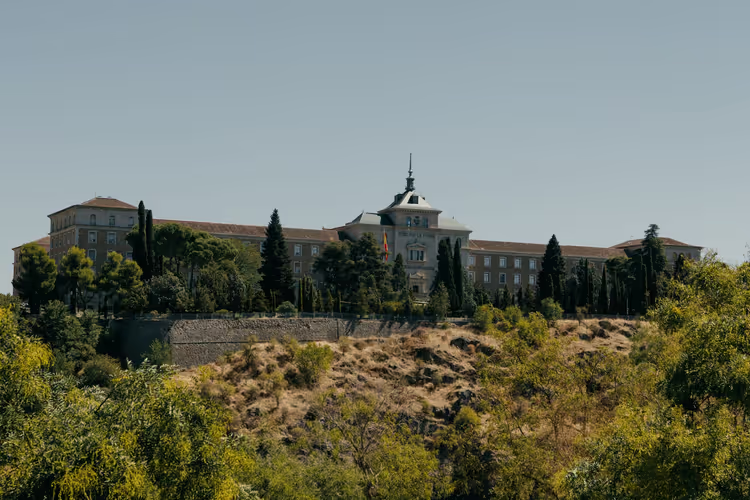
7 Facts about Spain: a desert in Almeria, Phoenician Cadiz and a church of 2 m²
Spain is associated with beaches, flamenco, and bullfighting. But this country surprises with something entirely different: it has a real desert, cities on the African coast, and a church with an area of less than two square meters.
We have gathered seven facts that change the familiar image of Spain. Figures and records were checked against official sources, and disputed claims from old guidebooks were clarified.
What will surprise you in Spain
💡 In short:
- Spain owns islands in the Atlantic and two cities on the African coast.
- The province of Almeria is home to the only desert in Europe.
- It is home to the world's largest Gothic cathedral and the smallest church.
- Data and records: 09/2026, verified on the official INE website.
Tourist arrivals in the country break records every year. According to Spain's National Statistics Institute, 96.8 million foreign tourists visited the country in 2025. This is a historic record and a 3.2% increase over 2024 (tourism flow statistics). If you are planning a summer trip, look for accommodation in advance.
1. Spain spans two continents
Most of the country lies in Europe, but two of its cities stand on the African coast: Melilla and Ceuta. Together with the Canary Islands, they are officially considered Spanish territory. The Canary archipelago is located off the coast of Morocco, while Melilla and Ceuta share a land border with that country.
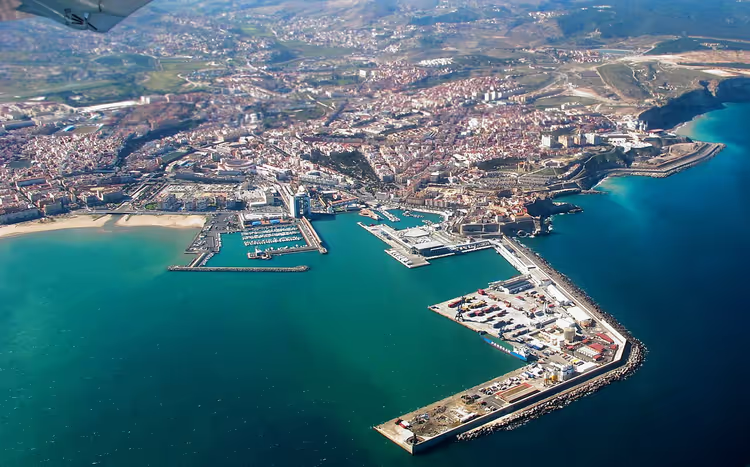 © JJ Merelo · CC BY-SAPhoto: JJ Merelo, CC BY-SA (https://creativecommons.org/licenses/by-sa/2.0), Wikimedia Commons
2. Almeria is home to a real desert
Tabernas in the province of Almeria is called the only desert in Europe. It is the driest place in the country: rain is rare, and the heat lasts from spring to autumn. Tourists come here for the unusual landscapes, while local farmers spend significant sums fighting the drought. If you go in summer, bring water and a hat.
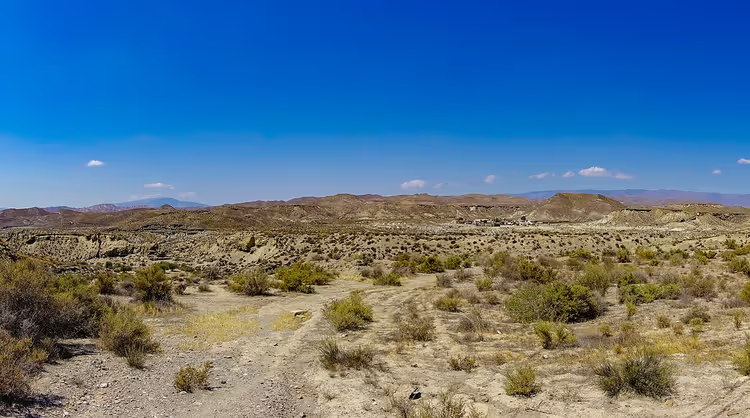 © Graeme Maclean · CC BYPhoto: Graeme Maclean, CC BY (https://creativecommons.org/licenses/by/2.0), Wikimedia Commons
3. The largest cathedral and the smallest church
The Seville Cathedral, also known as Catedral de Santa María de la Sede, is considered the largest Gothic church in the world. Together with the Giralda bell tower and the Alcázar, it was added to the UNESCO list in 1987 (official website, Visita Sevilla). The reverse record is held by the Santa Isabel de Hungría chapel in Castillo de Colomares in Benalmádena near Málaga: its area is only 1.96 m². Since 1990 it has been listed as the smallest church in the world by Guinness (castillodecolomares.com).
 © Ymblanter · CC BY-SAPhoto: Ymblanter, CC BY-SA (https://creativecommons.org/licenses/by-sa/4.0), Wikimedia Commons
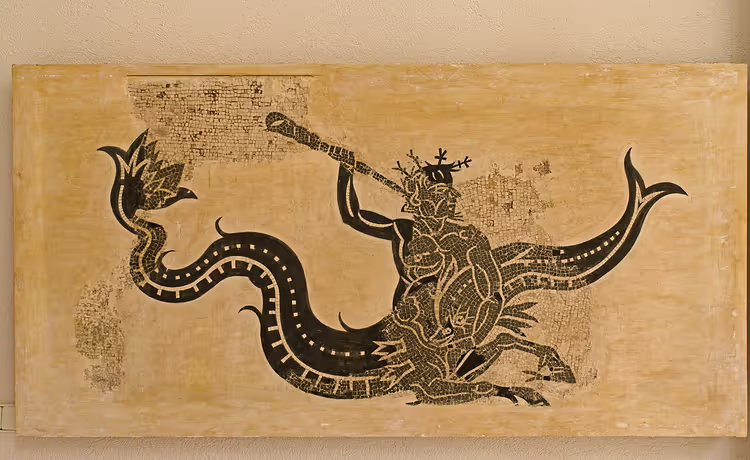
4. Cádiz was founded by the Phoenicians
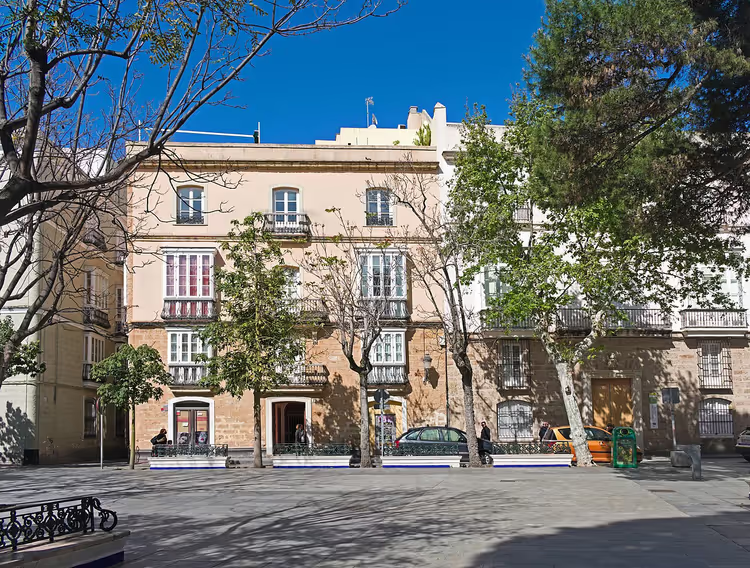
Cádiz on the Atlantic coast of Andalusia is one of the oldest cities in Western Europe. It was founded by Phoenician sailors from Tyre around 1100 BC (Cádiz). The city got its name from the Phoenician Gadir. Today the history of Cádiz spans more than three thousand years.
 © Ymblanter · CC BY-SAPhoto: Ymblanter, CC BY-SA (https://creativecommons.org/licenses/by-sa/4.0), Wikimedia Commons
5. Football has replaced religion here
Football remains the country's main sport. Spaniards treat it almost like a religion, and even people who don't watch matches recognize national team players. Even the chant "olé, olé!" is traced back to Spanish roots. Book tickets for top club matches in advance; they sell out quickly in high season.
6. Wine and foods Spain gave to Europe
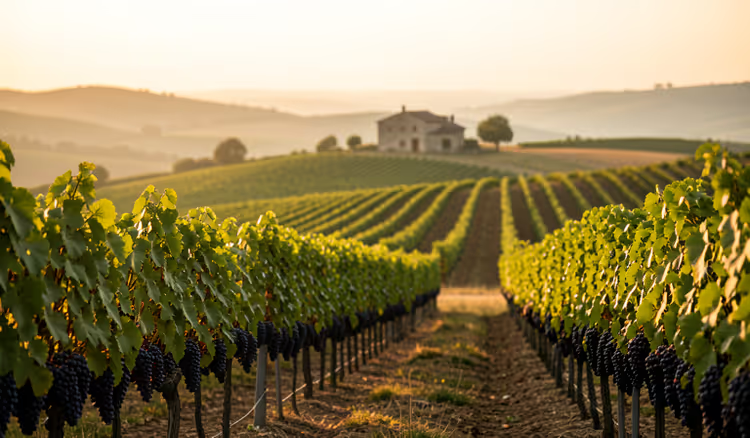
Spain ranks second only to Italy and France in wine production volume. In 2024, these three countries together produced nearly half of the world's wine (Visual Capitalist). The country's main wine regions are Rioja, Ribera del Duero, and Catalonia. Almost every province has its own brand and its own grape variety.
 AIIllustrative image: AI-generated
Spanish seafarers brought tobacco, potatoes, tomatoes, cocoa, and avocados to Europe. These foods quickly entered the cuisine of the entire continent and changed it. Bananas for the European market are grown in the Canary Islands, which belong to Spain. Today you'll find these products in any European supermarket.
7. Traditions and differences
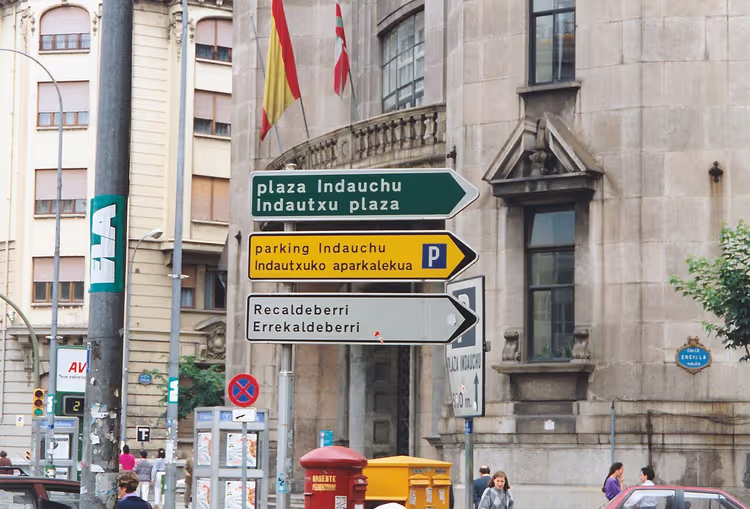
The Basque language, euskara, is not related to Spanish or any other living European language. Linguists call it an isolate and consider it the last descendant of the continent's pre-Indo-European languages (Basque language). Besides Spanish, Catalan and Galician are spoken in the country, so you'll see signs in two languages in the regions.
Spaniards eat dinner late and go out for walks after sunset. In summer, the heat subsides by evening, so streets, parks, and squares fill with people closer to night. Lighting is good here, so you can walk around even with children.
 © Chris Mitchell · CC BY-SAPhoto: Chris Mitchell, CC BY-SA (https://creativecommons.org/licenses/by-sa/4.0), Wikimedia Commons
When asked "when?" in Spain, people often answer "tomorrow." This isn't laziness but a measured pace that locals consider part of their way of life. This attitude toward time is worth keeping in mind when planning excursions.
Andalusian horse handlers take pride in the Pura Raza Española breed. These horses were trained for centuries for parades and ceremonial processions, and they're called "son of the wind" for their light gait. You can see the breed in person at equestrian festivals in Andalusia.
⁉️🤔 Frequently asked questions
Is there a real desert in Spain?
Yes, the Tabernas Desert in the province of Almería. It's called the only desert in Europe. Plan your trip for spring or autumn and bring plenty of water.
What is the oldest language in Spain?
Basque, or euskara. It is not related to Spanish or other European languages and is considered a language isolate.
Is it true that Spain receives more than 90 million tourists a year?
Yes. According to INE statistics, 96.8 million foreign visitors came to the country in 2025. That's a record for the entire period of record-keeping.
Why do Spaniards eat dinner so late?
Summer heat lasts until late evening, so dinner shifts to later hours. Spain operates on Central European Time, which runs about an hour ahead of its solar time. During the day, streets empty out, and after sunset, parks and squares fill with people again.
What did Spain bring to Europe?
Spanish seafarers brought tobacco, potatoes, tomatoes, cocoa, and avocados. The easiest way to see how these foods are used today is at local markets.
In short: what to book
Seven facts come together into a clear route through the country.
- If history matters to you: start with Seville and Cádiz.
- If you want rare landscapes: head to Tabernas.
- If you're interested in records: stop by Castillo de Colomares near Málaga.
- If you're traveling with children: choose the Canary Islands or the Andalusian coast.
Get your Seville Cathedral ticket in advance on the official website: lines are long in high season.

A small editorial team writing guides for independent travel. We travel ourselves, but we haven’t been everywhere, so we check prices, opening hours and how to get there against official sources.