
















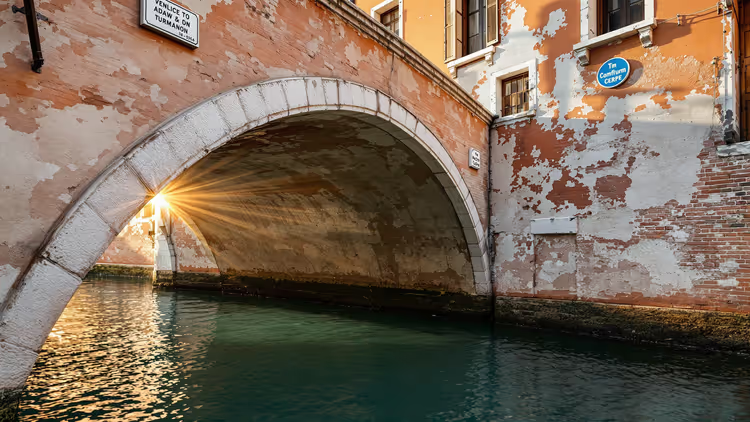
 AIIllustrative image: AI-generated
5 Places that may disappear: where to go before it's too late
Some places on Earth are worth seeing in the coming years. In a few decades, only a photo in an archive may remain of them. That is how last-chance tourism works. These are trips to sites that are changing because of the climate.
The term describes travel to places threatened by warming, rising water, or human pressure. The paradox is that the flow of visitors itself accelerates the changes. The Maldives welcomed a record 2.25 million tourists in 2025, 9.8% more than the year before (as of 01/2026, Maldives Ministry of Tourism).
We have put together five sites where the changes are already visible: Venice, the Maldives, the Great Barrier Reef, the Sahara, and the Arctic tundra. For each one, there are facts and figures with sources so you can plan your trip in time.
Ad: this article contains affiliate links, we earn a commission if you book through them, at no extra cost to you.
What last-chance tourism is
💡 In short:
- It is about trips to sites that are changing or disappearing because of the climate and human pressure.
- The list includes five places: Venice, the Maldives, the Great Barrier Reef, the Sahara, and the Arctic tundra.
- The sooner you go, the more of them you will catch in their familiar form.
- Condition of the sites and forecasts: 08/2026, checked against reports from the International Union for Conservation of Nature and the US National Oceanic and Atmospheric Administration.
Last-chance tourism is deliberate travel to a place that will soon change. The term appeared almost two decades ago and quickly entered the climate conversation. The idea is simple: the site is still open to visitors, but its familiar appearance is already under threat.
Antarctica offers a cold example of visitor pressure. In the 2019/2020 season, about 74 thousand people visited it, and in the 2022/2023 season already 104.8 thousand (as of 06/2023, IAATO in an International Union for Conservation of Nature review).
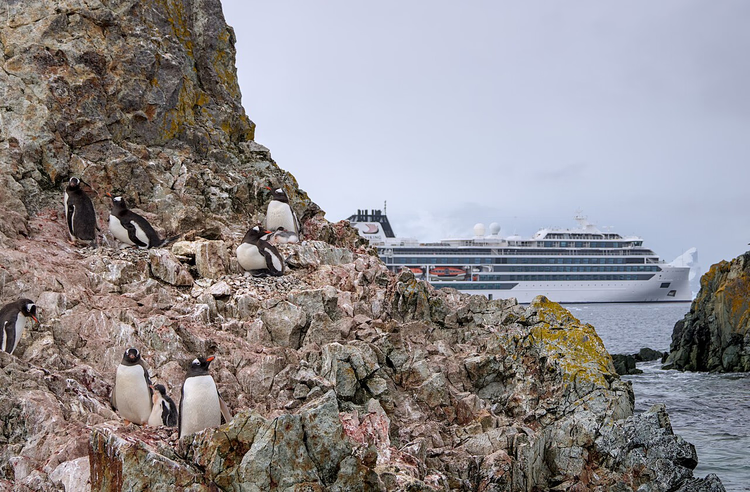 © Anna Soina · CC BY-SAPhoto: Anna Soina, CC BY-SA (https://creativecommons.org/licenses/by-sa/4.0), Wikimedia Commons
Environmentalists do not call for a complete ban. They advise traveling carefully: keep your distance from animals, do not feed them, and leave the place as you found it. Then the trip does good rather than harm.
1. Venice
Venice has stood on water for fifteen hundred years. Almost every building here is recognized as an architectural monument, and homes pass from generation to generation within families. The problem is that the city is slowly sinking while the level of the Adriatic is rising.
Scientists' forecasts differ: some name a threat to part of the city already this decade, while others give flooding the entire 21st century. One thing is known for certain: the water comes more often. Acqua alta tides repeat more and more, and the MOSE protective barriers in the lagoon are raised more often than before (as of 2024, Nature review).
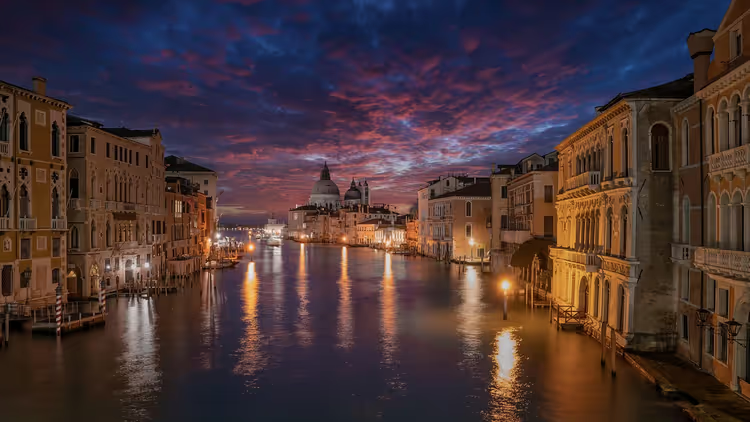
Local residents are not giving up on the city. The authorities are reinforcing dams, and the barriers close off the lagoon during major tides. For you, that means a simple rule: bring high footwear and keep an eye on the water forecast.
To see Venice without the crowds, come in spring or early autumn. In summer it is hot and stuffy, and during carnival days the streets are packed. Gondolas near St. Mark's Square cost more, but by the quiet canals away from it you will get the same view without the lines.
Venice is called an open-air museum: palaces, bridges, and churches stand right next to one another. Every alley leads either to a canal or to a small square with a cafe.
- The catch: during acqua alta season, part of the embankments and St. Mark's Square go underwater.
2. The Maldives
The Maldives lie lower above sea level than any other country in the world. Almost all of their land rises less than a person's height above the water, so erosion and flooding go hand in hand here.
A decade and a half ago, the president proposed buying land from other states in case of flooding. Sri Lanka and India were discussed. Since then, the flow of visitors has only grown, and the country lives on tourism.
 © Hansueli Krapf · CC BY-SAPhoto: Hansueli Krapf, CC BY-SA (https://creativecommons.org/licenses/by-sa/3.0), Wikimedia Commons
Despite the risk, visitor numbers are not falling. Hotels and flights are best booked in advance, especially for the dry season.
The Maldives remains a classic for warm water: lagoons, coral gardens, and reefs just steps from the shore. Snorkeling is available right from the beach, and seaplanes fly to the more distant atolls.
- The catch: some atolls can only be reached by seaplane, so the journey takes longer.
3. The great barrier reef
The Great Barrier Reef off northeastern Australia is visible even from space. It stretches for nearly two and a half thousand kilometers and is home to thousands of species. For the ocean, it is what forests are for land.
Corals are sensitive to heat. After the mass bleaching of 2024-2025, the cover has only partially recovered: according to the latest report, it grew in only two of the reef's three zones (as of 08/2026, report by the Australian Institute of Marine Science AIMS).
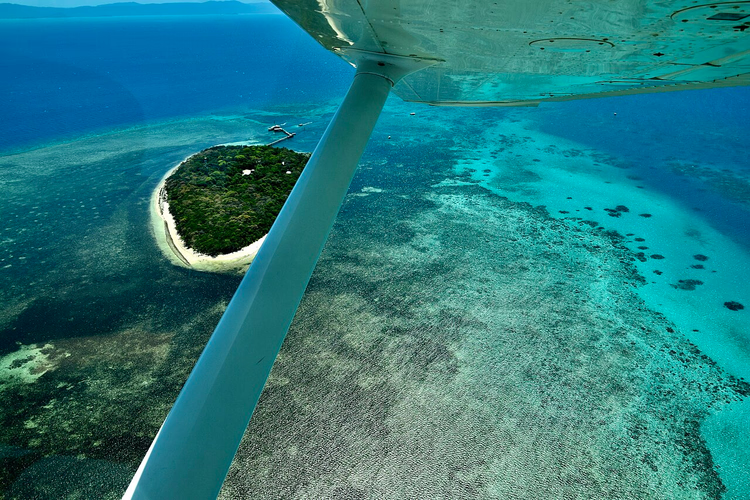 © Ank gsx · CC BY-SAPhoto: Ank gsx, CC BY-SA (https://creativecommons.org/licenses/by-sa/4.0), Wikimedia Commons
Reefs matter not only to divers. Around them lives a quarter of all marine species, and compounds from corals are used in medicines. Some countries earn a significant share of their income from reef tourism.
The reef is accessed from the cities of Cairns and Townsville in northeastern Australia. Boats and catamarans run from Cairns to the outer reefs.
The good news is that corals can recover. Lower emissions and protected marine areas help them. Remember a simple rule: do not touch corals with your hands and use only permitted diving sites.
4. The Sahara
The Sahara is expanding southward every year. According to scientists, the desert has grown by about 10% since 1920 (as of 2018, study by the University of Maryland). The edge of the sand is already taking over new areas of the Sahel.
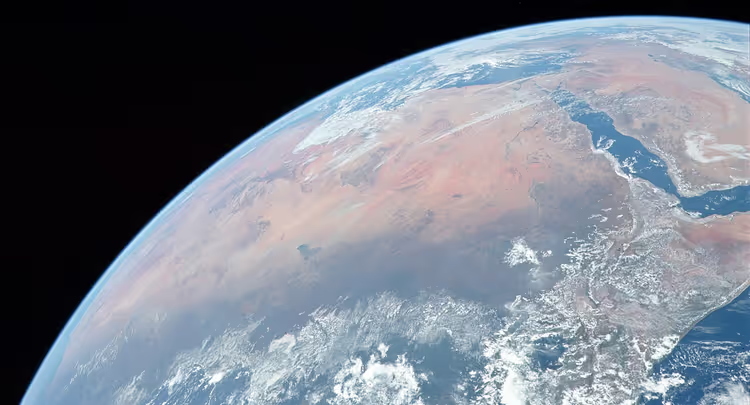
The desert spans several African countries: from Morocco and Algeria to Sudan and Chad. For travelers, it is exotic and extreme: heat, sand, and rare oases.
- The catch: in summer, temperatures stay at dangerous levels, so the trip is best planned for winter.
5. Arctic tundra
The Arctic tundra is called the youngest natural zone on the planet. It stretches across Alaska, Canada, Scandinavia, and northern Russia.
With warming, the zone is shrinking. According to the US National Oceanic and Atmospheric Administration, in 2024 the tundra became a source of carbon dioxide for the first time rather than a store of it (as of 12/2024, NOAA Arctic Report Card). Permafrost temperatures broke records at nearly half of Alaska's monitoring stations.
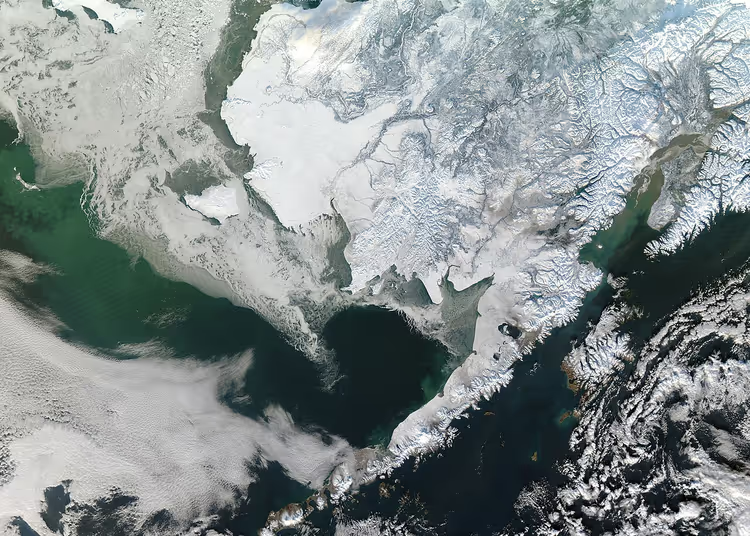
Mosses and lichens are giving way to shrubs and forest. If the process accelerates, the entire ecosystem will change: new fires will appear and emissions will rise. For you, this is a chance to see the north in its current form, before greenery pushes out the moss.
⁉️🤔 Frequently asked questions
What is last-chance tourism?
It means traveling to places that are changing or may disappear due to climate and human pressure. The term describes not a vacation but a deliberate visit to a site while its familiar appearance remains. It is about respectful behavior: keeping your distance from animals, not littering, and not feeding them.
Does last-chance tourism help a place or harm it?
Both effects happen together. The flow of visitors adds pressure on the ecosystem and accelerates change. On the other hand, visits bring local income and attention to the issue, and the money often goes toward conservation. The outcome depends on how you behave on site.
Which five places made the list?
The list includes Venice, the Maldives, the Great Barrier Reef, the Sahara, and the Arctic tundra. Each place is changing for its own reason: in some it is rising water, in others heat, in others coral bleaching. For each site we have provided facts and sources so you can understand the scale of change.
Why is the Great Barrier Reef important for the ocean?
The reef serves as a home for many species, so its loss would affect both fishing and tourism in Australia.
When is the best time to visit Venice to avoid the crowds?
Choose spring or early autumn. In the cold season, high water comes more often, so check the tide forecast before heading out.
In short: what is worth booking
You can still see these places right now. If you prefer architecture and canals, start with Venice, and look for accommodation in the center, near St. Mark's Square, in Venice hotels on Trip.com. For warm water and reefs, the Maldives and the Great Barrier Reef are a good fit, and tours and excursions are easy to browse in the selection on GetYourGuide.
Do not put the trip off indefinitely. Pick one place, book ahead, and travel responsibly so it remains there for the next visitors too.

A small editorial team writing guides for independent travel. We travel ourselves, but we haven’t been everywhere, so we check prices, opening hours and how to get there against official sources.