
















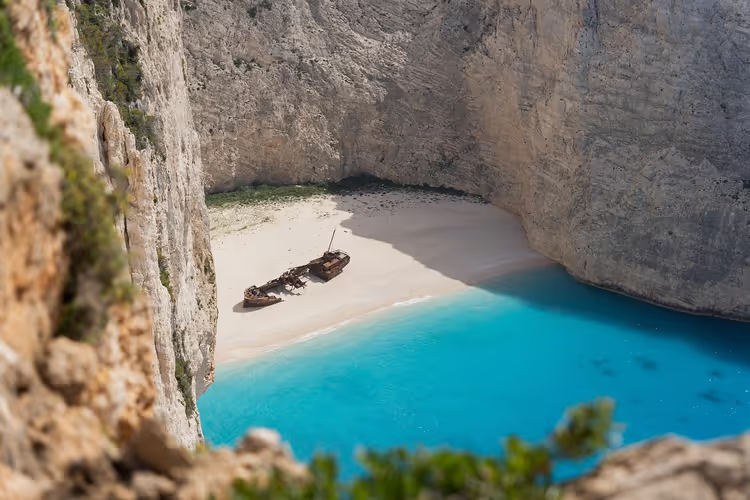
7 Sunken ships: depths from 12 to 3,800 meters
Some sunken ships are open to any recreational diver, while others require technical training. The difference between them is not about romance, it comes down to depth and weather.
The ferry Zenobia rests on its starboard side at just 18 meters off the coast of Larnaca, while the Titanic lies at almost 3,800 meters.
We have put together seven ships that divers and historians write about most often. For each one you will find the depth, diving conditions, and what you can see on the bottom.
Best shipwrecks for diving
💡 In short:
- Some sites are open to a beginner with an Open Water certification, while others are closed to recreational divers.
- The deepest and most challenging dives require technical training and special breathing gas mixes.
- Depths and certification requirements: 09/2026, sources are listed in each site's section, for the Zenobia it is the dive center near Larnaca.
1. Frigate Sirius off the coast of Mauritius
The British 36-gun frigate Sirius was launched in 1797 and took part in the blockade of Napoleonic Europe (ship history). It fought its last battle in August 1810 at the Battle of Grand Port off Mauritius, where it ran aground on a coral shoal.
The crew set the ship on fire on August 25, 1810, to keep it from falling into French hands. The wreck lies at a depth accessible to recreational divers off the southeastern coast of the island. This is a rare opportunity to see artifacts of the Napoleonic Wars underwater: cannons and rigging parts are scattered around the hull. The water here is warm all year round.
How to get there: dives are organized from Mauritius, by boat to the southeastern coast.
Who it's for / Not for: if you have experience, a boat dive will suit you; a beginner is better off starting with simpler sites.
2. Ferry Zenobia off Larnaca
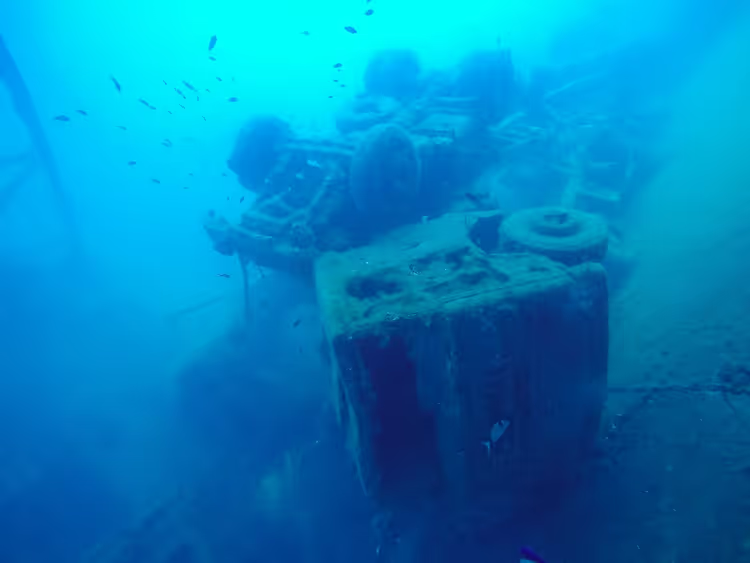
The Zenobia sank in 1980 on the fourth day of its maiden voyage (site description). The cause of the sinking has still not been determined: theories range from a system failure to deliberate scuttling for insurance. Around 100 trucks went down with the ship.
The ferry is over 170 meters long and lies at a depth of 18 to 42 meters. The water off Cyprus is clear, so an exterior inspection is accessible to divers with an Advanced Open Water certification. Only technical divers go into the engine room and restaurant: those areas require gas mixes and a penetration certification.
How to get there: the boat departs from the port of Larnaca, the site is about 1.4 km across the water (site description).
Who it's for / Not for: exterior inspection for experienced recreational divers; interior spaces only for technical level.
The catch: cabins and cargo decks are closed to recreational divers.
 © dronepicr · CC BYPhoto: dronepicr, CC BY (https://creativecommons.org/licenses/by/2.0), Wikimedia Commons
3. Fujikawa Maru in Truk Lagoon
Truk Lagoon in Micronesia holds the largest graveyard of Japanese equipment from World War II. In February 1944, American aircraft carried out Operation Hailstone and sank dozens of vessels (site history).
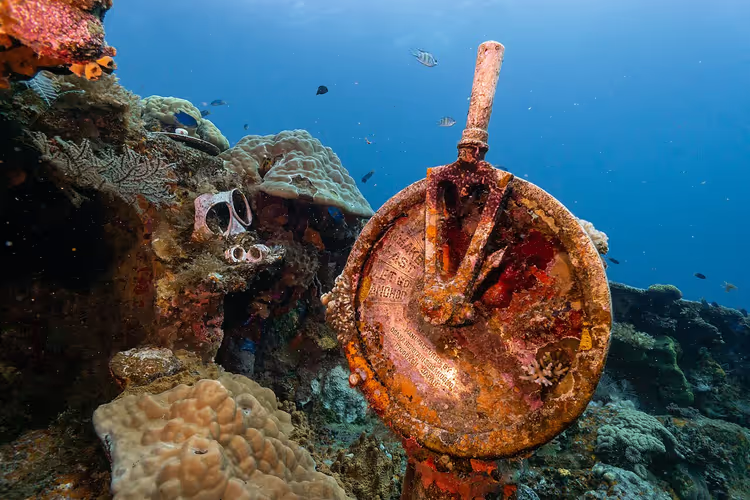
Among them is the 132-meter cargo ship Fujikawa Maru. The ship sank on February 17, 1944, and sits almost upright on the bottom, with the superstructure rising to 12 meters from the surface (dive boat data). Disassembled A6M Zero fighters lie in the holds, and corals and reef sharks hold near the deck.
How to get there: liveaboard from the port of Weno in the Chuuk Islands.
Who it's for / Not for: suitable for a beginner, an Open Water certification is enough.
The catch: the lagoon is far from the mainland, you can only get there by liveaboard.
 © montereydiver · CC BYPhoto: montereydiver, CC BY (https://creativecommons.org/licenses/by/2.0), Wikimedia Commons
4. Scuttled fleet in Scapa Flow
On June 21, 1919, German sailors scuttled their own fleet at the British base of Scapa Flow off the Orkney Islands (event description). This was how they kept the Allies from dividing up the ships after Germany's surrender.
74 ships were brought into the harbor, and most of them went to the bottom (historical document). Today seven large hulls remain underwater; the rest were raised for scrap. Diving here is harsh: cold water and strong current, but on the bottom you can see the gun turrets.
How to get there: dive centers operate from Stromness, by boat to the wreck sites.
Who it's for / Not for: you need a dry suit and experience diving in cold water.
The catch: cold water and strong currents in the harbor.
5. The steamship Baron Gautsch off Rovinj
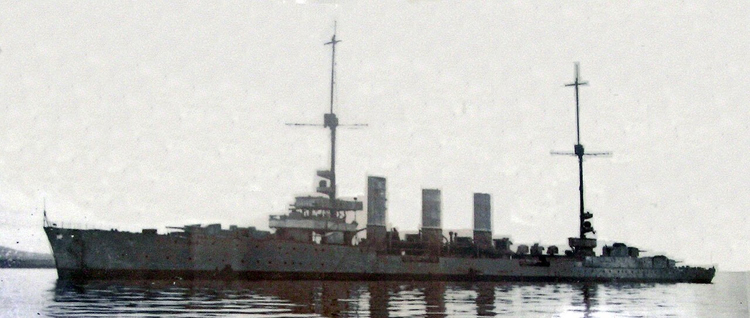
The Austrian passenger steamship Baron Gautsch was built in 1908, and in 1914 it struck a mine off the coast of Croatia (ship history). Before the war it carried supplies to Kotor, and later evacuated people from the combat zone.
Today the wreck lies at a depth of 28 to 40 meters and is considered one of the most beautiful sites in the Adriatic (dive center data). The ship is protected as cultural heritage, so a permit is required to dive it. Divers with experience and at least 50 dives are allowed inside, and the hull and deck are well preserved.
How to get there: about 10 nautical miles from Rovinj, roughly 45 minutes by boat.
Who it's for / Not for: Advanced Open Water level and experience with night or deep dives.
The catch: diving is possible only with an official permit.
6. The liner Andrea Doria in the Atlantic
The Italian liner Andrea Doria collided with the Swedish ship Stockholm in fog and sank on July 26, 1956 (Britannica entry). Fifty-one people died, and more than 1,650 passengers and crew were rescued by ships that came to assist.
The wreck lies at 73 to 76 meters off Nantucket, about 80 km from shore (dive expedition data). It is one of the most challenging dives in the world: cold water, frequent zero visibility, and underwater currents. Because of the risk, several experienced divers have died here, so the site is open only to technical level.
How to get there: expeditions depart from New England ports; the diving window is July through September.
Who it's for / Not for: technical divers with decompression experience only; not suitable for a beginner.
The catch: great depth, cold, and a wreck that is gradually deteriorating.
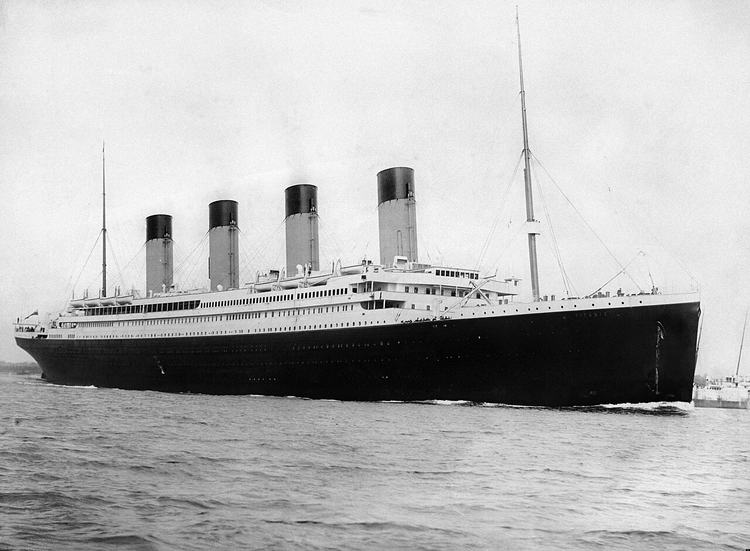
7. The Titanic at a depth of 3,800 meters
The Titanic sank in 1912 after striking an iceberg (liner overview). The wreck was found by Robert Ballard only in 1985, and since then only a handful of people have descended to it.
The ship lies at almost 3,800 meters (NOAA data). The depth record for manned dives belongs to the bathyscaphe Trieste. In 1960, it descended to about 10,900 meters. Today the site is protected by an international agreement that recognizes it as a mass grave and favors preservation in place. Tourist dives here have effectively ceased, and recovered items are displayed in museums.
How to get there: dives from specialized vessels, only as part of scientific expeditions.
Who it's for / Not for: the site is closed to you; only scientific expeditions qualify.
The catch: independent dives to the wreck are prohibited.
⁉️🤔 Frequently asked questions
Do I need a certification to dive to a shipwreck?
Yes, almost always. For the Fujikawa Maru, they take you with Open Water. For an exterior tour of the Zenobia, you need an Advanced Open Water certification. Interior spaces, cold, and depth require technical training: gas mixes, a penetration course, and experience.
How much does a shipwreck dive cost?
The price depends on the region and the operator, so check locally. A single dive near Larnaca costs noticeably less, while an expedition to the Andrea Doria will run you several times more: it's a multi-day trip with technical gear and a boat.
Why do only professionals dive the Andrea Doria?
The liner lies at great depth, where decompression stops and special gas mixes are required. The water is cold, visibility drops to zero, and the wreck is deteriorating. Over the years, several experienced divers have died here.
Can you see the Titanic?
Practically no. The site lies at enormous depth and is protected by an international agreement as a memorial (wreck protection rules). Private tourist dives have been halted, and recovered artifacts are displayed in museums.
What gear will I need?
For warm-water sites, a standard dive center setup is enough. For Scapa Flow you need a dry suit; for penetration inside a ship, a flashlight, a reel line, and a redundant air source. Technical dives always involve decompression stops.
In short: what's worth booking
If you're a beginner, start with the Fujikawa Maru in Truk Lagoon. The superstructure rises to 12 meters there, the water is warm, and the dive center provides the gear.
If you're at the Advanced level, add an exterior tour of the Zenobia near Larnaca, Scapa Flow with a dry suit, and the Baron Gautsch wreck near Rovinj.
If you're a technical diver, aim for the Andrea Doria, but plan the expedition well in advance and watch the weather.
Leave the Titanic to the museums: tourist dives to it are closed. Whatever you choose, book your spot with an operator early, because groups fill up fast in high season.

A small editorial team writing guides for independent travel. We travel ourselves, but we haven’t been everywhere, so we check prices, opening hours and how to get there against official sources.