
















Rainy season in Bali: where there is less rain and what to bring
Bali in the rainy season looks different from the advertising photos. From October through April, you get short, heavy downpours rather than endless gray drizzle. At the same time, the trip costs less, and there are almost no lines at the temples.
The humidity and downpours only seem intimidating before your first day on the island. You quickly realize that rain lasts one to two hours, and then the sun comes out again. The one-time tourist levy in Bali is 150,000 IDR per person (as of 09/2026, Love Bali).
Let's break it down by the facts: when exactly the rainy season happens, where on the island it's drier, what to pack, and how to choose accommodation so the rain doesn't ruin your trip. We relied on data from the BMKG meteorological service, the WHO, and the island's official websites.
Ad: this article contains affiliate links, we earn a commission if you book through them, at no extra cost to you.
What you need to know about the rainy season in Bali
💡 In short:
- The rainy season runs from October-November through March-April, with the peak in January and February (as of 09/2026, BMKG climate station forecast).
- The least rain falls in the northeast of the island: Amed, Tulamben, and Lovina.
- A tourist visa on arrival costs 500,000 IDR and gives you 30 days (as of 09/2026, immigration service portal).
- Entry rules and fees: 09/2026, verified on the official websites of Bali Province and the immigration service.
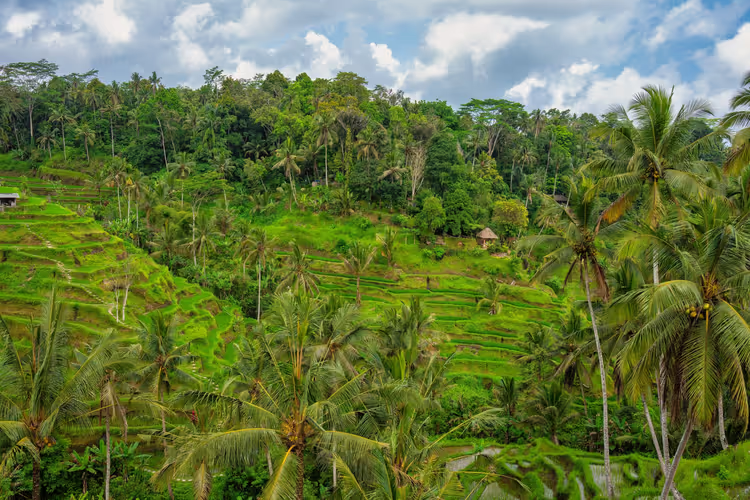
 © Unknown author · CC BY-SAPhoto: Unknown author, CC BY-SA (http://creativecommons.org/licenses/by-sa/3.0/), Wikimedia Commons
You fly into Denpasar, the island's only major airport. For EU citizens, a tourist visa on arrival gives 30 days, and you can extend it once for another 30 days (verified 12.09.2026 on the official immigration service portal).
The best time for a beach vacation is the dry season, when the weather is consistently sunny. During the rainy season, there are noticeably fewer tourists, and prices for accommodation and tours are lower.
There are two convenient ways to get around the island. In tourist areas, you order a taxi through Gojek and Grab, and for longer trips you rent a scooter, for example from BIKAGO. People pay here in Indonesian rupiah (IDR): ATMs are almost everywhere, and most cafes accept cards.
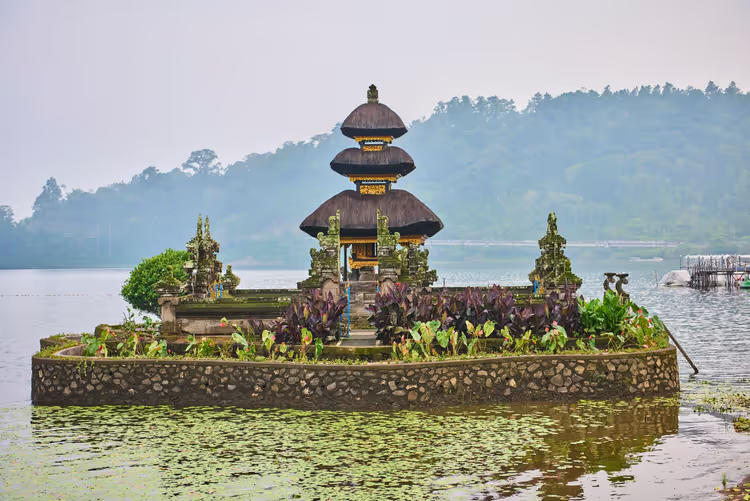
For the must-see list, check out Ulun Danu Bratan Temple (Pura Ulun Danu Bratan): it stands right at the water's edge on Lake Bratan. The weather in the south of the island is usually milder than in the center, and that's worth considering when choosing accommodation.
Does it really rain nonstop during the rainy season?
If your ideal vacation means two weeks of guaranteed sun on the beach, the rainy season isn't for you. But it won't be endless rain either. You get a mix of sunny hours and heavy but short downpours that usually last one to two hours.
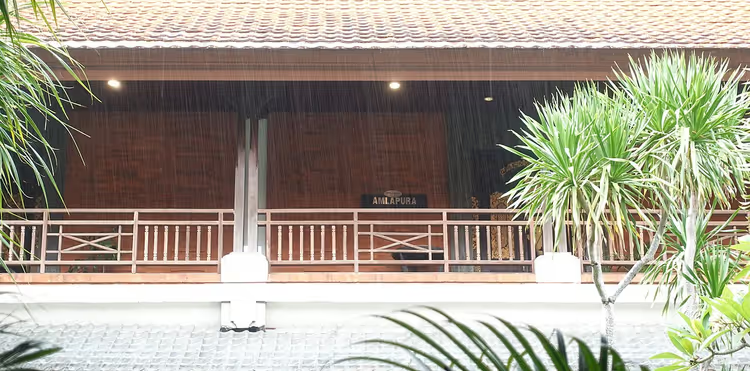
Sometimes you may get unlucky with the weather for several days in a row, and nobody can give you guarantees. When the sky suddenly darkens and heavy clouds roll in, locals on scooters put on raincoats and wait it out. The downpour hits hard but ends quickly, and the sun warms the ground again.
The weather varies even within the island. If it's pouring on the west coast, Uluwatu may be sunny. This can happen even within a single day: it's raining in Canggu while the neighboring beach is dry.
Weather apps for Bali during the rainy season almost always show thunderstorm clouds. A thunderstorm icon in the forecast doesn't mean the downpour will hit you at that exact hour.
Mornings in Bali are often dry and sunny, so beach time and longer trips are best scheduled for the first half of the day. Rain more often comes in the evening and at night, and a thunderstorm that starts after lunch can drag on until dusk. An umbrella in the car and a raincoat in your backpack solve almost all the practical problems of such a day.
The weather has become less predictable in recent years. One December turns out sunny, another brings noticeably more rain, and you can't predict it in advance.
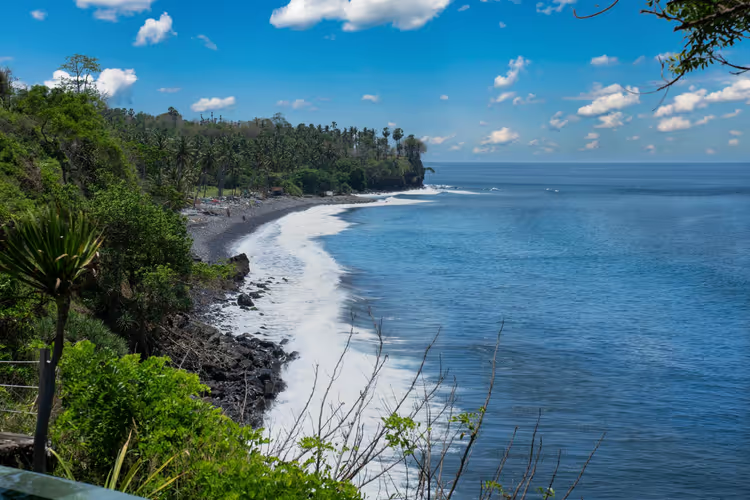
 © Sam Wilson (taken with Sony RX100 mk.V ) · CC BY-SAPhoto: Sam Wilson (taken with Sony RX100 mk.V ), CC BY-SA (https://creativecommons.org/licenses/by-sa/4.0), Wikimedia Commons
How rainfall is distributed across Bali's regions
The island is large, and a mountain range with volcanoes and humid tropical forest runs through its center. Because of the terrain, rainfall is extremely uneven, and this is the main factor when choosing your base.
Region | Rain during the rainy season | What it means for you |
|---|---|---|
North and east (Amed, Tulamben, Lovina) | noticeably drier than the south and center | more hours of sunshine, diving near Tulamben |
Center and volcanoes (Ubud, Munduk, Kintamani, Bedugul) | the heaviest rain, high humidity | bring a raincoat and allow extra travel time |
Southwest and south (Kuta, Seminyak, Canggu, Uluwatu, Sanur, Nusa Dua) | moderate rainfall, short downpours from December to March | a convenient base, beaches and cafes nearby |
Northwest (West Bali National Park, Medewi) | steady, slightly wetter than the east | nature and surfing without the crowds |
The mountains hold back the clouds, so the north and east get less rain, while the volcanic center gets wet first. In Ubud it rains year-round, and humidity stays high even in the dry season. Around Medewi and West Bali National Park, rainfall is more evenly distributed, but overall it is wetter here than in the east, though there are noticeably fewer tourists.
If you are booking accommodation for your whole vacation, choose the area based on weather, not just price. Rain falls in narrow bands, and moving to a neighboring area often gives you more sun than paying extra for a hotel.
- The catch: in the center and near the volcanoes, rain happens even in the dry season, so plan volcano treks with a spare day.
The general rule is simple: the farther you are from the mountains and the closer to the dry stretches of coast, the less rain you get. There are no 100% guarantees. If you want more sun, base yourself in Amed or Lovina: Bali hotels on Trip.com.
When the rainy season starts and ends
The rainy season, or musim hujan, usually lasts from October-November to March-April. Statistically, the most rainfall comes in December, January, and February, mostly in the afternoon and evening.

The wettest weeks fall at the end of January and in February: downpours come almost daily, and humidity does not drop even at night. You should build in a spare day for long trips and treks, because schedules here often shift due to the weather.
The first short downpours arrive in late October or November. From March the intensity drops, rain still happens in early April, and by the end of the month the season is usually over. Sunny days become more frequent.
Even in the rainy season in Bali it is warm, and the ocean water stays warm. According to the weather service forecast, the island's rain peak falls in January and February 2026 (as of 09/2026, BMKG data for Bali province).
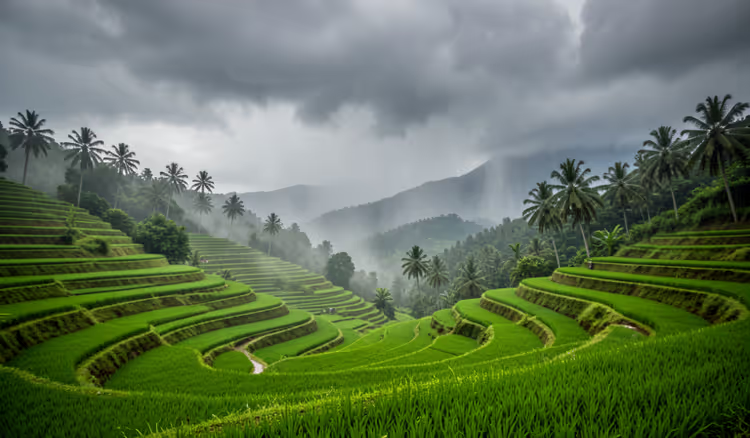 AIIllustrative image: AI-generated
The upsides of visiting in the rainy season
The main upside of the low season is that there are noticeably fewer tourists. You see fewer groups and tour buses, attractions and beaches are less crowded, and it is easier to get a table in restaurants. Traffic jams on the island's roads are also lighter.

The rule does not apply around Christmas and New Year. Although these dates fall in the rainy season, they count as high season, and prices rise again.
In the other months, flights and accommodation get cheaper, and you have more room to negotiate on tours. The island looks more vivid: regular rain brings lush greenery, and waterfalls become fuller. Compare flight prices well in advance, several months before your trip.
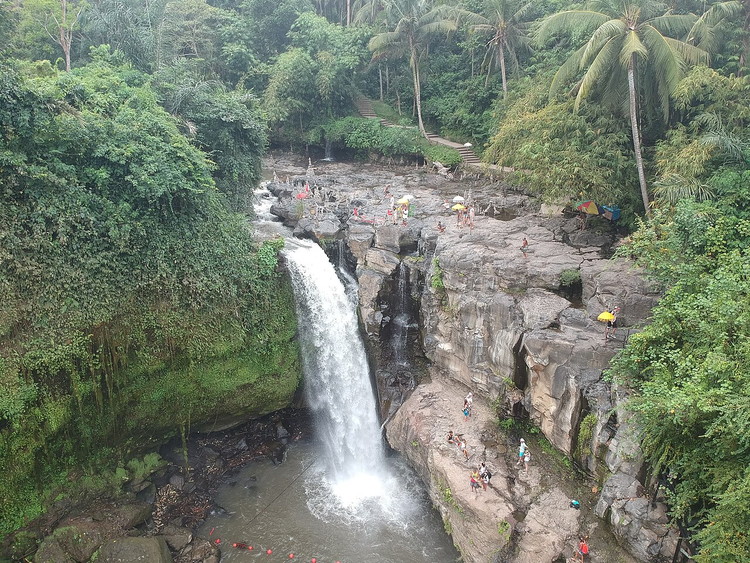 © Magul · CC BY-SAPhoto: Magul, CC BY-SA (https://creativecommons.org/licenses/by-sa/4.0), Wikimedia Commons
Problems and challenges of the rainy season
Besides empty beaches, the rainy season has a flip side. Insurance, repellent, and accommodation with air conditioning solve most of the problems.
Below we break down the risks in order: flooding and landslides, high waves, mosquitoes, stuffiness, and trash near the shore.
Floods, landslides and high waves
Storm drains in Bali do not always cope with the flow of water. Sometimes water sits on the road and then slowly drains away. You need to ride carefully so you do not lose control on wet asphalt.
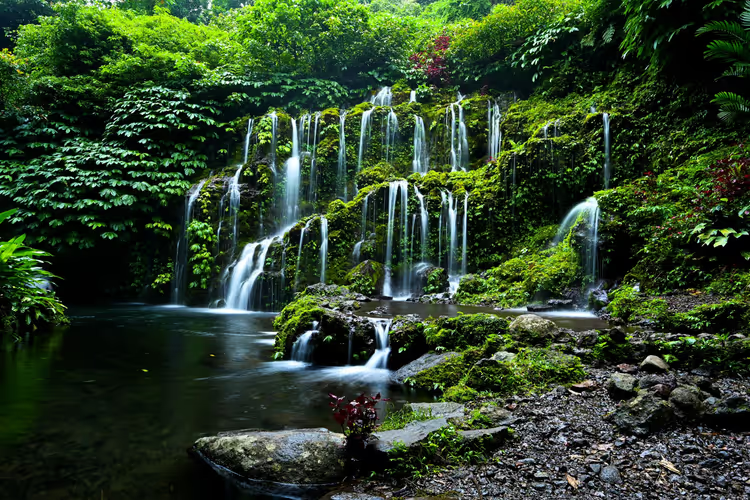
Bad weather also brings more serious risks: falling trees, landslides in mountain areas and closed trekking routes. Some trails are blocked off when walking them becomes dangerous.
At sea, bad weather turns into high waves. They cause boat tours to be cancelled, and speedboats have capsized between Bali, Lombok, the Gilis and the Nusa Islands. In a storm, do not get on a speedboat, choose a large ferry instead.
Overland trips and crossings also depend on the weather. Departures get shifted because of rain, water and landslides, so plan your route with a buffer. If bad weather catches you on the road, do not schedule more than one long transfer per day.
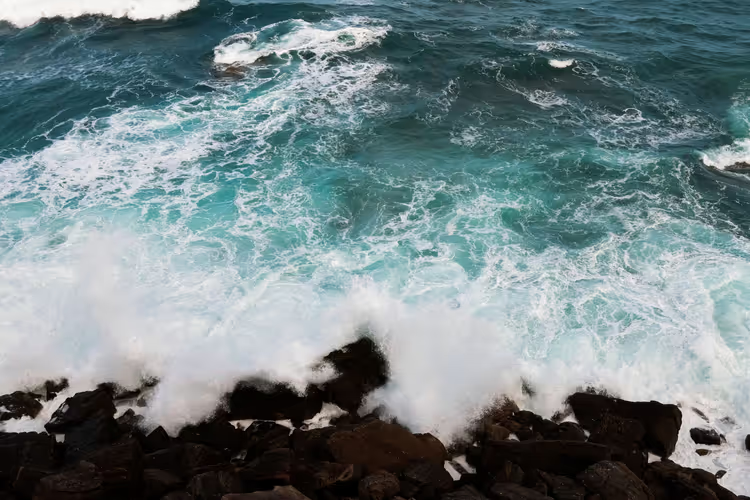
Mosquitoes, heat and trash on the beaches
Rain wakes up mosquitoes. In Bali they carry various diseases, including dengue fever, and vector activity is higher during the rainy season (WHO fact sheet on dengue fever). Apply repellent, sleep under a mosquito net, and discuss vaccination with a tropical medicine doctor before you leave. In 2025, the island saw a rise in dengue cases (as of 06/2025, report from the Institute of Tropical Medicine).
High humidity makes the heat feel heavy. The mugginess puts strain on the cardiovascular system, especially for older travelers and people with chronic conditions. Book accommodation with air conditioning, drink more water, and plan long workouts only when you are in good shape.
Trash is a separate story. When rivers overflow, they carry waste into the ocean, and currents bring it back to the western beaches. Every year during the rainy season, the island holds beach cleanup campaigns, but on some days the beach remains dirty.
Near river mouths on the west coast, the water is murky. If you accidentally swallow seawater, stomach upsets known as Bali Belly are possible. Walking barefoot on such a shore is also dangerous: you can cut yourself on trash or get hit by a branch carried in by the water.
What to do during the rainy season
Downpours do not cancel your vacation, because some activities do not depend on the weather. You can build your day around things that are indoors or close to where you are staying.
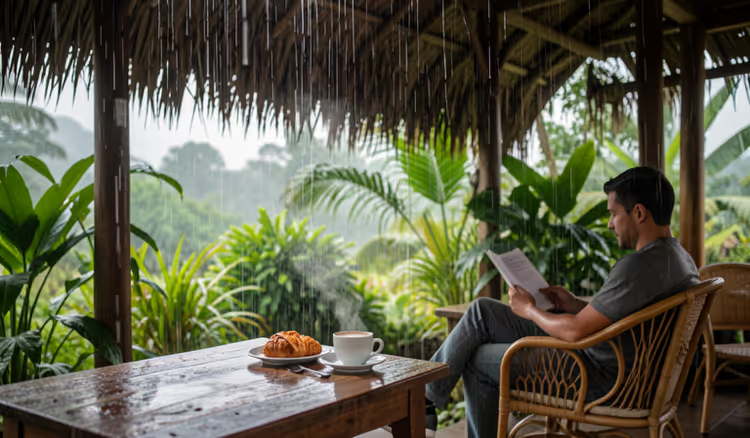
Yoga, meditation and sound healing. There are many studios on the island, and many are set up as open pavilions, so you listen to the rain right during your practice. If you were planning a yoga teacher training course, the rainy season is a good fit for it.
Fitness. Tourist areas have gyms with equipment and group classes, so you will not miss a workout.
Cafe hopping. In Seminyak, Canggu, Uluwatu and Ubud it is easy to move from one coffee shop to another: coffee in the morning, a cinnamon roll in the afternoon, a cocktail in the evening.
Temples. Even in the rain you can visit most temples in Bali, just bring a raincoat.
Spa and wellness. A traditional Balinese massage with the sound of rain is a great way to end the day and relieve fatigue after traveling.
Coworking. If you work remotely, coworking spaces host joint events and talks for residents.
Book tours and tickets around the island in advance: tours and excursions on GetYourGuide.
 AIIllustrative image: AI-generated
Rainy days in Bali are convenient for recovery. Choose an area with the right infrastructure in advance, and the weather will not ruin your plans.
A cooking class on a rainy day
You can get to a Balinese cooking class even in heavy rain, so the day will not be wasted. You break down the local cuisine and sambal paste, and then recreate your favorite dishes at home. You can book in advance: Cooking class at a bio farm. The class takes place on a farm, and rain does not get in the way.
During the class you work with your hands, so time flies. You taste the finished dishes right away and take the recipes home with you.
A silver jewelry class in Canggu
Another option for a downpour: a workshop in Canggu where you learn Balinese craft and make your own silver piece of jewelry. Working with your hands does not depend on the forecast, so the day will not be wasted. Sign up for the silver jewelry class in advance, the masters take small groups.
The master demonstrates the technique, and you repeat it on your own blank. You take the finished ring or pendant home with you, and a souvenir like that does not gather dust at home.
What to bring during the rainy season
The right gear solves half the problems of the rainy season. Here is what you should pack before you fly.
Raincoat. It works for a scooter and short outings and is easy to buy locally. A regular poncho is big enough and also covers your backpack.
Dry bags and zip-lock bags. They protect your passport, phone and camera from moisture.
Repellent. During the rainy season mosquitoes are especially active. A product with DEET reduces the risk of bites and diseases, and it is sold in almost any supermarket. There are also natural repellents.
Mosquito net and anti-itch treatment. A net protects you while you sleep, and an anti-itch stick helps after a bite.
High-SPF sunscreen. Even behind clouds, UV radiation in Bali is intense, so you need sunscreen every day.
A small first aid kit. Humid air slows wound healing. Bring the products you are used to and do not delay seeing a doctor if a cut does not heal.
Insurance. Wet roads increase the risk of injury, and medical treatment is expensive. Compare insurance options before the trip, not after.
What to pack for trekking and jungles
A raincoat alone is not enough for hikes. Bring a breathable rain jacket: a cheap poncho does not let air through, and in the jungle you will be soaked in sweat within minutes.
Lightweight quick-drying clothing is useful even without rain because of the high humidity, and long pants protect you from insects. A microfiber towel takes up minimal space and dries within an hour.
Choose waterproof or water-repellent footwear: trails turn to mud during the rainy season. A backpack cover will protect your gear and documents from a sudden downpour.
What to look for when choosing accommodation
During the rainy season, accommodation is not chosen on price alone. Check a few things in advance, and you will not have to deal with problems once you are there.
Central location. A place near restaurants, cafes, and attractions lets you get back to your room quickly when a downpour starts.
Access roads. Check whether there is a paved surface all the way to the entrance: dirt roads get washed out in the rain, especially in the mountains.
On-site amenities. An on-site restaurant, spa, or fitness center lets you spend a rainy day without going outside.
Drainage and insulation. Good water drainage prevents flooding, and tight-fitting windows and doors keep moisture and insects out. Recent negative reviews make this easy to spot.
Mosquito net and air conditioning. A bed under a net protects you at night, and air conditioning keeps the room from turning into a steam room.
- The catch: some budget places have no air conditioning, so check this when booking.
If you want a specific example, check prices at La Kreyiol on Trip.com. The hotel is in Pecatu in the south, where the weather is usually milder than in the center of the island.

More editor's picks on Bali
If you are planning a trip after reading this article, our other guides to the island will also come in handy. We have put together collections that answer the most common traveler questions.
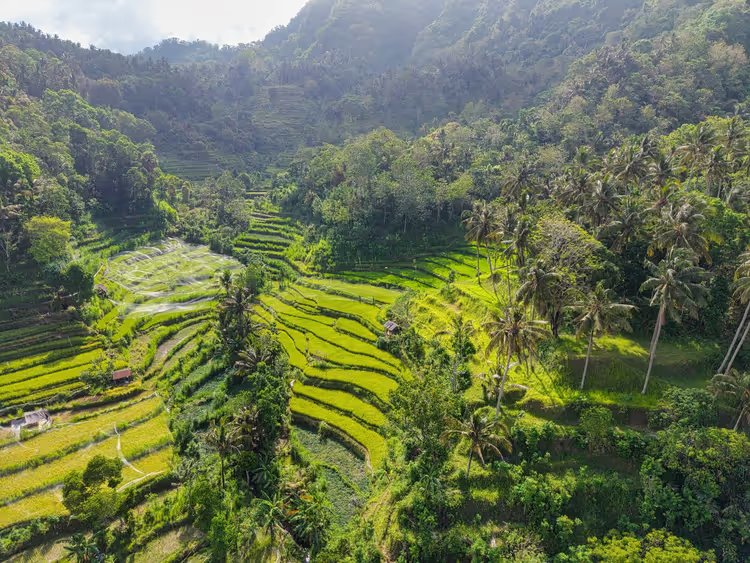
We covered more than twenty of Bali's top attractions in a separate roundup. It includes water temples, rice terraces, and volcanoes that are easy to reach from the south.
A separate guide is dedicated to the island's hotels. We have gathered options in every price category, from budget guesthouses to villas with pools.
If you only have two weeks, take a look at our ready-made itineraries. They already account for transfers between areas and travel time.
⁉️🤔 Frequently asked questions
When does the rainy season start in Bali?
The rainy season usually runs from October-November through March-April. The most rain falls in December, January, and February, and for 2026 the weather service expects the peak specifically in January and February. In early April the rain eases off, and by the end of the month the season is generally over.
Is it true that it rains nonstop during the rainy season?
No. The downpours here are heavy but short, and they usually arrive in the afternoon or at night. In between, you get sunny hours, and the ground warms up again quickly. The weather varies by area: on the same day it can be raining in Canggu while Uluwatu stays dry.
Is Bali worth visiting during the rainy season?
Yes, if you are ready for a flexible plan. There are plenty of upsides: fewer tourists, lower prices on flights and accommodation, lush greenery, and full waterfalls. The catch is just one, but an important one: some days you will have to rearrange. A raincoat and dry bags for your gear take care of most of the inconvenience.
What is there to do on rainy days?
Pick things that do not depend on the forecast: yoga, meditation and sound healing, fitness, spas and Balinese massage, cafe hopping in Seminyak, Canggu, or Ubud. Temples work too, as do a cooking class at a bio farm and a silver-making workshop in Canggu. The rain does not get in the way, it adds to the atmosphere.
What are the dangers during the rainy season?
The main risks involve water and mosquitoes. Roads get flooded and washed out, landslides are possible in the mountains, and the sea gets rough, which leads to boat tours being canceled. Mosquitoes are more active, so do not forget repellent. Air conditioning, drinking water, and caution behind the wheel cover the rest.
Where does it rain the least in Bali?
The northeast and east of the island get the least rainfall: Amed, Tulamben, and Lovina. The mountain range holds back the clouds, so these areas get more sunny hours even during the rainy season. The rainiest area is the center with its volcanoes, meaning Ubud, Munduk, Kintamani, and Bedugul.
In short: what to book
- If you are looking for sun in January: base yourself in Amed or Lovina, not in Ubud.
- If you are traveling with kids or working remotely: book accommodation with a restaurant, pool, and spa so you do not depend on the rain.
- If you want to save money: plan your trip outside Christmas and New Year.
- If you are visiting Bali for the first time: book your flight, accommodation, and tours in advance.
Look for flights early through Kiwi.com. Compare accommodation on Trip.com.
For rainy days, pick tours on GetYourGuide and choose ones that do not depend on the forecast.

A small editorial team writing guides for independent travel. We travel ourselves, but we haven’t been everywhere, so we check prices, opening hours and how to get there against official sources.