
















What to see in Tenerife: 25 places with prices and opening hours
You've flown to Tenerife for a week and aren't sure what you'll be able to see.
The island is small but packed. It has a volcano, two zoos, an observatory, gorges, and historic towns. Teide is the highest point in Spain, and the island's parks rank among the best in Europe. You can drive across Tenerife end to end in a single day. But it's easy to get stuck in Loro Parque until closing time.
We've rounded up the island's strongest spots. For each one, we've listed the price, opening hours, and how to get there. Plan ahead: parks close in the evening, and some trails have a quota system.
What you need | Where to go | Why |
|---|---|---|
First time on the island | Teide volcano | Spain's highest point and an active volcano |
Traveling with kids | Siam Park and Loro Parque | Two world-class parks |
Quiet nature | Anaga Park | Laurel forests without the crowds |
Views and photos | Los Gigantes cliffs | Walls nearly six hundred meters high |
History | Pyramids of Güímar and La Orotava | Archaeology and colonial architecture |
Ad: this article contains affiliate links, we earn a commission if you book through them, at no extra cost to you.
1. Teide volcano
💡 In short:
- Plan your trip by day: parks in the south, volcano and nature in the north.
- Get tickets for Loro Parque, Siam Park, and the Infierno gorge in advance, they have entry limits.
- Bring a warm jacket even in July.
- Prices and opening hours: 09/2026, verified on the official Volcano Teide website.
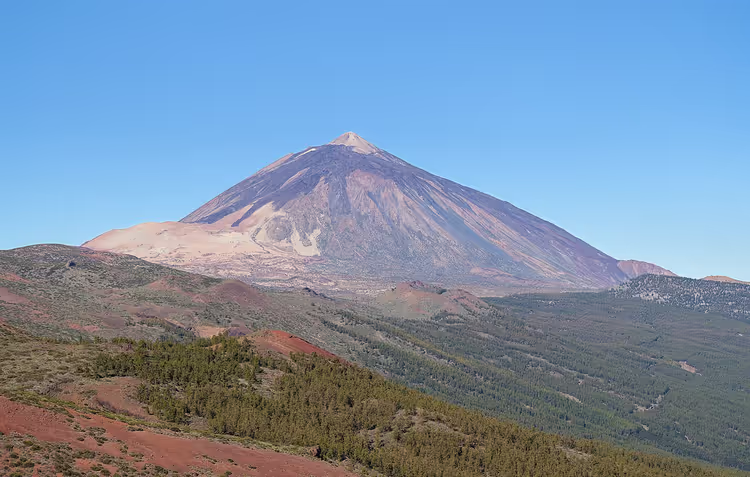
Teide is not only Spain's highest point but also an active volcano at 3,715 m (as of 09/2026, Volcano Teide). Several roads lead to it, and each is interesting in its own way.
Via Abona, you'll drive through the island's main wine region. Via La Orotava, you'll enter the valley with the "stone flower." After that, you take the cable car up, and from the upper station it's about 160 m on foot to the crater.
Access to the crater is only open with a free permit. Apply for it in advance on the park's website. Without a permit, you'll stay at the upper station.
 © Thomas Wolf , www.foto-tw.de · CC BY-SAPhoto: Thomas Wolf , www.foto-tw.de, CC BY-SA (https://creativecommons.org/licenses/by-sa/3.0/de/deed.en), Wikimedia Commons
- Cost: the cable car ticket and crater permit are booked online (as of 09/2026, Teleférico del Teide).
- How to get there: about an hour by car from the capital, buses run on a schedule.
- The catch: you won't be allowed to the crater without a permit, and there can be a line at the ticket office.
2. Loro Parque
The name translates as "parrot park," but it's not just birds that live here. The park opened in 1972 on one hectare, with only a hundred and fifty parrots.
Today the grounds have grown to thirteen hectares, and the bird count exceeds four thousand. The parrot collection is considered the largest in the world. There's also a shark tunnel, a large indoor penguin colony, and one of only three sites in Europe where orcas breed.
 © karel291 · CC BYPhoto: karel291, CC BY (https://creativecommons.org/licenses/by/3.0), Wikimedia Commons
- Cost: adult ticket 34-40 €, child ticket 22-26 € (as of 09/2026, official Loro Parque website).
- Opening hours: the park welcomes guests from 8:30 to 18:45 (as of 09/2026, tickets for your visit date).
- Who it's for: families with kids and animal lovers.
- The catch: in high season, crowds gather at the entrance and at the shows.
3. Jungle Park
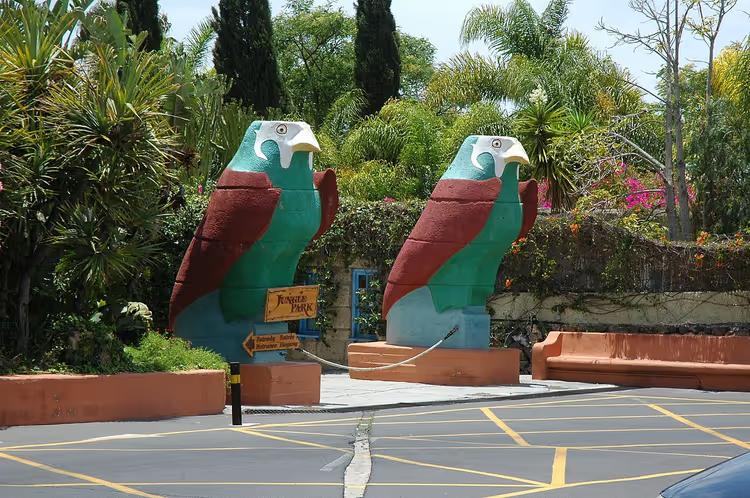
Jungle Park is a good fit for a family day out. Despite the name, it's not just eagles that live here. Sea lions, tigers, lions, and crocodiles are kept in conditions close to their natural habitats.
The birds of prey show deserves special mention. Eagles are almost impossible to train, so such performances are rare. You can also ride a bobsled track through the "jungle."
 © stephen jones from uk · CC BYPhoto: stephen jones from uk, CC BY (https://creativecommons.org/licenses/by/2.0), Wikimedia Commons
- Cost: the ticket is more expensive than at the monkey park; children's pricing is based on the child's height.
- Hours: the park operates during the day and closes in the afternoon; check the times at the entrance.
- Who it's for: families and anyone who loves animals in a natural setting.
- The catch: some animals cannot be fed, and food is checked at the entrance.
4. Siam Park
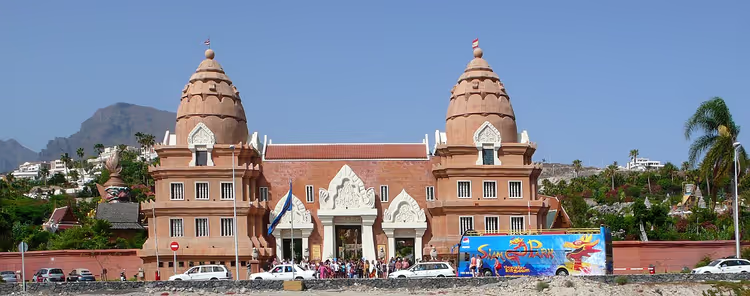
Siam Park is designed in a Thai style. To copy the royal temples, the architect needed permission from the royal family of Thailand, so he built fantasy pavilions instead.
The slides follow the island's hilly terrain, and the natural landscape was preserved during construction. It is home to the world's largest dragon statue and a "lazy river" with the steepest lift. Riding down the Tower of Power slide, you pass next to sharks and rays, while kids can stay in the Lost City.
- Hours: the complex is open daily from 10:00 to 18:00 (as of 09/2026, official Siam Park website).
- Cost: an adult ticket is more expensive than a child's ticket; check the exact price for your visit date.
- The catch: popular slides have long lines at midday.
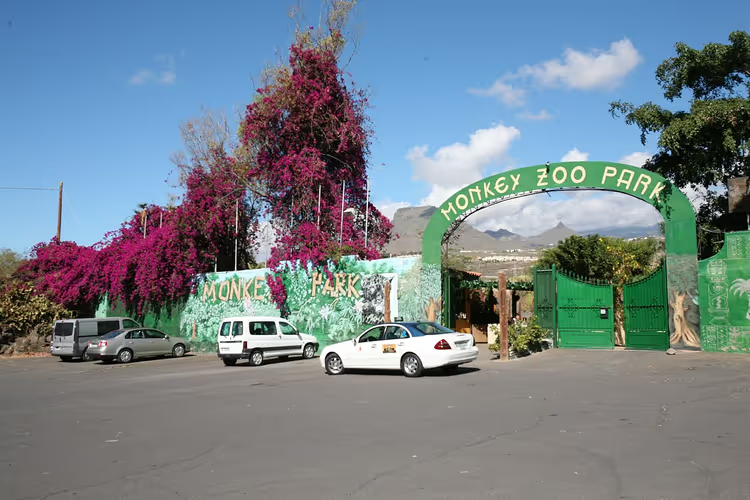
5. Monkey Park
Monkey Park is smaller in size, but here you get a closer look at lemurs and primates. The grounds are divided into zones: reptiles, an alligator lake, primates, and tropical birds.
Come in the morning or closer to closing time. In the middle of the day, the animals sleep and will not react to your arrival. Bring food with you, but no bananas or dates. These make the animals gain weight, and you will be asked to leave such treats outside the entrance.
 © Chris Morgan · CC BY-SAPhoto: Chris Morgan, CC BY-SA (https://creativecommons.org/licenses/by-sa/2.0), Wikimedia Commons
- Cost: a child's ticket is half the price of an adult's; check the price at the ticket office.
- Getting there: public transport does not go here; you need a car. Rent a car.
- The catch: you cannot reach the park without a car or taxi.
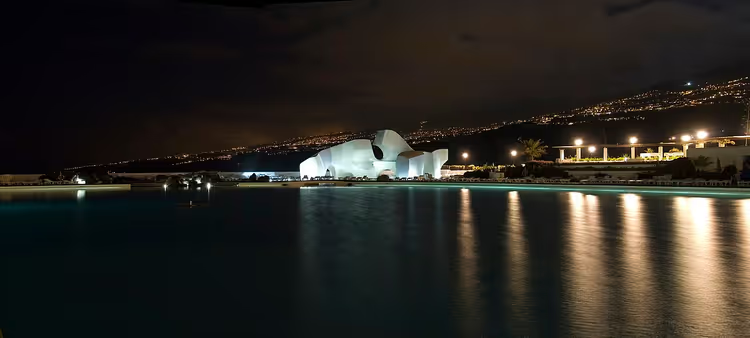
6. Lago Martiánez Complex
Lago Martiánez is a system of artificial lakes on the Atlantic coast in Puerto de la Cruz.
The north of the island is calmer here. You will find gently sloping beaches, dozens of seawater pools, gardens, and even islands.
The complex opened at the end of the twentieth century with two pools and one bar. It got its modern look after a renovation, when local architecture was combined with engineering innovations.
 © freakyman from Puerto de la Cruz, Spain · CC BYPhoto: freakyman from Puerto de la Cruz, Spain, CC BY (https://creativecommons.org/licenses/by/2.0), Wikimedia Commons
- Who it's for: a relaxed day by the water with children.
- What to do: swimming in seawater pools, walking through the gardens, lunch at a local cafe.
- Getting there: the complex is within Puerto de la Cruz, within walking distance from the center.
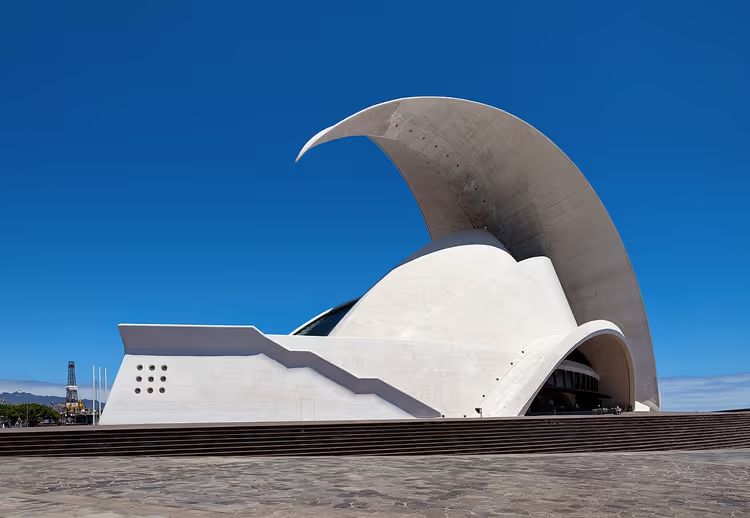
7. Auditorio de Tenerife
Auditorio de Tenerife was built in 2003, and the building immediately became a symbol of Santa Cruz. Today, a concert hall and an opera house operate under one roof.
An exterior visit is included in many tours, but you can also get inside with a ticket to a performance. Specialists rank the hall's acoustics among the best in Europe.
Prices depend on the production and the seat. Inexpensive tickets are sometimes available on the balcony; premieres are more expensive. Get concert tickets.
 © Thomas Wolf , www.foto-tw.de · CC BY-SAPhoto: Thomas Wolf , www.foto-tw.de, CC BY-SA (https://creativecommons.org/licenses/by-sa/3.0/de/deed.en), Wikimedia Commons
- Hours: the building is open to visitors during the day; ticket offices are open on weekdays, with shorter hours on Saturday.
- The catch: on performance days, only ticket holders are allowed inside.
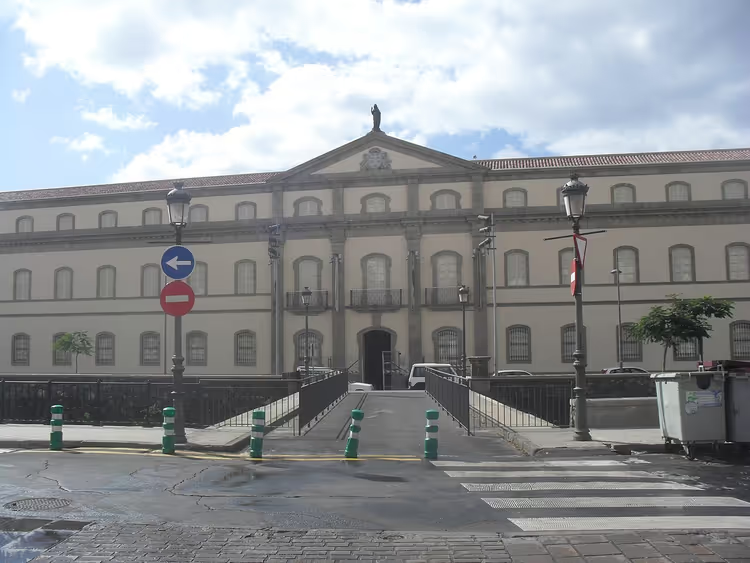
8. Museum of Nature and Man
The elegant neoclassical museum building is itself an architectural landmark. Inside, two collections are combined: archaeology and natural sciences.
The museum's main pride is its collection of Guanche mummies, which has no equivalent in the world. You will see African masks, Guanche ritual objects, and Egyptian pottery. In the evenings, the museum offers night tours.
 © VolcánTeide · CC BY-SAPhoto: VolcánTeide, CC BY-SA (https://creativecommons.org/licenses/by-sa/3.0), Wikimedia Commons
- Cost: a full ticket costs a few euros; discounts are available for children and seniors.
- Getting there: the museum is located in central Santa Cruz, within walking distance from the bus station.
- Who it's for: anyone interested in the history of the island and the Guanches.
9. San Miguel Castle
San Miguel Castle looks medieval, but it was built specifically for tourists. The era is recreated in detail: a knight's tournament, horseback acrobatics, and a feast in the great hall.
At the feast, you eat with your hands; no knives or forks are provided. The show starts in the evening, and in summer the castle operates on Tuesdays, Thursdays, Fridays, and Saturdays.
- Cost: a ticket with a three-course dinner and show starts at €49.50 (as of 09/2026, Medieval Show Tenerife).
- Getting there: buses run from Los Cristianos and Playa de las Américas; the trip takes less than half an hour.
- The catch: dinner is eaten with your hands; no utensils are provided.
10. Basilica of Candelaria
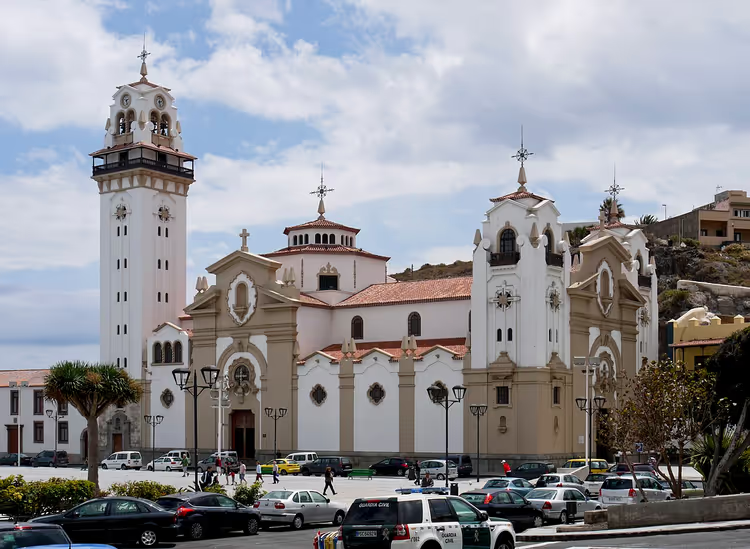
The Basilica of Candelaria stands in the town of the same name and is considered one of the main churches of the archipelago. The light-stone building was erected on the site of an old church that was demolished in the first half of the twentieth century.
The image of Our Lady of Candelaria takes center stage, and a tall chapel was later added to the basilica. On major holidays, pilgrims and tourists flock here. The town turns into a hub of festivities, dancing, and fireworks.
 © Xauxa (Håkan Svensson) · CC BY-SAPhoto: Xauxa (Håkan Svensson), CC BY-SA (https://creativecommons.org/licenses/by-sa/3.0), Wikimedia Commons
- How to get there: a bus runs from Santa Cruz, and the trip takes about half an hour.
- Who it's for: pilgrims and lovers of religious architecture.
- The catch: on holidays, the parking lot is packed.
11. Church of the Immaculate Conception
This church in La Orotava is considered the largest in the archipelago. It is built in the shape of a Latin cross and consists of five naves.
A chapel of Spanish knights once stood on the site of the church. The modern-era building is done in the spirit of Tuscan Baroque. Among the old relics that survive are a Gothic figure of the Virgin Mary, a sixteenth-century crucifix, and several ancient icons. The church's pride is its London-made organ.
 © Diego Delso · CC BY-SAPhoto: Diego Delso, CC BY-SA (https://creativecommons.org/licenses/by-sa/3.0), Wikimedia Commons
- Hours: the church is open in the first half of the day, and entry is limited during services.
- Who it's for: lovers of Baroque architecture and organ music.
- The catch: the organ does not play every day, so check the schedule on site.
12. Pyramids of Güímar
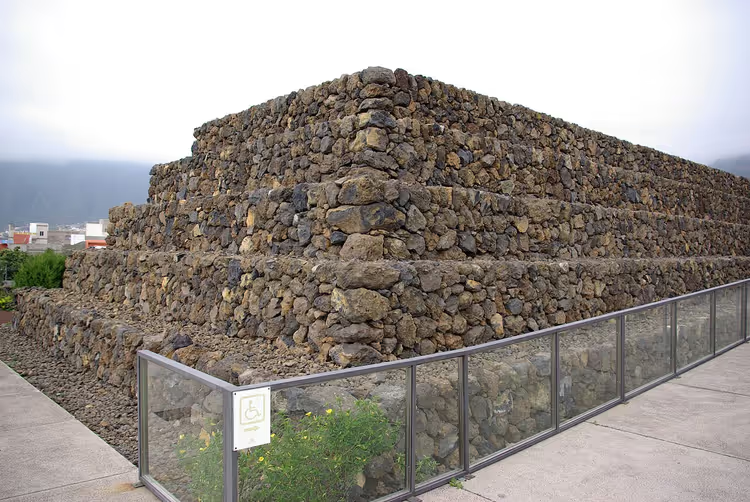
The Pyramids of Güímar rank first among the island's archaeological sites. They are more modest than the Egyptian ones, but the tour is still informative. An ethnological park with a museum and photo exhibition surrounds them.
The age of the structures and their purpose remain disputed, and no settlements have been found nearby. Research has shown that the staircases are oriented toward the sun. On the summer solstice, a double sunset can be seen from the top of the tallest pyramid.
- Cost: adult ticket 15-18 €, child ticket around 6 € (as of 09/2026, official pyramid website).
- Hours: the park is open from 10:00 to 18:00 (as of 09/2026, tickets and routes).
- The catch: the grounds are small, and an hour to an hour and a half is enough to see everything.
13. Cueva del Viento
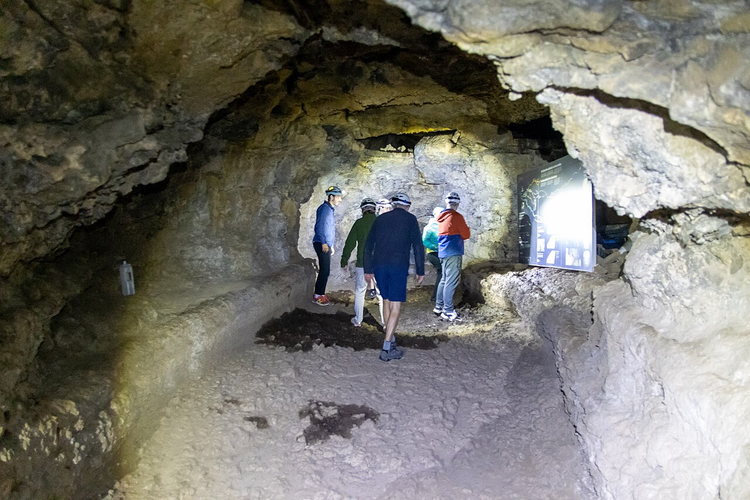
A network of lava tubes hides beneath the island. Cueva del Viento was formed during the eruption of the Pico Viejo volcano.
The large-scale system of passages has not been fully explored. The galleries are arranged on three levels, something found nowhere else in the world. Inside you will see lava lakes, terraces, stalagmites, and stalactites. Dress warmly: strong air currents make the passages breathe.
 © Photograph by Mike Peel ( www.mikepeel.net ). · CC BY-SAPhoto: Photograph by Mike Peel ( www.mikepeel.net )., CC BY-SA (https://creativecommons.org/licenses/by-sa/4.0), Wikimedia Commons
- Cost: an adult ticket costs less than twenty euros, and a child ticket is several times cheaper.
- Hours: the caves are open Tuesday through Saturday, so check the times at the entrance.
- The catch: it is cold and windy underground, so light clothing is not enough.
14. Masca Gorge
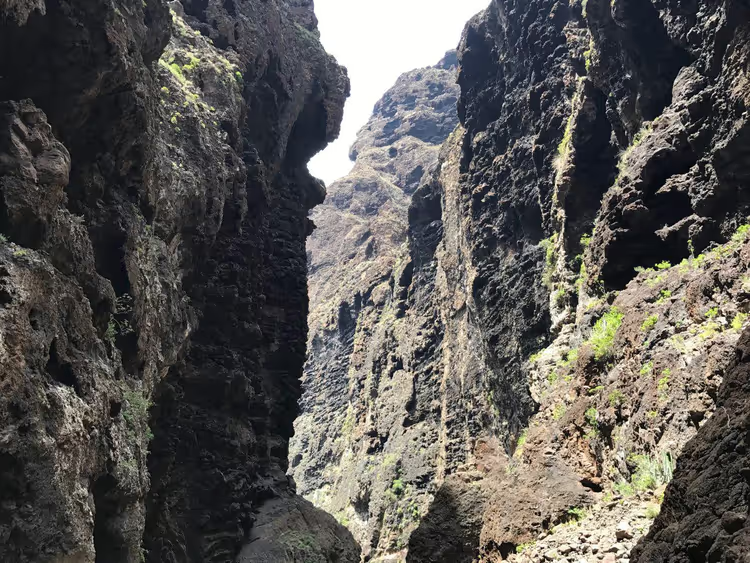
Masca Gorge attracts visitors not only with its scenery. Pirates and smugglers once hid treasure here, and legends promise riches among the rocks and grottoes.
The island's steepest winding road leads to the village of the same name, home to about a hundred residents. In places, the road is narrow even for two cars. In the past, the only way to get here was along mountain trails.
In the village you will find Canarian architecture, the "Gingerbread House," and cuisine featuring gofio and purple mojo sauce.
 © Константин Шторм · CC BY-SAPhoto: Константин Шторм, CC BY-SA (https://creativecommons.org/licenses/by-sa/4.0), Wikimedia Commons
- How to get there: by car along the mountain road from Santiago del Teide, part of the route follows a winding road.
- Who it's for: those who are confident driving on mountain roads.
- The catch: the winding road is narrow and steep, so an inexperienced driver will find it difficult.
15. Barranco del Infierno
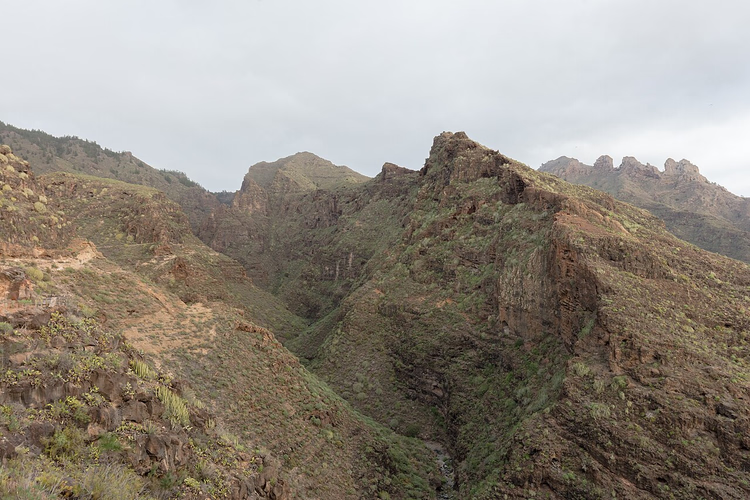
Barranco del Infierno is called a nature reserve with ravines and a waterfall. It lives up to its name: the trail is narrow, the cliffs loom overhead, and it is hot here in summer.
The number of visitors to the gorge is limited by a daily quota. Buy your ticket in advance on the official website, as there are no free spots in season. The walk along the gorge takes about three hours. The trail passes rock formations, ancient grottoes, and tropical greenery.
On mountain routes, a comparison of travel insurance options will come in handy.
 © Diego Delso · CC BY-SAPhoto: Diego Delso, CC BY-SA (https://creativecommons.org/licenses/by-sa/4.0), Wikimedia Commons
- Cost: entry around €15, a guided tour costs more (as of 09/2026, official Barranco del Infierno website).
- How to get there: a road leads from Adeje to the gorge entrance, and it's a short drive from Playa de las Americas.
- The catch: a quota of three hundred people per day, and the trail closes in heat and strong wind.
16. Los Roques de Garcia
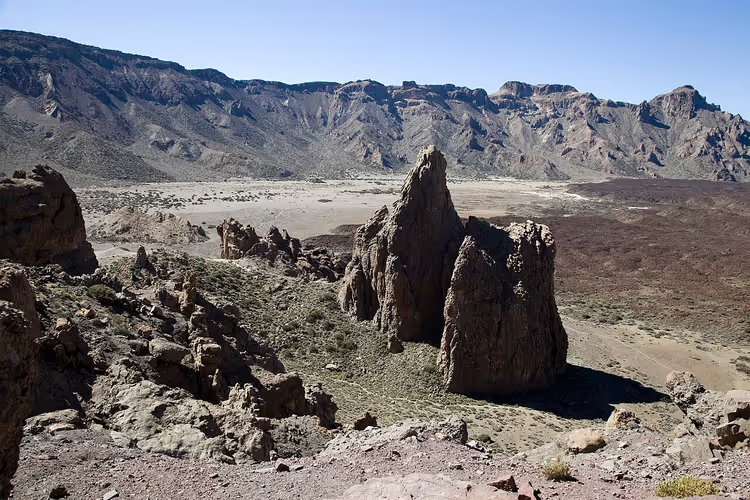
Los Roques de Garcia in the Las Canadas caldera rank second in visitor numbers among the island's natural sites. The most recognizable rock, Roque Cinchado, appears on postcards and stamps.
The rocks are estimated to be around one hundred and seventy thousand years old. Scenes from "Planet of the Apes" and "Star Wars" were filmed here. The area is protected because of rare grasses, so access is restricted. Book a tour in advance.
 © Bbsferrari · CC BY-SAPhoto: Bbsferrari, CC BY-SA (https://creativecommons.org/licenses/by-sa/3.0), Wikimedia Commons
- How to get there: by road through Teide National Park, over an hour from the south coast.
- Who it's for: photographers and geology enthusiasts.
- The catch: access is restricted and weather-dependent.
17. Los Gigantes Cliffs
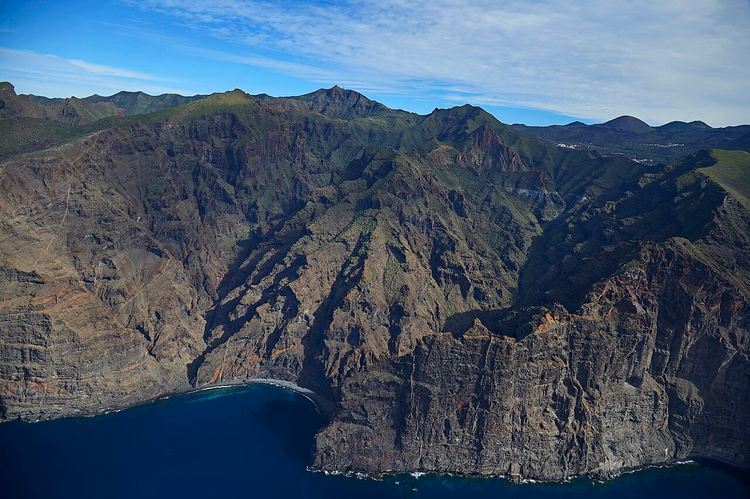
The Los Gigantes cliffs rise almost six hundred meters above the western shore. The island's ancient inhabitants regarded these basalt formations with sacred awe.
The best view is from below, from a boat or ferry. At the foot of the cliffs sits the town of the same name with its marina. Boats head out from here to fish in the ocean, and divers descend right by the walls. The basalt cracks contain passages large enough for a person. Behind them hide wild beaches and small grottoes.
 © Wouter Hagens · CC BY-SAPhoto: Wouter Hagens, CC BY-SA (https://creativecommons.org/licenses/by-sa/4.0), Wikimedia Commons
- How to get there: from the Los Gigantes marina by boat or ferry.
- Who it's for: boat trips, diving, and fishing.
- The catch: the cliffs look worse from the shore than from the water.
18. Orotava Valley
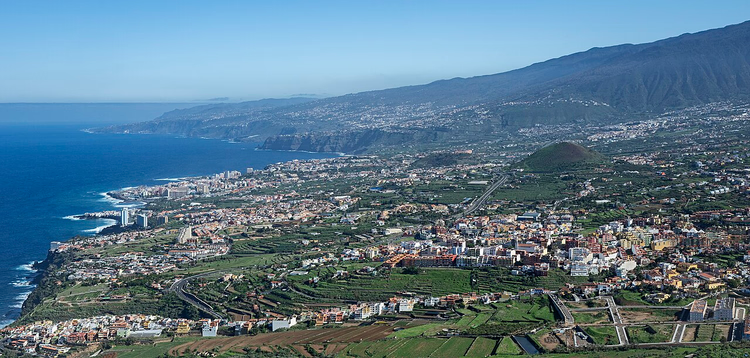
The Orotava Valley borders the Las Canadas ridge and from above looks like an almost perfect square. It formed when a huge mass of solidified lava slid toward the ocean.
The valley got its name from a settlement founded by conquistadors in the sixteenth century. La Orotava was already famous for its vibrant traditional architecture back then and remains the unofficial capital of the valley. The land here is the most fertile on the island. Many trails cross the valley, and a walk here is meant for leisurely enjoyment of the scenery.
 © Cayambe · CC BY-SAPhoto: Cayambe, CC BY-SA (https://creativecommons.org/licenses/by-sa/4.0), Wikimedia Commons
- How to get there: from Puerto de la Cruz by car or bus.
- Who it's for: walking and photography.
- The catch: some trails have no shade, so in summer go in the morning or evening.
19. Anaga Park
Anaga Park covers rocky gorges, jagged peaks, and evergreen forest. It's famous for more than just its terrain.
The impassable mountains on the edges have preserved the flora as it was hundreds of years ago. The subtropical laurel forests are of particular value. Trails have been laid out for tourists, and almost all of them pass through Roque de Taborno, the park's highest point. Old settlements and small villages with remnants of traditional crafts hide within the area.
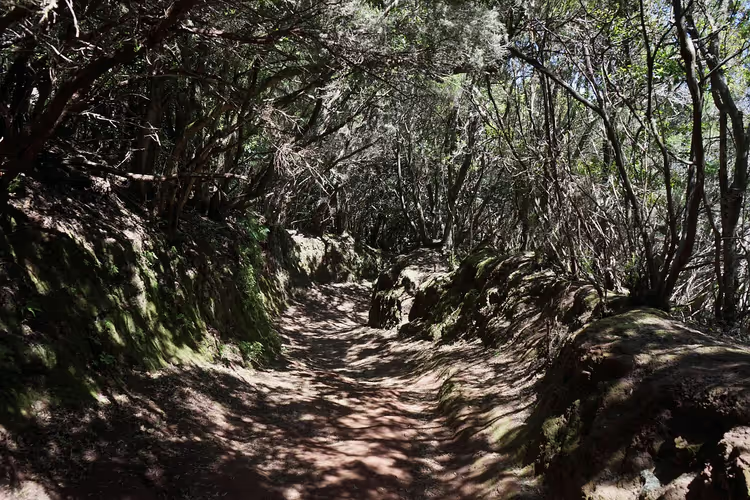
- How to get there: from Santa Cruz via La Laguna, then along a mountain road.
- Who it's for: forest hikes and quiet far from the resorts.
- The catch: mountain weather changes fast, so bring a raincoat.
20. Puerto de la Cruz botanical garden
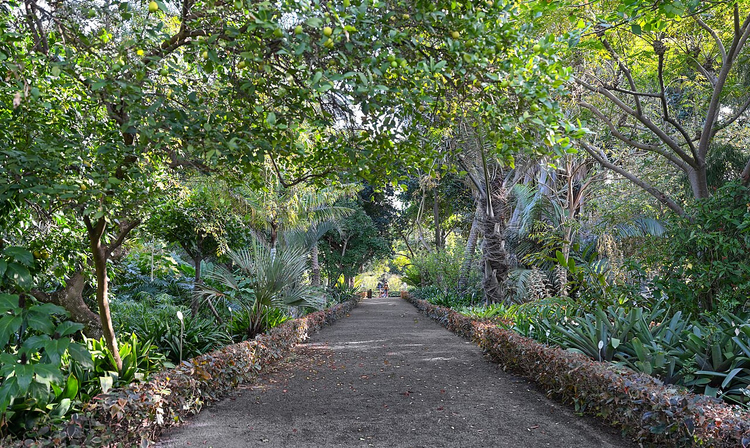
The Puerto de la Cruz Botanical Garden was laid out in 1788. It's the second oldest in Spain after the one in Madrid.
At first it was a staging point. Exotic plants were brought here to acclimatize before being sent further into the continent. Over time the place became a draw for botany lovers.
The garden occupies the eastern edge of the city. The collection includes more than four thousand plants from around the world, and a guide will tell you about rare species.
 © Cayambe · CC BY-SAPhoto: Cayambe, CC BY-SA (https://creativecommons.org/licenses/by-sa/4.0), Wikimedia Commons
- Cost: entry costs a couple of euros, cheaper for children.
- Hours: the garden is open during the day and closes toward evening.
- How to get there: on foot from the center of Puerto de la Cruz.
21. Dragon tree
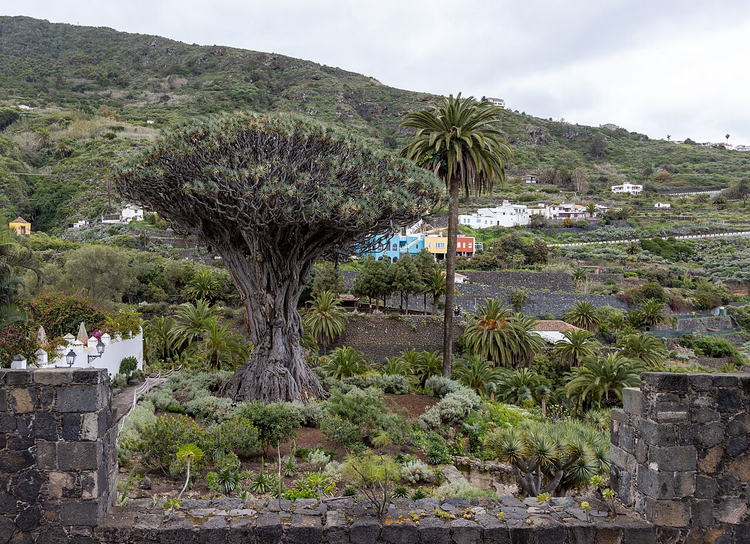
The dragon tree grows in Icod de los Vinos and is considered the symbol of the town. Its image appears on the local coat of arms.
Scientists argue about the giant's age, with estimates usually ranging from eight hundred to a thousand years. Dracaena has no annual rings, so the exact date cannot be determined. The trunk is impressive in circumference, and the height falls just short of eighteen meters. For the Guanches, the tree was sacred, and its sap was used in burial rituals.
 © Photograph by Mike Peel ( www.mikepeel.net ). · CC BY-SAPhoto: Photograph by Mike Peel ( www.mikepeel.net )., CC BY-SA (https://creativecommons.org/licenses/by-sa/4.0), Wikimedia Commons
- How to get there: a bus runs from Puerto de la Cruz to Icod de los Vinos.
- Who it's for: for those who want to see the archipelago's most famous tree.
- The catch: the tree stands in a small park, and a visit takes less than an hour.
22. Taoro Park
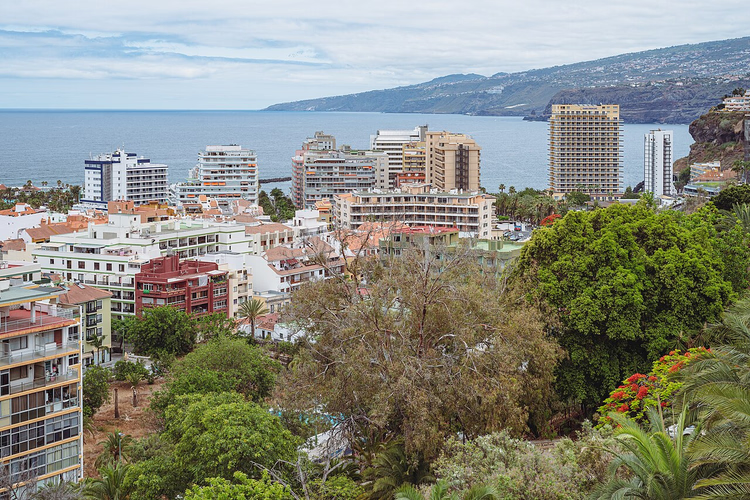
Taoro Park lies on a sloping hill in the center of old Puerto de la Cruz. It's a quiet place for a walk away from the crowds. The air is filled with the fragrance of exotic flowers, and fountains and waterfalls add to the atmosphere.
 © Flocci Nivis · CC BYPhoto: Flocci Nivis, CC BY (https://creativecommons.org/licenses/by/4.0), Wikimedia Commons
The park is divided into three zones. The first has a viewing platform with the best panorama of the city. The second is named after the casino in the building of the archipelago's oldest hotel. The third is favored by runners and athletes. Bring sneakers, as the park's paths are easier to walk in athletic shoes.
- How to get there: on foot from the center of Puerto de la Cruz, the park sits on a hill.
- Who it's for: for a quiet hour in the city and a morning run.
- The catch: the park is on a slope, so you'll have to walk uphill.
23. El Caleton natural pools
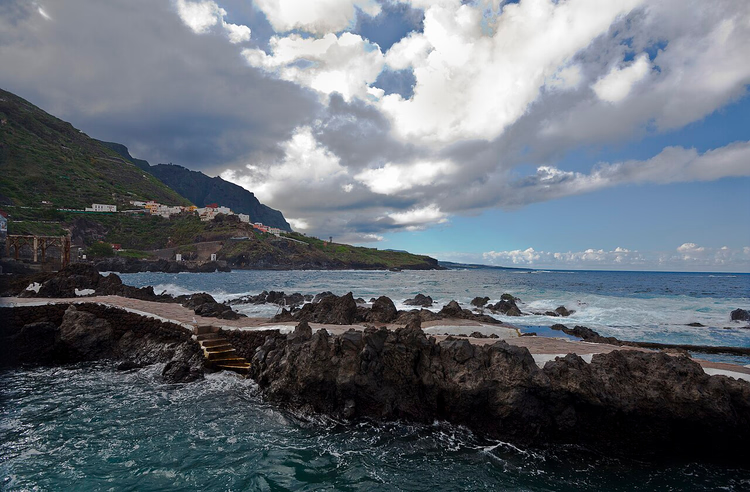
The El Caleton natural pools grace Garachico. They appeared after the eruption of Montana Negra.
The eruption occurred in 1706. The disaster claimed many lives and nearly destroyed part of the town. Lava melted the rock and created hundreds of small pools. Remains of former buildings still lie beneath a layer of solidified rock.
The pools come in different shapes and depths, which is what draws visitors. The bottom is lined with black stone. Be careful when swimming: high waves sometimes come up.
 © Diego Delso · CC BY-SAPhoto: Diego Delso, CC BY-SA (https://creativecommons.org/licenses/by-sa/3.0), Wikimedia Commons
- How to get there: take the northern highway from Puerto de la Cruz by car or bus.
- Who it's for: for swimming in volcanic baths.
- The catch: swimming is dangerous when the sea is rough.
24. Teno Point
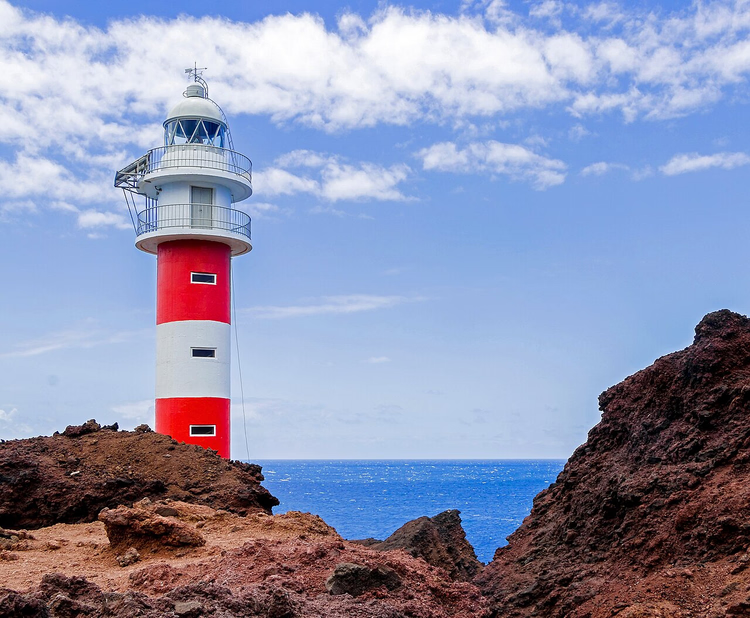
Teno Point crowns the northwestern tip of the island. From here you can see the Los Gigantes cliffs.
The road to the point is considered dangerous. You'll face tunnels and hairpin turns right at the cliff's edge, and strong winds cause rockfalls. Signs warn about this in advance. You can spend a long time gazing at the deserted beach and the lonely lighthouse. It's easy to sit here all evening until the sun slips below the ocean.
 © H. Zell · CC BY-SAPhoto: H. Zell, CC BY-SA (https://creativecommons.org/licenses/by-sa/3.0), Wikimedia Commons
- How to get there: take the mountain road from Buenavista by car.
- Who it's for: for views and quiet away from tourists.
- The catch: the road is periodically closed due to rockfalls.
25. Teide Observatory
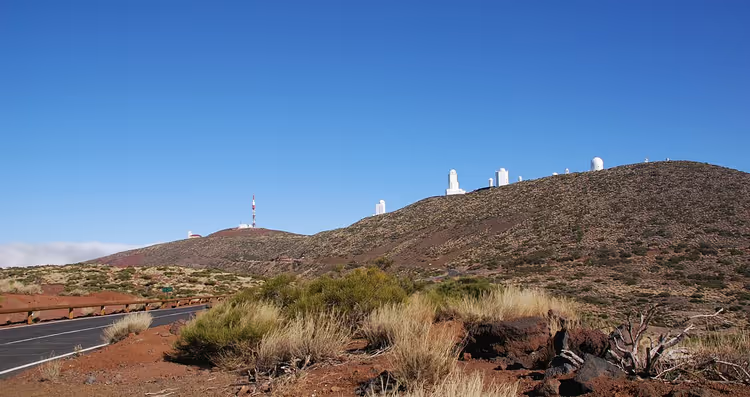
Teide Observatory studies the night sky and is part of the natural complex of the same name. It is ranked among the world's leading observatories.
A winning combination of modern technology and geographic location gives it an edge. Some facilities are closed to the public, but the Vacuum Tower Telescope and the Solar Laboratory are included in tours. On open days admission is free, but those are scheduled rarely and the schedule changes. Private visits are possible only by appointment.
The observatory sits at an altitude of over two thousand meters, so nights here are cold and clear. Bring warm clothing even in summer.
 © Wladyslaw · CC BY-SAPhoto: Wladyslaw, CC BY-SA (http://creativecommons.org/licenses/by-sa/3.0/), Wikimedia Commons
- Cost: tour prices depend on the program and time, book in advance.
- How to get there: by car along the road through Teide National Park.
- The catch: spots on night tours are limited, so sign up early.
Tours and tickets in Tenerife
Guided tours, skip-the-line tickets and activities — most offers can be cancelled free of charge.
See offers on GetYourGuideThe widget loads once you give your consent.
⁉️🤔 Frequently asked questions
How many days do you need in Tenerife?
Five to seven days is enough to cover the parks, the volcano, and a couple of gorges. In two days you'll only manage Loro Parque and Teide. Plan your days by parts of the island: the south for parks, the north for nature and small towns. Leave the last day for the observatory or relaxing by the ocean.
What to see with kids?
Kids usually pick Siam Park and Loro Parque. The first has more slides and waves, the second has animals and shows. Monkey Park works if you have a car. At San Miguel Castle, kids enjoy the knight tournament. Allow three to four days for all of it together.
Can you go up to the Teide crater?
Yes, but only with a free permit. Get it in advance on the park's official website, otherwise you'll be stuck at the upper cable car station. The cable car itself closes in strong winds, so keep an eye on the forecast. The upper part of the route is done on foot.
Where can you swim if it's windy on the coast?
The southern coast is better protected from winds. At Lago Martianez you can swim in seawater pools with almost no waves. At El Caleton, swimming depends on the tide, and nobody goes into the water during a storm. In the north the waves are stronger, so choose enclosed pools there.
Do you need a car in Tenerife?
For parks and gorges, a car is noticeably more convenient. Buses run, but you wait a long time, and some places have no public transport. Renting a car pays off by the third day. If you don't want to drive, take tours with transfers.
In short: what's worth booking
Tickets for Teide, Loro Parque, and Infierno sell out in advance, so it's worth closing out your shopping list before the trip.
If you have a week with kids, book Siam Park and Loro Parque for the first days. If you're into nature, plan Teide, Anaga, and the Infierno Gorge. If you have a car, add Masca, Teno Point, and El Caleton. Without a car, stick to the northern towns and the observatory.
Book your accommodation and tickets in advance: hotels in Tenerife, tickets and tours and insurance comparison.

A small editorial team writing guides for independent travel. We travel ourselves, but we haven’t been everywhere, so we check prices, opening hours and how to get there against official sources.