
















11 Abandoned places in the world: how to get there and what to see
Classic museum and beach itineraries get boring even for patient travelers. That's when places where time has stopped come to the rescue.
We've put together 11 sites in the US, Europe, and Japan. For each one, you'll find what remains there and how to get inside. Some places are open for tours, some are officially closed but clearly visible from outside. We checked prices and hours on official websites.
Ad: this article contains affiliate links, we earn a commission if you book through them, at no extra cost to you.
What these abandoned places have in common
💡 In short:
- Start with the site closest to you: the list includes places in the US, Germany, Italy, Poland, and Japan.
- Check access in advance: some places require a tour, and entering without a guide is prohibited.
- Prices and hours: 09/2026, verified on the official website.
All of these sites share the same fate. They were built on a grand scale, then abandoned. The reasons vary: the collapse of gold prices in Bodie, falling demand for coal in Hashima, landslides in Craco. Some locations have been turned into open-air museums, while others still stand without owners.
1. Lincoln heights jail, Los Angeles
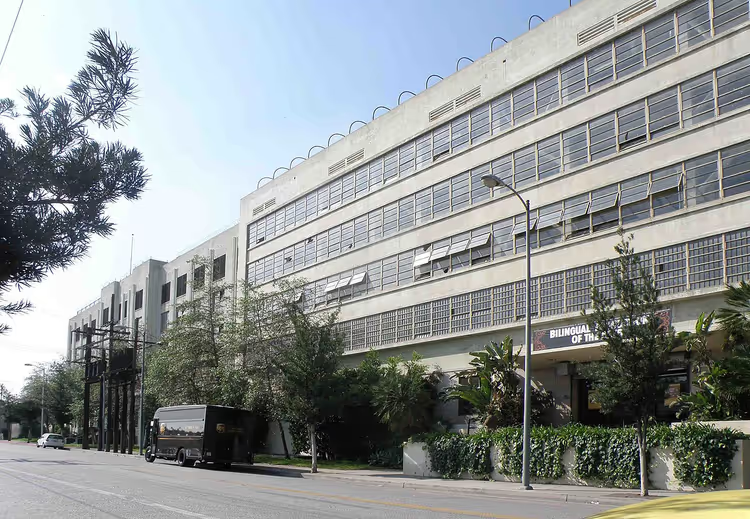
The Art Deco complex opened in 1927 and was designed for 625 inmates. In the early 1950s it was expanded to 2,800 beds, and in 1965 all prisoners were moved to a neighboring jail. From 1979 to 2014, the building was occupied by an arts foundation.
Scenes for "A Nightmare on Elm Street" (1984), "American History X" (1998), and "Iron Man 2" (2010) were filmed here. Music videos by Lady Gaga, Blink-182, and 5 Seconds of Summer were also shot within these walls.
 © Laurie Avocado · CC BYPhoto: Laurie Avocado, CC BY (https://creativecommons.org/licenses/by/2.0), Wikimedia Commons
City plans to restore the complex never got off the ground. The basements grew moldy, the walls became covered in graffiti, and toxic substances were found in the peeling paint. You can't legally get inside, but the building itself is worth seeing at least from the street.
- How to get in: no official tours are offered, the site is under guard.
- The catch: access is closed, and the paint on the walls is toxic.
2. Castle in Łapalice, Poland
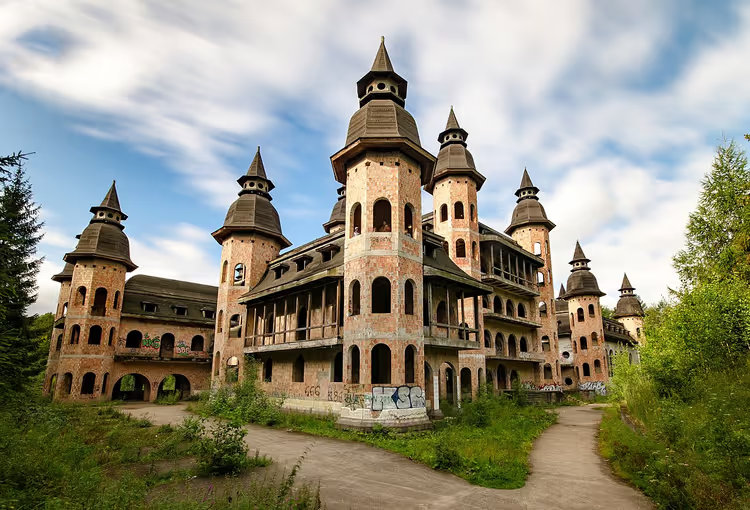
The stone structure in a Polish village near Gdańsk looks like a medieval fortress. In reality, construction only began in 1979. Artist Piotr Kazimierczak wanted to build a personal studio here.
The design called for a swimming pool, a ballroom, bastions, and 12 towers honoring the apostles. Due to a lack of money and paperwork problems, work was halted. Today the towers stand unfinished.
 © Marian Naworski · CC BYPhoto: Marian Naworski, CC BY (https://creativecommons.org/licenses/by/4.0), Wikimedia Commons
Entering the property is officially prohibited. The reason is simple: the building is structurally unsafe. But the number of people wanting to photograph the mock fortress keeps growing, so you'll easily run into other tourists there.
- How to get in: freely from outside, but going inside is not allowed.
- The catch: official entry ban due to the building's unsafe condition.
3. Beelitz-Heilstätten Hospital, Beelitz
The complex of more than 60 buildings was constructed between 1889 and 1930. It was originally a sanatorium for treating tuberculosis. Over time it grew into a self-contained town with heating, running water, a post office, a kindergarten, a stable, a bakery, and a butcher shop.
During the wars, the hospital was used for military purposes. Until 1994, the complex was controlled by Soviet troops. After their departure, most of the buildings fell into disrepair, and in 2000 the majority of them closed for good. A neurological rehabilitation center and a Parkinson's disease research center still operate today.
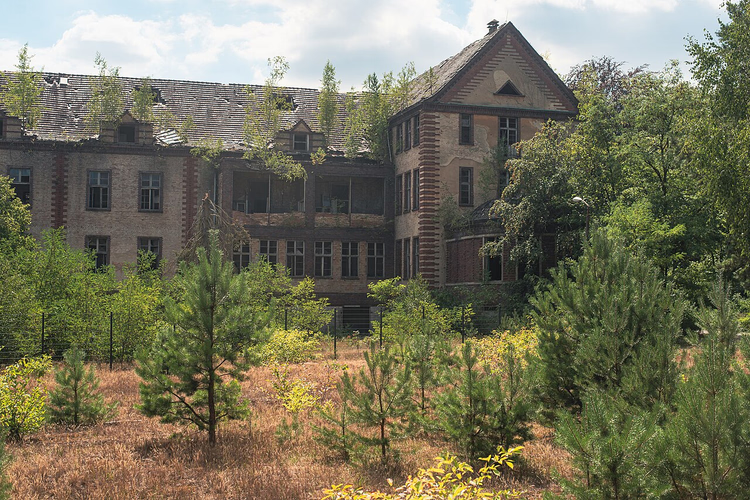 © Flocci Nivis · CC BYPhoto: Flocci Nivis, CC BY (https://creativecommons.org/licenses/by/4.0), Wikimedia Commons
The buildings served as a backdrop for the films "The Pianist" (2002), "Valkyrie" (2008), and "A Cure for Wellness" (2016). Rammstein's "Mein Herz brennt" video was also filmed here.
The good news: the site has reopened to visitors. With a ticket, you can access a treetop walkway above the ruins and see the restored buildings. Tickets are sold online and at the ticket office (as of 09/2026, Baumkronenpfad).
- Who it's for: those who want to see abandoned buildings legally and with a guide.
- Cost: admission by ticket, sold online and at the ticket office.
- The catch: you can't enter the grounds without a ticket, and the buildings are under guard.
If you're coming here for a couple of days, stay in Berlin or Potsdam: Berlin hotels on Trip.com.
4. Hashima mining town, Japan
Coal was discovered on the island 15 km from Nagasaki in 1810. Locals nicknamed it Gunkanjima, meaning "battleship island": its silhouette resembles a huge ship. A plant operated here, and a town grew up nearby with shops, swimming pools, hospitals, a school, and a cemetery.
At its peak, Gunkanjima was the most densely populated place on Earth. More than five thousand people lived on 6.3 hectares. In 1974, coal reserves ran out, the mines closed, and people left the island.
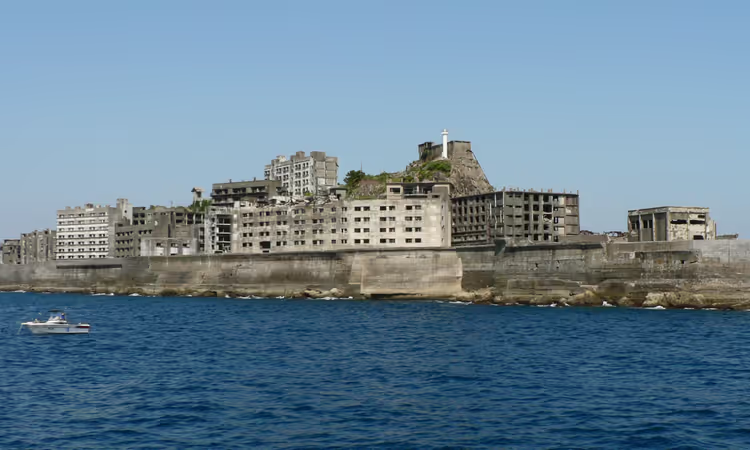 © Hisagi ( 氷鷺 ) · CC BY-SAPhoto: Hisagi ( 氷鷺 ), CC BY-SA (https://creativecommons.org/licenses/by-sa/3.0), Wikimedia Commons
Until 2009, tourists were not allowed on the island: violating the ban could result in deportation from Japan. Now you can only get there on an organized tour, with a route approved for safety. In 2015, the island was added to the UNESCO World Heritage list.
- How to get in: only as part of a licensed tour, landing without a guide is prohibited.
- The catch: weather often cancels trips, so book in advance.
5. Bannerman Castle, USA
In 1901, construction of a neo-Gothic castle began on Pollepel Island in the Hudson River. The purpose of the building is surprising: businessman Francis Bannerman wanted to create a weapons and ammunition storage facility away from residential areas, then turn it into a museum. Work stopped immediately after Bannerman's death in 1918.
In 1920, a massive explosion rocked the island. In 1969, a fire made things worse. The island was closed to visitors until 2004. Today, the Bannerman Castle Trust runs regular tours and events here.
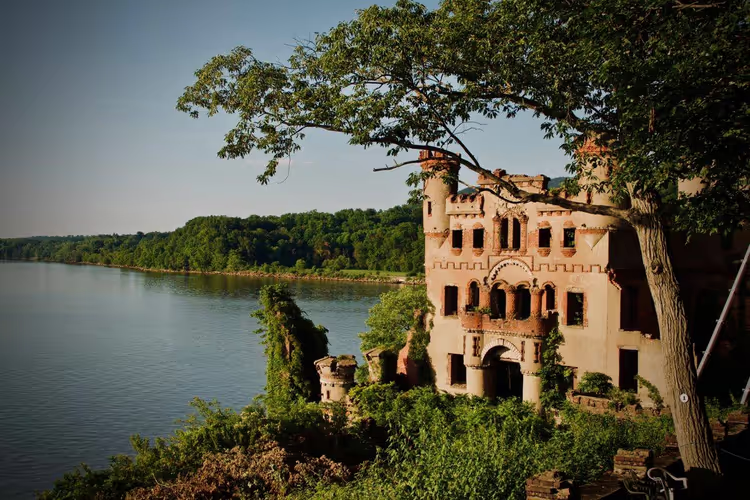 © PhreddyCox · CC BY-SAPhoto: PhreddyCox, CC BY-SA (https://creativecommons.org/licenses/by-sa/4.0), Wikimedia Commons
The 2026 season starts on May 1. You'll get to the island on the Estuary Steward boat from Beacon Harbor, across from the Metro-North station. On Wednesday and Thursday evenings, an adult ticket costs $40 instead of $45 (as of 09/2026, Bannerman Castle).
- How to get there: only with a tour, schedule on the official website.
- Who it's for: those interested in history and river cruises.
- The catch: the season is short, from May through fall.
6. Eastern state penitentiary, Philadelphia
The prison was built in 1829. It was the first correctional facility where inmates were kept in complete isolation for the purpose of rehabilitation. Single cells line the long corridors, each with its own door to an exercise yard.
Prisoners could only speak with a guard. The place is surrounded by many rumors of abuse of power and torture. The prison closed in 1971, and today it operates as a museum.
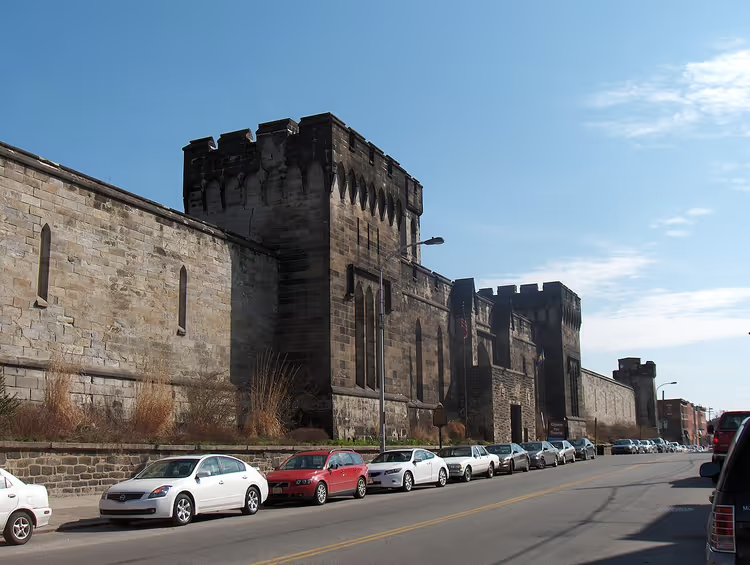
Episodes of "12 Monkeys" (1995) and "Transformers: Revenge of the Fallen" (2009) were filmed within the walls of the former penitentiary. The museum is open daily from 10:00 AM to 5:00 PM (as of 09/2026, Eastern State). In summer, evening programs called Summer Nights run on Saturdays.
- Cost: tickets online (as of 09/2026, ticketing.easternstate.org).
- The catch: the museum is only open during the day, until 5:00 PM.
If you're planning to stay overnight nearby, check out hotels in Philadelphia on Trip.com.
7. Craco, Italy
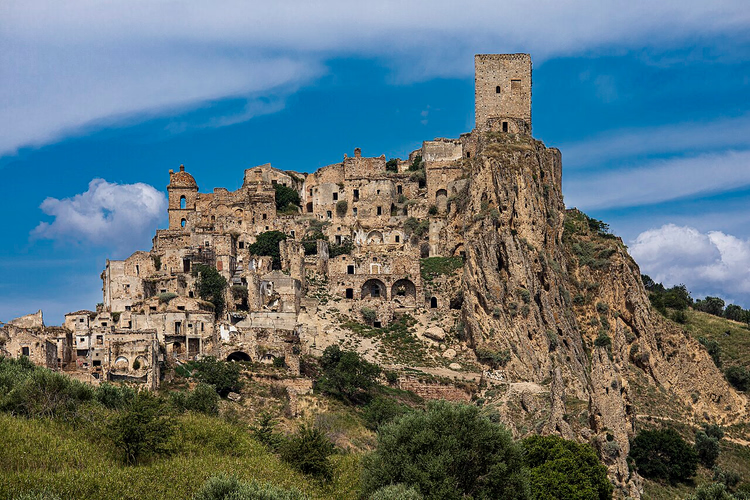
The ancient town in the province of Matera was founded in the 7th century BC by Greek colonists. By the 10th century, local monks had revived agriculture, and Craco's economy grew. Thanks to its location on a steep hill, the town became an important military center, and in 1276 it got its own university.
 © Maurizio Moro5153 · CC BY-SAPhoto: Maurizio Moro5153, CC BY-SA (https://creativecommons.org/licenses/by-sa/4.0), Wikimedia Commons
In 1656, plague struck Craco, and the population shrank sharply. Then came bandit raids and power struggles. Farming conditions deteriorated, and most residents left.
After landslides in 1963, the remaining townspeople were evacuated to the valley. The flood of 1972 and the earthquake of 1980 sealed its fate: the town was completely abandoned. The medieval ruins have served as a film set more than once, including for "The Passion of the Christ" (2004) and "Quantum of Solace" (2008).
There is no free access to the dead town, so you can only enter with a guide. Look for tours and the Craco Card on the Basilicata tourism portal (as of 09/2026, tourism portal).
- Who it's for: history buffs and photographers.
- The catch: you can't go inside without a guide.
8. Bodie, USA
The gold rush of 1859 brought William Bodie to the foot of the Sierra Nevada mountains in California. In 1876, a town sprang up on the site and took the prospector's name. Four years later, 10,000 people lived here.
This is the classic Wild West: saloons, the smell of gunpowder, the clatter of the railroad. When world gold prices fell, residents began to leave. The fire of 1932 destroyed the town center, and gold mining ceased. In 1962, a historic park was established here.

The park is open only during the day, and adult admission costs about $8 (as of 09/2026, Bodie guide). The road winds through mountain switchbacks, so you need your own car.
- How to get there: by car, the park operates during daylight hours.
- The catch: overnight stays in the park are not allowed.
9. City hall subway station, New York
The most beautiful station in the New York subway opened in 1904. The vaulted ceiling with stained glass and brass chandeliers in Romanesque style immersed passengers in an art deco atmosphere. The station was designed as the terminus for Manhattan's main line.
The station stands out for its curved tunnel and curved platform. This loop allowed trains to turn around immediately and head back. When the rolling stock was modernized, the station no longer met safety standards: gaps appeared between the platform and the doors of the new trains.
Low ridership and the gaps led to closure in late 1945. Today the station can only be visited on a tour run by the transit museum. You'll find the schedule on the New York Transit Museum website.
- Who it's for: subway fans and urban history enthusiasts.
- The catch: regular entry is closed, you need a tour ticket.
If you're staying in the city for a few days, check out hotels in New York on Trip.com.
10. Sammezzano Castle, Italy
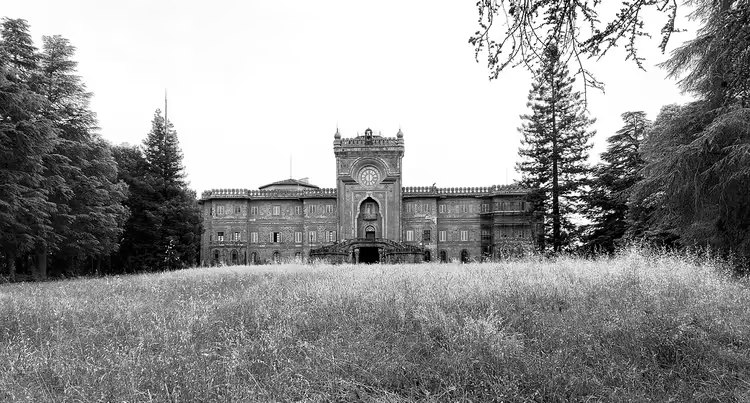
In 780, a lavish castle was built near the Italian town of Leccio, 30 km from Florence. It had many owners, but Ferdinando Panciatichi breathed new life into the building. In 1853, he rebuilt the castle in a Moorish style, unusual for Italy.
Inside there are 365 rooms, one for each day of the year. A multitude of small rooms and hidden nooks open into spacious galleries. Stucco, arches, vaults, and columns rise all the way to the dome.
 © Anna.Massini · CC BYPhoto: Anna.Massini, CC BY (https://creativecommons.org/licenses/by/4.0), Wikimedia Commons
Around the castle lies a park with rare exotic plants and sequoias planted by Panciatichi. The park is adorned with statues, bridges, vases, and fountains. You can stroll through it freely.
After the war, the castle was converted into a luxury hotel with a restaurant, but by the early 2000s it stood empty. You can only get inside by booking a tour in advance on the official website. Tours are rare and irregular, and spots get snapped up in seconds.
- Who it's for: those who appreciate architecture and are willing to wait for an open slot.
- The catch: getting inside the castle is nearly impossible, only the park is freely accessible.
11. Fort central, Col de Tende
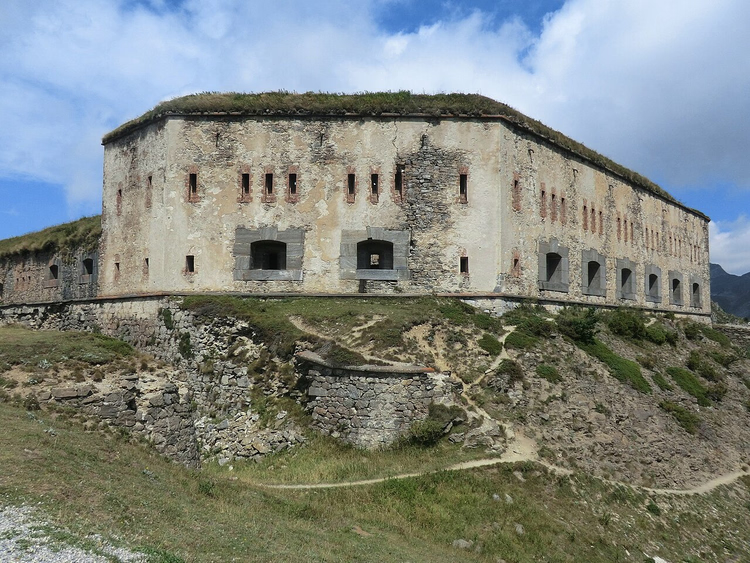
In the Alps on the border of Italy and France stands a complex of abandoned Italian forts. They were built between 1877 and 1880 to defend the Tende Pass. Guidebooks barely mention the place, information is scarce, and tourists are rare.
Locals come here for picnics or quad biking. The main Fort Central rises atop the hill. From the French side, a zigzagging mountain road leads to it: about 50 sharp turns over 800 meters of elevation gain.
 © Einaz80 · CC BY-SAPhoto: Einaz80, CC BY-SA (https://creativecommons.org/licenses/by-sa/4.0), Wikimedia Commons
The buildings are notable for their underground passages and defensive positions. You can only get inside if you find an entrance: the embrasures are too narrow, and the bridge at the only gate is destroyed. But the sight of the majestic ruins and the fresh mountain air alone are worth the trip.
- How to get there: on foot or by quad bike, the fort entrances are not set up for visitors.
- The catch: no signage, finding the entrance is difficult, the bridge is destroyed.
⁉️🤔 Frequently asked questions
Can you visit these places without a tour?
Some sites are officially closed. Lincoln Heights Jail, the castle in Łapalice, and Fort Central are accessible only from the outside, while City Hall station is open only as part of a transit museum tour. Bodie and Eastern State Penitentiary operate as museums with regular admission tickets.
Which sites on the list are open to tourists right now?
Beelitz-Heilstätten welcomes guests with a guide and a ticket, Bodie operates as a historic park, and Eastern State Penitentiary is open daily from 10:00 to 17:00. Hashima is accessible only as part of a licensed tour, and tours at Sammezzano are held rarely and by reservation.
How much do tickets to these sites cost?
Admission to Bodie costs about $8 for an adult (as of 09/2026, park page). At Beelitz-Heilstätten, tickets and tours are sold online and at the ticket office (as of 09/2026, trail price list). For exact ticket prices for Eastern State Penitentiary in Philadelphia, check the museum website.
When is the best time to visit these places?
Bannerman Castle is open from May through fall, and Gunkanjima is best planned for the dry season: storms cancel boat trips. At Beelitz-Heilstätten, the treetop walk operates year-round. Craco and Fort Central are more comfortable to visit in the warm months; in winter the mountains are cold and slippery.
Is it safe to walk around abandoned buildings?
No, not everywhere. At Lincoln Heights Jail, toxic contaminants were found in the old paint. Lapalice is officially closed due to its deteriorating condition, and Fort Central is reached by a ruined bridge. View these sites from the outside and do not enter without a guide.
In short: what's worth booking
- If it's your first time in the US: book a tour of Eastern State Penitentiary in Philadelphia. Lincoln Heights Jail in Los Angeles is closed and can only be seen from the outside.
- If you want Europe without the risk: choose Beelitz-Heilstätten or Craco, both welcome visitors with a guide.
- If you want an island: book a Gunkanjima tour in advance, as boat trips depend on the weather.
- If you're looking for quiet: Fort Central in the Alps is a good fit.
For an overnight stay in California, check out Los Angeles hotels on Trip.com. Before your trip, verify opening hours on the official websites.

A small editorial team writing guides for independent travel. We travel ourselves, but we haven’t been everywhere, so we check prices, opening hours and how to get there against official sources.