

















Traveling abroad with a dog: documents, food and walking rules
You can travel with a dog across almost all of Europe. But one missed vaccination, and the trip gets canceled right at the border. We have gathered the key questions you should sort out before departure.
Documents, food, health, walks, and accommodation: check each topic in advance. Within the European Union, dogs travel with a single pet passport, and without it, your car gets turned back at the border.
Below, point by point: what to arrange, what to put in the first aid kit, and where dogs are allowed.
Ad: this article contains affiliate links, we earn a commission if you book through them, at no extra cost to you.
Dog documents for a trip to Europe
💡 In short:
- Microchip, rabies vaccination, and pet passport: without them, a dog will not be allowed into the EU.
- Bring a supply of your dog's usual food for the first week of the trip.
- Pack a first aid kit and find a 24-hour veterinary clinic in advance.
- Keep your dog on a leash, and buy a muzzle for large breeds.
- Entry and documents: 09/2026, verified on the official EU page.
For travel within the EU, a dog needs three things: a microchip, a rabies vaccination, and a pet passport (as of 09/2026, official EU page). The passport is issued by a veterinarian, who also confirms the chip and vaccination.
The order matters. The microchip is implanted before the rabies vaccination, otherwise the vaccine is not considered valid. The vaccination itself must be given at least 21 days before departure (as of 09/2026, EU rules for entering with a pet). You cannot leave earlier, even if the passport is already in hand.
Document | Purpose | Where to get it |
|---|---|---|
Microchip | Dog identification, implanted before vaccination | Veterinary clinic |
Rabies vaccination | Required for entry into the EU | Veterinary clinic |
Pet passport | Confirms the chip and vaccination | Veterinary clinic |
If you are coming from a third country, a passport alone is not enough. You need a veterinary health certificate, and for some countries also a blood test for rabies antibodies (as of 09/2026, EU page on traveling with animals).
For a tourist trip, separate dog registration is not required. It applies to those moving abroad to live. For example, in Germany dogs must be registered and a dog tax is paid.
Dog food in a foreign country
A sudden change of food often ends in an upset stomach. So bring your own supply and do not search for a familiar brand in an unfamiliar city.
Bring at least enough food for the first week of the trip. In resort towns, the selection is limited, and familiar food for small breeds costs more and is brought in by special order. At a resort in Croatia, a popular brand for small dogs is hard to find, and waiting for an order takes a week or more.
If you are traveling for a long time, check in advance whether your food is sold in the country. Some owners arrange delivery to the first hotel. That way you will not be left without food for your dog on the very first evening.
Illnesses and first aid kit on the road
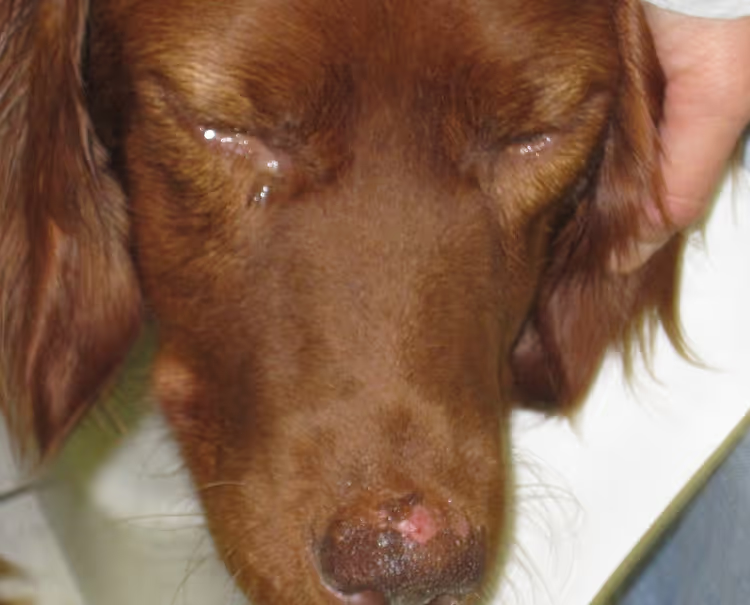
In southern European countries, dogs face diseases that do not exist at home. The main one, leishmaniasis, is widespread throughout the Mediterranean (as of 09/2026, veto-tierschutz.de).
This disease is transmitted by sandflies, not by other dogs. Sandflies are active roughly from late May to mid-October (as of 09/2026, page on leishmaniasis). That means protection should be bought before departure, not on site. Spot-on drops and repellent collars help, and the plan is best agreed with a veterinarian.
In warm regions, ticks and mosquitoes are also dangerous. Ask your veterinarian about seasonal protection in advance and find out the address of a 24-hour clinic. Pack the first aid kit at home. Veterinarians recommend including:
- bandaging materials;
- hydrogen peroxide;
- ointment with an antimicrobial component;
- triple-action cream for itching after bites;
- antihistamine;
- cold pack;
- sorbents;
- saline solution;
- syringe;
- scissors;
- gloves;
- pain reliever and fever reducer.
 © Uwe Gille · CC BY-SAPhoto: Uwe Gille, CC BY-SA (https://creativecommons.org/licenses/by-sa/3.0), Wikimedia Commons
Walks: leash and muzzle
Walking rules differ in every country. There is no single standard, and before the trip it is worth finding out what is required of you.
In Germany, there is no single federal rule. Mandatory leash and muzzle requirements depend on the state and even the municipality (as of 09/2026, bussgeldkatalog.org). For dogs on the dangerous breeds list, a muzzle is mandatory almost everywhere.
Buy a muzzle in advance and get your dog used to it at home. In an unfamiliar city, this is harder to do. Even if a muzzle is not required, keep your dog on a leash in the city center, near roads, and on public transport. This way you will avoid a fine.
Where dogs are allowed
Countries treat dogs differently. This affects the comfort of the whole trip. In Germany, dogs are often allowed into shops and cafes. In Portugal, you may not be allowed even into a small grocery store.
In cafes and restaurants, always ask for permission. If you are used to taking your pet everywhere, choose accommodation in advance and ask about the pet surcharge.
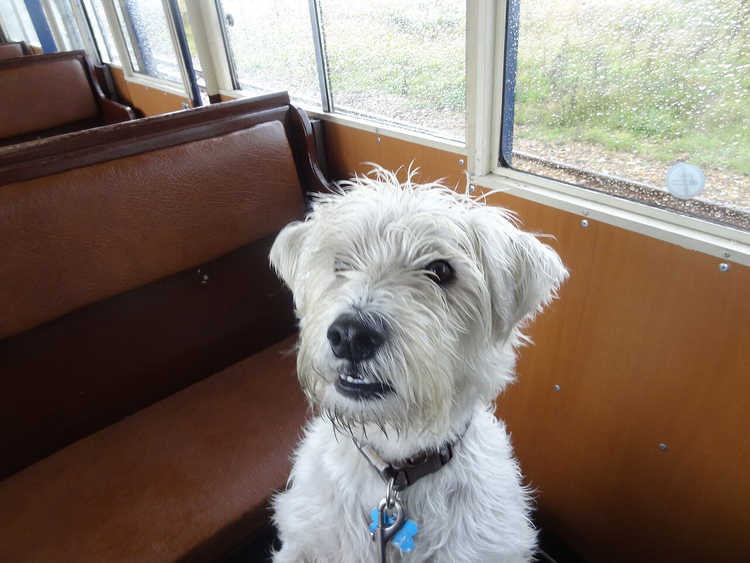
Check whether dogs are allowed in museums, on beaches, or in parks along your route. In some places the ban is strict, in others the staff member at the entrance decides.
⁉️🤔 Frequently asked questions
What documents does a dog need to travel around Europe?
A dog gets a pet passport, where the veterinarian records the microchip and rabies vaccination. For entry from third countries, in addition to the passport, a veterinary health certificate is prepared (as of 09/2026, EU page).
Can I bring my own dog food across the border?
A small supply of your dog's usual food for personal use can usually be brought across, but keep it in the original packaging. Exact rules depend on the country, so check them before departure.
Is leishmaniasis dangerous to humans?
Leishmaniasis is a zoonosis, but direct transmission from dog to human has not been confirmed in Europe (as of 09/2026, veto-tierschutz.de). The risk is higher for people with weakened immune systems. The dog should still be protected from sandflies.
Does a dog need a muzzle in Europe?
Not everywhere. There is no single rule: it all depends on the country, region, and breed (as of 09/2026, bussgeldkatalog.org). Bring a muzzle with you and get your dog used to it at home.
In short: what to book
Before the trip, sort out the essentials: documents, food, health, walks, and accommodation. Arrange documents at least a month before departure, bring food with a reserve, and pack the first aid kit at home.
If you have a short trip within the EU, a microchip, vaccination, and pet passport are enough. If you are going to the Mediterranean, add sandfly protection. If you are traveling for a long time, check the walking rules and accommodation conditions for your dog.
Contact with your veterinarian and maps on the road depend on the internet. So getting mobile internet abroad is worth arranging before departure.

A small editorial team writing guides for independent travel. We travel ourselves, but we haven’t been everywhere, so we check prices, opening hours and how to get there against official sources.