
















Souvenirs from the UAE: 15 ideas, from Gold Souk gold to camel chocolate
Returning from the Emirates with an empty suitcase is hard. Dubai and Sharjah have traded gold for centuries, and store shelves are packed with spices, dates, and camel milk chocolate. The problem lies elsewhere. In tourist stalls, the same souvenirs cost noticeably more, and a purchased dagger may not make it through customs. Below are 15 gift ideas that you can actually bring home and won't be embarrassed to give. We'll show you where to find gold, fabrics, and cosmetics, what an eastern bazaar smells like, and what you'd better not hide at customs.
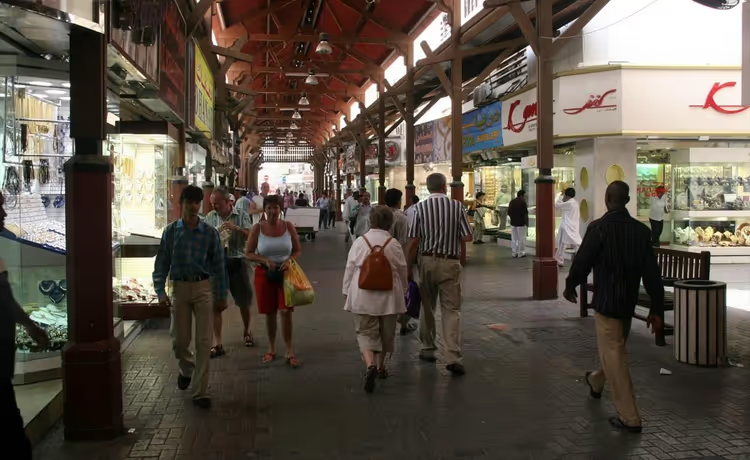
Gold Souk in Deira doesn't operate like a museum display: hundreds of shops sell gold and jewelry, and all goods are inspected by the government (according to Visit Dubai, 09/2026). Bring a phone with a calculator: the price is calculated based on weight, purity, and the daily rate.
Ad: this article contains affiliate links, we earn a commission if you book through them, at no extra cost to you.
What to bring from the UAE: the essentials
💡 In short:
- Look for gold and jewelry at Gold Souk in Deira: goods there are inspected by the government.
- Check out fabrics, spices, and national clothing at Textile Souk in Bur Dubai.
- Buy coffee, dates, and sweets in supermarkets, not in souvenir stalls.
- Selection and purchasing rules: 09/15/2026, verified on the official Visit Dubai tourism portal.
1. Jewelry
 © Imre Solt · CC BY-SAPhoto: Imre Solt, CC BY-SA (http://creativecommons.org/licenses/by-sa/3.0/), Wikimedia Commons
Gold in the UAE is bought both as a gift and as an investment. The metal is sold by weight here, and the craftsman's work is priced separately. The shops at Gold Souk are filled with necklaces, earrings, rings, and brooches with emeralds, pearls, or garnets. There's plenty to choose from even on a modest budget.
Jewelers don't just sell, they also make custom pieces. An artist will draw a sketch based on your description or replicate a model you like. The price depends on the size, type of jewelry, number of stones, and complexity of the work. Don't take the first offer right away: visit several shops and compare the price per gram.
- Where: Gold Souk in Deira.
- Cost: depends on weight, purity, and the daily rate.
- The catch: prices are dynamic, and the same model costs different amounts in different shops.
2. Fabrics
 © Iwona Rege · CC BY-SAPhoto: Iwona Rege, CC BY-SA (https://creativecommons.org/licenses/by-sa/4.0), Wikimedia Commons
Textile Souk in Bur Dubai has stayed in the same place for hundreds of years. The shops are renovated, but the profession doesn't change: entire dynasties of weavers and tailors stand behind the counters (according to Visit Dubai, 09/2026). The covered wooden gallery stretches along Al Fahidi Street.
The fabric selection here is wider than in malls. Hand-painted natural silk, chiffon, velvet, satin, calico, cashmere, and pashmina are stacked in rolls up to the ceiling. You can order a suit from a fabric you like or buy ready-made clothing. The same shops sell saris, belly dance costumes, bed linen, tablecloths, bedspreads, and eastern shoes with curled toes.
Prices at the market are lower than in shopping centers, but the first quoted price always has a cushion. Bargain calmly and without rushing. Natural silk feels warm to the touch and quickly recovers its shape, while cheap polyester feels cool and shiny.
- Where: Textile Souk (Old Souk), Al Fahidi Street, Bur Dubai.
- Cost: on average lower than in malls, and almost always negotiable.
- The catch: without haggling you'll overpay, the starting price here is always inflated.
3. Fur coats
 © Tim Reckmann from Hamm, Deutschland · CC BY-SAPhoto: Tim Reckmann from Hamm, Deutschland, CC BY-SA (https://creativecommons.org/licenses/by-sa/3.0), Wikimedia Commons
Fur products in the Emirates are sold in dedicated multi-story centers. You'll find Greek, Chinese, and Italian fur coats here. Italian ones are considered the best in quality, with Greek ones only slightly behind. Sellers often speak Russian and quote prices in dollars.
When choosing a Chinese fur coat, pay attention to the fur dressing and color uniformity. Check dyed fur in the light and at the bend of the pile. The best time to buy fur is in summer: demand drops in the heat, and prices are lower. As at any market, haggling is expected here, and sellers are more willing to give a discount when you pay in cash.
- Cost: depends on the fur and the factory, noticeably lower in summer.
- The catch: dyed fur is harder to care for and loses its appearance faster.
4. Cosmetics
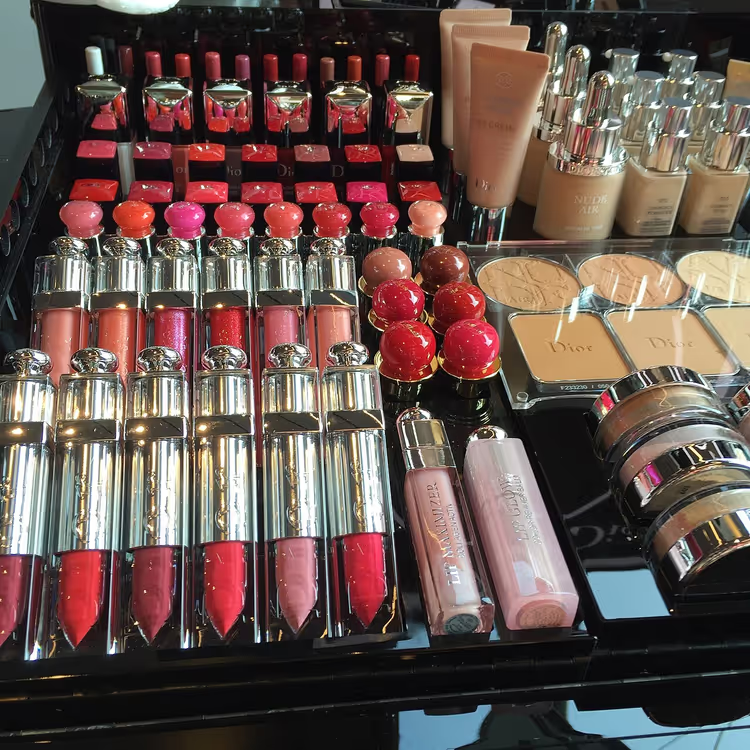
Shopping centers in the UAE have a wider selection of luxury brands than in Europe. You'll find new releases and limited-edition lines that aren't available in other countries. Besides European brands, there's a lot of skincare and therapeutic cosmetics from India and other eastern countries.
The best souvenir from here carries national character. Kajal, a natural eye pencil, is used by Arab women for contour, and it makes the gaze deeper. Natural henna is in high demand: among eastern peoples it's a mandatory attribute of ceremonial occasions. Henna is packaged in beautiful boxes that are a pleasure both to give and to receive.
Another original souvenir is the Arab toothpaste Meswak. It's made from miswak tree extract. This toothpaste is believed to be good for the gums and cleans teeth well.
- Where: malls, pharmacies, and bazaar shops.
- Cost: familiar brands are often cheaper than in Europe.
- The catch: buy kajal and henna only in factory packaging.
5. Perfume
 © آية سعيد البيطار · CC BY-SAPhoto: آية سعيد البيطار, CC BY-SA (https://creativecommons.org/licenses/by-sa/4.0), Wikimedia Commons
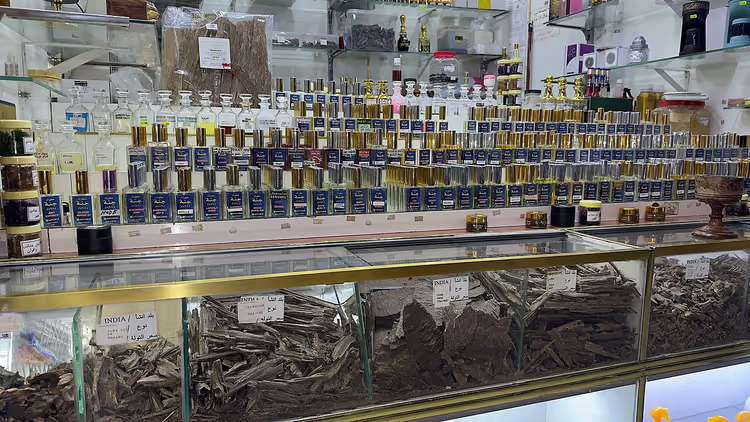
Perfumes from well-known brands are sold in all shopping centers in the UAE. But the best gift is often authentic eastern perfume. It's made from natural essential oils, with notes of sandalwood, citrus, frankincense, cedar, and musk. One drop lasts all day, and the scent unfolds as you move.
In perfume shops, a master will create a composition tailored to you. These perfumes are poured into shaped bottles made of colored glass, and they decorate the interior on their own. A separate story is oud oil from agarwood: it's used for expensive, complex fragrances. The most famous brand built on this oil, Ajmal Perfumers, has been known for more than seven decades (official website).
- Cost: depends on the base and oil concentration.
- The catch: if you're not used to them, eastern perfumes can seem heavy and sweet.
6. Medicines
 © Reshinna · CC BY-SAPhoto: Reshinna, CC BY-SA (https://creativecommons.org/licenses/by-sa/4.0), Wikimedia Commons
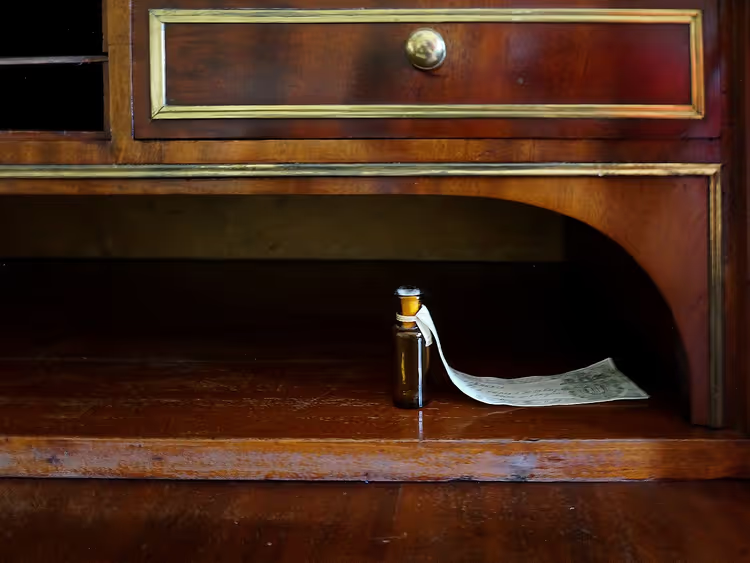
People often bring medicines back from the UAE. You can buy them at any pharmacy, and prices are roughly the same everywhere. Pharmacies carry a wide selection of pain relievers, eye and ear drops, vitamin complexes, and supplements. The pharmacist will advise you and help you choose the right product.
- Where: any pharmacy, the airport.
- The catch: bringing medicines is restricted by your home country's rules: some prescription drugs cannot be taken out.
7. Camel milk products
 © Krista · CC BYPhoto: Krista, CC BY (https://creativecommons.org/licenses/by/2.0), Wikimedia Commons
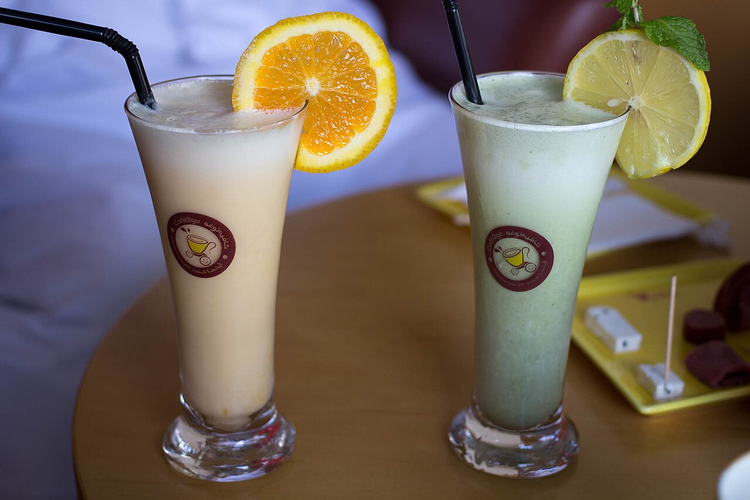
Camel milk is considered medicinal in the East. It is rich in amino acids and antioxidants and quenches thirst well. Fresh milk is hard to transport, but fermented dairy products make a great food souvenir. Quality standards in the Emirates are strict, so cheese and curd made from this milk meet high standards.
You can buy them in supermarkets and at the bazaar. A particular hit is Al Nassma camel milk chocolate: it comes in small bars and gift boxes. Kids will love the chocolate baby camels in souvenir packaging.
- Where: supermarkets, bazaars, duty-free.
- The catch: you cannot bring fresh milk in your carry-on, so stick to packaged products only.
8. Sweets
 © James Gordon from Los Angeles, California, USA · CC BYPhoto: James Gordon from Los Angeles, California, USA, CC BY (https://creativecommons.org/licenses/by/2.0), Wikimedia Commons
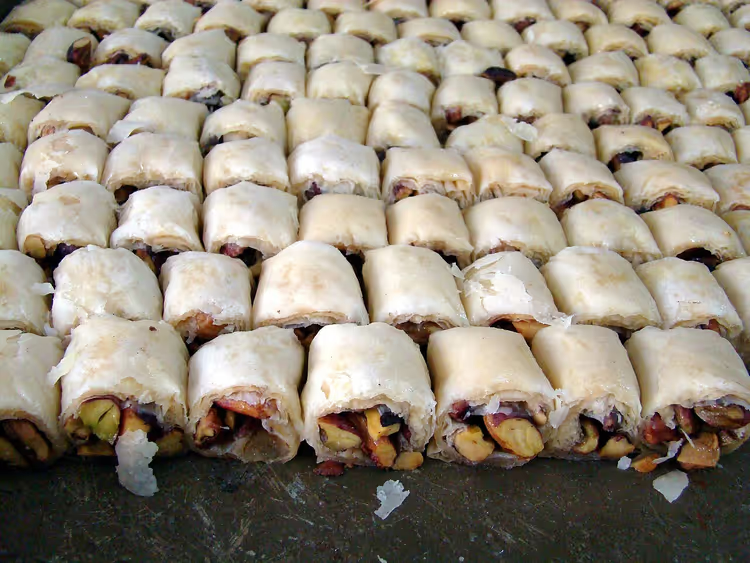
Sherbet, nougat, baklava, halva, and Turkish delight are made according to old recipes with precise adherence to technique. You will find them in supermarkets and at confectionery shops in the bazaar, where you can sample each treat first. Buying by weight makes it easy to put together your own selection of favorite goodies.
Chibab with dates deserves a special mention. It is a sweet, spiced flatbread: dates are placed on one half, then it is folded and fried. The result is something like a sweet fried turnover. Prices for sweets vary: from a small set to an expensive gift box.
- Where: bazaars, confectionery shops, supermarkets.
- The catch: chibab is fried on the spot and does not travel well, so go for dry sweets instead.
9. Spices
 © Frodlekis · CC BY-SAPhoto: Frodlekis, CC BY-SA (https://creativecommons.org/licenses/by-sa/4.0), Wikimedia Commons
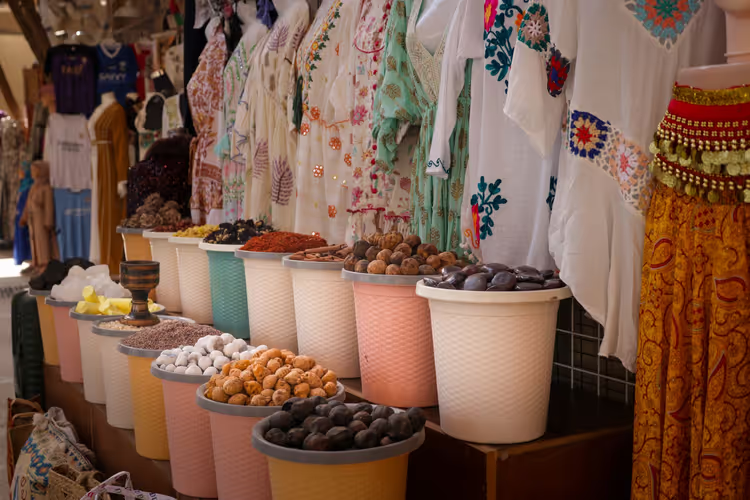
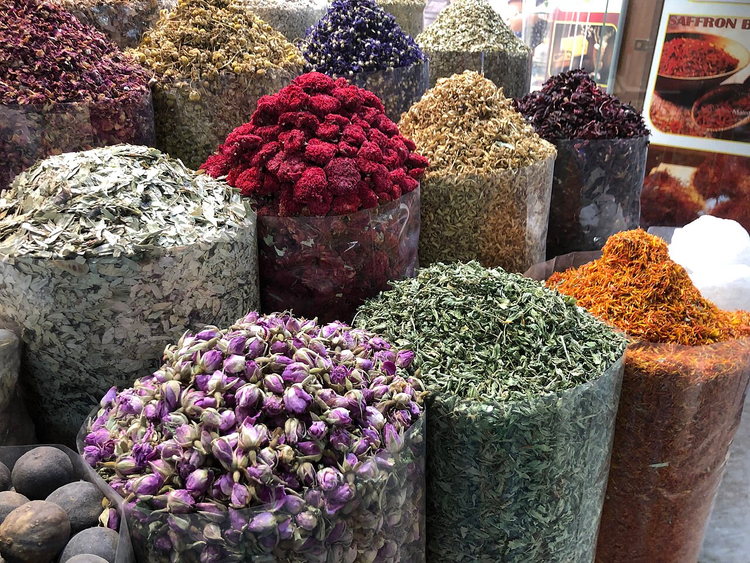
Eastern spices were once valued as highly as gold. At the bazaar they are sold in heaps: turmeric, cumin, coriander, paprika, cinnamon. Extraordinary colors and aromas will greet you anywhere seasonings are sold. Pick them up, smell them, listen to the shop owner's advice, and haggle.
A blend called "bezar" is very popular here. It is added to most national dishes. The ingredients include fenugreek, cumin, turmeric, coriander, pepper, dill, and cinnamon. You can buy all the spices separately and mix them yourself, but it is easier to get a ready-made blend in a packet.
- Where: Deira and Bur Dubai bazaars, supermarkets.
- The catch: every seller's "bezar" blend is different, so the taste of the finished dish will vary.
10. Coffee
 © Abdulla Al Muhairi · CC BYPhoto: Abdulla Al Muhairi, CC BY (https://creativecommons.org/licenses/by/2.0), Wikimedia Commons
Supermarkets and bazaars offer a wide selection of beans with different roast levels. The coffee comes mainly from Ethiopia and Yemen. Choose according to your taste, but remember: Arabs like slightly bitter coffee, to which cardamom adds a distinctive note.
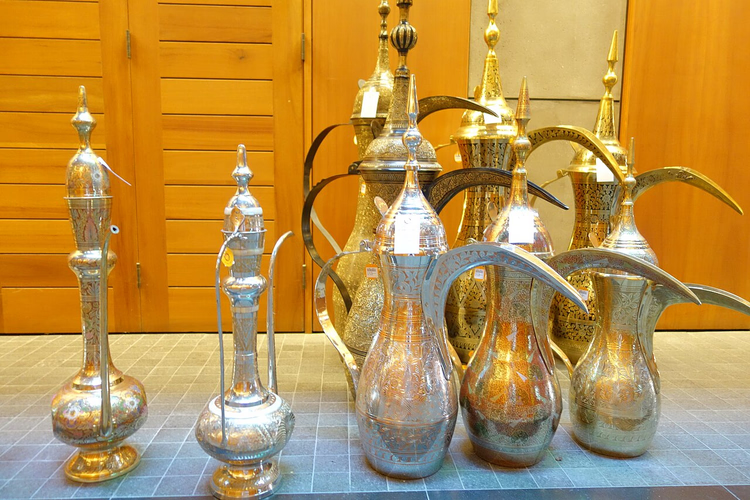
If you are bringing coffee as a gift, add a cezve or a traditional copper dallah coffee pot. Using a dallah for its intended purpose is tricky; it is more often a souvenir. But thermoses shaped like a dallah are both colorful and practical.
- Where: supermarkets, bazaars, coffee shops.
- The catch: coffee with cardamom is not for everyone; its taste is spicy and unusual.
11. Hookah and tobacco
 © Shixart1985 · CC BYPhoto: Shixart1985, CC BY (https://creativecommons.org/licenses/by/2.0), Wikimedia Commons
The tradition of smoking a hookah came from the East. If you want to bring a hookah home as a memento, go to a specialty store and ask the seller for advice. Before buying, inspect the device: all the connections, the stem, and the hoses.
For male smokers, a ceramic pipe with an elegant pattern is a good choice. Usually the same shops will help you pick tobacco blends for the pipe. Fragrant tobacco makes a fine addition to an Eastern pipe.
- Where: specialty stores, bazaars.
- The catch: tobacco import limits differ from country to country, so check the allowances in advance.
12. Bakhoor
 © Di7ane · CC BY-SAPhoto: Di7ane, CC BY-SA (https://creativecommons.org/licenses/by-sa/4.0), Wikimedia Commons
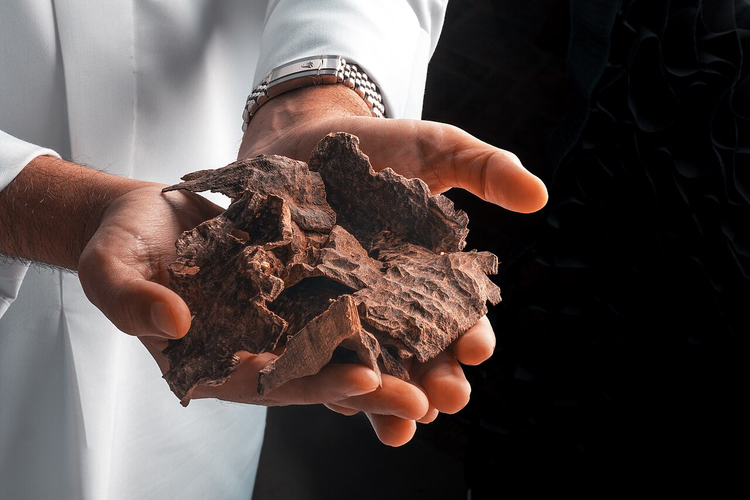
Bakhoor is the name for Eastern incense used to fragrance rooms. It is used both as an antiseptic and as a relaxing agent. Several generations of Bedouins prepared bakhoor using the same recipe, and today many homemakers still make it themselves.
The base is agarwood shavings soaked in oils. Citrus oils, sandalwood, and jasmine are the most common choices. Bakhoor is made into small balls that need to be lit. Unlike incense sticks, it does not burn on its own: the ball is lit in a mabkhara burner and the room is fumigated with the smoke. Then the windows are opened to air the room out.
Bakhoor is sold as balls or as slabs that look like chocolate. To avoid problems at baggage screening, buy incense in factory packaging. One package is enough for about ten uses. When lighting bakhoor, take safety precautions.
- Where: markets, shopping malls, specialty shops.
- The catch: loose bulk incense raises extra questions at security screening.
13. Carpets
 © Ninara · CC BYPhoto: Ninara, CC BY (https://creativecommons.org/licenses/by/2.0), Wikimedia Commons
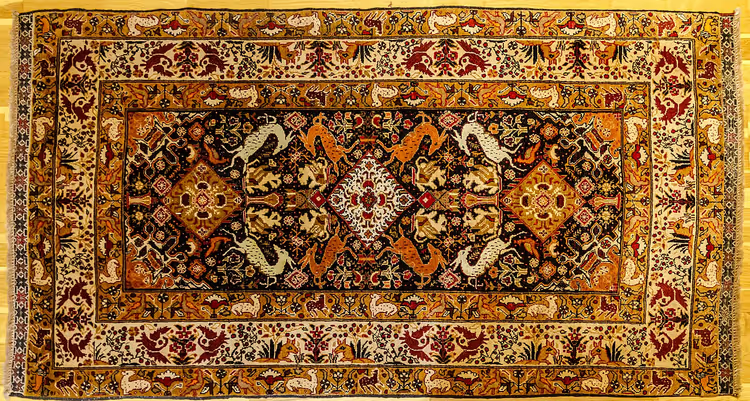
An Eastern carpet is not just a household item. In the past, people could read a nation's history from its patterns. Every winter, Dubai hosts an annual carpet fair. Wool, silk, and cotton carpets in every imaginable color and size will surprise even a seasoned buyer.
Iranian carpets are considered the best, followed by Indian, Pakistani, and Afghan ones. The seller will show you the difference between a handmade carpet and a machine-made one. Look for carpets in the shops at the Blue Souk in Sharjah and in Deira stores. Do not rush into the first purchase: visit several shops and compare the pattern and density.
- Where: Blue Souk in Sharjah, Deira stores.
- Price: a small rug is cheaper; a handmade carpet costs as much as an appliance.
- The catch: a large carpet is heavy, so watch your baggage weight or ship it by cargo.
14. Khanjar
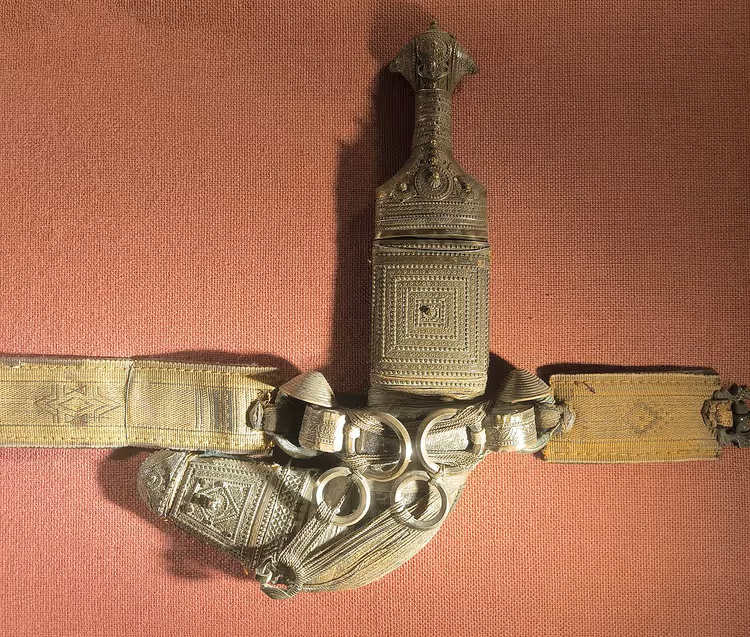 © Reda Kerbush · CC BY-SAPhoto: Reda Kerbush, CC BY-SA (https://creativecommons.org/licenses/by-sa/4.0), Wikimedia Commons
A khanjar is an Arab dagger. It is recognized by its curved sheath, and the blade is also slightly curved. The dagger is usually made of brass and copper, while nobility had versions in silver, gold, and ivory. It was worn on the belt to emphasize status.
At the Heritage Village in Abu Dhabi you can watch how a khanjar is made and even make your own. A khanjar is considered a bladed weapon. You cannot carry it without declaring it, and some countries ban the import of bladed weapons entirely (according to Dubai Customs, 09/2026). Check your country's rules before buying.
- Where: souvenir shops, Heritage Village in Abu Dhabi.
- The catch: without a declaration, the dagger will be confiscated at the border, and you will also have to pay a fine on top of that.
15. Subha prayer beads
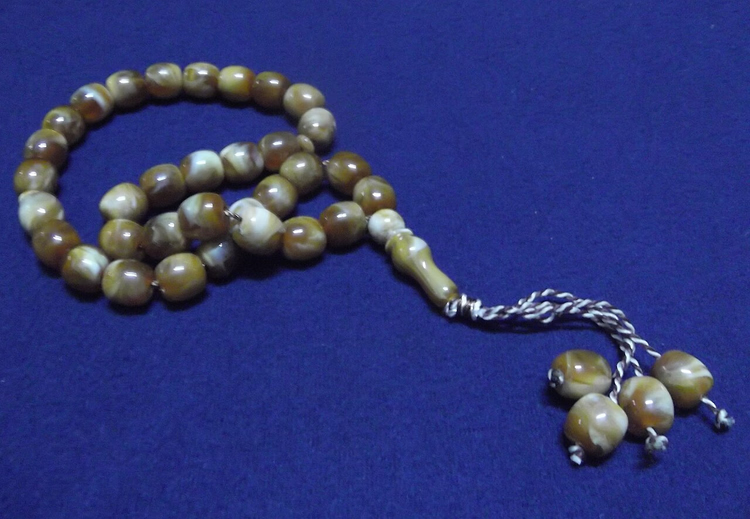 © لا روسا · CC BY-SAPhoto: لا روسا, CC BY-SA (https://creativecommons.org/licenses/by-sa/4.0), Wikimedia Commons
Muslim prayer beads, or subha, are made of wood and stone, including semi-precious stones. The number of beads is always a multiple of 11, matching the number of parts in the prayer. Usually there are 33 or 99. By moving the beads, a believer tracks how many times a day they have turned to prayer, and this helps them focus.
As a souvenir, subha also suits non-believers. It is an elegant item that can be carried in a pocket or worn on the wrist. You can choose beads made of amber, jade, and other minerals.
- Where: bazaars, jewelry and souvenir shops.
- The catch: expensive amber and stone are easy to fake, so buy with a certificate or from a trusted shop.
⁉️🤔 Frequently asked questions
What can't you take out of the UAE?
Counterfeits and bladed weapons. Precious metals and stones also require declaration (according to Dubai Customs, 09/2026). Carry medications according to your own country's rules: some prescription drugs are prohibited from import. Check current regulations before your trip.
Where is the cheapest place to buy souvenirs in Dubai?
Prices are lowest at the markets of Deira and Bur Dubai: in the Gold Souk and Textile Souk they are almost always negotiable. Supermarkets are better for coffee, dates, and sweets; the same products cost a third more in tourist stalls. Go to malls for branded cosmetics and perfumes. Compare prices in two or three places.
Is it realistic to haggle down the price at a bazaar?
Yes, bargaining almost always starts here. The seller names the first price with a cushion, so calmly offer your own and don't rush to agree. On fabrics and souvenirs, discounts can reach half, on electronics and brands there is almost none. Don't show that you liked the item at first sight.
What souvenir would suit a child?
For a child, get Al Nassma camel milk chocolate, chocolate camels, and dates in gift packaging. Baklava and Turkish delight sold by weight work well too. Kids like small ornamental rugs and colorful prayer beads. Don't buy bladed weapons or medications as gifts for children.
What to bring from the UAE on a small budget?
Spices, coffee, dates, sweets, and Meswak Arabic toothpaste are inexpensive and take up little space. At the bazaar, bezar spice mix is sold in small packets, and you can buy coffee starting from 200 grams. Henna and kohl in factory packaging are also gladly given as gifts. Leave expensive gifts, gold, and rugs for a separate budget.
Can you bring a khanjar home?
Only with declaration and not to all countries. A khanjar is classified as a bladed weapon, so it must be declared when leaving the UAE. In some countries, importing bladed weapons is completely prohibited. Check your country's regulations before buying, otherwise the dagger will be confiscated along with a fine.
In short: what's worth booking
If you're going for gold, choose a hotel in Deira: the Gold Souk is nearby. For fabrics and local character, stay in Bur Dubai. With kids, areas near the beaches are more convenient, and for rugs it makes sense to take a trip to Sharjah.
- If the gift is for yourself: gold in the Gold Souk and oriental perfumes.
- If you're bringing treats: coffee, spices, dates, and camel milk chocolate.
- If you need a large souvenir: a rug or fur, but calculate your baggage weight in advance.
Compare UAE hotels on Trip.com and check out market tours on GetYourGuide.
Book your airport transfer in advance so you don't have to look for a car with your suitcases: Kiwitaxi.

A small editorial team writing guides for independent travel. We travel ourselves, but we haven’t been everywhere, so we check prices, opening hours and how to get there against official sources.