
















Hamburg in one day: 16 places you can actually fit in
One day in Hamburg usually feels overwhelming in scale. The city stretches along the Elbe for dozens of kilometers, and the list of places seems endless. But the main sights sit close together, and you can easily connect them by metro and on foot. We put together 16 places you can realistically fit into one day, plus practical tips. Tickets for Miniatur Wunderland and Tierpark Hagenbeck are cheaper online, and the viewing platform at the Elbphilharmonie now costs €5 (as of 09/2026, Plaza page). Below we go in order, and for many places you'll find opening hours, prices, or a tip on how to get there.
Ad: this article contains affiliate links, we earn a commission if you book through them, at no extra cost to you.
One-day route: from Speicherstadt to the harbor
💡 In short:
- Start with Miniatur Wunderland in the morning, while Speicherstadt is still quiet.
- In the afternoon, head to the center: the town hall, Alster, and Planten un Blomen are close together.
- Save HafenCity and the harbor for the second half of the day, and St. Pauli for the evening.
- Prices and opening hours: as of 09/2026, official Miniatur Wunderland website.
The route logic is simple. In the morning you cover Speicherstadt and HafenCity, in the afternoon you head down to the center to the town hall and the lake, and in the evening you go to the port, Altona, and St. Pauli. This way you barely waste time on transit, because the sights lie along one metro line and along the Elbe.
If you want to see everything without rushing, pick half the places and leave the rest for your next visit. Transit is convenient: the U-Bahn and S-Bahn cover almost the entire route, and Hamburg's waterfronts are great for walking. Bring comfortable shoes and allow extra time, because the weather in the north changes quickly. Morning is best spent in Speicherstadt, while the narrow bridges are still quiet and photos come out calm.
1. Miniatur Wunderland in Speicherstadt
 © Gulp · CC BY-SAPhoto: Gulp, CC BY-SA (http://creativecommons.org/licenses/by-sa/3.0/), Wikimedia Commons
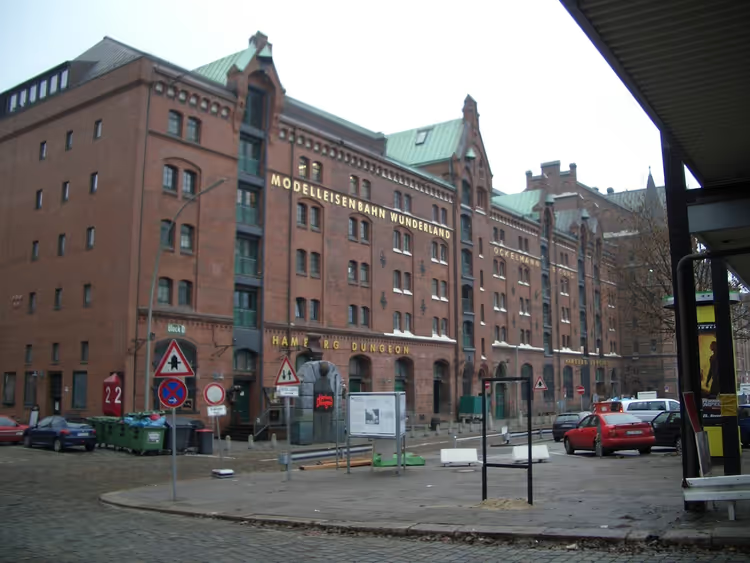
Hidden in the brick quarters of Speicherstadt is the world's largest model railway. Twin brothers Gerrit and Frederik Braun opened the museum and have been expanding it ever since. Today hundreds of trains run across the layout, a plane takes off at the airport, and life bustles in the Harz mountains.
The numbers are impressive, but what you notice first are the details. The museum is open daily, usually from 9:30 to 19:00, at Kehrwieder 2 (as of 09/2026, Miniatur Wunderland website). Inside you'll find not only regions of Germany, but also Scandinavia, Switzerland, America, Austria, and Italy. Book a time slot in advance, because without a reservation you'll be waiting in a physical line.
- Who it's for: families with kids and anyone who loves engineering and miniatures.
2. Elbphilharmonie and the viewing platform
 © Burkhard Mücke · CC BY-SAPhoto: Burkhard Mücke, CC BY-SA (https://creativecommons.org/licenses/by-sa/4.0), Wikimedia Commons
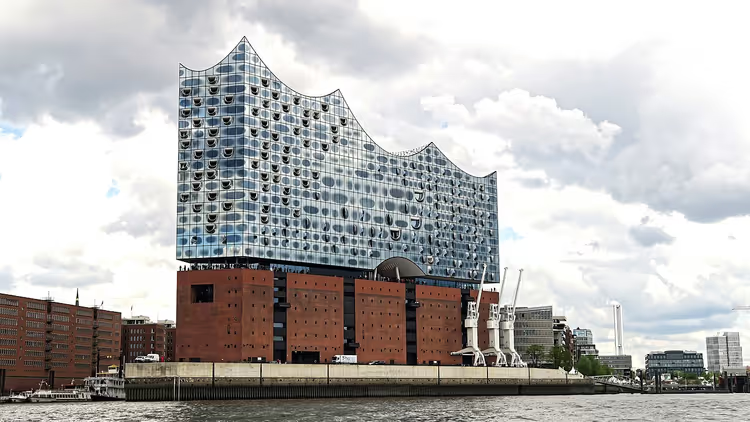
The Elbphilharmonie opened in January 2017 and immediately became a symbol of HafenCity. The glass superstructure made of hundreds of panels sits on top of an old brick warehouse, with three concert halls hidden beneath it. The circular Plaza observation deck at 37 m is open to everyone, but entry now costs €5 (as of 09/2026, official Elbphilharmonie website).
Address: Platz der Deutschen Einheit 1. Take the long escalator that brings you straight to the ticket office. Plaza tickets are issued in time slots, and on clear weekends they sell out in advance. From the top you see the port, the Elbe, and almost the entire city, and the cafe up there is a good place to warm up.
- The catch: the deck is no longer free, you pay separately for the panorama.
3. Dockland in Altona
 © Thomas Dahlstrøm Nielsen · CC BY-SAPhoto: Thomas Dahlstrøm Nielsen, CC BY-SA (https://creativecommons.org/licenses/by-sa/4.0), Wikimedia Commons
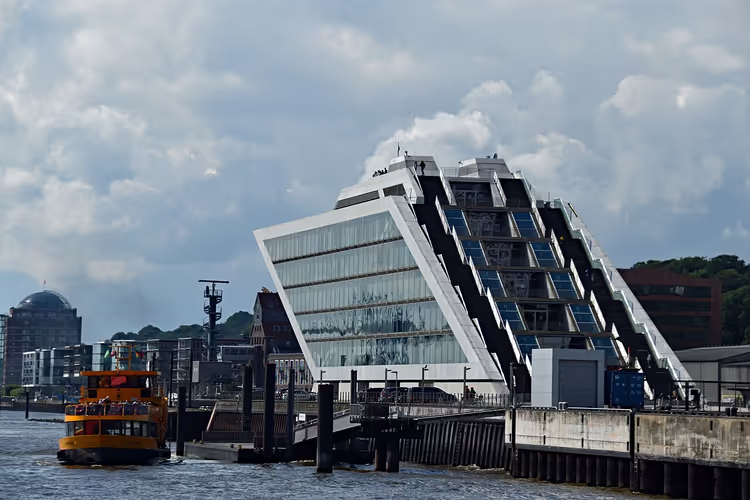
The glass parallelogram building on the pier looks like the bow of a huge ship. The six-story Dockland was built at Van-der-Smissen-Str. 9, and it houses offices (according to the city portal).
There is a free observation deck at the top, reached by an open staircase. It offers a wide view of the harbor and the Elbe, and tourist groups hardly ever make it here. Come closer to sunset, when the glass starts reflecting the warm light and the city slowly changes color.
- The catch: the climb is up steep steps with a sharp incline, so you can't get up there with a stroller.
4. Planten un Blomen and the botanical garden
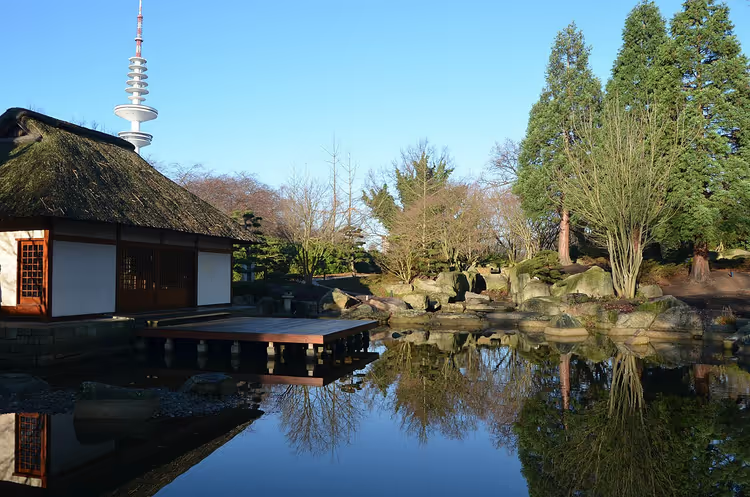 © Pedro from Maia (Porto), Portugal · CC BYPhoto: Pedro from Maia (Porto), Portugal, CC BY (https://creativecommons.org/licenses/by/2.0), Wikimedia Commons
Next to Dammtor station lies a large park with an old botanical garden. The first plantings appeared here in 1821 (according to the City of Hamburg website), and today it is a free green space right in the center. The greenhouses with tropical plants and succulents are the main attraction.
You walk along the paths, moving from the Japanese corner to the alpine rock gardens, and barely notice the city around you. The greenhouses contain plants from the Balkans, the Carpathians, and the Alps, and nearby there is a small garden with biblical plants. Admission is free, so the park is easy to fit into a route between the town hall and the Alster. In summer, water plays in the fountains, and in the evenings there are sometimes free concerts.
5. Hamburger Rathaus
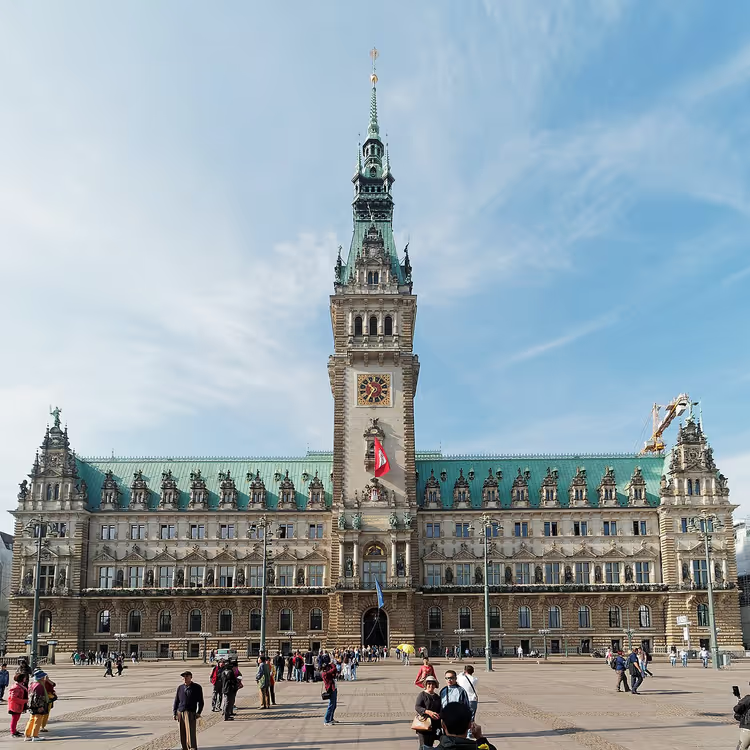 © Arnoldius · CC BY-SAPhoto: Arnoldius, CC BY-SA (https://creativecommons.org/licenses/by-sa/4.0), Wikimedia Commons
The town hall stands in the center and looks nothing like the other Hamburg buildings. The sandstone building was constructed in the late 19th century, and today it houses the city government. The facade is decorated with statues of emperors, and above the entrance rises a 112 m tower (according to the official Hamburg portal).
You can only go inside on a guided tour, but the hall with columns, portraits, and marble staircases is worth seeing. Come in the first half of the day, when there are fewer groups. Book city and town hall tours through GetYourGuide, the guide usually takes you on to the harbor afterward.
- Who it's for: those who want to understand how the free city works.
6. Reeperbahn and St. Pauli
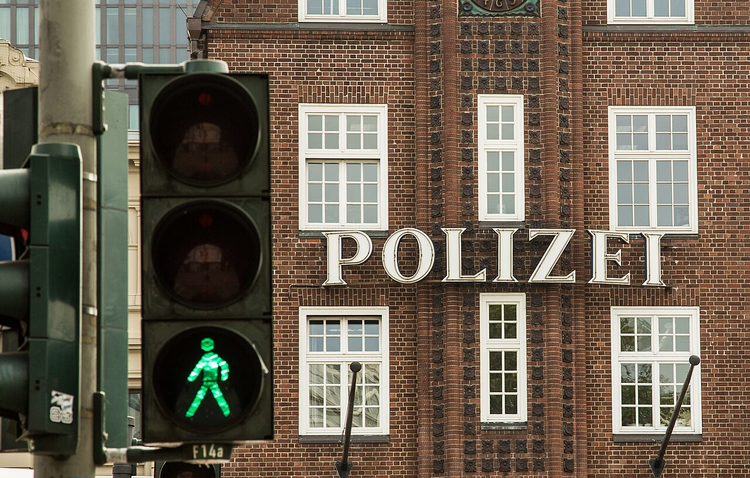 © Tony Webster from Portland, Oregon, United States · CC BYPhoto: Tony Webster from Portland, Oregon, United States, CC BY (https://creativecommons.org/licenses/by/2.0), Wikimedia Commons
Reeperbahn is the main nightlife street in the St. Pauli district. During the day it's quiet here: shops, cafes, and museums are open, and after sunset the neon signs light up and the clubs open. This is where the Indra club is located, where The Beatles got their start, along with the old St. Pauli Theater.
If you're here to see the city rather than the parties, come in the morning and walk down to the harbor. Then you'll see an ordinary neighborhood without the crowds, where bakeries and shops quietly go about their business. In the evening it's worth coming back to see the street in neon, but with a different mood.
- The catch: in the evening the street is loud and seedy, so with kids it's better to walk around before dark.
7. Alter Elbtunnel
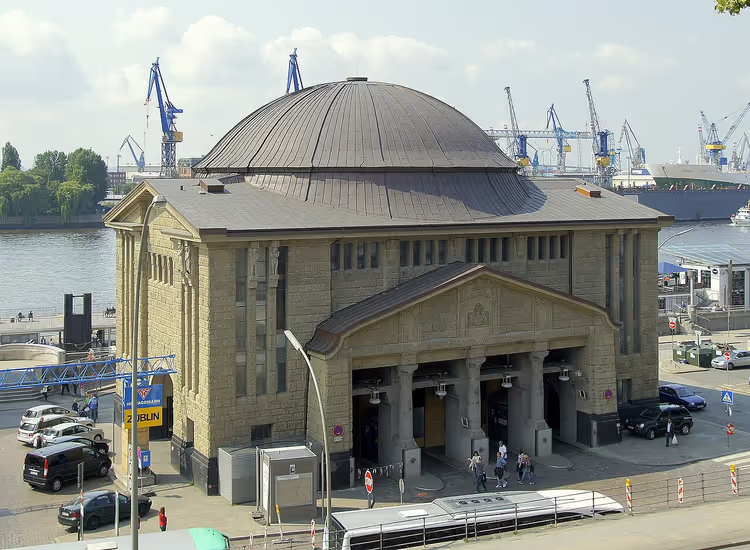 © Wolfi1946 · CC BY-SAPhoto: Wolfi1946, CC BY-SA (https://creativecommons.org/licenses/by-sa/4.0), Wikimedia Commons
The old tunnel under the Elbe connects the center with the south bank. It opened in 1911, and the underground passage is 426 m long (according to the city website). Horse-drawn carriages once used it, and today pedestrians, cyclists, and cars go down into it.
Elevators and stairs lead down, the walls are tiled, and the galleries are almost always cool. Walk through the tunnel and back: the south bank offers the best view of the port and the Elbphilharmonie. Bring a jacket even in summer, because underground the temperature is noticeably lower than outside.
8. Lake Alster
 © Carsten Steger · CC BY-SAPhoto: Carsten Steger, CC BY-SA (https://creativecommons.org/licenses/by-sa/4.0), Wikimedia Commons
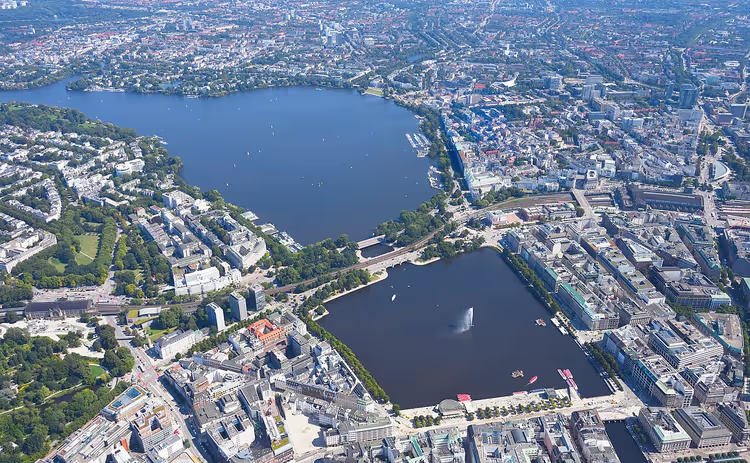
Lake Alster spreads across the city center as a man-made body of water. The inner part is small and cozy, while the outer part stretches for almost four kilometers and is framed by a park. A comfortable walking path runs along the water.
It's a pleasant walk before lunch and after work. In spring, the banks are covered in blooming cherry trees, a gift to the city from the Japanese community, and in May fireworks are held here. Expensive villas also line the shore, and in the evening lanterns light up along the embankment.
- Who it's for: those who want a break from museums and to sit by the water.
9. Tierpark Hagenbeck
 © An-d · CC BY-SAPhoto: An-d, CC BY-SA (https://creativecommons.org/licenses/by-sa/3.0), Wikimedia Commons
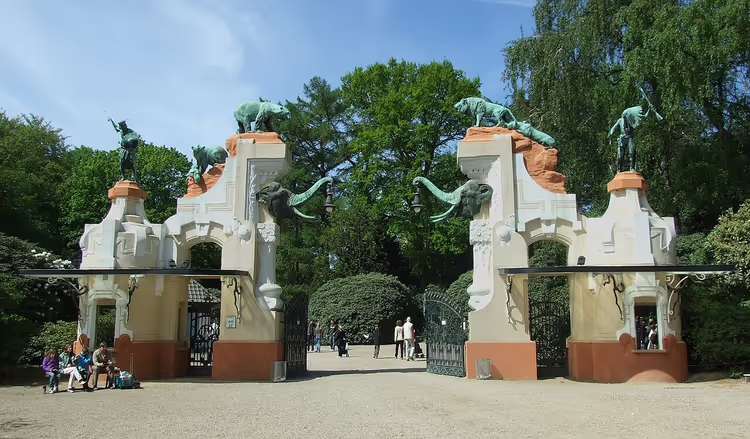
Tierpark Hagenbeck is a large zoo that feels more like a nature park. It was founded by Carl Hagenbeck, and the founder's family still owns it. Animals live not in cages but in open spaces separated by water-filled moats, with the only exception made for predators.
More than 200 animal species live here (as of 09/2026, official Tierpark Hagenbeck website), and a tropical aquarium with reptiles and ocean life greets you at the entrance. Book tickets for Hamburg attractions in advance through Tiqets, because on weekends the ticket offices draw long lines.
- Who it's for: families with children who have a full day to explore.
10. Fischmarkt
 © Dietmar Rabich · CC BY-SAPhoto: Dietmar Rabich, CC BY-SA (https://creativecommons.org/licenses/by-sa/4.0), Wikimedia Commons
Fischmarkt has been operating for more than three hundred years and still draws crowds on Sundays. Early in the morning, the square by the harbor fills with stalls selling fish, seafood, fruit, flowers, and souvenirs. This is also the place to try local fast food: sandwiches with smoked eel and herring.
The market is only open on Sunday mornings, so arrive right at opening time if you want to catch the atmosphere and live music. After the market, head down to neighboring Altona, where the port used to be, and check out the old warehouses along the waterfront.
- The catch: you'll have to get up very early for the market; by midday the stalls are already packing up.
11. Schloss Bergedorf
 © Ajepbah · CC BY-SAPhoto: Ajepbah, CC BY-SA (https://creativecommons.org/licenses/by-sa/3.0/de/deed.en), Wikimedia Commons
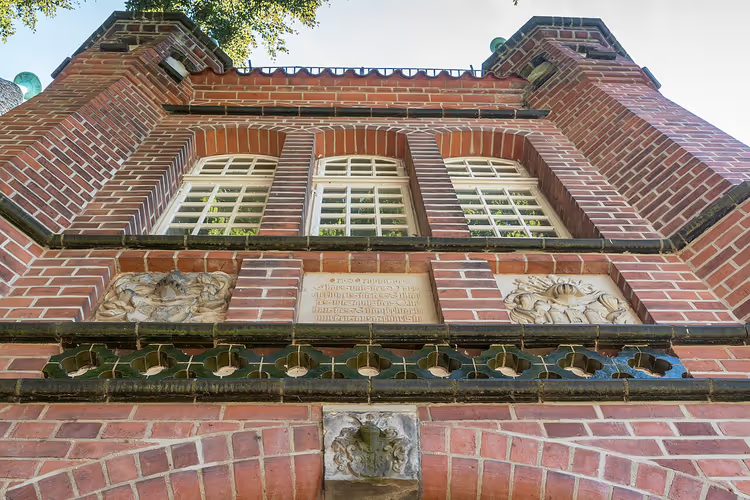
Schloss Bergedorf is considered the only surviving castle within the city limits. It stands on a small island formed by the Bille River and is surrounded by a park and a double moat. The first mentions date back to the 13th century, and the building's current appearance combines neo-Gothic and half-timbered styles.
Inside, there's a museum with exhibitions about the region's culture, open Tuesday through Sunday. To get here, you need to travel to the outskirts, to the Bergedorf district, so set aside a relaxed half-day for the castle and don't rush.
- Who it's for: anyone who wants to see Hamburg without the tourist crowds.
12. Staatsoper Hamburg
 © Gunnar Klack · CC BY-SAPhoto: Gunnar Klack, CC BY-SA (https://creativecommons.org/licenses/by-sa/4.0), Wikimedia Commons
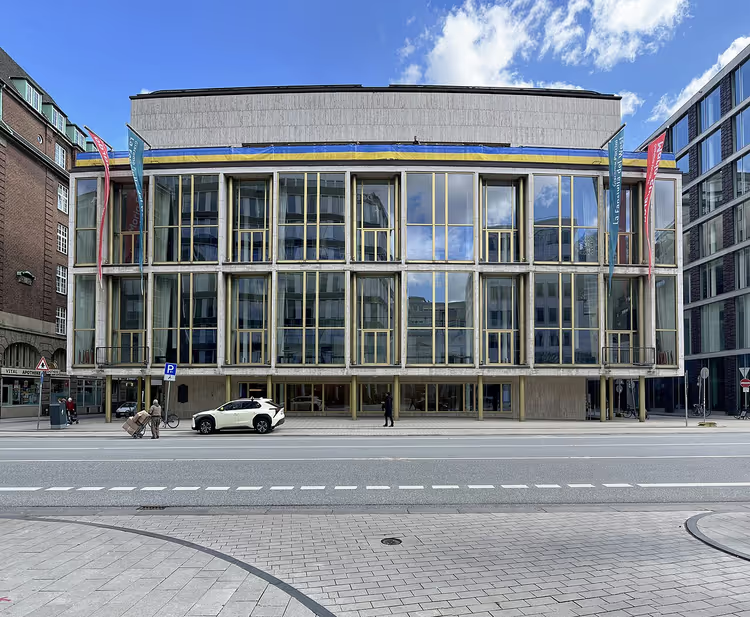
Staatsoper Hamburg is one of the oldest public opera houses in Europe. The first performance was staged here back in 1678 (according to the official Staatsoper website), and since then the theater has survived fires, war, and reconstruction. Today, a modern hall operates next to the historic building.
The program mixes classics and experimental work, so picking an evening is easy. If you love music, get your ticket in advance, because good seats sell out quickly.
- Who it's for: those who'd rather spend an evening in a concert hall than a bar.
13. Hauptkirche St. Michaelis
 © Ajepbah · CC BY-SAPhoto: Ajepbah, CC BY-SA (https://creativecommons.org/licenses/by-sa/3.0/de/deed.en), Wikimedia Commons
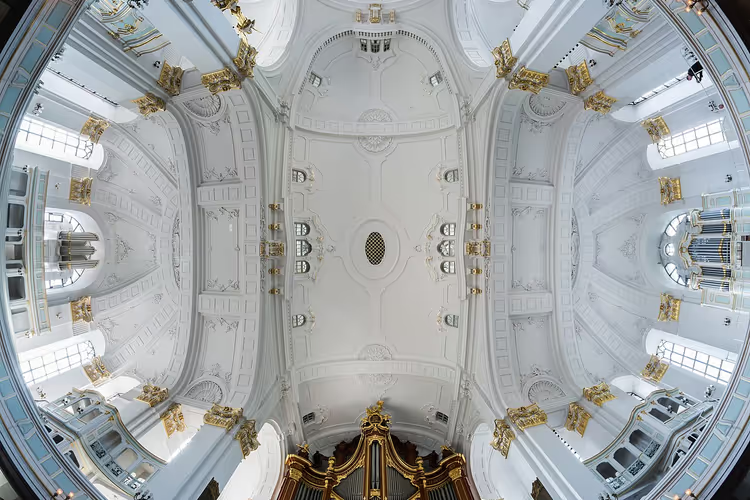
Hauptkirche St. Michaelis is considered the city's main Protestant church and its recognizable symbol. Locals call the church "Big Michel." The current building dates from the early 20th century, after two previous structures were destroyed by fire and lightning.
The bell tower rises to 132 meters (according to the St. Michael's congregation), and an observation deck is set up at 110 meters. A spiral staircase leads to the top, but the view over the Elbe and the port is worth it, especially on a clear day. Inside, you'll see snow-white walls, four organs, and a marble altar as tall as a house.
- Who it's for: fans of panoramas and church architecture.
14. Hamburger Hafen
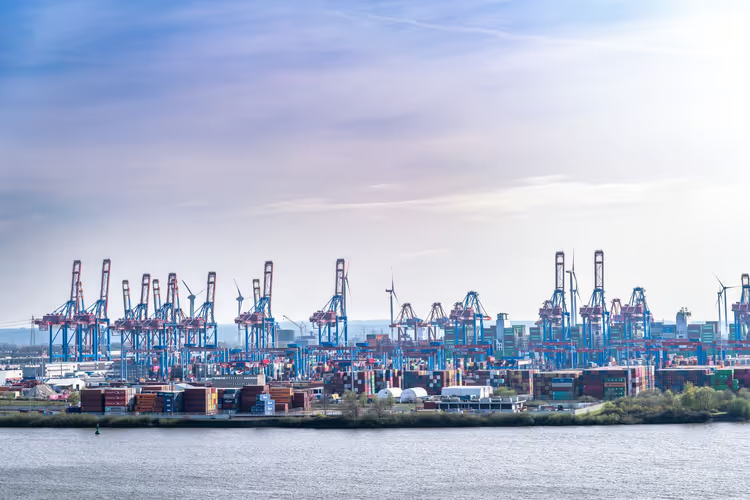
The Port of Hamburg is the largest in Germany and one of the busiest in Europe. More than ten thousand ships pass through it every year (as of 09/2026, official port website), and the berthing line stretches for many kilometers.
Gothic red-brick warehouses stand alongside futuristic terminals here, so the harbor showcases several eras at once. The best way to see the port is a barge tour; the dock is at Landungsbrücken. Buy tickets right at the pier or online on GetYourGuide so you don't have to wait in line at the ticket office.
- Who it's for: those who want to understand what the city has lived on and still lives on.
15. Planetarium Hamburg
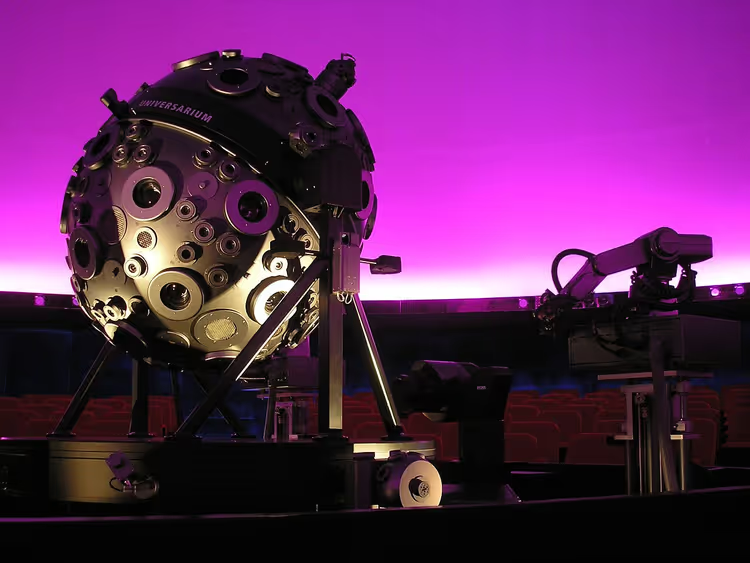
Planetarium Hamburg occupies a former water tower building in the city park. Inside, you'll find a domed hall with a full view and a very sharp projection of the starry sky. The hall is equipped with laser projectors and mirrors, so the picture of space looks almost real.
After the show, you can go up to the observation deck and grab a bite at the cafe overlooking the city. Check showtimes and prices on the planetarium's website, since the schedule changes by day and time.
- Who it's for: families and anyone who loves space and technology.
16. Hamburger Dom
 © Andy Ladewig · CC BY-SAPhoto: Andy Ladewig, CC BY-SA (https://creativecommons.org/licenses/by-sa/4.0), Wikimedia Commons
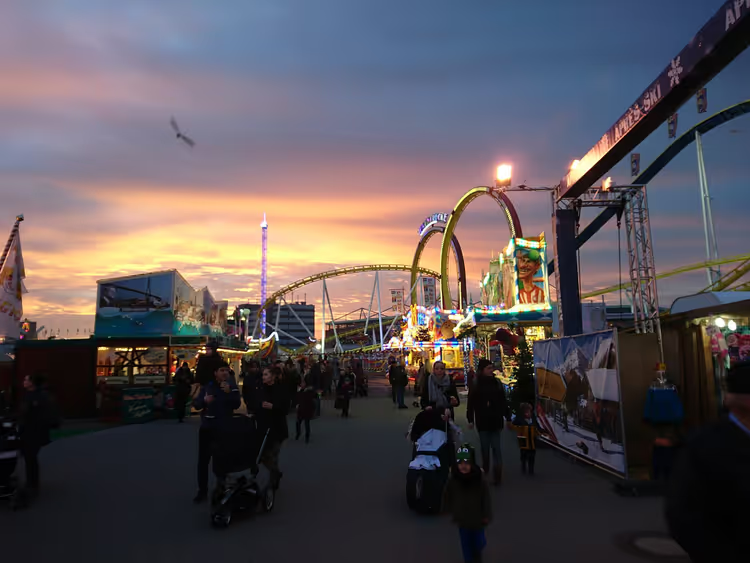
Hamburger Dom is a large fair that sets up three times a year on Heiligengeistfeld in St. Pauli. Its history goes back to the Middle Ages, when merchants and traveling performers were granted the right to trade under the arches of the old cathedral.
Today it features a huge Ferris wheel, dozens of rides, sweet stalls, and a music stage. The fair runs for about four weeks in spring, summer, and fall, and admission to the grounds is free. Stop by in the evening, when the lights come on and the wheel lights up.
Tours and tickets in Hamburg
Guided tours, skip-the-line tickets and activities — most offers can be cancelled free of charge.
See offers on TiqetsThe widget loads once you give your consent.
⁉️🤔 Frequently asked questions
How much does it cost to go up to the Elbphilharmonie Plaza?
Admission costs €5 (as of 09/2026, philharmonic box office). Tickets are issued in time slots, and on clear weekends they sell out in advance, so arrive when the pavilion opens. Concert ticket holders can access the Plaza two hours before the show starts. A separate bonus is the free restrooms near the cafe upstairs.
Can you realistically cover the whole route in one day?
Yes, if you don't go inside every museum. The route is designed so you see the main sights from outside and only enter what matters to you. In the morning, do Speicherstadt and HafenCity, in the afternoon walk through the center, and in the evening head down to the port. If you get tired, drop two or three stops and save them for your next visit.
Do you need to book Miniatur Wunderland tickets in advance?
Yes, and online is better. Without a time slot, you'll stand in a physical line, and during school holidays it gets very long. On the official Miniatur Wunderland website you can see available time slots and prices, and timed entry saves you an hour or more. Go for the first slot, it's calmer inside in the morning.
When is the best time to visit Hamburg?
Hamburg is good year-round, but it's most comfortable from May to September. In summer, parks, fountains, and waterfront terraces are open, and the days are long. In May you can catch the cherry blossoms by the Alster. In winter the city is lively too: fairs, lights, and fewer tourists. Bring an umbrella and a jacket in any season, the weather here changes quickly.
What should you eat at Fischmarkt?
At the market, get a sandwich with smoked eel or herring, it's a local classic. The portions are simple but fresh, and prices stay at the level of regular fast food. Arrive at opening time, while the lines are short and the vendors are still cracking jokes. There are cafes nearby in Altona if you want to sit down at a table.
In short: what to book
A day in Hamburg comes together easily. In the morning you cover Speicherstadt and HafenCity, in the afternoon you walk through the center, and in the evening you head to the water and St. Pauli. If you're short on time, go for Miniatur Wunderland, Elbphilharmonie, and a harbor tour. If you're with kids, add Tierpark Hagenbeck or the Planetarium.
If you're short on time: pick the three main stops. If you're with kids: pick the zoo and the planetarium. If you want an evening out: pick the opera or Reeperbahn. Staying closer to the center is more convenient, so everything is nearby. Hotels in Hamburg on Trip.com.

A small editorial team writing guides for independent travel. We travel ourselves, but we haven’t been everywhere, so we check prices, opening hours and how to get there against official sources.