













What to take to a festival: a checklist for a trip with a tent
Packing for a festival is harder than buying a ticket. At an open-air venue you depend on the weather, on lines for water, and on what you managed to put in your backpack. One forgotten item can ruin the whole weekend, while a well-thought-out list saves you energy and money.
Festival travel is growing: according to Opodo analysis (04/2025), bookings for Lollapalooza in Berlin rose 17% year over year (ProMediaNews). Below we break down the essential gear, campsite logistics, health, connectivity, and getting there.
Ad: this article contains affiliate links, we earn a commission if you book through them, at no extra cost to you.
What to bring to a festival: the essentials
💡 In short:
- Pack the basics: tent, warm sleeping bag, sleeping pad, headlamp, and first aid kit.
- Check the venue rules: what you can't bring in and where water refill points are.
- Bring a change of shoes and a rain poncho: the weather can turn within an hour.
- The scale of festivals in Germany: 09/2025, according to Deutsches Musikinformationszentrum.
The essential kit barely changes from festival to festival. You need a tent, a season-appropriate sleeping bag, a sleeping pad or air mattress, a headlamp, a water supply, and a first aid kit. Bring a change of shoes, a rain poncho, and a spare set of clothes: at an open-air venue, a warm evening gives way to a cold night.
The German blog DeineIP.de on technology, travel, and festivals has put together a festival packing list. The material is organized by category: camping gear, first aid kit, clothing, and small accessories. The author notes that the list has gotten shorter in recent years, and some purchases can be made on site.
Check the specific venue rules in advance. Some festivals ban glass and outside food, others ask for your ticket and passport at the gate. Confirm this on the organizer's website so you don't end up leaving items at the security checkpoint.
Tent, campsite logistics, and food
Sleep at a festival matters more than you might think. Bring a tent with a rain fly, a foam sleeping pad, and earplugs: by morning the campsite is noisy from every direction. Choose your sleeping bag based on nighttime temperatures, not daytime heat.
Plan your food around quick preparation. At the campsite, a gas stove, canned food, bread, nuts, and collapsible dishes are lifesavers. Bring plenty of water: not every venue has drinking water points near the campsite. Label your mug and bottle with a marker, they're easy to mix up in a shared camp.
For food, a cooler bag or a sturdy bag kept in the shade works well. Don't leave food in the sun and don't count on a refrigerator at the venue. For small items, add duct tape, rope, and a second flashlight to your backpack: these are the things neighbors ask for most often.
How to choose a festival that fits your style
The choice depends on music, budget, and venue format. Some festivals take place in a field with a large campsite, others happen in the city, and then you need accommodation nearby.
Plan your schedule in advance. Mark the artists you want to hear and leave buffer time between stages. That way you won't lose a day running around and you'll make it to the main set.
Format matters too. With a tent, you're closer to the nightlife but farther from showers and water. In the city it's more comfortable, but you have to follow the venue schedule and use public transport. Compare both options against your own pace.
Health, weather, and safety
At an open-air venue, health matters more than comfort. Drink water all day, not just in the evening: dehydration creeps up on you in a crowd. Sunscreen, a hat, and sunglasses protect against the most common summer problem.
Put together a small first aid kit: bandages, antiseptic, pain reliever, allergy medication, insect repellent, and something for an upset stomach. Keep your documents in a waterproof bag, and save a copy of your ticket and passport on your phone.
Scope out the grounds on the first day. Knowing where the exits, first aid station, and meeting point are will come in handy. Don't stand right at the edge of the stage in a dense crowd, and don't leave your belongings unattended. Earplugs reduce the risk to your hearing after long hours near the stage.
Connectivity, charging, and apps
Your phone drains faster than usual at a festival. Bring a 20,000 mAh power bank and keep it in the shade: in the heat, the battery loses capacity. A long cable is more convenient than a short one, and a case protects against dust and splashes.
Many festivals have their own app with the schedule, map, and notifications about changes. Install it at home and download the map so it works offline.
If you're coming from another country, sort out your internet access in advance. You can compare eSIM plans: you set it up before the trip, and connectivity works as soon as you arrive.
How to get to the festival
The journey drains your energy if you don't plan it. The train is often more convenient than driving: major venues get extra services, and parking in a field costs money and time. Train tickets are worth buying in advance, before the convenient departures sell out.
If you're driving, plan your route and departure time. On opening day, entry lines are long, so build in a buffer. Keep a spare set of clothes, water, and a charged phone in the car.
If you don't want to sleep in a tent, look for accommodation nearby well in advance. Hotels near the festival get booked months before the event, and prices rise as the date approaches.
People, atmosphere, and keeping the venue clean
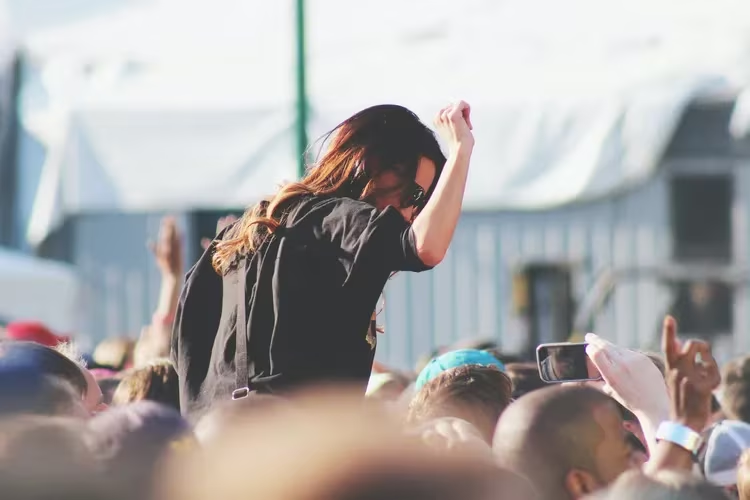
A festival brings people together. Guests come from dozens of countries, share music, and help their campsite neighbors. Openness is the norm here: conversations start at the stage or by the campfire.
Keep the grounds clean. Put trash in a separate bag and take it with you, and replace disposable tableware with reusable items. This saves you money on site and leaves the field usable for next year.
⁉️🤔 Frequently asked questions
What should you definitely bring to a festival?
A tent, sleeping bag, sleeping pad, headlamp, first aid kit, water supply, and a change of clothes. Add earplugs for sleeping and a power bank for your phone. Some small items can be bought on site, but it's better to pack the essentials at home so you're not scrambling to find what you need.
What do you spend money on at a festival?
Food and drinks cost more on site than in the city, so budget with a buffer. Keep some cash on hand: cards don't work everywhere and the network isn't always available. Main expenses: entry, food, water, and getting there.
Can you bring your own food and drinks?
It depends on the venue. Some festivals allow food and water, others ban glass and alcohol. Check the rules on the organizer's website in advance, otherwise your items will be held at security and you'll lose time at the entrance.
What should you do with your phone and money?
Keep them in an inside pocket or a waist bag, not in a backpack on your back. A power bank extends your phone's battery life, and keep copies of your documents and ticket in the cloud. That way you won't be left without connectivity or a way to pay.
How do you prepare for bad weather?
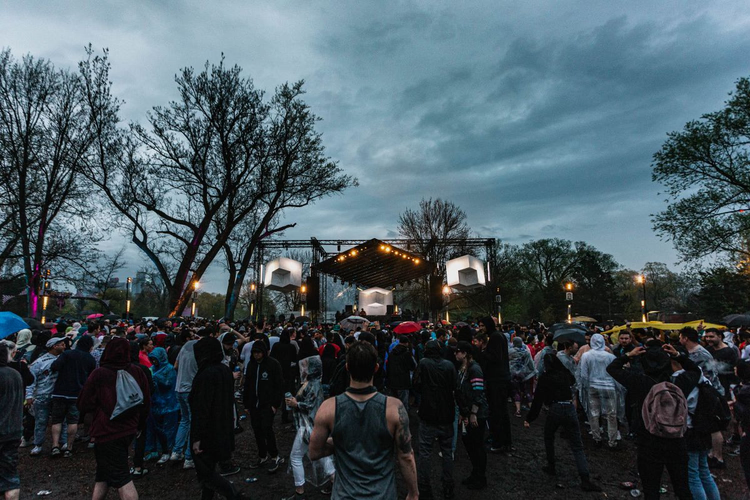
Bring a rain poncho, rubber boots, and a spare set of clothes in a waterproof bag. Pitch your tent on level ground and check the guy lines. After rain, dry your things in the sun, not inside the tent, otherwise the camp will get damp and musty.
In short: how to pack for a festival
If it's your first time, start with the basics: tent, sleeping bag, sleeping pad, water, first aid kit, and earplugs. Then add connectivity and money: a power bank, cash, and copies of your documents in the cloud. Check the weather the day before and bring a rain poncho and spare clothes.
Plan your travel in advance too. Train tickets, parking, and accommodation near the venue get more expensive closer to the date, so book tickets and lodging months ahead. Start packing a week before departure, and make the most important purchases calmly, not on opening day.

A small editorial team writing guides for independent travel. We travel ourselves, but we haven’t been everywhere, so we check prices, opening hours and how to get there against official sources.