

















Earning on the road: nine proven schemes with housing and pay
Many people dream of traveling for a long time, but they hit a budget wall. What stops them is not the visa, but the question of what to live on while on the road. The good news: work is easy to combine with travel.
Some setups bring money right away, others provide housing and food, and still others build income for the future. Below are nine workable options. For example, the WWOOF movement has been operating since 1971 and covers more than 130 countries (as of 09/2026, official site). For each option you will find where to look for work, what it gives you, and what the catch is.
💡 In short:
- You can start writing for fees from anywhere with internet access.
- Farms, hostels, and families usually pay with housing and food rather than a rate.
- Platform terms: 09/2026, verified on the official WWOOF site and Workaway.
1. Articles and texts for fees

Writing is convenient to do on the road: a laptop weighs little, and work comes in over the internet. Publications pay for guides, life hacks, travel stories, and reviews. Fluent English opens up markets where the same words pay more and orders come in more regularly. Paid openings are listed on the ProBlogger Job Board, and the rate is usually stated right in the ad.
Do not send an email without a portfolio. An editor reads two or three of your relevant samples, not your cover letter. Start with a narrow topic you know better than your competitors, and take the first orders even at a modest price.
- The catch: the fee is paid after you submit the work, so you need a financial cushion for the first few weeks.
2. Transporting items and packages
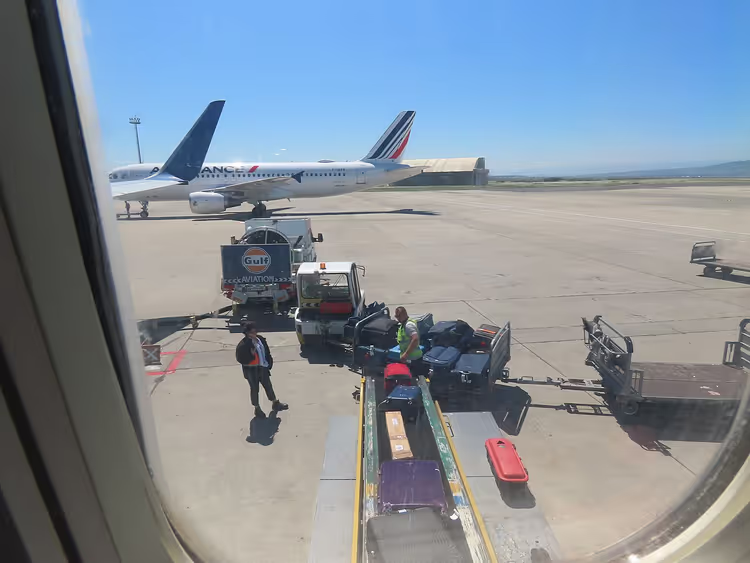
If you fly with carry-on luggage, the free space in your suitcase can earn you money. Travelers carry personal items and small orders for a reward agreed upon with the sender. One of the services for this kind of exchange is Grabr. Earnings depend on weight and route, so check airline limits and the list of prohibited items in advance.
- Not for: those who fly with a lot of luggage or risk going overweight.
- The catch: you are responsible for the contents of the order, so only take transfers that are clear and transparent.
3. Dog walking and pet sitting
 © Colin · CC BY-SAPhoto: Colin, CC BY-SA (https://creativecommons.org/licenses/by-sa/3.0), Wikimedia Commons
Pet sitting suits those who miss home and want to live in a city like a local. On platforms such as TrustedHousesitters and Rover you will find both short walks and long sits with accommodation. Owners leave their pet at home, and you get housing without paying rent. Walking and sitting are usually paid by the day or per visit; check the exact rate in listings for your city.
- Who it's for: those who are willing to work around an animal's schedule.
- The catch: sits with accommodation require reviews, so the first bookings come more slowly.
4. Working on an organic farm
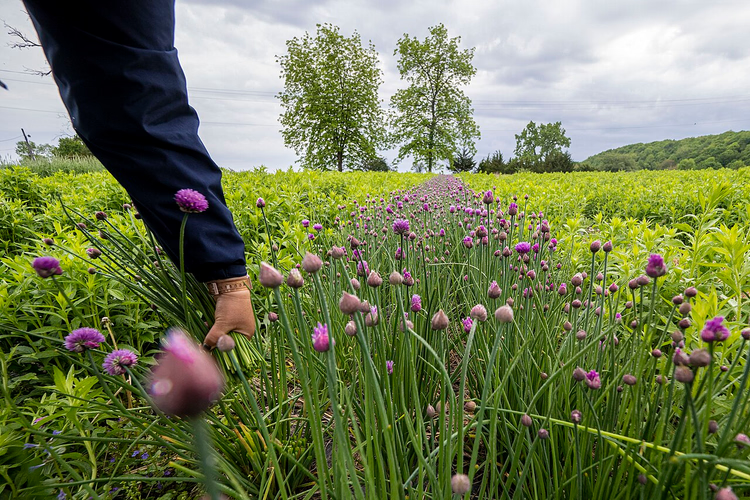
The largest farm exchange network: WWOOF. According to the site itself, no money changes hands between the farm and the volunteer: you help with chores and receive food and accommodation. Workaway works similarly, but besides farms it offers families, projects, and house sitting. It's usually part-time, about half a day, and the rest of the time is left for travel. Each host has their own conditions, so agree on everything before you arrive, not on the spot.
- The catch: physical labor outdoors and shared daily life with the hosts.
5. Selling photos
 © Jay.Jarosz · CC BY-SAPhoto: Jay.Jarosz, CC BY-SA (https://creativecommons.org/licenses/by-sa/4.0), Wikimedia Commons
If you take a lot of pictures while traveling, some of those shots can bring in money. Stock platforms like Shutterstock sell photos, and the author gets a percentage of each sale. There's also a second route: direct sales. You find publications and brands, send a portfolio with a letter, and ask about their rate. Income from stock sites depends on the volume and uniqueness of your shots, and the first payouts don't come right away.
- The catch: noticeable payouts start once you have hundreds of images in your portfolio.
6. Your own blog and bartering with hotels
 © Grishina Irina · CC BY-SAPhoto: Grishina Irina, CC BY-SA (https://creativecommons.org/licenses/by-sa/4.0), Wikimedia Commons
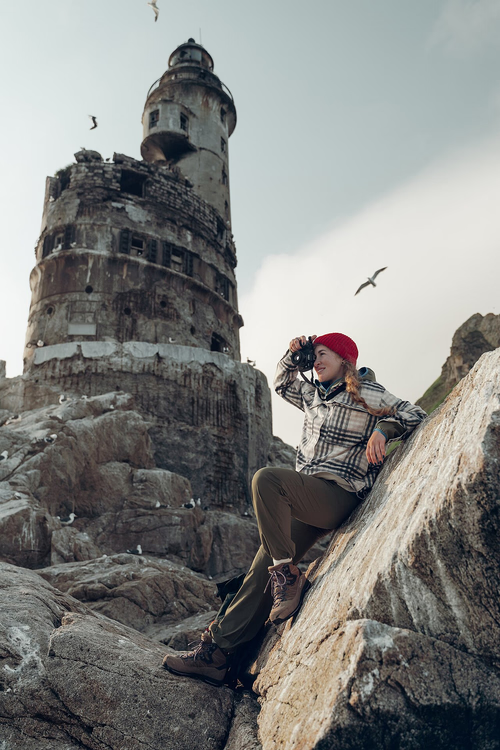
Your own blog is a long-term play, not quick money. In the first year you earn almost nothing: you write, shoot, and build an audience. Later, though, hotels, restaurants, and tour operators offer barter deals, meaning accommodation, dinners, or tours in exchange for an honest review. Don't count on predictable income: the amounts depend on your niche and traffic. Start the blog before your trip and publish regularly, otherwise barter offers won't come.
- Who it's for: those willing to work without a return for the first year.
- The catch: income is unstable and depends directly on audience size.
7. Working on a cruise ship
 © Virtual-Pano · CC BY-SAPhoto: Virtual-Pano, CC BY-SA (https://creativecommons.org/licenses/by-sa/4.0), Wikimedia Commons
A cruise ship is a job with full board and a salary. Crew members get housing and meals, and ships constantly need bartenders, salespeople, medics, hairdressers, cooks, and photographers. The main requirement is working English; everything else is taught before the voyage. Vacancies are posted by the operators themselves: check the career pages of Royal Caribbean Group and Carnival. Be ready for contracts lasting several months away from home and a dense shift schedule.
- Not for: anyone with seasickness or a weak vestibular system.
- The catch: you live on the ship for months and rarely go ashore.
8. Side jobs in hostels and hotels

Hostels and hotels hire people for the season: front desk staff, housekeepers, cooks. Some positions offer work in exchange for a bed and meals, others add a small hourly rate. The easiest way to search is through the Workaway platform: listings state exactly what the host provides. Read the terms before responding, because some places require English while others are fine with a basic level. Shifts can be in the evening, so clarify the schedule in advance.
- Who it's for: people who want to live in a tourist city on a budget.
- The catch: seasonal work ends when the season ends.
9. Nanny and caregiver for children
 © Nor*cal skier · CC BY-SAPhoto: Nor*cal skier, CC BY-SA (https://creativecommons.org/licenses/by-sa/3.0), Wikimedia Commons
Experience working with children can easily turn into housing and pocket money. Families abroad often look for a live-in nanny or helper, and housing, meals, and pay are discussed directly. Search on AuPairWorld and Great Au Pair. Conditions vary widely by country, so clarify the rate, hours, and duties in advance. Many countries require a visa, and sometimes a language certificate.
- Who it's for: people who love children and are willing to live with a family.
- The catch: you work in the same house where you live, so you have less personal space.
⁉️🤔 Frequently asked questions
Do you need English to earn money while traveling?
For most options, yes. On cruise ships English is mandatory, while on farms and in hostels a basic level is often enough. For writing and stock photos, fluency opens up higher-paying markets. Transporting items and pet sitting are possible without the language, but then you will mostly find orders within your own country.
How much can you realistically earn from this?
Amounts vary widely. Writing and photography are paid by volume and language, and a blog does not generate income right away. So look at the specific terms in the job listing or host's post instead of searching for an average figure online.
Can you combine several methods?
Yes. Many travelers alternate: they spend a week on a farm in exchange for housing and food, then take urgent writing assignments or stock shoots. A portfolio put together in advance and reviews on platforms help. This schedule is more flexible but requires organization: juggling work and constant relocation can be tough.
Where do you find work if you have no experience?
Start with platforms that accept beginners: work exchange on Workaway for hostels, farm exchange on WWOOF for farms, pet sitting on TrustedHousesitters for animals. Put together a short portfolio and ask for your first reviews. That is how you build a reputation, and with it come paid jobs.
Do you need documents to work while traveling?
Often yes. Paid employment abroad usually requires a work permit, and work exchange and volunteering are governed by local rules. Before you travel, check the entry and employment conditions in the specific country, not just the visa. For barter and remote work, there are noticeably fewer restrictions.
In short: which option to choose
The choice depends on what you already have right now. If you need money quickly and you know English, go with writing or selling photos. If you want to avoid paying for accommodation, choose farms, hostels, or pet sitting. If you're ready for a long start in exchange for hotel barter, start a blog. If you dream of full board on a ship, look at cruise operator vacancies. Start with one option, make it work, and only then add a second one.

A small editorial team writing guides for independent travel. We travel ourselves, but we haven’t been everywhere, so we check prices, opening hours and how to get there against official sources.