
















What you won't find in a Brazilian supermarket: 10 familiar products
You've landed in Rio and head to the supermarket for quark, the familiar Quark. The shelf is there, but the quark isn't.
That's what a first encounter with the Brazilian grocery basket looks like. Brazil is one of the world's largest producers of coffee, sugar, and oranges, but that doesn't mean the shelves carry everything you're used to at home. Quark, kefir, buckwheat, and rye Roggenbrot simply aren't on local shopping lists.
Below are ten products you won't find in Brazilian stores, plus a workable substitute for each. Everything on the list is sold in a regular supermarket or at the neighborhood padaria.
What to know about Brazilian products
💡 In short:
- Quark and sour cream are replaced by ricotta and coalhada, not by products with similar names.
- Buckwheat, pearl barley, and semolina aren't on the shelves: rice, feijão, and farofa are the staple sides.
- Instead of dark bread, go for multigrain bread, a baguette, or pão de queijo.
Keep the substitution table handy: it will help you get oriented in your very first store.
Product | What to look for instead | Where to look |
|---|---|---|
Quark, sour cream, kefir | ricotta, coalhada | dairy section |
Soup | thick bean dishes | lunch spots and cafes |
Herring, smoked fish | grilled or baked fish | supermarket, market |
Buckwheat, pearl barley, semolina | rice, feijão, farofa | any store |
Dark bread | multigrain bread, baguette | padaria |
Dried fish and squid | pastel, coxinha | market stalls, bars |
Marshmallow, halva | local candies and desserts | confectionery section |
Condensed milk | leite condensado, such as Moça | dairy section |
Mineral water | água de coco, sodas | kiosks, supermarket |
Hot dogs | linguiça | sausage section |
1. Dairy products: quark, sour cream, kefir
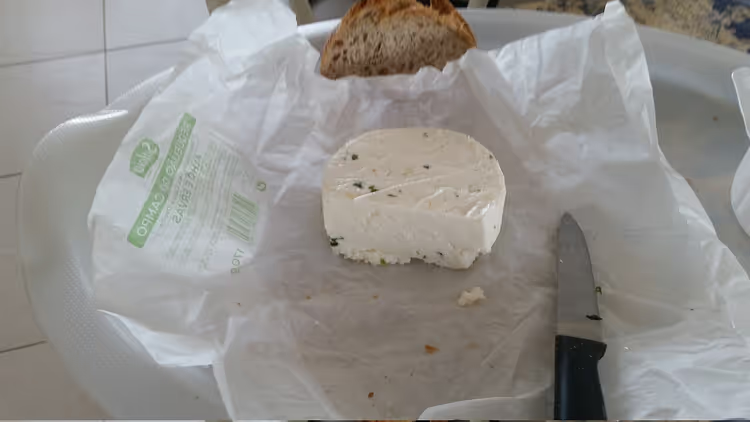
Sour cream, quark, and kefir are far from being on every shelf here. Locals build breakfast differently: syrniki are replaced by cloyingly sweet candies, pancakes are made with milk, and sour cream simply isn't needed.
The substitutes work. Ricotta replaces quark, and coalhada, a fermented milk product made from soured milk, replaces sour cream. Kefir occasionally shows up in bottles at large chains, but the price will surprise you.
- What to use instead: ricotta for syrniki and casseroles, coalhada for salads and soups.
- The catch: you'll have to rebuild the familiar breakfast flavor from scratch.
 © Comte0 · CC BY-SAPhoto: Comte0, CC BY-SA (https://creativecommons.org/licenses/by-sa/4.0), Wikimedia Commons
2. Soup in the usual sense
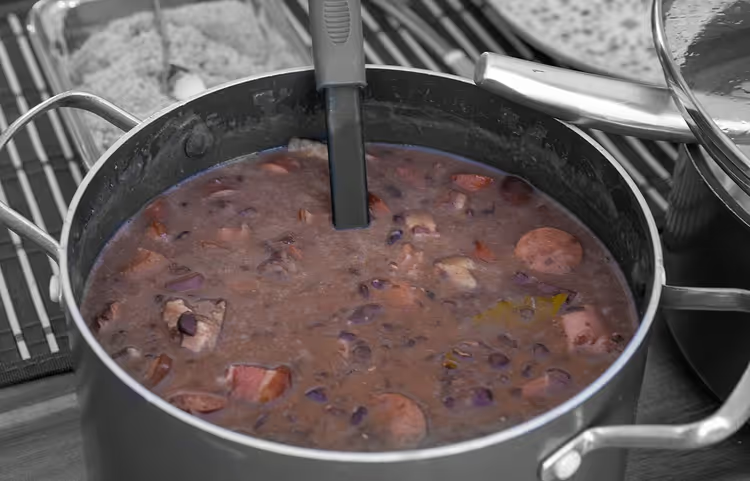
Broth-based soup is a rarity on Brazilian menus. Local dishes in a bowl are thick and closer to a puree in consistency than to broth. Borscht, sorrel soup, or cold soup will have to be made yourself from local vegetables and greens.
A spoonful of sour cream won't appear in the bowl either, because coalhada takes its place here.
- What to get instead: thick bean and vegetable dishes served at lunch.
- The catch: without broth and sour cream, the familiar taste can't be replicated.
3. Herring and smoked fish
Salted herring is almost never found in Brazilian supermarkets.
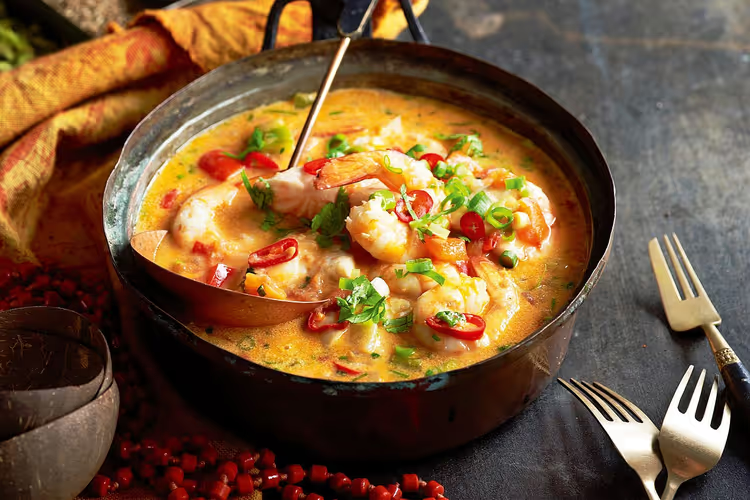
Fresh fish on the coast is grilled or baked whole, and smoking is rarely used here, so don't put smoked fish on your shopping list.
- What to get instead: baked or grilled fish at the market and supermarket.
- The catch: salted herring and smoked products remain scarce.
 © BR · CC BY-SAPhoto: BR, CC BY-SA (https://creativecommons.org/licenses/by-sa/4.0), Wikimedia Commons
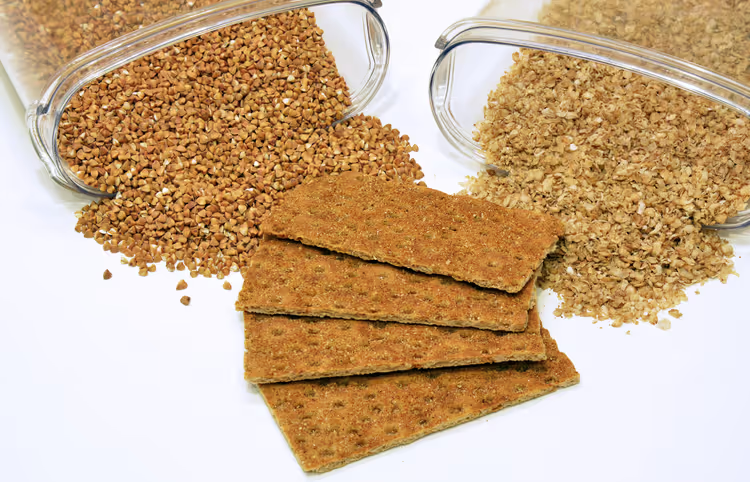
4. Buckwheat, pearl barley, and semolina
Buckwheat and pearl barley are unfamiliar to Brazilians. Simple grain sides here are made from rice and feijão, the foundation of the daily diet (according to Brazil's Ministry of Agriculture, 09/2026). Millet and semolina aren't on the shelf either, but peas are available, just the green kind.
Look for grains at health food stores: the selection is narrow and prices are higher, but buckwheat does sometimes get stocked.
- What to use instead: rice, feijão, and farofa for sides.
- The catch: if you need buckwheat regularly, bring a supply with you.
 © Andrey Korzun · CC BY-SAPhoto: Andrey Korzun, CC BY-SA (https://creativecommons.org/licenses/by-sa/4.0), Wikimedia Commons
5. Dark bread and croutons
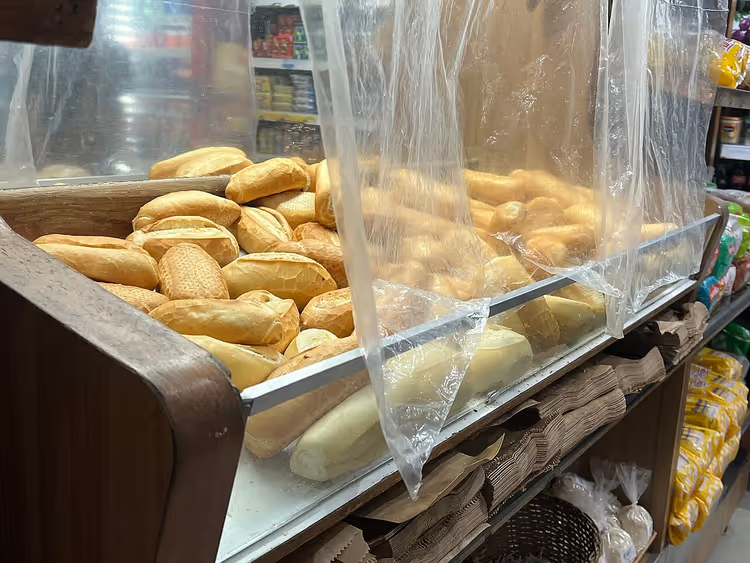
Dark bread isn't available in chain stores. Instead, they sell white toast bread. The taste of such a loaf is far from what you're used to.
For darker options, you'll be offered grain and multigrain bread, while locals more often buy baguettes, which are available almost everywhere and in several varieties at once. Croutons made from white bread aren't made here either; instead, people have pão de queijo with tea.
- What to use instead: multigrain bread, baguette, pão de queijo.
- The catch: toast bread is far from the familiar taste; check freshness with your hands.
 © Gabriel Del Cima · CC BY-SAPhoto: Gabriel Del Cima, CC BY-SA (https://creativecommons.org/licenses/by-sa/4.0), Wikimedia Commons
6. Dried fish and squid
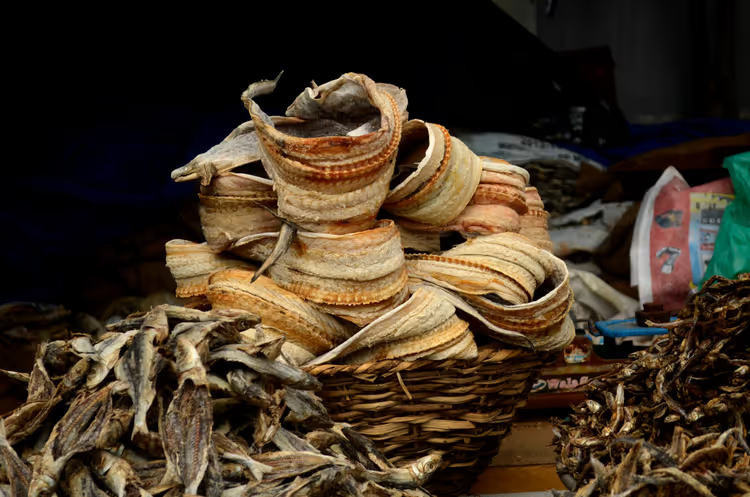
With cold beer in Brazil, people don't reach for dried fish and squid but for warm pastel and coxinha. The pastries are fried in oil or fat, and the filling can be anything: meat, seafood, ham and cheese, or vegetables.
Dried fish and squid are found only in specialty stalls near the market.
- What to get instead: pastel or coxinha with beer.
- The catch: the familiar dried fish snack will have to be brought with you.
 © PJeganathan · CC BY-SAPhoto: PJeganathan, CC BY-SA (https://creativecommons.org/licenses/by-sa/4.0), Wikimedia Commons
7. Marshmallow and halva
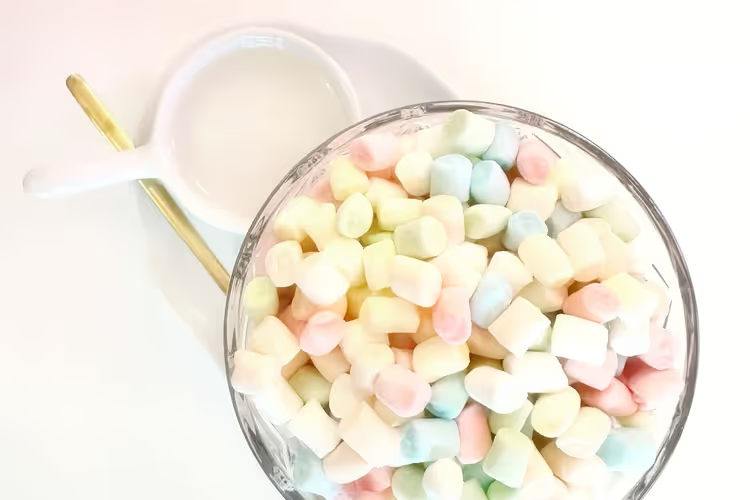
Brazilians barely know the familiar sweets for tea. Marshmallow and halva don't appear in the confectionery section. But there are plenty of local candies and pastries, and almost all of them are cloyingly sweet.
Chocolate is a separate surprise. The country has plenty of cocoa beans, but the local bar tastes closer to the cheapest and sweetest kind. Familiar global brands are sold, but they cost more here.
- What to use instead: local candies and desserts with coffee.
- The catch: global brands in a Brazilian store are noticeably more expensive than at home.
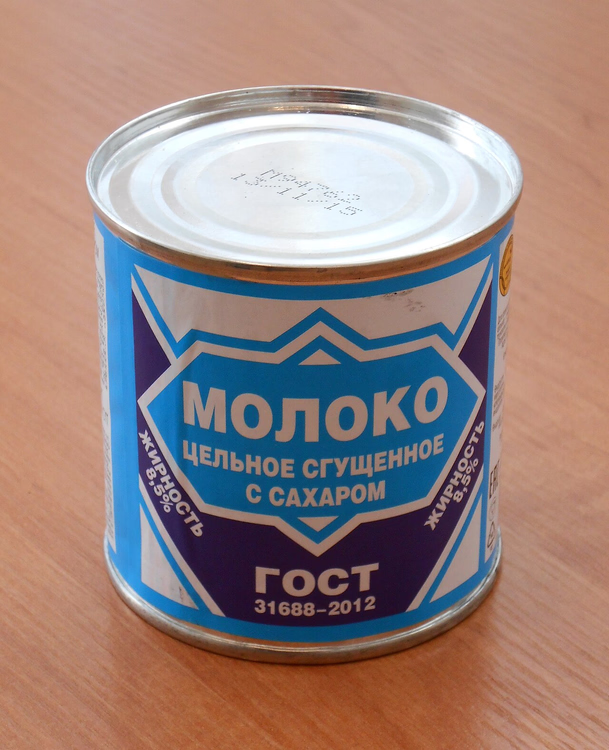
8. Condensed milk
Condensed milk is sold everywhere in Brazil and is called leite condensado. The most famous brand here is Moça. Doce de leite is a different product: a thick milk caramel made from milk simmered with sugar.
Leite condensado works for baking and coffee just as well as at home.
- What to use instead: no substitute needed, look for leite condensado, such as Moça.
- The catch: doce de leite is thicker and darker than condensed milk; don't confuse the two.
 © Донор · CC BY-SAPhoto: Донор, CC BY-SA (https://creativecommons.org/licenses/by-sa/4.0), Wikimedia Commons
9. Mineral water
Familiar mineral water in its usual form is almost impossible to find in Brazilian stores. Sodas, on the other hand, come in a huge variety, with local brands taking up entire shelves.
Instead of familiar drinks, Brazilians buy água de coco by the liter. Coconut water is mild in taste, but in the heat it refreshes better than any lemonade.
- What to get instead: água de coco or a local soda.
- The catch: if you were expecting the taste of mineral water, the drink will seem neutral.
10. Hot dogs
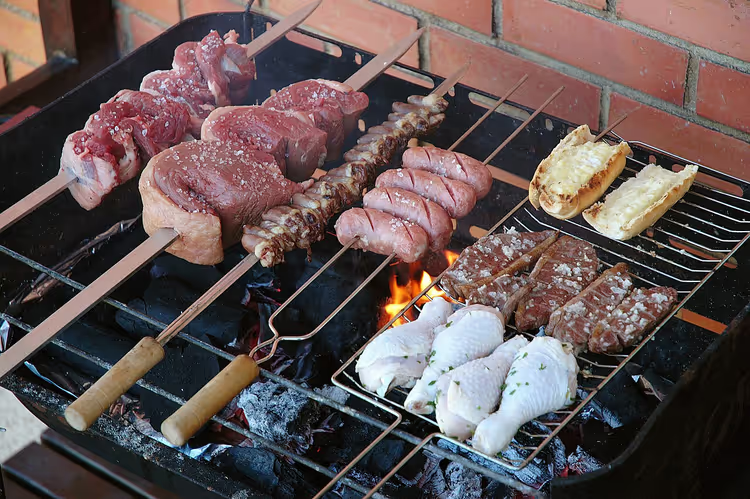
The sausage section in Brazil looks impressive: sausages, burger patties, fillets, and ham. Hot dogs are there, but the selection is small and the prices are steep. Even in a large store, you'll find only one kind of genuinely good hot dogs.
Local linguiça saves the day: it's grilled and added to stews.
- What to use instead: linguiça and beef or chicken hot dogs.
- The catch: you pay noticeably more for quality hot dogs here.
 © Leonardo "Leguas" Carvalho · CC BY-SAPhoto: Leonardo "Leguas" Carvalho, CC BY-SA (https://creativecommons.org/licenses/by-sa/2.5), Wikimedia Commons
⁉️🤔 Frequently asked questions
Can you find quark and sour cream in Brazil?
The familiar quark and sour cream aren't on the shelf. People use ricotta and coalhada instead, and kefir occasionally appears at large chains.
Is there dark bread in Brazil?
You won't find a rye loaf in regular supermarkets. For fresh bread, head to a padaria; the selection is wider there.
Is it true that Brazilian chocolate is very sweet?
Yes, the local bar is noticeably sweeter than what you're used to. Global brands are sold, but they cost more than at home.
What grains are available in Brazilian stores?
Buckwheat, pearl barley, and semolina aren't on the shelf; sides are made from rice, feijão, and farofa. If you need a particular grain regularly, bring a supply with you.
See what a Brazilian market looks like in person: the video shows dishes that aren't on the usual shopping list.
In short: what to put in your basket
Brazil won't disappoint fruit and vegetable lovers: the selection is large, and putting together a balanced diet here is easy. The difficulties start with familiar European products like Quark and Roggenbrot.
- If you're shopping for the first time: get ricotta, coalhada, and doce de leite.
- If you've lived here for a while: add multigrain bread, rice, feijão, and água de coco to the list.
- If you're looking for something rare: get pão de queijo and linguiça, and bring buckwheat and smoked fish with you.
Make your list ahead of time and check the shelves at the nearest mercado: you'll be able to get everything in one trip.

A small editorial team writing guides for independent travel. We travel ourselves, but we haven’t been everywhere, so we check prices, opening hours and how to get there against official sources.