
















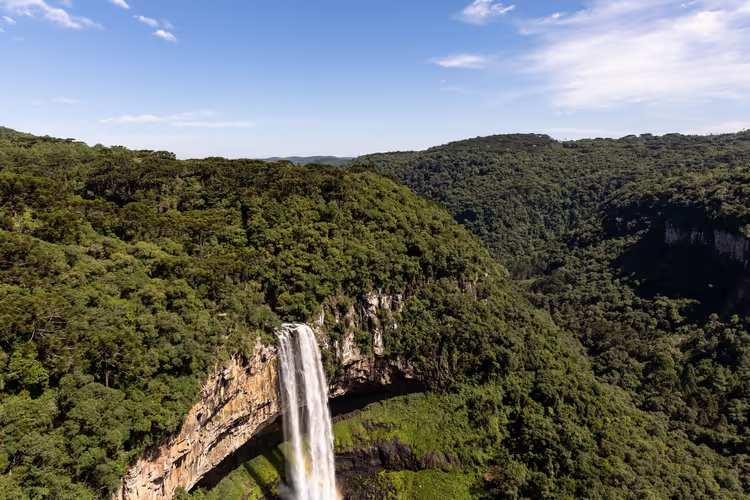
6 Facts about Brazil that break stereotypes
Brazil occupies almost half of South America. The Amazon, the rainforest, and Carnival are what everyone sees. But behind the postcards lies a country with an unusual history and its own rules. We have gathered six facts that will help you understand it before your trip.
People here speak Portuguese, pay in reais, and live to the rhythm of samba. The capital moved from Rio to a city in the middle of the savanna, and the country got its name from a tree. Below are the details that guidebooks rarely mention.
What to know about Brazil
💡 In short:
- The official capital: Brasília, not Rio de Janeiro.
- Facts and dates: 09/2026, verified against UNESCO data and Britannica data.
1. The country's name and nature
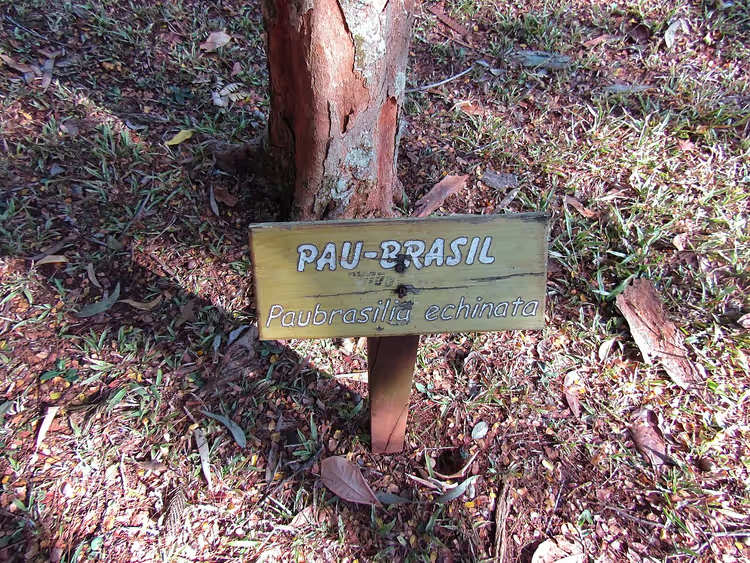
The Portuguese first called these lands the "Land of the Holy Cross." But a different name stuck. It came from the pau-brasil tree: its red wood was used to make dyes for European fabrics (as of Britannica). Today this tree grows only on a narrow strip of the Atlantic coast and is listed in the Red Book.
The country's nature is no less famous than its cities. Brazil ranks first in coffee production (as of OEC) and leads in sugarcane-based biofuel. Ethanol-powered cars have been common here for decades.
In the state of Bahia lies the Enchanted Well (Poço Encantado). It is an underground lake with water so clear you can see the bottom dozens of meters down. To learn how to get there, read our article about the well.
 © Jani Pereira · CC BY-SAPhoto: Jani Pereira, CC BY-SA (https://creativecommons.org/licenses/by-sa/4.0), Wikimedia Commons
2. Capitals: Rio de janeiro and Brasília
The name Rio de Janeiro was given by Portuguese sailors. They mistook Guanabara Bay for the mouth of a large river and named it Rio de Janeiro (as of: Britannica). The geographic error stuck for centuries.
 © Raul Vaccaro · CC BY-SAPhoto: Raul Vaccaro, CC BY-SA (https://creativecommons.org/licenses/by-sa/3.0), Wikimedia Commons
Until 1960, Rio remained the capital. Then the government moved it inland. The city of Brasília was built in the savanna between 1956 and 1960 (as of: UNESCO). The project was led by architect Oscar Niemeyer together with urban planner Lúcio Costa, and from above the plan resembles an airplane.
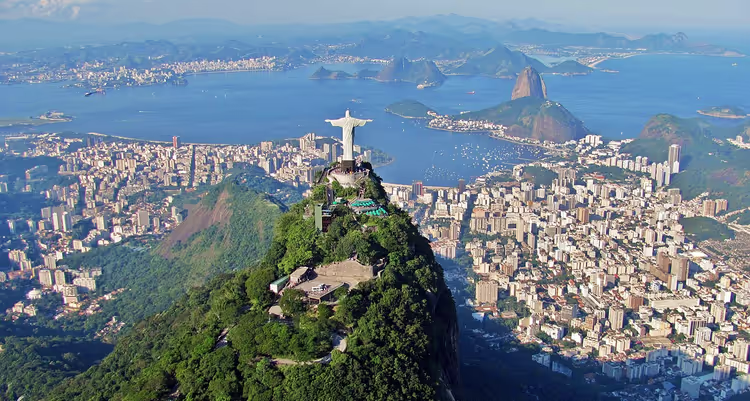
If you want to see Rio without rushing, plan several days for the city. Copacabana and Ipanema beaches, Sugarloaf Mountain, and the Christ statue are spread across different neighborhoods.
 © Rafael Rabello de Barros · CC BY-SAPhoto: Rafael Rabello de Barros, CC BY-SA (https://creativecommons.org/licenses/by-sa/3.0), Wikimedia Commons
3. Christ the Redeemer and Brazilian faith
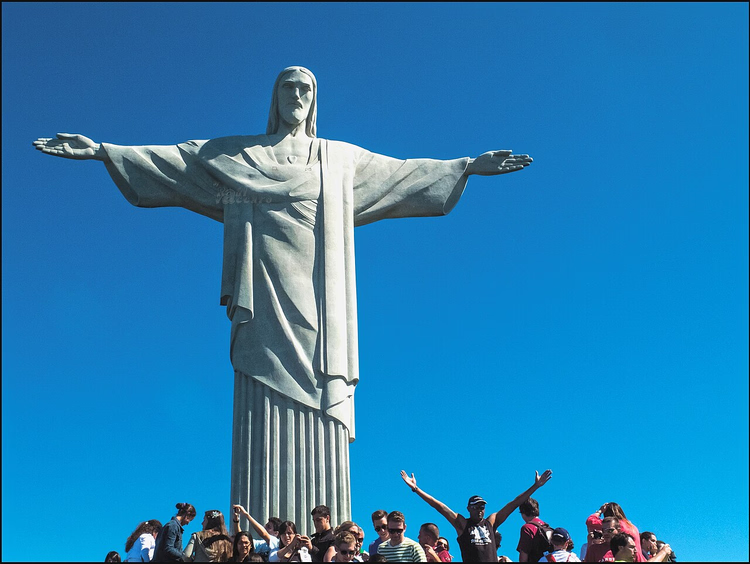
The Christ the Redeemer statue (Cristo Redentor) stands on Corcovado Mountain. The monument is 30 meters tall, with an arm span of 28 meters. It was built from 1922 to 1931 (as of: Britannica). The mountain rises high above the city, so from the viewing platform you can see all of Rio, and the statue itself has been recognized as one of the New Seven Wonders of the World.
Brazil also has no state religion. The constitution guarantees freedom of worship, although most residents identify as Catholic. Alongside Catholic cathedrals, evangelical churches and centers of Afro-Brazilian cults operate.
- The catch: in high season, the line for the train to the statue grows from early morning.
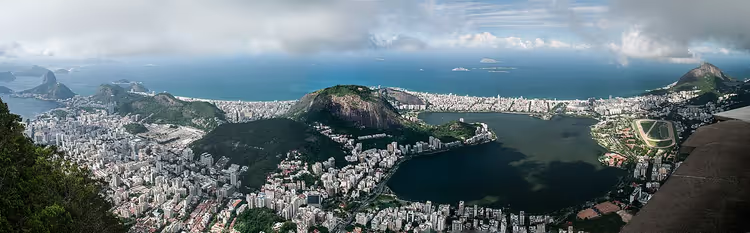 © Jean-Marc Astesana from Voisins le Bretonneux, France · CC BY-SAPhoto: Jean-Marc Astesana from Voisins le Bretonneux, France, CC BY-SA (https://creativecommons.org/licenses/by-sa/2.0), Wikimedia Commons
4. Favelas: neighborhoods with their own rules
Favelas are informal neighborhoods on the slopes of large cities. Some of them are controlled by criminal gangs. Going there without a local guide is dangerous: they have their own rules, and police rarely appear.
The film "City of God" (Cidade de Deus) was made about life in the favelas. It shows how these neighborhoods work from the inside. Many scenes were shot right on the streets of Rio.
- The catch: many companies sell favela tours, but no one guarantees safety on the route.
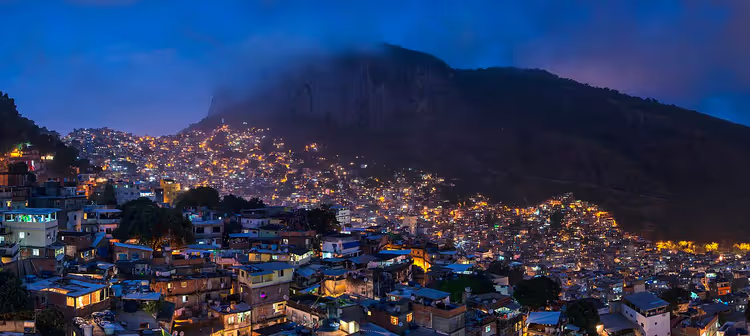 © Chensiyuan · CC BY-SAPhoto: Chensiyuan, CC BY-SA (https://creativecommons.org/licenses/by-sa/3.0), Wikimedia Commons
5. Soccer as a national cult
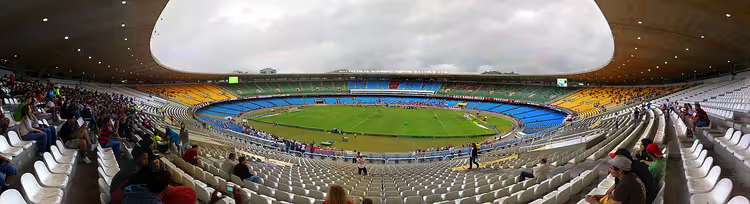
Brazil did not invent soccer, but it turned it into a cult. By number of World Cup titles, the national team holds first place. National team matches turn into a nationwide celebration.
People play everywhere: on beaches, in courtyards, and in stadiums. If you come during the season, go to a local team match: the atmosphere in the stands will stay with you.
6. Carnival and local customs
Carnival in Brazil lasts several days. Samba schools prepare for it for months. The main parade takes place in Rio at the Sambadrome (Sambódromo). Thousands of dancers in bright costumes march through it night after night.
Book hotels for these dates in advance. To learn how Rio celebrates New Year's, read our article about local traditions.
Brazilians love superstitions. The "fig" hand gesture made with three fingers (figa) protects against the evil eye, not a rude gesture.
- The catch: during carnival days, accommodation in Rio costs more than at any other time of year.
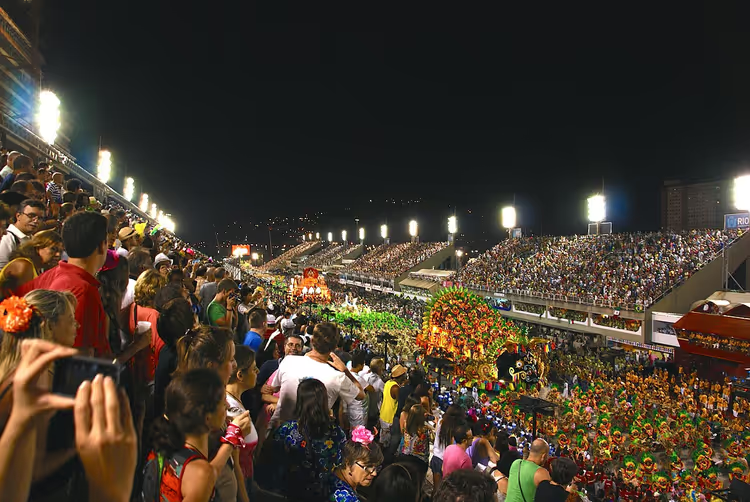 © Ben Tavener from Curitiba, Brazil · CC BYPhoto: Ben Tavener from Curitiba, Brazil, CC BY (https://creativecommons.org/licenses/by/2.0), Wikimedia Commons
⁉️🤔 Frequently asked questions
Why is Brazil called Brazil?
The name comes from the pau-brasil tree, and it was this product that gave the country its name (as of: Britannica).
Is it true that Brazil has no official religion?
Yes, there is no state religion here. For a traveler, this means it is best to check church holidays and days off in advance.
What should you see in Rio de Janeiro first?
On your first trip, see the Christ the Redeemer statue on Corcovado, Sugarloaf Mountain, and the Copacabana and Ipanema beaches. Allow at least three days for the city, otherwise you will only see postcards.
Why was the capital moved from Rio to Brasilia?
By the mid-twentieth century, Rio had become overcrowded, while the country's interior regions remained underdeveloped. Moving the capital to the center was meant to connect the regions and relieve pressure on the coast. The city of Brasilia was added to the World Heritage list (as of: UNESCO).
What is the Enchanted Well?
It is an underground lake in the state of Bahia with water so clear that you can see the bottom tens of meters down. Sunlight makes the water glow blue. It is best to plan the trip with a guide: entry is limited.
Watch a short video overview of Rio de Janeiro before your trip.
In short: what to book
If you are going for the first time: start with Rio de Janeiro. If architecture matters to you: add Brasilia. If you are going for Carnival: book Rio several months in advance. Read more about the country in our materials on Brazil.

A small editorial team writing guides for independent travel. We travel ourselves, but we haven’t been everywhere, so we check prices, opening hours and how to get there against official sources.